

Sagar Asnani: I’ve Learnt to Work in Whatever Gaps I Can Find.
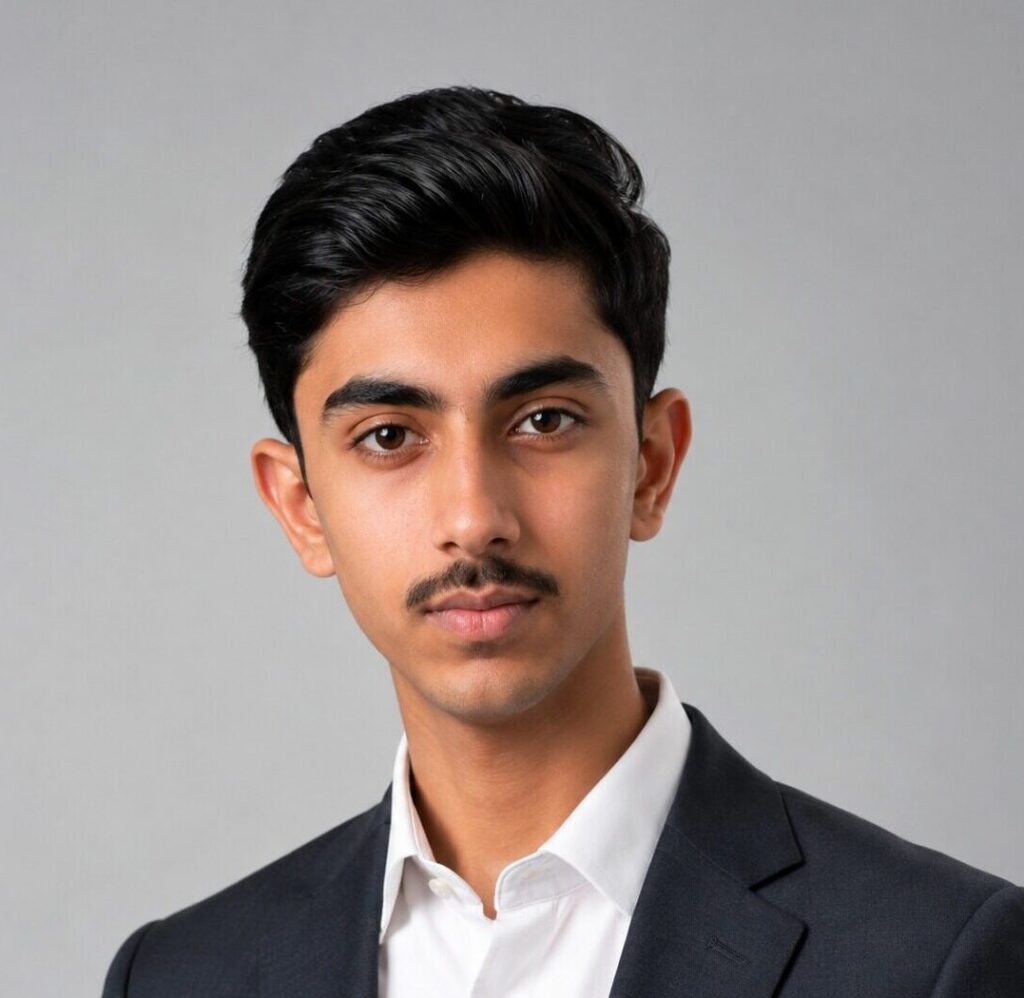
“I’ve learnt to work in whatever gaps I can find. If I have an hour, I’ll use it. If I have 20 minutes, I’ll use that too. I also try to separate the urgent from the important.” Talk us through the inspiration that led to Thrust. The inspiration for Thrust came from something that honestly felt a little ridiculous to me. I realised that booking a flight to another country could be easier than organising a game of sport with a few friends. For a flight, I can open an app, choose where I want to go, pick a time, pay, and I’m done. But if I want to play a game of football, tennis or squash, suddenly I’m messaging five different people, trying to find a court, figuring out timings and hoping everyone is available. And the funny thing was, all the pieces already existed. There were players who wanted to play, coaches who wanted students, and courts that had availability. They just weren’t connected. That was the thought that led to Thrust: if we can make booking a flight this simple, why can’t we make playing a sport just as easy? So I wanted to build one place that brings players, coaches and sports venues together and takes away all that unnecessary back-and-forth. How do you manage your time and energy being a student and running Thrust? I don’t. I negotiate with myself. There are days when I have an exam the next morning, a school event, and someone from Thrust messaging me asking for something, and somehow all three expect me to believe they’re the priority. I’ve learnt to work in whatever gaps I can find. If I have an hour, I’ll use it. If I have 20 minutes, I’ll use that too. I also try to separate the urgent from the important, because otherwise I’ll spend three hours answering messages and convince myself I’ve had a productive day. And honestly, Thrust has become pretty good revision avoidance. Sometimes I’ll tell myself, I’ll just work on this for 20 minutes before studying… and suddenly it’s midnight. So I wouldn’t say I’ve found the perfect balance. I’ve just become very good at convincing myself that there is one. As a sports matchmaker, between players, coaches and courts, what has it taught you on logistics, negotiation and trying to match schedules? Even with an app like Thrust, where the whole idea is to connect players, coaches and courts in one place, you first have to build trust. When I started approaching coaches and venues, I was 15 and telling them about this platform I’d built. Naturally, some people were a little sceptical. Before asking someone to put their business onto your platform, you have to prove that you’re actually going to add value. Then there is the interesting logistics problem on the venue side. A lot of sports courts don’t have automated booking systems. Someone might walk into a venue and book a court in person, while someone else is looking at Thrust and sees that same court as available. So keeping what happens offline at the venue connected with what’s happening online on the app becomes a challenge. That’s taught me that building a sports platform isn’t just about writing code. You have to understand how sports actually work on the ground and then figure out how technology can fit into that reality, rather than expecting everyone to change the way they already work. Talk us through how it all works to eventually bring a sporting event on the ground. I think the way I’d look at it is slightly different. Thrust isn’t really an event organiser. We’re the infrastructure that helps make the activity happen. For example, if someone wants to play a game, they can use Thrust to find other players, discover a coach or find a venue. Instead of having to separately message people, call courts and figure everything out themselves, the idea is to bring those pieces together in one place. So we’re not necessarily the ones running the event. We’re making it easier for the people who want to play to actually get on the court and play. And that’s really what I want Thrust to become: not the organiser of every sporting activity, but the platform that makes organising it almost effortless. How do you manage the manpower for running this venture? In the beginning, it was pretty much just me cold calling and messaging coaches and venues. I’d explain Thrust, get ignored a few times, get “not interested” a few times, and then occasionally find someone who was willing to give it a shot. As Thrust grew, I realised I couldn’t keep doing everything myself. I now work with a small team, including people older than me, who help with things like promotions and getting Thrust in front of more people. That’s actually been an interesting experience. I’m still a student, so I’m working alongside people who have more professional experience than I do. I’ve had to learn that being the founder doesn’t mean I have to be the most experienced person in the room. If someone knows more about something than I do, I’d rather listen to them and learn. At the same time, I still have to be comfortable making the final call when it’s my responsibility. I think that’s taught me a lot about leading people who may actually be older and more experienced than me. Looking forward, where do you see Thrust in 2 years’ time? In two years, I’d love Thrust to be the platform that comes to mind when someone thinks about playing sport. Like, if you need to search for something, you instinctively think of Google. I’d love someone who wants to play a sport to instinctively think, I’ll check Thrust. That obviously sounds ambitious, and I’m very aware we’re still a long way from that. But I’d rather set a goal that feels slightly crazy and work towards it than set one
HE Sheikh Mohammed Opens the 22nd Doha Jewellery & Watches Exhibition
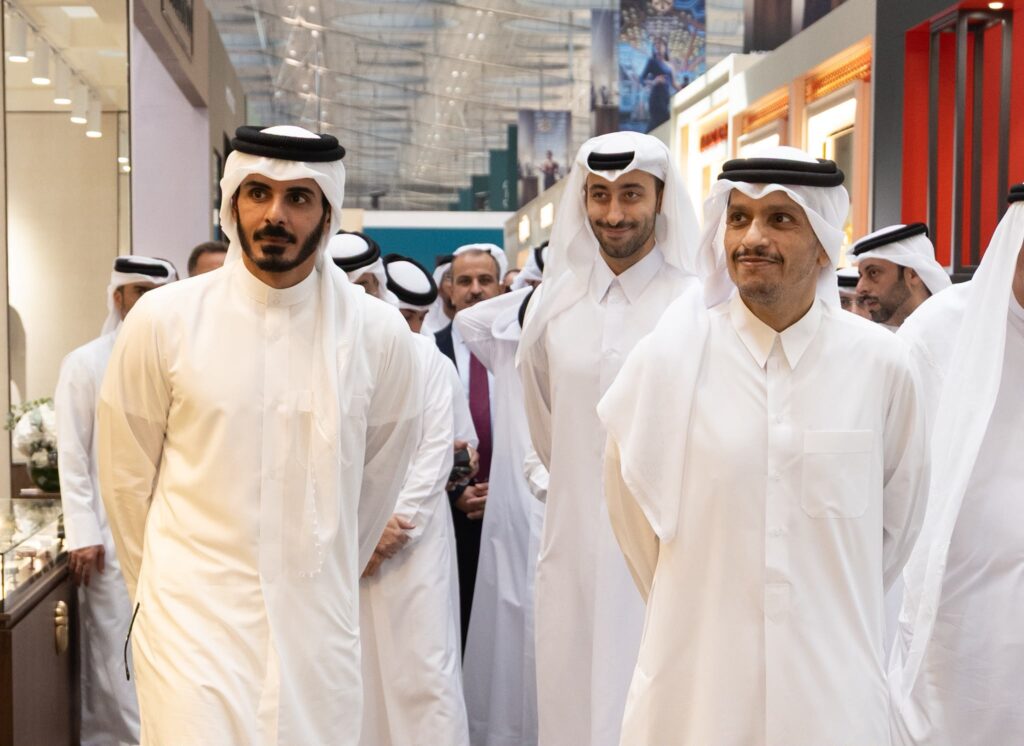
Under the patronage of His Excellency Sheikh Mohammed bin Abdulrahman bin Jassim Al Thani, Prime Minister and Minister of Foreign Affairs, the Doha Jewellery & Watches Exhibition (DJWE) 2026 opened to the public on September 28 at the Doha Exhibition and Convention Centre (DECC). The opening was attended by His Excellency Sheikh Khalifa bin Hamad bin Khalifa Al Thani, Minister of Interior alongside several ministers, ambassadors, and other distinguished guests. The 22nd edition, which is owned by Qatar Tourism, brought by Visit Qatar and organised by Qatar Business Events Corporation (QBEC), was inaugurated during a ceremony attended by H.E. Mr. Saad bin Ali Al Kharji, Chairman of Qatar Tourism and Chair of the Board of Directors of Visit Qatar, and Eng. Abdulaziz Ali Al Mawlawi, CEO of Visit Qatar. Commenting on the opening of the exhibition, HE Saad bin Ali Al Kharji, Chairman of Qatar Tourism and Chairman of the Board of Directors of Visit Qatar, said: “Over more than two decades, the Doha Jewellery and Watches Exhibition has continued to evolve in line with Qatar’s ambitions, establishing itself as a leading global platform for an industry rooted in heritage, creativity and excellence. The 22nd edition reflects the stature the exhibition has achieved, bringing together international expertise, regional participation and Qatari creativity, while opening up new avenues for business, knowledge exchange and partnerships. “As we continue to strengthen the role of tourism as a key contributor to economic diversification, we remain focused on developing distinctive, high-value tourism experiences that draw on Qatar’s unique strengths and deliver sustainable economic impact. The Doha Jewellery and Watches Exhibition embodies this approach, enhancing Doha’s position on the global map of specialised events while providing Qatari designers and entrepreneurs with a vital platform to connect with international markets, create new opportunities for growth and contribute to the development of Qatar’s creative industries.” Eng. Abdulaziz Ali Al Mawlawi, CEO of Visit Qatar, said: “The Doha Jewellery and Watches Exhibition continues to evolve in scale, diversity of participation and international presence, reinforcing its position as one of the leading events on Qatar’s annual calendar and a prominent meeting point for the regional and global jewellery and watch industry. This year, we are building on the exhibition’s achievements by expanding international participation, introducing new platforms for knowledge exchange and offering a diverse programme that brings visitors closer to the creativity, craftsmanship and inspiring stories behind some of the most exceptional designs and pieces. “We remain committed to developing and enriching the exhibition with new content and experiences with every edition, enhancing the value offered to participating brands and designers while providing visitors with new opportunities to discover and engage. This builds on Visit Qatar’s vision of developing world-class events that enhance Qatar’s appeal as a tourism destination and contribute to a diverse and distinctive visitor offering throughout the year.” As the Official Sponsor of DJWE 2026, QNB Group continues its commitment to major international events that strengthen Qatar’s position as a leading destination for luxury and premium experiences. The sponsorship also reflects the Group’s focus on advancing local enterprise and creating greater opportunities for Qatari brands and entrepreneurs. Beyond showcasing exceptional jewellery and watchmaking, the exhibition connects international brands with Qatari designers and entrepreneurs, creating opportunities for commercial relationships, knowledge exchange and access to wider markets. By supporting these connections, QNB Group contributes to private sector growth and economic diversification, in line with Qatar National Vision 2030. Spanning a week, the 22nd edition brings together 49 exhibitors representing more than 500 brands from 30 countries, presenting a wide-ranging showcase of fine jewellery, exceptional timepieces and contemporary design. Leading regional names including Al Fardan Jewellery, Al Majed Jewellery, Ali Bin Ali Luxury, Amiri Gems, Fifty-One East, Al Muftah Jewellery, Blue Salon and Arts and Gems feature alongside international houses and established and emerging Qatari designers. This year, DJWE also unveils a unified visual identity across its exhibition spaces and pavilions, creating a more cohesive visitor journey. International and local participation is further reflected in the return of the Turkish, Indian and Qatari Designers pavilions. The Turkish Pavilion features two brands, while the Indian Pavilion brings together five, each showcasing the distinctive craftsmanship and design traditions of their respective markets. The Qatari Designers Pavilion, sponsored by Scale7, places local creativity at the heart of the exhibition. As Qatar’s hub for Creative and Cultural Industries, Scale7 supports startups and entrepreneurs through programmes, investment and services designed to accelerate innovation and growth. This year, the pavilion brings together six Qatari talents: Midad Jewellery, founded by architect, calligrapher and jewellery designer Abdulla Yousuf Al-Fakhroo; M Royal Collection, led by designer Maisa Jasim Buhejji; Kaltham’s Pavilion, founded by Kaltham Abdulmonem Al Majid, granddaughter of the late Mahdi Ali Al Majid, founder of Al Majed Jewellery; H Jewelry, founded by Hamad Ahmad Al-Mohammed; Ghand Jewellery, co-founded by Jawaher Mohammed AlMannai; and Alghla Jewellery, founded by Shaikha Al Ghanem. The exhibition is also broadening its regional representation, with four GCC-based exhibitors participating in DJWE for the first time: Lulu Al Mahmoud from the Kingdom of Bahrain, Al Bakshi Jewellery from the Kingdom of Saudi Arabia, Ammar Jewellery from the United Arab Emirates, and Zari Jewellery from the State of Qatar.Among the major additions to the 2026 edition is the participation of Christie’s, the renowned international auction house with a 260-year heritage across art, luxury and collectibles. Alongside a dedicated presence within the exhibition, Christie’s specialists are contributing their expertise in jewellery and watches through talks and guided experiences and educational sessions as part of the newly launched DJWE Studio. Throughout the week, the DJWE Studio (The Studio) will host a full programme of workshops, panel discussions and masterclasses. Christie’s will lead sessions exploring the jewellery and watch markets, design trends and collecting behaviours, alongside guided jewellery and watch tours, a Mentorship Moment session connecting emerging designers with industry leaders, and a two-day certificate courses exploring 150 years of art and the relationship between art, jewellery and watches in the 20th century. Sophie Stevens, Christie’s
The best modern CEOs are deliberate about where their involvement adds value and where it becomes a bottleneck.

They retain close involvement in the few areas where enterprise-wide judgement is essential, such as major capital allocation, leadership appointments, and ethical standards. They push other decisions outward to people who are closer to the customer, market, or operation. “I have spent more than thirty-five years as an operator, working inside businesses under pressure rather than observing them from the outside. I held senior roles across founder-led companies, family businesses, and multinationals, including global chief human resources officer at Aramex and vice president of human resources at Carrefour,” states Sadek El Assad, business transformation strategist and founder of Zeder Group, adding that during his time at Carrefour, El Assad was part of the regional leadership team as the business expanded from three hypermarkets to 37 across 11 countries, while detailing his career path. “Over the years, that work took me into more than 50 companies, a dozen industries, and 30 countries. The common thread was never one sector or function. It was a question that kept appearing in very different settings: why do some businesses grow stronger as they scale, while others become larger, slower, and more fragile? Earlier in my career, I probably judged leaders too much by what they could personally carry. Over time, I became more interested in what they enabled other people and the wider organisation to carry,” says El Assad. “That shift eventually led El Assad to establish Zeder Group. Today, according to El Assad, he works with founders, CEOs of growing companies, and leaders of family-owned businesses that have achieved commercial success but are beginning to feel the organisational strain that comes with scale. “My role is to help them strengthen the business before complexity exposes the weaknesses beneath that success. Over time, that question, why some companies grow stronger while others grow heavier and more fragile, is what became Business Fitness. It is the standard I created to measure the structural readiness of a company to grow and the discipline of staying strong as it does. Most of what I do now sits under that idea,” mentions El Assad. COMMONALITIES IN BUSINESS PRACTICES Speaking about the commonalities in business practices that El Assad encountered when he worked alongside founders, family businesses, and global organisations, El Assad is emphatic that the surface differences can be considerable, but the underlying patterns are often similar. “In many successful companies, the early years depend on one person, or a small group, carrying an extraordinary amount in their heads: relationships, judgement, standards, commercial history, and an instinct for what constitutes a good decision,” details El Assad. “That concentration is not necessarily a weakness, interprets El Assad. “In the beginning, it is often one of the reasons the business succeeds. Decisions are fast, standards are personally protected, and customers know exactly who to call,” says El Assad, adding that the challenge comes later. “As the company grows, the same concentration can become a constraint. Decisions continue to return to the same desk. Important relationships remain personal rather than institutional. Standards hold when a particular leader is present but become less reliable at a distance,” explains El Assad. Ruminating on his regional experience, El Assad mentions, “I have seen versions of this in Gulf family businesses and in multinational organisations operating across several continents. The scale may be different, but the mechanics are recognisable. The most capable companies can become heavily dependent on their most capable people. They are often slow to recognise the risk because, for a long time, that dependence looks like strength.” El Assad adds, “I call that condition Heavy Growth: when a company scales in a way that adds drag, dependence, and fragility faster than it adds real strength. It looks like success from the outside, revenue and headcount rising, while inside decisions slow and the business leans on too few people. It is exactly the condition Business Fitness exists to detect and reverse.” SUCCESSION PLANNING Sharing his thoughts on the paradigm of succession planning that businesses in the region can follow, El Assad mentions, “Before deciding who should take over, founders need to understand what is actually being transferred. Most succession planning focuses on preparing the successor. The harder task is preparing the business so that it can be inherited successfully. A company that cannot operate without the founder is not ready to be handed to anyone, regardless of how capable the successor may be.” The practical work is structural, according to El Assad. He adds, “Founders should identify the decisions, relationships, and knowledge that still depend entirely on them. They should clarify where ownership ends and management begins, particularly when family members occupy both roles.” The standards that live in the founder’s head also need to become visible. A successor cannot preserve principles that have never been clearly expressed. Nor can they lead effectively if authority is formally transferred but repeatedly reclaimed whenever their decisions differ from the founder’s, in the views of El Assad. There are cultural differences, although they should not be overstated. In many Middle Eastern family businesses, succession is closely connected to family identity, stewardship, reputation, and relationships. In some Western markets, governance and management succession tend to become institutionalised earlier and are often discussed more directly. There are many exceptions in both directions. The difference is often in how the conversation is conducted, not in the underlying risk. Whether the business is in Riyadh or Rotterdam; if too much authority, knowledge, or trust remains concentrated in one person, the handover will be fragile. Culture shapes the process, but it does not remove the need to reduce dependence.
Beyond Luxury: Qatar Hospitality’s Next Chapter
For the past decade, Qatar has pursued one of the most ambitious hospitality journeys in the world, investing billions in world-class hotels, luxury brands and cultural landmarks. It is working: more than 5.1 million international visitors came in 2025, and Doha is the GCC’s Tourism Capital for 2026. The FIFA World Cup accelerated that, but also marked a turning point. The challenge is no longer attracting attention; it is creating reasons for people to return writes Diane Thorsen**. As more hotels and international brands arrive, what makes one property memorable over another? When design, service and amenities are consistently high, the traditional definition of luxury is no longer enough. Guests want experiences that feel personal, culturally rich and emotionally meaningful. The question is shifting from “Where should I stay?” to “What will I discover if I stay here?” Consider the supply. Around 60 percent of Qatar’s roughly 40,000 hotel rooms are international branded stock, with the pipeline heading beyond 44,000 rooms by 2027. When every project promises the same service, wellness and authenticity, that sameness becomes the real challenge. Increasingly, guests choose places that reflect their own interests and values. Luxury is becoming less about status and more about relevance. Here, Qatar holds an advantage many emerging destinations are still building: a genuine cultural identity. Its investment in museums, heritage, sport and the creative industries is a powerful foundation. It matters more as travellers organise trips around wellbeing and meaning – the global wellness economy is nearing US$6.3 trillion (QR36.4 trillion), and the Middle East is among its fastest-growing markets. The most successful hotels of the next decade may act less like isolated luxury assets and more like cultural platforms – where local artists exhibit, chefs reinterpret tradition, and guests leave understanding Qatar, not simply having visited it. This is where hospitality itself is heading. Guests may forget the room they stayed in, but they rarely forget how a place made them feel. Qatar’s next chapter won’t be measured by how many hotels open, but by emotional loyalty – and a sense of purpose no international brand can replicate. That may prove its greatest competitive advantage. Qatar’s economic growth Qatar’s economy continues to reinforce its standing among the world’s most competitive and investment-friendly markets, supported by strong economic fundamentals, ambitious reform programmes, and a rapidly evolving business environment that is attracting growing levels of domestic and international investment. Recent data indicate that the country’s efforts to diversify its economy and encourage private-sector growth are yielding tangible results. During the first quarter of this year, approximately 3,295 new companies were established with full foreign ownership across a wide range of economic sectors. The figure represents a remarkable 66 percent increase compared to the corresponding period last year, highlighting the growing confidence of international investors in Qatar’s economic prospects and regulatory framework. The sharp rise in fully foreign-owned businesses reflects the success of Qatar’s long-term strategy to position itself as a regional and global destination for investment. The growth has been driven by a series of structural reforms and legislative measures introduced by the government to enhance competitiveness, simplify market entry, and create a more attractive business climate for investors. Among the most significant reforms has been the modernisation of investment regulations and the expansion of digital government services. Authorities have streamlined procedures for establishing businesses, obtaining licences, and accessing government services through advanced digital platforms, significantly reducing administrative burdens and simplifying the process for new ventures.
Beyond the hire: Building the workforce of the future
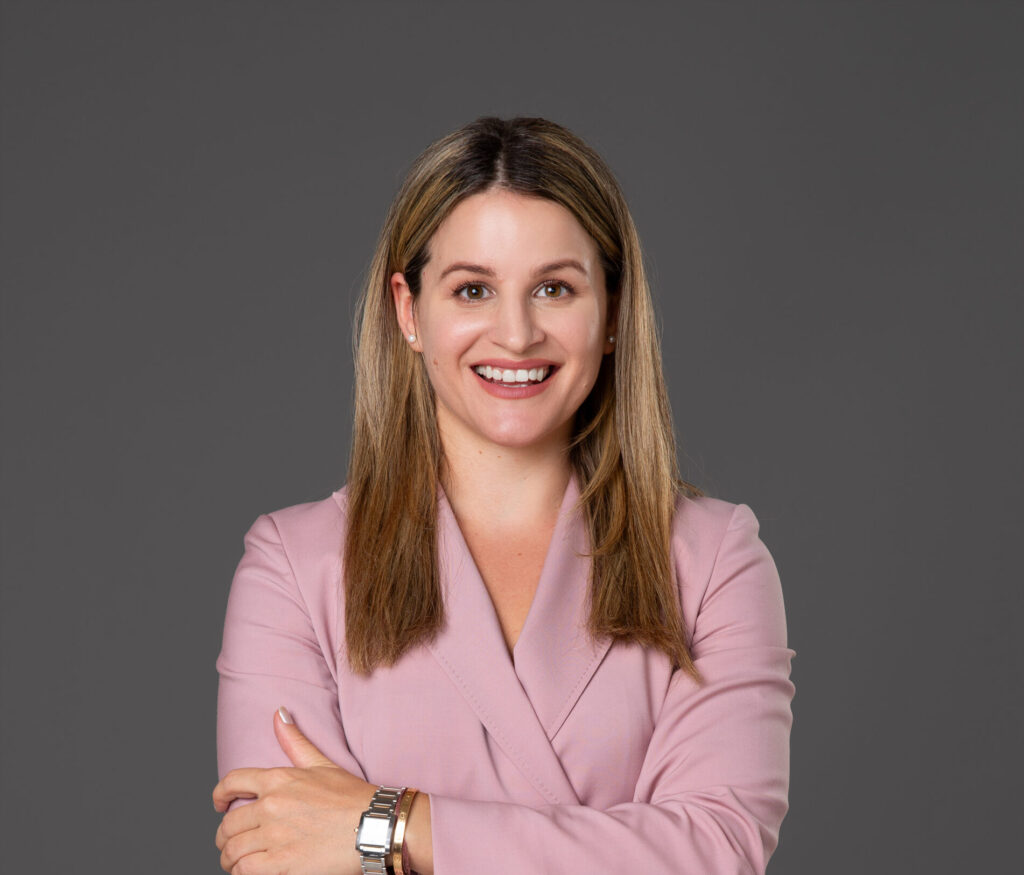
The workplace is changing quickly, but the challenge for Gulf Cooperation Council (GCC) employers is practical: how do you build teams that can keep pace with hybrid working, Artificial Intelligence (AI), localisation and changing expectations while still supporting the people doing the work? For businesses, the issue is not just about finding the right people, but creating the conditions for them to stay, develop and become future managers and leaders. With experience across recruitment, people operations and workforce management, Nina Pacic, people operations director – Middle East at Sovereign PPG, brings a practical view of what employers are getting right — and where they still have work to do. Pacic also sheds light on the changing expectations of the GCC workforce, what employers need to consider beyond recruitment so that people want to join, stay and grow with the business “At any stage of their career, people may be balancing housing, healthcare, family responsibilities, savings and long-term financial stability alongside other pressures. An employer that recognises those realities can offer something more meaningful than another generic benefit. Consistency matters most.” “I would argue that the question for employers is becoming broader: what does the employee actually get from working here? That includes pay, but it also includes security, trust, development and a sense that the organisation is thinking about their future, not only their current output.” “Workforce planning has to start with strategy, not with HR working in isolation. Leaders should be asking where the organisation is going, and what people, skills and leadership capacity they will need to get there. That is especially important in the GCC, where growth, digital transformation, AI adoption and localisation requirements are all moving at the same time. You cannot build a sustainable workforce simply by hiring more people. You have to build capability inside the organisation.” Currently, the recruitment paradigm has practically reinvented itself compared to the last decade. The biggest change is that recruitment has become much less transactional. Ten years ago, many conversations started with a vacancy: can we find someone who can do the job? Today, the better question is: what skills will this business need in two or three years, and are we hiring with that future in mind? “Qualifications and experience still matter, of course, but they are not enough on their own. I look closely at adaptability, communication skills, judgement, willingness to learn and ability to navigate the change. In this market, where AI, automation, localisation and evolving business models are changing roles quite quickly, potential matters a great deal,” says Nina Pacic, people operations director – Middle East at Sovereign PPG Technology has also transformed the recruitment process itself, according to Pacic, adding, “AI-driven sourcing, screening and candidate engagement tools have increased efficiency, but they have also raised expectations around speed, personalization and candidate experience. The human element remains critical, particularly when assessing culture fit, judgement and long-term potential.” Candidates are also more informed and more selective. They ask better questions about culture, flexibility, progression and whether the day-to-day experience will match what is being promised. So recruitment is no longer a one-way assessment. It is the first step in building trust with someone you may want to retain for years, opines Pacic Pacic is emphatic when she mentions, “Ultimately, recruitment has evolved from filling vacancies to building future capability. Organisations that attract and retain the best talent are those that can clearly articulate not only what the role is today, but also how an individual can grow, contribute and build a meaningful career over time.” Employee retention Recruiting younger talent and retaining them over even the medium term (forget the long-term) is quite a task. How has the workplace got to be really attractive enough to keep the younger talent hooked? Explains Pacic, “I think employers need to be careful not to reduce this to perks or slogans. Younger employees are not looking for a perfect workplace, they are looking for a workplace that is honest with them and gives them a reason to invest their time and energy. Flexibility, technology and work-life balance are important, but they are not the whole story. What keeps people engaged is usually more basic and more serious: they want to learn, they want their work to mean something, exposure to new experiences and confidence that they are building skills that will remain relevant throughout their careers and they want to see a path forward rather than just a job title.” Mentorship also plays an important role, emphasises Pacic. Many younger professionals actively seek opportunities to learn from experienced leaders, gain broader business exposure and understand how decisions are made. They want guidance and development, not just a list of tasks to complete Financial security is part of that, too, explains Pacic. “At any stage of their career, people may be balancing housing, healthcare, family responsibilities, savings and long-term financial stability alongside other pressures. An employer that recognises those realities can offer something more meaningful than another generic benefit. Consistency matters most. If we tell someone during recruitment that they will have development, flexibility or progression, then managers have to make that real after they join. People do not necessarily leave because everything is difficult; they leave when the reality is too far away from what they were led to expect,” adds Pacic. Managers’ role To match the pace of workplace changes and new hires, it is imperative that the managers groom themselves differently – more contemporary, more willingly Explaining the new need, Pacic is clear when she says, “Managers need to be much more intentional than they used to be. It is not enough to allocate work and check whether it is done. New recruits need clarity, feedback and context. They need to understand not only what they are doing, but why it matters and how good judgement is formed.” This is especially true for junior employees, adds Pacic. “A lot of learning,” according to Pacic, “happens by observing experienced colleagues: listening to client conversations, seeing how
Qatar is a fascinating market, leapfrogging other traditional financial centres
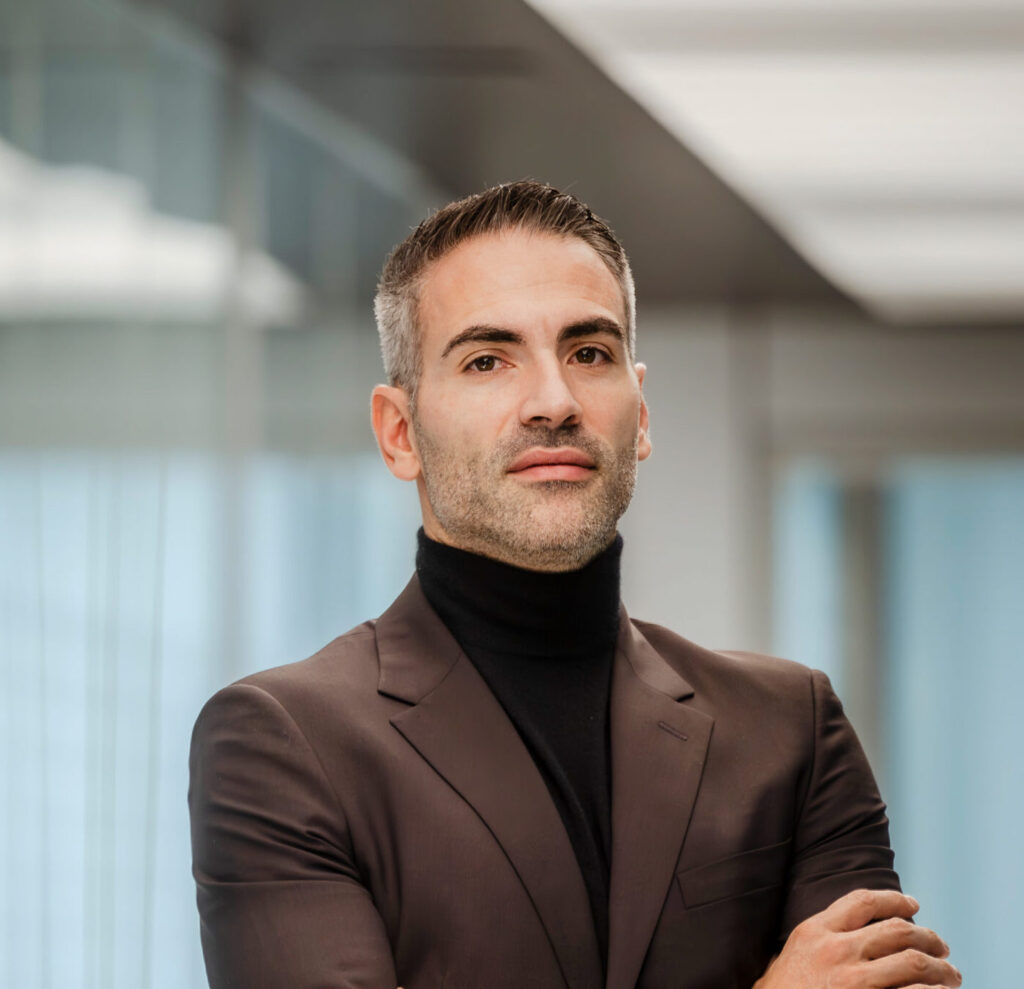
Stiven Muccioli, CEO at BKN301 has, in his own words, “built, scaled, and exited companies across e-commerce and financial services” – which gave him a first-hand view of how technology can transform established industries. This created his current venture – BKN301 in 2021. Muccioli shares his views on Qatar and its potential for entrepreneurship, fintech investment opportunities what the growth of stablecoins could mean for Qatar’s banks and financial institutions. “We are actively building an ecosystem through targeted investments and acquisitions, especially around data and AI, to keep that execution advantage over time and scale exponentially in the medium term.” “Qatar’s VC ecosystem is being deliberately built, and make yourself part of it. Programmes such as Startup Qatar provide funding and support for seed and growth-stage companies. There is a budding network of government grants, events, incubation programmes, and funding available for tech startups to establish or expand operations in this market. Founders should make a point of showing investors how their business can contribute to Qatar’s ambition to become a regional hub for innovation.” “Cross-border infrastructure stands out because Qatar is well positioned as a bridge between established financial markets and faster-growing emerging economies. As interoperability becomes more important, there is a growing need for platforms that can connect different banks, payment systems, regulatory environments, and financial workflows without adding another layer of complexity.” Talk us through your career path. Muccioli: I’m a technology entrepreneur and investor. Over the years, I’ve built, scaled, and exited companies across e-commerce and financial services. One of my early ventures was Tippest, which became one of Italy’s leading e-commerce platforms, and I later built Ventis, which was acquired by Iccrea Banca Group. Those experiences gave me a first-hand view of how technology can transform established industries, but also the complexity that often holds financial institutions back. That led me to found BKN301 in 2021. BKN301 is financial data infrastructure layer focused on one central problem: complexity that slows execution. Banks and fintechs are under constant pressure to innovate and comply with regulation, but most are constrained by fragmented systems built over decades. We help institutions and newcomers modernise without breaking what already works, so they can launch faster, adapt to regulation more easily, and scale without adding disproportionate cost. From there, the focus has expanded beyond the platform itself. We are actively building an ecosystem through targeted investments and acquisitions, especially around data and AI, to keep that execution advantage over time and scale exponentially in the medium term. Today, I lead both BKN301 and SM Capital, with a focus on financial infrastructure, data, and AI-driven platforms. Alongside that, I serve as Special Envoy for Innovation & Economic Development for the Republic of San Marino, working where institutions, technology innovation, and global markets intersect. Having been associated with venture capital as an industry, what top 5 lessons do you want to share for those who are looking for venture capital to start or scale up their business in the region. Qatar is a fascinating, growing market that is, in many ways, leapfrogging other traditional financial centres. Its fintech story is particularly distinct as the groundwork has been laid in a way that allows firms to scale fundamentally differently from those in many older markets, where legacy infrastructure and regulatory fragmentation can hold them back. There are decades of tech debt, dependencies, and layers of complexity, and all of that slows everything down. Even many digital-first challenger banks, which were built to circumvent these hurdles, are still tied to the same legacy infrastructure they originally set out to disrupt. In terms of lessons for founders looking to attract venture capital, a few key areas stand out. Firstly, tap into Qatar’s entrepreneurial spirit and understand the direction of travel. There’s a clear national vision around digital transformation, defined by initiatives such as the Qatar National Vision 2030 and the Qatar FinTech Strategy. Regulators are actively engaged with the market rather than reacting after the fact. In practice, that gives founders the opportunity to build with modern infrastructure and regulatory requirements in mind from day one, rather than retrofitting them later. I’d also reinforce the importance of getting the foundations right early. In fintech especially, strong infrastructure, data capabilities, and compliance matter because they determine whether you can grow without costs and complexity increasing in tandem. Investors need to see that the architecture underneath the business is capable of supporting long-term scale. In a similar vein, founders should build for execution, not experimentation. The market is moving beyond proofs of concept. Investors want to understand how an idea can actually be deployed, scaled and sustained, not simply whether it works in a pilot. Founders should also be able to show investors how they can scale beyond one market. Its geographical position acts as a bridge between established financial markets and fast-growing emerging economies. For investors, the most compelling businesses will therefore be those that can demonstrate how a model proven in Qatar can expand into regional and cross-border use cases. Lastly, understand that Qatar’s VC ecosystem is being deliberately built, and make yourself part of it. Programmes such as Startup Qatar provide funding and support for seed and growth-stage companies. There is a budding network of government grants, events, incubation programmes, and funding available for tech startups to establish or expand operations in this market. Founders should make a point of showing investors how their business can contribute to Qatar’s ambition to become a regional hub for innovation. Where do you see the strongest fintech investment opportunities emerging in Qatar, particularly as value moves away from consumer-facing applications and towards the infrastructure, data and compliance layers behind them? I see the strongest investment opportunities in Qatar moving towards the infrastructure that allows financial institutions to scale. That includes orchestration platforms, real-time payments infrastructure, financial data layers, and compliance technology. There are already signs of capital moving in this direction. By December 2025, Qatar Development Bank (QDB), through Qatar FinTech Hub and its investment arm, had
AI is an organic part of businesses, not an add-on
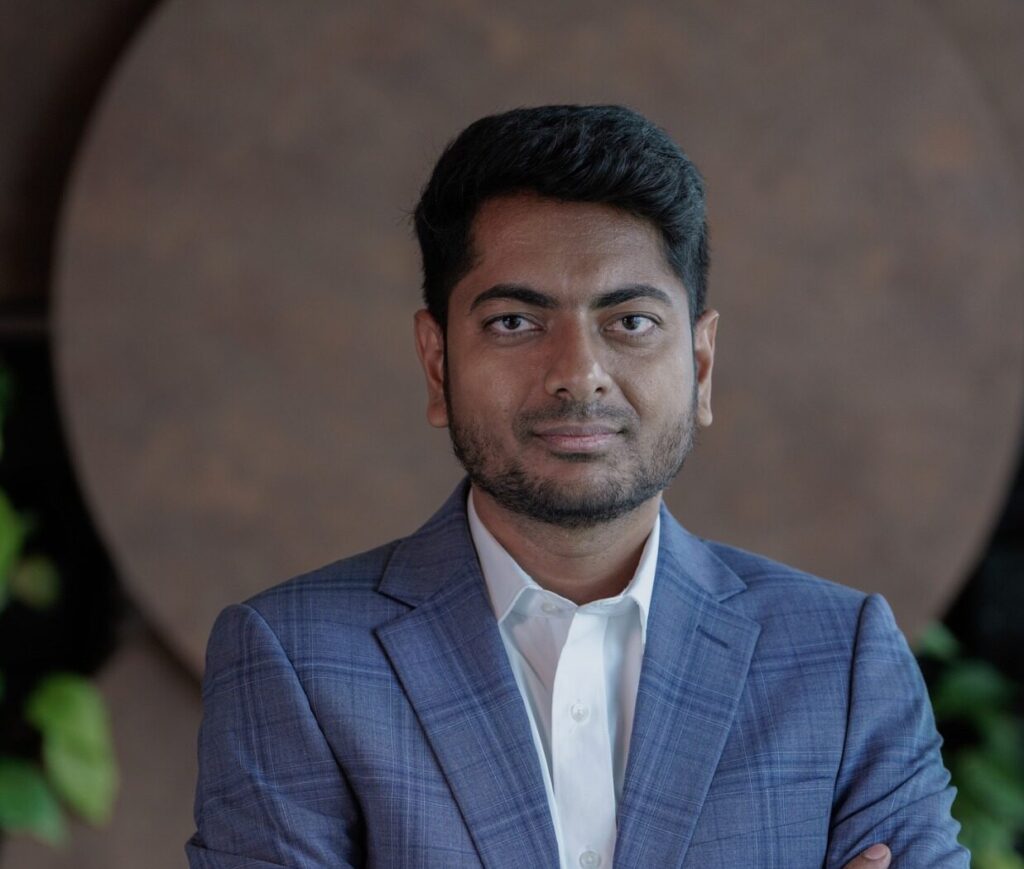
Saran B. Paramasivam, regional director, Middle East & Africa, Zoho, in conversation with Business Leaders ME, sheds light on a swathe of subjects – from productivity to decision intelligence, exploring how organisations across the Middle East are leveraging Artificial Intelligence (AI) to transform business operations, decision-making, and enterprise software, while maintaining responsible AI practices and governance. Paramasivam also examines AI adoption across enterprises and SMEs, regional trends, and the role of AI in supporting national digital transformation initiatives. “An assistant answers when asked. In contrast, an agent acts without being asked, within boundaries that are pre-set. That’s a meaningful shift, and it’s also where the risk conversation gets real. An assistant giving a wrong answer is a nuisance. An agent taking the wrong action, updating a record, sending a payment, changing a customer status, has actual consequences.” “We’ll see less talk about AI as a standalone feature and more about it as infrastructure, something that has to be governed, trusted, and verified, the same way we think about security or compliance today. And I think the businesses that win in this next phase won’t be the ones with the flashiest AI demo, they’ll be the ones who built AI on a foundation they can actually trust and control.” “My path has been unconventional by most standards. I joined Zoho straight out of high school in 2005 as the first student selected into what is now known as Zoho Schools of Learning, so no traditional degree, no conventional route in,” says Saran B. Paramasivam, regional director, Middle East & Africa, Zoho, commenting on his career path. Starting as a software developer, Paramasivam moved into product management, and spent a significant part of his career shaping Zoho Creator, the company’s low-code platform. That experience, according to Paramasivam, gave him a deep understanding of how businesses think about technology and what it takes to translate complex problems into real solutions. Over nearly two decades, Paramasivam’s role evolved across product, customer engagement, and strategy and that journey brought him to where he is today, leading Zoho’s business across the Middle East and Africa as its regional director. “I often say I did not just work for Zoho; I grew up with Zoho. And honestly, that depth of experience is what I bring into every market conversation across the MEA region,” asserts Paramasivam AI in day-to-day decision making of big businesses versus SMEs In the opinion of Paramasivam, for large enterprises, AI has already shifted from a nice-to-have to something embedded in daily decisions, forecasting, resource planning, customer response times. “The difference isn’t whether AI matters, it’s how it’s being adopted. Big businesses often have the budget and internal teams to build custom AI solutions. SMEs don’t have that luxury, so their AI adoption has to come built into the tools they’re already using, not as a separate investment. That’s actually the more interesting story right now: SMEs adopting AI isn’t about” catching up” to enterprise, it’s about accessing the same intelligence without needing enterprise-level resources to get there,” explains Paramasivam How, in Paramasivam’s view, is AI transforming modern business software and enterprise operations? Software used to be a tool one operated, explains Paramasivam. “Now it’s becoming something that operates alongside you. The shift is from static systems where a person has to pull a report, interpret it, and act, to systems that surface the insight and, increasingly, take the next step themselves. The businesses getting real value aren’t the ones bolting AI onto old workflows, they’re the ones rebuilding their operations around the assumption that AI is part of the process, not an add-on to it,” adds Paramasivam. The evolution from AI assistants to AI agents is something integral to Zoho. In the explanation of Paramasivam, an assistant answers when asked. In contrast, an agent acts without being asked, within boundaries that are pre-set. That’s a meaningful shift, and it’s also where the risk conversation gets real. An assistant giving a wrong answer is a nuisance. An agent taking the wrong action, updating a record, sending a payment, changing a customer status, has actual consequences. “So this evolution isn’t just a capability story, it’s a trust and governance story. The businesses moving fastest here are the ones building the guardrails at the same time as the capability, not after. That’s also why, as we build AI agents within Zoho, our approach is governance-first, not capability-first,” opines Paramasivam. Responsible AI strategies alongside privacy and governance The businesses doing this well are treating governance as part of the AI architecture, not a policy document sitting separately from it, explains Paramasivam. “That means permission layers that mirror the organisation’s actual structure, so AI only surfaces what a given person is already cleared to see. It means knowing exactly where data lives and who has access to it. And it means building recovery and accountability into the system from day one, not scrambling to add it after something goes wrong. Responsible AI isn’t a separate initiative from AI adoption, it has to be the same initiative,” mentions Paramasivam. In the region, what kind of evolution have businesses undergone to adopt AI into their day-to-day operations? In the opinion of Paramasivam, the shift being witnessed across the region is from AI being used for specific, isolated use cases to becoming embedded in everyday business operations. Companies are increasingly applying AI across functions, from customer service and sales to finance, HR, and operations, to improve productivity and decision-making. Government-led investment and national AI strategies have helped accelerate this adoption, but the bigger shift is happening at the business level: the conversation is moving from whether to adopt AI to where it can create the most value and how it can be integrated responsibly into the way people already work, describes Paramasivam In explaining the role AI will play in supporting the GCC’s digital transformation ambitions, Paramasivam says, “AI is the layer that makes a lot of the region’s broader digital transformation goals achievable at speed, not just on paper.
British Council, Liberty and Doha Design District Launch “Living in Pattern” Design Exchange
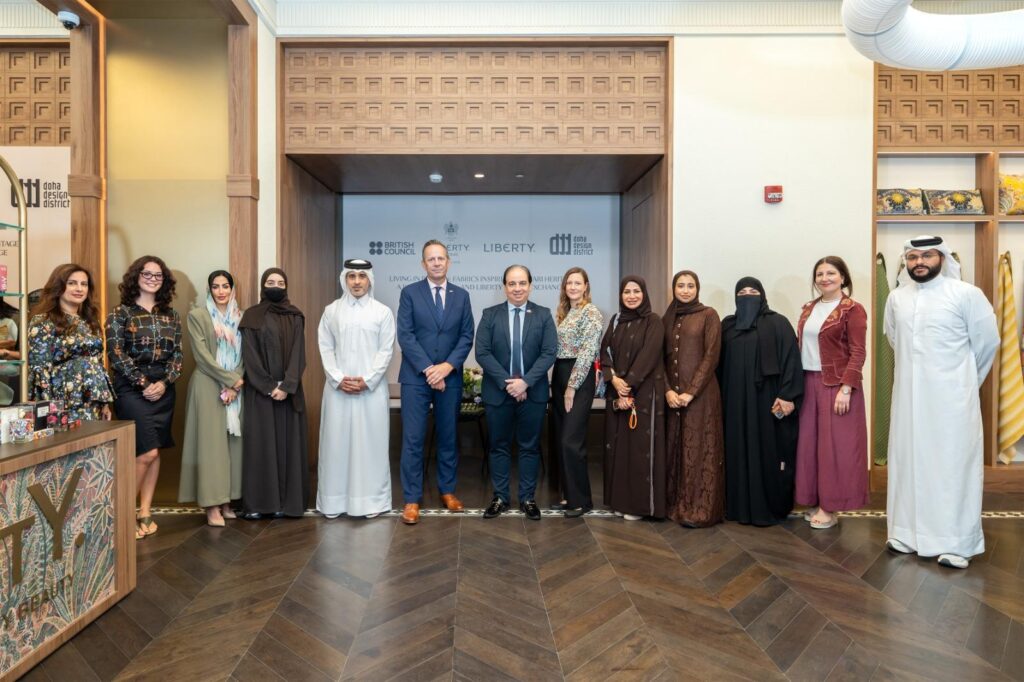
A three-stage residency connecting Qatar-based creatives with Liberty London to transform local heritage into contemporary fabrics Doha, 22 September 2026 — A new creative partnership between Qatar and the UK was formally launched this week. The British Council, Liberty London, Liberty Home Msheireb and Doha Design District (powered by Msheireb Properties) have come together to introduce Living in Pattern: Fabrics Inspired by Qatari Heritage, a residency designed to help emerging local artists and designers turn Qatar’s natural and cultural heritage into contemporary textile design. The launch took place on 22 September with the signing of a strategic partnership agreement at Liberty Home Msheireb. The programme will unfold in three stages: Discover, Develop and Advance. Up to ten Qatar-based creatives will begin with an immersive research phase, exploring the country’s architecture, native flora, marine environments, museums, archives and living cultural traditions. After an assessment, five participants will move into an intensive development stage before taking part in a mentorship residency in London with Liberty’s design team. One of the most significant opportunities within the programme is the chance for up to two original artworks created during the residency to be selected for further development and possible inclusion in Liberty London’s 2028 Interior Fabric Collection. This offers a rare pathway for designs rooted in Qatari heritage to reach international audiences through one of Britain’s most recognised design houses. The residency starts this week with a three-day induction programme. Participants will be introduced to Qatar’s natural history, architectural traditions and design methodologies through guided visits to leading cultural and educational institutions, learning how local heritage, landscapes and visual culture can shape modern textile design. Hassan Al Emadi, Chief Commercial Officer at Msheireb Properties, said:“At Msheireb, we believe that heritage remains one of our greatest sources of inspiration for the future. Through this partnership, we are creating opportunities for emerging creatives to engage deeply with Qatar’s cultural and natural landscapes while connecting them to world-class expertise and international platforms. Living in Pattern reflects Doha Design District’s commitment to supporting talent development, celebrating Qatari identity, and positioning creative industries as an important contributor to a vibrant and knowledge-based economy.” Dr. Waseem Kotoub, Country Director of the British Council Qatar, added:“Living in Pattern reflects the British Council’s commitment to creative skills development and the growth of Qatar’s creative industries. Through collaboration with Liberty and Doha Design District powered by Msheireb Properties, the programme provides designers with access to mentorship, international networks and hands-on learning opportunities that will help them thrive in the evolving creative economy. As we prepare for this year’s Qatar-UK Creative Industries Skills Forum, the residency demonstrates how international partnerships can create meaningful pathways for talent development, creative exchange and long-term sector growth.” Genevieve Bennett, Head of Design for Home & Interiors at Liberty, shared: “Doha represents an exciting new chapter in Liberty’s story. For over 150 years, we’ve been drawn to the meeting of different cultures and ideas, and in its first year Liberty Home Msheireb has become a meeting point between our British creative heritage and the richness of contemporary Qatari culture. Living in Pattern feels like a natural expression of that connection, bringing together the imagination of emerging designers with the wealth of Liberty’s archive, while drawing on Qatar’s culture and visual language, taking something with such a deep history and allowing it to evolve into part of a new creative conversation.” The launch also marks the first anniversary of Liberty Home Msheireb, one year since the British design house opened its first presence in the Middle East. In that time, the space has grown beyond retail into a lively platform for cross-cultural collaboration. By bringing together research, mentorship and genuine creative exchange, Living in Pattern shows how heritage can inspire contemporary design while building lasting creative capacity between Qatar and the UK.
Qatar Foundation Concludes BilAraby Annual Gathering 2026 with Discussions on Innovation, Entrepreneurship, and Peacebuilding
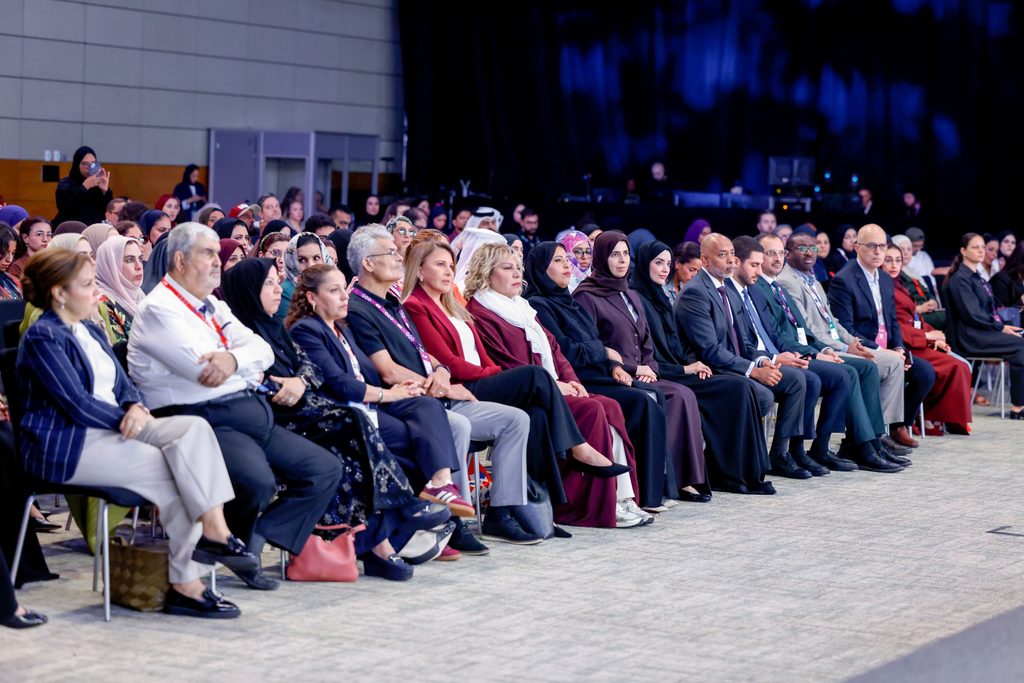
Qatar Foundation wraps up BilAraby Annual Gathering 2026 in Doha Qatar Foundation has brought its second BilAraby Annual Gathering to a close in Doha, drawing around 1,600 people together for two days of conversations, workshops and ideas. Held on September 19 and 20 at Multaqa (Education City Student Center), the event ran under the theme “With Our Ideas, We Build.” Organised by Qatar Foundation’s BilAraby initiative, the gathering gave people space to share experiences, talk through real challenges, and explore how ideas can move from conversation into practical action. Entrepreneurship and the power of connection A big part of the programme focused on entrepreneurship and how digital platforms are changing the way people build and connect. Sessions mixed talks, workshops and informal conversations where participants could exchange stories and lessons from their own journeys. Hisham Nourin,Executive Director of Strategic Initiatives and Programs at Qatar Foundation,stressed how valuable it is to learn from others — and how important it is to keep those connections alive after the event ends. Peacebuilding starts with listening Peacebuilding was another strong thread running through the gathering. Zahra’ Langhi,mediation expert,spoke about the need to truly listen to communities living through conflict before trying to build lasting relationships. Drawing on her work in Yemen, she shared the experiences of mothers of abductees and their role in prisoner exchanges. Her session underlined a simple but powerful point: trust and local knowledge matter deeply in any serious peace effort. Keeping Arabic at the centre BilAraby continued its focus on Arabic-language content and knowledge sharing. At the Open Translation Project workshop, participants discussed translation and review processes, worked on a style guide and glossary, and floated the idea of a “Translation Buddy” programme to pair newer translators with more experienced ones. Other sessions looked at Arabic-language education and the role media can play in strengthening Arabic across professional and academic life. Founders share the real stories The summit also featured founders from the tech and business worlds. Issam Hijazi,founder and CEO of the social media platform UpScrolled,talked about building a space that gives people more control over what they follow. Hamad Mubarak Al-Hajri,founder and CEO of Snoonu,was open about the challenges of building his company and the importance of trust, shared responsibility and loyalty inside a team. Looking ahead The gathering brought together organisations and voices working across education, media, translation, culture and community development. Partners recognised at the closing ceremony included Qatar Media Corporation, Hamad Bin Khalifa University, QatarDebate, the Queen Rania Foundation for Education and Development, Cambridge University Press and Assessment, Qatar Reads, and others. BilAraby was launched by Qatar Foundation in 2024 to encourage ideas and creativity in Arabic. Its wider work centres on collaboration, knowledge sharing, and creating space for Arabic speakers to exchange experiences and insights. This year’s Annual Gathering in Doha kept that mission moving forward — bringing people together around ideas that link innovation, entrepreneurship, education and community.
Qatar Real Estate Forum 2026: Key Updates Under PM Patronage
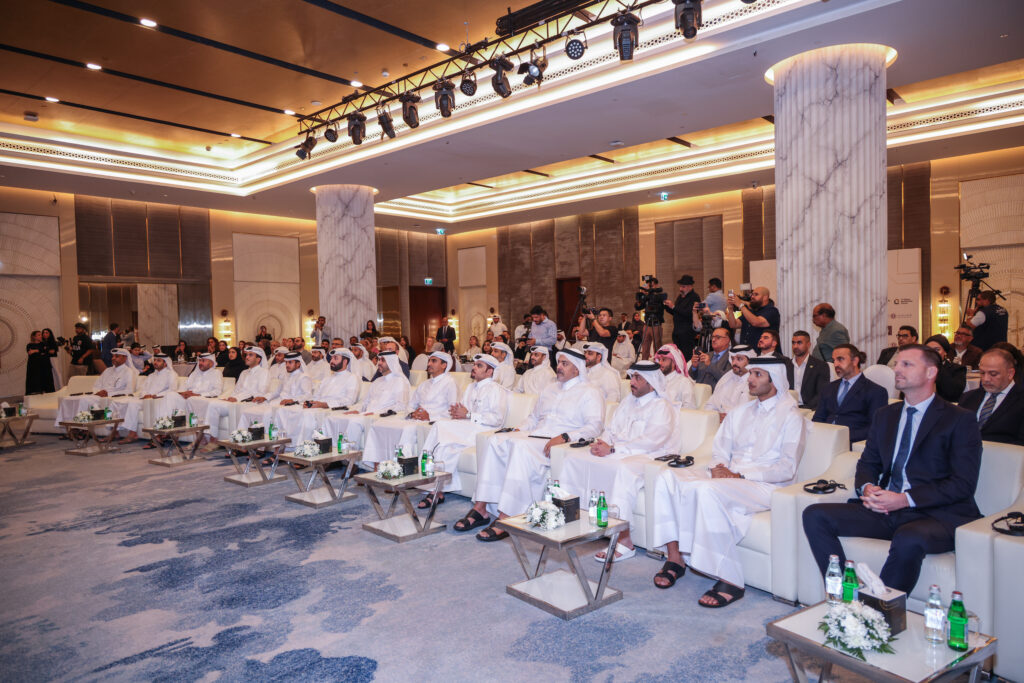
The 4th Qatar Real Estate Forum 2026 is set to take place from October 27 to 29, 2026, at the Doha Exhibition and Convention Center (DECC). Organized by the Real Estate Regulatory Authority (Aqarat) in partnership with Informa Tharawat, the event is held under the patronage of His Excellency Sheikh Mohammed bin Abdulrahman bin Jassim Al Thani, Prime Minister and Minister of Foreign Affairs. It will run alongside Cityscape Qatar, creating a major platform for real estate investment, innovation, and policy discussions in the region. A Transforming Qatar Real Estate Sector Qatar’s real estate market is evolving beyond traditional development, sales, and purchases. It is increasingly viewed as a core pillar of investment, wealth management, and the wider capital ecosystem. The Qatar Real Estate Forum 2026 arrives at a pivotal moment for the industry, aligning with the goals of Qatar National Vision 2030. Key themes for the 2026 forum include: Government leaders, developers, investors, policymakers, and senior decision-makers will gather to explore emerging opportunities, market trends, and the future direction of Qatar’s real estate sector. Leadership Insights on Market Resilience and Growth H.E. Mohammed bin Hassan Al Malki, President of Aqarat, emphasized the forum’s importance amid rapid geopolitical changes. He highlighted the need to strengthen the sector’s resilience and maintain investor confidence in a shifting business and regulatory environment. Wouter Molman, Chief Commercial Officer at Informa Tharawat, noted that the forum helps convert regulatory reforms into tangible market activity. He explained that Aqarat’s regulatory leadership, combined with Cityscape’s global platform, can connect Qatari developers with GCC and international investors, supporting foreign direct investment and Qatar National Vision 2030. H.E. Sheikh Hamad bin Talal Al Thani, CEO of Qatari Diar, stated:“Our sponsorship of the fourth edition of the Qatar Real Estate Forum is a natural extension of our role as a key partner in shaping the future of Qatar’s real estate sector. We believe that our strategic partnership with Aqarat represents an optimal model for integration between the public and private sectors.” Eng. Ahmed Mohamed Al-Tayeb, CEO of Barwa Real Estate Group, reaffirmed the Group’s continued sponsorship. He stressed the value of partnerships, innovation, and an attractive investment climate aligned with Qatar National Vision 2030. Strong Market Performance and Key Reforms Qatar’s real estate sector continues to show solid fundamentals. Transactions reached QAR 10.69 billion (approximately USD 2.9 billion) in the first half of 2026, according to the Real Estate Registration Department at the Ministry of Justice. Data from the Qatar Central Bank’s Financial Stability Review shows that the real estate sector accounted for 6.1% of Qatar’s GDP in December 2025. Real estate credit represented 20% of total domestic credit extended to the private sector by the banking system at the end of 2025. Notable 2025 reforms included: The rental market also delivered strong results in 2025: Real Estate Tokenization Advances in Qatar On August 26, 2026, Qatar’s Council of Ministers approved a draft law regulating real estate tokenization and the trading of real estate tokens, along with its draft executive regulations. This development positions Qatar among the markets actively exploring tokenized real-world assets as a new investment avenue, potentially opening fresh opportunities for both local and international investors. Strategic Partnership with Cityscape Qatar The forum maintains its strategic partnership with Cityscape Qatar. This collaboration aims to strengthen Qatar’s real estate investment environment, enhance governance and transparency, and attract capital through joint platforms that connect regional and global stakeholders. About the Organizers Real Estate Regulatory Authority – AqaratAqarat regulates, stimulates, and develops Qatar’s real estate sector in line with Qatar National Vision 2030. It develops policies and regulatory frameworks, oversees compliance and licensing, protects stakeholder rights, and builds investor confidence. Qatar Real Estate ForumThe Qatar Real Estate Forum is a leading regional platform for dialogue on the future of real estate. Its fourth edition will bring together government leaders, investors, developers, policymakers, and experts at the Doha Exhibition and Convention Center from October 27 to 29, 2026. Event at a Glance