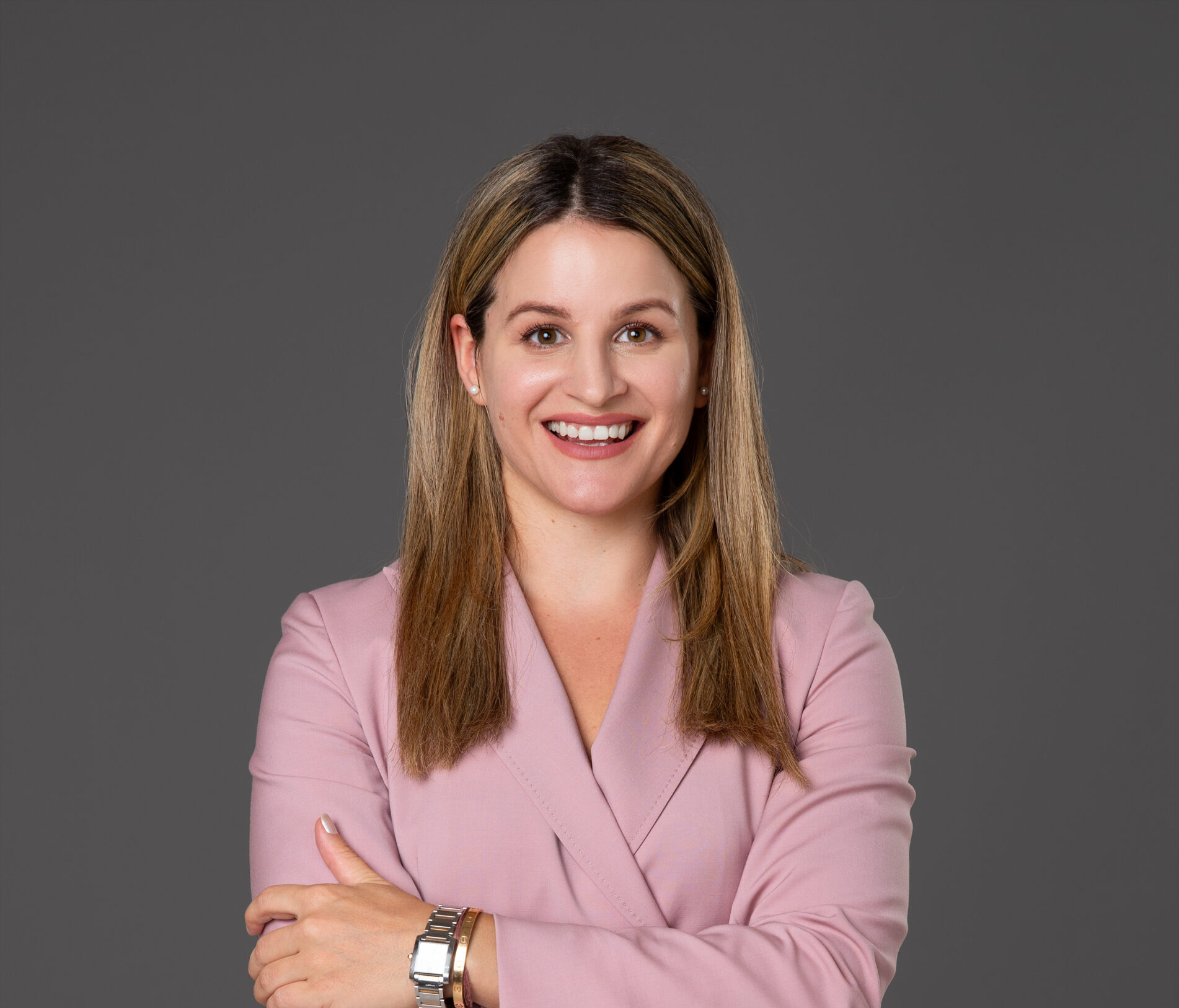

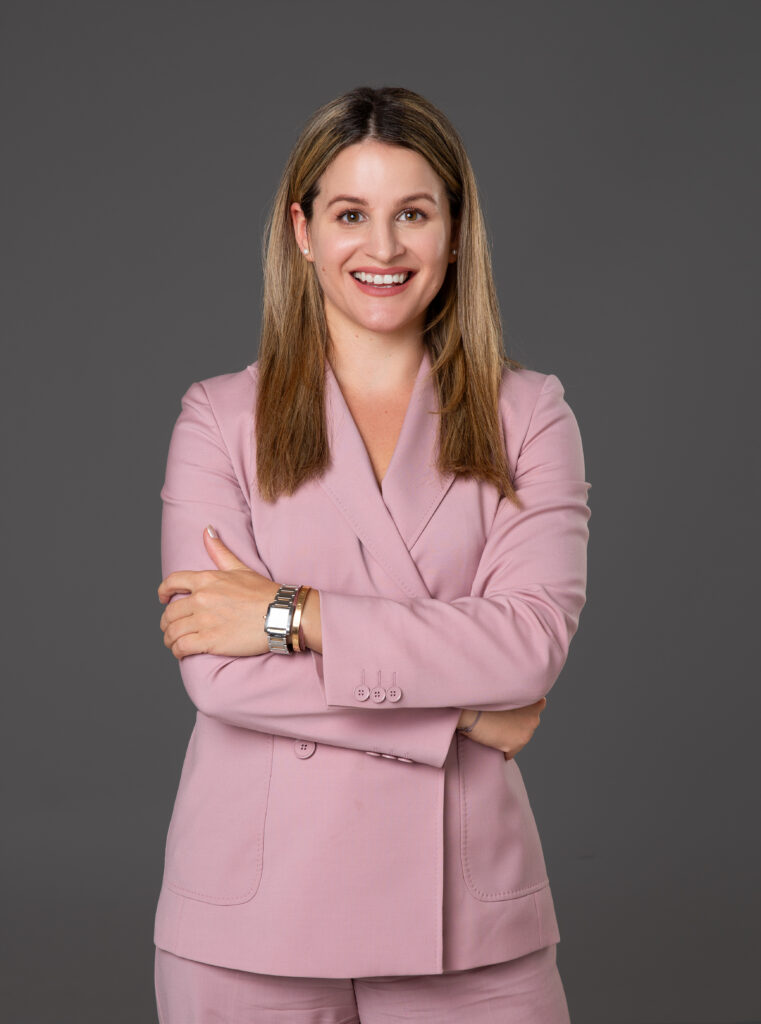
The workplace is changing quickly, but the challenge for Gulf Cooperation Council (GCC) employers is practical: how do you build teams that can keep pace with hybrid working, Artificial Intelligence (AI), localisation and changing expectations while still supporting the people doing the work? For businesses, the issue is not just about finding the right people, but creating the conditions for them to stay, develop and become future managers and leaders. With experience across recruitment, people operations and workforce management, Nina Pacic, people operations director – Middle East at Sovereign PPG, brings a practical view of what employers are getting right — and where they still have work to do. Pacic also sheds light on the changing expectations of the GCC workforce, what employers need to consider beyond recruitment so that people want to join, stay and grow with the business
“At any stage of their career, people may be balancing housing, healthcare, family responsibilities, savings and long-term financial stability alongside other pressures. An employer that recognises those realities can offer something more meaningful than another generic benefit. Consistency matters most.”
“I would argue that the question for employers is becoming broader: what does the employee actually get from working here? That includes pay, but it also includes security, trust, development and a sense that the organisation is thinking about their future, not only their current output.”
“Workforce planning has to start with strategy, not with HR working in isolation. Leaders should be asking where the organisation is going, and what people, skills and leadership capacity they will need to get there. That is especially important in the GCC, where growth, digital transformation, AI adoption and localisation requirements are all moving at the same time. You cannot build a sustainable workforce simply by hiring more people. You have to build capability inside the organisation.”
Currently, the recruitment paradigm has practically reinvented itself compared to the last decade.
The biggest change is that recruitment has become much less transactional. Ten years ago, many conversations started with a vacancy: can we find someone who can do the job? Today, the better question is: what skills will this business need in two or three years, and are we hiring with that future in mind?
“Qualifications and experience still matter, of course, but they are not enough on their own. I look closely at adaptability, communication skills, judgement, willingness to learn and ability to navigate the change. In this market, where AI, automation, localisation and evolving business models are changing roles quite quickly, potential matters a great deal,” says Nina Pacic, people operations director – Middle East at Sovereign PPG
Technology has also transformed the recruitment process itself, according to Pacic, adding, “AI-driven sourcing, screening and candidate engagement tools have increased efficiency, but they have also raised expectations around speed, personalization and candidate experience. The human element remains critical, particularly when assessing culture fit, judgement and long-term potential.” Candidates are also more informed and more selective. They ask better questions about culture, flexibility, progression and whether the day-to-day experience will match what is being promised. So recruitment is no longer a one-way assessment. It is the first step in building trust with someone you may want to retain for years, opines Pacic
Pacic is emphatic when she mentions, “Ultimately, recruitment has evolved from filling vacancies to building future capability. Organisations that attract and retain the best talent are those that can clearly articulate not only what the role is today, but also how an individual can grow, contribute and build a meaningful career over time.”
Employee retention
Recruiting younger talent and retaining them over even the medium term (forget the long-term) is quite a task.
How has the workplace got to be really attractive enough to keep the younger talent hooked?
Explains Pacic, “I think employers need to be careful not to reduce this to perks or slogans. Younger employees are not looking for a perfect workplace, they are looking for a workplace that is honest with them and gives them a reason to invest their time and energy. Flexibility, technology and work-life balance are important, but they are not the whole story. What keeps people engaged is usually more basic and more serious: they want to learn, they want their work to mean something, exposure to new experiences and confidence that they are building skills that will remain relevant throughout their careers and they want to see a path forward rather than just a job title.” Mentorship also plays an important role, emphasises Pacic. Many younger professionals actively seek opportunities to learn from experienced leaders, gain broader business exposure and understand how decisions are made. They want guidance and development, not just a list of tasks to complete
Financial security is part of that, too, explains Pacic. “At any stage of their career, people may be balancing housing, healthcare, family responsibilities, savings and long-term financial stability alongside other pressures. An employer that recognises those realities can offer something more meaningful than another generic benefit.
Consistency matters most. If we tell someone during recruitment that they will have development, flexibility or progression, then managers have to make that real after they join. People do not necessarily leave because everything is difficult; they leave when the reality is too far away from what they were led to expect,” adds Pacic.
Managers’ role
To match the pace of workplace changes and new hires, it is imperative that the managers groom themselves differently – more contemporary, more willingly
Explaining the new need, Pacic is clear when she says, “Managers need to be much more intentional than they used to be. It is not enough to allocate work and check whether it is done. New recruits need clarity, feedback and context. They need to understand not only what they are doing, but why it matters and how good judgement is formed.”
This is especially true for junior employees, adds Pacic. “A lot of learning,” according to Pacic, “happens by observing experienced colleagues: listening to client conversations, seeing how a difficult issue is handled, understanding how priorities are balanced and watching experienced colleagues navigating challanges. In hybrid teams, those moments do not always happen naturally, so managers have to create them deliberately.”
Managers also need to invest more time in career and development conversations than they may have done in the past. “Younger employees want to understand how they can grow, what skills they should be building and where future opportunities may exist. Regular coaching and feedback are often more valuable than waiting for an annual performance review,” Pacic emphasises, adding, “Perhaps most importantly, today’s managers need to balance accountability with support. People want autonomy and trust, but they also value honest guidance and constructive feedback. The most effective managers create an environment where individuals feel challenged, supported and able to learn from mistakes.”
“If we only give instructions, we develop task-doers. If we provide context, responsibility, mentorship and feedback, we develop capable professionals and, ultimately, future leaders,” Pacic explains.
Emoluments and ensuring financial wellbeing
Pacic is lucid when she says, “Pay still matters enormously and we should not pretend otherwise. If someone feels they are being underpaid or unfairly rewarded, no wellbeing initiative will compensate for that. But financial wellbeing is not only about salary. People want to feel that their employer understands the pressures they face outside work as well as those within it. Employees want confidence that they can build a stable future. Particularly in today’s economic climate, many people are managing housing costs, healthcare expenses, family commitments, savings goals and long-term financial plans. Benefits such as savings support, financial education, retirement planning or greater transparency around pay progression may not be standard across the GCC, but where employers offer them, they can be seen as a meaningful investment in employees’ longer-term financial wellbeing.”
She reframes the context adding, “I would argue that the question for employers is becoming broader: what does the employee actually get from working here? That includes pay, but it also includes security, trust, development and a sense that the organisation is thinking about their future, not only their current output.”
Workplace flexibility
Covid 19 brought in a new trend – workplace flexibility which was the need of the hour then just for sheer survival. How has work from home and managing a batch of youngsters who would want flexibility like work from home added to the challenge of managers? Or is it more of a boon?
Flexibility can be a real advantage, but only if it is managed properly, according to Pacic. The pandemic proved that work does not always have to happen in one place or within fixed hours for people to be productive. But flexibility without structure, communication and clear expectations can create confusion and disconnect. For managers, one of the biggest challenges is ensuring that younger employees continue to develop while working in a more flexible environment. When you are early in your career, you do not always know what you need to ask or which situations are important learning opportunities. Much of professional development happens through observation: listening to conversations, seeing how experienced colleagues manage difficult situations and understanding how decisions are made in practice.”
There is also the challenge of building connection and belonging, explains Pacic and brings in the age-wise expectations of employees by saying, “Younger employees want flexibility, but they also want to feel part of a team and understand where they fit within the organisation. Managers therefore need to create opportunities for collaboration, mentoring and relationship-building, whether people are working remotely or in person.”
Effective managers today spend less time monitoring presence and more time focusing on outcomes, coaching and communication. Trust becomes increasingly important, alongside regular feedback and clear expectations, in the opinion of Pacic.
“So I do not see it as office versus home. The better question is: what does this person need in order to perform well and develop? Sometimes that is focused time at home. Sometimes it is time with a manager, a client meeting, coaching or team collaboration. The most effective managers are those who can balance flexibility with development and create an environment where people can succeed regardless of where they are working,” explains Pacic.
Skills development
For effective skills development of both new recruits and the existing managers so that both feel rewarded and one can effectively manage the other, workplaces are viewing training as an ongoing investment.
Explaining this, Pacic says, “The strongest companies are moving away from treating training as a one-off event. Development has to be part of the way people work: regular feedback, mentoring, coaching, practical exposure and gradually increasing responsibility. There is also a growing focus on skills and capabilities rather than simply job titles. Organisations are looking at what future skills the business will need and creating development opportunities that help employees build those capabilities over time. This is particularly important as technology, AI and changing ways of working continue to reshape roles and career paths.”
Managers need that development as much as new recruits, opines Pacic. Too often, someone is promoted because they are technically strong, and then they are expected to manage people without enough support. Managing people is a different skill set. It requires communication, delegation, difficult feedback, conflict handling and the ability to develop others.
“Mentorship and exposure are becoming increasingly important as well. Both new recruits and emerging managers benefit from learning alongside experienced colleagues, gaining broader business understanding and being exposed to different perspectives and challenges. Some of the most valuable development opportunities come through real experiences rather than formal classroom training,” adds Pacic.
The most effective development is usually the kind that connects learning to real work. You learn something, you apply it, you receive feedback, and then you build judgement over time. That is what makes development meaningful for the employee and useful for the business.
Employee retention
Explaining the outlook on workforce retention in the present times – when jumping jobs is quite the in-thing and youngsters think differently about workplace loyalty compared to the earlier generation, Pacic says, “We need to be realistic about retention. Employees have more visibility of the market than they did before, and younger employees in particular are less likely to stay somewhere simply because that is what previous generations might have done.”
That does not mean loyalty has disappeared, in Pacic’s books. She adds, “It means loyalty has to be earned. Many employees are looking for opportunities to develop new skills, gain exposure to different areas of the business, work with strong leaders and continue growing professionally. If they cannot see those opportunities internally, they may look elsewhere. In that sense, changing jobs is not always a rejection of an employer; it is often a search for growth.”
The challenge for organisations is therefore not simply retaining people for the longest possible time. It is creating an environment where high-performing employees continue to feel engaged, valued and able to progress. Career pathways, mentorship, meaningful work and ongoing development play a significant role in achieving that, explains Pacic.
How is the workplace today planning the workforce – in terms of the joint rubric of skills development, rewards and succession planning?
“Workforce planning has to start with strategy, not with HR working in isolation. Leaders should be asking where the organisation is going, and what people, skills and leadership capacity they will need to get there. That is especially important in the GCC, where growth, digital transformation, AI adoption and localisation requirements are all moving at the same time. You cannot build a sustainable workforce simply by hiring more people. You have to build capability inside the organisation,” explains Pacic.
Succession planning should be part of that much earlier than it often is. If today’s junior employees are to become tomorrow’s managers, they need experience, mentorship, context and feedback now. Rewards should support the same message, so people understand how they can progress and what is expected of them, Pacic opines.
“The businesses that manage this well are not treating recruitment, retention, learning, rewards and succession as separate conversations. They connect them, because every one of those decisions shapes whether people can see a future in the organisation,” signs off Pacic.