

Al Abdulghani Motors Launches Five New Toyota and Lexus Models
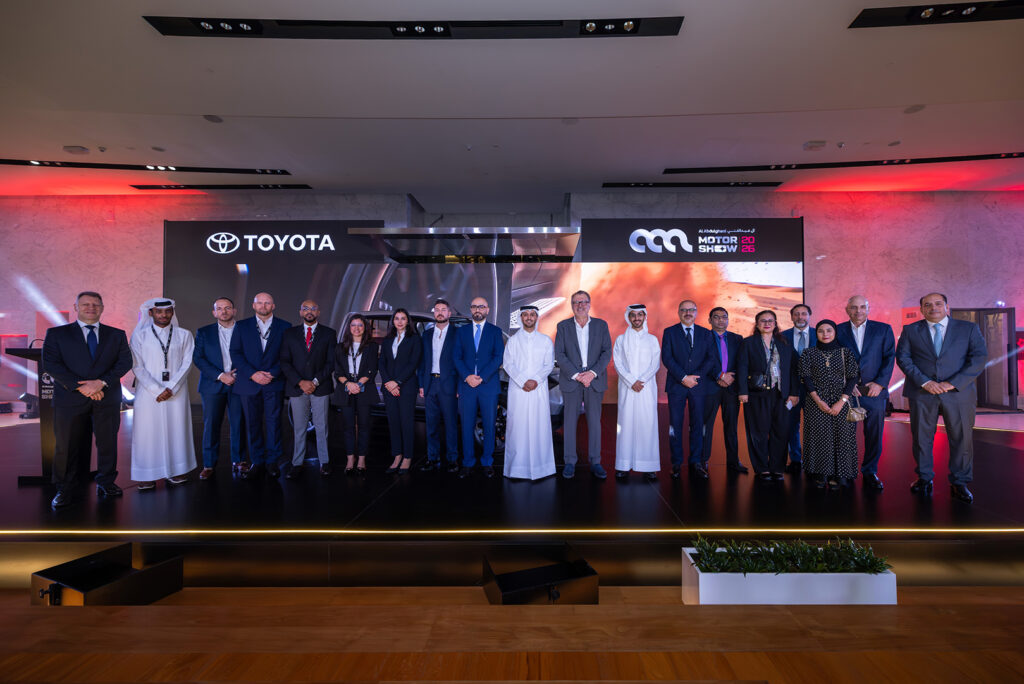
Five new Toyota and Lexus models debut at Al Abdulghani Motor Show Three fully electric models introduced, including Toyota’s first fully electric vehicle in Qatar Four-day showcase brings the new Toyota and Lexus line-up closer to customers in Qatar Expanded electric offering supports Qatar’s efforts towards a more sustainable transportation ecosystem Doha, Qatar – 7 October 2026: Al Abdulghani Motors, the authorized distributor of Toyota and Lexus in Qatar, has unveiled five new Toyota and Lexus models at Al Abdulghani Motor Show, a four-day showcase at the Lexus Main Showroom, open to the public until 10 October, giving customers and automotive enthusiasts the opportunity to discover the latest additions to the company’s line-up. Al Abdulghani Motor Show kicked off with an exclusive launch evening at the Lexus Main Showroom, officially unveiling five new Toyota and Lexus models ahead of the public opening. The line-up includes the Toyota Land Cruiser FJ, Toyota Hilux, Toyota bZ4X Touring, Lexus ES and Lexus RZ 500e, bringing together different vehicle segments, technologies and mobility choices in one event. Three of the newly introduced vehicles are fully electric powertrains vehicles, marking an important milestone for Al Abdulghani Motors and further expanding the range of electric mobility options available to customers in Qatar. The launch also introduces Toyota’s first fully electric vehicle in Qatar, marking a new chapter for the brand in the local market. The expansion of Al Abdulghani Motors’ electric vehicle offering supports Qatar’s transition towards sustainable transportation, complementing the Ministry of Transport’s efforts under the Transportation Master Plan for Qatar 2050 to advance sustainable transport solutions, reduce carbon emissions and support the objectives of Qatar National Vision 2030. Mr. Abdulghani Nasser Al Abdulghani, CEO of Al Abdulghani Motors, said: “The automotive industry is rapidly transforming, with technology continuing to advance and customer needs and expectations evolving. And yet, some things remain constant, particularly our commitment to quality, reliability, safety, and continuous improvement. The models we are launching today reflect this balance clearly: preserving the strong heritage of Toyota and Lexus while continuing to evolve in line with the needs of our customers in Qatar.” Mr. Abdulghani added: “We believe that the future of mobility does not depend on the vehicle alone, but on the wider ecosystem that supports the customer experience. That is why we will continue to strengthen our operational capabilities, aftersales services, customer experience and the infrastructure required to support electric vehicles. Al Abdulghani Motor Show reflects this approach by bringing five new models together in one place and giving our customers the opportunity to explore the latest mobility options and technologies available to them.” The Toyota line-up includes the all-new Land Cruiser FJ, a new and more compact member of the Land Cruiser family, combining its established capability, reliability and durability with a 2,580 mm wheelbase, a 5.5-meter minimum turning radius and selectable four-wheel drive. Powered by a 2.7-liter four-cylinder petrol engine producing 164 hp and 245 Nm of torque, it also features a 12.3-inch Display Audio system, Toyota Safety Sense, a 360-degree camera and Blind Spot Monitor. The ninth-generation Hilux builds on more than five decades of quality, durability and reliability with a redesigned cabin, improved ride comfort and advanced safety technology. It is available with 2.7-liter and 4.0-liter petrol engines, as well as a 2.8-liter diesel producing 201 hp, offered exclusively with the Overland Package. Completing the Toyota line-up is the bZ4X Touring, Toyota’s first fully electric vehicle introduced in Qatar, featuring dual-motor four-wheel drive delivering 280 kW, a 74.69 kWh battery, a driving range of up to 611 km under NEDC testing conditions and acceleration from 0–100 km/h in 4.5 seconds. It also offers X-MODE for low-traction surfaces, more than 600 liters of cargo capacity and a 14-inch integrated display. The Lexus line-up features the RZ 500e, a fully electric luxury SUV built on the e-TNGA platform and equipped with DIRECT4 all-wheel drive, with 167 kW from the front motor and 167 kW from the rear, supported by a 74.7 kWh battery. It combines its electric performance with Lexus refinement through features including 20-inch alloy wheels, a color head-up display, Lexus Safety System+, IR-cut glass and ventilated seats. The eighth-generation Lexus ES builds on a legacy dating back to 1989, further developing the comfort, quietness and craftsmanship associated with the model while introducing both hybrid and fully electric powertrains. The hybrid version features a 2.5-liter four-cylinder engine producing 244 hp, while the fully electric version delivers 338 hp with all-wheel drive. Visitors can discover all five new Toyota and Lexus models at Al Abdulghani Motor Show, open to the public until 10 October at the Lexus Main Showroom. Opening hours are 4 PM to 10 PM, and 10 AM to 10 PM on 10 October. To learn more or book a test drive, customers can visit the Toyota and Lexus showrooms in Qatar or contact Toyota on 8001800 and Lexus on 8002929. About Al Abdulghani Motors Established in Qatar in 1958, Al Abdulghani Motors has been the authorized distributor of Toyota and Lexus since 1964. Over the years, the company has grown to become a trusted name in the automotive sector, offering a wide range of mobility solutions, including new and certified pre-owned vehicles, car rentals, heavy equipment, and reliable after-sales services. Al Abdulghani Motors continues to improve its operations through digital tools and modern services that make the customer experience more convenient. With a focus on quality, service, and community, the company remains committed to supporting Qatar’s development and the goals of Qatar National Vision 2030.
Qatar Tourism Hosts Second Session of Taste of Qatar Programme Celebrating Qatari Entrepreneurs and Talent in the Restaurant Sector
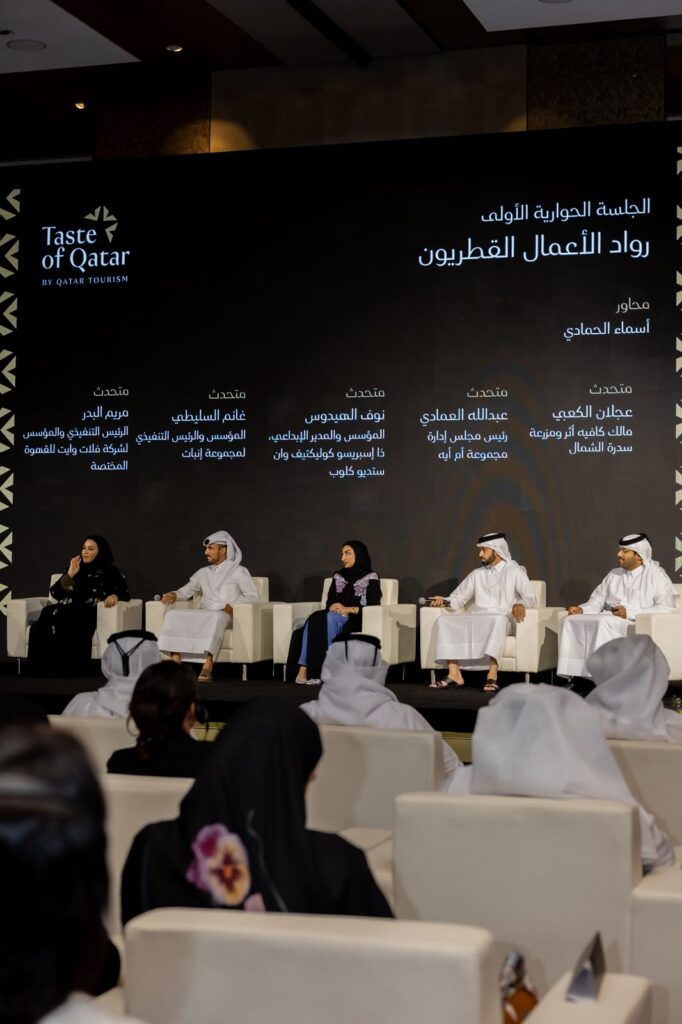
In the presence of HE Saad bin Ali Al Kharji, Chairman of Qatar Tourism, hosted the second session of its “Taste of Qatar: Spotlight on Qatari Entrepreneurs” programme. The event brought together Qatari entrepreneurs and chefs to exchange insights, share experiences and explore opportunities to further advance Qatar’s restaurant and hospitality sector. The session highlighted the contribution of local talent and homegrown brands to Qatar’s evolving culinary landscape, while reinforcing the role of entrepreneurship and innovation in raising sector standards and enriching the visitor experience. Mr. Omar Abdulrahman Al Jaber, Chief of Operations Affairs at Qatar Tourism participated in a dedicated conversation on Qatar Tourism’s vision for the restaurant sector and the role of Qatari entrepreneurs in shaping the country’s culinary offering. He said: “The culinary sector is a genuine expression of Qatar’s identity, culture and time-honoured hospitality, as well as a vital economic sector with promising opportunities for growth and investment. To this end, we are building an integrated ecosystem that supports the sector’s development and instils a culture of excellence, through initiatives and programmes that raise standards of quality and service and enable business owners to develop distinctive, competitive experiences that attract visitors. Qatari restaurants and brands also play an important role in shaping the destination’s story and offering visitors authentic experiences that embody our culture and identity and reflect the wealth of tourism, heritage and cultural assets Qatar has to offer.” Mr. Jassim Al Mahmoud, Director of PR & Communications at Visit Qatar delivered remarks, highlighting the continued development of Qatar’s restaurant and culinary sector. He said: “With this session, we wanted to create a rich space for dialogue and the exchange of views, and to highlight stories of creativity, innovation and entrepreneurship in the restaurant and culinary arts sector. Taste of Qatar, which we launched last year, reinforces this approach by celebrating excellence, encouraging innovation and establishing high-quality standards, helping to elevate the restaurant and hospitality sector and strengthen Qatar’s position as a global culinary destination”. The event featured two panel discussions. The first explored the journey of Qatari entrepreneurs, examining their success stories, the challenges they have navigated and how they have transformed innovative ideas into successful and scalable businesses. The panel brought together Ms. Maryam Al Badr, Founder and CEO of Flat White Specialty Coffee; and Mr. Ghanim Al Sulaiti, Founder and CEO of Inbat Group; Ms. Nouf Al Haidous, Founder and Creative Director of The Espresso Collective and InStudio Club; Mr. Abdulla Al-Emadi, Chairman of MA Group; and Mr. Ajlan Al Kaabi, Founder of Athar Café, Haql Café and Palladium. The second panel, “Qatari Talent”, focused on the contribution of Qatari chefs to preserving the authenticity of local cuisine while introducing contemporary approaches and innovative techniques. Chefs Aisha Al Tamimi, Mohammed Al Abdulla, Noor Al Mazroei and Salman Jaida shared their experiences and perspectives, including international visitors’ responses to Qatari flavours and the role of food in creating cultural connections. The Taste of Qatar initiative reflects Qatar Tourism’s commitment to developing the country’s restaurant and culinary sector as an integral part of the visitor experience. Through the programme, Qatar Tourism is providing a platform to showcase local talent, homegrown brands and Qatar’s distinctive flavours, culture and hospitality to the world.
Imec appoints Dr. Aymen Adam Mohib as Regional Managing Director of imec Qatar
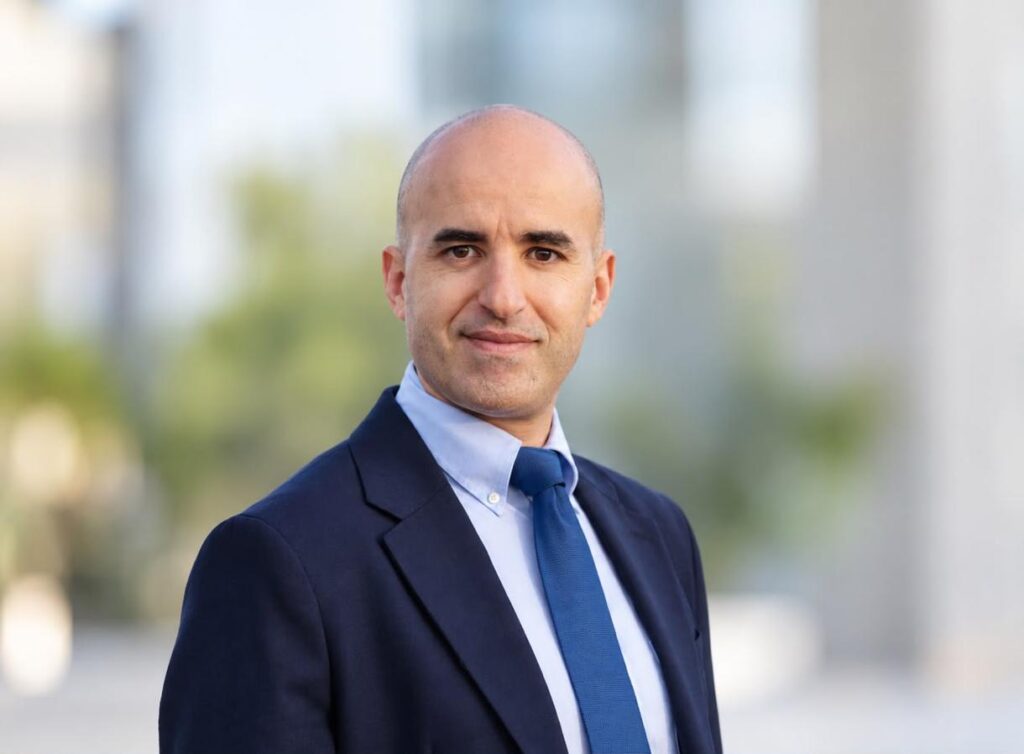
Imec, the world’s leading R&D center for advanced semiconductor technology, has appointed Dr. Aymen Adam Mohib as Regional Managing Director of imec Qatar, effective October 1, 2026. Based at Qatar Science & Technology Park (QSTP), Dr. Aymen Adam Mohib will lead the organization’s operations in Qatar and deepen its engagement across the Middle East.Dr. Aymen brings more than 20 years of leadership experience in strategy, investment, and economic development. Most recently, as a founding executive at Invest Qatar, he led strategic clusters including semiconductors, health and biopharma, and advanced manufacturing. “Dr. Aymen brings the experience and strategic perspective to guide imec Qatar’s next phase of growth, said Patrick Vandenameele, CEO of imec. His appointment reflects our long-term commitment to Qatar and the Middle East. Under his leadership, imec Qatar will deepen strategic partnerships“
Business Leaders Middle East: A Middle East Business Publication
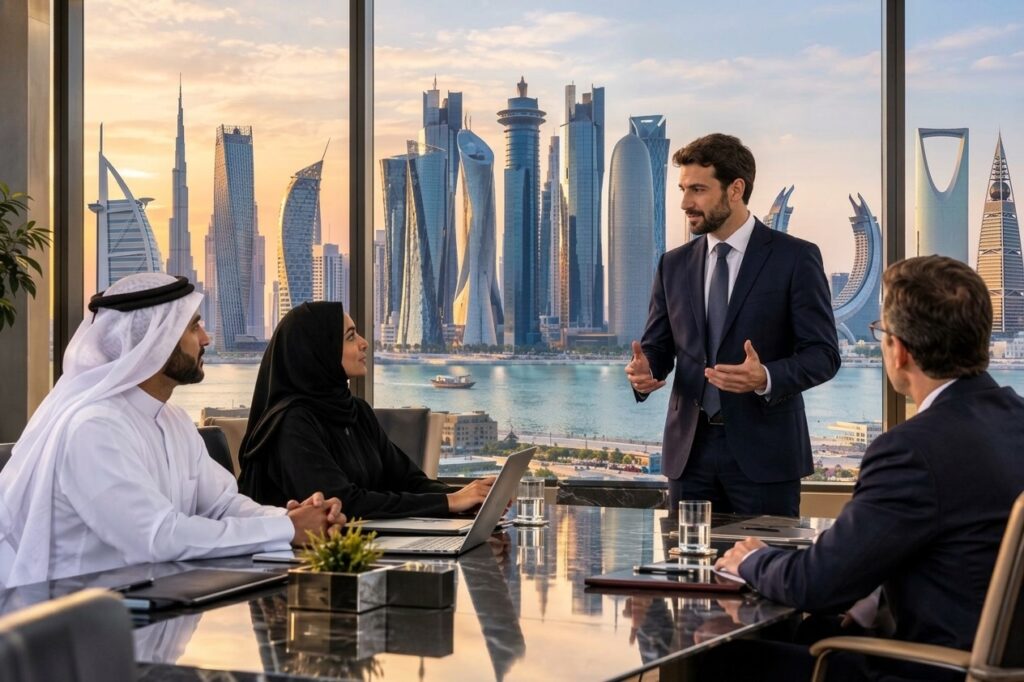
Business in the Middle East is busy right now. New companies keep showing up, older ones are growing, and the people running them are working out how to keep up with customers and markets that don’t stand still. Not all of that gets reported. Business Leaders Middle East is a Middle East business publication that covers the people, companies and developments in the region’s business community. Middle East business news and features Companies don’t just grow through numbers and announcements. There are people, decisions and ideas behind them. A new business gets going. A firm opens in another country. Someone makes a big investment, or builds a company from scratch. We cover these through interviews, features, company updates and leadership insights, across technology, finance, real estate, investment, energy, healthcare, hospitality and entrepreneurship. These stories are useful for what they teach. Readers get a clearer view of how different industries work and where they’re heading. Why we talk to business leaders in the Middle East Business news isn’t just numbers and announcements. People make the decisions, they run into problems, and there’s usually an idea behind the company that gets lost in a short news item. So we speak directly with executives and entrepreneurs and let them describe what they’ve been through, what they plan to do and how they see their industry. Our company features and industry stories help readers follow what’s happening and see how businesses are responding to opportunities across the region. For anyone who wants to keep up with Middle East business news, that mix is more useful than headlines alone. Getting your company seen Say you’ve launched a new project, entered a new market, introduced a service or reached a milestone. Getting that in front of the right readers can make a real difference, and a business publication is one way to do it. More people learn who you are and what you offer. Business Leaders Middle East gives companies and professionals an editorial space to share their work, experience and ideas with readers who care about business in the region. The point is to tell the story clearly, not to run an advert. A good piece gives the reader something worth knowing, and they come away understanding the company behind it. A region that keeps growing Qatar, the UAE, Saudi Arabia and other markets are seeing activity in technology, real estate, finance, tourism, energy and more. Businesses from around the world are watching, and many are investing. If you operate in these markets, being visible and able to explain what you do matters more than it used to. We’re a place for that conversation, and it’s open to large corporations, growing companies and entrepreneurs alike. Publish With Us Have something to share? Take a look at our Publish With Us option. A company announcement, a leadership story, an industry insight, a new project or an achievement all fit. We aim to present each one so it’s relevant to readers and useful to the wider business community. If your organisation wants to introduce its work to a professional audience, publishing with a business-focused platform is a practical way to build awareness and start new conversations. To learn more about Publish With Us, contact the Business Leaders Middle East team.
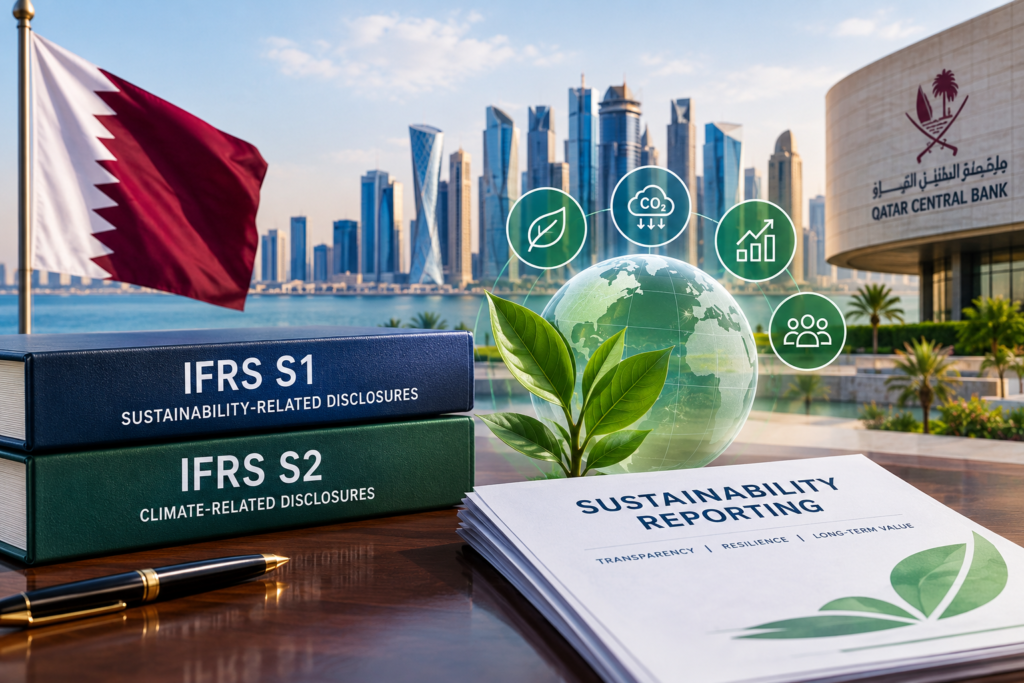
Qatar mandates IFRS S1 and IFRS S2 for banks and financial institutions
Qatar’s inward FDI rises 3.3 percent to QR172.2 billion in Q1 2026
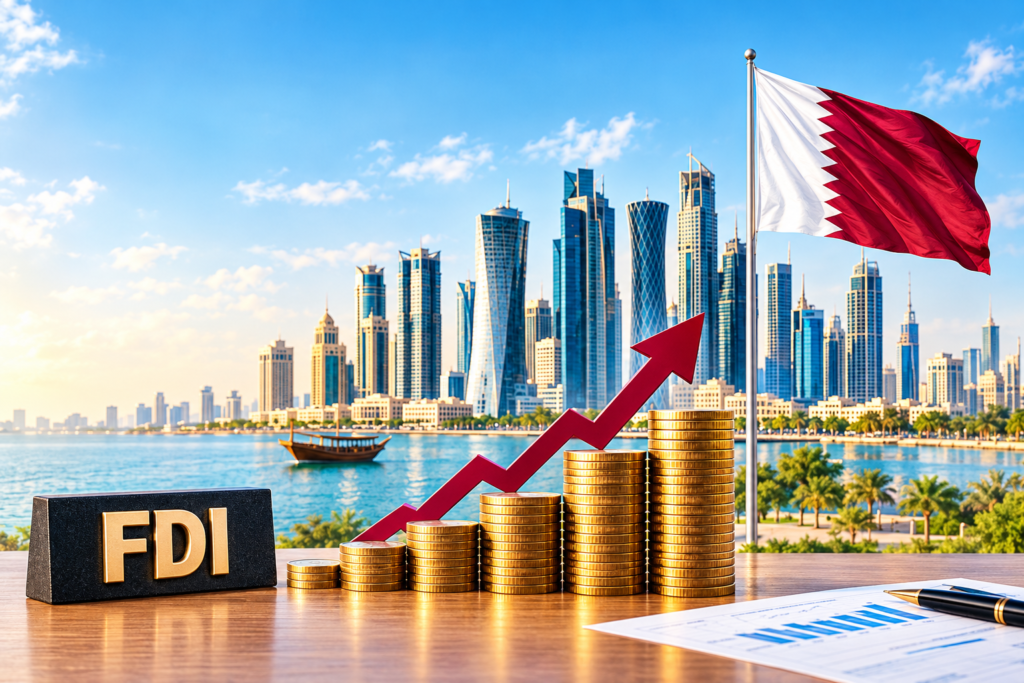
The National Planning Council (NPC), in cooperation with the Qatar Central Bank (QCB), has released the results of the Foreign Direct Investment Survey for the first quarter of 2026. The survey showed continued growth in both inward and outward FDI between January and March, providing a positive indication of the country’s investment momentum. Foreign Direct Investment (FDI) in Qatar continued its upward trajectory during the first quarter of 2026, with the country’s inward FDI position rising 3.3 percent to QR172.2 billion at the end of March, reflecting sustained investor confidence in the Qatari economy and its long-term growth prospects. At the same time, Qatari investments abroad continued to expand, with the outward FDI position increasing 3.5 percent compared with the fourth quarter of 2025 to reach QR221.7 billion. The latest figures underline the growing two-way flow of investment and Qatar’s strengthening position as both an attractive destination for international capital and an increasingly active investor in global markets. Dr Abdulaziz bin Nasser bin Mubarak Al Khalifa, secretary general of the National Planning Council, said the increase in inward FDI during the first quarter was a positive indicator of Qatar’s investment trajectory. He stressed that the country’s investment strategy is focused not only on increasing the volume of investment but also on improving its quality and maximising its contribution to economic diversification, productivity, knowledge and technology transfer, and the development of high-value-added sectors. The Council’s priority in the coming period, he said, would be to further enhance the attractiveness of the Qatari economy to quality investments and accelerate investment growth in non-hydrocarbon sectors. This approach is aligned with the objectives of the Third National Development Strategy and Qatar National Vision 2030. The distribution of inward FDI during the first quarter showed a continued concentration in five major economic activities, which together accounted for more than 90 percent of total inward investment. Mining and quarrying remained the largest recipient, accounting for 45.3 percent of inward FDI, followed by financial and insurance activities with 31.9 percent. Manufacturing accounted for 13 percent, while information and communication activities represented 2.8 percent and professional, scientific and technical activities accounted for 2 percent. The figures highlight the continued importance of Qatar’s energy sector in attracting foreign capital, while also pointing to significant opportunities to broaden the investment base. Increasing the share of FDI flowing into manufacturing, technology, professional services and other non-hydrocarbon activities remains a key element of Qatar’s diversification strategy. A broader distribution of foreign investment across sectors would help strengthen the resilience of the economy, create new business opportunities and support the development of knowledge-intensive and high-value-added industries. Qatar’s outward FDI also recorded solid growth in the first quarter, rising 3.5 percent from the previous quarter to QR221.7 billion. The increase reflects the expanding international presence of Qatari investors and the development of economic and investment partnerships in overseas markets. The growth in outward investment also supports Qatar’s strategy of diversifying its assets geographically and across sectors, while seeking sustainable long-term returns. Financial and insurance activities represented the largest share of outward FDI at 33.5 percent, followed by mining and quarrying at 29.8 percent. Information and communication activities accounted for 10.8 percent, accommodation and food service activities 9.1 percent, and transport and storage 7 percent. Together, these five activities accounted for more than 90 percent of Qatar’s outward FDI, reflecting the broadening international footprint of Qatari capital across financial services, natural resources, technology, hospitality and logistics. The latest FDI figures are also part of the National Planning Council’s broader efforts to enhance the quality, coverage and regularity of Qatar’s economic statistics. The data are intended to provide policymakers, investors and other stakeholders with a clearer picture of investment trends and their contribution to national development.
Shell: Qatar LNG repairs may take until Q1 2027
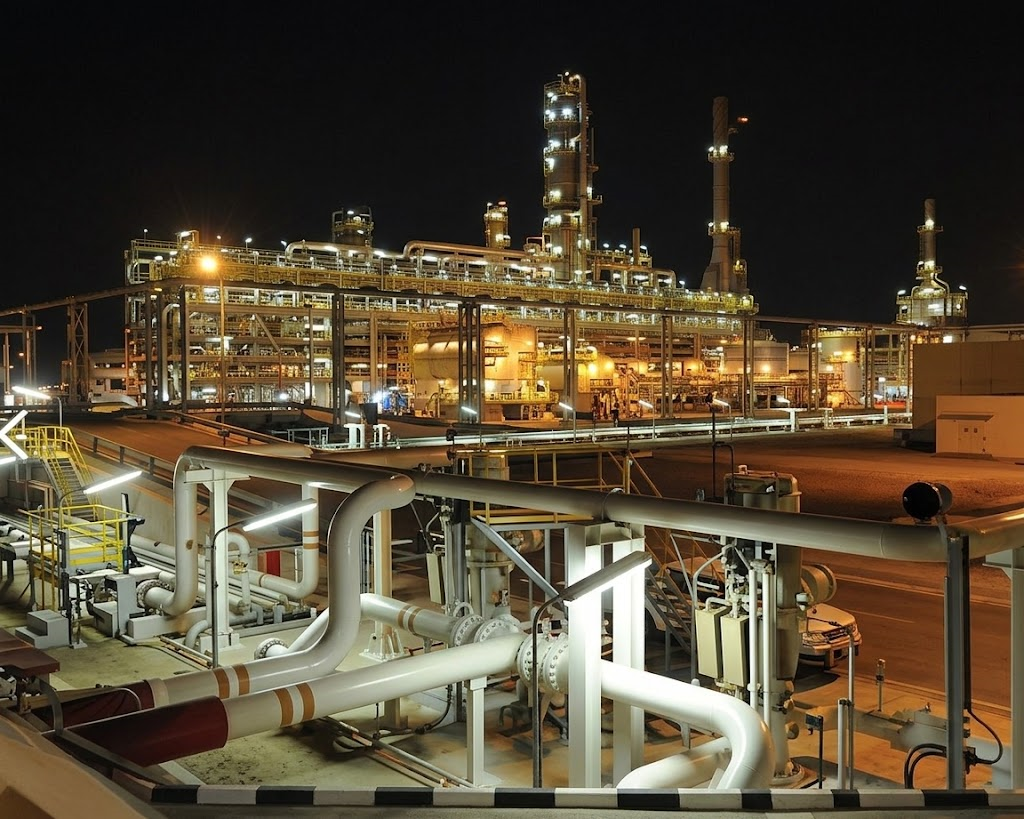
Maaz AhmedmaazahmedEdit Profile Qatar’s damaged liquefied natural gas (LNG) production could take until the first quarter of 2027 to fully repair, Shell has said. Chief financial officer Sinead Gorman told reporters, as cited by Bloomberg, that sections of Shell’s Pearl gas-to-liquids plant hit by a missile strike during the Middle East conflict should be back in service by the first quarter of 2027. However, unaffected units at the facility could restart as soon as shipping lanes reopen. Despite that, Shell’s guidance for the third quarter assumes zero output from Qatar, a sign of how uncertain the timeline for a full resumption remains. Shell holds a 30 percent stake in QatarEnergy LNG’s fourth expansion train at Ras Laffan, equivalent to 2.4 million tonnes a year of equity production, a facility that has continued operating throughout the disruption. Chief executive Wael Sawan, speaking to Bloomberg Television, described the power cut as a short-term event rather than a structural one, while Ms Gorman had earlier this year flagged Qatar as the single biggest swing factor in the group’s gas output. QatarEnergy shut in production across its LNG facilities on March 2 and later declared force majeure, a step that has weighed heavily on Shell’s Integrated Gas division, where production fell 31 percent quarter-on-quarter, and LNG liquefaction slipped 2 percent.
Qatar buys dozens of US LNG cargoes to keep Asian partners supplied

Tanker carrying Qatari LNG struck while transiting Hormuz
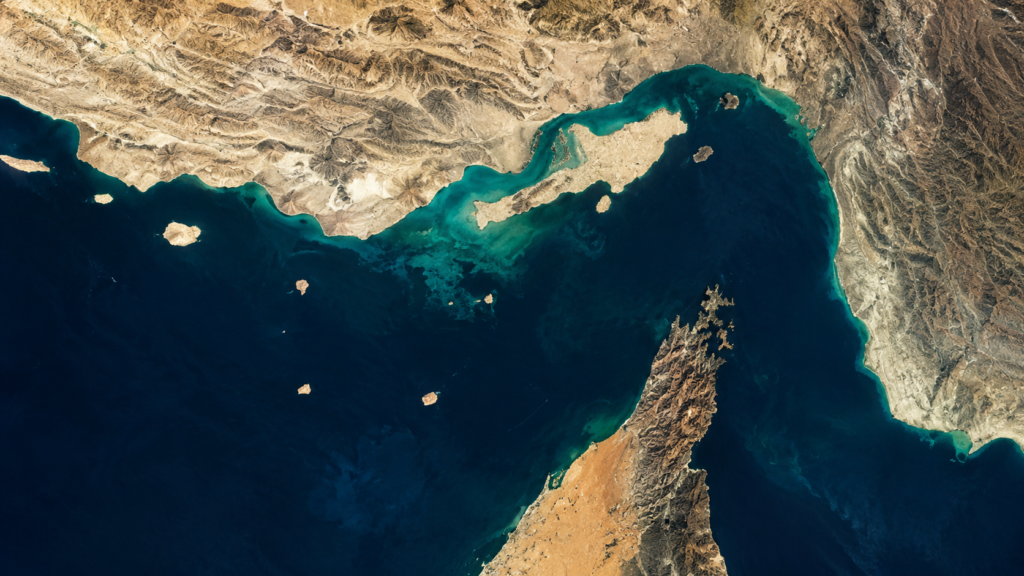
A liquefied natural gas tanker carrying a shipment from Qatar was struck by a projectile while transiting the Strait of Hormuz, according to security intelligence firms and ship tracking data, threatening to further disrupt deliveries of the super-chilled fuel through the key waterway. Security consultancies Vanguard Tech and Marisks identified the ship as the Gaslog Shanghai LNG tanker. The UK Maritime Trade (UKMTO) Operations had alerted that a vessel was struck in the strait off the Omani coast overnight, without identifying it. There was no environmental impact so far, the UKMTO said. The carrier picked up an LNG shipment from Qatar around July 27, and stopped sending a signal on July 31 near the western entrance of Hormuz, according to ship-tracking data compiled by Bloomberg and Kpler. It appears that the ship wasn’t sending a signal when it was struck in Hormuz. Greece-based Gaslog, which manages the vessel, didn’t immediately respond to a request for comment outside of regular business hours. The conflict in the Middle East has disrupted LNG traffic through the Strait of Hormuz — a conduit for about a fifth of global flows of the super-chilled fuel. In early July, a Qatari LNG tanker was hit near Hormuz, forcing the world’s second largest exporter of the fuel to pause shipments through the waterway for three weeks. The UKMTO said in a separate alert that another tanker reported seeing an explosion in the water near to it. The vessel wasn’t damaged. In the same week, another Gaslog LNG carrier was hit while in a northern Egyptian port. The Gaslog Salem was struck by a drone at Damietta, security firms said, with no one having claimed for the attack thus far.
Nepal devastated by catastrophic floods
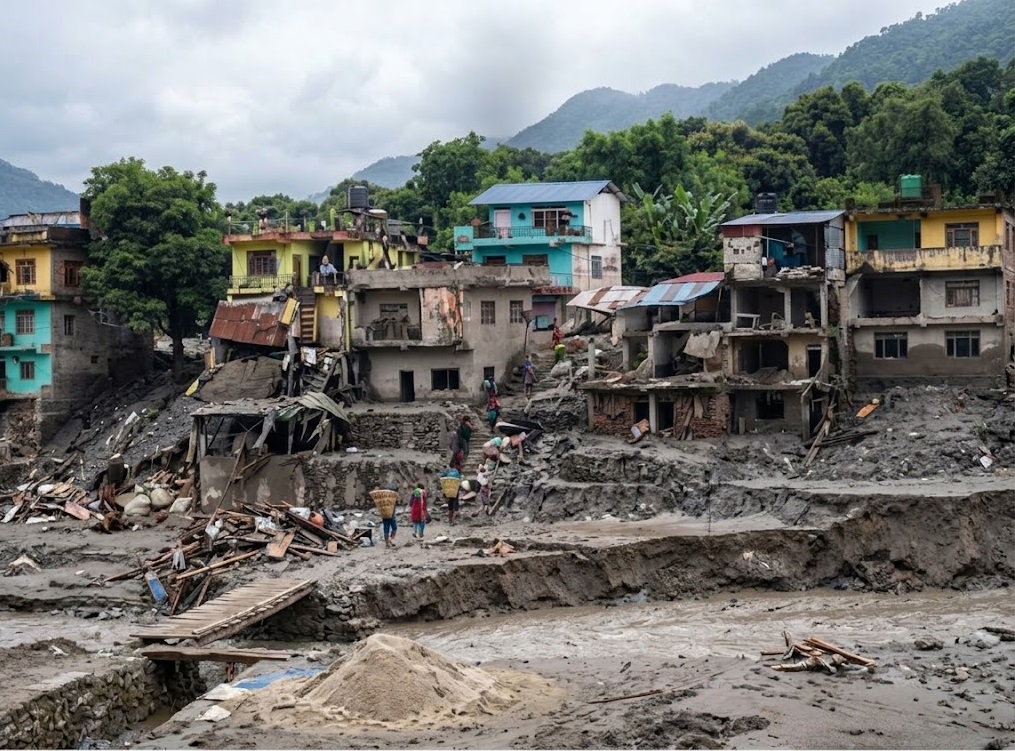
A landscape buried in mud. Thousands of families waiting for answers. A nation confronting one of its deadliest disasters in decades. Nepal continues to reel from the catastrophic August 26, 2026 flash floods, triggered after a glacier collapse sent enormous volumes of water, mud and debris through Himalayan valleys and communities. More than 1,300 people have died across Nepal and Tibet, while thousands remain missing. Rescue teams are still searching hydropower tunnels where workers are feared trapped beneath debris. Homes, roads, bridges and major energy infrastructure have been destroyed. The disaster has also damaged multiple hydropower projects and left communities facing a long and difficult recovery. UNDP estimates that approximately 2.2 million tonnes of debris were deposited across analysed areas in Nepal. Behind every number is a family, a home and a community changed forever. Nepal now faces not only recovery – but an urgent question about climate resilience in the Himalayas.