
Design Doha returns. Rubaiya Qatar launches. Doha’s creative institutions are expanding from exhibition spaces into incubators, studios and marketplaces. In this edition, chief publishing officer Manu G. Parmar studies this space and analyses how Qatar’s cultural ambitions are evolving into something larger: a creative economy.
For two decades, Qatar’s investment in culture has been measured through its museums, its architecture and its international exhibitions. Walk through Doha this November, though, and a different picture begins to emerge.
The conversation is no longer only about what Qatar is displaying. It is increasingly about what Qatar is creating, producing, incubating, selling and exporting.
That distinction matters. Within a single month, the city opens the second edition of Design Doha, launches its first contemporary art quadrennial, opens a new commercial gallery, stages a fashion retail showcase and hosts a technology summit where design-led founders pitch to investors. Around them sits a dense programme of fashion retrospectives, ancient ceramics, Iraqi modernism and sculpture placed in the landscape.
Taken one by one, these are impressive cultural events. Taken together, they describe something more consequential. Qatar has spent years building the institutions a creative economy needs: museums, design districts, studios, residencies and prizes. This season shows those institutions working in concert, and it sends a clear signal to investors, entrepreneurs and talent. Doha intends to be where the region’s ideas are made, not only where they are displayed.
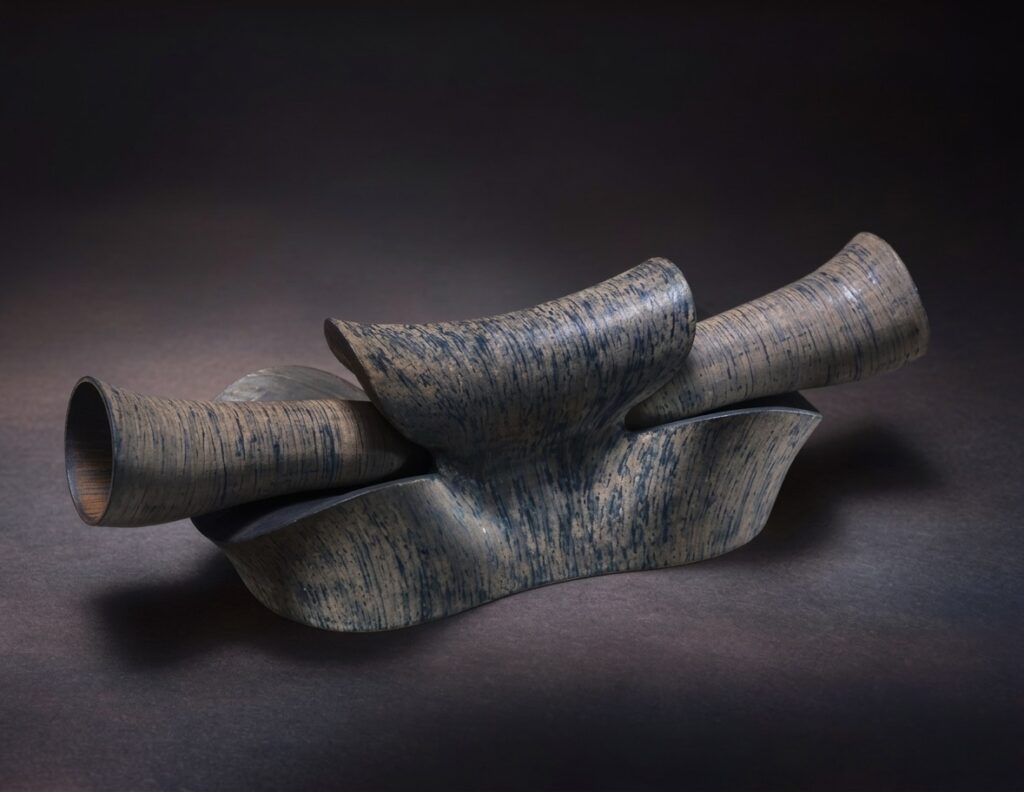
exposure through Liberty London in Msheireb and business mentorship from DHL. Qatari finalists include Kahhal1871 and Abdulrahman Al Muftah Studio.
“Recognition is only the beginning,” says Design Doha director Fahad Al Obaidly. The prize is built to turn talent into practice, and practice into business.
The Design Doha Prize is where that market logic is most visible. Twenty finalists were chosen from more than 500 applications across four categories: craft, product design, furniture design and emerging talent. Four winners were named on November 7 at the Museum of Islamic Art, judged by a 24-member international jury led by architect and designer India Mahdavi. Each winner receives QR200,000, a two-week mentorship at the Vitra Campus in Germany, a year of studio space at Liwan, retail
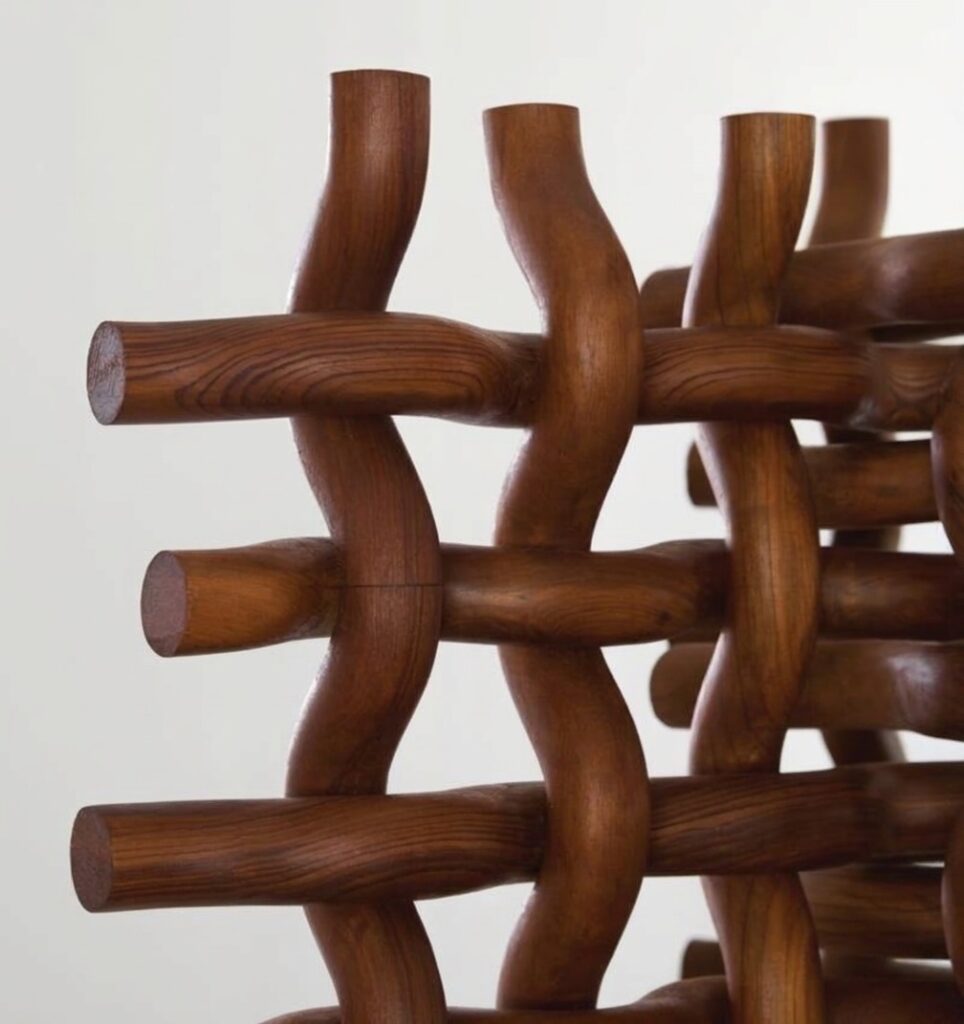
FROM CULTURAL VENUE TO CREATIVE DISTRICT
Much of this activity is concentrated in Msheireb Downtown Doha. Doha Design District, part of Msheireb Properties, describes itself as an integrated creative ecosystem supporting the journey from idea and making through to education, exhibition and exchange. Significantly, it also offers retail space for brands and designers, alongside venues for exhibitions, workshops and public programmes.
That makes Msheireb more than an attractive backdrop for cultural events. It is becoming infrastructure for a creative cluster.
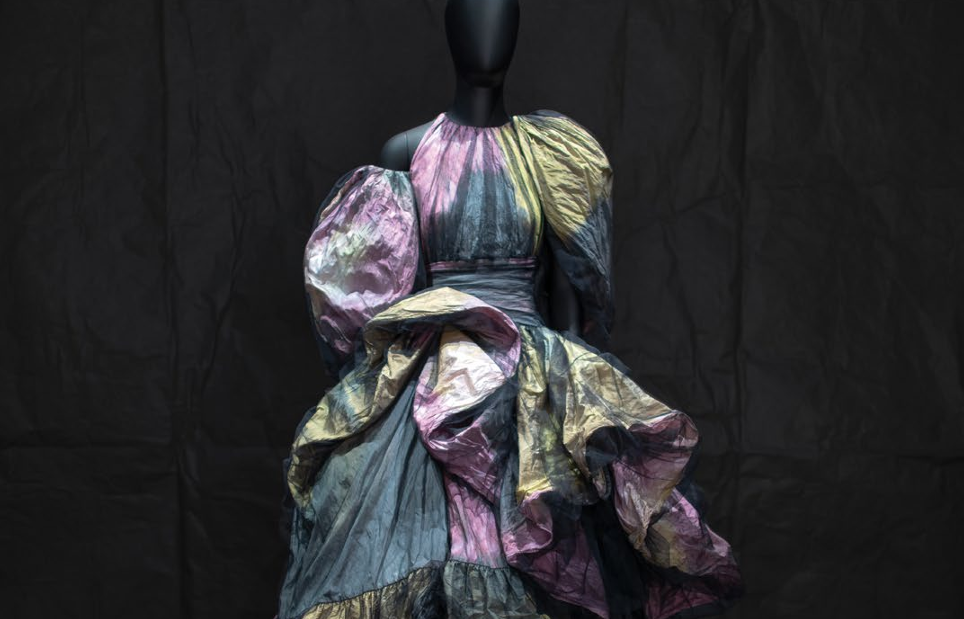
The district opened the season with Designed to Last, an exhibition by Moroccan designer Artsi Ifrah of Maison ARTC, a Fashion Trust Arabia award winner. His 13 one-of-a-kind looks challenge fast fashion and ask what makes a garment worth keeping. A live atelier and talks with Qatari designers turned the show into a working studio as much as a display.
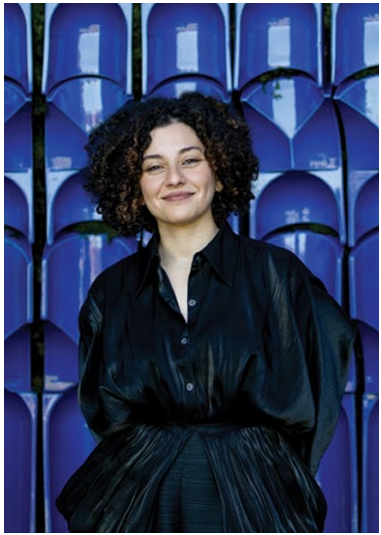
QC+ CEO Kirstin Mearns says great art and design “deserve a home with a strong point of view”. For Doha’s creative economy, MIHAD fills a missing link: a dedicated place where local talent meets buyers.
The clearest sign of commercial intent arrived on November 4, when QC+ opened MIHAD in Doha Design District. It is a commercial art and design gallery that sells and commissions work for private and corporate collectors. Its opening programme runs to December 31 and includes Beyond the Letters, on Arabic and Persian typography, and Traces of the Desert Light by Sanae Collective, both presented with Design Doha. A Chef-in-Residence programme opens with Mexico’s Elena Reygadas of Panadería Rosetta, named the World’s Best Female Chef in 2023.
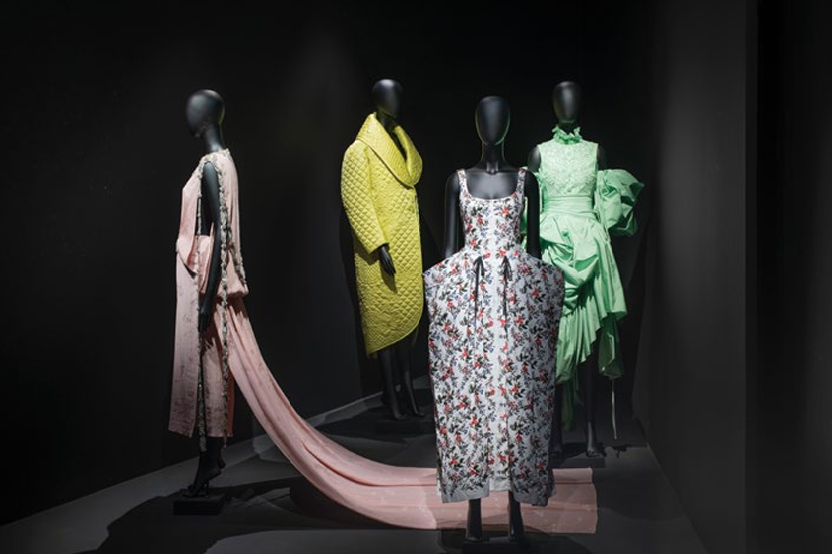
M7: WHERE FASHION MEETS THE CUSTOMER
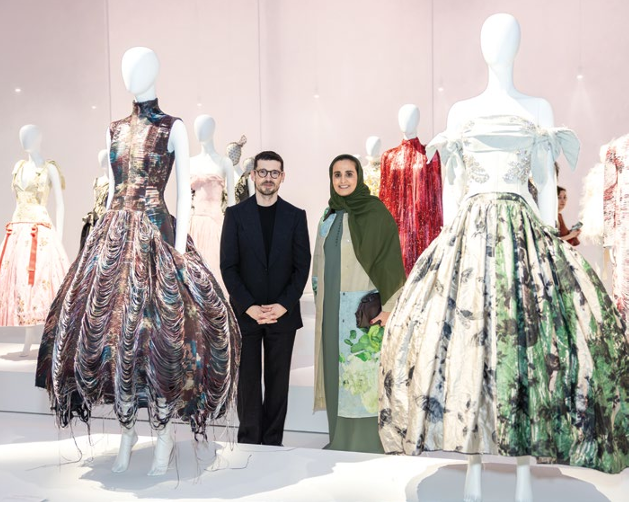
M7 offers one of the clearest examples of the shift. Qatar Museums describes it as the country’s epicentre for innovation and entrepreneurship in fashion and design, created to accelerate Qatar’s creative economy and give designers the tools to compete.
Its November calendar reflects that hybrid cultural and commercial role. Three exhibitions run until December 26. ERDEM: About Time, About Her marks the 20th anniversary of designer Erdem Moralioglu’s fashion house with 150 garments, sketches and archive pieces. Around the World in Jewellery is the largest jewellery presentation ever drawn from Qatar Museums’ collections, with more than 500 pieces, some on public view for the first time. Expanded Tradition shows a new generation of Mexican artisans reworking inherited techniques for contemporary life.
Then comes the market. The Edit, now in its fourth edition, stages its second 2026 retail showcase from November 26-30. It gathers a curated selection of regional and international brands, including emerging designers, Fashion Trust Arabia alumni and labels linked to the Years of Culture programme. It gives designers something cultural ecosystems sometimes overlook: direct access to customers.
M7 director Maha Al Sulaiti says the season shows how “design can connect the past with the present”. Museum-grade exhibitions, retail and entrepreneurship now share the same address. That is precisely how creative economies develop.
LIWAN: WHERE MAKING BECOMES BUSINESS
A short walk away, Liwan Design Studios and Labs address another essential part of the equation: production.
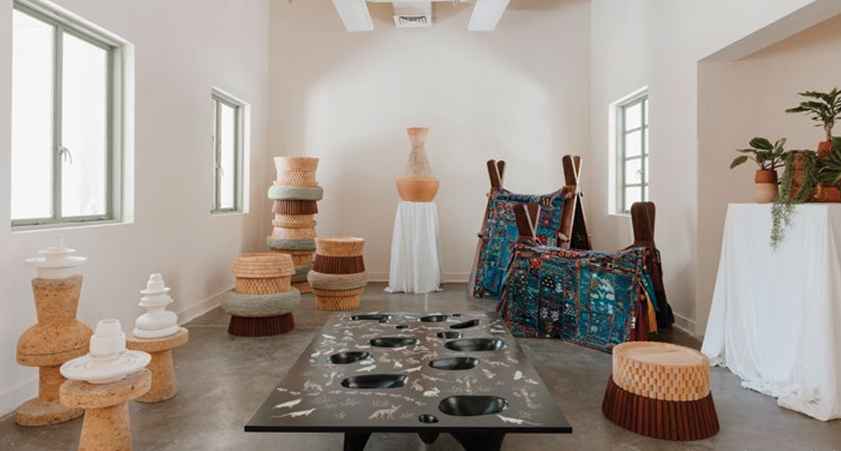
Liwan is housed in the former Banat El Doha school, Qatar’s first officially-recognised girls’ school. It gives designers studios and facilities for pottery, leatherworking, digital photography and prototyping. The building is an intelligent piece of cultural reuse, with educational heritage turned into productive creative infrastructure.
More importantly, Liwan is increasingly linking creative practice with business development. Its Studio Resident programme is aimed at Qatar-based designers whose projects could scale within the local creative economy. Participants receive workspace, technical facilities, professional development and introductions to industry clients. That language of scale, clients and market opportunity is revealing. It marks a shift from supporting creativity for its own sake towards helping practitioners build sustainable businesses.
During Design Doha, Liwan presents Bu’ed Nadhar, meaning “beyond immediate vision”: 32 works by 16 artists from the Gulf and neighbouring regions, developed through five residencies. Curated by Liwan director Aisha Nasser Al Sowaidi, the works use locally sourced clay, palm leaves, wood, fibres and sand. Partners include the Doha- and Milan-based design platform FROMM. and Campus MaNa in France.
In commercial terms, this is where heritage becomes most interesting. Traditional craft and cultural knowledge need not stay confined to preservation. They can become the foundation for contemporary products, furniture, textiles, interiors and design intellectual property.
FROM LOCAL TALENT TO GLOBAL MARKET
International partnerships add another dimension. The British Council and Liberty London’s Living in Pattern programme takes Qatar-based designers through research inspired by the country’s natural environment and cultural heritage, followed by development and mentorship.
Five selected artists are due to take part in a London residency from November 16-20. From the resulting work, Liberty may choose up to two designs for further development towards its 2028 Interior Fabric Collection. That is more than cultural exchange. It is a tangible route by which a creative idea developed in Qatar can become an internationally distributed commercial product.
The Qatar, Canada and Mexico 2026 Year of Culture runs through the season in a similar way. It brings Mexican artisans to M7, a celebrated Mexico City bakery to MIHAD, and Canadian and Qatari artists together in rooted/elsewhere, an exhibition on landscape and belonging. Years of Culture, Qatar’s cultural diplomacy initiative, has partnered with a different country each year since 2012. It is now as much a channel for commercial and creative collaboration as for diplomacy.
For a country building knowledge-based, non-hydrocarbon industries, these pathways matter. They connect Doha’s studios to the supply chains, retailers and audiences of global creative markets.
A QUADRENNIAL ARRIVES
Qatar Creates provides the connective tissue. Its Fall-Winter season brings art, design, fashion, film, food and public programming together across institutions, positioning culture as a year-round movement rather than a string of isolated events.
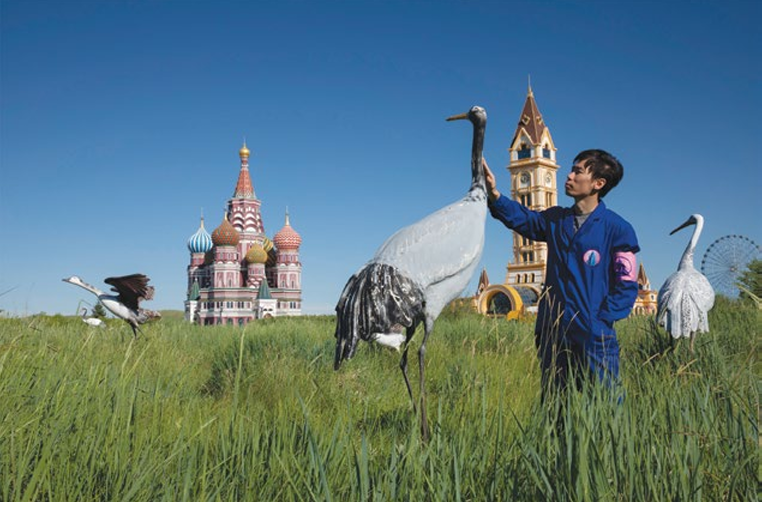
The season’s headline moment lands on November 21, when Qatar Museums launches Rubaiya Qatar, the country’s first contemporary art quadrennial, running until April 30, 2027. Its inaugural edition brings together more than 120 artists from over 45 countries. Water, the environment and Qatar’s maritime heritage are its central themes.
The flagship exhibition, Unruly Waters, opens at ALRIWAQ, with further presentations at the Museum of Islamic Art and MIA Park. It features more than 30 new commissions alongside 10th-century objects from the Cirebon shipwreck. Two companion shows open the next day: Our Common Currents at Katara QM Gallery and Seething Sea at Mathaf, which spans three generations of Gulf artists. Public artworks will appear across the country, from Barzan Towers to Al Khor. Sheikha Al Anoud Al Thani, director of Rubaiya Qatar, calls the launch “a milestone for Doha.”
The wider museum calendar is just as dense. The National Museum of Qatar hosts the Middle East’s first exhibition of Italian sculptor Giuseppe Penone, alongside Boats Floating Afar, which traces Chinese ceramics along the Maritime Silk Road. Mathaf explores the legacy of the Baghdad Modern Art Group. On November 6, the Fire Station opens work by the first cohort of its Artists Intensive Study Programme, the product of nine months of research.
Leadership is part of the programme too. Qatar Creates’ QC Talks series ended October with Sheikha Al Mayassa bint Hamad bin Khalifa Al Thani and Sheikha Hoor Al Qasimi of the Sharjah Art Foundation. They discussed how cultural institutions keep public trust under pressure, a question any boardroom will recognise.
THE SUPPLY CHAIN OF CULTURE
Taken individually, these are impressive programmes. Taken together, they suggest Qatar is building the supply chain of culture:
Institutions provide visibility.
Residencies develop talent.
Studios make production possible.
Prizes fund growth.
Galleries and retail programmes create customers.
International partnerships open markets.
Investor platforms bring in capital.
Public programming builds audiences.
Architecture and districts create destinations.
Each link generates movement beyond the arts, across hospitality, tourism, transport and retail.
The next challenge is to make the system increasingly self-sustaining. Can more designers build businesses from Doha? Can locally developed intellectual property reach international markets? Can private capital participate more actively alongside public institutions? Can Qatar-based studios become exporters? Can collectors, developers and corporations commission more local creative work?
These are no longer peripheral questions for the arts community. They are business questions for Qatar.
For business leaders, the opportunities are concrete. Corporate collecting and commissioning are easier as commercial galleries open beside public institutions. Partnerships with biennials, prizes and residencies offer brands visible, long-term roles in Qatar’s cultural story. And the talent emerging from Liwan, M7 and the Fire Station is the next generation of Qatari founders in design and fashion.