

British Council Qatar Announces 11th Qatar-UK Festival on Creative Skills
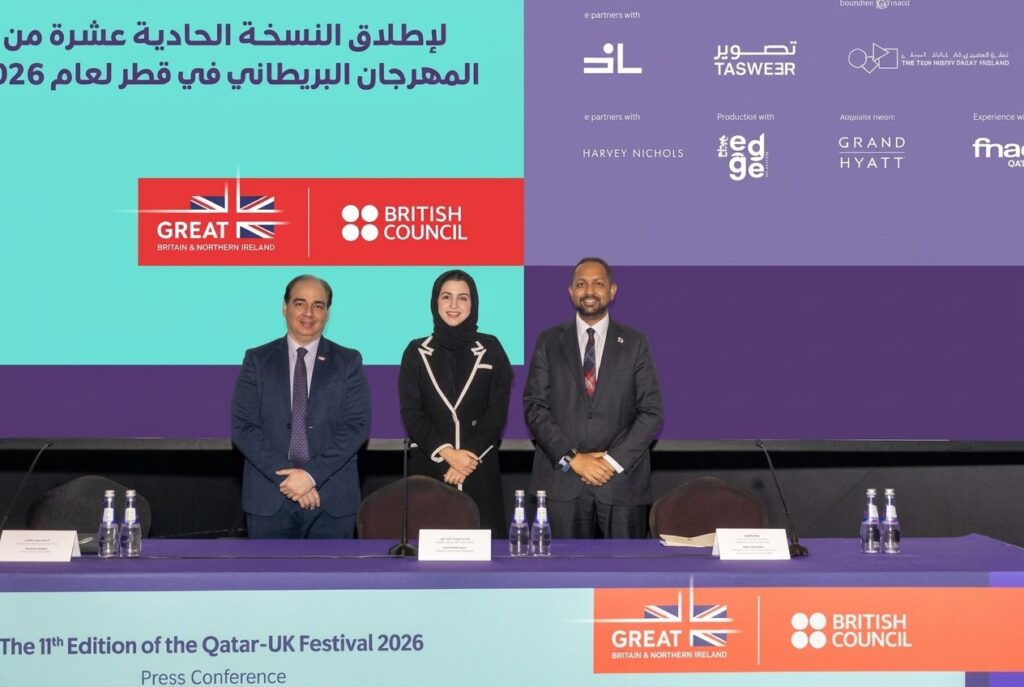
Doha, Qatar, 17 November 2026 – The British Council, in partnership with Qatar Museums and the British Embassy in Qatar, announces the return of the Qatar-UK Festival 2026, taking place from 25 November to 6 December 2026, with the support of the UK’s Department for Business, Innovation, Science and Trade (BIST) and the GREAT Britain and Northern Ireland Campaign. Now in its eleventh edition, the festival is a flagship cultural initiative celebrating the enduring friendship and growing partnership between Qatar and the United Kingdom. Building on the legacy of the Qatar-UK 2013 Year of Culture and more than a decade of successful collaboration, the festival demonstrates how cultural exchange can create connections that continue well beyond a dedicated year. As a strategic partner, the Years of Culture initiative helps carry this legacy forward, championing lasting relationships, mutual understanding and dialogue between Qatar and the UK. The festival has evolved into a leading platform for cultural exchange, creative engagement, and international partnership. It also reflects the continued commitment embodied in the 2025 Memorandum of Understanding between Qatar Museums, the British Council, and BIST, which seeks to advance collaboration, innovation, and skills development across the cultural and creative industries. Through a dynamic programme spanning fashion, design, film, photography, heritage, gaming, esports, and youth creativity, the festival showcases the breadth of talent, innovation, and expertise across both nations. This year’s edition focuses on skills for the cultural and creative industries, shining a spotlight on the knowledge, capabilities, and career pathways required to sustain a thriving creative economy. The programme highlights the importance of collaboration between education providers, industry leaders, policymakers, and cultural institutions in developing the talent, networks, and opportunities needed to support long-term sector growth. Through exhibitions, competitions, screenings, performances, workshops, and sector-focused events, the festival creates opportunities for learning, exchange, and collaboration while strengthening cultural relations between Qatar and the UK. Programme Highlights – 11th Edition Creative Industries Skills Forum: Now in its second edition, the forum convenes cultural leaders, policymakers, entrepreneurs, educators, and innovators from Qatar and the UK to explore skills development, innovation, creative entrepreneurship, and international collaboration across the cultural and creative industries. Gaming & Esports Showcase: Presented in partnership with the Qatar Esports Federation, the British Esports Federation, and Media City Qatar, this live NBA 2K tournament brings together teams from Qatar and the UK while highlighting emerging opportunities in gaming, esports, technology, and digital creativity. Photography Competition: Belonging – Every Story Matters: Celebrating diverse perspectives on identity, community, and connection through visual storytelling, with winning entries showcased during the festival. Teen Fashion Show: Showcasing emerging young designers and creative talent, the Teen Fashion Show highlights innovation, sustainability, and self-expression while providing young people with opportunities to present their work on a professional platform. Abu Fanoos Film Screening and Panel Discussion: Showcasing a Qatari short film inspired by Gulf folklore, followed by a discussion exploring storytelling, cultural heritage, and cross-cultural collaboration. Tashkilat Fashion Show: A celebration of fashion, creativity, and cultural exchange, bringing together emerging and established designers from Qatar and the UK to showcase collections inspired by heritage, identity, and contemporary design. Sheikh Abdulaziz bin Hamad Al Thani, Director of the National Museum of Qatar, said: “The Qatar-UK Festival has become an important platform for cultural exchange and creative collaboration, reflecting the strong and enduring relationship between Qatar and the United Kingdom. In line with Her Excellency Sheikha Al Mayassa bint Hamad bin Khalifa Al Thani’s vision for Qatar Museums, the National Museum of Qatar shares Qatar’s stories while welcoming new perspectives and encouraging cultural dialogue. Building on our partnership with the British Council and the Department for Business, Innovation, Science and Trade, and the Memorandum of Understanding signed in 2025, this year’s festival reinforces our shared commitment to nurturing creative talent, encouraging innovation, and strengthening collaboration across the sector.” Maha Al Shebani, International Cooperation Coordinator, Qatar Museums | Public Diplomacy Youth Representative, Katara Public Diplomacy Network, said: “The Qatar-UK cultural relationship has been shaped by more than a decade of meaningful cultural collaboration, built on the foundation of the 2013 Year of Culture. The Qatar-UK Festival, itself a legacy of the Year, is an important example of how these relationships can continue to evolve, creating opportunities for people, institutions and creative communities to learn from one another and work together. As a strategic partner of the festival, Years of Culture is pleased to support this year’s focus on skills and the creative industries, recognising the importance of nurturing talent, sharing knowledge and building connections that can contribute to the sector’s long-term growth.” His Excellency Neerav Patel, British Ambassador to the State of Qatar, said: “The Qatar-UK Festival continues to demonstrate the strength of the relationship between our two countries and the important role that culture plays in bringing people together. Through creativity, innovation, and collaboration, the festival creates opportunities for meaningful exchange while supporting the growth of future talent across the cultural and creative industries. I am delighted to see the festival enter its eleventh edition and look forward to welcoming participants and audiences from across Qatar and the UK.” Dr Waseem Kotoub, Country Director, British Council Qatar, said: “For more than a decade, the Qatar-UK Festival has provided a platform for artists, educators, entrepreneurs, policymakers, and cultural institutions to connect, collaborate, and create together. This year’s focus on skills reflects the growing importance of the cultural and creative industries as drivers of innovation, opportunity, and sustainable economic growth. By bringing together partners from across education, industry, and culture, we are creating pathways for future generations to develop the knowledge, networks, and experience needed to succeed in the creative economy. The festival reflects our shared commitment to strengthening cultural relations and supporting the continued growth of creative talent in both Qatar and the United Kingdom.” Hamad Omar AlMannai, CEO of Media City Qatar, said: “As the media and creative industries continue to evolve, platforms like The Qatar-UK Festival play an important role in bringing people together, encouraging the exchange of ideas and building connections
From Dust To Steel: A Journey of Resilience, Healing & Personal Growth
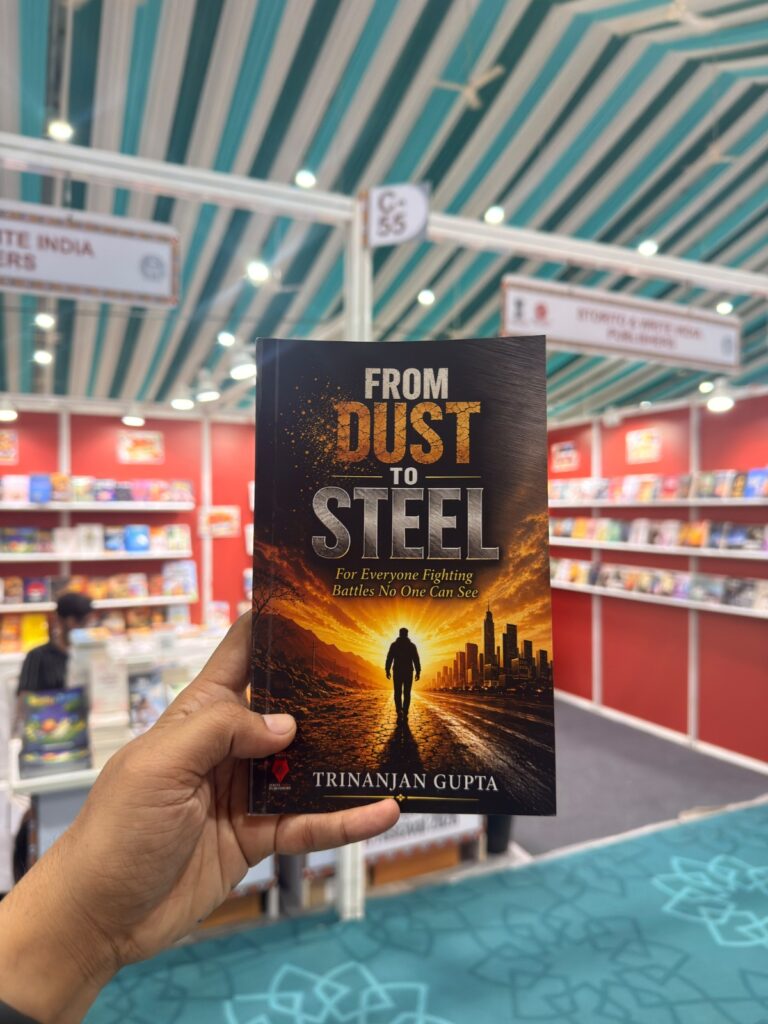
Every masterpiece begins in the shadows, and every monumental transformation starts in the dirt. This is the core truth behind “From Dust to Steel,” a deeply moving new book that explores the profound journey of the human spirit. The title itself carries a powerful conceit: “Dust” represents our most vulnerable, fragile, and broken states—the moments when life grinds us down to nothing. “Steel,” on the other hand, is the ultimate symbol of resilience. It is forged only through intense heat, pressure, and striking blows. The emotional heartbeat of this book is born from real, raw human experiences. It captures the painful, beautiful, and often lonely process of rebuilding oneself from scratch. It is a story for anyone who has ever felt reduced to dust by circumstances, failure, or heartbreak, yet chose to stand up, endure the fire of adversity, and emerge unbreakable. “From Dust to Steel” is officially out now. Bringing this deeply personal project to life has been a labor of love, but a book truly finds its purpose only when it reaches the hands of readers. Your support in promotion means the world to me—it is the final step that allows this story to truly see the light of day and make its mark on the world. “From Dust to Steel” is a hybrid memoir and self-help guide that explores personal transformation, resilience, and emotional healing. The narrative uses the metaphor of dust and steel to illustrate how vulnerability and hardship can be forged into strength. It combines personal experiences with actionable steps to help readers navigate adversity and rebuild their lives. Buy the Book: From Dust to Steel – Amazon Instagram: Gupta Trinanjan
How Doha Is Turning Creativity into an Economic Venture
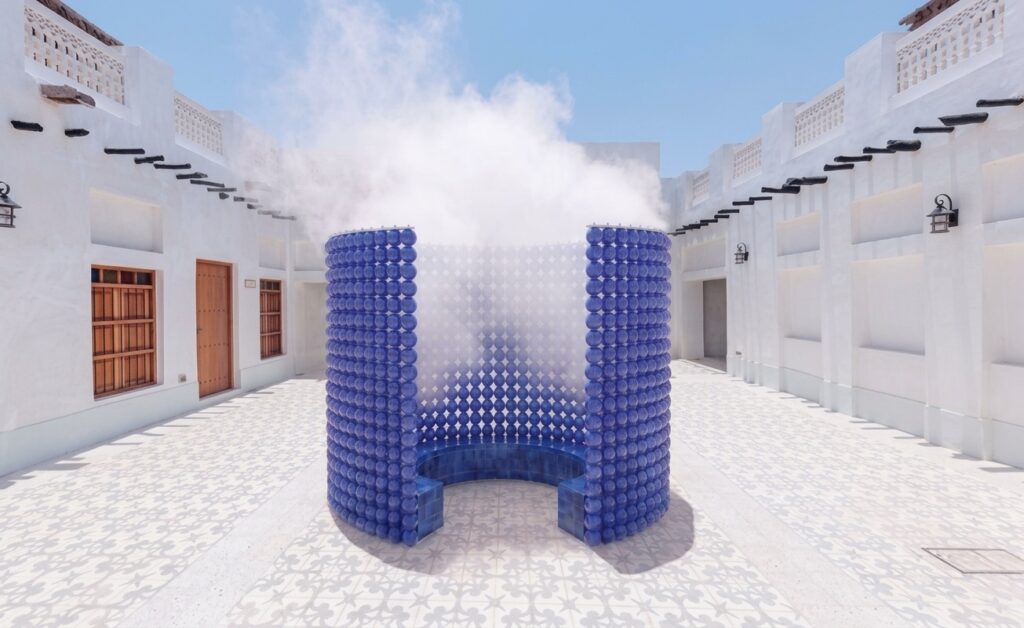
Design Doha returns. Rubaiya Qatar launches. Doha’s creative institutions are expanding from exhibition spaces into incubators, studios and marketplaces. In this edition, chief publishing officer Manu G. Parmar studies this space and analyses how Qatar’s cultural ambitions are evolving into something larger: a creative economy. For two decades, Qatar’s investment in culture has been measured through its museums, its architecture and its international exhibitions. Walk through Doha this November, though, and a different picture begins to emerge. The conversation is no longer only about what Qatar is displaying. It is increasingly about what Qatar is creating, producing, incubating, selling and exporting. That distinction matters. Within a single month, the city opens the second edition of Design Doha, launches its first contemporary art quadrennial, opens a new commercial gallery, stages a fashion retail showcase and hosts a technology summit where design-led founders pitch to investors. Around them sits a dense programme of fashion retrospectives, ancient ceramics, Iraqi modernism and sculpture placed in the landscape. Taken one by one, these are impressive cultural events. Taken together, they describe something more consequential. Qatar has spent years building the institutions a creative economy needs: museums, design districts, studios, residencies and prizes. This season shows those institutions working in concert, and it sends a clear signal to investors, entrepreneurs and talent. Doha intends to be where the region’s ideas are made, not only where they are displayed. exposure through Liberty London in Msheireb and business mentorship from DHL. Qatari finalists include Kahhal1871 and Abdulrahman Al Muftah Studio. “Recognition is only the beginning,” says Design Doha director Fahad Al Obaidly. The prize is built to turn talent into practice, and practice into business. The Design Doha Prize is where that market logic is most visible. Twenty finalists were chosen from more than 500 applications across four categories: craft, product design, furniture design and emerging talent. Four winners were named on November 7 at the Museum of Islamic Art, judged by a 24-member international jury led by architect and designer India Mahdavi. Each winner receives QR200,000, a two-week mentorship at the Vitra Campus in Germany, a year of studio space at Liwan, retail FROM CULTURAL VENUE TO CREATIVE DISTRICT Much of this activity is concentrated in Msheireb Downtown Doha. Doha Design District, part of Msheireb Properties, describes itself as an integrated creative ecosystem supporting the journey from idea and making through to education, exhibition and exchange. Significantly, it also offers retail space for brands and designers, alongside venues for exhibitions, workshops and public programmes. That makes Msheireb more than an attractive backdrop for cultural events. It is becoming infrastructure for a creative cluster. The district opened the season with Designed to Last, an exhibition by Moroccan designer Artsi Ifrah of Maison ARTC, a Fashion Trust Arabia award winner. His 13 one-of-a-kind looks challenge fast fashion and ask what makes a garment worth keeping. A live atelier and talks with Qatari designers turned the show into a working studio as much as a display. QC+ CEO Kirstin Mearns says great art and design “deserve a home with a strong point of view”. For Doha’s creative economy, MIHAD fills a missing link: a dedicated place where local talent meets buyers. The clearest sign of commercial intent arrived on November 4, when QC+ opened MIHAD in Doha Design District. It is a commercial art and design gallery that sells and commissions work for private and corporate collectors. Its opening programme runs to December 31 and includes Beyond the Letters, on Arabic and Persian typography, and Traces of the Desert Light by Sanae Collective, both presented with Design Doha. A Chef-in-Residence programme opens with Mexico’s Elena Reygadas of Panadería Rosetta, named the World’s Best Female Chef in 2023. M7: WHERE FASHION MEETS THE CUSTOMER M7 offers one of the clearest examples of the shift. Qatar Museums describes it as the country’s epicentre for innovation and entrepreneurship in fashion and design, created to accelerate Qatar’s creative economy and give designers the tools to compete. Its November calendar reflects that hybrid cultural and commercial role. Three exhibitions run until December 26. ERDEM: About Time, About Her marks the 20th anniversary of designer Erdem Moralioglu’s fashion house with 150 garments, sketches and archive pieces. Around the World in Jewellery is the largest jewellery presentation ever drawn from Qatar Museums’ collections, with more than 500 pieces, some on public view for the first time. Expanded Tradition shows a new generation of Mexican artisans reworking inherited techniques for contemporary life. Then comes the market. The Edit, now in its fourth edition, stages its second 2026 retail showcase from November 26-30. It gathers a curated selection of regional and international brands, including emerging designers, Fashion Trust Arabia alumni and labels linked to the Years of Culture programme. It gives designers something cultural ecosystems sometimes overlook: direct access to customers. M7 director Maha Al Sulaiti says the season shows how “design can connect the past with the present”. Museum-grade exhibitions, retail and entrepreneurship now share the same address. That is precisely how creative economies develop. LIWAN: WHERE MAKING BECOMES BUSINESS A short walk away, Liwan Design Studios and Labs address another essential part of the equation: production. Liwan is housed in the former Banat El Doha school, Qatar’s first officially-recognised girls’ school. It gives designers studios and facilities for pottery, leatherworking, digital photography and prototyping. The building is an intelligent piece of cultural reuse, with educational heritage turned into productive creative infrastructure. More importantly, Liwan is increasingly linking creative practice with business development. Its Studio Resident programme is aimed at Qatar-based designers whose projects could scale within the local creative economy. Participants receive workspace, technical facilities, professional development and introductions to industry clients. That language of scale, clients and market opportunity is revealing. It marks a shift from supporting creativity for its own sake towards helping practitioners build sustainable businesses. During Design Doha, Liwan presents Bu’ed Nadhar, meaning “beyond immediate vision”: 32 works by 16 artists from the Gulf and neighbouring regions, developed through five residencies. Curated
Doha Film Festival 2026 Unveils Cinema Alkhaleej Programme
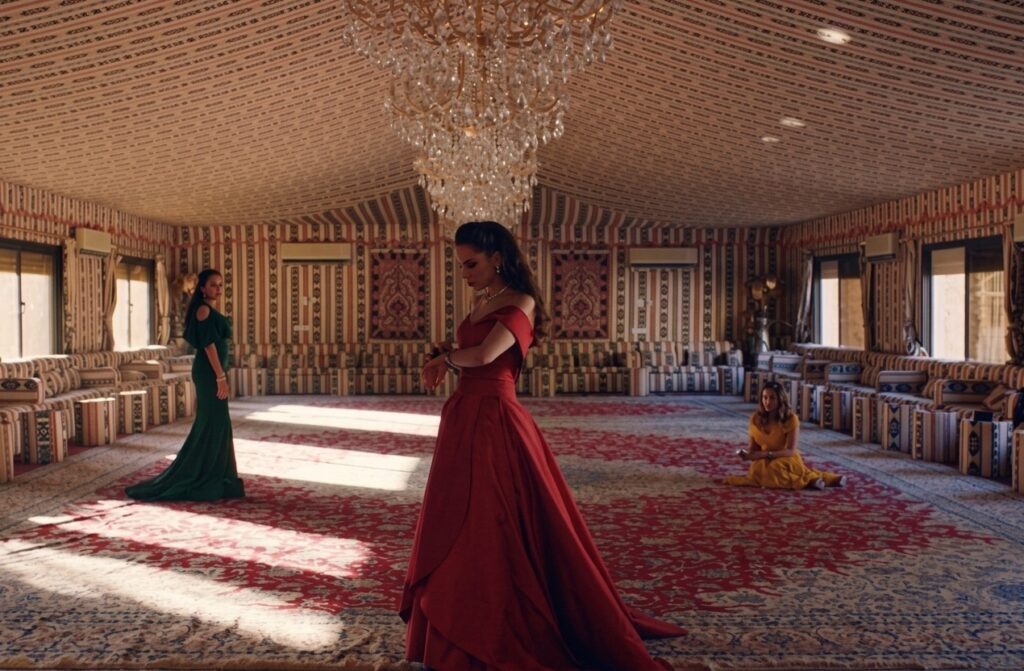
Programme highlights stories from across the Gulf, exploring identity, heritage, social change and complex human relationships Doha Film Festival (DFF) 2026 will launch Cinema Alkhaleej, a programme honouring the diversity of storytelling from across the Gulf, bringing together seven films that represent the region’s cultural heritage, evolving identities and contemporary realities. From personal journeys that challenge current social expectations to stories rooted in folklore, memory and traditions, Cinema Alkhaleej programme presents the breadth of creative expression emerging from the Gulf on a platform that empowers filmmakers to share perspectives that resonate within the region and beyond. Fatma Hassan Alremaihi, CEO of Doha Film Institute and Director of Doha Film Festival, said: “Cinema Alkhaleej programme reflects our commitment to showcasing the important voices of the Gulf, that represent the region’s past, present and future. Our stories are shaped by distinctive cultures, shared histories and rapidly evolving societies, containing emotional truths that transcend borders. We bring these films to audiences in Doha to honour the filmmakers who are redefining regional cinema and creating space for new perspectives.” Feature Films in the programme are: My Driver and I (Saudi Arabia) by Ahd Kamel Winner of Best Feature Film at the 2025 Saudi Film Festival, follows the evolving friendship between a privileged Saudi teenager named Salma and her family’s Sudanese driver, Gamar, in 1980s and 1990s Jeddah. Soulala (Saudi Arabia) by Hisham Fakih The horror feature follows a man who returns to his mother’s remote date farm, and discovers a chilling reality that threatens to keep him there. The film explores how the bonds between parents and children can become sources of both devotion and control. Short Films included in the programme are: Clouds (Oman) by Muzna Almusafer The intimate drama follows Dablan, a widowed father whose village comes under threat from a leopard. As tribal pressure mounts for him to kill the animal, he resolves to set it free instead, placing him at odds with his community. Dunya’s Day (Saudi Arabia) by Raed Alsemari Hours before her graduation party, Dunya faces an unexpected crisis when all the household help in her family’s home walk out. With only two friends to help, she must find a way to save the celebration and preserve the flawless occasion she has envisioned. Namoos (UAE) by Nada Jahed The short follows Noora as she prepares for her first competitive camel race. Blending observational footage with reenactment, the film explores the relationship between personal ambition and cultural identity. An Evening with Laila (Kuwait) by Haya Alghanim A portrait of life and legacy, the film revisits a significant chapter in Kuwait’s cultural history and celebrates a woman whose artistic ambitions helped expand the possibilities for music in the Arabian Gulf, leaving a lasting mark on the region’s creative landscape. Salem Not Salem (Bahrain) by Omar Farooq Salem begins experiencing things that no one around him can see or understand. As his best friend and sister attempt to support him, he struggles to distinguish between faith and madness while confronting the stigma surrounding mental health. Through Cinema Alkhaleej programme, Doha Film Festival continues to champion filmmakers whose work deepens cultural understanding, highlights the diversity of the region’s narratives and brings Gulf cinema into conversation with audiences around the world. Key Partners of Doha Film Festival include Katara, Media City Qatar I Film Committee and Visit Qatar. Taking place from 19–27 November 2026, Doha Film Festival brings together filmmakers, audiences and industry voices from the region and beyond to honour original storytelling and important voices in film. For more information, visit www.dohafilm.com.
HE Sheikh Mohammed Opens Doha Jewellery & Watches Exhibition
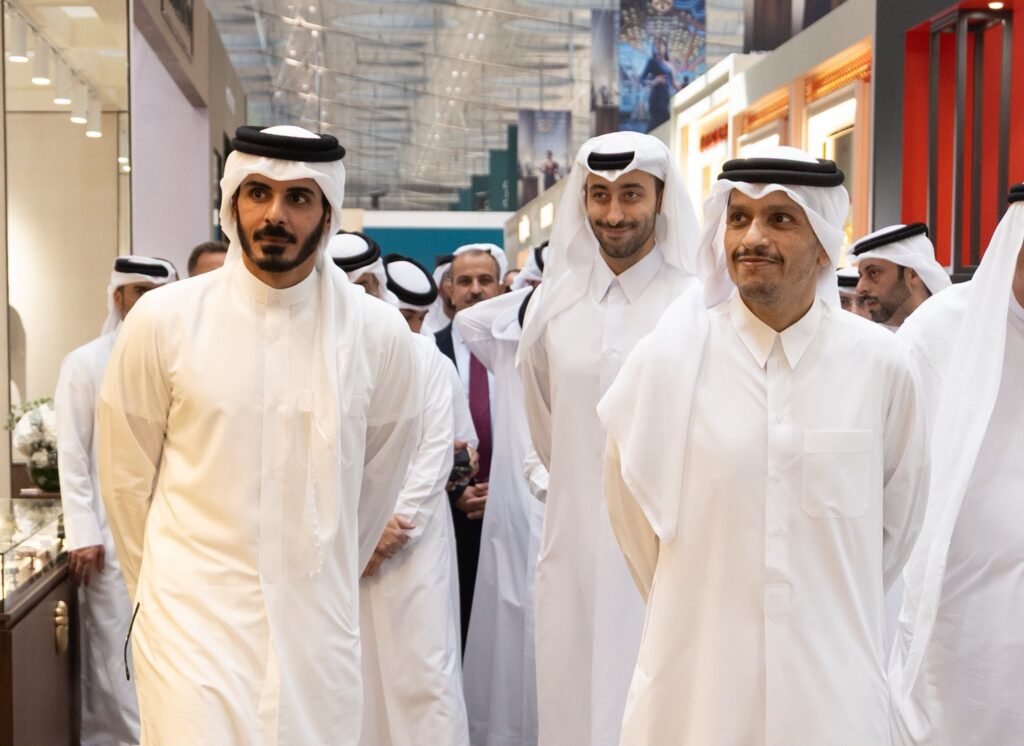
Under the patronage of His Excellency Sheikh Mohammed bin Abdulrahman bin Jassim Al Thani, Prime Minister and Minister of Foreign Affairs, the Doha Jewellery & Watches Exhibition (DJWE) 2026 opened to the public on September 28 at the Doha Exhibition and Convention Centre (DECC). The opening was attended by His Excellency Sheikh Khalifa bin Hamad bin Khalifa Al Thani, Minister of Interior alongside several ministers, ambassadors, and other distinguished guests. The 22nd edition, which is owned by Qatar Tourism, brought by Visit Qatar and organised by Qatar Business Events Corporation (QBEC), was inaugurated during a ceremony attended by H.E. Mr. Saad bin Ali Al Kharji, Chairman of Qatar Tourism and Chair of the Board of Directors of Visit Qatar, and Eng. Abdulaziz Ali Al Mawlawi, CEO of Visit Qatar. Commenting on the opening of the exhibition, HE Saad bin Ali Al Kharji, Chairman of Qatar Tourism and Chairman of the Board of Directors of Visit Qatar, said: “Over more than two decades, the Doha Jewellery and Watches Exhibition has continued to evolve in line with Qatar’s ambitions, establishing itself as a leading global platform for an industry rooted in heritage, creativity and excellence. The 22nd edition reflects the stature the exhibition has achieved, bringing together international expertise, regional participation and Qatari creativity, while opening up new avenues for business, knowledge exchange and partnerships. “As we continue to strengthen the role of tourism as a key contributor to economic diversification, we remain focused on developing distinctive, high-value tourism experiences that draw on Qatar’s unique strengths and deliver sustainable economic impact. The Doha Jewellery and Watches Exhibition embodies this approach, enhancing Doha’s position on the global map of specialised events while providing Qatari designers and entrepreneurs with a vital platform to connect with international markets, create new opportunities for growth and contribute to the development of Qatar’s creative industries.” Eng. Abdulaziz Ali Al Mawlawi, CEO of Visit Qatar, said: “The Doha Jewellery and Watches Exhibition continues to evolve in scale, diversity of participation and international presence, reinforcing its position as one of the leading events on Qatar’s annual calendar and a prominent meeting point for the regional and global jewellery and watch industry. This year, we are building on the exhibition’s achievements by expanding international participation, introducing new platforms for knowledge exchange and offering a diverse programme that brings visitors closer to the creativity, craftsmanship and inspiring stories behind some of the most exceptional designs and pieces. “We remain committed to developing and enriching the exhibition with new content and experiences with every edition, enhancing the value offered to participating brands and designers while providing visitors with new opportunities to discover and engage. This builds on Visit Qatar’s vision of developing world-class events that enhance Qatar’s appeal as a tourism destination and contribute to a diverse and distinctive visitor offering throughout the year.” As the Official Sponsor of DJWE 2026, QNB Group continues its commitment to major international events that strengthen Qatar’s position as a leading destination for luxury and premium experiences. The sponsorship also reflects the Group’s focus on advancing local enterprise and creating greater opportunities for Qatari brands and entrepreneurs. Beyond showcasing exceptional jewellery and watchmaking, the exhibition connects international brands with Qatari designers and entrepreneurs, creating opportunities for commercial relationships, knowledge exchange and access to wider markets. By supporting these connections, QNB Group contributes to private sector growth and economic diversification, in line with Qatar National Vision 2030. Spanning a week, the 22nd edition brings together 49 exhibitors representing more than 500 brands from 30 countries, presenting a wide-ranging showcase of fine jewellery, exceptional timepieces and contemporary design. Leading regional names including Al Fardan Jewellery, Al Majed Jewellery, Ali Bin Ali Luxury, Amiri Gems, Fifty-One East, Al Muftah Jewellery, Blue Salon and Arts and Gems feature alongside international houses and established and emerging Qatari designers. This year, DJWE also unveils a unified visual identity across its exhibition spaces and pavilions, creating a more cohesive visitor journey. International and local participation is further reflected in the return of the Turkish, Indian and Qatari Designers pavilions. The Turkish Pavilion features two brands, while the Indian Pavilion brings together five, each showcasing the distinctive craftsmanship and design traditions of their respective markets. The Qatari Designers Pavilion, sponsored by Scale7, places local creativity at the heart of the exhibition. As Qatar’s hub for Creative and Cultural Industries, Scale7 supports startups and entrepreneurs through programmes, investment and services designed to accelerate innovation and growth. This year, the pavilion brings together six Qatari talents: Midad Jewellery, founded by architect, calligrapher and jewellery designer Abdulla Yousuf Al-Fakhroo; M Royal Collection, led by designer Maisa Jasim Buhejji; Kaltham’s Pavilion, founded by Kaltham Abdulmonem Al Majid, granddaughter of the late Mahdi Ali Al Majid, founder of Al Majed Jewellery; H Jewelry, founded by Hamad Ahmad Al-Mohammed; Ghand Jewellery, co-founded by Jawaher Mohammed AlMannai; and Alghla Jewellery, founded by Shaikha Al Ghanem. The exhibition is also broadening its regional representation, with four GCC-based exhibitors participating in DJWE for the first time: Lulu Al Mahmoud from the Kingdom of Bahrain, Al Bakshi Jewellery from the Kingdom of Saudi Arabia, Ammar Jewellery from the United Arab Emirates, and Zari Jewellery from the State of Qatar.Among the major additions to the 2026 edition is the participation of Christie’s, the renowned international auction house with a 260-year heritage across art, luxury and collectibles. Alongside a dedicated presence within the exhibition, Christie’s specialists are contributing their expertise in jewellery and watches through talks and guided experiences and educational sessions as part of the newly launched DJWE Studio. Throughout the week, the DJWE Studio (The Studio) will host a full programme of workshops, panel discussions and masterclasses. Christie’s will lead sessions exploring the jewellery and watch markets, design trends and collecting behaviours, alongside guided jewellery and watch tours, a Mentorship Moment session connecting emerging designers with industry leaders, and a two-day certificate courses exploring 150 years of art and the relationship between art, jewellery and watches in the 20th century. Sophie Stevens, Christie’s
Doha Design District Unveils ‘Mada and Sada’: A New Platform Built Around the Creative Process Itself
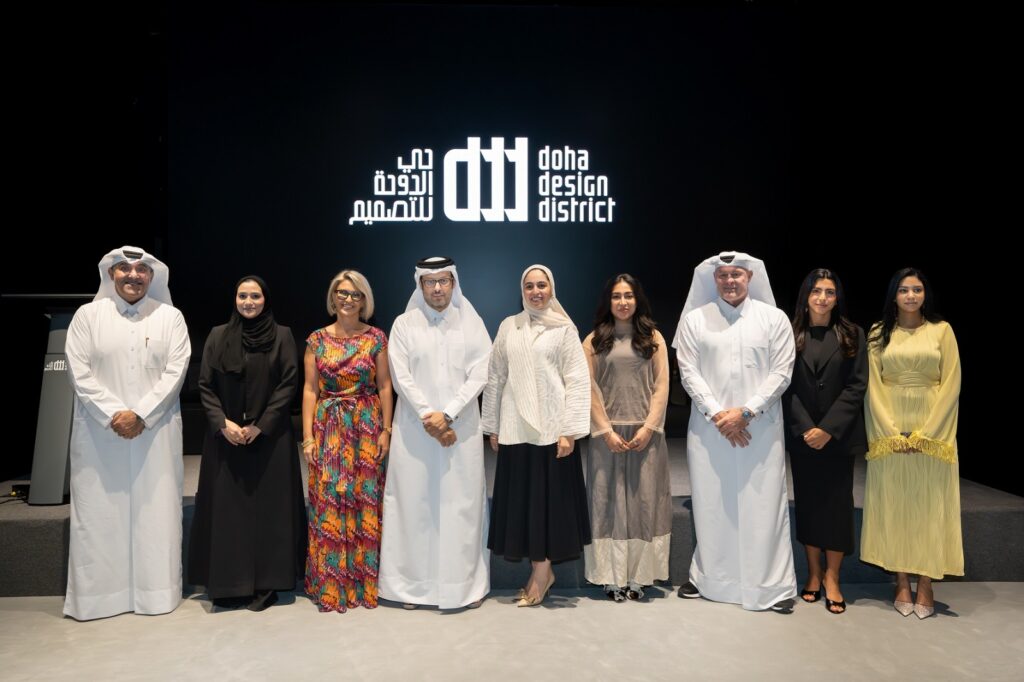
Msheireb’s creative hub opens an immersive experience that puts the making of art — not just the finished work — at the centre of the story. Doha Design District, the creative anchor of Msheireb Downtown Doha, has launched a new spatial platform called “Mada and Sada,” designed to take visitors inside the creative process rather than simply presenting them with a finished result. The concept is built into the name itself: Mada represents the origin — the first spark of an idea — while Sada represents its echo, the moment that idea meets a public audience. Together, the two spaces trace a single continuous journey, from impulse to expression, and visitors are free to move through them as one experience or explore each independently. A Launch Rooted in Music, Identity, and Place The platform opened with the debut of “Msheireb Symphony,” a piece composed by acclaimed Qatari composer and singer-songwriter Dana Alfardan, commissioned specifically to capture the layered identity of Msheireb Downtown Doha — a district built around the dialogue between heritage and modern, sustainable urban life. The symphony set the tone for an evening centred on the relationship between roots and possibility. The event was introduced by Dana Kazic, Director of Doha Design District, alongside Samar Maakaroun, Partner and Creative Director at global design studio Pentagram, who led the visual identity behind Mada and Sada. The design draws directly from the architectural language of Msheireb itself, creating a platform that feels native to its surroundings — an identity rooted in Arab culture and heritage rather than layered on top of it. Inside the Two Spaces Within “Mada,” creators Yasamin Sheikhi and Nada Al Kharashi gave visitors an unfiltered look at their creative practice — sharing not polished final pieces, but the uncertainty, iteration, and discovery that shape work before it’s ready for public view. “Sada,” meanwhile, showcased 20 shortlisted proposals from the District’s Public Art Open Call — a live snapshot of ideas still being shaped, each one competing to reimagine Doha’s public spaces. As Dana Kazic put it, the District is built on the belief that creativity flourishes in environments that are open, collaborative, and constantly evolving. A Platform Designed to Keep Evolving The launch marks the start of an ongoing programme of workshops, exhibitions, and cross-disciplinary collaborations across both spaces — built to support emerging and established creative voices alike, while narrowing the gap between creative process and public engagement. The opening night also featured a session with Samar Maakaroun on Pentagram’s approach to brand identity as a strategic tool — one capable of shaping how an organisation’s story, values, and purpose are communicated visually and verbally, in line with Msheireb Properties’ broader push to support Qatar’s design and creative industries. Part of a Larger Creative Vision “Mada and Sada” extends a wider ambition at Doha Design District: positioning design not as decoration, but as a force that shapes how a city thinks, feels, and grows. Every initiative the District has launched — from open calls to residencies to immersive experiences like this one — reflects an effort to build a genuinely connected creative ecosystem, where designers have real infrastructure to develop their craft and audiences are invited into the process rather than held at a distance. Set within the urban fabric of Msheireb Downtown Doha, the District treats the city itself as a canvas — turning its streets and shared spaces into a living platform for ideas that will continue to shape Qatar’s design landscape.
Msheireb Museums Brings the Community Together for International Museum Day
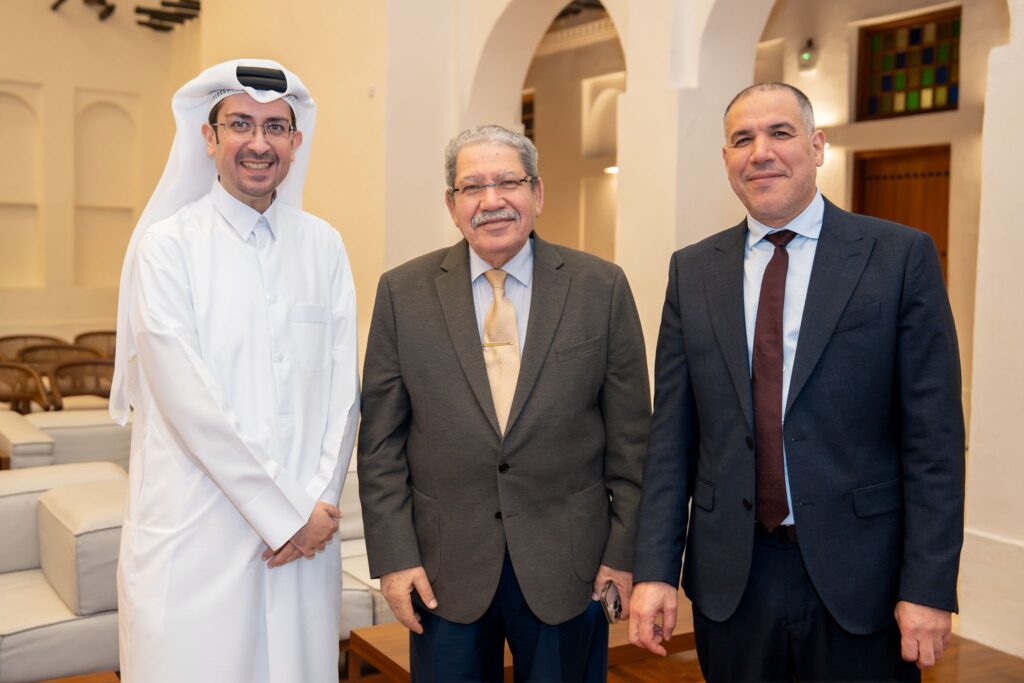
Msheireb Museums brought the community together to mark International Museum Day 2026 with a special seminar highlighting the evolving role of museums as spaces for dialogue, learning, inclusion, and cultural connection. Held at Msheireb Museums in Msheireb Downtown Doha, the seminar was led by Dr Ech Cherki Dahmali, member of the Executive Board of the International Council of Museums (ICOM) and Director of the Cultural Advisor’s Office at Qatar Foundation. Titled “Museums: From Functional Role to the Social Dimension,” the session explored how museums have moved beyond their traditional function of preserving heritage to become active public platforms that support community engagement and social cohesion. The event formed part of global celebrations for International Museum Day 2026, held under the theme “Museums Uniting a Divided World.” This year’s celebration also coincided with the 80th anniversary of ICOM, reinforcing the organisation’s long-standing mission to position museums as drivers of cultural exchange, education, and sustainable development. Organised annually by ICOM since 1977, International Museum Day has become one of the world’s most widely observed cultural occasions. More than 37,000 museums across 158 countries and territories participate each year, using the occasion to reaffirm the importance of museums as trusted public spaces that promote learning, inclusion, intercultural dialogue, and the United Nations Sustainable Development Goals. Speaking on the occasion, Abdulla Al Naama, General Manager of Msheireb Museums, said International Museum Day offered an important opportunity to reflect on the changing role of museums in society. “International Museum Day provides an important opportunity to reflect on the growing role museums play within society today. At Msheireb Museums, we believe museums are not only spaces that preserve history, but also platforms that encourage dialogue, inspire learning, and strengthen social cohesion. Hosting this seminar aligns with our commitment to creating meaningful cultural experiences that connect communities and contribute to a more inclusive and sustainable future,” he said. Dr Ech Cherki Dahmali also emphasised the need for museums to remain accessible, relevant, and responsive to the communities they serve. He noted that cultural institutions must continue adapting to changing audience expectations, particularly among younger generations. “Museums need to become more accessible and engaging for their communities, offering opportunities that truly reflect and respond to the spirit of the community. Otherwise, they will become outdated institutions, disconnected from their audiences and eventually left behind. Today’s exhibition operates in a highly competitive cultural and entertainment landscape, particularly for younger audiences. Therefore, they should focus on aligning their marketing plans with the evolving demands and expectations of the current era,” he said. As one of Qatar’s key cultural destinations, Msheireb Museums continues to play an important role in enriching the social and cultural life of Doha. Located in the heart of Msheireb Downtown Doha, the museums take visitors through Qatar’s history, urban development, identity, and collective memory through four heritage houses and an active calendar of public programming. The International Museum Day seminar underlined the growing importance of museums as places where communities can come together, exchange ideas, and engage with both local heritage and global cultural conversations. It also highlighted the value of international collaboration in strengthening cultural understanding and building stronger community ties in an increasingly connected world. Through initiatives such as this, Msheireb Museums continues to support Qatar’s wider cultural vision by creating meaningful spaces for education, dialogue, and public engagement. The event reflected how museums in Qatar are contributing not only to heritage preservation, but also to community development, cultural awareness, and inclusive social progress.
QF’s BilAraby Initiative Discusses the Impact of Arabic in Publishing and Content at Doha International Book Fair
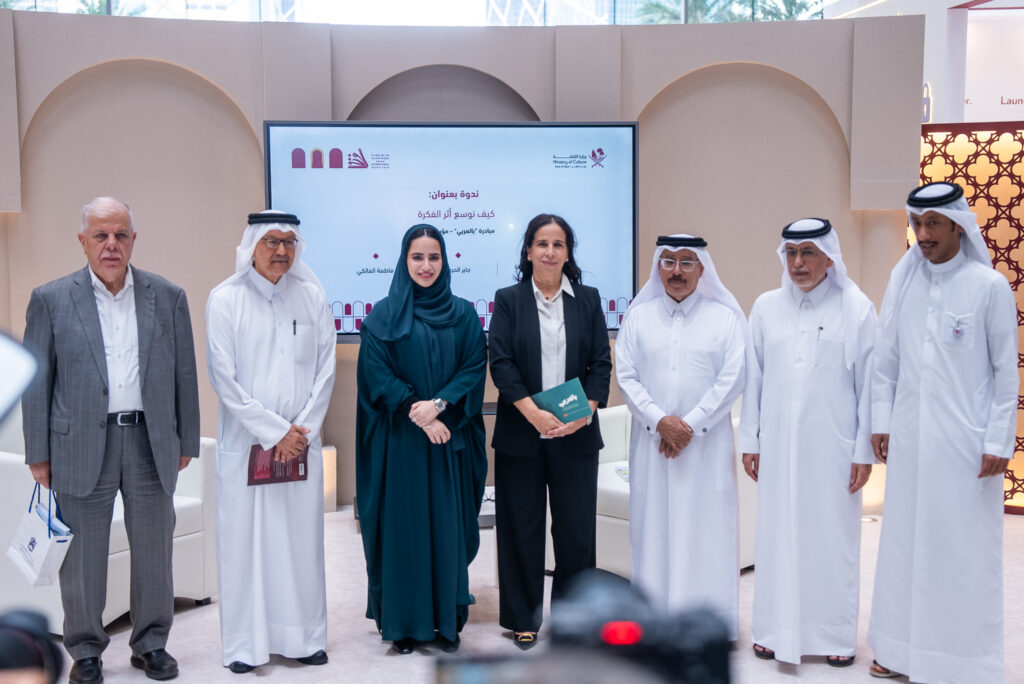
Panel session explores the evolution of ideas from traditional books to digital platforms Qatar Foundation’s BilAraby initiative participated in the 35th Doha International Book Fair with a panel discussion examining how Arabic ideas can move beyond traditional publishing and reach wider audiences through digital content, multimedia platforms and new forms of knowledge engagement. The session, titled “Arabic Between Publishing and Content: How Do We Expand the Impact of an Idea?”, was held at the exhibition’s Cultural Salon at the Doha Exhibition and Convention Center (DECC). The event was organised under the supervision of the Qatari Forum for Authors as part of the book fair programme, which was organised by the Ministry of Culture – Qatar Cultural and Heritage Events Center. Expanding the Reach of Arabic Ideas BilAraby’s participation reflected Qatar Foundation’s broader commitment to strengthening the role of Arabic in cultural dialogue, knowledge production and digital innovation. The discussion focused on a key question: how can ideas created in Arabic reach broader and more diverse audiences, both inside and outside the Arabic-speaking world? Panelists explored the transformation taking place across the Arabic knowledge industry, particularly the shift from print-focused publishing to digital-first content. The conversation highlighted how Arabic can serve not only as a language of expression and preservation, but also as a powerful medium for producing knowledge, shaping public discourse and enabling new voices to emerge. From Books to Digital Knowledge Experiences A major theme of the session was the changing journey of an idea. While books remain a vital foundation for intellectual and cultural work, speakers noted that today’s audiences increasingly engage with ideas across podcasts, video content, social platforms, interactive formats and digital communities. The panel examined how publishers, writers and content creators can transform strong ideas into accessible and engaging knowledge experiences. This includes adapting Arabic content for different platforms while preserving depth, meaning and cultural relevance. The discussion also touched on the role of Arabic in promoting epistemic justice — ensuring that Arabic-speaking communities are not only consumers of knowledge, but also active producers and contributors to global conversations. Leading Voices in Arabic Media and Reading Culture The session was moderated by Souhila Abada, content supervisor and lead trainer at the BilAraby initiative. Speakers included Jaber Al Harami, writer and editor-in-chief of Al Sharq newspaper, and Fatima Al Malki, Director of the Qatar Reads initiative at Qatar National Library. Together, they discussed the responsibilities of media organisations, publishing houses, libraries and content creators in expanding the presence of Arabic knowledge across modern communication channels. Arabic as a Language of Innovation Commenting on BilAraby’s participation, Hisham Nourin, Executive Director of Strategic Initiatives and Programs at Qatar Foundation, said the initiative’s presence at the Doha International Book Fair came from a firm belief in Arabic as a language capable of innovation and knowledge leadership. “The participation of the BilAraby initiative in the Doha International Book Fair stems from our firm belief that Arabic is a language of knowledge production and innovation, not just a means of expression. While a book is a vital starting point, the impact of an idea truly expands when it moves through podcasts, visual content, and digital platforms to reach a global audience,” he said. Interactive Engagement with the Public Alongside the panel discussion, BilAraby hosted interactive activities designed to encourage public participation. Visitors were invited to brainstorm new forms of Arabic content creation and explore how ideas can be transformed into impactful digital experiences. The activities supported BilAraby’s wider mission of creating a space where Arabic content, creativity and knowledge-sharing can evolve in line with the needs of modern audiences. Strengthening Qatar’s Cultural and Knowledge Economy BilAraby’s participation in the Doha International Book Fair reinforced Qatar’s growing role as a regional platform for culture, publishing and knowledge exchange. As Qatar continues to invest in education, media, research, creativity and digital transformation, initiatives such as BilAraby contribute to the development of a stronger Arabic content ecosystem — one that connects heritage with innovation and local identity with global reach. Updates on BilAraby and its 2026 gathering are available through the initiative’s official website: www.bilaraby.qa.
Place Vendôme Launches ‘Rooted in Resilience:’ A Community Campaign Celebrating Qatar’s Cultural Spirit Through the Power of the Sidra Tree
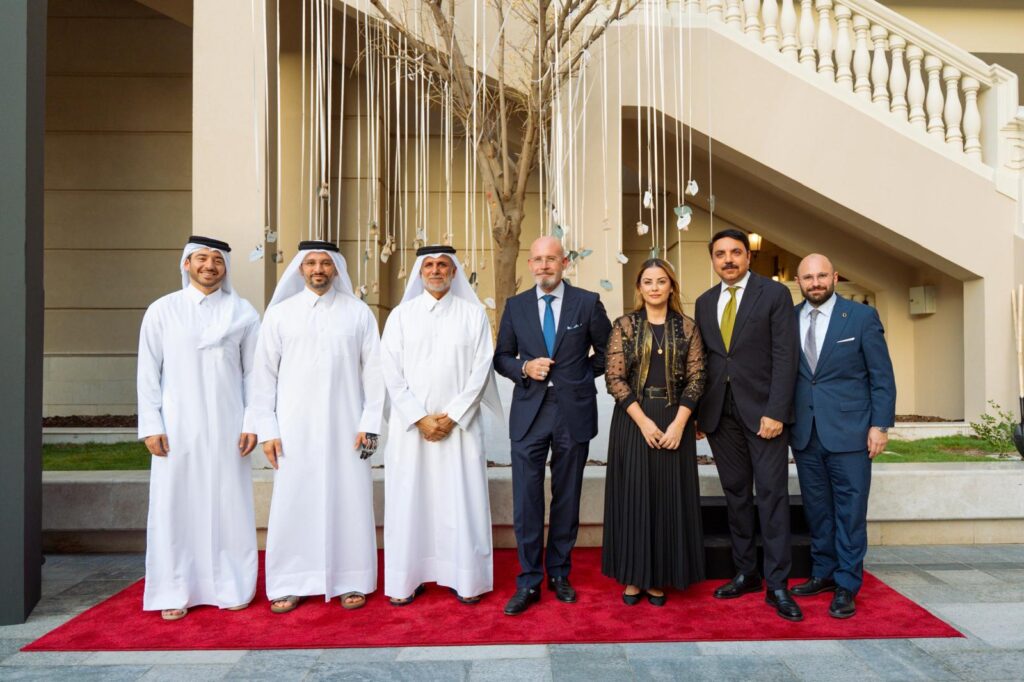
Qatar’s premier lifestyle destination unites community, culture, and collective hope through an immersive campaign that culminates in a landmark Sidra Tree Plantation Ceremony honouring exceptional individuals who embody the spirit of resilience Place Vendôme, one of Qatar’s leading luxury shopping, lifestyle and entertainment destinations, has launched ‘Rooted in Resilience,’ a community-focused campaign inspired by the Sidra tree — one of Qatar’s most powerful cultural symbols of endurance, unity and hope. The campaign was designed as a tribute to Qatar, its leadership and the resilient spirit that continues to shape the country’s social, cultural and community identity. Through an immersive visitor experience and a landmark Sidra Tree Plantation Ceremony, Place Vendôme brought together community, culture and collective hope in a meaningful celebration of strength and perseverance. A Campaign Inspired by the Sidra Tree Deeply rooted in Qatari heritage, the Sidra tree has long represented protection, stability, endurance and belonging. Native to the Gulf region, it is known for its ability to grow and survive in some of the harshest desert conditions, making it a fitting symbol for resilience in Qatar. Through ‘Rooted in Resilience,’ Place Vendôme transformed this cultural symbol into a shared community experience. At the heart of the campaign was a striking Sidra tree installation inside the destination, inviting visitors to take part by hanging personal wishes or messages on the tree, capturing the moment, and sharing their reflections across social media. The initiative encouraged guests to become part of a growing digital and physical tapestry of stories connected by hope, perseverance and cultural pride. The campaign’s guiding message captured its essence clearly: “At Place Vendôme, resilience isn’t just a word, it’s something that keeps growing here in Qatar.” Honouring Community Figures Through a Living Symbol The campaign reached a landmark moment with the ‘Rooted in Resilience’ Sidra Tree Plantation Ceremony, held at the iconic Dancing Fountains area on the Canal Floor at Place Vendôme. The evening opened with a fountain show before guests gathered for a ceremony that celebrated individuals whose journeys reflected resilience, perseverance and positive community impact. Each honouree planted a Sidra tree and placed a commemorative plaque bearing their name beside it, creating a lasting living tribute to their story and contribution. Place Vendôme’s leadership team also planted one large Sidra tree collectively, reinforcing the destination’s connection to the community it serves. The three individuals honoured during the ceremony were: Dr. Yousef Al Horr, Founding Chairman of the Gulf Organisation for Research & Development, recognised for his regional and global contribution to sustainable development and green building. Fahad Abdulrahman Badar, the first Arab mountaineer to summit both Mount Everest and Lhotse in a single expedition, symbolising determination and human endurance. Anas Abouqamer, known as TripleF, a Qatari influencer and content creator whose presence reflects the role of digital voices in shaping community engagement and cultural storytelling. More Than a Destination Commenting on the initiative, Sanjay Mehta, Group Director of Marketing at United Developers, said the campaign reflected Place Vendôme’s commitment to becoming more than a retail and lifestyle destination. “At Place Vendôme, we believe that the most meaningful spaces are those that reflect the spirit of the people within them. The ‘Rooted in Resilience’ campaign is a testament to our commitment to being more than a destination. We are part of this community, and this initiative is our way of honouring the extraordinary individuals who make it thrive. The Sidra tree, with all it represents for Qatar, felt like the most fitting symbol for that message,” he said. Carole Sabbagha, Mall Manager at Place Vendôme, said the campaign was created to resonate beyond the mall itself and become part of a wider community story. “This initiative is close to our hearts. We wanted to create a moment that resonates not just within our walls, but across the wider community. Every tree planted today carries a story of resilience, and it is our privilege to give those stories a permanent home here at Place Vendôme. We hope this becomes a lasting reminder that strength, in all its forms, is always worth celebrating,” she said. Community, Culture and Commerce As one of Qatar’s most celebrated lifestyle destinations, Place Vendôme continues to position itself at the intersection of luxury, culture, community and experience. The destination attracts more than 16 million visitors annually and has received major recognition, including World’s Most Beautiful Shopping Centre under the UNESCO Prix Versailles programme, as well as Best Mall 2024 and 2025 at the Shop Qatar Awards. Through ‘Rooted in Resilience,’ Place Vendôme has reinforced that leading lifestyle destinations in Qatar are no longer defined only by retail, entertainment and hospitality. They are increasingly becoming cultural platforms where community stories, national identity and shared values can be expressed. The campaign remains active across Place Vendôme’s social media channels, inviting the wider community to continue engaging with the initiative and contribute their own messages of hope, strength and cultural pride. In a country where resilience has become part of the national story, Place Vendôme’s Sidra tree campaign stands as a living reminder that growth, strength and unity remain deeply rooted in Qatar’s cultural spirit.
“Influence Is Responsibility to the People Who Trust My Voice”
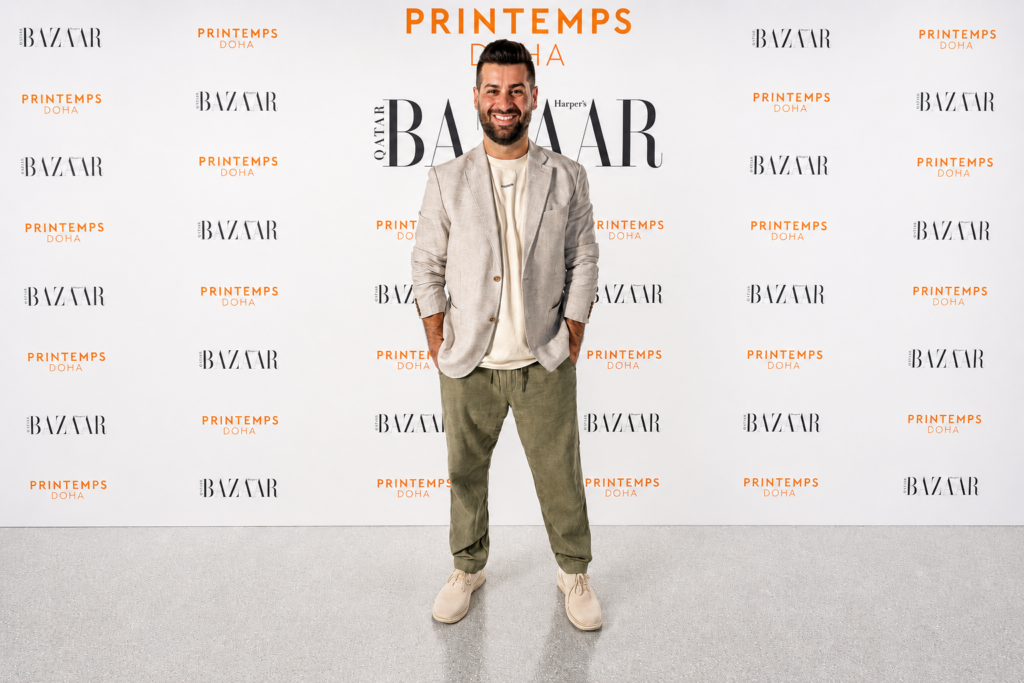
Rony Kikano on Scaling Brands, Influence, and the Power of Structure in Business In today’s fast-moving media and business environment, influence has become more than visibility. For Rony Kikano, Founder of Kikano Media, influence is built on credibility, consistency, and responsibility toward the people who trust his voice. As the founder of Kikano Media, an integrated digital, creative agency and media production company in Qatar, Kikano has built a business focused on authentic storytelling, aesthetic visual production, strategic brand development, and holistic creative execution. With more than 1,500 projects completed, he has established himself as one of Qatar’s recognised names in content creation, media strategy, and brand influence. His work has earned him major recognition, including being named Best Influencer in Qatar by Visit Qatar and Top Creator by Web Summit 2026. But for Kikano, these titles were never the end goal. They reflected years of building trust, understanding audiences, and helping brands communicate with clarity. From Positioning to Influence Kikano’s journey began long before social media became the powerful business tool it is today. His early work focused on helping companies shape perception through positioning, storytelling, and brand communication. This foundation helped him understand a core business truth: audiences do not connect with brands through visibility alone. They connect through clarity, emotion, consistency, and trust. As Qatar’s digital landscape evolved, Kikano transitioned into content creation and influencer marketing, combining strategic thinking with public visibility. This allowed him to move beyond traditional marketing and become a bridge between brands and audiences. Today, through Kikano Media, he helps businesses grow through strategy, media production, digital campaigns, influencer-led communication, and high-impact brand exposure. British Got Talent Judge – Alesha Dixon – Piaget President – Piaget Yves – Carolina Herrera Founder – Carolina Herrera Influence as Responsibility For Kikano, influence is not just about reach, followers, or engagement. It is about responsibility. “Influence is responsibility to the people who trust my voice,” he believes. In a market like Qatar, where relationships, reputation, and credibility carry strong value, being recognised as a leading influencer means protecting the trust of both audiences and brands. Kikano sees influence as something that existed long before social media. It was always about connection, credibility, and the ability to shape perception. Social media simply gave that influence a louder platform. As a content creator and brand ambassador in Qatar, his focus remains on creating value-driven content that builds long-term relationships between brands and their audiences, rather than chasing short-lived attention. The Birth of Kikano Media Founded in 2015, Kikano Media was created to address a clear gap in the market. Businesses did not only need content; they needed direction, structure, and measurable results. Kikano Media has since grown into a full-service advertising and media agency in Qatar, offering integrated solutions across digital, creative, and production services. The agency’s services include: Bulk SMS marketing campaignsOut-of-home advertising through digital screens in malls and key locations across QatarSocial media management and content strategyMall activations and brand exposure campaignsCreative media production and brand storytelling What sets Kikano Media apart is its ability to combine influencer insight with strategic execution. Kikano brings firsthand knowledge of audience behaviour into the planning process, allowing campaigns to be creative, commercially relevant, and performance-driven. Local Insight, Global Thinking Kikano Media works with both local and international brands, but Kikano understands that each requires a different approach. For international companies entering Qatar, the agency focuses on localisation. This means adapting global brand identities to suit the local market while maintaining the strength of the original brand. Through digital screens, mall placements, content strategy, and targeted campaigns, Kikano Media helps global brands connect with Qatari audiences in a meaningful way. For local brands, the focus is growth. Kikano Media supports businesses by building visibility, strengthening digital presence, and helping them scale through social media, influencer marketing, and strategic exposure across high-traffic locations in Qatar. His work as a brand ambassador for major names, including Ooredoo, has given him a valuable perspective: global standards must be matched with local understanding. Longchamp President – Jean Cassegrain – Aigner President – Sibylle Schon Scaling Requires Structure For Kikano, scaling a business requires more than expansion. It requires structure. A company can grow quickly, but without clear systems, a strong identity, and cultural adaptability, that growth can become difficult to manage. Kikano believes the businesses that succeed across markets are those that remain consistent while adapting intelligently to local audiences. From working with major clients and international brands, he has developed a clear set of business lessons: Consistency builds trust.Data strengthens creativity.Systems create scalability.Long-term vision drives growth.Simplicity creates impact. These principles guide the work at Kikano Media, whether the agency is managing a large-scale advertising campaign, developing a social media strategy, or creating out-of-home visibility across Qatar. Reinvention in a Changing Market In today’s business environment, reinvention is no longer optional. Platforms change, consumer habits shift, and brands must evolve without losing their identity. Kikano continues to reinvent himself as a creator, entrepreneur, and media strategist. At Kikano Media, that same mindset drives the company’s evolution from traditional advertising into digital screens, SMS marketing, influencer campaigns, content strategy, and integrated media solutions. For Kikano, reinvention does not mean replacing the original vision. It means strengthening it with sharper tools, smarter systems, and more relevant execution. Lessons from Clients Working with clients across industries has shaped Kikano’s perspective as a business leader. He believes clients have taught him resilience, patience, and the importance of perspective. Every brand has different ambitions, challenges, and pressures. Understanding those realities has helped him become more strategic, grounded, and commercially aware. This experience has also shaped how Kikano Media approaches campaigns. Creativity is important, but it must be practical, relevant, and aligned with the client’s business goals. The Road Ahead Looking ahead, Kikano plans to continue expanding both his personal influence and the reach of Kikano Media. Over the next two years, his ambition is to grow Kikano Media into a stronger international advertising agency while expanding its footprint