
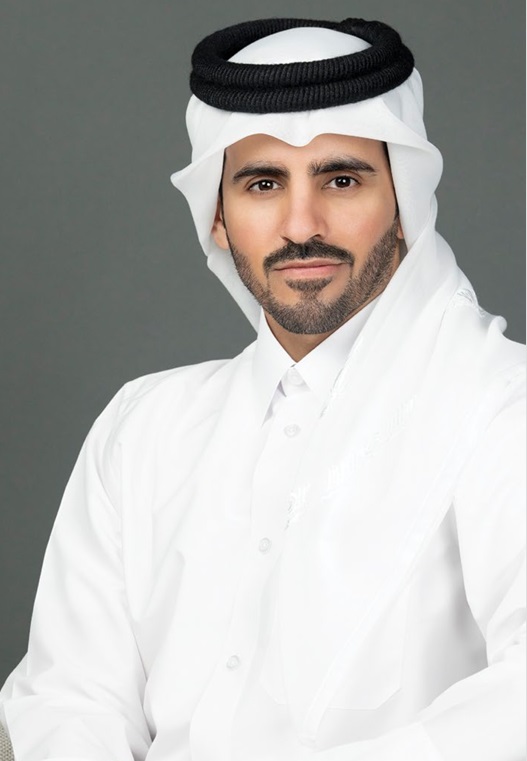
ESSA BIN MOHAMMED AL SULAITI ON ESLF’S FIRST 12 YEARS
When Essa Al Sulaiti Law Firm (ESLF) was founded in 2015, Qatar already had an established and competitive legal market. Twelve years on, the firm has developed into a full-service practice distinguished by its investment in technology, an internally developed digital enterprise resource planning system, a client portal, an in-house artificial intelligence (AI) tool, and an expanding international presence through its membership of Interlaw Global. Its achievements include repeated Qatar Law Firm of the Year honours and recognition from leading international legal directories. For its founder, however, the ambition extends beyond professional accolades or individual success. It is about building a lasting institution: a Qatari law firm rooted in local knowledge, operating to international standards and equipped to meet the evolving demands of business. In this conversation with chief publishing officer Manu G Parmar, Essa Al Sulaiti reflects on his professional journey, the transformation of Qatar’s legal landscape, the growing role of arbitration across the GCC, and ESLF’s ambitions for the years ahead.
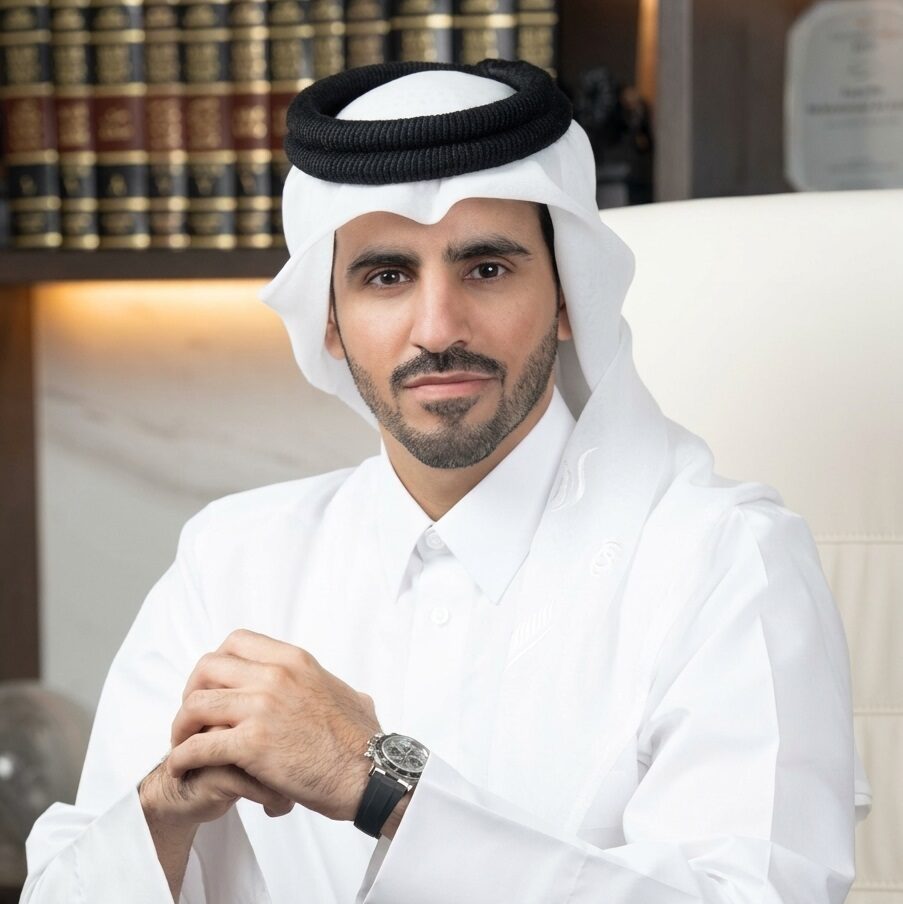
Essa Bin Mohammed Al Sulaiti, Founder & Chairman of Essa Al Sulaiti Law Firm “ESLF”, studied law in the United Kingdom before establishing his career in Qatar’s courts and arbitration community. His professional experience across different legal traditions has informed his approach to legal practice and his vision for developing a firm capable of bridging local expertise and international expectations.
“I obtained my LL.B. from Swansea University in the United Kingdom, where I developed a grounding in the common law tradition. That foundation has proved valuable in Qatar, where civil law, common law and international commercial practice frequently intersect.”
After returning to Doha, I began practising as a lawyer in 2012. Those early years gave me first-hand experience of the Qatari judicial system and a clearer understanding of the challenges businesses, particularly international investors, sometimes encountered when seeking legal advice that combined local expertise with an international commercial perspective.
In 2015, I established ESLF with the intention of addressing that gap. “Today, I am admitted to practice before the Court of Cassation, and my professional experience continues to inform both our approach to client matters and the direction in which we are developing the firm.”
Al Sulaiti’s practice has principally focused on dispute resolution, particularly construction and corporate disputes. His experience encompasses litigation and arbitration arising from major projects across Qatar, including stadiums, highways, rail infrastructure, hotels and towers. Alongside his work as counsel, he has developed a parallel practice as an arbitrator.
“I sit on the panels of several regional and international arbitration institutions, including the International Court of Arbitration of the International Chamber of Commerce (ICC), the London Court of International Arbitration (LCIA), the Dubai International Arbitration Centre (DIAC), and the Saudi Center for Commercial Arbitration (SCCA), alongside the Qatari International Center for Conciliation and Arbitration (QICCA), the GCC Commercial Arbitration Centre, and the commercial arbitration centres in Kuwait and Oman. I am also a Fellow of the Chartered Institute of Arbitrators (FCIArb) and have served as sole arbitrator, co-arbitrator and chair of arbitral tribunals. I also serve as a Board Member of the Qatar Lawyers Association and the Qatar Arbitrators Association, contributing to the development of the legal and arbitration professions in Qatar.”
For Al Sulaiti, professional credentials are only one dimension of building a sustainable legal practice. The firm’s culture, he explains, must be grounded in principles that guide decisions, relationships and the quality of its work.
“Our values are integrity, partnership, excellence, practicality, investment in people and innovation. They are not simply statements for a website; they must be reflected in how we advise clients and conduct ourselves.”
Integrity comes first. We must provide honest, independent advice, including when the answer is not what a client hoped to hear. Our reputation is one of our most valuable assets, and protecting it requires consistency in our conduct and the quality of our work.
We also regard ourselves as partners in our clients’ success, rather than service providers engaged only to address an immediate legal problem. Excellence means technical rigour, careful preparation and attention to detail at every stage of a matter. Practicality means translating legal advice that works commercially. Ultimately, clients need to understand their options, the risks they face and the decisions available to them.
“I SAW AN OPPORTUNITY TO STRENGTHEN THE MARKET’S OFFERING THROUGH A QATARI FIRM OPERATING TO INTERNATIONAL STANDARDS. THERE WAS SCOPE TO ENHANCE CLIENT SERVICE, BRING TOGETHER COMPLEMENTARY AREAS OF EXPERTISE AND RETHINK HOW LEGAL SERVICES WERE DELIVERED.”
INVESTMENT IN PEOPLE IS CENTRAL
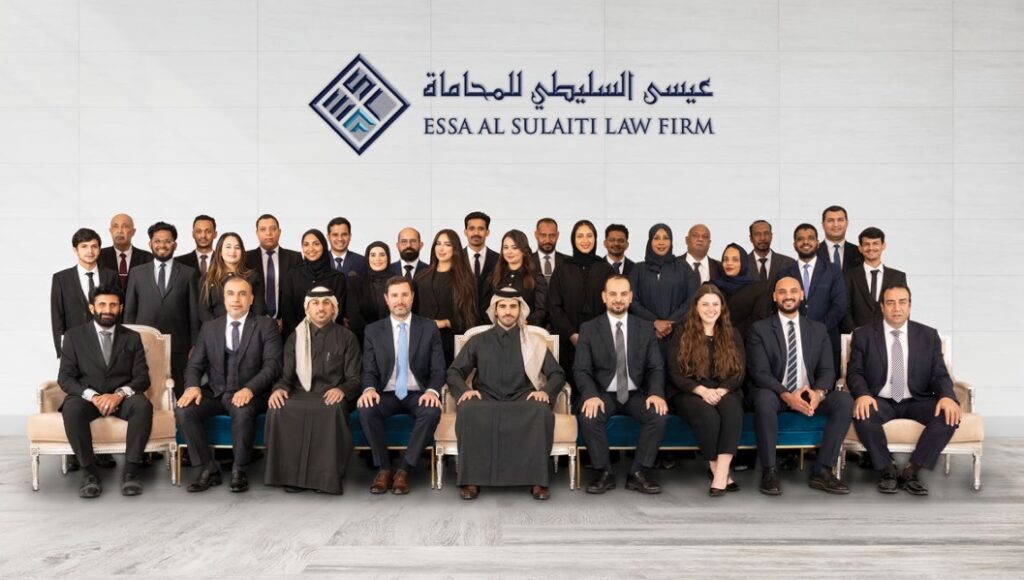
“We support our lawyers’ professional development through further education, training, mentoring and appropriate flexibility in the workplace. We are also committed to building a balanced and representative team in which people from different backgrounds can contribute, develop and progress on merit.”
Innovation is another defining feature of ESLF’s development. Rather than treating technology as an external service or a peripheral business function, the firm has invested in building its own operational capabilities.
“We have established dedicated functions covering finance, human resources, business development, marketing and technology, each led by people with relevant expertise. Over the past three years, our technology team has developed an in-house digital system that integrates key operational functions, including matter and case management, document and knowledge management, financial management, workflow automation, internal reporting and performance monitoring. The system is designed to improve coordination across departments, strengthen oversight, streamline internal processes and provide management with greater visibility over the firm’s operations. By developing these capabilities in-house, we can tailor our digital infrastructure to the specific demands of legal practice and the way we serve our clients.”
“We have also developed a client portal and are building an in-house AI drafting and review tool informed by our legal knowledge, precedents and working methods. Our objective is to develop technology around the realities of legal practice, rather than simply adopt generic tools without considering how they fit into our work.”
The purpose is straightforward: to support our lawyers, improve operational efficiency and give them more time to focus on the matters that require professional judgement, strategic thinking and direct engagement with clients.
What gap did Essa Al Sulaiti Law Firm seek to address when it entered Qatar’s legal market in 2015?
“In 2015, Qatar certainly did not lack law firms. What I believed the market could benefit from was a particular model: a Qatari firm with a deep understanding of local courts, institutions and business practices, operating with the responsiveness, commercial awareness and professional standards expected by international clients.”
Businesses should not have to choose between local knowledge and international standards. They need advisers who understand the domestic legal environment while also appreciating the commercial priorities, governance expectations and cross-border considerations that shape international business.
That was the gap Essa Al Sulaiti Law Firm was established to address. We wanted to build a firm capable of supporting a client throughout the life of a matter, from the initial assessment and strategic advice to the final judgment or arbitral award, with appropriate senior involvement and a consistent focus on practical outcomes.
From the outset, I also wanted ESLF to be a full service practice, bringing together lawyers with different professional backgrounds, nationalities, language capabilities and experience across jurisdictions. That diversity allows us to consider matters from multiple perspectives and respond to clients operating in different commercial and cultural environments.
Qatar was entering a period of significant economic development, with major infrastructure, investment and sporting projects reshaping the country. I believed there was both an opportunity and a responsibility to build a firm equipped for that next phase of growth.
MORE THAN A FIRM
For Al Sulaiti, the development of ESLF has always been connected to a larger ambition: building an institution whose identity and capabilities extend beyond those of its founder.
“My initial ambition was simply to become a lawyer. Establishing a firm came later, followed by the challenge of assembling a team and developing a business capable of sustaining long-term growth.”
Today, my vision is for ESLF to be the first call for businesses undertaking significant work in Qatar and a trusted Qatari legal partner for clients across the region and internationally. That requires a combination of deep local knowledge, international standards, sound judgement and an unwavering commitment to integrity.
Just as importantly, I want ESLF to become an institution rather than remain dependent on a single individual. This is why we have begun expanding our partnership beyond the founding structure, invested in our own technology. These are deliberate steps towards building a firm with the leadership, systems necessary to endure.
That institutional ambition extends beyond the firm’s commercial objectives. Al Sulaiti regards contributing to the legal profession and supporting the development of Qatar’s wider legal ecosystem as integral to its role.
We undertake pro bono work, including through a pro bono partnership with the Qatar International Court and Dispute Resolution Centre. We also publish legal articles and updates, organise seminars and conferences, and contribute practitioner perspectives to discussions concerning legislative development and reform. Through my roles on the boards of the Qatar Lawyers Association and the Qatar Arbitrators Association, I also contribute to the wider development of the legal profession and arbitration in Qatar.
Supporting Qatar National Vision 2030 is also important to us. A modern and competitive economy requires a strong legal profession, institutions that command confidence and practitioners who can support increasingly sophisticated commercial activity.
DEVELOPING THE NEXT GENERATION OF LAWYERS IS ANOTHER PRIORITY
“I believe that the future strength of the profession depends on how effectively we develop young talent. Through internships, employment opportunities and mentoring, we seek to give students and junior lawyers the foundations they need to build successful careers.”
Seeing junior colleagues progress into senior positions, and recently appointing our first partner beyond the founding structure, has been particularly rewarding. These developments demonstrate that the firm is creating opportunities for people to grow and take on greater responsibility.
I also believe in collaboration across professional disciplines. Complex commercial matters rarely exist in isolation from financial, technical or operational considerations. Working effectively with accountants, engineers and other specialists helps ensure that clients receive advice that reflects the full context of their challenges.
PRACTICE AND EXPERTISE
ESLF operates as a full-service law firm, with its work organised around two principal areas: dispute resolution, and corporate and advisory services.
“Our corporate and advisory practice encompasses a broad range of transactional, commercial and regulatory matters, including mergers and acquisitions, joint ventures, corporate reorganisations and restructurings, foreign direct investment, corporate formation and market entry, shareholder and investment agreements, equity participation arrangements, corporate governance, directors’ duties, regulatory compliance and commercial contracting. We advise on transaction structuring, due diligence, negotiation and drafting of transaction documents, conditions precedent, representations and warranties, indemnities, closing mechanics and post-completion obligations. Our work also includes the structuring and documentation of strategic partnerships, consortiums and other collaborative business arrangements, as well as advising on shareholder rights, reserved matters, corporate decision-making, capital restructuring and the management of corporate and commercial risk.”
In addition, we advise on construction and engineering matters, including FIDIC, EPC and design-and-build contracts, alongside property and real estate, tax, maritime, energy, banking & finance, labour, entertainment and sports.
“From a sector perspective, we have substantial experience in construction and infrastructure, including disputes involving stadiums, highways, railways, bridges, museums, hotels and hospitals. We also advise and represent clients across energy, hospitality, telecommunications, insurance, technology, healthcare, education and sport.”
“From a sector perspective, we have substantial experience in construction and infrastructure, including disputes involving stadiums, highways, railways, bridges, museums, hotels and hospitals. We also advise and represent clients across energy, hospitality, telecommunications, insurance, technology, healthcare, education and sport.”
Our approach is to understand the industry in which a client operates, not simply the legal question presented to us. Sector knowledge helps us assess risk more effectively, identify commercially realistic options and develop strategies that reflect the underlying business objectives.
Dispute resolution remains at the heart of the firm’s practice, bringing together domestic litigation expertise and international arbitration experience.
“We represent clients throughout the Qatari court system, including before the Investment and Trade Court and the Court of Cassation. We also handle domestic and international arbitrations under a range of institutional rules, including those of the ICC, LCIA and DIAC, alongside other applicable frameworks.”
Our International Arbitration Department is led by a dedicated partner, reflecting the importance we attach to this area of practice and to the development of specialist leadership within the firm.
Litigation continues to play a significant role in Qatar’s legal market. At the same time, we have seen growing demand for arbitration, particularly in complex commercial and cross-border disputes. Parties increasingly value the flexibility of the process, the ability to appoint tribunals with relevant expertise and the potential for greater confidentiality. The appropriate forum, however, must always be assessed against the circumstances of the dispute and the client’s objectives.
A LEGAL LANDSCAPE IN MOTION
Over the past 12 years, Qatar’s legal environment has evolved alongside the country’s economic development and increasing international engagement. Al Sulaiti has observed these changes both as a practising lawyer and as an adviser to businesses navigating the country’s regulatory and judicial frameworks.
“The transformation has been significant. Qatar has continued to modernise its legal framework, strengthen its institutions and create a more developed environment for international business and investment.”
Law No. 2 of 2017 on Arbitration was an important milestone, bringing Qatar’s arbitration framework into closer alignment with the UNCITRAL Model Law. The liberalisation of the foreign investment regime in 2019, including the possibility of up to 100 per cent foreign ownership in many sectors subject to the applicable requirements, was another important development. The Public-Private Partnership Law of 2020 also established a framework for the development and implementation of PPP projects.
The establishment of the Investment and Trade Court has further strengthened the institutional framework for commercial dispute resolution, while the Qatar International Court and Dispute Resolution Centre continues to play a role within its jurisdiction. Labour reforms, including the introduction of a minimum wage, have also formed part of the broader evolution of Qatar’s regulatory environment.
These developments matter because investors assess more than commercial opportunities alone. They also consider the legal framework, the reliability of institutions, the mechanisms available to resolve disputes and the practical ability to enforce legal rights.
What further developments would you like to see in Qatar’s legal landscape?
“First, greater speed and predictability in dispute resolution. Qatar has built excellent institutions, and the next step is greater consistency in timelines, including those relating to the enforcement of foreign judgments and arbitral awards.”
“Second, continued digitalisation of the justice system. Filing, case management and access to published judgments should become increasingly integrated, accessible and searchable. Wider publication of court decisions, with appropriate safeguards for confidentiality and privacy, would strengthen legal certainty and help practitioners and businesses better understand how legal principles are applied.”
“Third, sustained investment in Qatari legal talent. Structured training, specialist accreditation and greater opportunities for young Qatari lawyers to develop careers in advocacy, arbitration and other specialised fields would strengthen the profession over the long term.”
“Finally, Qatar should continue engaging with international best practice in areas such as data protection, emerging technologies and energy. Legal frameworks must evolve alongside the economy they serve. Maintaining that capacity for development will help Qatar remain a competitive and attractive destination for business and investment.”
THE RISE OF ARBITRATION
Arbitration has become an increasingly important mechanism for resolving commercial disputes across the GCC. Al Sulaiti attributes its growing appeal to the expansion of cross-border business, the development of regional legal frameworks and greater confidence in arbitration as an effective means of resolving complex disputes.
“Arbitration offers features that are particularly valuable in international business. As trade and investment across the region have expanded, parties from different legal systems have increasingly sought neutral forums, procedural flexibility and tribunals with specialist knowledge of the relevant industry.”
For international investors, arbitration can provide a dispute resolution mechanism that is independent of the parties’ respective home jurisdictions, although its suitability depends on the circumstances and the governing legal framework. Confidentiality, where available under the applicable rules and law, can also be important in markets where commercial relationships are long-term and reputation carries considerable weight.
Crucially, the supporting legal infrastructure has developed. Every GCC state is a party to the New York Convention, and regional jurisdictions have taken significant steps to modernise their arbitration legislation and institutional rules. Courts across the region have also developed greater familiarity with arbitration and its underlying principles.
The continued development of arbitration across the region reflects a broader recognition that an effective dispute resolution framework requires more than modern legislation. It depends on well-structured procedural rules, independent and capable institutions, experienced arbitrators, and a judiciary that understands and supports the arbitral process. Equally important are procedural efficiency, transparency in institutional governance, and consistent approaches to the recognition and enforcement of arbitral awards. These elements work together to strengthen confidence in arbitration, improve the quality of dispute resolution, and reinforce the region’s position as an attractive destination for international commercial activity.
Ultimately, confidence is essential. Parties need to trust that proceedings will be conducted fairly, that tribunals will approach disputes competently and independently, and that awards will be treated in accordance with the applicable legal framework. That confidence is fundamental to the continued growth of arbitration in the region.
Which international best practices should the GCC, and Qatar in particular, adopt before 2030?
“I would highlight several priorities. First, consistent and efficient enforcement of arbitral awards, with the grounds for setting aside or refusing enforcement applied in accordance with the applicable law and the principle of judicial restraint towards the merits of an award.”
“Second, wider and more effective use of expedited procedures and emergency arbitrators where the applicable rules permit them. These mechanisms can help parties address urgent matters and resolve appropriate disputes more proportionately.”
“Third, active and disciplined case management by arbitral tribunals. Timetables should reflect the complexity of each dispute, experts should be encouraged to engage on technical issues at an early stage, and the principal issues should be identified and narrowed as early as possible. These are practices I seek to apply in my own work as an arbitrator, and they can make a meaningful difference to both cost and duration.”
“Fourth, a clear and balanced framework for third-party funding, including appropriate disclosure requirements and safeguards against conflicts of interest.”
“Fifth, greater diversity in arbitral appointments, including more GCC nationals and women serving as arbitrators. The region has considerable legal and technical talent, and its institutions should continue creating opportunities for that talent to contribute at the highest level.”
“Finally, technology should be used effectively throughout the arbitral process, from virtual hearings and electronic submissions to secure digital case-management platforms. These tools should improve efficiency and access to justice without compromising due process, confidentiality or procedural fairness.”
“Qatar has the institutions, professional talent and ambition to continue developing its position in international dispute resolution. Consistent progress in these areas before 2030 would strengthen Doha’s standing as one of the region’s leading arbitral seats.”
MILESTONES AND THE ROAD TO 2030
For Al Sulaiti, the most meaningful measure of Essa Al Sulaiti Law Firm’s development is not a single award or ranking, but the trust the firm has established with its clients and the strength of the institution it continues to build.
“The achievement I value most is the confidence our clients place in us. Many of those who instructed us during our early years continue to work with the firm, and a significant part of our growth has come through recommendations. That is particularly meaningful in a profession where trust is earned over time and must be reinforced through every engagement.”
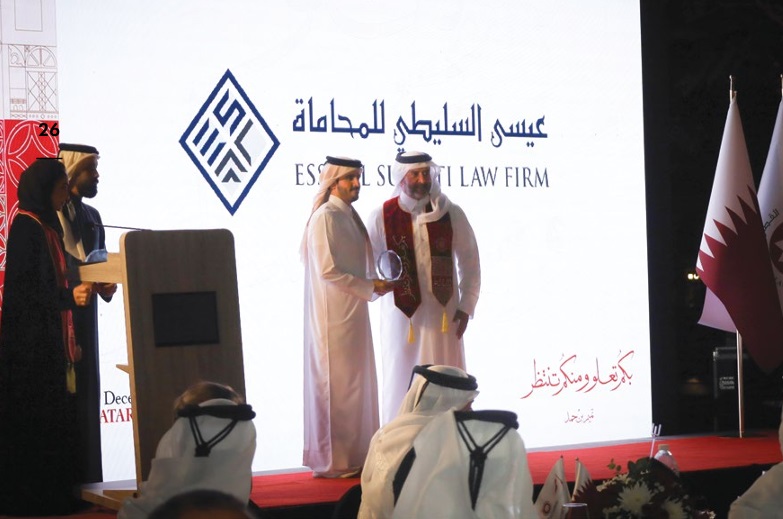
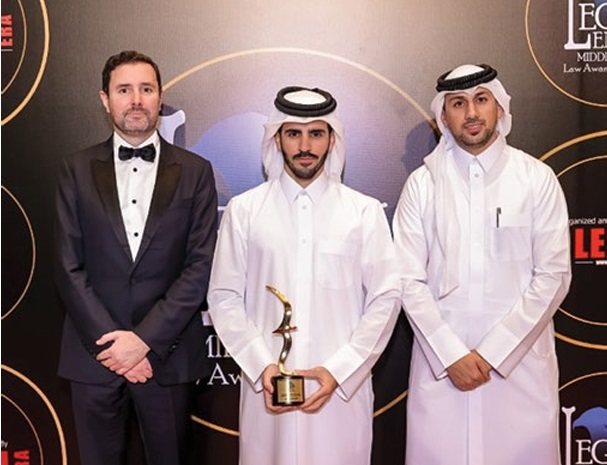
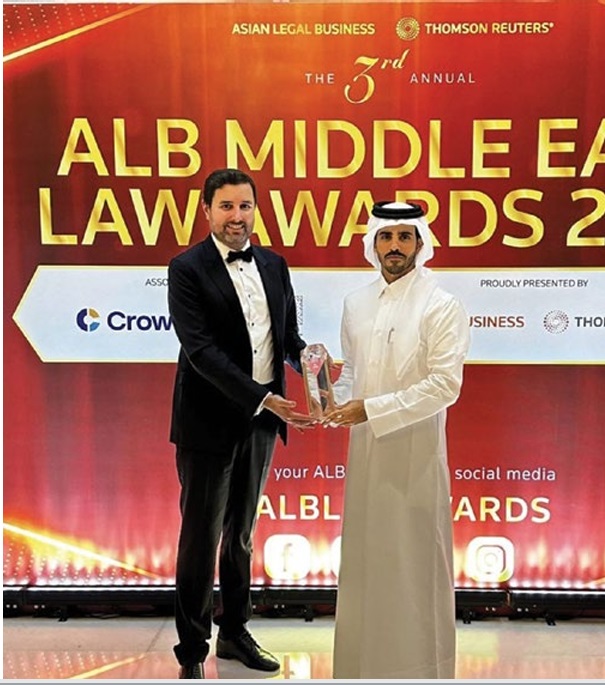
We have been fortunate to receive consistent recognition from across the legal market. ESLF was named Qatar Law Firm of the Year at the ALB Middle East Law Awards, presented by Thomson Reuters, in 2023 and 2025; at the LexisNexis Middle East Awards in 2024; and at the Legal Era Middle East Awards in 2026. We have also received recognition from leading international legal directories, including Chambers and Partners and The Legal 500, which have acknowledged the firm’s standing in key practice areas and recognised our lawyers among the leading practitioners in their respective fields. In addition, we regularly receive industry and practice-specific accolades reflecting our work in areas such as dispute resolution, arbitration and construction. While these distinctions are important milestones for the entire team, we view them not simply as achievements, but as an endorsement of the trust our clients place in us and a responsibility to continue raising the standards of our work.
“I am equally proud of the people we have developed, the practices we have established and the progress our colleagues have made into senior roles. Our work has produced significant results in complex disputes. These include an arbitral award of approximately QAR 1.5 billion, alongside the dismissal of counterclaims exceeding QAR 480 million, in one of the longest-running ICC arbitrations seated in Qatar. We have also secured major construction recoveries that were upheld through to the Court of Cassation, as well as a significant ruling concerning limitation periods under Qatari tax law.”
Equally important are the institutional milestones. We have appointed our first partner beyond the founding structure to lead our International Arbitration Department, joined Interlaw Global and developed our own digital system and client portal, while advancing our in-house Al drafting and review capabilities.
Equally important are the institutional milestones. We have appointed our first partner beyond the founding structure to lead our International Arbitration Department, joined Interlaw Global and developed our own digital system and client portal, while advancing our in-house Al drafting and review capabilities.
We have also supported members of our team in pursuing further professional education, including a Juris Doctor at Hamad Bin Khalifa University, a Professional Master’s in Cybercrime and Electronic Extortion Investigations, and admission to the New York Bar in 2026.
These achievements reflect different aspects of the same ambition: to strengthen the firm’s capabilities, create opportunities for our people and build an institution capable of sustaining its standards as it grows. For me, progress is not simply about becoming larger. It is about becoming stronger while preserving the principles on which the firm was founded.”
Looking towards 2030, Essa Al Sulaiti identifies four priorities for ESLF: institutional development, investment in people, technology and international reach.
“The first is institutional depth. Appointing our first partner beyond the founding structure was a deliberate step towards a more developed partnership model. We intend to continue strengthening our leadership, succession planning and internal structures so that Essa Al Sulaiti Law Firm is built to last.”
“The second is people. Our objective is to attract and develop outstanding talent, maintain a balanced and representative team, and create an environment in which ambitious lawyers can build meaningful, long-term careers.”
“The third is technology. We will continue developing our own systems, including our Al drafting and review tool, to reduce repetitive work, support more efficient processes and give lawyers greater capacity to focus on judgement, strategy and client service. We also want our clients to have greater visibility of their matters through secure and effective digital platforms.”
“The fourth is reach. Through Interlaw Global and our regional relationships, we aim to support clients more seamlessly across the GCC and internationally, while deepening our expertise in sectors that will be important to Qatar’s next phase of development, including infrastructure, energy, technology and sport.”
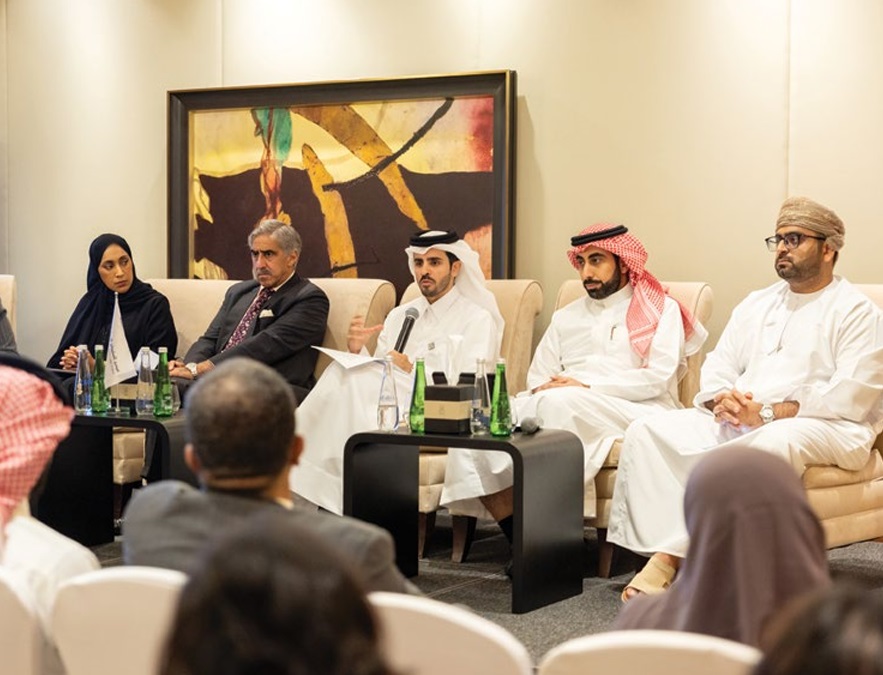
“Our membership of Interlaw Global is an important component of that strategy. We were proud to be selected as its representative member in Qatar. For us, international collaboration is most valuable when it connects clients with firms that share a commitment to professional standards, responsiveness and quality of service.”
For Essa Al Sulaiti, international reach does not diminish the importance of ESLF’s Qatari identity. Rather, the two are complementary.
“Our foundation remains firmly in Qatar. We understand the local market, its institutions and the commercial environment in which our clients operate. International relationships allow us to complement that knowledge with capabilities in other jurisdictions and provide a more coordinated service when matters extend beyond Qatar.”
“The direction is clear: strengthen the institution, invest in our people and technology, and expand our ability to serve clients both locally and internationally. The objective is not growth for its own sake. It is to build a firm whose quality, judgement and reputation endure well beyond its founding years.”
QUICK FIRE
Five tips for becoming a successful lawyer: 1. Understand your client’s business, not merely the legal issue presented to you; 2. Prepare more thoroughly than anyone else in the room; 3. Be honest, particularly when the answer is difficult or unwelcome; 4. Never stop learning. Neither the law nor the market stands still; 5. Protect your reputation. It takes years to build and moments to lose.
The best advice you have received in your legal career: Listen more than you speak. A client, a judge or even opposing counsel may tell you what you need to know, provided you are genuinely listening.
Two lessons that have made you a more complete person: Patience. The best outcomes, in law and in life, rarely come quickly. Remaining calm under pressure is a strength. Humility. Every case, client and colleague has something to teach you, regardless of how much experience you have accumulated.
Essa Al Sulaiti Law Firm in five adjectives: Principled. Responsive. Innovative. Committed. Diverse.
One habit that keeps you going: Starting the day early, with time to plan and reflect before the phones begin ringing. It helps me establish priorities, maintain perspective and focus on what matters most.
“CONTINUED INVESTMENT IN ARBITRATION INSTITUTIONS IS IMPORTANT, BUT SO IS INVESTMENT IN ARBITRATORS THEMSELVES. STRONG INSTITUTIONS DEPEND ON QUALIFIED, EXPERIENCED PROFESSIONALS WHO UNDERSTAND BOTH THE APPLICABLE RULES AND THE PRACTICAL DEMANDS OF RESOLVING DISPUTES.”