
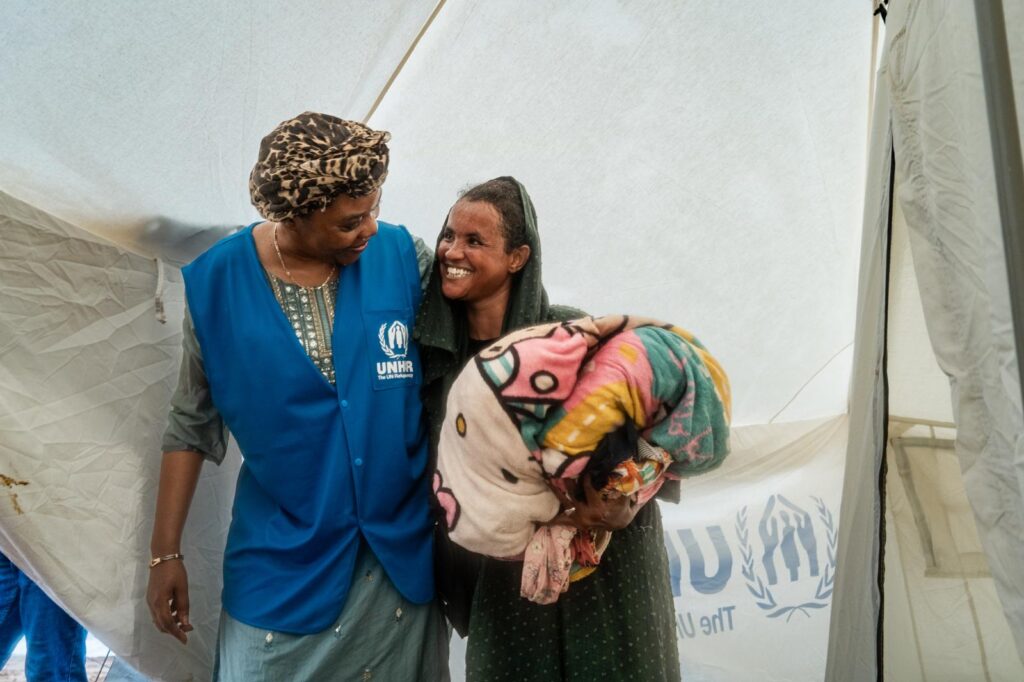
A UNHCR staff member smiles with an internally displaced woman (IDP) inside her tent at an IDP gathering site near Kassala, Sudan. So far, 400 UNHCR tents have been erected at the site, which is expected to host some 800 families newly displaced by severe flooding in the region, as the rainy season sets in. © UNHCR/Aymen Alfadil
Driving change for millions — how Qatar’s commitment to the world’s displaced is reshaping humanitarian response.
By Aparajita Mukherjee
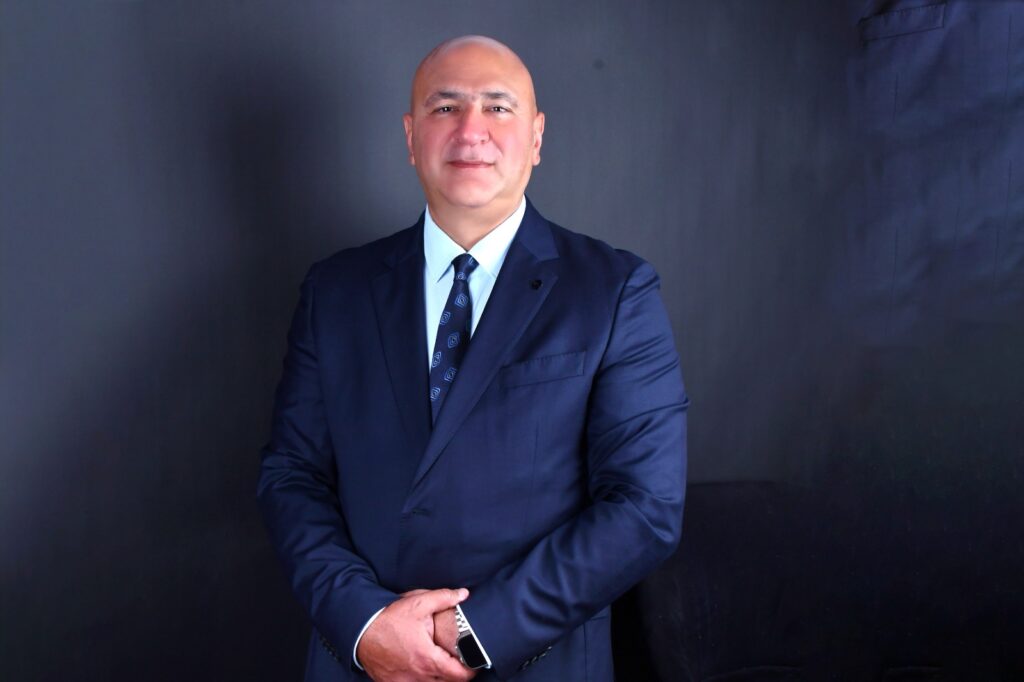
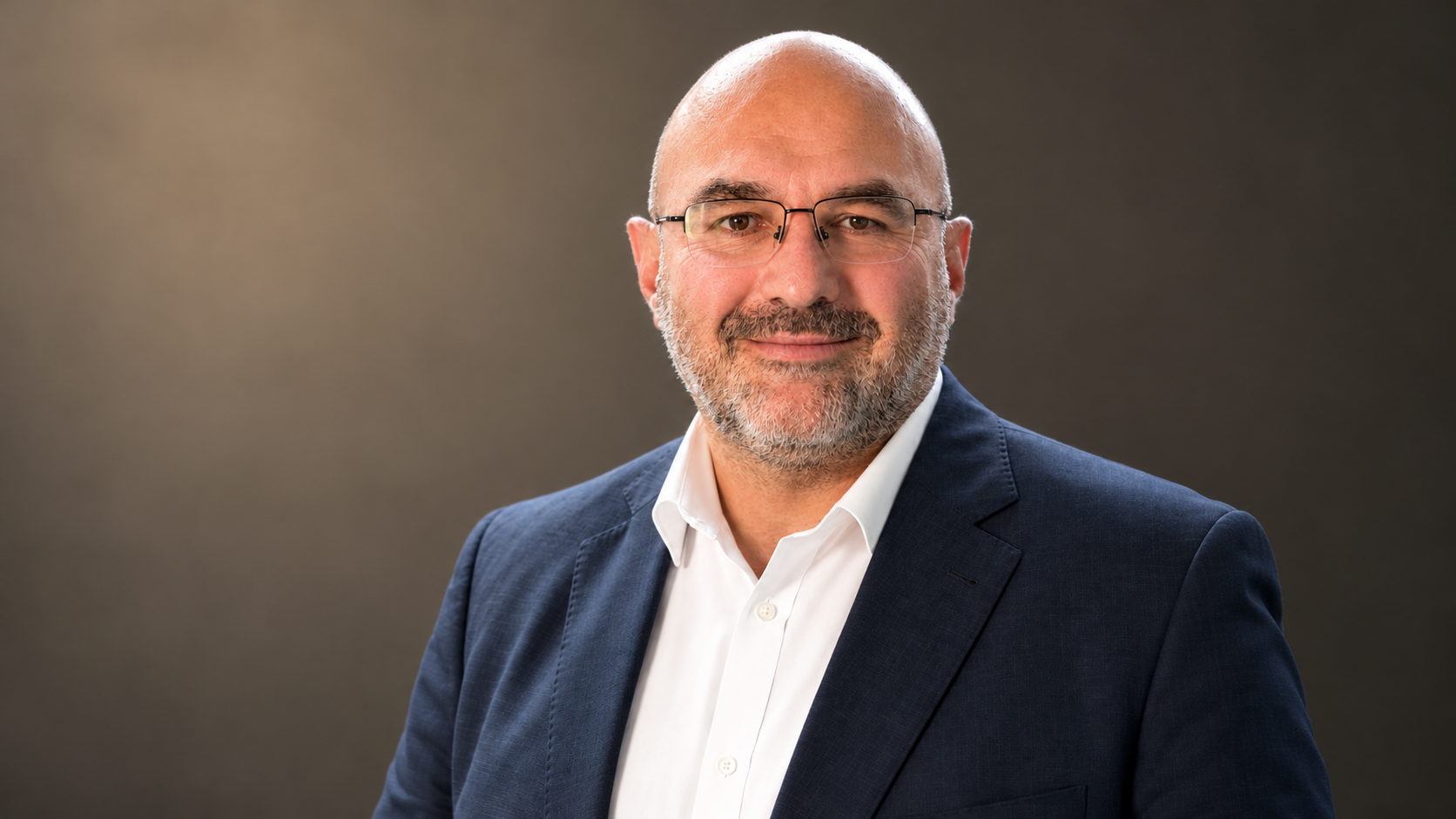
Ahmed Mohsen, UNHCR Representative to the State of Qatar, in conversation with Business Leaders Qatar.

BL
Talk us through your career path.
Ahmed Mohsen
My career has been anchored in a strong commitment to human rights and advancing protection for forcibly displaced individuals. With academic degrees in international human rights law, international criminal justice, and risk, crisis, and disaster management, I have always believed that rigorous theory must be reinforced by practical field engagement.
I began my journey with UNHCR as a volunteer in Cairo — an experience that shaped my understanding of community-based protection. Over the past two decades, I have served in complex operational contexts including Egypt, Eritrea, Iraq, Jordan, Kenya, South Sudan, Sudan, and Syria, working across managerial, legal, protection and external relations functions. Before assuming my role as UNHCR Representative to Qatar in July 2023, I served as Deputy Representative to the GCC countries in Riyadh.
BL
As UNHCR Representative in Qatar — one of UNHCR’s top donors — what are the strategic priorities before you?
Ahmed Mohsen
UNHCR continues its efforts to sustain the long-standing strategic partnership with the State of Qatar and to expand collaboration with Qatari institutions. Qatar has long been one of UNHCR’s major donors, providing predictable and flexible contributions to life-saving programmes in the MENA region and beyond.
The Office aims to expand engagement across Qatari NGOs, foundations, philanthropists, and the corporate sector — broadening collaboration to encompass resource mobilisation, advocacy, innovative financing, and sustainable humanitarian responses.
“Qatar’s engagement goes beyond financial contributions — it reflects a broader approach grounded in international solidarity and responsibility-sharing.”
— AHMED MOHSEN, UNHCR REPRESENTATIVE TO QATAR
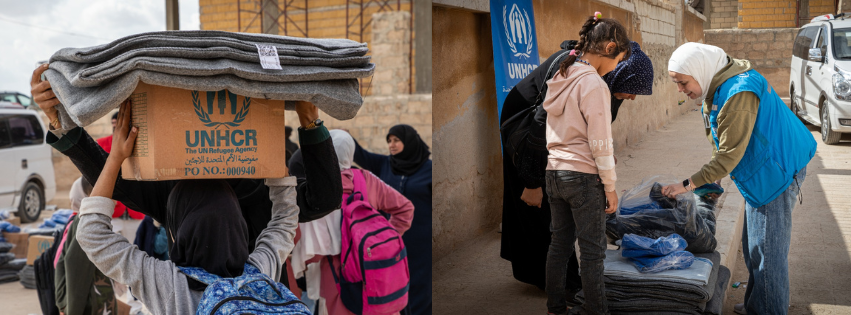
As winter grips Syria, displaced and returnee families continue to endure freezing conditions in damaged or inadequate shelters. UNHCR is on the ground providing winter kits and cash assistance to help the most vulnerable stay safe and warm. © UNHCR/Hameed Maarouf
BL
Qatar participated in the 2026 UNHCR Annual Pledging Conference in Geneva. Could you reflect on the pledge Qatar made?
Ahmed Mohsen
Qatar reaffirmed its support through a multi-year contribution for 2025–26, led by HE Jawhara bint Abdulaziz Al Suwaidi, Deputy Permanent Representative of Qatar to the UN. This renewed commitment comes at a time of growing humanitarian needs and widening funding gaps.
For UNHCR, predictable and multi-year support is critical — it allows us to respond to immediate needs, plan more effectively, support durable solutions, and ensure continuity of assistance to the most vulnerable.
BL
Talk us through the National Asylum System MoU between UNHCR and Qatar.
Ahmed Mohsen
The MoU signed with Qatar’s Department of Human Rights at the Ministry of Interior signals a shift from access-based to system-based protection, enabling UNHCR to support the implementation of a nationally owned asylum framework aligned with international standards. This partnership positions UNHCR as a trusted technical adviser, incorporating international protection principles into Qatar’s legal and administrative systems.
BL
Qatar contributes to UNHCR operations in Sudan, Syria, Ukraine and for Rohingya refugees. What light can you throw on these contributions?
Ahmed Mohsen
Qatar’s overall contributions to UNHCR, exceeding US$440 million (QR1.6 billion) since 2010, have supported more than 9 million forcibly displaced people. These contributions fund education, healthcare, shelter, cash assistance, and livelihoods programmes — all essential to safeguarding the dignity of displaced populations.
In 2025, contributions included: access to secondary healthcare for Syrian refugees in Jordan; cash assistance for displaced families in Yemen; core relief items in Chad, Djibouti, and Ghana; and cash and shelter assistance for returnees in Syria.
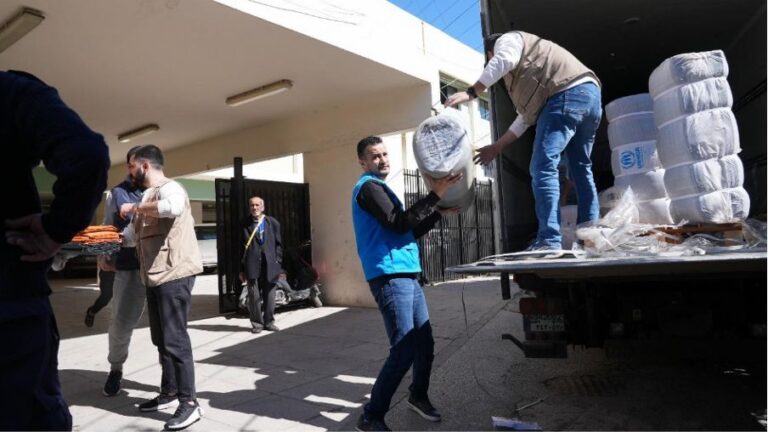
UNHCR Distribution in Adra Saida Governorate in south Lebanon, UNHCR distributed core relief items to displaced families in a collective shelter in Saida. © UNHCR/Houssam Hariri
UKRAINE RESPONSE
In September 2025, UNHCR signed a US$5 million (QR18.2 million) agreement with Qatar Fund For Development (QFFD) to rehabilitate war-damaged homes and community infrastructure in Ukraine. Over 12 months, this will benefit more than 4,000 internally displaced persons and returnees — helping them return to safe and dignified living conditions. Since February 2022, close to 55,000 war-damaged homes have been repaired as part of UNHCR’s shelter programme.
BL
Qatar reaffirmed its support for UN refugee efforts in New York. Could you detail the ways Qatar would support this?
Ahmed Mohsen
During a meeting between HE Sheikha Alya Ahmed bin Saif Al Thani, Qatar’s Permanent Representative to the UN, and UN High Commissioner Dr. Barham Salih in New York in March, Qatar reaffirmed its strong and sustained support for UNHCR’s mandate. Qatar emphasised its continued backing for humanitarian operations, readiness to support global initiatives for displaced communities, and engagement with multilateral partners to address regional displacement challenges.
“The High Commissioner welcomed Qatar’s ongoing humanitarian contributions and its constructive role in collective responses to refugee crises worldwide.”
— UNHCR, MARCH 2026
BL
On a short- to medium-term roadmap for UNHCR in Qatar, what would be the focus action areas?
Ahmed Mohsen
The 2026 planning figure for forcibly displaced and stateless populations stands at 136 million. UNHCR’s proposed budget for 2026 is US$8.505 billion — a reduction of US$2.1 billion versus 2025, reflecting strategic prioritisation rather than reduced need.
In Qatar, focus remains on partnerships and resource mobilisation. Top countries funded by Qatari partners include Yemen, Bangladesh, and Lebanon. UNHCR has expanded Islamic philanthropy tools, including the Refugee Zakat Fund and the Global Islamic Fund for Refugees (GIFR). Since 2018, Qatari private sector partners have contributed over US$130 million (QR473.2 million) to the Refugee Zakat Fund, assisting more than 3.3 million displaced