
Partnership combines wellness expertise and medical excellence to create transformative health and recovery experiences
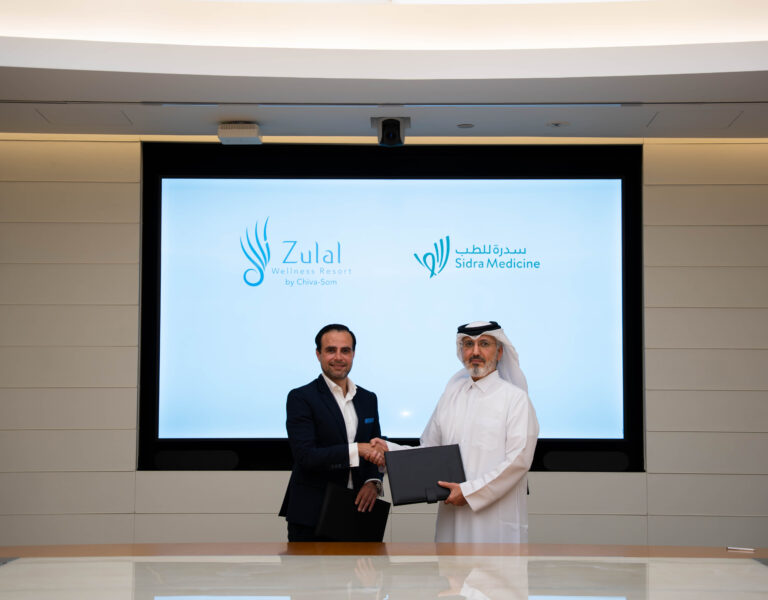
Sidra Medicine and Zulal Wellness Resort by Chiva-Som, members of Qatar Foundation, officially signed a Memorandum of Understanding (MoU) to collaborate on the development of integrated wellness and preventive health programs.
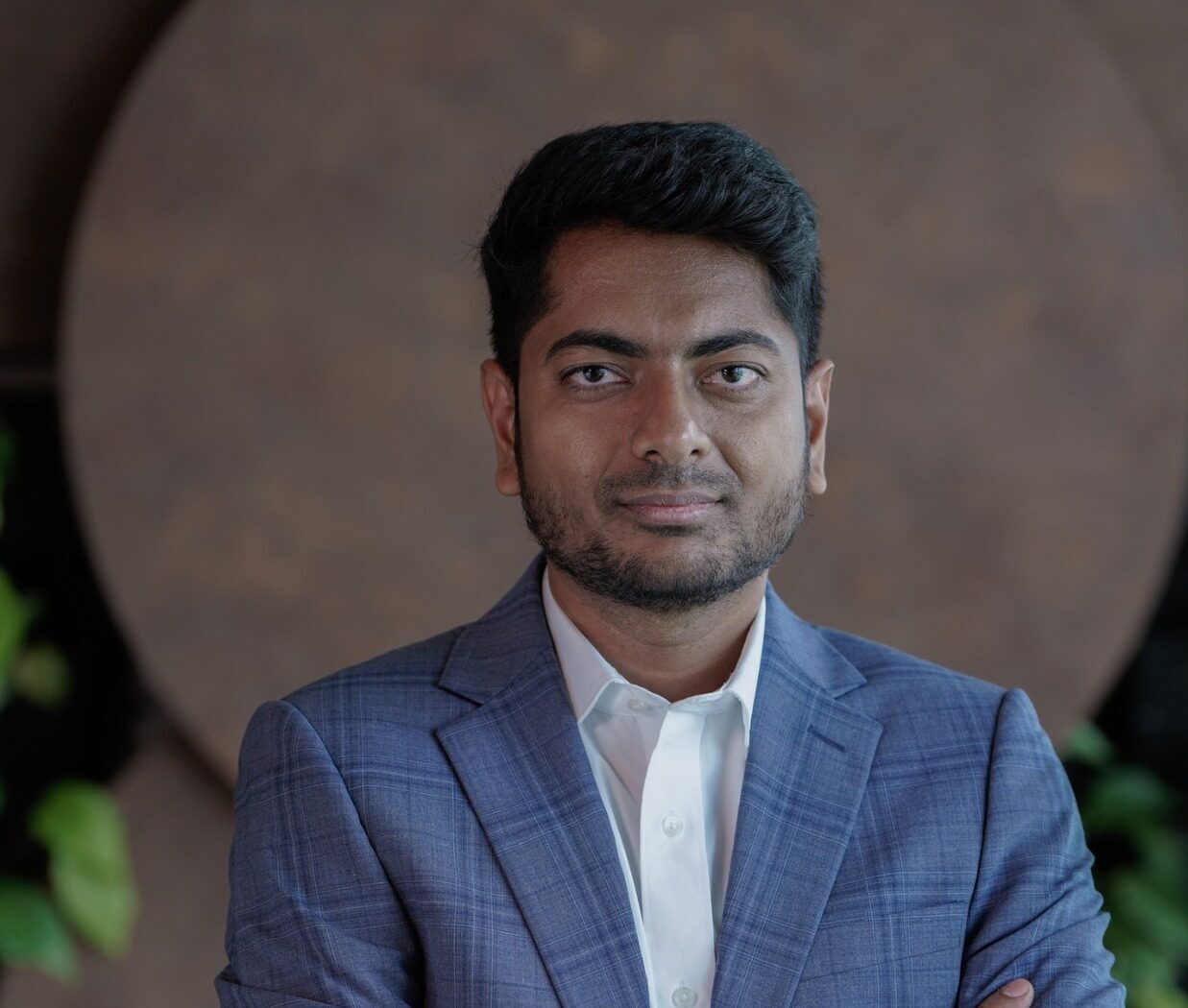
The signing ceremony on 1 June 2026, was attended by Mr. Mohammed Khalid Al Mana, Acting Chief Executive Officer and a Member of the Board of Governors at Sidra Medicine and Mr. Ammar Samad, General Manager of Zulal Wellness Resort by Chiva-Som. The collaboration aims to combine Sidra Medicine’s clinical expertise with Zulal Wellness Resort’s holistic wellness approach to create medically supported wellness and holistic wellbeing programs for Sidra Medicine’s patients.
Through this partnership, both organisations will explore opportunities to introduce wellness-focused programs supported by clinical oversight; lifestyle and nutrition initiatives; diagnostic and preventive health services; as well as professional education and training programs.
Being the first wellness resort dedicated to Traditional Arabic and Islamic Medicine (TAIM), the partnership with Zulal Wellness Resort will also seek to create a personalized range of wellness, therapeutic and lifestyle enhancement treatments; incorporating TAIM’s healing wisdom with Sidra Medicine’s state-of-the-art health services and therapies.
Mr. Mohammed Khalid Al Mana, Acting Chief Executive Officer and a Member of the Board of Governors at Sidra Medicine, said: “Our partnership with Zulal Wellness Resort by Chiva-Som represents an important step in integrating clinical excellence with wellness innovation. By working together, we can further enhance patient and family wellbeing through comprehensive and personalized care experiences.”
The first phase of the program, part of an expansion of Sidra Medicine’s Women’s Services, will include postpartum recovery experiences, mental and preventive health services, wellness education, referral pathways, and in-hospital wellness offerings.
Mr. Ammar Samad, General Manager of Zulal Wellness Resort by Chiva-Som, said: “This collaboration reflects our shared vision of elevating wellness and preventive healthcare through a holistic and evidence-based approach, aligned with the goals of Qatar National Vision 2030. Together with Sidra Medicine, we aim to create meaningful wellness experiences that support long-term wellbeing for our guests and the wider community.”
The MoU marks the beginning of a strategic collaboration focused on advancing wellness, recovery, and preventive healthcare offerings in Qatar while supporting innovation across both medical and wellness sectors.