

Anne Carson Wins 2026 Nobel Prize in Literature
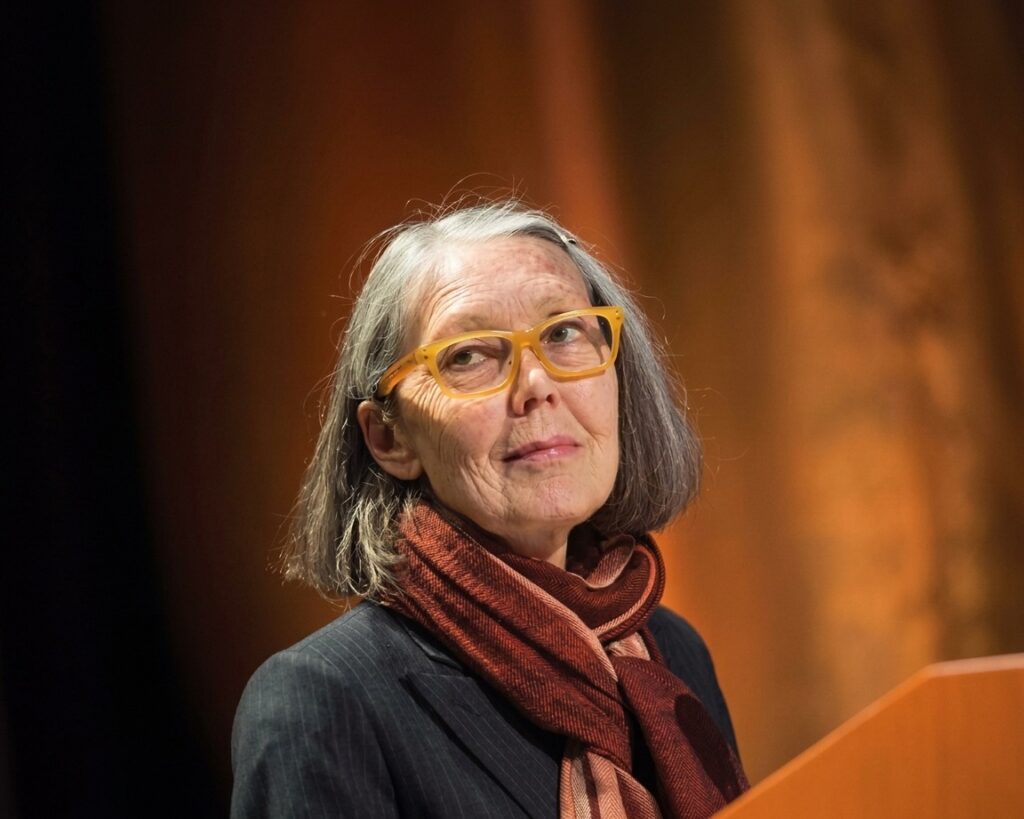
Canadian poet, essayist and translator Anne Carson has been awarded the 2026 Nobel Prize in Literature, recognising her inventive writing and reimagining of classical traditions. Born in Toronto in 1950, Carson is celebrated for works that cross poetry, prose and translation, including Autobiography of Red, The Beauty of the Husband and Nox. Her exploration of ancient Greek mythology through contemporary experiences has helped reshape modern literature. Carson becomes the 19th woman to receive the prestigious award. The 76-year-old author will formally receive her Nobel medal and diploma in Stockholm in December. The academy cited Anne Carson’s ‘bold and inventive oeuvre’ in its awarding of the prize.
Qatar Tourism Hosts Taste of Qatar’s Second Session
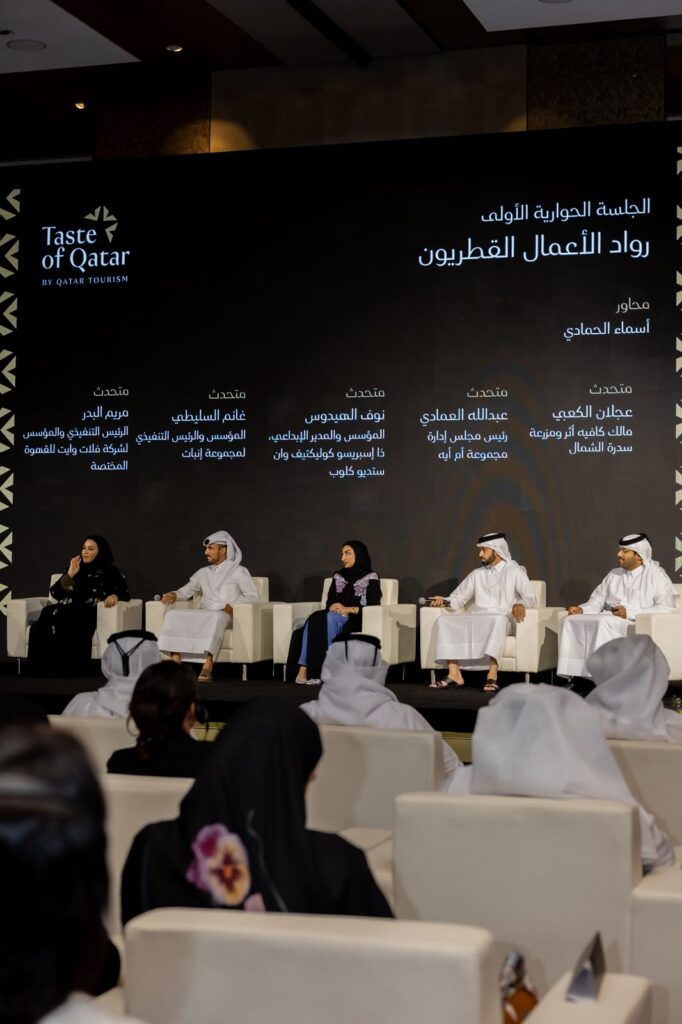
In the presence of HE Saad bin Ali Al Kharji, Chairman of Qatar Tourism, hosted the second session of its “Taste of Qatar: Spotlight on Qatari Entrepreneurs” programme. The event brought together Qatari entrepreneurs and chefs to exchange insights, share experiences and explore opportunities to further advance Qatar’s restaurant and hospitality sector. The session highlighted the contribution of local talent and homegrown brands to Qatar’s evolving culinary landscape, while reinforcing the role of entrepreneurship and innovation in raising sector standards and enriching the visitor experience. Mr. Omar Abdulrahman Al Jaber, Chief of Operations Affairs at Qatar Tourism participated in a dedicated conversation on Qatar Tourism’s vision for the restaurant sector and the role of Qatari entrepreneurs in shaping the country’s culinary offering. He said: “The culinary sector is a genuine expression of Qatar’s identity, culture and time-honoured hospitality, as well as a vital economic sector with promising opportunities for growth and investment. To this end, we are building an integrated ecosystem that supports the sector’s development and instils a culture of excellence, through initiatives and programmes that raise standards of quality and service and enable business owners to develop distinctive, competitive experiences that attract visitors. Qatari restaurants and brands also play an important role in shaping the destination’s story and offering visitors authentic experiences that embody our culture and identity and reflect the wealth of tourism, heritage and cultural assets Qatar has to offer.” Mr. Jassim Al Mahmoud, Director of PR & Communications at Visit Qatar delivered remarks, highlighting the continued development of Qatar’s restaurant and culinary sector. He said: “With this session, we wanted to create a rich space for dialogue and the exchange of views, and to highlight stories of creativity, innovation and entrepreneurship in the restaurant and culinary arts sector. Taste of Qatar, which we launched last year, reinforces this approach by celebrating excellence, encouraging innovation and establishing high-quality standards, helping to elevate the restaurant and hospitality sector and strengthen Qatar’s position as a global culinary destination”. The event featured two panel discussions. The first explored the journey of Qatari entrepreneurs, examining their success stories, the challenges they have navigated and how they have transformed innovative ideas into successful and scalable businesses. The panel brought together Ms. Maryam Al Badr, Founder and CEO of Flat White Specialty Coffee; and Mr. Ghanim Al Sulaiti, Founder and CEO of Inbat Group; Ms. Nouf Al Haidous, Founder and Creative Director of The Espresso Collective and InStudio Club; Mr. Abdulla Al-Emadi, Chairman of MA Group; and Mr. Ajlan Al Kaabi, Founder of Athar Café, Haql Café and Palladium. The second panel, “Qatari Talent”, focused on the contribution of Qatari chefs to preserving the authenticity of local cuisine while introducing contemporary approaches and innovative techniques. Chefs Aisha Al Tamimi, Mohammed Al Abdulla, Noor Al Mazroei and Salman Jaida shared their experiences and perspectives, including international visitors’ responses to Qatari flavours and the role of food in creating cultural connections. The Taste of Qatar initiative reflects Qatar Tourism’s commitment to developing the country’s restaurant and culinary sector as an integral part of the visitor experience. Through the programme, Qatar Tourism is providing a platform to showcase local talent, homegrown brands and Qatar’s distinctive flavours, culture and hospitality to the world.
Imec Appoints Dr. Aymen Adam Mohib as Regional Director
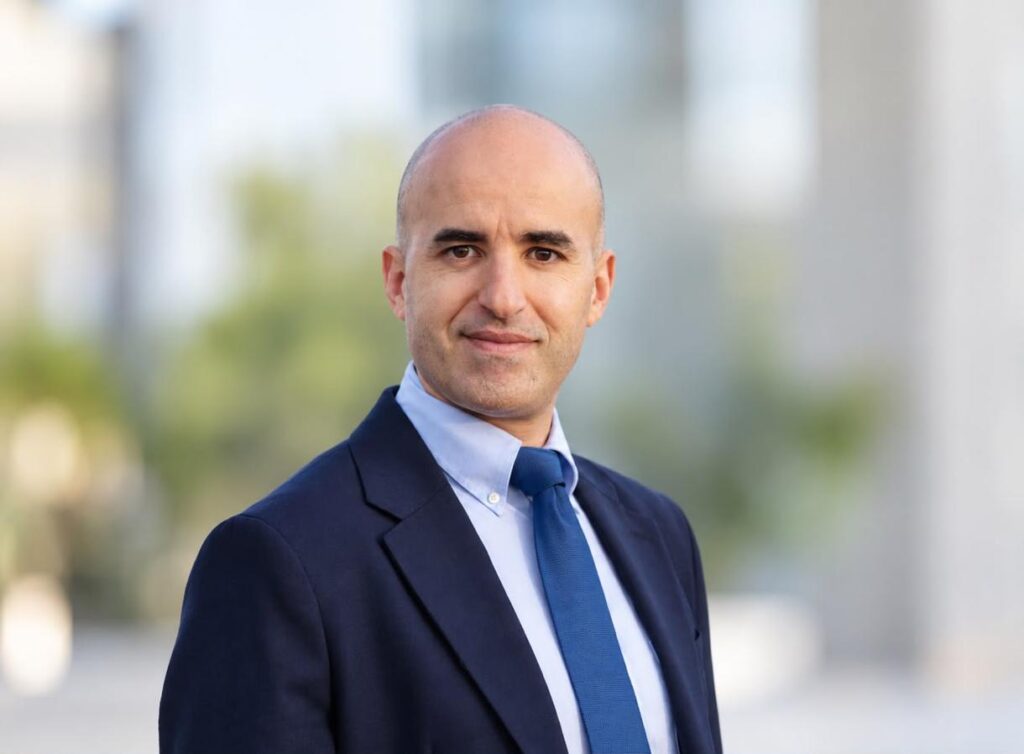
Imec, the world’s leading R&D center for advanced semiconductor technology, has appointed Dr. Aymen Adam Mohib as Regional Managing Director of imec Qatar, effective October 1, 2026. Based at Qatar Science & Technology Park (QSTP), Dr. Aymen Adam Mohib will lead the organization’s operations in Qatar and deepen its engagement across the Middle East.Dr. Aymen brings more than 20 years of leadership experience in strategy, investment, and economic development. Most recently, as a founding executive at Invest Qatar, he led strategic clusters including semiconductors, health and biopharma, and advanced manufacturing. “Dr. Aymen brings the experience and strategic perspective to guide imec Qatar’s next phase of growth, said Patrick Vandenameele, CEO of imec. His appointment reflects our long-term commitment to Qatar and the Middle East. Under his leadership, imec Qatar will deepen strategic partnerships“
Qatar’s Export Unit Value Index Rises 17.64% in Q2 2026
The National Planning Council (NPC) has issued the Export Unit Value Index (EXUVI) for the second quarter of 2026. The index recorded an increase of 17.64 percent compared to the corresponding quarter of 2025 (Q2 2025), and a rise of 6.45 percent compared to the first quarter of 2026 (Q1 2026). The increase reflects higher unit values of exported goods and demonstrates the resilience of the Qatari economy amid international developments, despite regional economic and geopolitical challenges, as well as the associated volatility in global markets and supply chains, said NPC in a press release. Regarding the index composition, each main group is assigned a relative weight based on its value in the base year (2018). The “mineral fuels, lubricants and related materials” group had the largest relative weight at 88.77 percent, followed by “chemicals and related products” at 8.04 percent, while “manufactured goods classified chiefly by material” ranked third at 2.63 percent. Together, these three groups account for approximately 99.5 percent of the total EXUVI weight. The increase in the EXUVI was driven by gains recorded across eight main groups, led by chemicals and related products at 34.73 percent, followed by mineral fuels, lubricants and related materials at 4.25 percent, manufactured goods classified chiefly by material at 3.31 percent, crude materials, inedible, except fuels at 3.14 percent, miscellaneous manufactured articles at 1.92 percent, beverages and tobacco at 1.00 percent, machinery and transport equipment at 0.50 percent, and food and live animals at 0.46 percent. A decrease of 1.00 percent was recorded in only one group commodities and transactions not classified elsewhere in SITC. The animal and vegetable oils, fats and waxes group remained unchanged during Q2 2026. The EXUVI rose by 17.64 percent compared to the corresponding quarter of 2025, driven by increases in six main groups: Chemicals and related products (+35.94 percent), mineral fuels, lubricants and related materials (+16.14 percent), manufactured goods classified chiefly by material (+14.46 percent), crude materials, inedible, except fuels (+7.38 percent), food and live animals (+5.26 percent), and commodities and transactions not classified elsewhere in SITC (+0.56 percent). On the other hand, three groups recorded decreases: beverages and tobacco (-3.52 percent), machinery and transport equipment (-1.45 percent), and miscellaneous manufactured articles (-0.47 percent). Meanwhile, the “animal and vegetable oils, fats and waxes” group remained unchanged. The EXUVI is a key statistical indicator that tracks changes in the unit values of exported goods and provides important insights into foreign trade dynamics and related economic activity. The index is calculated in accordance with the Standard International Trade Classification (SITC Rev. 4), which classifies exports into ten main groups comprising 56 commodities, in accordance with the Harmonized System (HS). The publication of this index falls within the framework of the National Planning Council’s commitment to providing reliable statistical data to support evidence-based decision-making and advance economic and developmental planning in the State of Qatar.
HE Sheikh Mohammed Opens Doha Jewellery & Watches Exhibition
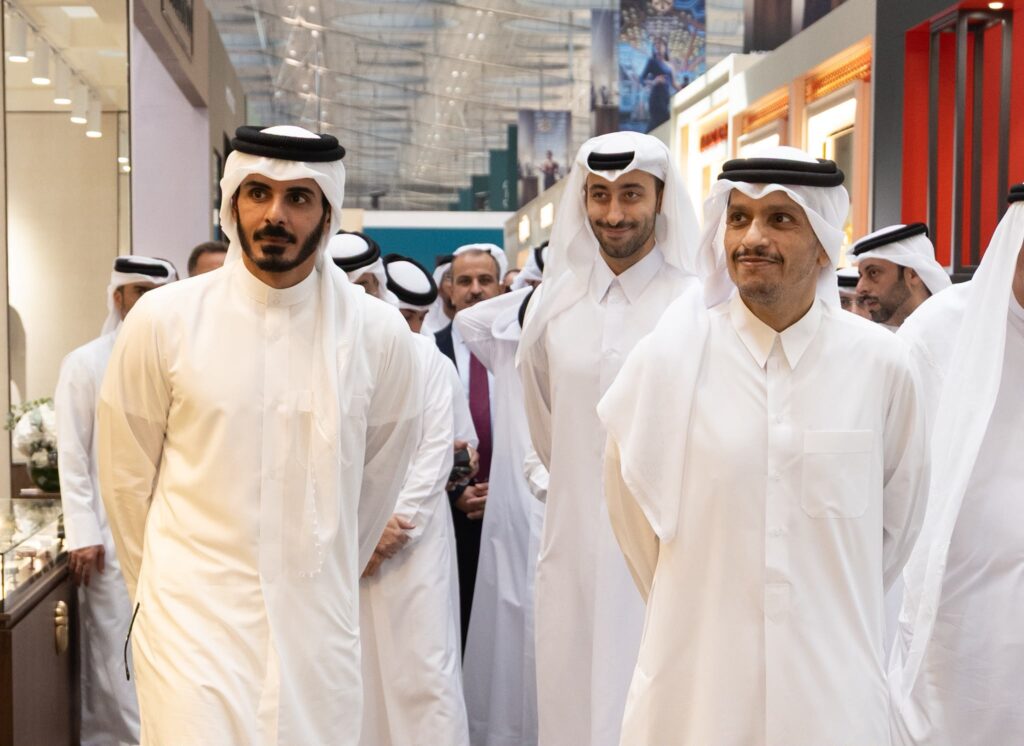
Under the patronage of His Excellency Sheikh Mohammed bin Abdulrahman bin Jassim Al Thani, Prime Minister and Minister of Foreign Affairs, the Doha Jewellery & Watches Exhibition (DJWE) 2026 opened to the public on September 28 at the Doha Exhibition and Convention Centre (DECC). The opening was attended by His Excellency Sheikh Khalifa bin Hamad bin Khalifa Al Thani, Minister of Interior alongside several ministers, ambassadors, and other distinguished guests. The 22nd edition, which is owned by Qatar Tourism, brought by Visit Qatar and organised by Qatar Business Events Corporation (QBEC), was inaugurated during a ceremony attended by H.E. Mr. Saad bin Ali Al Kharji, Chairman of Qatar Tourism and Chair of the Board of Directors of Visit Qatar, and Eng. Abdulaziz Ali Al Mawlawi, CEO of Visit Qatar. Commenting on the opening of the exhibition, HE Saad bin Ali Al Kharji, Chairman of Qatar Tourism and Chairman of the Board of Directors of Visit Qatar, said: “Over more than two decades, the Doha Jewellery and Watches Exhibition has continued to evolve in line with Qatar’s ambitions, establishing itself as a leading global platform for an industry rooted in heritage, creativity and excellence. The 22nd edition reflects the stature the exhibition has achieved, bringing together international expertise, regional participation and Qatari creativity, while opening up new avenues for business, knowledge exchange and partnerships. “As we continue to strengthen the role of tourism as a key contributor to economic diversification, we remain focused on developing distinctive, high-value tourism experiences that draw on Qatar’s unique strengths and deliver sustainable economic impact. The Doha Jewellery and Watches Exhibition embodies this approach, enhancing Doha’s position on the global map of specialised events while providing Qatari designers and entrepreneurs with a vital platform to connect with international markets, create new opportunities for growth and contribute to the development of Qatar’s creative industries.” Eng. Abdulaziz Ali Al Mawlawi, CEO of Visit Qatar, said: “The Doha Jewellery and Watches Exhibition continues to evolve in scale, diversity of participation and international presence, reinforcing its position as one of the leading events on Qatar’s annual calendar and a prominent meeting point for the regional and global jewellery and watch industry. This year, we are building on the exhibition’s achievements by expanding international participation, introducing new platforms for knowledge exchange and offering a diverse programme that brings visitors closer to the creativity, craftsmanship and inspiring stories behind some of the most exceptional designs and pieces. “We remain committed to developing and enriching the exhibition with new content and experiences with every edition, enhancing the value offered to participating brands and designers while providing visitors with new opportunities to discover and engage. This builds on Visit Qatar’s vision of developing world-class events that enhance Qatar’s appeal as a tourism destination and contribute to a diverse and distinctive visitor offering throughout the year.” As the Official Sponsor of DJWE 2026, QNB Group continues its commitment to major international events that strengthen Qatar’s position as a leading destination for luxury and premium experiences. The sponsorship also reflects the Group’s focus on advancing local enterprise and creating greater opportunities for Qatari brands and entrepreneurs. Beyond showcasing exceptional jewellery and watchmaking, the exhibition connects international brands with Qatari designers and entrepreneurs, creating opportunities for commercial relationships, knowledge exchange and access to wider markets. By supporting these connections, QNB Group contributes to private sector growth and economic diversification, in line with Qatar National Vision 2030. Spanning a week, the 22nd edition brings together 49 exhibitors representing more than 500 brands from 30 countries, presenting a wide-ranging showcase of fine jewellery, exceptional timepieces and contemporary design. Leading regional names including Al Fardan Jewellery, Al Majed Jewellery, Ali Bin Ali Luxury, Amiri Gems, Fifty-One East, Al Muftah Jewellery, Blue Salon and Arts and Gems feature alongside international houses and established and emerging Qatari designers. This year, DJWE also unveils a unified visual identity across its exhibition spaces and pavilions, creating a more cohesive visitor journey. International and local participation is further reflected in the return of the Turkish, Indian and Qatari Designers pavilions. The Turkish Pavilion features two brands, while the Indian Pavilion brings together five, each showcasing the distinctive craftsmanship and design traditions of their respective markets. The Qatari Designers Pavilion, sponsored by Scale7, places local creativity at the heart of the exhibition. As Qatar’s hub for Creative and Cultural Industries, Scale7 supports startups and entrepreneurs through programmes, investment and services designed to accelerate innovation and growth. This year, the pavilion brings together six Qatari talents: Midad Jewellery, founded by architect, calligrapher and jewellery designer Abdulla Yousuf Al-Fakhroo; M Royal Collection, led by designer Maisa Jasim Buhejji; Kaltham’s Pavilion, founded by Kaltham Abdulmonem Al Majid, granddaughter of the late Mahdi Ali Al Majid, founder of Al Majed Jewellery; H Jewelry, founded by Hamad Ahmad Al-Mohammed; Ghand Jewellery, co-founded by Jawaher Mohammed AlMannai; and Alghla Jewellery, founded by Shaikha Al Ghanem. The exhibition is also broadening its regional representation, with four GCC-based exhibitors participating in DJWE for the first time: Lulu Al Mahmoud from the Kingdom of Bahrain, Al Bakshi Jewellery from the Kingdom of Saudi Arabia, Ammar Jewellery from the United Arab Emirates, and Zari Jewellery from the State of Qatar.Among the major additions to the 2026 edition is the participation of Christie’s, the renowned international auction house with a 260-year heritage across art, luxury and collectibles. Alongside a dedicated presence within the exhibition, Christie’s specialists are contributing their expertise in jewellery and watches through talks and guided experiences and educational sessions as part of the newly launched DJWE Studio. Throughout the week, the DJWE Studio (The Studio) will host a full programme of workshops, panel discussions and masterclasses. Christie’s will lead sessions exploring the jewellery and watch markets, design trends and collecting behaviours, alongside guided jewellery and watch tours, a Mentorship Moment session connecting emerging designers with industry leaders, and a two-day certificate courses exploring 150 years of art and the relationship between art, jewellery and watches in the 20th century. Sophie Stevens, Christie’s
AI is an organic part of businesses, not an add-on
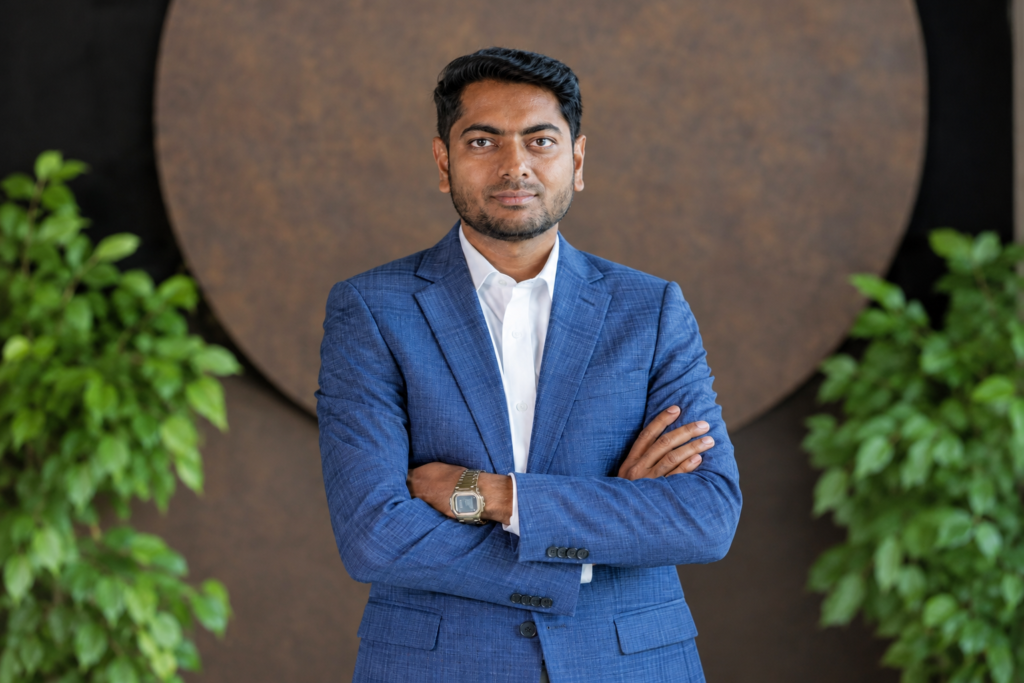
Saran B. Paramasivam, regional director, Middle East & Africa, Zoho, in conversation with Business Leaders ME, sheds light on a swathe of subjects – from productivity to decision intelligence, exploring how organisations across the Middle East are leveraging Artificial Intelligence (AI) to transform business operations, decision-making, and enterprise software, while maintaining responsible AI practices and governance. Paramasivam also examines AI adoption across enterprises and SMEs, regional trends, and the role of AI in supporting national digital transformation initiatives. “An assistant answers when asked. In contrast, an agent acts without being asked, within boundaries that are pre-set. That’s a meaningful shift, and it’s also where the risk conversation gets real. An assistant giving a wrong answer is a nuisance. An agent taking the wrong action, updating a record, sending a payment, changing a customer status, has actual consequences.” “We’ll see less talk about AI as a standalone feature and more about it as infrastructure, something that has to be governed, trusted, and verified, the same way we think about security or compliance today. And I think the businesses that win in this next phase won’t be the ones with the flashiest AI demo, they’ll be the ones who built AI on a foundation they can actually trust and control.” “My path has been unconventional by most standards. I joined Zoho straight out of high school in 2005 as the first student selected into what is now known as Zoho Schools of Learning, so no traditional degree, no conventional route in,” says Saran B. Paramasivam, regional director, Middle East & Africa, Zoho, commenting on his career path. Starting as a software developer, Paramasivam moved into product management, and spent a significant part of his career shaping Zoho Creator, the company’s low-code platform. That experience, according to Paramasivam, gave him a deep understanding of how businesses think about technology and what it takes to translate complex problems into real solutions. Over nearly two decades, Paramasivam’s role evolved across product, customer engagement, and strategy and that journey brought him to where he is today, leading Zoho’s business across the Middle East and Africa as its regional director. “I often say I did not just work for Zoho; I grew up with Zoho. And honestly, that depth of experience is what I bring into every market conversation across the MEA region,” asserts Paramasivam AI in day-to-day decision making of big businesses versus SMEs In the opinion of Paramasivam, for large enterprises, AI has already shifted from a nice-to-have to something embedded in daily decisions, forecasting, resource planning, customer response times. “The difference isn’t whether AI matters, it’s how it’s being adopted. Big businesses often have the budget and internal teams to build custom AI solutions. SMEs don’t have that luxury, so their AI adoption has to come built into the tools they’re already using, not as a separate investment. That’s actually the more interesting story right now: SMEs adopting AI isn’t about” catching up” to enterprise, it’s about accessing the same intelligence without needing enterprise-level resources to get there,” explains Paramasivam How, in Paramasivam’s view, is AI transforming modern business software and enterprise operations? Software used to be a tool one operated, explains Paramasivam. “Now it’s becoming something that operates alongside you. The shift is from static systems where a person has to pull a report, interpret it, and act, to systems that surface the insight and, increasingly, take the next step themselves. The businesses getting real value aren’t the ones bolting AI onto old workflows, they’re the ones rebuilding their operations around the assumption that AI is part of the process, not an add-on to it,” adds Paramasivam. The evolution from AI assistants to AI agents is something integral to Zoho. In the explanation of Paramasivam, an assistant answers when asked. In contrast, an agent acts without being asked, within boundaries that are pre-set. That’s a meaningful shift, and it’s also where the risk conversation gets real. An assistant giving a wrong answer is a nuisance. An agent taking the wrong action, updating a record, sending a payment, changing a customer status, has actual consequences. “So this evolution isn’t just a capability story, it’s a trust and governance story. The businesses moving fastest here are the ones building the guardrails at the same time as the capability, not after. That’s also why, as we build AI agents within Zoho, our approach is governance-first, not capability-first,” opines Paramasivam. Responsible AI strategies alongside privacy and governance The businesses doing this well are treating governance as part of the AI architecture, not a policy document sitting separately from it, explains Paramasivam. “That means permission layers that mirror the organisation’s actual structure, so AI only surfaces what a given person is already cleared to see. It means knowing exactly where data lives and who has access to it. And it means building recovery and accountability into the system from day one, not scrambling to add it after something goes wrong. Responsible AI isn’t a separate initiative from AI adoption, it has to be the same initiative,” mentions Paramasivam. In the region, what kind of evolution have businesses undergone to adopt AI into their day-to-day operations? In the opinion of Paramasivam, the shift being witnessed across the region is from AI being used for specific, isolated use cases to becoming embedded in everyday business operations. Companies are increasingly applying AI across functions, from customer service and sales to finance, HR, and operations, to improve productivity and decision-making. Government-led investment and national AI strategies have helped accelerate this adoption, but the bigger shift is happening at the business level: the conversation is moving from whether to adopt AI to where it can create the most value and how it can be integrated responsibly into the way people already work, describes Paramasivam In explaining the role AI will play in supporting the GCC’s digital transformation ambitions, Paramasivam says, “AI is the layer that makes a lot of the region’s broader digital transformation goals achievable at speed, not just on paper.
British Council, Liberty and Doha Design District Launch “Living in Pattern” Design Exchange
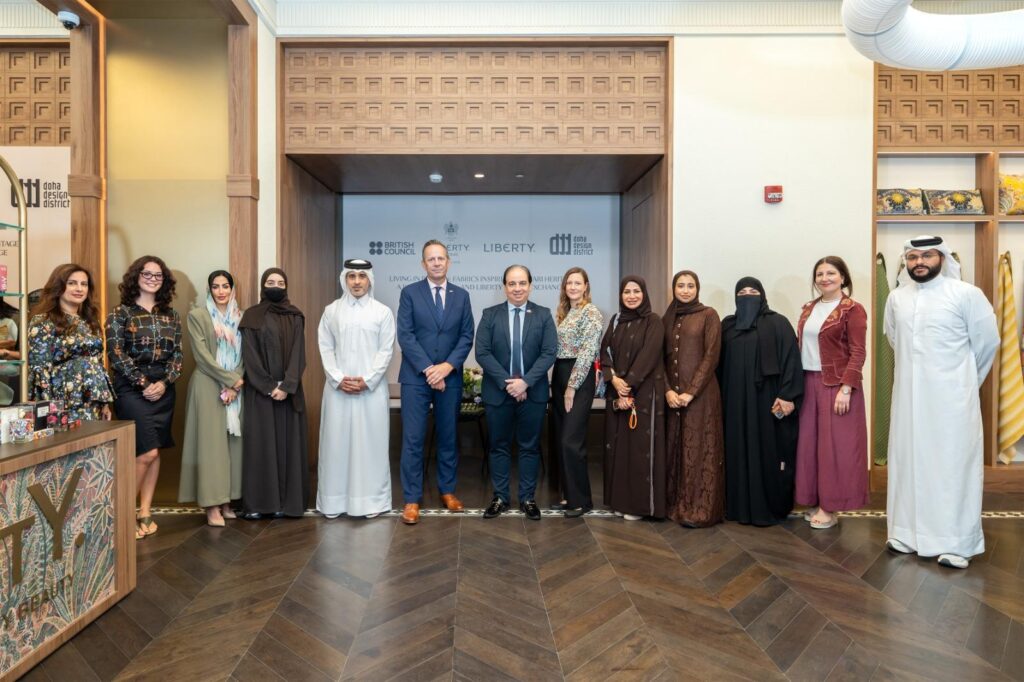
A three-stage residency connecting Qatar-based creatives with Liberty London to transform local heritage into contemporary fabrics Doha, 22 September 2026 — A new creative partnership between Qatar and the UK was formally launched this week. The British Council, Liberty London, Liberty Home Msheireb and Doha Design District (powered by Msheireb Properties) have come together to introduce Living in Pattern: Fabrics Inspired by Qatari Heritage, a residency designed to help emerging local artists and designers turn Qatar’s natural and cultural heritage into contemporary textile design. The launch took place on 22 September with the signing of a strategic partnership agreement at Liberty Home Msheireb. The programme will unfold in three stages: Discover, Develop and Advance. Up to ten Qatar-based creatives will begin with an immersive research phase, exploring the country’s architecture, native flora, marine environments, museums, archives and living cultural traditions. After an assessment, five participants will move into an intensive development stage before taking part in a mentorship residency in London with Liberty’s design team. One of the most significant opportunities within the programme is the chance for up to two original artworks created during the residency to be selected for further development and possible inclusion in Liberty London’s 2028 Interior Fabric Collection. This offers a rare pathway for designs rooted in Qatari heritage to reach international audiences through one of Britain’s most recognised design houses. The residency starts this week with a three-day induction programme. Participants will be introduced to Qatar’s natural history, architectural traditions and design methodologies through guided visits to leading cultural and educational institutions, learning how local heritage, landscapes and visual culture can shape modern textile design. Hassan Al Emadi, Chief Commercial Officer at Msheireb Properties, said:“At Msheireb, we believe that heritage remains one of our greatest sources of inspiration for the future. Through this partnership, we are creating opportunities for emerging creatives to engage deeply with Qatar’s cultural and natural landscapes while connecting them to world-class expertise and international platforms. Living in Pattern reflects Doha Design District’s commitment to supporting talent development, celebrating Qatari identity, and positioning creative industries as an important contributor to a vibrant and knowledge-based economy.” Dr. Waseem Kotoub, Country Director of the British Council Qatar, added:“Living in Pattern reflects the British Council’s commitment to creative skills development and the growth of Qatar’s creative industries. Through collaboration with Liberty and Doha Design District powered by Msheireb Properties, the programme provides designers with access to mentorship, international networks and hands-on learning opportunities that will help them thrive in the evolving creative economy. As we prepare for this year’s Qatar-UK Creative Industries Skills Forum, the residency demonstrates how international partnerships can create meaningful pathways for talent development, creative exchange and long-term sector growth.” Genevieve Bennett, Head of Design for Home & Interiors at Liberty, shared: “Doha represents an exciting new chapter in Liberty’s story. For over 150 years, we’ve been drawn to the meeting of different cultures and ideas, and in its first year Liberty Home Msheireb has become a meeting point between our British creative heritage and the richness of contemporary Qatari culture. Living in Pattern feels like a natural expression of that connection, bringing together the imagination of emerging designers with the wealth of Liberty’s archive, while drawing on Qatar’s culture and visual language, taking something with such a deep history and allowing it to evolve into part of a new creative conversation.” The launch also marks the first anniversary of Liberty Home Msheireb, one year since the British design house opened its first presence in the Middle East. In that time, the space has grown beyond retail into a lively platform for cross-cultural collaboration. By bringing together research, mentorship and genuine creative exchange, Living in Pattern shows how heritage can inspire contemporary design while building lasting creative capacity between Qatar and the UK.
Qatar Foundation Concludes BilAraby Annual Gathering 2026 with Discussions on Innovation, Entrepreneurship, and Peacebuilding
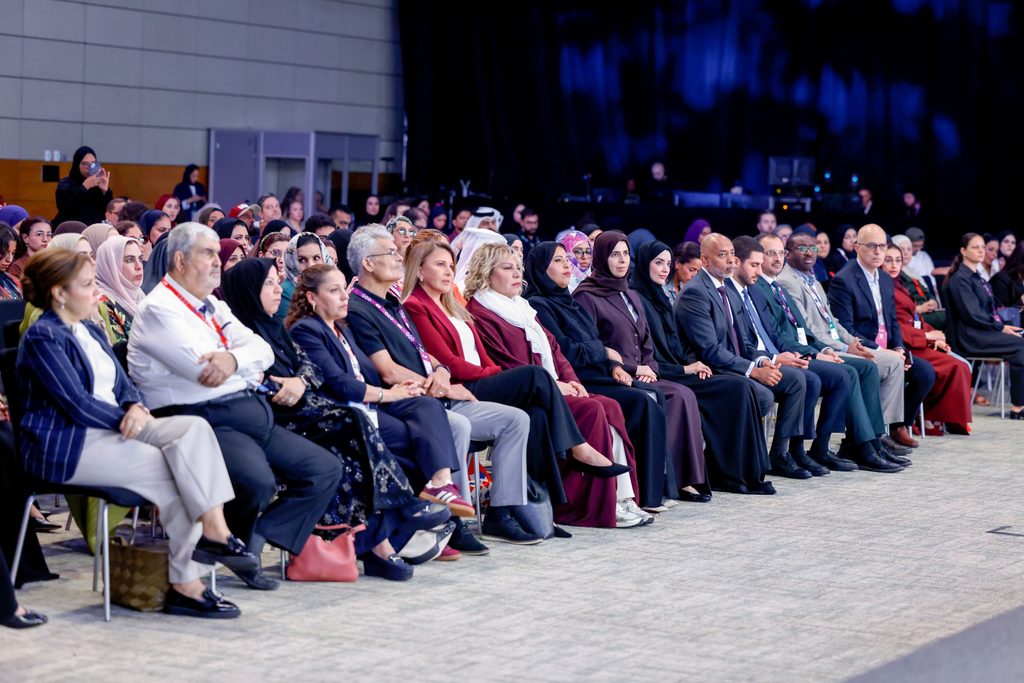
Qatar Foundation wraps up BilAraby Annual Gathering 2026 in Doha Qatar Foundation has brought its second BilAraby Annual Gathering to a close in Doha, drawing around 1,600 people together for two days of conversations, workshops and ideas. Held on September 19 and 20 at Multaqa (Education City Student Center), the event ran under the theme “With Our Ideas, We Build.” Organised by Qatar Foundation’s BilAraby initiative, the gathering gave people space to share experiences, talk through real challenges, and explore how ideas can move from conversation into practical action. Entrepreneurship and the power of connection A big part of the programme focused on entrepreneurship and how digital platforms are changing the way people build and connect. Sessions mixed talks, workshops and informal conversations where participants could exchange stories and lessons from their own journeys. Hisham Nourin,Executive Director of Strategic Initiatives and Programs at Qatar Foundation,stressed how valuable it is to learn from others — and how important it is to keep those connections alive after the event ends. Peacebuilding starts with listening Peacebuilding was another strong thread running through the gathering. Zahra’ Langhi,mediation expert,spoke about the need to truly listen to communities living through conflict before trying to build lasting relationships. Drawing on her work in Yemen, she shared the experiences of mothers of abductees and their role in prisoner exchanges. Her session underlined a simple but powerful point: trust and local knowledge matter deeply in any serious peace effort. Keeping Arabic at the centre BilAraby continued its focus on Arabic-language content and knowledge sharing. At the Open Translation Project workshop, participants discussed translation and review processes, worked on a style guide and glossary, and floated the idea of a “Translation Buddy” programme to pair newer translators with more experienced ones. Other sessions looked at Arabic-language education and the role media can play in strengthening Arabic across professional and academic life. Founders share the real stories The summit also featured founders from the tech and business worlds. Issam Hijazi,founder and CEO of the social media platform UpScrolled,talked about building a space that gives people more control over what they follow. Hamad Mubarak Al-Hajri,founder and CEO of Snoonu,was open about the challenges of building his company and the importance of trust, shared responsibility and loyalty inside a team. Looking ahead The gathering brought together organisations and voices working across education, media, translation, culture and community development. Partners recognised at the closing ceremony included Qatar Media Corporation, Hamad Bin Khalifa University, QatarDebate, the Queen Rania Foundation for Education and Development, Cambridge University Press and Assessment, Qatar Reads, and others. BilAraby was launched by Qatar Foundation in 2024 to encourage ideas and creativity in Arabic. Its wider work centres on collaboration, knowledge sharing, and creating space for Arabic speakers to exchange experiences and insights. This year’s Annual Gathering in Doha kept that mission moving forward — bringing people together around ideas that link innovation, entrepreneurship, education and community.
Qatar Real Estate Forum 2026: Key Updates Under PM Patronage
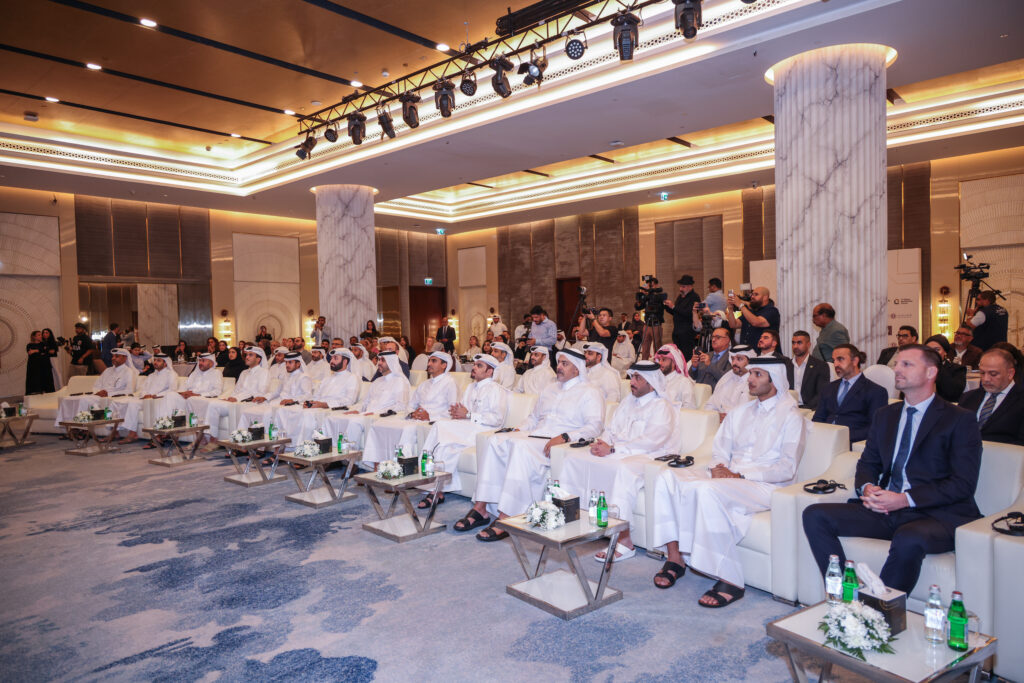
The 4th Qatar Real Estate Forum 2026 is set to take place from October 27 to 29, 2026, at the Doha Exhibition and Convention Center (DECC). Organized by the Real Estate Regulatory Authority (Aqarat) in partnership with Informa Tharawat, the event is held under the patronage of His Excellency Sheikh Mohammed bin Abdulrahman bin Jassim Al Thani, Prime Minister and Minister of Foreign Affairs. It will run alongside Cityscape Qatar, creating a major platform for real estate investment, innovation, and policy discussions in the region. A Transforming Qatar Real Estate Sector Qatar’s real estate market is evolving beyond traditional development, sales, and purchases. It is increasingly viewed as a core pillar of investment, wealth management, and the wider capital ecosystem. The Qatar Real Estate Forum 2026 arrives at a pivotal moment for the industry, aligning with the goals of Qatar National Vision 2030. Key themes for the 2026 forum include: Government leaders, developers, investors, policymakers, and senior decision-makers will gather to explore emerging opportunities, market trends, and the future direction of Qatar’s real estate sector. Leadership Insights on Market Resilience and Growth H.E. Mohammed bin Hassan Al Malki, President of Aqarat, emphasized the forum’s importance amid rapid geopolitical changes. He highlighted the need to strengthen the sector’s resilience and maintain investor confidence in a shifting business and regulatory environment. Wouter Molman, Chief Commercial Officer at Informa Tharawat, noted that the forum helps convert regulatory reforms into tangible market activity. He explained that Aqarat’s regulatory leadership, combined with Cityscape’s global platform, can connect Qatari developers with GCC and international investors, supporting foreign direct investment and Qatar National Vision 2030. H.E. Sheikh Hamad bin Talal Al Thani, CEO of Qatari Diar, stated:“Our sponsorship of the fourth edition of the Qatar Real Estate Forum is a natural extension of our role as a key partner in shaping the future of Qatar’s real estate sector. We believe that our strategic partnership with Aqarat represents an optimal model for integration between the public and private sectors.” Eng. Ahmed Mohamed Al-Tayeb, CEO of Barwa Real Estate Group, reaffirmed the Group’s continued sponsorship. He stressed the value of partnerships, innovation, and an attractive investment climate aligned with Qatar National Vision 2030. Strong Market Performance and Key Reforms Qatar’s real estate sector continues to show solid fundamentals. Transactions reached QAR 10.69 billion (approximately USD 2.9 billion) in the first half of 2026, according to the Real Estate Registration Department at the Ministry of Justice. Data from the Qatar Central Bank’s Financial Stability Review shows that the real estate sector accounted for 6.1% of Qatar’s GDP in December 2025. Real estate credit represented 20% of total domestic credit extended to the private sector by the banking system at the end of 2025. Notable 2025 reforms included: The rental market also delivered strong results in 2025: Real Estate Tokenization Advances in Qatar On August 26, 2026, Qatar’s Council of Ministers approved a draft law regulating real estate tokenization and the trading of real estate tokens, along with its draft executive regulations. This development positions Qatar among the markets actively exploring tokenized real-world assets as a new investment avenue, potentially opening fresh opportunities for both local and international investors. Strategic Partnership with Cityscape Qatar The forum maintains its strategic partnership with Cityscape Qatar. This collaboration aims to strengthen Qatar’s real estate investment environment, enhance governance and transparency, and attract capital through joint platforms that connect regional and global stakeholders. About the Organizers Real Estate Regulatory Authority – AqaratAqarat regulates, stimulates, and develops Qatar’s real estate sector in line with Qatar National Vision 2030. It develops policies and regulatory frameworks, oversees compliance and licensing, protects stakeholder rights, and builds investor confidence. Qatar Real Estate ForumThe Qatar Real Estate Forum is a leading regional platform for dialogue on the future of real estate. Its fourth edition will bring together government leaders, investors, developers, policymakers, and experts at the Doha Exhibition and Convention Center from October 27 to 29, 2026. Event at a Glance
Distilling Qatar Through the Lens: How Khalifa Al Obaidly Is Preserving a Nation’s Story Through Photography
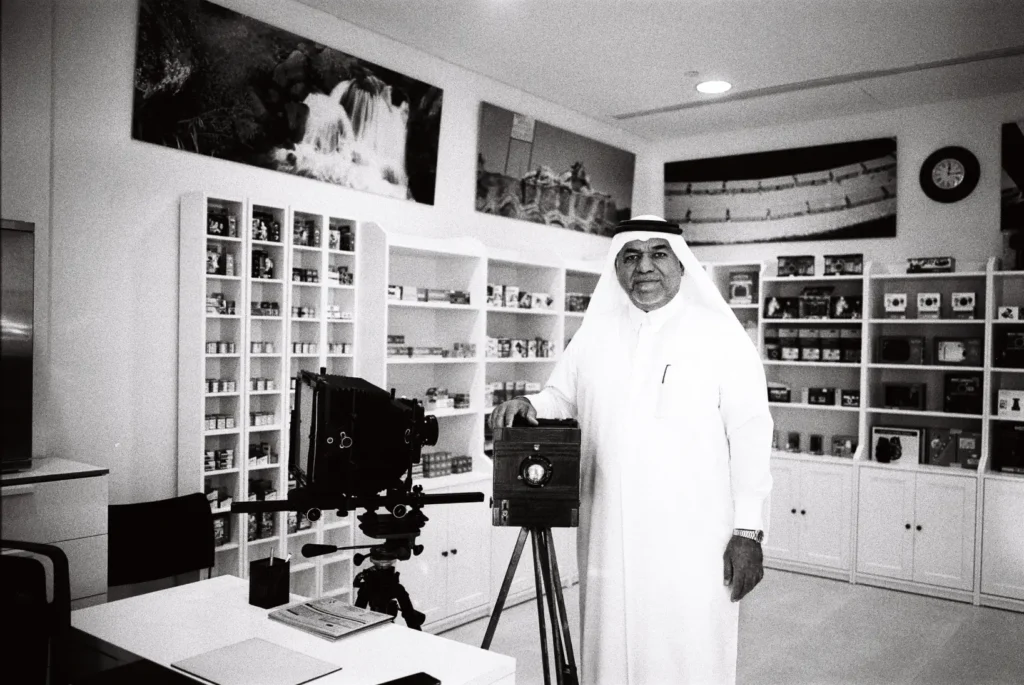
“The word camera came from the Arabic word Qumra, meaning room or chamber, discovered by Ibn Al Haytham.” — Khalifa Al Obaidly For Khalifa Al Obaidly, photography is far more than the art of taking pictures—it is a way of documenting history, preserving identity, and connecting generations. As Director of the Tasweer Qatar Photography Festival, photographer, marine biologist, educator and artist, Al Obaidly has spent decades capturing Qatar’s transformation while championing photography as a cultural language across the region. His remarkable journey mirrors Qatar’s own evolution—from humble beginnings to becoming a global centre for culture, creativity and innovation. From a Kodak Camera to a Lifelong Calling Al Obaidly’s passion for photography began long before museums, exhibitions and international festivals entered the picture. His father introduced him to photography while he was still in primary school, gifting him a Kodak 110 camera purchased from Souq Waqif during the 1970s. Soon, the young Khalifa became known as the unofficial photographer of his neighbourhood, documenting family gatherings, local celebrations and everyday life. What began as childhood curiosity gradually evolved into a serious passion during his years travelling with the Qatar National Volleyball Team, where photography became his constant companion. A defining moment arrived in 1989 while studying Marine Biology at Qatar University, when he joined the Qatar Photographic Society and learned from some of Qatar’s pioneering photographers, including Abdulrahman Obedan, Mohammed Al Manai and Hussain Al Jaber. Seeing Two Worlds: Above and Beneath the Sea Few photographers have experienced Qatar through as many perspectives as Al Obaidly. Working as a marine biologist at the National Museum of Qatar introduced him to underwater photography, where he developed a fascination with marine ecosystems and nocturnal diving. For him, the ocean represents an entirely different world—one that teaches patience, respect and observation. He explains that understanding underwater light, colour and marine behaviour transformed not only his photography but also his outlook on life. Watching species cooperate in perfect harmony beneath the sea became lessons in coexistence that extended far beyond photography. Building Qatar’s Cultural Memory Photography eventually led Al Obaidly into museum leadership. He established the photography department for the Museum of Islamic Art, documenting priceless collections under the direction of Sheikh Saoud Al Thani before helping develop the cultural narrative of Msheireb Museums. Later, at the Fire Station: Artist in Residence, he played a pivotal role in nurturing emerging artists while helping transform the institution into one of the region’s leading creative platforms. Today, alongside leading Tasweer Photo Festival, he continues mentoring photographers, teaching at university level and supporting Qatar’s growing creative economy. The Desert and the Sea: Two Landscapes, One Identity Ask Al Obaidly what inspires him most and the answer is simple: Qatar itself. Growing up by the sea left a lasting impression that later inspired projects documenting the country’s transition from pearl diving and fishing to a modern global economy. The desert, meanwhile, became a visual metaphor for resilience, adaptation and the enduring relationship between people and the land. Through both landscapes, his work tells the story of a nation that has embraced progress without losing sight of its heritage. Tasweer: More Than a Photography Festival For Al Obaidly, Tasweer represents something much larger than exhibitions. Founded in 2021 by HE Sheikha Al Mayassa bint Hamad Al Thani, Tasweer was created to support photographers and photographic art throughout the West Asia and North Africa (WANA) region. The biennial festival serves as a platform for exhibitions, grants, workshops, portfolio reviews, talks and competitions, bringing together established and emerging photographers while showcasing stories that might otherwise remain unseen. Among its most celebrated exhibitions has been After The Game, documenting the FIFA World Cup Qatar 2022 through uniquely Qatari perspectives. Why Qatar’s Story Matters Al Obaidly believes Qatar contains countless untold stories waiting to be discovered. Rather than simply recording landmarks, photographers become researchers—finding narratives hidden within people, traditions, architecture and everyday life. Photography, he says, helps preserve national identity while allowing audiences around the world to understand Qatar beyond headlines. His philosophy perfectly reflects Tasweer’s mission: celebrating authentic storytelling through the camera lens. Looking Ahead Despite decades of achievements, Al Obaidly remains focused on slowing down. In an era of instant content and digital overload, he is returning to analogue photography, spending more time in the darkroom and embracing a slower, more thoughtful creative process. His advice for aspiring photographers is deceptively simple: “Look at things from different angles.” It is a philosophy that has defined not only his career, but also his lifelong commitment to documenting Qatar’s past, present and future.