

Innovation fails in most organisations not from a shortage of ideas, but from failing to integrate those ideas into how the business operates day to day. Treated as a sticking plaster or a quick fix, it rarely holds. Businesses that build agility into daily decisions, distributed across every function and practised through constant small iteration, will outlast those that treat innovation as a periodic initiative, writes Dr Shaheena Janjuha-Jivraj**.
The businesses still standing after the next disruption won’t be the ones with the best innovation lab, they’ll be the ones that integrated innovation into their DNA.
Every leadership offsite now features the language of innovation: labs, hackathons, innovation days. Participants leave energised, ready to act, but back at their desks, promotions and bonuses still reward repeating what worked before. Brilliant ideas stay locked in people’s minds until enthusiasm burns out.
The “flex” model fails because it’s structurally isolated. Treated as a standalone activity with no clear KPIs, innovation becomes fragmented from real decision-making and easily forgotten. Most organisations have an abundance of good ideas, what’s missing is the infrastructure to let them grow into products and services.
Real agility rests on Structural habits: reviewing innovation alongside financial performance, distributing ownership across every function rather than one isolated team, building tolerance for risk and failure, and favouring small frequent adjustments over rare transformation pushes. None of it works without psychological safety and without it, employees keep ideas contained rather than embedding change into daily decisions.
Leadership is central to fixing this issue. The culture leaders create cultivate innovation or unwittingly destroy it. More often than not leaders believe they are promoting a strong culture of innovation, when in fact the opposite happens.
A muscle, once built, keeps working quietly and compounds. Most competitors can copy a good idea within a year. What can’t be copied quickly is an organisation that has spent years training itself to move.
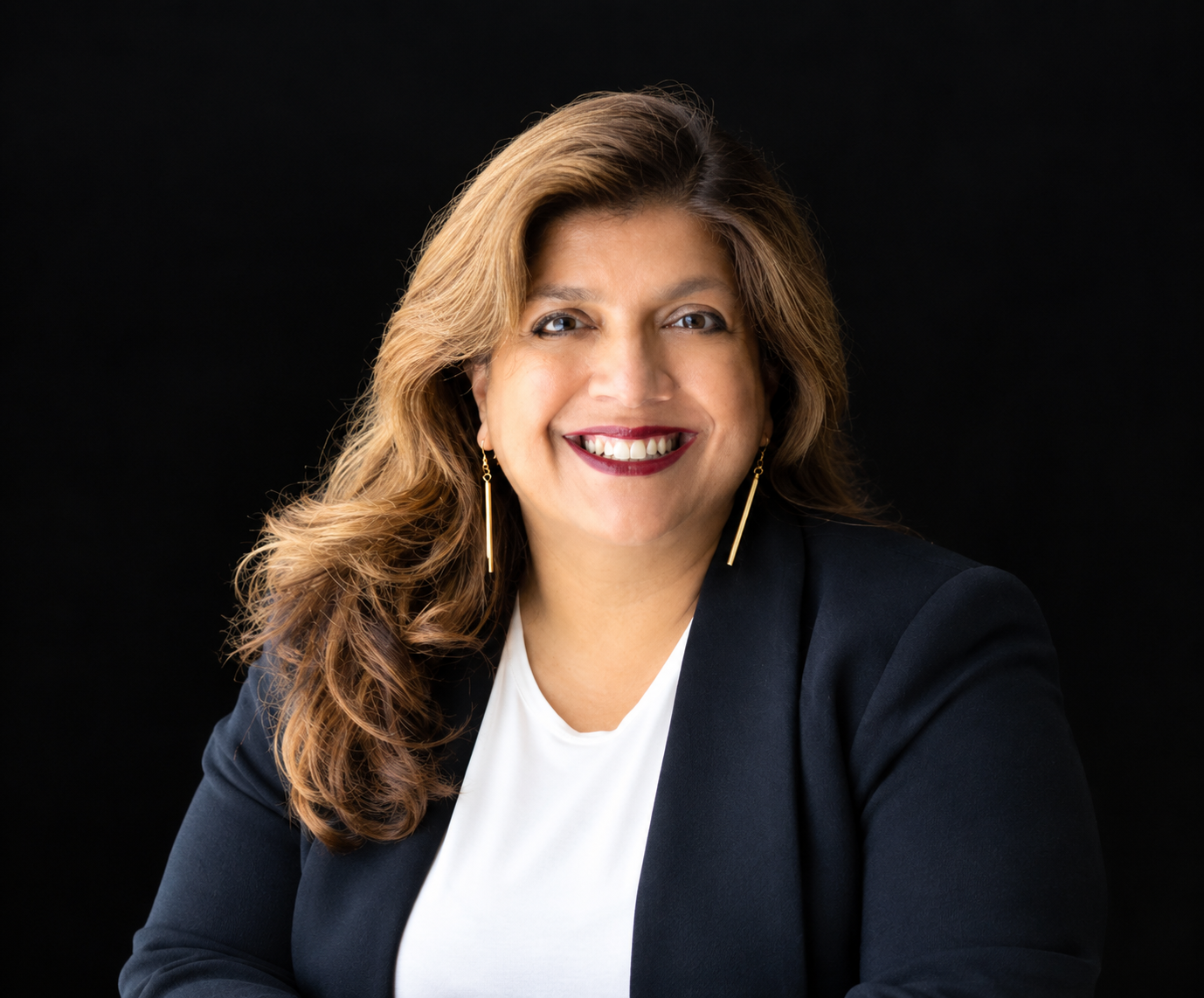
Dr Shaheena Janjuha-Jivraj, FRSA is co-founder of Delta Futures, executive advisor and trainer working with senior leaders in companies, family offices and government bodies to transform leadership. She is adjunct faculty at London Business School, HEC Paris and Hult Ashridge. She is an author on several books on leadership and regular Forbes contributor.