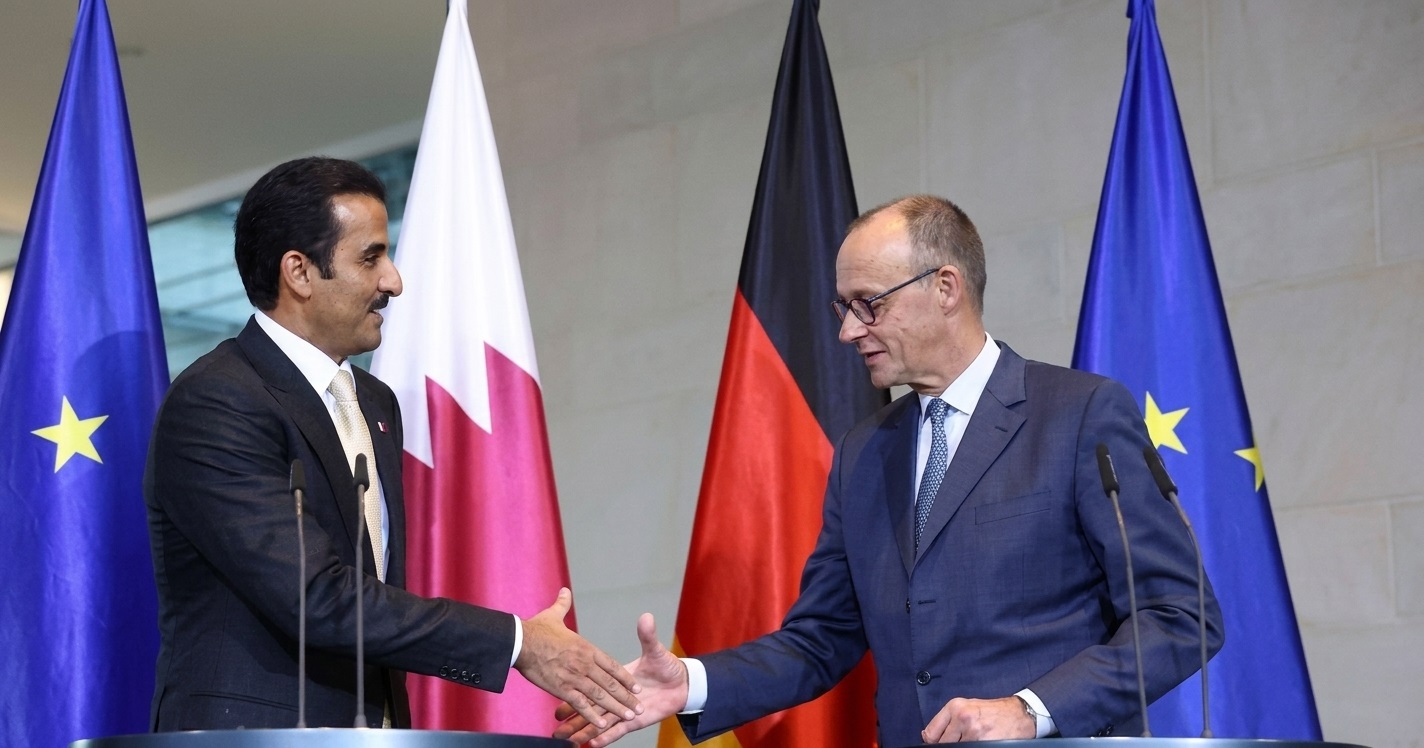

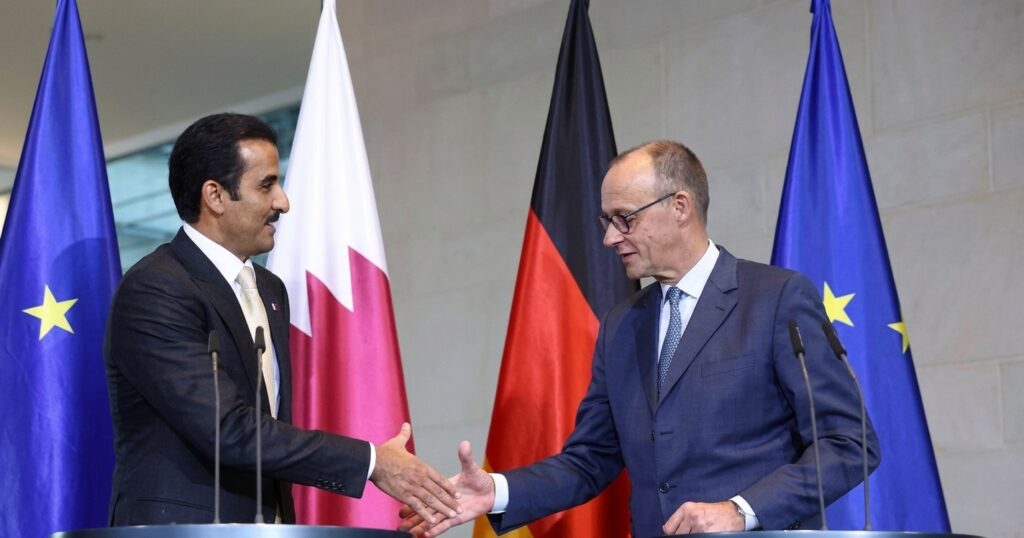
DOHA In light of regional and international developments, Qatar’s visit by HH the Amir Sheikh Tamim bin Hamad Al Thani to Germany will help to strengthen bilateral relations.
This timely visit presents an opportunity to enhance strategic relations between Qatar and Germany, with political, economic and security cooperation.
Experts and academics told QNA that relations between Germany and Qatar have been developing well, with collaboration increasing in political dialogue, economic cooperation and diplomacy.
During this visit, the discussions will cover many international issues; including the situation in the Middle East, Palestine, humanitarian issues caused by conflicts and the impact of the war in Ukraine on security in Europe and global economic stability.
Dr Nafja Sabbah Al Kuwari, Assistant Professor of Political Science at Qatar University, said the visit is an opportunity to improve understanding and cooperation in relation to international and regional issues.
She said the two nations have valuable complementary skills in diplomacy. Qatar has a wealth of experience in brokering and negotiation, as well as good communication skills with multiple parties. Germany, on the other hand, offers major political influence within the EU and can therefore support international diplomatic efforts.
Together, the combination of skills can help manage conflict, promote dialogue and reach long term political solutions.
Qatar has already brokered deals in many international conflicts; including the Doha Agreement with the US and Taliban in 2020, the ceasefire agreement in Gaza in 2025 in cooperation with Egypt and the US, and through working with the Democratic Republic of Congo and the M23 movement.
However, in order to achieve lasting solutions, political commitment must be demonstrated, the conflicting parties must be willing to make compromises, and agreed deals must be put into effect.
Dr Maryam Al Kuwari, Director of Gulf Studies Centre at Qatar University said that relations between Qatar and Germany have become very strategically valuable recently due to the changing geopolitical climate and complex global issues.
She said that strong economic relations and investment have developed. In addition, increased political dialogue has occurred, and a strategic dialogue has been formed between the two nations.
Energy security is an extremely important aspect of the collaboration. Since 2022, energy markets in Europe have changed meaning Germany has been diversifying its energy sources. This makes Qatar a very important reliable energy partner for Germany.
As Qatar has strong production and exportation capabilities of liquefied natural gas (LNG), the nation holds potential to contribute to Germany’s energy needs. In addition, collaboration in hydrogen, renewable energy and low carbon technologies can occur, aiding the transition to more sustainable energy.
Investment, trade, technology and industry cooperation is also important. Investment potential in Qatar can be combined with Germany’s developed technological and industrial expertise.
Dr Ali Bakir, Research Professor of International Affairs, Security and Defence at Qatar University said that this visit may help reduce tensions and increase diplomatic efforts in addressing regional and international issues.
Doha and Berlin have moved from just political and diplomatic relations, to include economic collaboration and energy security.
To solve modern conflicts, cooperation between international actors is required. If influential nations and stakeholders with common interests work together, pressure can be applied to the conflicting parties to allow for more peaceful resolutions.
In light of the scale of many current crises, no single country, no matter how powerful politically, economically, or in defence, can effectively manage current issues alone.
Instead, international cooperation is vital in order to maintain stability and security. This will ensure compliance with international law and peaceful resolution of conflicts.
Dr Ahmed Ghaith Al Kuwari, Legal advisor and expert in international political relations said that this visit highlights the increasing capacity of Qatar and Germany working together to resolve international crises.
Relations between the two nations have moved away from purely economic cooperation. Instead, a strategic partnership exists, combining political, economic and diplomatic cooperation.
Both nations are increasingly aware that stability in the region is closely linked with stability in global economics, energy and trade.
Al Kuwari said that collaboration between Qatar and Germany, with Qatar’s diplomatic and negotiation skills and Germany’s political and economic influence in European and NATO settings, can aid humanitarian efforts, rebuilding and diplomatic efforts to influence international policy.
Regarding the situation in Gaza, Al Kuwari said that in order to create lasting peace, the root causes of the conflict must be addressed. Political and legal frameworks must be formed to allow rebuilding and prevent re-escalation.
In Lebanon, improving state infrastructure and strengthening the Lebanese military is key. In addition, full implementation of UN Security Council Resolution 1701 is required to secure sovereignty.
Conclusion
Overall, Qatar and Germany have great potential to improve strategic relations. Through diplomatic cooperation, economic collaboration and working together to manage international issues, Qatar and Germany can bring stability to the region. Conflict can be resolved peacefully and new opportunities for collaboration may arise in light of the constantly evolving international political environment.