

Sheikh Hamad Bin Khalifa Appointed QFA President Until 2027
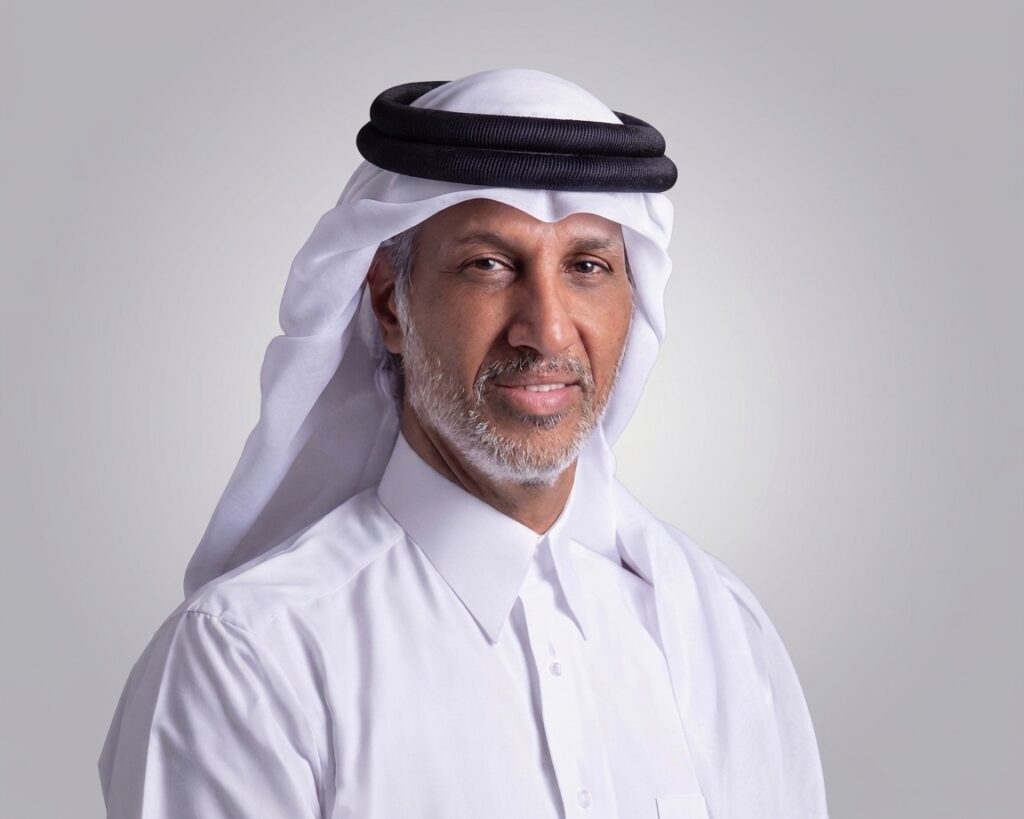
The Executive Committee of the Qatar Football Association (QFA) has approved the appointment of HE Sheikh Hamad bin Khalifa bin Ahmed Al Thani as president of the QFA until the end of the current board’s term in 2027, following the resignations of former president HE Jassim bin Rashid Al Buainain and vice president Mohammed bin Khalifa Al Suwaidi. The committee also approved the appointment of Sheikh Tamim bin Mohammed Al Thani as deputy president. Both appointments will remain in effect until the conclusion of the current electoral cycle in 2027, subject to formal ratification by the QFA General Assembly, which is expected to convene in September. During the meeting, members reviewed a report on the Qatar national team’s participation in the 2026 FIFA World Cup and discussed preparations for the upcoming football season. In a move aimed at strengthening the domestic football pyramid, the Executive Committee approved the launch of QSL 3, a new third-tier league that will operate below the Doha Bank Stars League and QSL 2. The committee also approved Al Rifaa Club’s participation in youth competitions beginning with the new season, expanding opportunities for player development across the country’s football structure.
CNN announces new speakers for Global Perspectives: In Doha
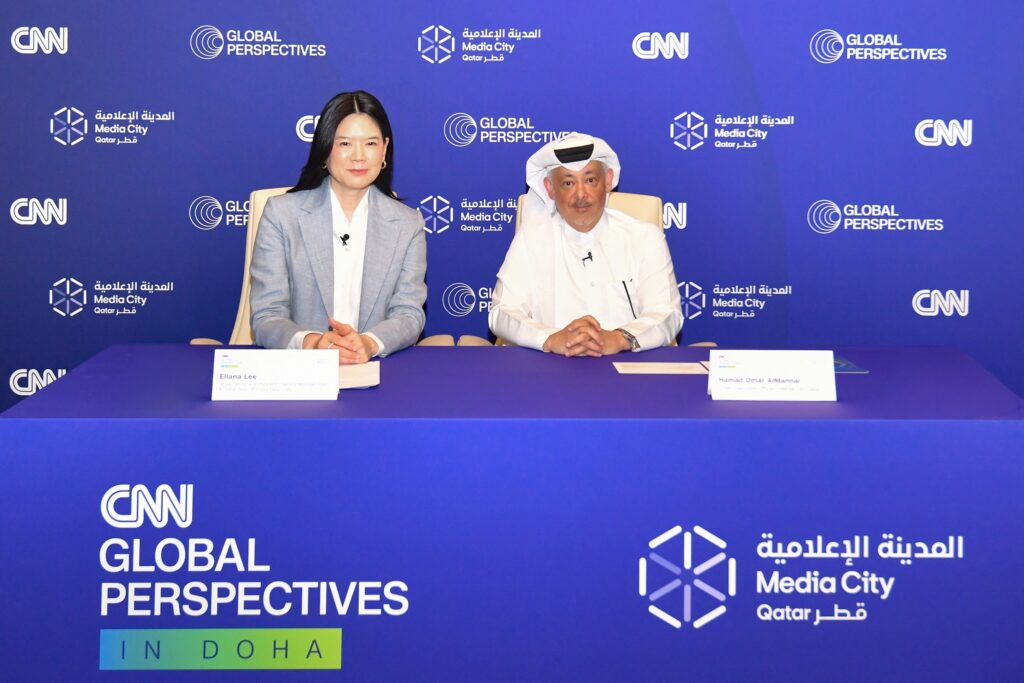
Qatar’s Prime Minister to attend as distinguished guest, with new speakers including H.E. Sheikha Al Mayassa bint Hamad bin Khalifa Al Thani Exploring the concept of ‘The Invisible World’ – examining the forces quietly reshaping how the world works, CNN’s Middle East chapter of its Global Perspectives events franchise will take place in Doha, Qatar, on 29 October 2026. His Excellency Sheikh Mohammed bin Abdulrahman Al-Thani, Prime Minister and Minister of Foreign Affairs of the State of Qatar, will attend the event as a distinguished guest. In addition to previously announced speakers, the prestigious line-up for Global Perspectives: In Doha now also includes: Her Excellency Sheikha Al Mayassa bint Hamad bin Khalifa Al Thani, Chairperson, Qatar Museums, Doha Film Institute, Reach Out to Asia, and Qatar Leadership Centre; and Co-Chairperson, Fashion Trust Arabia His Excellency Dr. Mohamed Farid Saleh, Minister of Investment and Foreign Trade, Arab Republic of Egypt His Excellency Wamkele Mene, Secretary-General, AfCFTA Secretariat Hiba Qasas, Executive Director, Principles for Peace Foundation Martin John Griffiths, Former United Nations Under-Secretary-General for Humanitarian Affairs and Emergency Relief Coordinator Dr. Yifan “David” Li, CEO & Co-founder, Hesai Technology, Co-founder, Sharpa Hing Chao, Chairman, Wah Kwong Maritime Transport Katie Koch, President and CEO, TCW Lei Zhang, Founder & Chairman, Envision Majid Jafar, CEO, Crescent Petroleum Caroline Faraj, Vice President and CNN Arabic Editor-in-Chief, will join as a moderator alongside CNN anchors and correspondents from the Middle East, Europe, and the United States, including Wolf Blitzer, Christiane Amanpour, Richard Quest, Becky Anderson, Eleni Giokos, and Bijan Hosseini. Together, they will lead discussions considering critical issues influencing AI, economics, energy, sport and culture. Editorial content and news-making interviews from Global Perspectives will be featured across CNN platforms. Speaking at a press conference held in Doha today, Ellana Lee, Group Senior Vice President, GM APAC, and Global Head of Productions, CNN, said, “When the world can feel increasingly divided, we believe there’s real value in bringing different people and their unique perspectives together. Global Perspectives is a place where the ideas that are shaping our world can be voiced and shared. It’s a meeting place where CNN’s award-winning journalism can partner with thought leaders to create meaningful dialogue. This is CNN’s first Global Perspectives event here in the Middle East, and it could hardly come at a better time. There’s no better place to host it than here in Qatar, in the heart of the region.” Hamad Omar AlMannai, CEO, Media City Qatar, who spoke alongside Ellana Lee at the press conference, said, “At a time when the region is increasingly at the center of global conversations, our hope is for this event to bring global voices to the region and actually contribute to elevating the region’s voices into these conversations through other CNN platforms.” He added, “There is no better place to host it than in Qatar. As Qatar continues to play an important role as a trusted mediator on the international stage, it is also reinforcing its position as a center for dialogue between regions, cultures, and perspectives. Global Perspectives complements that role by creating a platform where regional perspectives can be heard and elevated alongside global voices.” Global Perspectives: In Doha is hosted in partnership with Media City Qatar and is taking place at the Rosewood Doha. The event also provides opportunities for commercial partners, including previously announced sponsor Dangote, to reach and engage with those attending Global Perspectives, as well as CNN audiences across the world. For the latest agenda and speaker details, please see https://cnnicevents.cnn.com/gpdoha/pcpr
Qatar Raises US$3B Through Dual-Tranche Bond Issuance
QNB Capital successfully acted as Global Coordinator on Qatar’s US$3 billion (QR10.92 billion) dual-tranche conventional bond issuance in the international debt capital markets, with strong investor demand pushing total orders beyond US$6 billion (QR21.84 billion). Priced on September 21, the issuance comprised a US$1 billion (QR3.64 billion) five-year bond and a US$2 billion (QR7.28 billion) 10-year bond. The five-year tranche was priced at 55 basis points over US Treasuries, with a coupon of 5.25 percent and a yield to maturity of 5.38 percent. It attracted orders exceeding US$2 billion (QR7.28 billion), more than twice the amount issued. The 10-year tranche was priced at 65 basis points over US Treasuries, with a coupon of 5.375 percent and a yield to maturity of 5.613 percent. Investor orders exceeded US$4 billion (QR14.56 billion), also more than twice the amount issued. The strong demand enabled Qatar to price both tranches with a new issue premium of only five basis points above fair value, among the lowest premiums recorded across comparable regional transactions in 2026, according to QNB. The transaction attracted a diversified investor base spanning Asia, Europe, the Middle East and the United States. QNB Group group chief executive officer Abdulla Mubarak Al Khalifa said the strong demand and competitive pricing reflected continued international investor confidence in Qatar’s economy and credit fundamentals. “QNB Capital is proud to have supported the State of Qatar in the successful execution of this important international bond issuance,” he said, adding that the transaction demonstrated QNB Group’s ability to combine debt capital markets expertise with its international network and global investor relationships. QNB Capital acted as Global Coordinator alongside JP Morgan, HSBC, Standard Chartered Bank and Goldman Sachs. Santander, Crédit Agricole Corporate and Investment Bank, Deutsche Bank, Mizuho, MUFG and SMBC acted as Joint Bookrunners. The transaction further strengthens QNB Capital’s track record in sovereign and institutional debt capital markets transactions and its role in supporting Qatar and its clients in accessing international capital markets.
QCB Connects to AFAQ Gulf Payments Network
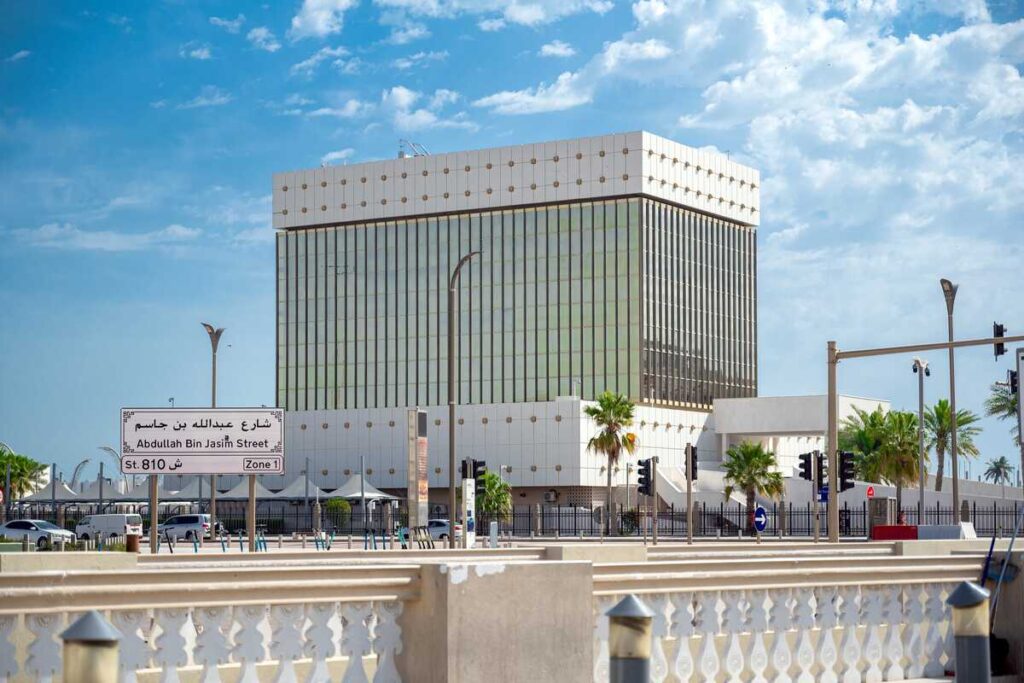
Qatar Central Bank (QCB) joined the Gulf Payments System “AFAQ”, operated by the Gulf Payments Company (GPC), which is owned by the GCC central banks. Doha Bank, Qatar International Islamic Bank, and Dukhan Bank have also joined “AFAQ” as the first commercial banks from Qatar to participate in the system, bringing the total number of participating banks across the GCC to 74 banks to date. Financial transfers between QCB and the participating GCC banks have successfully commenced. With QCB joining “AFAQ”, all GCC central banks are now participating in the system. The onboarding of the remaining commercial banks is being carried out in successive phases in line with the agreed programme.
New Wealth Fund to Boost Domestic Investment in Qatar
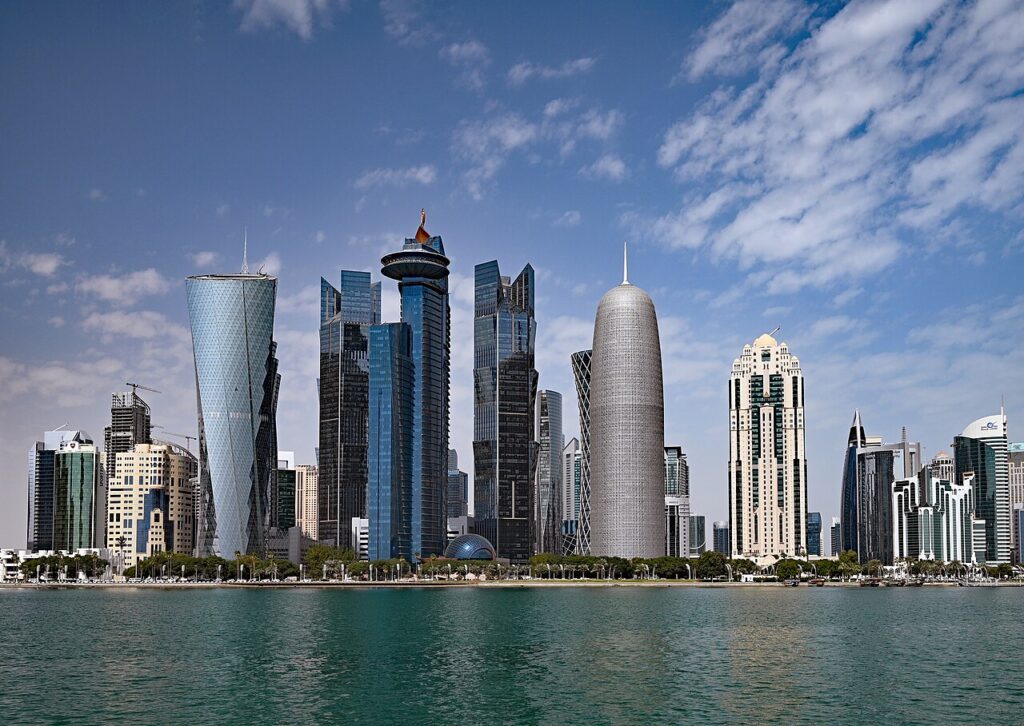
Qatar’s financial technology market is experiencing rapid expansion, fuelled by widespread digital adoption, robust infrastructure, and aggressive regulatory support. According to a report by research and consultancy solutions group IMARC, the Qatar fintech market is projected to amount to US S$2.07 billion (QR7.55 billion) by 2034, expanding at a compound annual growth rate (CAGR) of 15.96 percent between 2026 and 2034. Researchers noted that the sector reached US$526.6 million (QR1.9 billion) last year, highlighting a dramatic shift in how consumers and businesses engage with financial services, propelled by mobile wallets, contactless payments, blockchain technology, and clear frameworks for open banking and Islamic fintech. The report said, “The adoption of digital payments in Qatar has accelerated sharply, supported by consumer demand for convenience and continued investment in payment infrastructure.” Driven by consumer demand for convenience, Point-of-Sale (POS) transaction volumes surpassed 32 million in March 2024 alone, reflecting a widespread move away from cash. QR-code payments, e-wallets, and instant transfer systems are increasingly complementing traditional card channels. Retailers, transportation services, and small merchants across the country are rapidly adopting contactless checkout systems, a shift actively encouraged by both evolving consumer habits and regulatory guidance from the Qatar Central Bank. Public-private initiatives are also playing a key role in nurturing this ecosystem as platforms like the Qatar FinTech Hub, combined with the central bank’s regulatory sandboxes and streamlined licensing arrangements, are lowering barriers to entry for emerging startups. Beyond retail payments, Qatar is heavily focused on leveraging fintech to empower small and medium-sized enterprises (SMEs). Government agencies are joining forces with fintech providers to equip businesses with tailored commercial wallets, bulk payment engines, and simplified account management systems. “Digital payment infrastructure upgrades and regulatory support are enabling service providers to reach underserved segments, including smaller enterprises that traditionally faced higher barriers,” the report said. “Enhanced digital identity systems, integrated regulatory oversight, and financial incentives are also helping to reduce friction in SME financial operations.” Market experts stress that the country is building its financial sector with robust regulatory frameworks meant to promote financial innovation and digital banking. The report further added that “The Qatar Central Bank released its Digital Banks Regulatory Framework in December 2024, reaffirming its vision for empowering digital banks that can provide services through online platforms and mobile apps.”
Investment Giant Brings Together 40+ Companies in Qatar
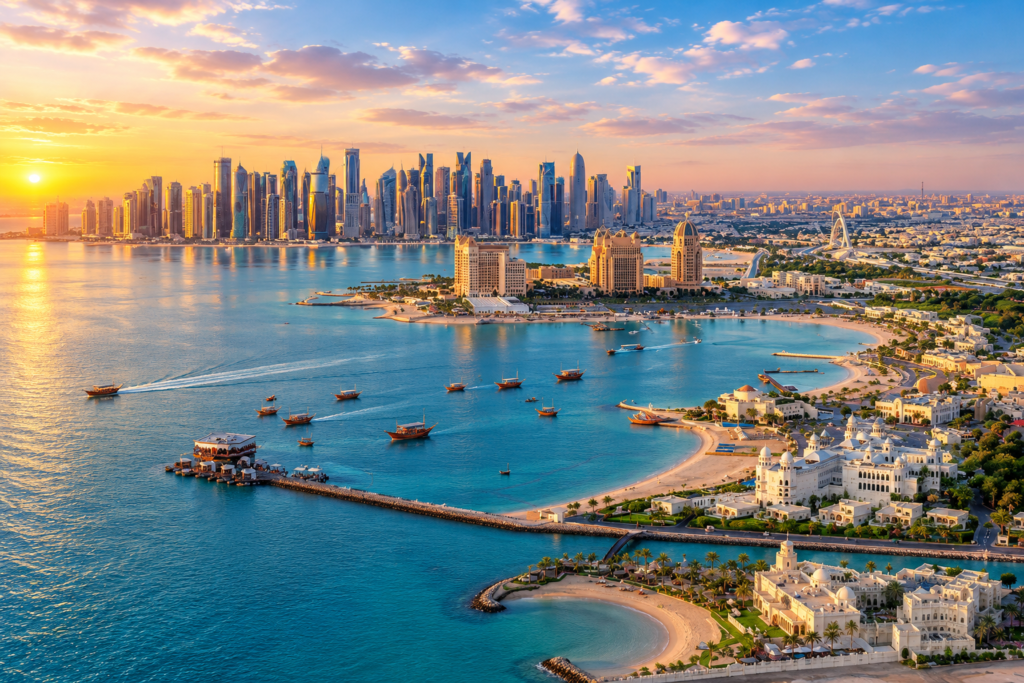
Qatar has launched a new investment platform managing more than 40 companies including Qatar Airways, QNB, Ooredoo, Qatari Diar and Katara Hospitality as the country targets its next phase of economic growth. Doha Investment, wholly owned by Qatar Investment Authority (QIA) will take responsibility for the sovereign wealth fund’s portfolio of domestic investments and operate with its own mandate and board. The portfolio reaches more than 80 markets worldwide and spans financial services, aviation and logistics, telecommunications and technology, real estate, hospitality, food and agriculture. More than 20 of the companies under Doha Investment generated revenues exceeding QR1 billion (US$275 million) in 2025. Sheikh Mohammed bin Abdulrahman bin Jassim Al Thani, Prime Minister and Minister of Foreign Affairs and Chairman of Doha Investment, announced the new platform at the Qatar Economic Forum: UNGA Special Edition in New York. Qatar launches Doha Investment Major companies managed through the new platform include: Qatar Airways QNB Group Ooredoo Group Qatari Diar Katara Hospitality Hassad Food Doha Investment has been established to grow Qatar’s existing national champions while developing new companies in priority non-hydrocarbon sectors and increasing private-sector participation in the economy. QR1 BILLION (US$275 MILLION) REVENUES GENERATED BY MORE THAN 20 OF THE COMPANIES UNDER DOHA INVESTMENT
Qatar’s Wealth Fund Creates a New Domestic Investment Division
Qatar’s prime minister announced recently the creation of a new division of the Qatar Investment Authority dedicated to developing domestic investments, marking a new direction for a sovereign wealth fund long focused on building wealth overseas. Qatar is facing financial strain due to the US-Israeli war in Iran and the effective closure of the Strait of Hormuz, which has made it impossible for it to reliably export liquefied natural gas – still Qatar’s primary income source despite efforts to diversify the economy. “We aim to expand the role of the private sector in driving Qatar’s economic growth,” Qatar’s Prime Minister and Minister of Foreign Affairs Sheikh Mohammed bin Abdulrahman Al Thani said as he announced the new division, Doha Investment, at a special edition of the Qatar Economic Forum in New York. The annual gathering was cancelled in May, following weeks of Iranian missile and drone attacks on Gulf states, including Qatar. “It will support our strongest companies, help emerging businesses grow, deepen capital markets and attract international capital and expertise to contribute to this effort,” he added. The new division will operate as the dedicated manager of QIA’s local portfolio, initially overseeing 45 state-owned enterprises that represent roughly one-third of the wealth fund’s total assets, according to Sheikh Faisal bin Thani Al Thani, Qatar’s minister of commerce and industry. He will serve as managing director and vice-chairman of Doha Investment. Sheikh Faisal described the division not as a new creation but a consolidation, adding that the step has been under consideration for more than a decade. The QIA, which does not release comprehensive data on its holdings but is estimated by the research firm Global SWF to have assets under management of US$580 billion (QR2.1 billion), was established in 2005 with an original charter centred on deploying capital abroad. It has built up a domestic footprint in recent years, scaling up companies that have become national leaders, including Qatar Airways, lender QNB and telecoms company Ooredoo, developer Qatari Diar and hotels owner Katara Hospitality. The new division’s mandate also spans strengthening and building new national champions, supporting privatisation, widening private-sector participation and diversifying Qatar’s economy, Sheikh Faisal said.
US$137 E-Commerce Licence Opens New Opportunities in Qatar
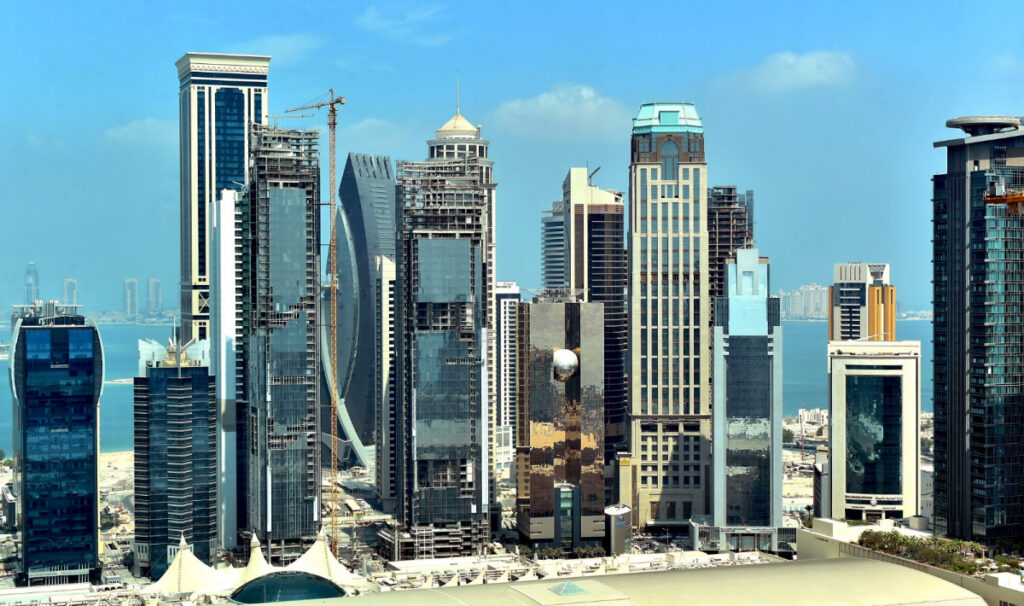
Qatar has launched a new QR500 (US$137) e-commerce licence covering 194 approved business activities as part of a major expansion of digital services for companies and entrepreneurs. The new licence allows businesses to establish and operate e-commerce activities entirely online by licensing the website designated for the activity in Qatar. Applications can also be submitted online, with the Ministry of Commerce and Industry (MOCI) saying the system is designed to simplify requirements for starting digital businesses and help new ventures enter the market. The new licence forms part of a wider package of new and upgraded digital services announced by MOCI aimed at streamlining business formation, operations and access to government services. The package includes an updated MOCI website, a revamped Qatar Business Map and an upgraded app providing additional online business services. The new Qatar Business Map includes search and analytical tools allowing investors and entrepreneurs to examine business activities and establishments, market data and indicators and the geographical distribution of commercial activities. Businesses can use the platform to research markets and identify potential locations for new ventures. MOCI has also introduced a digital certificates service through its app. Business owners, auditors and company representatives can use it to obtain eight commonly used certificates and extracts. Users can select the required document, make the payment and receive the certificate digitally. A new business renewal service allows companies to review their information, complete requirements, submit and track applications and make payments online. The latest measures follow a series of business reforms introduced by MOCI during 2026. These include the Companies Regulatory Record Report and Business Advisory and Establishment Office, as well as the integration of banking services through the One-Stop Platform. Qatar has also modernised its business activity classification system in line with the Unified Classification Guide for Economic Activities across GCC countries.
Qatar Export Unit Value Index Rises 17.64%
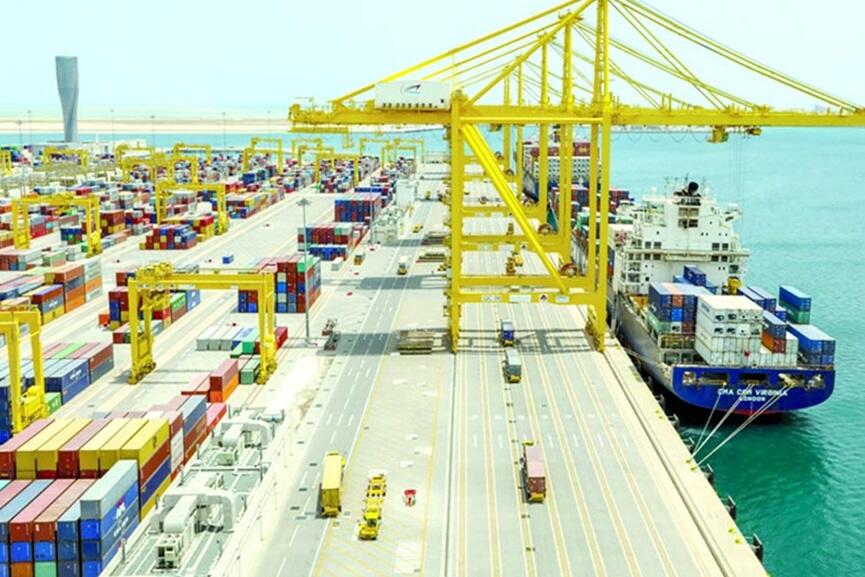
Qatar’s Export Unit Value Index rose 17.64 percent in the second quarter of 2026 compared with the corresponding quarter of 2025, according to figures released by the National Planning Council. The index also increased 6.45 percent compared with the first quarter of 2026. The National Planning Council said the rise reflects higher unit values of exported goods amid regional economic and geopolitical challenges and volatility in global markets and supply chains. The index uses 2018 as its base year. Mineral fuels, lubricants and related materials carry the largest relative weight at 88.77 percent, followed by chemicals and related products at 8.04 percent and manufactured goods classified chiefly by material at 2.63 percent. Together, the three groups account for around 99.5 percent of the index’s total weight. Compared with the first quarter of 2026, eight main groups recorded increases. Chemicals and related products led with a 34.73 percent rise, followed by mineral fuels, lubricants and related materials at 4.25 percent, manufactured goods classified chiefly by material at 3.31 percent, and crude materials, inedible, except fuels at 3.14 percent. Miscellaneous manufactured articles increased 1.92 percent, beverages and tobacco 1 percent, machinery and transport equipment 0.50 percent, and food and live animals 0.46 percent. Commodities and transactions not classified elsewhere in the Standard International Trade Classification declined 1 percent, while animal and vegetable oils, fats and waxes remained unchanged. On an annual basis, six groups increased. Chemicals and related products rose 35.94 percent, mineral fuels, lubricants and related materials 16.14 percent, manufactured goods classified chiefly by material 14.46 percent, crude materials, inedible, except fuels 7.38 percent, food and live animals 5.26 percent, and commodities and transactions not classified elsewhere 0.56 percent. 17.64 PERCENT: THE RISE OF QATAR’S EXPORT UNIT VALUE INDEX IN THE SECOND QUARTER OF 2026
Qatar Removed from Fitch Negative Watch List
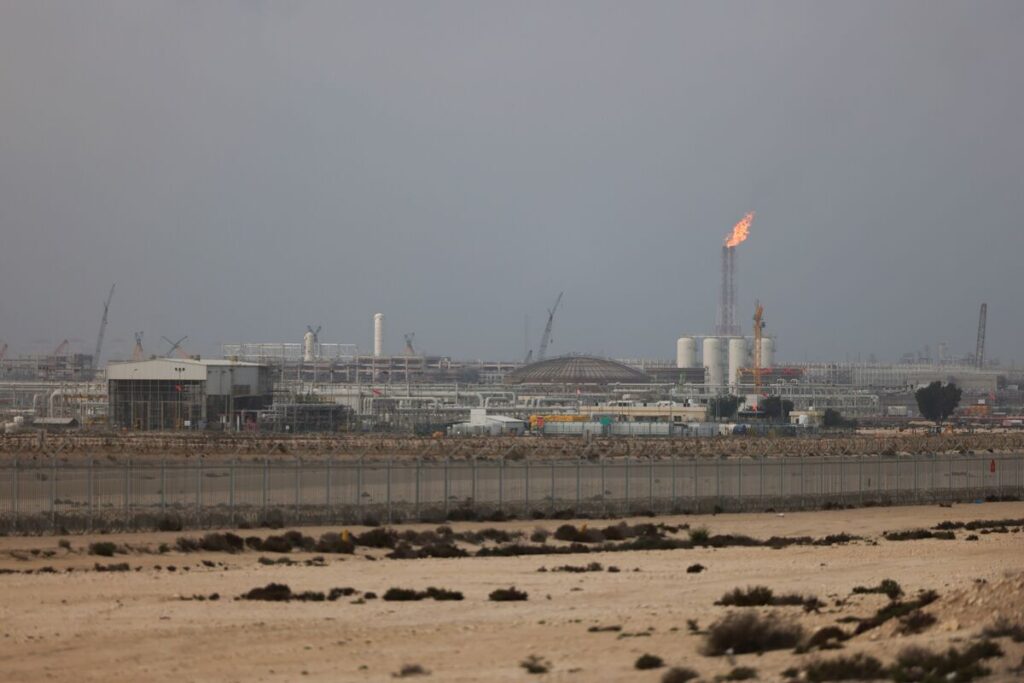
SOVEREIGN RATING OF QATAR FROM FITCH RATINGS Fitch Ratings has removed Qatar from “Rating Watch Negative” while maintaining its sovereign rating at AA amid the US-Israel war on Iran and the Strait of Hormuz blockade. The global ratings agency announced the decision recently, citing reduced risks to the country’s liquefied natural gas (LNG) facilities since March. The agency, however, kept a negative outlook on the rating, citing ongoing risks surrounding the movement of gas exports through the blockaded Strait of Hormuz. “The impact of the war on the credit profile will take longer to discern,” the agency said in a statement. Qatar, one of the world’s largest gas exporters, continues to face export disruptions and shortages caused by damaged energy facilities during the war on Iran, which began six months ago. Earlier this year, credit agencies S&P and Moody’s also affirmed Qatar’s ratings, noting that the country’s sizeable financial cushion helps protect it from the economic impact of the war.