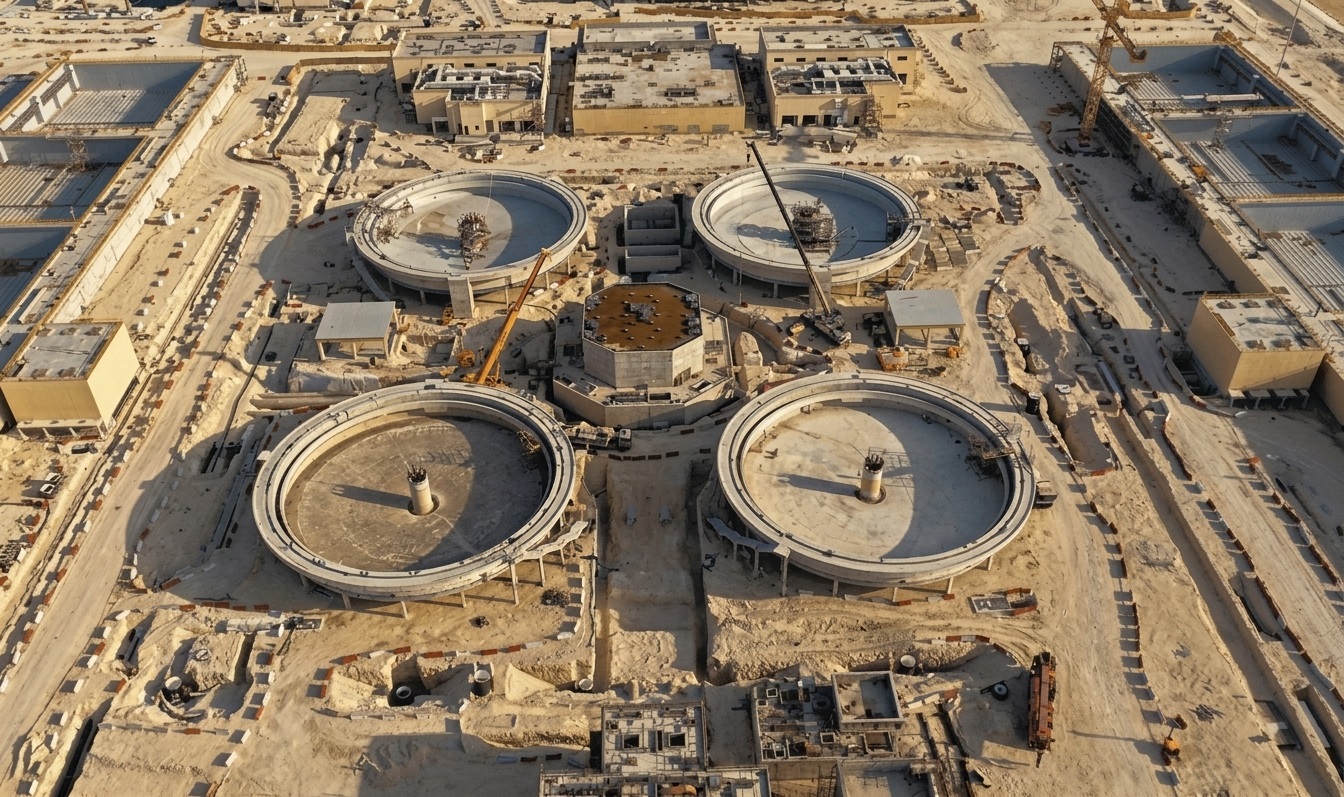

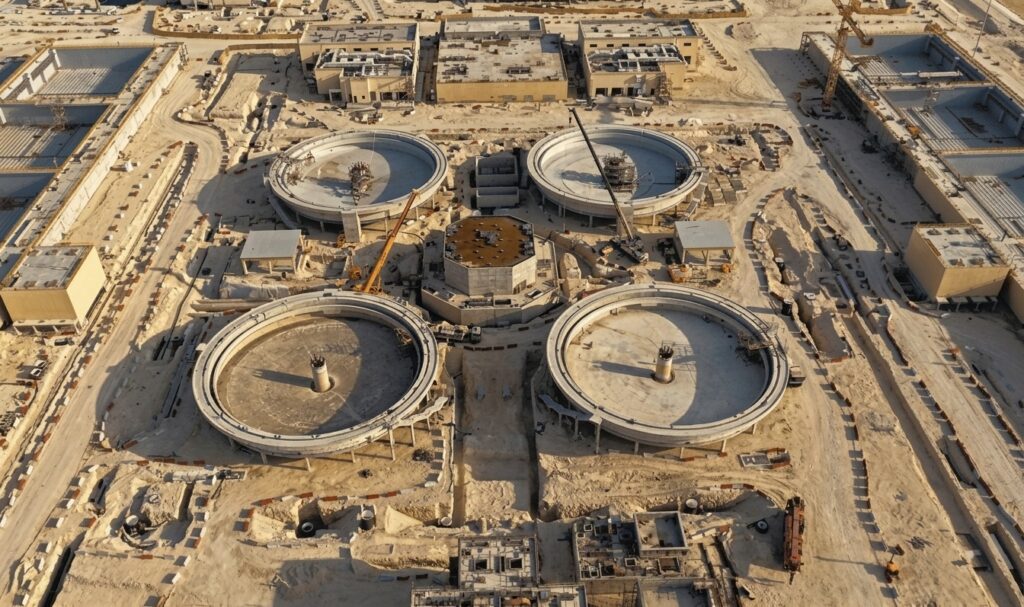
Around 65% of work on Doha South Sewage Treatment Plant (Phase 1) has been completed, Qatar’s Public Works Authority (Ashghal) confirmed.
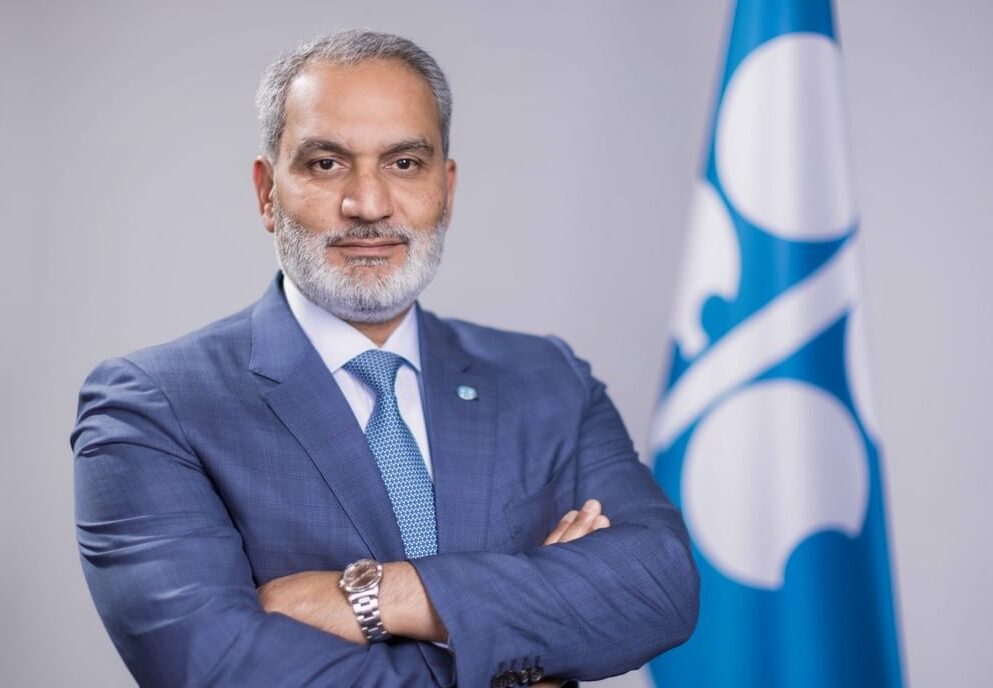
Ashghal President HE Eng. Mohammed bin Abdulaziz Al Meer toured the site along with senior officials who have been monitoring progress.
Al Meer toured the site to see the key areas of the plant and the various sewage treatments, sludge handling and energy recovery systems. He was also provided with regular updates on the progress of the project including installation of plant and equipment plus future expansions. Al Meer stressed the importance of sticking to the schedule of the project ensuring the plant is completed to the correct standard.
The President noted how the Doha South Sewage Treatment Plant is key to the development of Qatar and is a public private partnership (PPP) project with around QAR 6.3 billion invested (around QAR 2.3 billion from foreign investment). This project has become an important step in increasing private sector involvement in large infrastructure developments within the country.
Boosting the Local Economy through a Long-Term Partnership
The project will provide an integrated wastewater treatment system for over 300,000 residents in the southern area of the country. Treated water will also be produced to international standards helping improve efficiency and supporting the country’s environmental sustainability.
The Doha South Sewage Treatment Plant will be the first sewage treatment development in Qatar to be completed through a PPP.
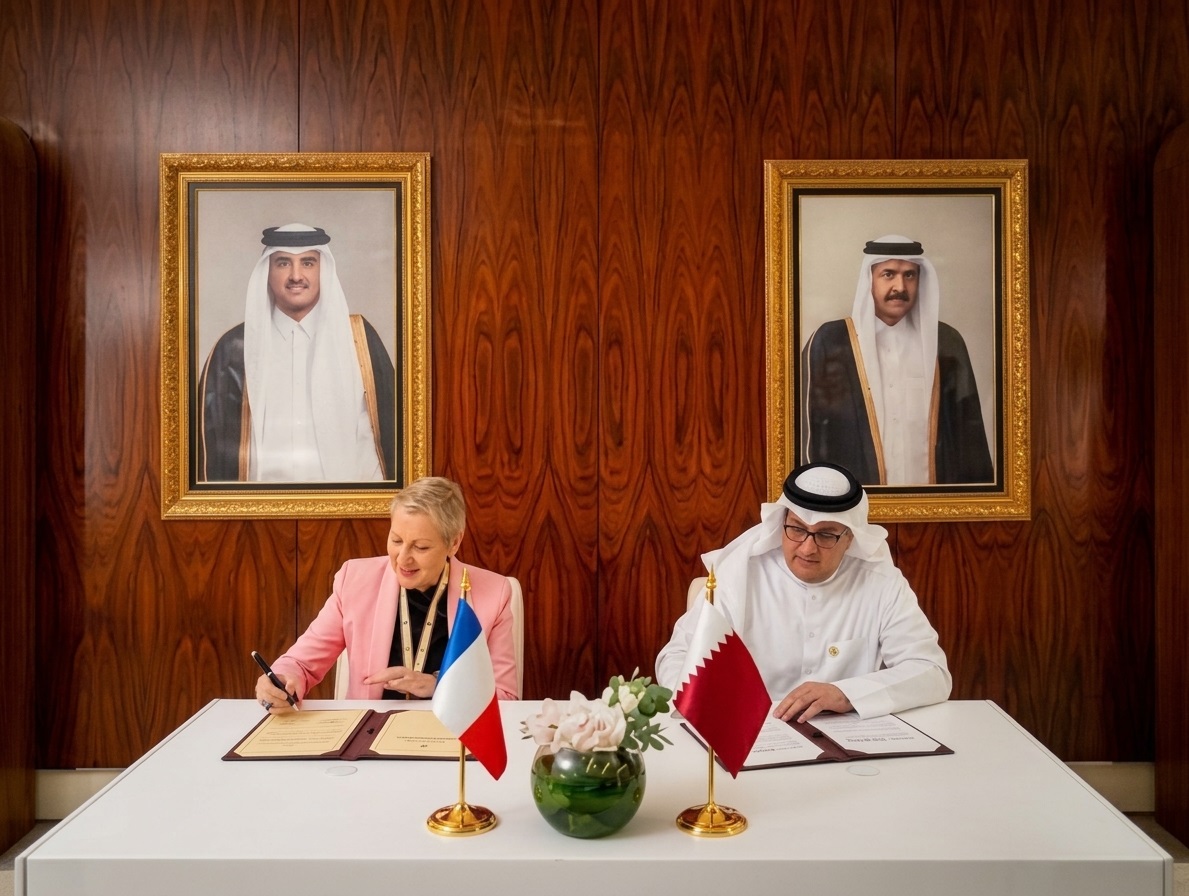
The plant will be designed, funded and built before being operated and maintained by the developer for 25 years. After these 25 years, Ashghal will take control of operating and maintaining the plant using the same treatment technologies.
The project has also provided opportunities for local companies to work on the project. As the project expands further, there will be even more opportunities for Qatari businesses to get involved.
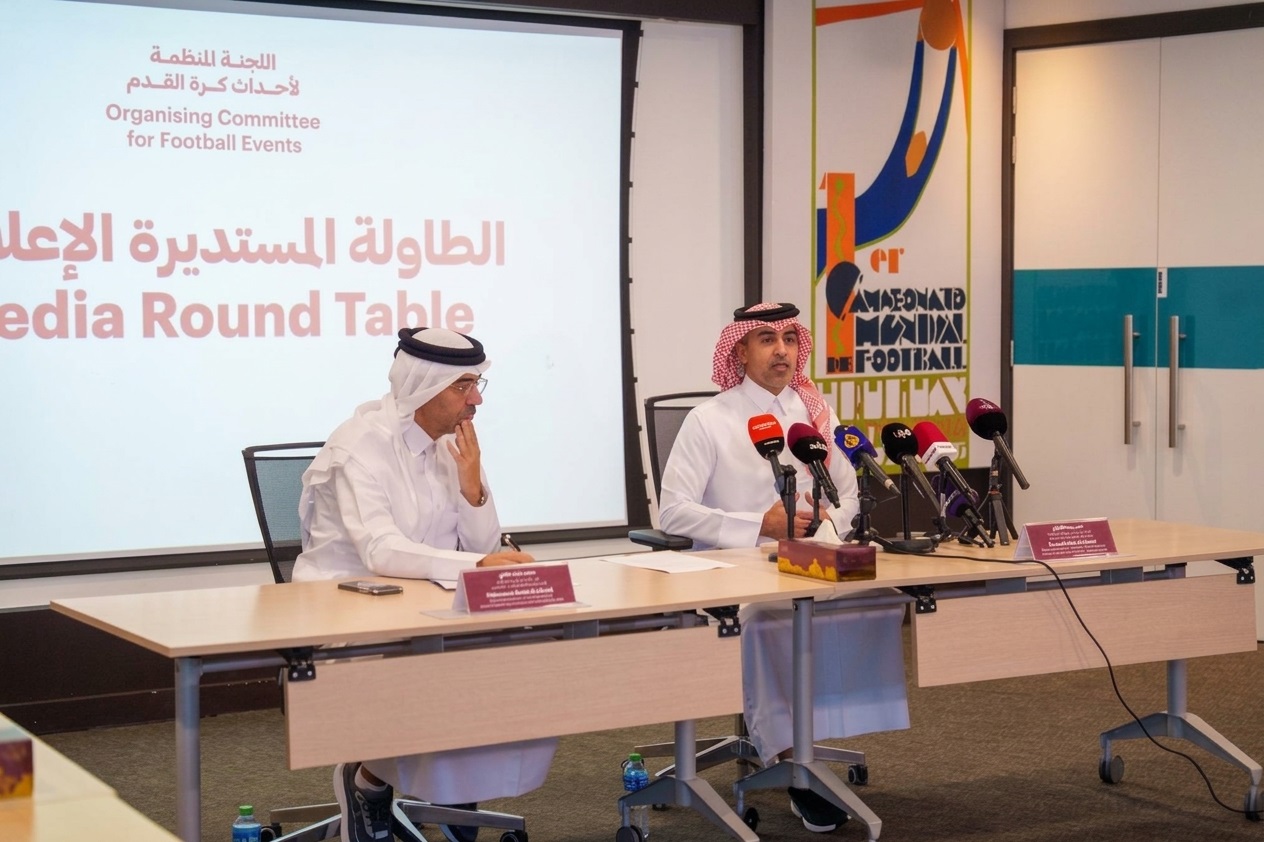
“The biggest shareholder in the consortium are working with our partners to fund and build the project. We have decades of experience combined with local and international technical expertise. We are also working with local Qatari suppliers and contractors to increase their capabilities moving forward,” said Abdulaziz bin Mohammed Al Attiyah, Chairman of Al Attiyah Company.
Advanced Infrastructure
Phase 1 of the project will be able to treat 150,000 cubic metres of sewage per day. The infrastructure will allow the plant to expand in the future to provide treatment of 600,000 cubic metres per day.
The wastewater will come from the Main Trunk Sewer (MTS) which was developed by Ashghal. The MTS will collect wastewater from Al Wakra, Al Wukair and Al Mashaf. Some wastewater will also come from the Industrial Area.
The main Treatment Plant has filters buried over 60 metres underground. It can treat 600,000 cubic metres of wastewater per day. The main pumping station will pump up to 150,000 cubic metres of wastewater per day from the inlet and primary Treatment Plant.
It will also have secondary and tertiary treatment plants, sludge treatment, energy recovery and odour control. The treated water will be pumped from a pumping station providing up to 600,000 cubic metres per day.
The project is due to be completed in the second quarter of 2028.
Improved Water Reuse through Advanced Treatments
The plant will include various treatments such as primary, secondary and tertiary treatments, ultra filtration and UV and Chlorine disinfection.
This means the treated water will be to an international standard. This will help reduce the amount of desalinated water needed by reusing the water. This reduces the amount of energy needed to produce the water and increases the efficiency of water in Qatar.
The treated water will be suitable for irrigation of public parks, green areas, ornamental plants, non-fruit trees and fodder farms. It can also be used for cooling, sand washing and dust suppression.
If there is any excess treated water, it will go into lagoons.
Meeting Qatar National Vision 2030 Environmental Goals
The plant will also help recover energy through anaerobic digestion. Organic materials in the sludge will be broken down to produce biogas.
This biogas will be used to generate electricity and heating for the treatment plants. This will reduce the amount of energy needed to run the plant from the main electricity grid.
This project supports Qatar National Vision 2030. The environmental development goals aim to ensure the economy grows without harming the environment.
It also supports Qatar’s Third National Development Strategy 2024-2030. This includes improvements to water and energy efficiency, advanced environmental technology and reduced emissions.