
For almost a decade, Qatar’s office real estate market has been shaped by oversupply. A major development boom significantly expands office stock in Doha, first in West Bay and later in Lusail, creating a market where supply outpaces organic demand.
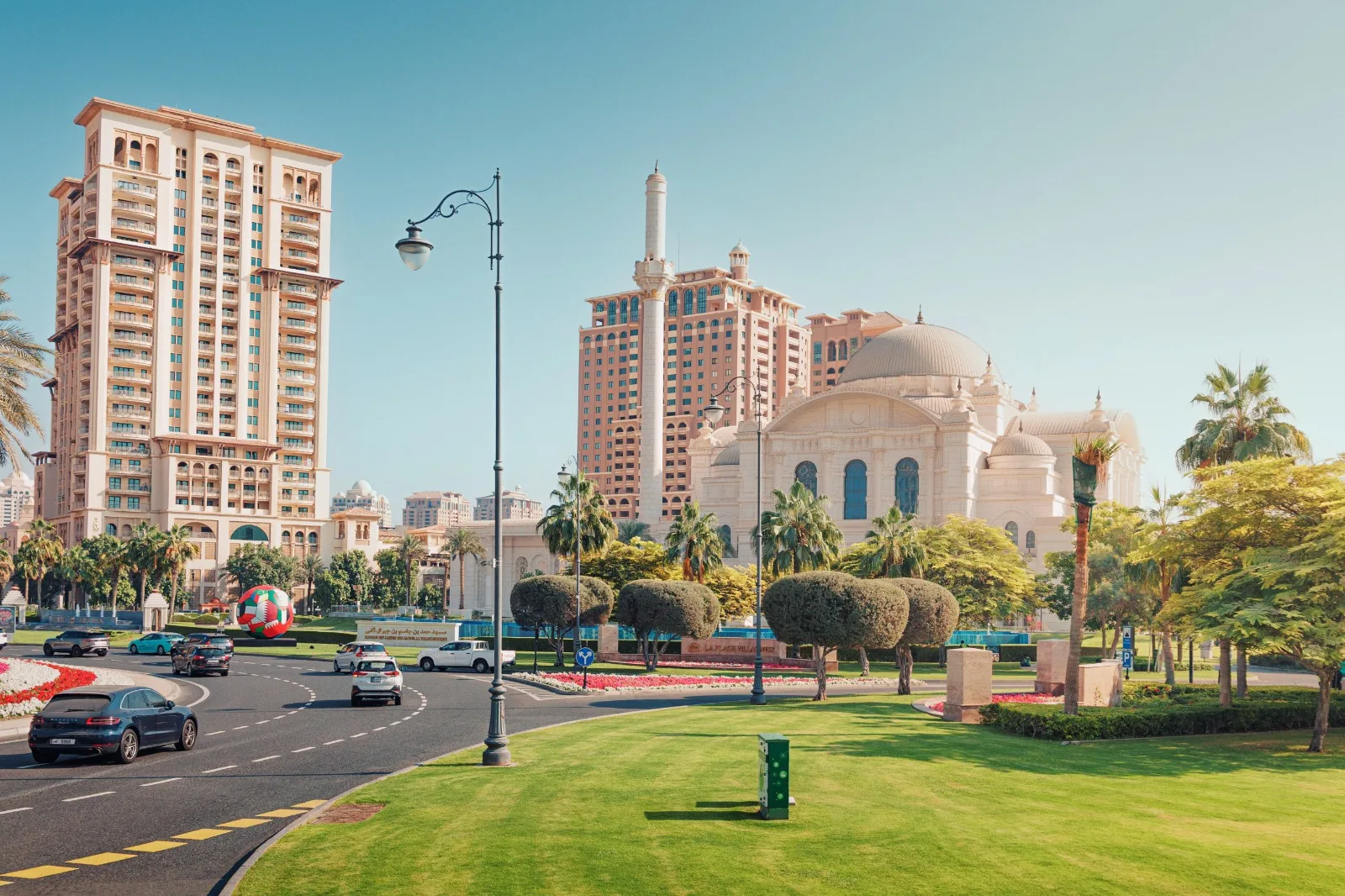
Before this era of rapid expansion, office space in Doha was spread across areas such as Old Salata, Al Sadd, and along Grand Hamad Street, which traditionally served as the city’s central business district. The rise of West Bay’s landmark commercial towers along the Corniche marks a major turning point. Government entities and private companies are increasingly relocating to this new business hub, leaving much of the older office stock incentral Doha underutilised or vacant.
A Market Defined by Oversupply
The scale of new development quickly outpaces demand. When global oil prices fell in 2015, market momentum weakened, and the combination of growing supply and softer demand ledto a sharp correction in rental levels.
At the same time, many older office buildings in central Doha face growing challenges. These assets no longer meet the expectations of modern occupiers, particularly those seeking efficient layouts, advanced infrastructure, and stronger brand positioning. As a result, functional obsolescence becomes a serious issue, and many older properties experience prolonged vacancy.
As the extent of oversupply becomes clearer, developers begin to delay or abandon plans for new office projects. In Lusail, several plots originally designated for office development are instead converted into residential schemes, as apartments present a stronger and more reliable business case in a market where office rents remain under pressure.
Prime Office Demand Is Now Tightening
Over the past two years, however, market conditions have begun to shift.
While older and secondary office stock continues to struggle, demand becomes increasingly concentrated in prime Grade A space across West Bay, Lusail, and Msheireb Downtown. Increased take-up by government-related occupiers helps push availability in these premium locations below 10 per cent.
This tightening is particularly significant for larger occupiers. With much of the remaining pipeline in Lusail Towers and along Lusail Boulevard already reserved, the number of options for businesses seeking more than 5,000 square metres of high-quality office space is rapidly shrinking.
That change raises a serious question for Qatar’s commercial real estate sector: after years of caution, is Doha reaching the point where new office development becomes viable again?
The Business Case Is Strengthening — But Timing Matters
The case for new office development in Doha is certainly becoming stronger. Prime space is tightening, demand for modern Grade A offices remains resilient, and upward pressure on rents is beginning to emerge.
That said, current rental levels still do not fully justify the high cost of construction. For developers, this means that while the fundamentals are improving, the numbers are not yet entirely straightforward.
The next few years may prove decisive. In the absence of a meaningful future pipeline, a well-positioned office development delivered within four to five years could enter the market at exactly the right moment. Such a move, however, still carries an element of speculation and risk, particularly if broader economic conditions or occupier trends change.
A New Cycle for Doha’s Commercial Marke
What appears increasingly clear is that Doha’s office development cycle is likely to re-emerge, shaped by evolving occupier requirements and a more mature commercial landscape.
The city is no longer simply dealing with oversupply in broad terms. Instead, the market is becoming more segmented. Older, less efficient buildings continue to struggle, while prime, future-ready office space in the right locations becomes increasingly scarce.
That distinction matters. It suggests that the next wave of office development in Doha is unlikely to resemble the last. Future projects will need to be carefully positioned, aligned with tenant expectations, and designed with flexibility, quality, sustainability, and long-term demand in mind.
The more interesting question now is no longer whether new office development will return to Doha.
It is who moves first.
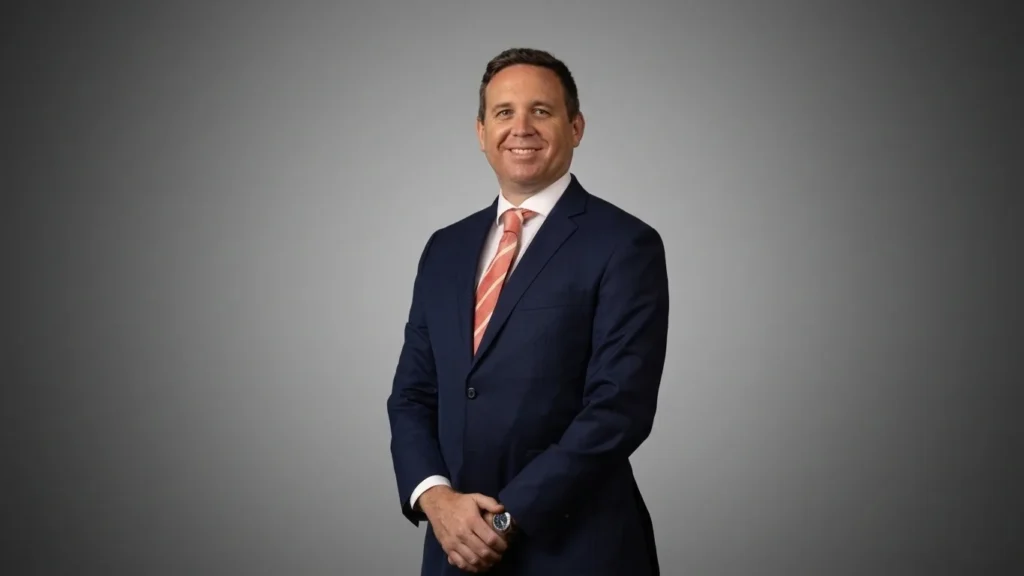
By Johnny Archer
Member of the Royal Institution of Chartered Surveyors and Partner at Cushman & Wakefield Qatar. Archer has worked in the Middle East since 2013 and leads Cushman & Wakefield’s Consulting and Research department in Qatar.