

Is It Time to Consider Building New Offices in Doha?
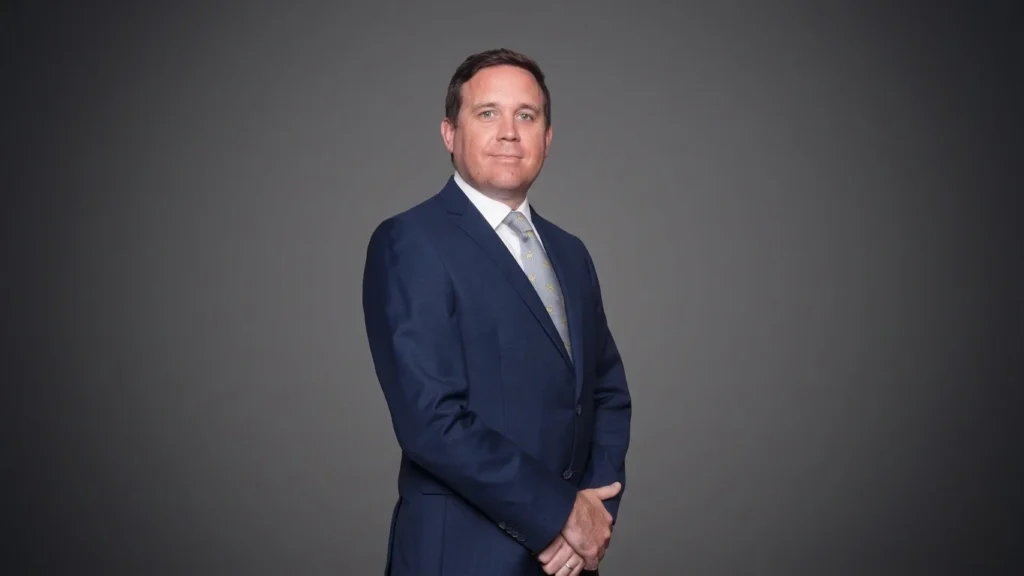
Reading Time: 3 minutesFor almost a decade, Qatar’s office real estate market has been shaped by oversupply. A major development boom significantly expands office stock in Doha, first in West Bay and later in Lusail, creating a market where supply outpaces organic demand. Before this era of rapid expansion, office space in Doha was spread across areas such as Old Salata, Al Sadd, and along Grand Hamad Street, which traditionally served as the city’s central business district. The rise of West Bay’s landmark commercial towers along the Corniche marks a major turning point. Government entities and private companies are increasingly relocating to this new business hub, leaving much of the older office stock incentral Doha underutilised or vacant. A Market Defined by Oversupply The scale of new development quickly outpaces demand. When global oil prices fell in 2015, market momentum weakened, and the combination of growing supply and softer demand ledto a sharp correction in rental levels. At the same time, many older office buildings in central Doha face growing challenges. These assets no longer meet the expectations of modern occupiers, particularly those seeking efficient layouts, advanced infrastructure, and stronger brand positioning. As a result, functional obsolescence becomes a serious issue, and many older properties experience prolonged vacancy. As the extent of oversupply becomes clearer, developers begin to delay or abandon plans for new office projects. In Lusail, several plots originally designated for office development are instead converted into residential schemes, as apartments present a stronger and more reliable business case in a market where office rents remain under pressure. Prime Office Demand Is Now Tightening Over the past two years, however, market conditions have begun to shift. While older and secondary office stock continues to struggle, demand becomes increasingly concentrated in prime Grade A space across West Bay, Lusail, and Msheireb Downtown. Increased take-up by government-related occupiers helps push availability in these premium locations below 10 per cent. This tightening is particularly significant for larger occupiers. With much of the remaining pipeline in Lusail Towers and along Lusail Boulevard already reserved, the number of options for businesses seeking more than 5,000 square metres of high-quality office space is rapidly shrinking. That change raises a serious question for Qatar’s commercial real estate sector: after years of caution, is Doha reaching the point where new office development becomes viable again? The Business Case Is Strengthening — But Timing Matters The case for new office development in Doha is certainly becoming stronger. Prime space is tightening, demand for modern Grade A offices remains resilient, and upward pressure on rents is beginning to emerge. That said, current rental levels still do not fully justify the high cost of construction. For developers, this means that while the fundamentals are improving, the numbers are not yet entirely straightforward. The next few years may prove decisive. In the absence of a meaningful future pipeline, a well-positioned office development delivered within four to five years could enter the market at exactly the right moment. Such a move, however, still carries an element of speculation and risk, particularly if broader economic conditions or occupier trends change. A New Cycle for Doha’s Commercial Marke What appears increasingly clear is that Doha’s office development cycle is likely to re-emerge, shaped by evolving occupier requirements and a more mature commercial landscape. The city is no longer simply dealing with oversupply in broad terms. Instead, the market is becoming more segmented. Older, less efficient buildings continue to struggle, while prime, future-ready office space in the right locations becomes increasingly scarce. That distinction matters. It suggests that the next wave of office development in Doha is unlikely to resemble the last. Future projects will need to be carefully positioned, aligned with tenant expectations, and designed with flexibility, quality, sustainability, and long-term demand in mind. The more interesting question now is no longer whether new office development will return to Doha. It is who moves first. By Johnny ArcherMember of the Royal Institution of Chartered Surveyors and Partner at Cushman & Wakefield Qatar. Archer has worked in the Middle East since 2013 and leads Cushman & Wakefield’s Consulting and Research department in Qatar.
Qatar’s Women Are Already Building the Nation Today, Alongside Men
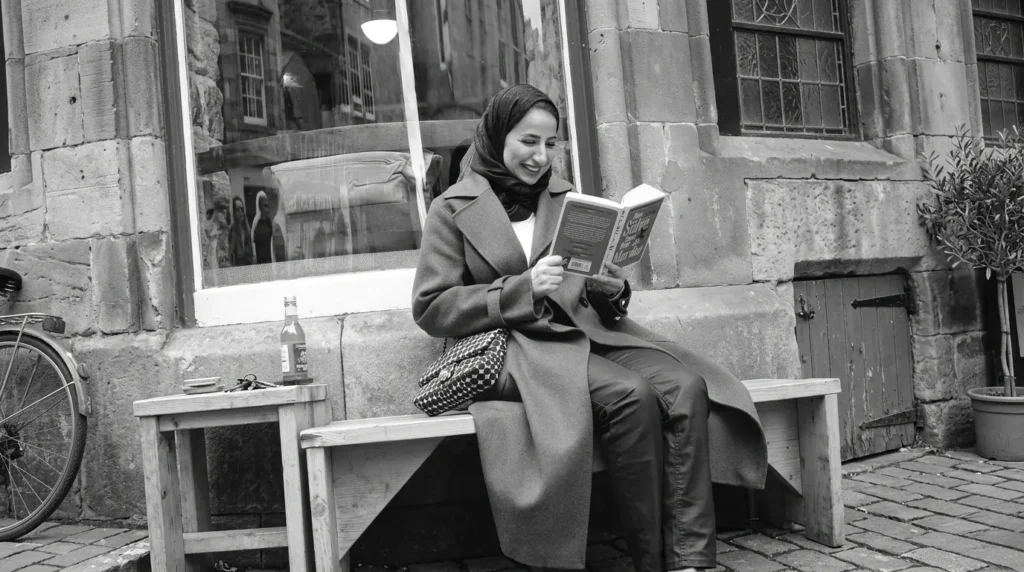
Reading Time: 4 minutesDr Buthaina Al Janahi, Media Relations & Communications Senior Manager at Visit Qatar, shares her journey across research, partnerships, culture, and tourism — and explains why Qatari women are not waiting for empowerment, but are already shaping the nation’s future. In Qatar’s evolving professional landscape, women continue to play a central role in shaping institutions, industries, and national progress. Among them is Dr Buthaina Al Janahi, Media Relations & Communications Senior Manager at Visit Qatar, whose career reflects a powerful blend of research, strategic partnerships, cultural understanding, and public communication. With a career path spanning research, stakeholder engagement, culture, and tourism, Dr Al Janahi represents a modern Qatari professional who balances intellectual depth with practical impact. In this conversation with Business Leaders, she discusses the lessons that have shaped her journey, the advice she offers to younger women, and why she believes Qatari women are already building the nation side by side with men. A Career Built on Research, Strategy, and Cultural Understanding Dr Al Janahi says her career began in research, where she developed a strong interest in analytical work, particularly in understanding institutional structures and state-level reforms through a strategic and research-driven lens. That early stage shapes the way she approaches systems, governance, and long-term transformation. After several years, she moves into partnerships, a role that broadens her perspective on how institutions collaborate and build sustainable stakeholder relationships, whether for short-term initiatives or long-term strategic alliances. She explains that this stage strengthens her communication skills, sharpens her outlook, and teaches her how to navigate complex stakeholder environments with greater confidence. Her academic and professional interests continue to centre on research, particularly in the fields of culture and social development. She is drawn to understanding internal social transformation and to exploring culture through fresh, multidimensional perspectives. Her eventual transition into tourism marks an important turning point. In that sector, culture becomes something she not only studies but also communicates in practical and public-facing ways. Through tourism, she translates cultural understanding into impact by storytelling, positioning, and national representation. International Women’s Day Is More Than One Day For Dr Al Janahi, International Women’s Day carries a meaning far deeper than a single annual occasion. She says she personally sees it as “Women’s Days” rather than one day, because women’s contributions are visible everywhere — at home, in society, and across every professional field. She strongly believes in women’s intellectual strength, their ability to compete effectively, and the value they bring through multitasking and balancing multiple roles. She also describes women as strategic thinkers by nature, often long-term in their planning, building, and leading. For that reason, she believes women’s strength and impact deserve recognition every day. The Role That Teaches Her the Most Reflecting on the positions that shape her most, Dr Al Janahi says that communications, especially within the tourism sector, teach her the most professionally. She describes it as a highly dynamic environment that requires constant adaptability to the project, the audience, and the broader strategic objective. It also demands a careful balance between flexibility and the protection of brand identity, often across multiple departments and cross-functional teams. On a personal level, she identifies her experience in partnerships as a key turning point. That phase helps her understand different perspectives, appreciate stakeholder priorities, and build essential professional skills from the ground up. It also marks the beginning of her managerial growth and lays the foundation for the leadership journey that follows in communications at Visit Qatar. Her Message to Younger Women As a Qatari woman and published author of three books, including a self-development memoir, Dr Al Janahi offers a message of strength, balance, and self-preservation to younger women. She says one of the strongest lessons she shares is that women are capable of managing many roles while still making space for their own growth. A woman may be a professional, a mother, a daughter, and a sister, wearing many hats at once. While that brings commitment and responsibility, it can also mean temporarily setting aside parts of oneself. But she stresses, that does not mean losing oneself. Dr Al Janahi believes it is important for women to preserve space to express themselves, rediscover who they are, and return to their own ambitions and identity. In her view, it is entirely possible to build a life of responsibility while still creating room for self-development and self-expression. Qatari Women Are Already Building the Nation When asked about the role of women in nation-building over the next decade, Dr Al Janahi offers one of the most powerful insights of the conversation. She says Qatar is not waiting for women to be empowered in nation-building — women are already building the nation today, alongside men. She points to the visibility of women leaders, executives, entrepreneurs, and board members across Qatar, noting that women contribute not only through participation but also through strategic planning and support for the national vision. According to her, the work being done today is already creating the foundation for the next decade. Rather than speaking of women’s future role as something distant, she makes it clear that this reality is already unfolding now. Looking Ahead Looking two years ahead, Dr Al Janahi says she sees herself professionally as a continuous learner — someone eager to grow, challenge herself, and develop through complex situations. She aims to deepen her mastery in her area of expertise while strengthening her strategic thinking through multiple perspectives. On a personal level, she sees herself as an influencer, particularly in the power of culture and language. She believes words shape identity, narratives, and even the way people analyse life. For her, developing one’s own voice and perspective is a way of defining strength, intellectual power, and purpose. Quick Insights from Dr Buthaina Al Janahi Best advice received:Be yourself — and learn every day. Learning never stops. Go-to book in a crisis:What They Don’t Teach You at Harvard Business School by Mark H. McCormack. Role models:A small number of people across personal and