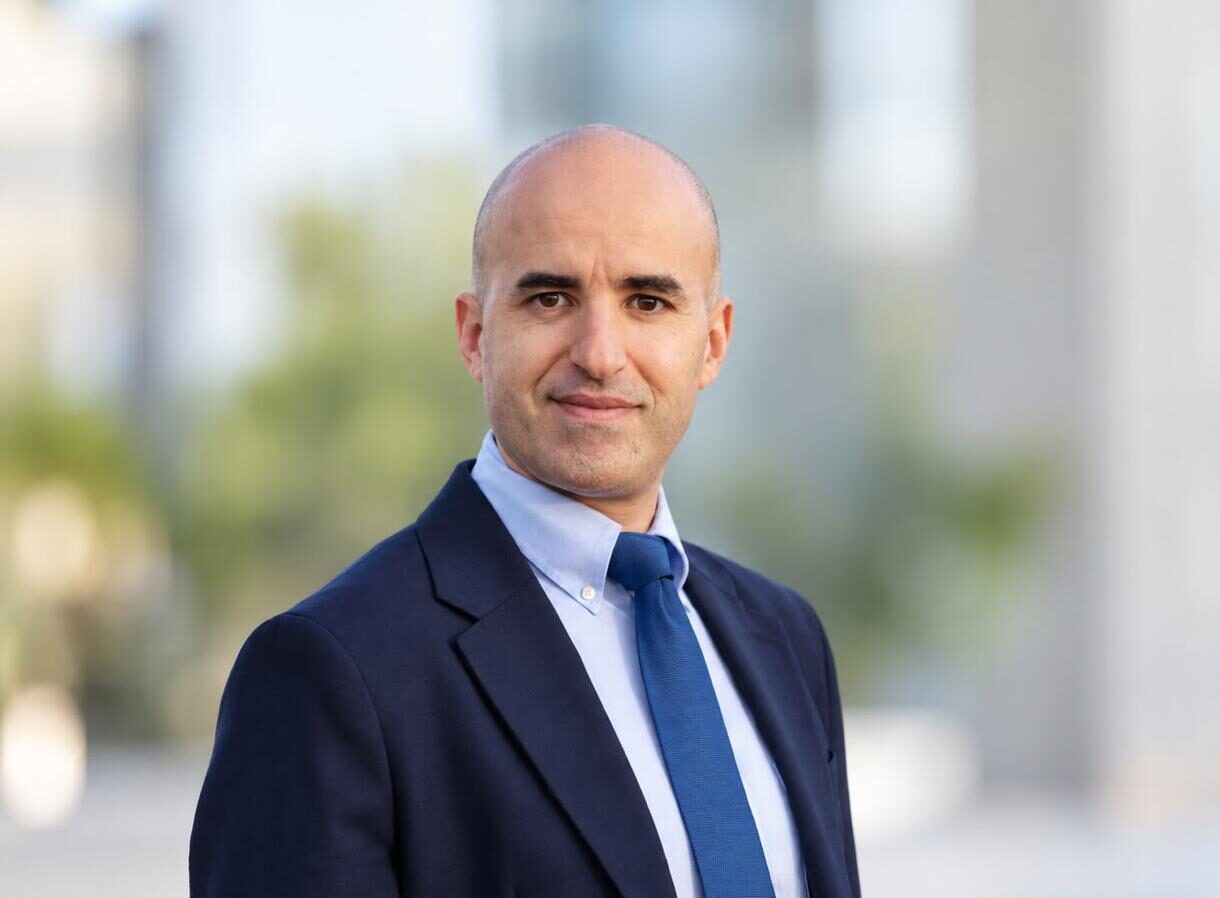

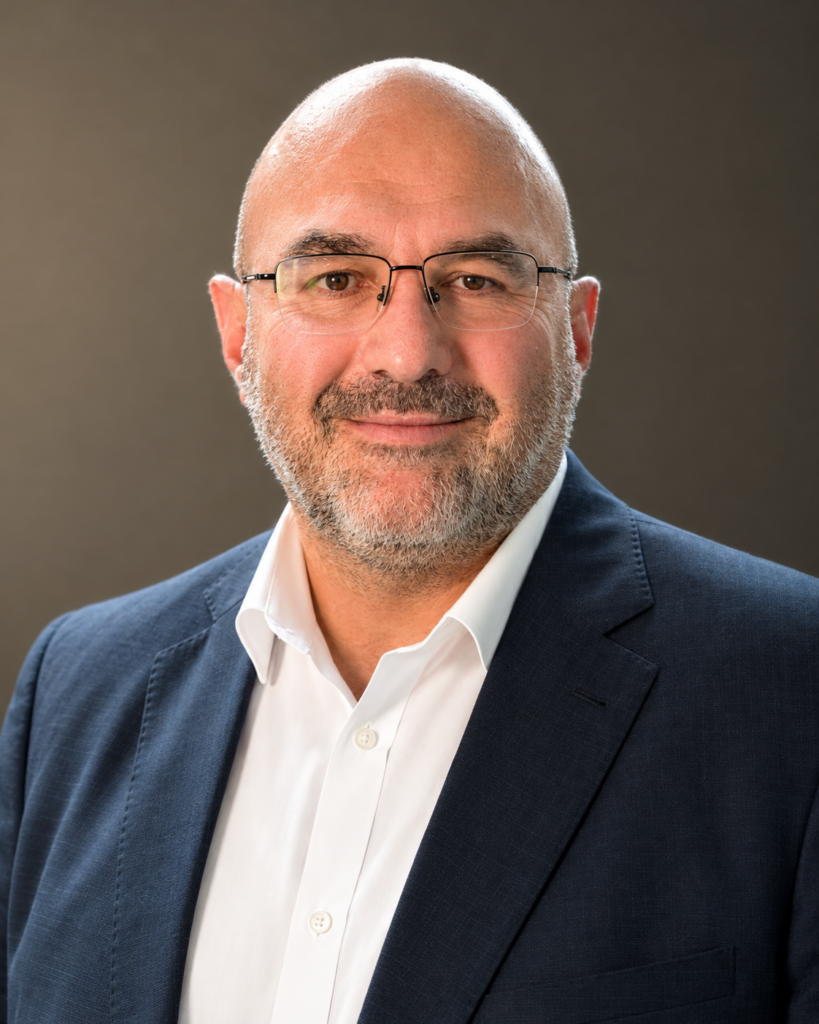
Jawad Jalal Abbassi, head of MENA, GSMA sheds light on future networks and technology programmes that GSMA MENA is working on and with, how Artificial Intelligence is shaping the future networks, how the GSMA ensures sustainable investments in mobile broadband networks and the roadmap ahead for GSMA. By Aparajita Mukherjee
“WITH THE VOLUME OF DATA GENERATED ACROSS MODERN NETWORKS, IT IS BECOMING INCREASINGLY DIFFICULT TO MANAGE EVERYTHING THROUGH TRADITIONAL PROCESSES ALONE. AI CAN HELP OPERATORS IDENTIFY PATTERNS MUCH EARLIER, ANTICIPATE FAULTS, FORECAST DEMAND AND OPTIMISE NETWORK CONFIGURATION AND ENERGY USE.”
“THE GCC HAS MOVED QUICKLY ON 5G, WITH NEARLY HALF OF MOBILE CONNECTIONS NOW ON 5G. THE NEXT PHASE IS ABOUT EXTENDING THAT CAPABILITY INTO LOGISTICS, UTILITIES, MANUFACTURING, SMART INFRASTRUCTURE AND PUBLIC SERVICES.“
That means continuing the evolution towards 5G Standalone and 5G-Advanced, while building the enterprise capabilities and partnerships needed to turn advanced connectivity into services that businesses can actually use.”
FUTURE NETWORKS AND TECHNOLOGY PROGRAMMES UNDER GSMA
Abbassi is unequivocal when he says that he would start with the fact that technology deployment is no longer the most interesting question on its own. The more important question is what we can do with that technology once it is there.
The GCC has moved quickly on 5G, with nearly half of mobile connections now on 5G. The next phase is about extending that capability into logistics, utilities, manufacturing, smart infrastructure and public services.
That means continuing the evolution towards 5G Standalone and 5G-Advanced, while building the enterprise capabilities and partnerships needed to turn advanced connectivity into services that businesses can actually use.
“At the same time, we have to look further ahead. Work on 6G is already beginning globally, which means decisions around spectrum, research and standards cannot wait until commercial deployment is around the corner. MENA should be part of those discussions early and bring the experience of this region into them,” asserts Abbassi.
A lot of GSMA’s work also sits around the technologies that make this wider ecosystem function, according to Abbassi. “That includes IoT and eSIM specifications for connecting and managing devices at scale, GSMA Open Gateway for standardised access to network capabilities, and work around responsible AI, skills and digital inclusion. Our five-year GSMA Advance partnership with Qatar’s Ministry of Communications and Information Technology to support the Qatar Digital Academy is one example of how technology development and capability-building need to move together. MWC26 Doha will provide another opportunity to bring these conversations together and connect the region’s experience with the wider global industry,” says Abbassi.
The measure of progress is not how many new technologies we deploy, but whether they improve productivity, resilience and access in ways that can be sustained, opines Abbassi.
AI SHAPING FUTURE NETWORKS
AI is already changing how operators make decisions about their networks. With the volume of data generated across modern networks, it is becoming increasingly difficult to manage everything through traditional processes alone. AI can help operators identify patterns much earlier, anticipate faults, forecast demand and optimise network configuration and energy use.
“What interests me is the shift from reacting to network conditions to anticipating them. If an operator can identify where congestion is likely to emerge, where equipment may need maintenance or where energy is being used inefficiently before it becomes a problem, that changes both network performance and the economics of running it. As networks become more complex, that capability becomes increasingly valuable,” explains Abbassi.
“At the same time, the relationship works in both directions: AI is changing networks, but the growth of AI across industries will also change what we need from those networks, from supporting time-sensitive industrial applications to handling greater demand for computing, edge capabilities and secure connectivity,” adds Abbassi.
There is a wider commercial opportunity here as well. MENA operators are investing in data centres, cloud platforms and AI infrastructure, which creates opportunities to support businesses adopting AI rather than simply using it internally. That could include computing infrastructure, secure data services and industry-specific solutions across sectors such as energy, manufacturing, transport and healthcare. Operators do not need to own every part of the AI value chain, but they should be clear about where their infrastructure, scale and customer relationships give them an advantage.
Of course, the fundamentals still have to keep pace, according to Abbassi. AI depends on reliable networks, computing capacity, skilled people, strong cybersecurity and responsible data use, and in a region as diverse as MENA, we also need to think about language and accessibility as adoption grows.
It’s critical that we do not treat AI as a separate technology layer that we simply add to the network.
“It will increasingly influence how networks are planned, operated and invested in, while also creating new demands and opportunities on top of them. The operators that get the most from it will be those that connect AI to real operational and commercial decisions, rather than measuring progress by the number of AI projects they launch,” attests Abbassi.
MAIN DEVELOPMENT PARADIGMS IN THE DOMAIN OF INTERNET OF THINGS (IOT)
The biggest change in IoT is that we have moved well beyond simply asking how many devices can be connected, says Abbassi, adding, “The question now is what type of connectivity a device actually needs and what outcome that connection is supposed to deliver. An industrial sensor operating for years on limited power has very different requirements from a connected vehicle or a piece of mission-critical equipment. That is why we are seeing a broader mix of technologies, including private networks, 5G-Advanced and RedCap, alongside cloud and edge computing.”
At the same time, scale brings a different set of challenges, informs Abbassi. “Connecting ten devices is relatively straightforward; securely provisioning, updating and managing thousands or millions throughout their lifecycle is not. This is where common specifications, eSIM, interoperability and security become critical,” explains Abbassi.
“Around 86 percent of MENA operators already offer IoT services, while licensed IoT connections globally are forecast to increase from 2.5 billion in 2022 to 5.3 billion by 2030. But I would not judge the success of IoT by connection numbers alone. The real value is in outcomes: better asset visibility, predictive maintenance, more efficient utilities or safer transport. The technology becomes meaningful when the connected device solves a problem,” opines Abbassi.
Your team works on collaborating with stakeholders in MENA and advocacy work to ensure sustainable investments in mobile broadband networks. Can you please brief us on the nature of this engagement?
“Our role is often to bring different parts of the ecosystem into the same conversation. We work with operators, governments, regulators, technology companies and other stakeholders across the region, supported by specialist teams throughout the GSMA. The objective is to create the conditions in which networks can continue to expand, modernise and remain reliable over the long term,” informs Abbassi.
Spectrum is a good example, according to Abbassi. “Operators need enough spectrum, at the right time and under predictable conditions, to invest confidently in coverage and capacity. Governments naturally have to manage spectrum as a valuable public resource, but there is a wider economic equation. If spectrum costs absorb too much capital, that can ultimately affect how much is available for network investment and how quickly new capabilities reach consumers and businesses,” mentions Abbassi.
“Sustainability also goes beyond financing. Networks need to become more energy efficient as traffic grows, more resilient as economies become increasingly dependent on digital infrastructure, and more secure as the threat landscape evolves,” says Abbassi, adding “And investment only creates its full value if people can use the connectivity being built. At the end of 2023, 96 percent of MENA’s population lived within mobile-broadband coverage, yet only 49 percent were using mobile internet. That is a very important distinction. Once coverage exists, the conversation shifts towards affordability, devices, digital skills, trust and relevant services.”
Mobile technologies contributed around US$350 billion (QR1.3 trillion) to MENA’s economy in 2024, and that contribution is projected to reach US$470 billion (QR1.7 trillion) by 2030. Our advocacy work is ultimately about creating an environment where investment can continue and where more people and businesses can participate in the value it creates.”
How is digital identity in mobile telephony working with the current level of technology adoption in the MENA?
Mobile has an important role in digital identity because the phone is often a person’s most regular point of access to digital services. But we should be precise about what mobile can do, says Abbassi. “A SIM, mobile number or device signal can help authenticate a user or assess whether something unusual is happening; it does not replace a complete, trusted identity framework,” explains Abbassi, adding, “What mobile networks can provide is another layer of trust. Through GSMA Open Gateway, for example, operators can make capabilities such as Number Verification, SIM Swap and Device Status available through standardised APIs. A bank or digital platform can use those network signals to help verify users and identify potential fraud without having to build a different integration with every operator.”
Abbassi opines that the important thing is to keep inclusion in mind as these systems develop. MENA has very high mobile-broadband coverage, but usage remains considerably lower. “Digital identity solutions therefore need to work for the devices, and connectivity people actually have, protect personal data and consent, and account for situations such as people changing numbers or losing access to a device,” says Abbassi, adding, “The aim should be straightforward: use mobile capabilities to make digital services safer and easier to access, without making identity more complicated for the person using them.”
ROLE OF GSMA WITH MOBILE OPERATOR REGULATION
One of the strengths of the mobile industry is that companies can compete very strongly while still recognising where collaboration benefits everyone, according to Abbassi who furthers that a customer expects a service to work when they travel to another country; a developer wants to build something that works across networks; and a connected device should not become useless because it moves between markets. None of that happens without some level of common ground and collaboration.
Elaborating on the role that the GSMA plays, Abbassi says, “An integral part of the GSMA’s role is bringing operators and the wider ecosystem together around shared technical standards, interoperability and challenges that no single company can solve alone. This includes initiatives such as Open Gateway, which creates common APIs for accessing network capabilities, alongside IoT and eSIM specifications that support greater consistency across devices and services. Our work also covers spectrum, cybersecurity, responsible AI and the policy conditions needed for long-term investment.”
Alongside the technology agenda, GSMA will continue to engage governments and regulators on investment conditions, spectrum, cybersecurity, network resilience and ways to address the mobile-internet usage gap. “MWC26 Doha will be an important part of that engagement this year, particularly as it takes place alongside the ITU Plenipotentiary Conference for the first time, bringing the industry and policy communities together at a significant moment for the future of connectivity. Responsible AI, energy efficiency and digital inclusion need to be part of these discussions from the start, rather than topics added after infrastructure has been built. In MENA, where markets are moving at different speeds, our work needs to reflect local priorities while remaining connected to global expertise and standards,” explains Abbassi.
Preparing for that next phase depends on collaboration between our regional team, mobile operators and GSMA experts globally, ensuring that MENA’s experience informs wider technical and policy work. We also bring stakeholders together around shared challenges such as interoperability, trusted AI, spectrum planning and sustainable investment,
so that the region’s needs are part of the same conversation, particularly as rising data traffic and computing demand require networks to handle more without energy use and costs increasing at the same rate. AI can help optimise network resources, alongside a broader focus on how infrastructure is designed, powered and operated, in the opinion of Abbassi.
“Technology adoption and sustainability should not be seen as competing objectives, but as part of the same challenge: making each generation of networks more capable while ensuring the underlying model becomes more efficient, resilient and commercially sustainable. Getting that balance right makes innovation easier to scale rather than more expensive to maintain,” explains Abbassi.
GSMA’S ROLE IN THE NEXT TWO YEARS
“I expect the next two years to be a period in which the MENA region has to translate its strong technology ambition into execution. We will continue working with mobile operators and the wider industry on the evolution of 5G, including Standalone and 5G-Advanced, while helping the region prepare for the spectrum and standards decisions that will shape 6G. At the same time, we will keep supporting the practical enablers of new services, including IoT and eSIM, standardised network APIs, AI infrastructure and the skills needed to use them effectively,” says Abbassi.
“Technology adoption and sustainability should not be seen as competing objectives, but as part of the same challenge: making each generation of networks more capable while ensuring the underlying model becomes more efficient, resilient and commercially sustainable. Getting that balance right makes innovation easier to scale rather than more expensive to maintain,” explains Abbassi.
“I expect the next two years to be a period in which the MENA region has to translate its strong technology ambition into execution. We will continue working with mobile operators and the wider industry on the evolution of 5G, including Standalone and 5G-Advanced, while helping the region prepare for the spectrum and standards decisions that will shape 6G. At the same time, we will keep supporting the practical enablers of new services, including IoT and eSIM, standardised network APIs, AI infrastructure and the skills needed to use them effectively,” says Abbassi.