

Tanker Carrying Qatari LNG Struck While Transiting Hormuz
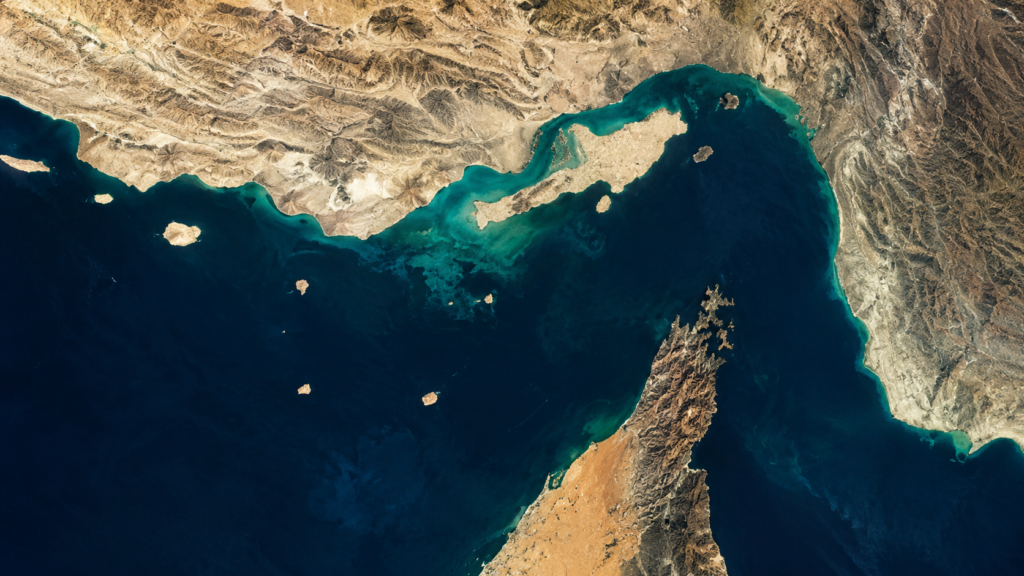
A liquefied natural gas tanker carrying a shipment from Qatar was struck by a projectile while transiting the Strait of Hormuz, according to security intelligence firms and ship tracking data, threatening to further disrupt deliveries of the super-chilled fuel through the key waterway. Security consultancies Vanguard Tech and Marisks identified the ship as the Gaslog Shanghai LNG tanker. The UK Maritime Trade (UKMTO) Operations had alerted that a vessel was struck in the strait off the Omani coast overnight, without identifying it. There was no environmental impact so far, the UKMTO said. The carrier picked up an LNG shipment from Qatar around July 27, and stopped sending a signal on July 31 near the western entrance of Hormuz, according to ship-tracking data compiled by Bloomberg and Kpler. It appears that the ship wasn’t sending a signal when it was struck in Hormuz. Greece-based Gaslog, which manages the vessel, didn’t immediately respond to a request for comment outside of regular business hours. The conflict in the Middle East has disrupted LNG traffic through the Strait of Hormuz — a conduit for about a fifth of global flows of the super-chilled fuel. In early July, a Qatari LNG tanker was hit near Hormuz, forcing the world’s second largest exporter of the fuel to pause shipments through the waterway for three weeks. The UKMTO said in a separate alert that another tanker reported seeing an explosion in the water near to it. The vessel wasn’t damaged. In the same week, another Gaslog LNG carrier was hit while in a northern Egyptian port. The Gaslog Salem was struck by a drone at Damietta, security firms said, with no one having claimed for the attack thus far.
Nepal Devastated by Catastrophic Floods and Severe Damage
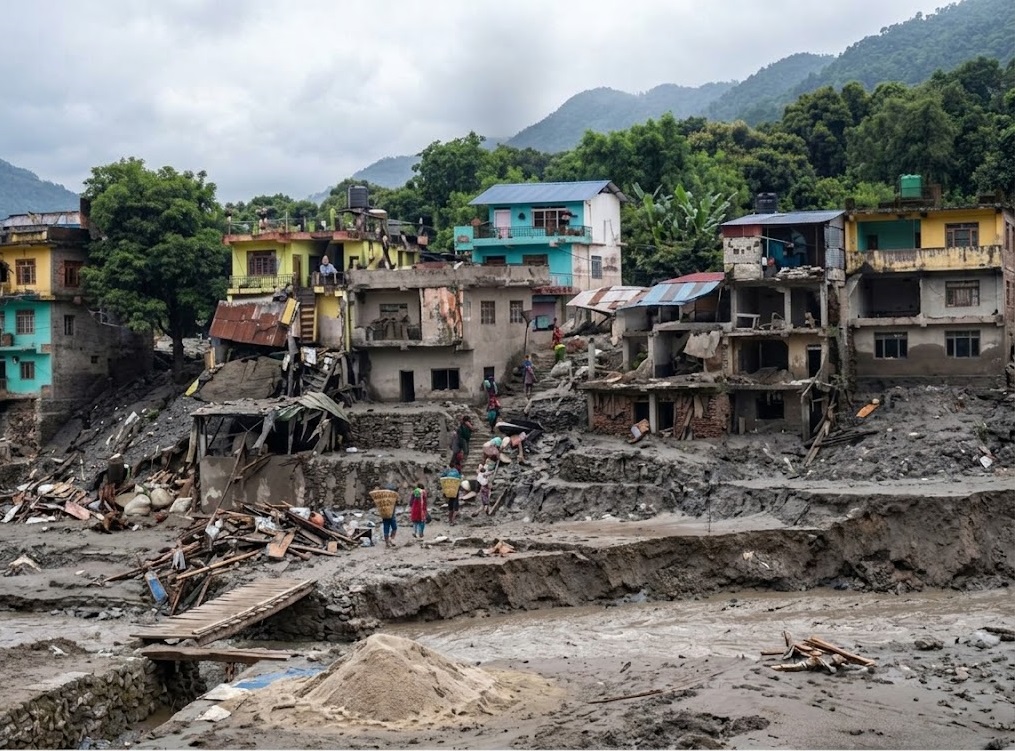
A landscape buried in mud. Thousands of families waiting for answers. A nation confronting one of its deadliest disasters in decades. Nepal continues to reel from the catastrophic August 26, 2026 flash floods, triggered after a glacier collapse sent enormous volumes of water, mud and debris through Himalayan valleys and communities. More than 1,300 people have died across Nepal and Tibet, while thousands remain missing. Rescue teams are still searching hydropower tunnels where workers are feared trapped beneath debris. Homes, roads, bridges and major energy infrastructure have been destroyed. The disaster has also damaged multiple hydropower projects and left communities facing a long and difficult recovery. UNDP estimates that approximately 2.2 million tonnes of debris were deposited across analysed areas in Nepal. Behind every number is a family, a home and a community changed forever. Nepal now faces not only recovery – but an urgent question about climate resilience in the Himalayas.
Qatar National Bank Tests Investor Appetite with US$2bn Loan
Qatar National Bank (QNB), leaning on Asian banks for the first time to broaden its funding base, is testing investor appetite with a new US$2 billion (QR7.28 billion) loan. The Gulf’s biggest lender launched an unsecured five-year term facility targeting only Asian lenders, and strong demand allowed it to double the size from an initial US$1 billion (QR3.64 billion). It was priced at 80 basis points over SOFR with a top-level upfront fee of 110 basis points, and QNB called it the largest Asian pure-play syndication by a GCC bank, achieving the tightest pricing for the region. Mizuho Bank acted as sole coordinator, bookrunner and mandated lead arranger. CEO Abdulla Mubarak Al Khalifa said the oversubscription despite challenging global conditions reaffirms QNB’s reputation as a high-quality issuer and fits the bank’s strategy to diversify relationships worldwide. The deal marks a shift for QNB, which has historically relied on global and regional banks for its syndicated loans, including a US$3.5 billion (QR12.74 billion) dual-tranche facility in 2020 and a US$2 billion (QR7.28 billion) refinancing in 2023. With this Asian-focused transaction, QNB is tapping deeper liquidity pools in Japan, China and Southeast Asia as it funds general corporate purposes and continues expanding across MEASEA. The success signals that top-rated Gulf banks can still command competitive terms even as funding costs remain elevated.
QIA Backs US$200 Million Funding for Driverless Freight Firm Gatik
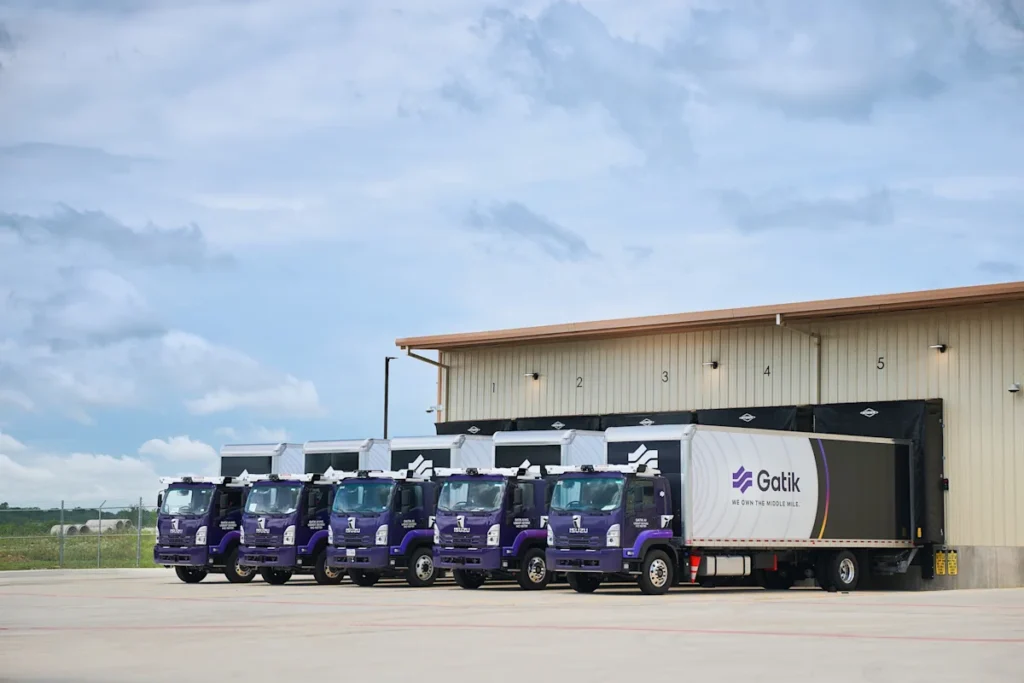
Gatik, the leader in autonomous trucking, recently announced $200 million in financing as demand accelerates for driverless commercial freight across Fortune 50 retail, grocery and CPG supply chains. The Series D round was led by Qatar Investment Authority (QIA) and Koch Disruptive Technologies (KDT), with participation from Millennium Management, ARK Invest, Intact Private Capital and others. “We believe the company is well positioned to help forge the future of freight transportation.” – Cathie Wood, founder, CEO, and CIO of ARK Invest Gatik has built one of the most commercially advanced businesses in autonomous freight, with more than US$600 million (QR2.2 billion) in contracted revenue, 85,000 fully driverless orders completed, and 99 percent on-time delivery across its operations. Its trucks move goods across high-frequency regional networks between distribution centres and stores, giving customers a reliable way to add capacity, improve service levels and keep products moving. “This round, led by some of the world’s leading financial institutions, is a clear validation of Gatik’s commercial leadership in autonomous freight,” said Gautam Narang, CEO and co-founder of Gatik. “We have built Gatik with real revenue, deep customer demand, and AI-driven autonomous technology proven every day in live supply chains. This round gives us the capital to scale with speed and discipline, serve the world’s largest companies, and define the future of autonomous freight.” “Autonomous freight is transforming the global logistics industry, making it more efficient and reliable,” said Abdulla Al Kuwari, head of industrials at QIA. “QIA is committed to supporting next-generation solutions providers like Gatik that are shaping the future of freight infrastructure.” “We’ve long believed autonomous freight has the potential to improve the efficiency and reliability of supply chains,” said Byron Knight, president of Koch Disruptive Technologies. “What we’re seeing today is autonomy moving beyond a promising technology into real-world commercial operations. Gatik has demonstrated a practical approach to that transition, and we look forward to supporting the company’s continued growth.” The latest financing round will help Gatik expand a model built around one of the most commercially compelling applications of autonomy: high-frequency regional routes that connect distribution centres and stores. These routes are time-sensitive, operationally complex and essential to keeping shelves stocked as customer expectations shift toward faster, more predictable access to everyday products.
Qatar’s Ras Laffan Train Five Goes Offline Temporarily
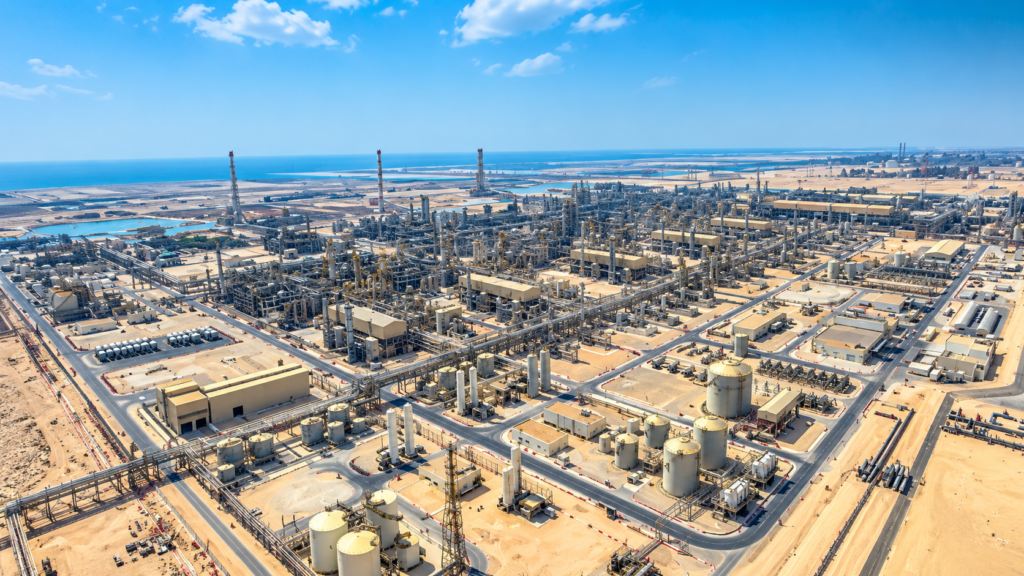
“The market narrative this week has been about Qatari capacity recovering. Proprietary data tells a different story,” it wrote. The situation remains fluid, with hopes of a deal raised and since stalled. The pivotal plant is responsible for around 20 percent of LNG supply. QatarEnergy confirmed an internal explosion during the restart of the LNG facility in June. Closely tied to Ras Laffan’s resumption is a solution for the safe passage of shipping through the Strait of Hormuz, which remains elusive. Resuming Ras Laffan’s LNG and helium production is “more important” than the reopening of the strait, Air Liquide CEO Francois Jackow had said in April this year. But four months on, finding a solution to the strait remains imperative for the global economy. Landon Derentz, vice president for energy and infrastructure at the Atlantic Council, the international affairs think tank, said the relevant question for US strategy is not whether the closure of Hormuz is painful, but whether that pain is more strategically endurable than the concessions Tehran hopes to extract in return for ending it. “The energy shock is real. Consumers will pay more for energy and political pressure will mount,” he said. “It is important that Washington, nonetheless, seize the opportunity this crisis presents to shape the transformation already underway. The goal should not simply be to reopen Hormuz, but rather to construct an energy system in which closing it matters far less.” One of Wood Mackenzie’s three forecasts it outlined in May, a quick peace, can now be ruled out. The ‘summer settlement’ scenario assumes negotiations extend into late summer, with the strait remaining largely closed until September. In this context, oil and LNG supply shortages persist through Q3, driving a shallow global recession in the second half of 2026. Global GDP growth falls below 2 percent. Under the most severe scenario, the strait remains largely closed until the end of 2026, with recurring tensions triggering periods of renewed conflict and sustained supply disruption.
QCB Highlights Financial Sector Resilience in 2025 Review
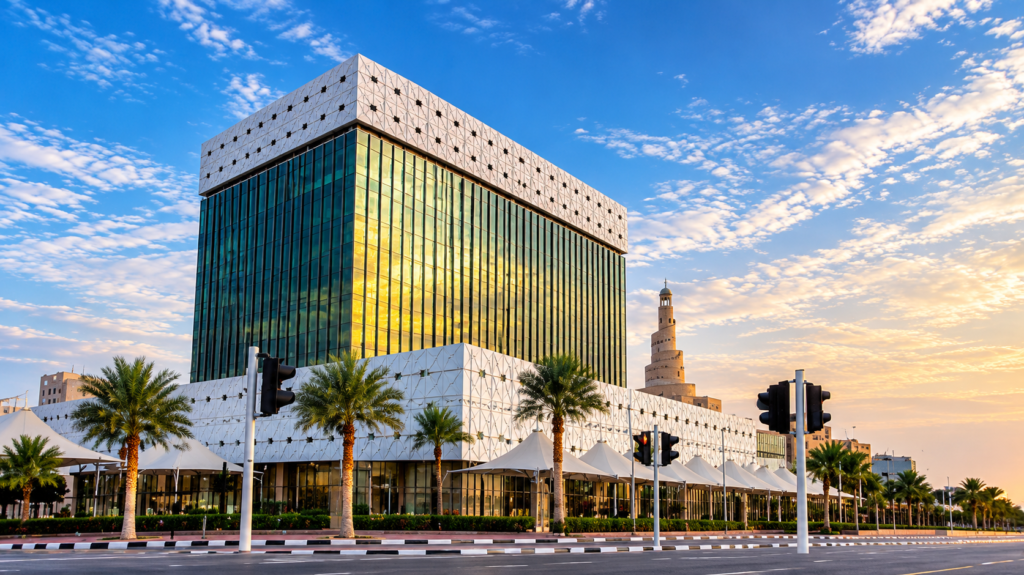
Qatar Central Bank (QCB) recently reported the resilience of the country’s financial system despite global economic challenges, alongside 2.9 percent real GDP growth and sustained strength in the banking sector. In its 2025 Financial Stability Review announced on X, the report notes that the banking sector maintained strong performance during the year, with total assets rising by 5.1 percent. Capital and liquidity buffers remained comfortably above regulatory minimums, while stress tests confirmed the sector’s ability to withstand adverse scenarios. The review also highlighted continued progress in Qatar’s digital payments ecosystem. The expansion of the Himyan national payment card and sustained growth of the Fawran instant payment platform contributed to greater reach and efficiency, with total retail payment values increasing by 82 percent compared with 2024. On cybersecurity and financial-sector resilience, QCB said it conducted the country’s first sector-wide Cyber Resilience Exercise, established a Cyber Forensics Laboratory, and continued the ‘Stay Aware National Information Security Awareness Campaign’. The initiatives were carried out in collaboration with the Ministry of Interior, the National Cyber Security Agency, and the Qatar Financial Centre Regulatory Authority. QCB stated that the combined efforts aim to reinforce information security while further enhancing the stability and efficiency of Qatar’s financial system. The review also underscored the central bank’s efforts to support the continued modernisation of Qatar’s financial infrastructure and strengthen the sector’s ability to respond to emerging risks. The growth of digital payment services reflects increasing adoption of electronic transactions and the expansion of secure, efficient payment channels across the country. QCB’s cybersecurity initiatives represent another key area of focus. The sector-wide ‘Cyber Resilience Exercise’ was designed to assess preparedness and strengthen the financial system’s capacity to prevent, respond to and recover from cyber incidents. The establishment of the ‘Cyber Forensics Laboratory’ is also expected to enhance capabilities in investigating and addressing cyber-related incidents. These developments highlight QCB’s continued focus on maintaining financial stability, strengthening institutional resilience and supporting sustainable economic growth while ensuring Qatar’s financial sector remains well-positioned to navigate future challenges.
Qatar Targets US$100bn FDI as Non-Oil Sectors Drive Growth
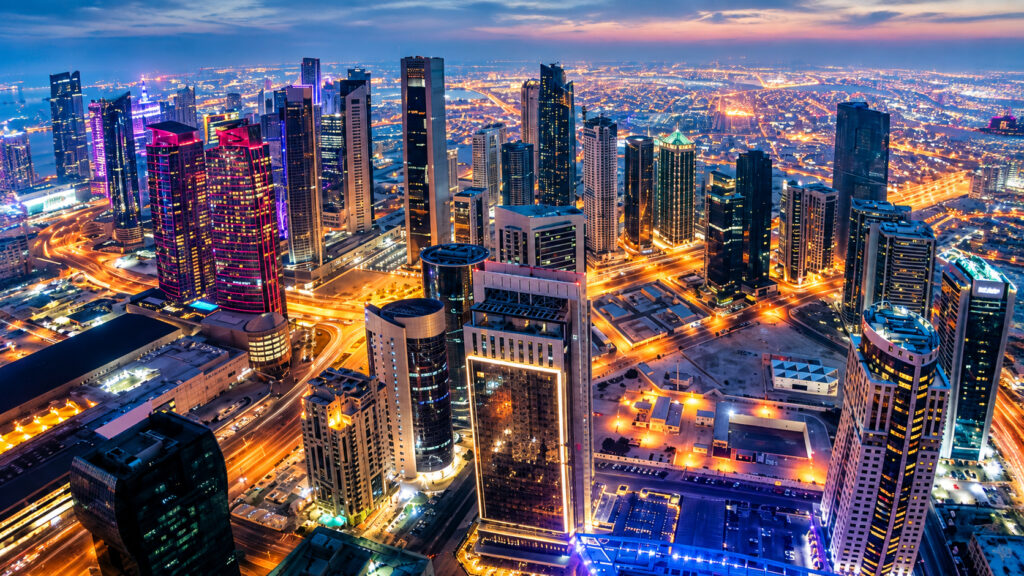
Qatar’s non-hydrocarbon economy now accounts for 65.5 percent of GDP as the country targets US$100 billion (QR364 billion) in foreign investment by 2030, Oxford Business Group (OBG) has said. Qatar’s non-hydrocarbon economy now accounts for 65.5 percent of GDP, highlighting the country’s accelerating shift away from hydrocarbon dependence as it pursues an ambitious economic diversification strategy, according to OBG. The global advisory and research firm’s latest publication, The Report: Qatar 2026 says the country’s long-term transformation is being driven by regulatory reform, infrastructure investment and a target to attract US$100 billion (QR364 billion) in foreign direct investment (FDI) by 2030. According to the report, growth across construction, trade, tourism, logistics, information and communications technology (ICT) and financial services has helped non-hydrocarbon sectors reach 65.5 percent of GDP. OBG said Qatar continues to benefit from strong liquefied natural gas (LNG) revenues and one of the world’s largest sovereign wealth funds, supporting macroeconomic stability and fiscal strength despite regional geopolitical tensions. The report said the Third National Development Strategy (NDS-3) is driving Qatar’s next phase of economic transformation. The strategy aims to attract US$100 billion (QR364 billion) in foreign direct investment by 2030 through regulatory reforms and a US$1 billion (QR3.64 billion) incentives programme focused on advanced industries, logistics, digital technologies and financial services. According to OBG, rising FDI inflows, continued infrastructure investment, population growth and Qatar’s position as a regional trade, innovation and energy hub continue to strengthen its appeal as a long-term investment destination. The publication also explores Qatar’s long-term LNG expansion strategy and how the country is balancing its position as a leading global gas supplier with renewable energy investment, sustainability objectives and energy security priorities. The report highlights the role of 5G, cloud services, artificial intelligence (AI) and enterprise digitalisation in improving business competitiveness and supporting smart city development. It also examines how digitalisation, fintech innovation and sustainable finance are reshaping Qatar’s banking and capital markets while strengthening the country’s position as a bridge for international investment. OBG said sustainable urban planning and affordable housing also remain central to the country’s long-term development plans as the country prepares for future population growth through integrated urban centres, public-private partnerships and technology-enabled municipal planning.
Business Agility: Innovation Is Not a Flex – It’s a Muscle
Innovation fails in most organisations not from a shortage of ideas, but from failing to integrate those ideas into how the business operates day to day. Treated as a sticking plaster or a quick fix, it rarely holds. Businesses that build agility into daily decisions, distributed across every function and practised through constant small iteration, will outlast those that treat innovation as a periodic initiative, writes Dr Shaheena Janjuha-Jivraj**. The businesses still standing after the next disruption won’t be the ones with the best innovation lab, they’ll be the ones that integrated innovation into their DNA. Every leadership offsite now features the language of innovation: labs, hackathons, innovation days. Participants leave energised, ready to act, but back at their desks, promotions and bonuses still reward repeating what worked before. Brilliant ideas stay locked in people’s minds until enthusiasm burns out. The “flex” model fails because it’s structurally isolated. Treated as a standalone activity with no clear KPIs, innovation becomes fragmented from real decision-making and easily forgotten. Most organisations have an abundance of good ideas, what’s missing is the infrastructure to let them grow into products and services. Real agility rests on Structural habits: reviewing innovation alongside financial performance, distributing ownership across every function rather than one isolated team, building tolerance for risk and failure, and favouring small frequent adjustments over rare transformation pushes. None of it works without psychological safety and without it, employees keep ideas contained rather than embedding change into daily decisions. Leadership is central to fixing this issue. The culture leaders create cultivate innovation or unwittingly destroy it. More often than not leaders believe they are promoting a strong culture of innovation, when in fact the opposite happens. A muscle, once built, keeps working quietly and compounds. Most competitors can copy a good idea within a year. What can’t be copied quickly is an organisation that has spent years training itself to move. Dr Shaheena Janjuha-Jivraj, FRSA is co-founder of Delta Futures, executive advisor and trainer working with senior leaders in companies, family offices and government bodies to transform leadership. She is adjunct faculty at London Business School, HEC Paris and Hult Ashridge. She is an author on several books on leadership and regular Forbes contributor.
QFC Firm Registrations Rise 37% in H1 2026
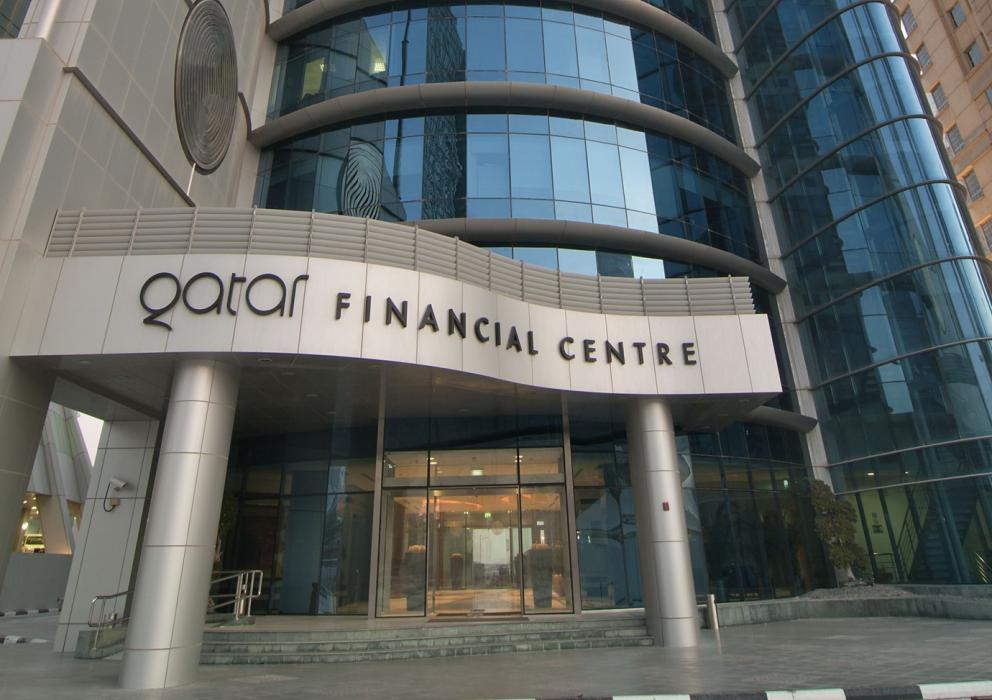
The Qatar Financial Centre (QFC), a leading onshore financial and business centre, closed the first half (H1) of 2026 with a 37 percent rise in firm registrations from the same period in 2025, underscoring the strength of its strategy and the appeal of Qatar’s business environment to investors and entrepreneurs alike. QFC onboarded 1,135 firms during the period, bringing its total registered firms to over 4,700 as at the end of June. Growth was recorded across QFC’s key focus sectors, with Technology and Innovation leading the way at 544 new firms, followed by Media and Entertainment at 173, Consulting and Professional Services at 166, Wealth at 84, and Fintech at 65. The strong uptake across these sectors reflects the breadth and growing relevance of the QFC platform to firms operating at the intersection of finance, innovation, and advisory services. QFC’s H1 growth was boosted by its performance at Web Summit Qatar 2026, where it received approximately 2,300 business licensing applications, an increase of approximately 44 percent from the previous year. The strong showing reflects the impact of QFC’s incentives and streamlined onboarding process to ease market entry, with waived registration and annual fees for the first three years combined with an integrated, one-stop-shop business setup model simplifying the registration journey. The first half of the year also saw QFC broaden the scope of Qatar’s financial services sector, with the registration of Qatar’s first-ever Real Estate Investment Trust collective investment fund. The launch of Salwa REIT will offer an economical and efficient way to own income-generating real estate assets in Qatar, marking a significant milestone in the depth of products available on the QFC platform. Regionally, QFC strengthened its regulatory cooperation with the Abu Dhabi Global Market (ADGM) and the Dubai International Financial Centre (DIFC) through reciprocal data protection adequacy recognition. The mutual recognition reflects the close regulatory cooperation between the three centres in establishing a robust data protection regime, streamlining cross-border operations for companies doing business across the region. The first half of the year also marked a defining chapter for the organisation. Mansoor Rashid Al Khater took over as chief executive officer in January, together with new appointments to QFC’s board of directors, and the centre relocated to its new headquarters in Lusail. The relocation positioned QFC at the heart of a smart, sustainable, and rapidly emerging district. The period also coincided with a celebration marking QFC’s 20 years of impact and the unveiling of a new brand identity carrying the renewed commitment to help firms ‘Grow with Confidence’. QFC chief executive officer Mansoor Rashid Al Khater said, “Over the years, QFC has built a platform businesses trust to support their growth. As we look ahead, our focus is on deepening that trust, expanding our value proposition, and backing our firms’ progress as QFC continues to evolve into a dynamic, future-ready hub for innovation and long-term partnerships.” Stiven Muccioli, CEO at BKN301 has, in his own words, “built, scaled, and exited companies across e-commerce and financial services” – which gave him a first-hand view of how technology can transform established industries. This created his current venture – BKN301 in 2021. Muccioli shares his views on Qatar and its potential for entrepreneurship, fintech investment opportunities what the growth of stablecoins could mean for Qatar’s banks and financial institutions.
Foreign Companies Coming to Qatar Must Be the Right Ones
Like its neighbours across the Gulf, Qatar has spent more than a decade building an economy that can generate growth beyond oil and gas. Foreign investment has been a catalyst for that ambition, but rather than chasing scale for its own sake, Qatar is taking a more calculated approach, becoming increasingly selective about the companies it attracts and what they bring with them, writes Thomas Jennings**. Advanced manufacturing, logistics, technology and financial services are among the industries it’s targeting. That means attracting companies prepared to put meaningful capital and operations into the country. And it’s prepared to pay for them. The country’s US$1 billion (QR3.64 billion) incentives programme, launched in May 2025, can cover up to 40 percent of eligible local investment costs over five years. But there’s a fairly high bar for accessing it. Applicants generally need to invest at least QR25 million and create high-skilled jobs, with further criteria depending on the sector. EnergyX is a good example of what that can look like in practice. The US energy technology company isn’t just opening an office in Qatar. It’s establishing its international headquarters and global command centre there, alongside AI-powered energy operations, global export management and a smart manufacturing facility. More than 140 jobs are expected over five years, with partnerships also planned with Qatari universities and research institutes. One investment, in other words, can bring capital, jobs, technology, manufacturing capability and research relationships into the country at the same time. Look at Qatar’s wider Foreign Direct Investment figures and a similar picture starts to emerge. The country attracted 373 projects in 2025, up 52 percent in a year. They brought US$3.4 billion (QR12.38 billion) in capital expenditure and more than 15,000 jobs. Those are impressive headline numbers. But what’s underneath them is arguably more interesting. More than half of the capital went into greenfield projects, while nearly one in two projects were in medium- or high-technology sectors. That’s a much better indication of what Qatar appears to be trying to achieve. The real prize isn’t winning a regional race to attract the greatest number of foreign companies. It’s using foreign investment to build capabilities the economy can keep. The useful number isn’t how many foreign companies Qatar can attract. It’s how much each one brings with it. Thomas Jennings is the founder of Midas Media Company and a writer specialising in business and investment across the GCC. His work focuses on the regulatory, economic and commercial developments shaping how companies and investors operate across the region.