

Huawei to Showcase Cutting-Edge Cloud and AI Innovations at Web Summit Qatar 2025
AI Pioneer Accelerates Intelligence with Everything as a Service Doha, Qatar – February 18, 2025 – Huawei, a leading global provider of information and communications technology (ICT) infrastructure, is set to showcase its latest Cloud and AI solutions at Web Summit Qatar 2025, taking place from February 23 to 26 at the Doha Exhibition and Convention Center (DECC). Under the theme “Accelerate Intelligence with Everything as a Service,” Huawei will demonstrate how its advanced technologies enable businesses and industries to harness the power of cloud computing, artificial intelligence, and digital transformation to drive unprecedented innovation and efficiency. Following the success of its inaugural edition in 2024, Web Summit Qatar returns for its second year, solidifying Qatar’s position as a global technology and innovation hub. The event brings together world-leading technology companies, policymakers, entrepreneurs, and investors, fostering discussions on the future of AI, cloud computing, and digital transformation. As an AI pioneer in industry applications, Huawei Cloud is driving industry intelligence by providing full-stack AI capabilities, including infrastructure, computing power, algorithms, development frameworks, and its advanced Pangu Large Models. Leveraging its CloudMatrix AI-native infrastructure, Huawei Cloud Stack, and Ascend AI cloud services, Huawei delivers massive AI computing power with unparalleled efficiency, offering flexible deployment options tailored to diverse enterprise needs. Huawei Cloud Stack provides an on-premise deployment mode for enterprises or governments that prefer to save data locally and develop foundation models independently. Meanwhile, Ascend AI cloud services offer a public cloud alternative for organizations that want to avoid the complexities of building and maintaining their data centers. The newly launched Pangu Large Model 5.0 offers advancements in multimodal capabilities, reasoning, and real-world applications across sectors such as autonomous driving, intelligent cities, robotics, industrial design, and drug R&D, solidifying Huawei Cloud’s position as a leader in AI-driven digital transformation. Building on these technical strengths, Huawei is redefining innovation through its “Everything as a Service” strategy, which offers fully digital, cloud-based, and AI-powered solutions across three key pillars: Infrastructure as a Service, Technology as a Service, and Expertise as a Service. At Web Summit Qatar, the company will showcase how this approach enables scalable, secure, and high-performance solutions tailored to the needs of governments, enterprises, and industries, empowering them to accelerate their digital transformation journeys. Rico Lin, President of Huawei Gulf North Region, stated: “At Huawei, we are committed to accelerating intelligence and enabling businesses to thrive in the digital era. Our participation at Web Summit Qatar 2025 underscores our dedication to providing innovative Cloud and AI solutions that empower industries to operate smarter, scale faster, and drive greater efficiency. As Qatar moves toward a knowledge-based economy, we look forward to collaborating with industry leaders, government stakeholders, and technology pioneers to support the country’s digital ambitions and shape the future of AI-driven innovation.” Under Infrastructure as a Service, Huawei Cloud’s KooVerse, which consists of 96 availability zones (AZs) in 33 regions, provides a unified architecture serving customers in more than 170 countries and regions to meet their diverse application scenarios through different modes of public cloud, private cloud, and edge cloud. Technology as a Service solutions enable businesses to innovate easily and modernize applications through Huawei’s R&D advances, delivered to customers, partners, and developers through cloud services. Huawei Cloud has built development production lines designed to accelerate enterprise application modernization. These include ModelArts, a one-stop AI platform that empowers developers and data scientists to rapidly develop and deploy models, driving intelligent upgrades across industries. DataArts, on the other hand, is a comprehensive data lifecycle management platform that provides end-to-end governance of databases, warehouses, data lakes, and AI, unlocking the full value of data. CodeArts is an all-in-one DevSecOps platform offering out-of-the-box cloud services for requirement delivery, code commit, testing, building, verification, deployment, and release throughout the entire software development lifecycle. Meanwhile, MetaStudio delivers cutting-edge tools for virtual avatar video production, livestreaming, and intelligent interaction, revolutionizing content creation across industries. Beyond technology, Huawei Cloud’s Expertise as a Service will highlight shared excellence and cloud-enabled industries. Huawei Cloud MacroVerse aPaaS opens up Huawei’s years of innovation and digitalization experience so that industry developers no longer need to reinvent the wheel, enabling industry scenario-based innovation in more than 10 vertical industries, such as government, finance, manufacturing, transportation, and meteorology. A key focus of Huawei’s participation will be introducing industry-specific AI applications, demonstrating real-world scenarios where AI and cloud technologies drive innovation. From AI-powered diagnostics in healthcare that improve accuracy and speed to predictive maintenance in manufacturing that reduces downtime and enhances productivity, Huawei’s solutions are transforming industries. The financial sector also benefits from Huawei’s AI-driven risk assessment and fraud detection capabilities, while the transportation industry is leveraging AI-powered logistics and fleet management to optimize routes and enhance efficiency. Huawei’s AI for Industries initiative is set to redefine the future of business operations by embedding AI into core decision-making processes. By integrating AI-driven automation across sectors, enterprises can increase efficiency, reduce operational costs, and unlock new growth opportunities. Whether through smart urban planning, intelligent infrastructure, or AI-powered governance models, Huawei is pioneering the use of artificial intelligence to shape the future of digital economies. This aligns with Qatar’s digital transformation agenda, which aims to harness AI, big data, and cloud computing to enhance public services, drive economic competitiveness, and build a sustainable, knowledge-based economy. As Qatar strengthens its role as a digital powerhouse, Huawei remains committed to working alongside local enterprises, government entities, and global partners to build an ecosystem where cloud and AI technologies drive meaningful transformation. Huawei’s presence at Web Summit Qatar reinforces its commitment to supporting Qatar’s national digital agenda, aligning with Qatar National Vision 2030, which prioritizes economic diversification, digital innovation, and smart infrastructure as key pillars for sustainable growth. Huawei invites attendees to its booth number E503 to experience live demonstrations, engage with industry experts, and explore how Cloud and AI technologies can transform businesses and industries.
Gadget Guide: XREAL One Pro: Sleek AR glasses that turn any space into your personal cinema
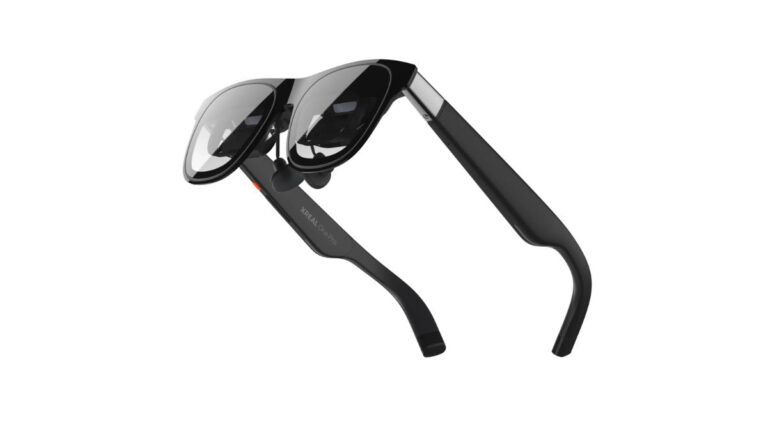
Transform your entertainment experience with the XReal One Pro, a groundbreaking innovation in AR smart glasses that redefines immersive viewing. Enjoy stunning Full-HD visuals with a 57° field of view, 700 nits of brightness, and vibrant colours, powered by XReal’s advanced X1 spatial computing chip. Integrated Bose sound complements the visuals, ensuring rich and immersive audio and taking your entertainment to the next level. Designed for comfort, the XReal One Pro weighs just 87g and features an adjustable interpupillary distance, allowing a personalised fit for prolonged use. These glasses are available in two sizes, catering to IPD ranges of 57-66mm and 66-75mm, making them suitable for a broad audience. Future-ready, the XReal One Pro supports modular upgrades, such as the upcoming XReal Eye – a 12MP camera module that adds AI-enhanced capabilities and photo-capturing features. Whether you’re streaming movies, playing games, or exploring AR applications, the XReal One Pro delivers a seamless and immersive experience. Its lightweight design, exceptional visuals, and premium audio combine to create a wearable home theatre that fits in the palm of your hand. Elevate your entertainment experience with the XReal One Pro.
Ministry of Communications and Information Technology Launches the Digital Inclusion Index Report 2024
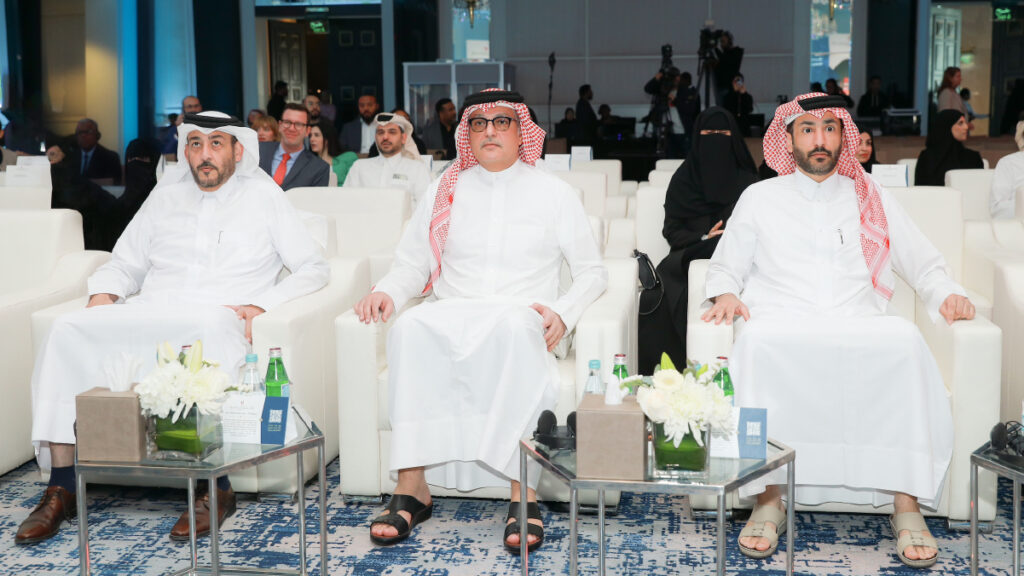
As part of its commitment to ensuring that all members of society can access digital services with ease and at affordable costs while fostering their effective and sustainable use, the Ministry of Communications and Information Technology (MCIT) launched today the 2024 Digital Inclusion Index for the State of Qatar. This report represents a significant step toward building an inclusive digital society that guarantees equal access to digital services for all. It highlights the evolution of digital inclusion as a cornerstone of the Digital Agenda 2030 and Qatar National Vision 2030. The launch event was attended by H.E. Mohammed bin Ali Al Mannai, Minister of Communications and Information Technology, along with their excellencies the other ministers and representatives from various government and private entities. The Digital Inclusion Index aims to enhance international collaboration in digital transformation by facilitating the exchange of expertise and knowledge and fostering strategic partnerships. It will be continuously updated to align with ongoing digital advancements. The report serves as a roadmap to promote digital inclusion in Qatar, focusing on ensuring that all members of society can benefit from the opportunities offered by digital technology regardless of their social or economic background. It provides comprehensive insights through seven key pillars, including digital access, ability, affordability of digital services, policies and regulations, attitudes toward digital technology, adoption and impact, and the importance of digital content. These pillars help shed light on the challenges and opportunities faced by different societal segments in achieving digital inclusion. Commenting on the launch, H.E. Reem Al Mansoori, Assistant Undersecretary for Digital Industry Development at MCIT, stated: “Digital inclusion is a cornerstone of Qatar’s Digital Agenda 2030, ensuring that every member of society is empowered to thrive amid the rapid pace of technological advancement, including AI. The Digital Inclusion Index, is both a benchmark and a roadmap, aligned with our vision to build a sustainable, knowledge-based economy. As emerging technologies reshape industries and societies, inclusion becomes critical—not just to unlock innovation, but to ensure no one is left behind. By expanding access and enhancing digital literacy, we are strengthening Qatar’s global leadership in technology and laying the foundation for a future-ready society equipped to navigate and harness the opportunities of the digital age.” Adding to this, Mrs. Duha Al Buhendi, Director of the Digital Society and Digital Competencies Department at MCIT, said: “The Digital Inclusion Index is part of our ongoing efforts to achieve the objectives of the Digital Agenda 2030. This report lays the foundation for designing innovative policies and programs that enhance digital equity and expand access to digital technology. We will continue to work toward ensuring that digital services reach every individual in the community while enhancing their digital skills in alignment with the aspirations of the Digital Agenda 2030.” The report highlights the notable achievements that have positioned Qatar as second regionally and 16th globally in digital inclusion. Comprehensive 5G and 4G network coverage played a significant role in attaining these rankings, reflecting substantial investments in digital infrastructure. Additionally, digital capacity-building programs, such as the “Better Connections” program and the “SafeSpace” platform, have enhanced the skills of more than 1.5 million migrant workers and raised awareness of digital safety and security. These initiatives align with the sixth pillar of the Digital Agenda 2030, which envisions building an advanced digital society that leads the future. The report further notes that 77% of Qatar’s population aged 15 years and older have completed secondary education, directly contributing to their digital skills and ability to interact with modern technologies. This progress is attributed to the country’s investments in the education and ICT sectors, paving the way for building a digitally empowered society. Moreover, affordable digital services, enabled by public-private partnerships, have increased the adoption of these services, further supporting digital equity. The report also emphasizes that advanced regulatory frameworks focusing on technologies such as artificial intelligence (AI) and the Internet of Things (IoT) are essential in fostering digital trust. It revealed that 83% of Qatar’s population rely on basic digital activities, reflecting the nation’s success in creating a trusted and attractive digital environment. However, the report outlines existing challenges in integrating advanced technologies, particularly for groups with lower digital proficiency. It underscores the importance of targeted programs tailored to the needs of these groups to bridge the digital gap. The Digital Inclusion Index serves as a strategic compass guiding Qatar’s effort to advance the digital economy. The report stresses the importance of collaboration among government entities, private sector organizations, and academic institutions to achieve the goals of digital inclusion. According to the report, Qatar aims to enhance its leading position in digital inclusion regionally and globally by continuously investing in digital infrastructure and education. Future goals include a 10% increase in digital access, a 30% improvement in digital competencies for citizens and residents, and a 20% boost in digital trust. These objectives are supported by planned initiatives, including tailored training programs to empower senior citizens in digital transformation and enhance inclusion for those with limited digital skills. The launch of the 2024 Digital Inclusion Index represents a milestone in Qatar’s digital transformation journey, reaffirming its unwavering commitment to building an inclusive and sustainable digital society that ensures equal opportunities for all. The Ministry of Communications and Information Technology remains dedicated to fostering collaboration across sectors to enhance digital inclusion, leveraging technology to improve quality of life and achieve sustainable development.
OPPO Unveils Innovative AI Solutions at the 2025 Google Cloud Shenzhen Summit to Boost Smartphone Productivity and Security
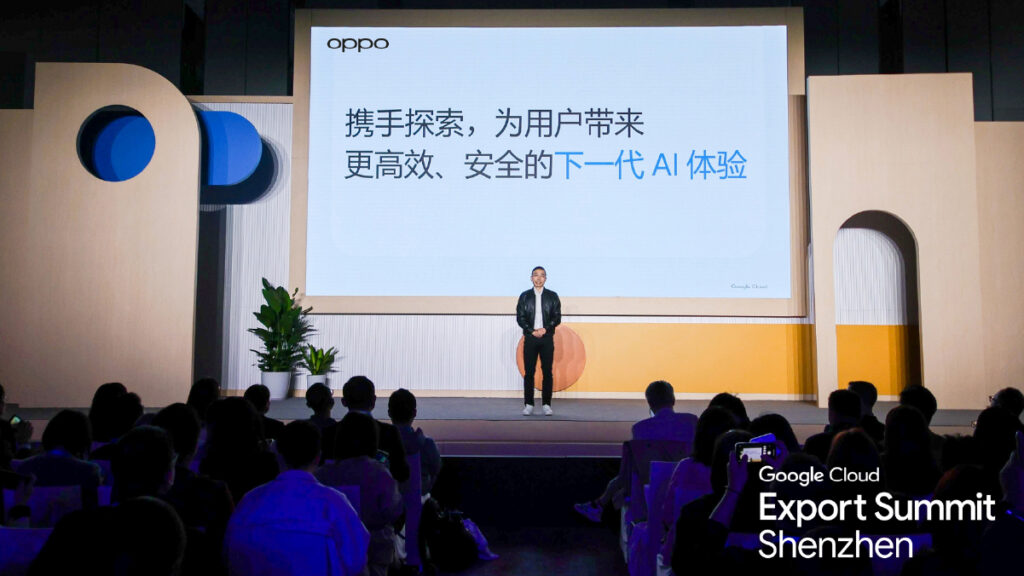
Qatar, Doha, January 10, 2025: Global leading smart device brand OPPO debuted at the 2025 Google Cloud Shenzhen Summit, announcing further expansion of its collaboration with Google Cloud in AI productivity applications and cloud security, unveiling a series of new features. Kai Tang, President of OPPO’s Software Engineering, said: “OPPO collaborates with top global technology companies with an open mindset, striving to integrate cutting-edge AI technology into our products. Google is one of the leaders in the global AI field, and I believe that the partnership between OPPO and Google will bring users a more efficient and secure next-generation AI experience.” (Kai Tang at Google Cloud Shenzhen Summit) OPPO and Google Expand Collaboration in AI Productivity In the Find X8 series launched in international markets, OPPO has utilized Google’s Gemini model in several efficient productivity tools: Based on the long-term collaborative achievements with Google in the field of AI, OPPO announces that it will introduce Google AI capabilities into more new application scenarios in the future, including: OPPO Collaborates with Google Cloud on Mobile Cloud Security Architecture While AI can bring significant convenience to users, many powerful AI applications still rely on the power of cloud computing. Ensuring the secure handling of user information in the cloud has become a significant challenge for the industry. OPPO believes smartphone manufacturers must work with cloud service providers and other partners to build end-to-end security and privacy protection capabilities, ensuring the optimal protection of user information. OPPO announced it would collaborate with Google Cloud on mobile cloud security architecture and develop Private Computing Cloud technology to provide users with a safer AI experience. OPPO is dedicated to making AI phones accessible to everyone. By developing its own AI technologies and collaborating with leading industry partners like Google, OPPO aims to deliver the best AI experience through its smartphone devices.
QIA’s US$1 billion investment in VC funds upped Qatar as a startup hub
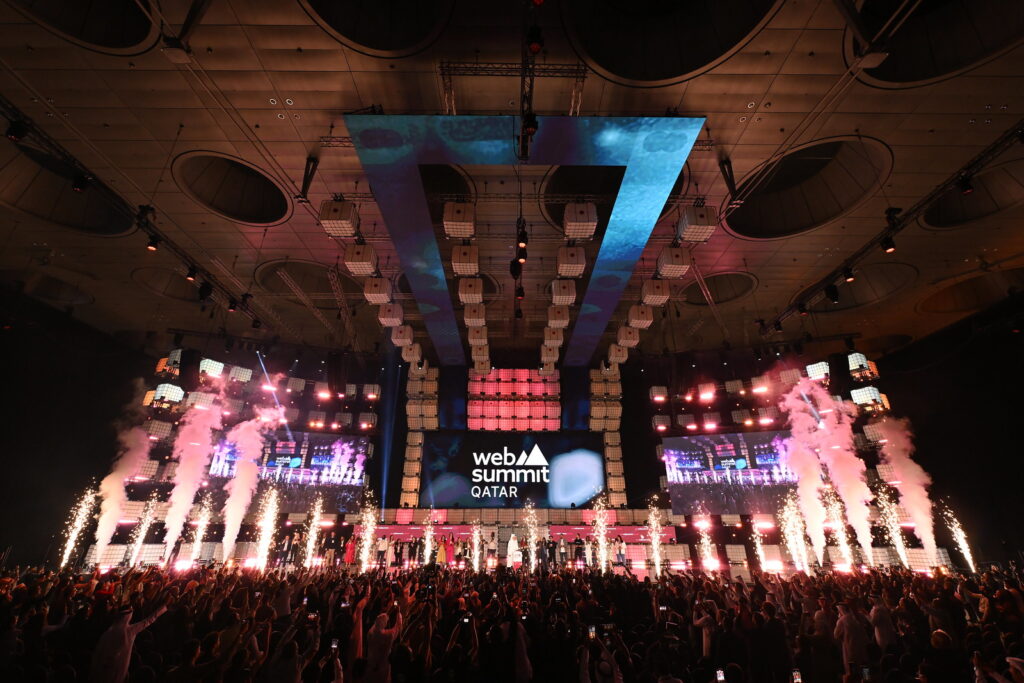
Dima Wahbeh, deputy country manager, Qatar at Web Summit, in conversation with Aparajita Mukherjee details what the maiden edition achieved for the venture capital market, analysing what’s up the sleeve of Web Summit in 2025 especially in the realm of policy making. “For the second year, many of the biggest wealth funds and VCs in the world will be at Web Summit Qatar to connect with 15,000 attendees, 1,000 startups, 400 investors and global leaders in Doha.” In its inaugural year, Web Summit Qatar gathered the largest and most globally diverse cohort of startups to ever gather in the region – more than 1,000 startups from 80 countries – to connect with a new generation of investors and partners hailing from countries such as Qatar, the US, Egypt, Brazil, Italy, Nigeria, the UK, India, and beyond, discloses Dima Wahbeh, deputy country manager, Qatar at Web Summit. Naming the prominent names at the last edition of Web Summit Qatar 2024, Wahbeh says, with unbeatable confidence, “There were Qatar Investment Authority (QIA), Tik Tok, Snap, Microsoft, AWS, Meta, and more that took part: and we expect to see the same calibre of international tech companies, including Open AI, Amazon and Microsoft – as well as thousands of young promising entrepreneurs from around the world – join us in Doha in February 2025.” Many of these startups from Web Summit Qatar 2024 have received funding off the back of connections made at Web Summit Qatar, according to Wahbeh. According to Crunchbase, a cumulative $243m+ has been raised by Blend, Colendi, OTO, YoLa Fresh, Kebotix, Chowdeck, Intron Health, PairedWorld, ORA Technologies, and KalPay. Web Summit Qatar offers an incredible platform to startups, and we are excited to see the next generation of startups join us in Doha again next February, she says. For the second year, many of the biggest wealth funds and VCs in the world will be at Web Summit Qatar to connect with 15,000 attendees, 1,000 startups, 400 investors and global leaders in Doha. Increasingly, some of the most active players in the technology industry are sovereign wealth funds, the most active of which are in the Middle East, and all of them will be at Web Summit Qatar 2025. “So, if you’re a fast-growing company thinking about your next funding round, a reasonable place to spend a day or two is Web Summit Qatar,” discloses Wahbeh, adding, “We recently announced our first 25 speakers for Web Summit Qatar 2025 and will be announcing more shortly. We look forward to sharing more details about Web Summit Qatar in the weeks ahead.” What transpired at Web Summit 2024 Discussing the details of what impact the maiden edition of Web Summit 2024 could achieve, Wahbeh says that the team were delighted to see many impactful events take place at Web Summit Qatar 2024 showcasing the potential of the country’s startup ecosystem. She adds, “On Opening Night at Web Summit Qatar 2024, HE Sheikh Mohammed bin Abdulrahman bin Jassim Al Thani, Prime Minister and Minister of Foreign Affairs of Qatar, announced that the QIA would be investing US$1 billion in venture capital funds to support entrepreneurs and startups in Qatar. This announcement demonstrated Qatar’s dedication to becoming an attractive destination for startups to establish themselves and grow, and cements Qatar’s status as a global startup hub.” Wahbeh informs that 24 memoranda of understanding were signed at Web Summit Qatar 2024: and the event saw the successful registration of more than 200 companies through the Startup Qatar initiative. The Ministry of Communications and Information Technology also launched the Digital Agenda 2030 live on stage, outlining a roadmap for a knowledge-based economy in Qatar, she discloses. Analysing the impact of these measures, Wahbeh says, “The announcements and initiatives have had a hugely positive impact on the Qatar startup ecosystem, and we believe that this will continue to grow in the years ahead and during Web Summit Qatar’s tenure in Doha.” In your experience of holding such summits all over, do policy changes happen as a result of holding such events? Is there some monitoring mechanism that Web Summit have? In Wahbeh’s opinion, host cities play a crucial role in Web Summit events, collaborating closely with organisers to enhance the experience for attendees and bolster the city’s positioning as a global startup hub. “Naturally we work with host cities to assess that impact, and demonstrate the success we can help deliver.” She goes on to cite the example of Lisbon’s, adding that its position as a global innovation hub has grown significantly since it began hosting Web Summit, with Web Summit helping to attract investment and connect Portugal to international markets. Inward investment in Portugal has soared over the past decade: Web Summit partners that have opened offices in Portugal include Google, BMW, Amazon, Daimler, Huawei and Cloudflare. “There are now 4,073 startups in Portugal, up from 821 startups in 2016, when the first Web Summit Lisbon took place – an increase of 496% over this period. The number of unicorns in Portugal has grown from 1 to 7 between 2016 and 2022: all have attended Web Summit. Additionally, the economic impact Web Summit has had in Lisbon has been significant, with the data showing Web Summit generating more than €200 million worth of economic activity the week of the event,” discloses Wahbeh, concluding that host cities are motivated to host events like Web Summit to position themselves as key players in the global tech community, ultimately driving local economic growth and innovation. Impact on the economic front Talking us through some of the highlights of the impact of the Summit on the Qatar economy, Wahbeh says that hosting a Web Summit event has a significant impact on the local economy, bringing attendees from across the world to a host city for a number of days. “For Web Summit Qatar 2024, over 15,000 attendees came to Doha, booking over 38,000 nights in Doha hotels, and 19,000 flight segments. The average stay in Doha for an attendee
Ryoko, a pocket-size wireless modem

Ryoko is a game-changer for anyone needing reliable internet on the go. This compact, pocket-sized wireless modem creates a personal Wi-Fi network using 4G LTE, ensuring a stable and fast connection wherever you are. It’s especially ideal for travellers, remote workers, or those weary of unreliable public Wi-Fi in cafés or hotels. The device is incredibly easy to use—just turn it on, and you’re connected with no complicated setup or contracts. Its small size makes it convenient to carry easily into a pocket. The battery lasts up to 15 hours, making it perfect for long days away from home. It supports up to 10 devices simultaneously, allowing multiple people to share the connection, making it an excellent choice for families or small teams. With speeds up to 150 Mbps, users can stream HD content, download files quickly, and even make Skype calls without interruption. Ryoko eliminates high roaming charges and the security risks of public Wi-Fi. Whether in a remote location or needing a reliable internet connection at home, Ryoko ensures you’re always connected, secure, and productive. It’s a must-have for anyone on the move. To buy online, visit Ryoko Router.
Pre-orders Open for HUAWEI Mate X6 with Exclusive Early Bird Offers

Huawei announced the opening of pre-orders for the highly anticipated HUAWEI Mate X6 in Estate of Qatar. This latest generation foldable flagship brings significant upgrades in durability, camera performance, display technology, and multitasking, setting a new benchmark in the industry. Right now, valued consumers can reserve their HUAWEI Mate X6 through Huawei’s official stores in Qatar. Pre-orders are available at 7199 QR and come in two stunning colors: Nebula Grey and Nebula Red. Early adopters will enjoy exclusive gifts worth up 2417 QR (Watch GT4 as a gift + HUAWEI Care + and one Work Gift Box) The HUAWEI Mate X6 is meticulously engineered for durability without compromising on style. It offers a large screen experience in a compact form factor perfect for everyday use. The phone features 2nd Gen Kunlun Glass on the exterior screen, making it 25 times more drop-resistant, while the interior display is reinforced with a carbon fibre plate. An aerospace-grade aluminium frame provides a 37% increase in material resistance compared to previous models, complemented by the new advanced multi-dimensional hinge. The HUAWEI Mate X6 introduces the Ultra Chroma Camera, utilising 1.50 million spectral channels to achieve 120% improved colour accuracy. Whether capturing the human skin tones or the vibrant shades of red, the Mate X6 ensures images are true to life. The 50MP primary camera features a ten-size adjustable physical aperture, offering unparalleled control over depth of field and light intake. You can experience seamless multitasking with the Mate X6 with up to three apps to run simultaneously in an expanded view with effortless swipe navigation. The dual OLED displays, 6.45-inch exterior and 7.93-inch interior screens deliver exceptional colour accuracy and clarity. Adaptive high refresh rates from 1Hz to 120Hz provide smooth visuals while optimising energy consumption. The phone has a refreshingly stunning design inspired by the celestial elegance of star orbits. The HUAWEI Mate X6 in Nebula Grey edition features a Micro-Nano 3D Topography finish crafted from Vegan Fiber. This material is a fusion of aerospace-grade S-grade glass fibre and high-performance bulletproof vest material, achieving an unprecedented balance between lightweight strength and exceptional durability. It is also available in two ultra-thin soft-touch leather options, Nebula Red and Black. Visit HUAWEI Official stores in Doha festival City, Palace Vendome mall, to secure your pre-order today and take advantage of exclusive offers.
WCM-Q conference discusses impact of new technologies on medical education
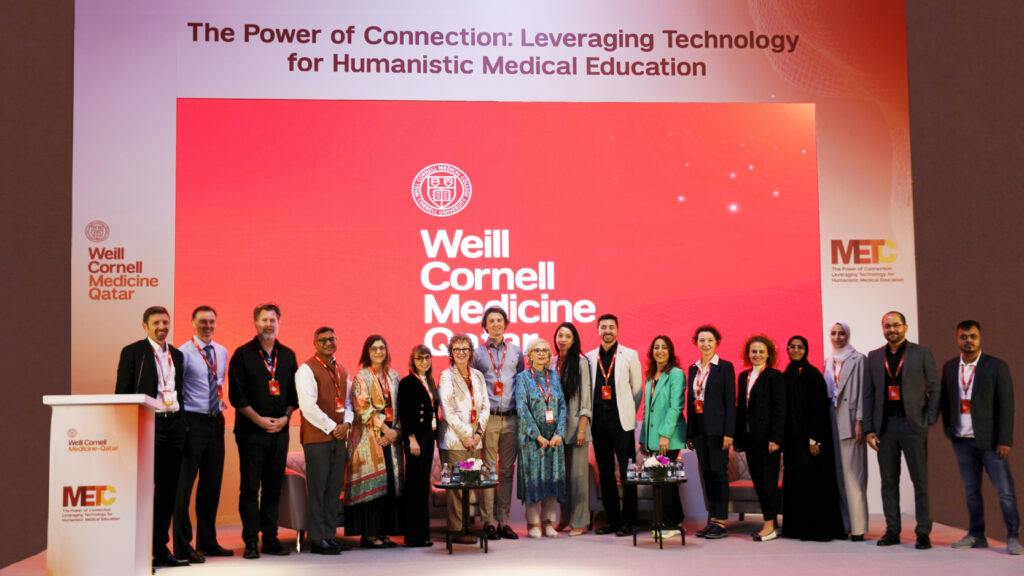
Doha – November 13, 2024: A conference hosted by Weill Cornell Medicine-Qatar (WCM-Q) convened experts in medical education from across the globe to examine the potential for new technologies to enhance the way medicine is taught. The two-day Medical Education Technology Conference (METC) presented thought leaders in medical education from institutions in Qatar, Switzerland, the US and the UK to explore the potential for technologies like artificial intelligence (AI), virtual reality (VR), and augmented reality (AR) to provide personalized learning and immersive training tools for healthcare practitioners. The conference also examined the intersection between technology and humanistic science, and explored ways to ensure that medical education programs cultivate empathy, compassion and creativity in future physicians in the era of AI and rapid technological change. The conference further discussed the impact of emerging technologies on medical ethics and the challenges of ensuring patient privacy, informed consent, and inclusivity in the metaverse. Other features of the conference were two panel discussions, a poster presentation of research projects, Q&A sessions, a series of expert-led presentations, and opportunities for attendees to gain hands-on interactive experiences with technologies such as immersive content creation and VR simulations. Subjects covered by speakers on the first day of the event included precision education and lifelong learning in medicine, AI and medical ethics in education, designing the next generation of learning delivery systems, medical ethics in the metaverse, and the integration of AI into medical education programs to optimize learning outcomes and clinical training. The second day featured presentations on diversity and inclusion in the metaverse, the intersection between art and medicine, and the role of social determinants of health in the age of AI. The second day also offered five workshops, which covered strategies for designing inclusive and accessible virtual environments for patients and healthcare professionals, telling stories in 3D virtual environments using cutting-edge digital tools, utilizing technology to enhance empathy among caregivers, how to create immersive 360-degree videos, and developments in AI-based simulation technologies. One of the many highlights of the event was an artistic performance given by renowned artist and director Abdulaziz Yousef which blended art, AI and virtual reality technology. The event drew participants from all over the world, with healthcare professionals, educators and students in attendance from Qatar, the wider MENA region, the US, Europe, India and elsewhere. Speaking at the conclusion of the event, Dr. Thurayya Arayssi, vice dean for academic and curricular affairs said: “This is a truly exciting time in medicine and medical education as cutting-edge technologies like AI, VR and AR are already revolutionizing the way medicine is practiced, taught and experienced. This conference was a fantastic way to explore how these new technologies can best be implemented to enhance medical education and patient care while simultaneously protecting the rights and safety of patients.” Dr. Javaid Sheikh, dean of WCM-Q, said: “This conference has done a marvelous job of placing new technologies within the context of the humanistic art and science of medicine. Our guiding principle at WCM-Q is to promote the use of emergent technologies to advance world-class healthcare, while also ensuring that the foundational caregiving attributes of compassion, empathy, humility and responsibility to one’s patients are preserved and enhanced by these new developments.” The conference was accredited locally by the Ministry of Public Health’s Department of Healthcare Professions – Accreditation Section and internationally by the Accreditation Council for Continuing Medical Education (ACCME).
Qatar Partners With Microsoft To Expand Cloud Data Centres

Data analytics and AI services have onboarded the partnership between 43 government and semi-government entities to Azure Cloud, a cloud computing platform developed by Microsoft. Azure Cloud is witnessing sharp growth due to the company’s heavy investment in AI and its access to the coveted technologies of ChatGPT maker OpenAI through their strategic partnership. Sami Al Shammari, the Assistant Undersecretary for Infrastructure and Operations Affairs at MCIT, has lauded the collaboration and said: “The expansion of Microsoft’s cloud data centre region in the country is a testament to the ministry’s steadfast commitment to empowering all government entities with the latest technologies, especially new AI-based technologies.” “Through these partnerships, we aim to keep pace with the latest developments in artificial intelligence and localise them across various sectors, thereby achieving the Digital Agenda 2030 and Qatar National Vision 2030 goals, which aim to enhance Qatar’s position as a hub for innovation and technology,” Al Shammari added highlighting that 1,393 individuals have trained in Artificial Intelligence techniques over the past three years, while 143 government and semi-government entities have shifted to Azure cloud. “The expansion of Microsoft’s cloud data centre region in the country is a testament to the ministry’s steadfast commitment to empowering all government entities with the latest technologies, especially new AI-based technologies.” – Sami Al Shammari, assistant undersecretary for Infrastructure and Operations Affairs, MCIT, Ahead of 2022, Microsoft and MCIT launched the National Skilling Programme, with the to train 50,000 people in Qatar through digital skills acquisition programmes over the next four years.
