

Everyone blends in.Ti7 stands out.
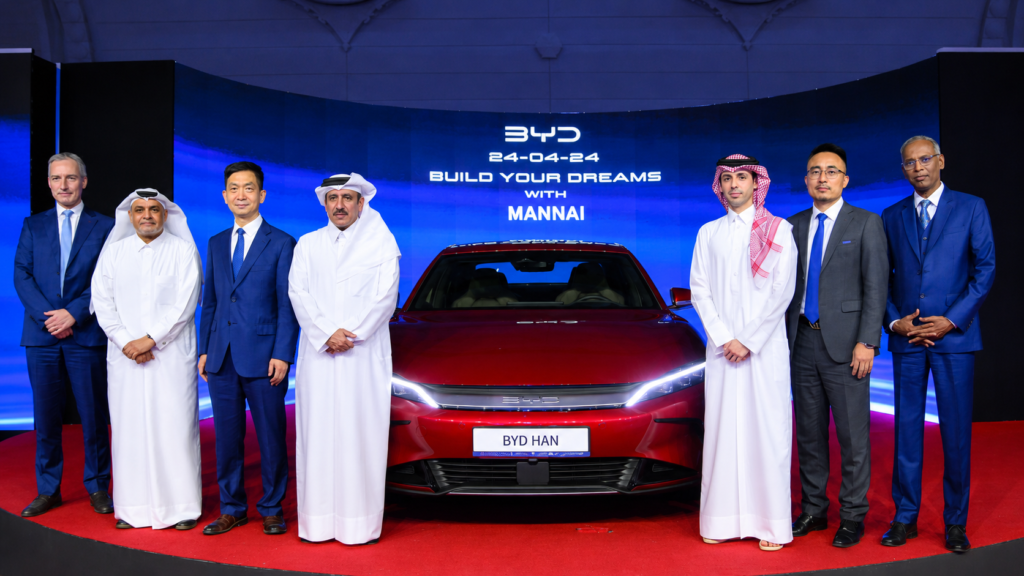
Mannai Automotive Group unveils the all-new BYD Ti7 2027 in Qatar, marking the vehicle’s first launch anywhere in the GCC. The launch took place at the BYD showroom in West Bay, Doha, in the presence of senior members of BYD’s global leadership, industry representatives, and invited guests. More than a vehicle reveal, the event reflected Qatar’s growing importance as a strategic market for next-generation mobility, hybrid innovation, and premium automotive experiences. For BYD and Mannai Automotive Group, the Ti7’s GCC debut in Qatar was a clear statement. The model was introduced not simply as a new mid-size SUV, but as a vehicle designed to challenge expectations around performance, practicality, technology, and value. Engineered to Challenge the Segment The BYD Ti7 2027 is powered by BYD’s DM-i Super Hybrid Platform, delivering a combined output of 483 HP and accelerating from 0 to 100 km/h in 5.7 seconds. With a combined range of approximately 710 km, the vehicle moves between pure electric and hybrid drive with seamless efficiency, offering drivers flexibility across both city and long-distance journeys. Its capabilities extend well beyond urban roads. The Ti7 features 10 driving modes, including Tank Turn, Crawl Mode, Sand, Mud, Snow, and Mountain settings. Supported by AWD Dual Motor technology, underbody protection, and BYD’s DiSus intelligent suspension system, the SUV has been engineered to respond to changing road and terrain conditions — from Doha’s city streets to open desert landscapes. The vehicle also brings strong practicality to the mid-size SUV category. Cargo capacity starts at 1,000 litres, expanding to 1,800 litres with the second row folded, making the Ti7 a compelling option for families, professionals, and adventure-focused drivers. Chadi El Chammas, Vice President of BYD Qatar, said the launch reflected both the strength of the Qatari market and the ambition behind the model. “The BYD Ti7 sets a new standard for what a mid-size SUV can deliver. To bring its GCC debut to Qatar is a recognition of the sophistication and ambition of this market, and of the drivers who call it home. We are proud to introduce it here first, and proud of what it represents for the future of this brand in the region.” A Premium Cabin Built Around Everyday Use Inside, the Ti7 combines technology, comfort, and thoughtful design. A 15.6-inch rotating display anchors the cockpit, powered by BYD’s DiLink ecosystem. The system includes Apple CarPlay, Android Auto, NFC phone key access, and over-the-air software updates, allowing the vehicle to continue evolving throughout ownership. The cabin also features a 50W ultra-fast wireless charger, 14 Dirac speakers, a panoramic roof, ventilated seats, and rear air conditioning. With seven exterior colour options and three interior palettes, the Ti7 offers a level of personalization designed to appeal to a broad range of buyers. Safety and driver confidence are also central to the model. The advanced driver assistance system includes Adaptive Cruise Control, Blind Spot Detection, Lane Keep Assist, and Automatic Emergency Braking, supported by nine airbags distributed throughout the cabin. Cynthia Beayni, Marketing Manager of BYD Qatar, said the launch was designed to give the vehicle the platform it deserved. “Every decision behind tonight was guided by a single belief: that this car deserves to be experienced, not just announced. The Ti7 has a story worth telling. Qatar is the first place in this region to hear it, and that means something to every person who worked to bring it here.” A Price Point That Raises the Bar The BYD Ti7 2027 is now available in Qatar in two configurations: Deluxe Trim: from QAR 139,900Flagship Trim: from QAR 154,900 With hybrid engineering, strong performance, advanced technology, premium cabin features, and a combined range of approximately 710 km, the Ti7 enters the Qatari market with a value proposition that could reshape expectations in the mid-size SUV segment. For Qatar’s automotive market, the launch signals increasing competition in the premium hybrid and electric mobility space. As consumer interest grows around efficiency, technology, and long-range capability, models like the Ti7 reflect a broader shift in the region’s mobility landscape. Qatar as the Starting Point By choosing Qatar for the Ti7’s GCC debut, BYD and Mannai Automotive Group have placed the country at the centre of the model’s regional rollout. The decision reflects Qatar’s rising profile as a market where innovation, infrastructure, and premium consumer expectations are shaping the future of mobility. Mannai Automotive Group, one of Qatar’s most established automotive distributors, represents BYD in the Qatari market and provides customers with aftersales support, factory-trained technical teams, and genuine BYD parts throughout the ownership journey. As the BYD Ti7 2027 enters Qatar, it brings with it more than a new SUV option. It brings a statement about timing, market confidence, and the future of hybrid mobility in the GCC.
Lusail City to Host 2026 Qatar T100 Triathlon World Championship Final for the Second Year Running
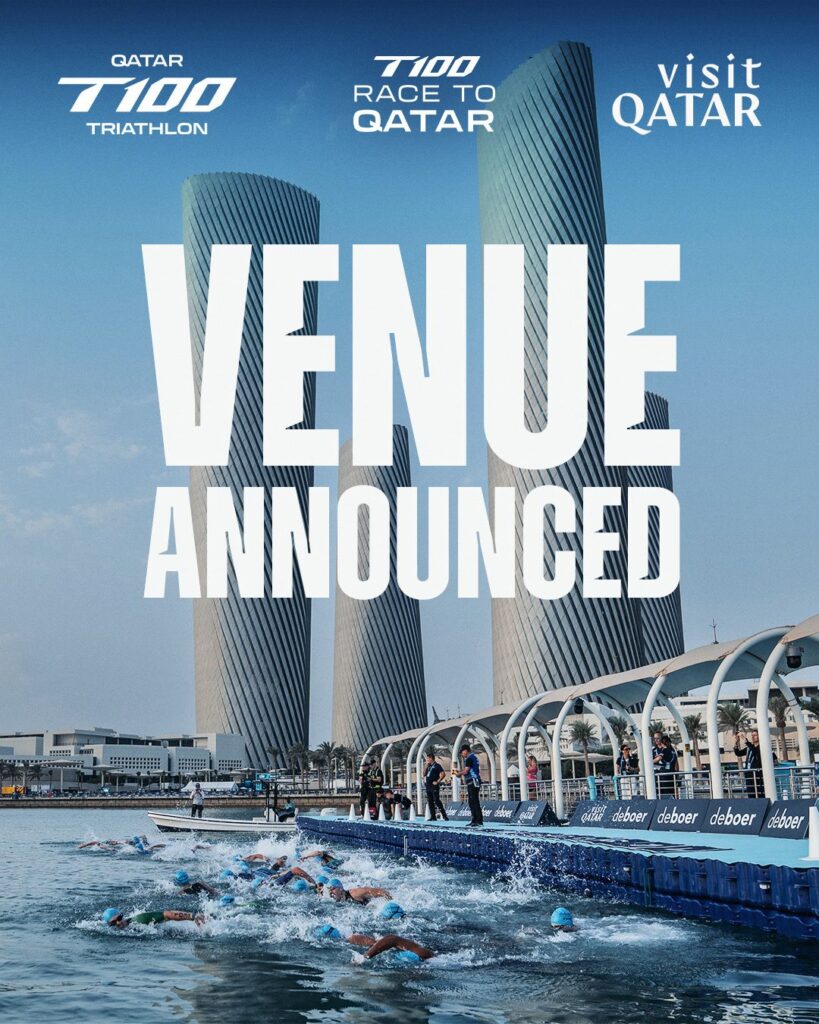
Visit Qatar and the Professional Triathletes Organisation have confirmed that Lusail City will host the 2026 Qatar T100 Triathlon World Championship Final for the second consecutive year, reinforcing Qatar’s growing reputation as a global destination for elite sporting events, endurance festivals, and experiential travel. The championship will take place from 10 to 12 December 2026, bringing together professional triathletes, amateur athletes, community runners, families, and sports enthusiasts for a multi-day festival of endurance and lifestyle experiences. Following the success of the event’s inaugural edition in Qatar in 2025, the return of the T100 World Championship Final reflects the strong public engagement and international appeal generated by the race. It also strengthens Lusail’s position as one of Qatar’s most dynamic venues for major global events. The 2026 edition will feature a broad programme designed for different ages and fitness levels. Events will include the Open T100 race, Sprint Triathlon, T100 Age Group World Championships, and 1km and 5km community runs, making the championship weekend accessible to both elite competitors and the wider public. As the closing stage of the wider 2026 T100 Triathlon World Tour, the Qatar final will bring the world’s leading professional triathletes to Lusail after a season of competition across major international destinations. The tour runs from March through to December, ending with the Qatar T100 Triathlon World Championships. Athletes competing in the signature T100 format will complete a demanding course that begins with a 2km swim in the Arabian Gulf, followed by an 80km cycling route through Lusail’s iconic streets, before finishing with an 18km run across Lusail Plaza and Boulevard. Beyond the race itself, the championship weekend will feature an immersive event village offering family entertainment, wellness activations, food experiences, and spectator activities. The festival-style format is designed to create a vibrant atmosphere for participants, residents, and visitors, while positioning the event as more than a professional sporting competition. For Qatar, the return of the T100 final carries strategic significance. Major international events continue to play an important role in the country’s tourism growth, supporting hotel occupancy, destination visibility, visitor engagement, and local business activity. Events of this scale also contribute to Qatar’s long-term ambition to become a year-round hub for sport, culture, hospitality, and lifestyle experiences. The selection of Lusail further highlights Qatar’s world-class infrastructure and its ability to host major global sporting events in modern, accessible urban environments. With its waterfront setting, wide boulevards, integrated transport links, and landmark public spaces, Lusail offers a strong platform for international endurance sport. The championship also supports Visit Qatar’s wider strategy to expand the country’s sports tourism calendar and attract global audiences through high-impact events. By combining professional sport with community participation and destination experiences, the Qatar T100 Triathlon World Championship Final adds another layer to the country’s evolving tourism proposition. As Qatar prepares to welcome athletes and visitors in December 2026, the event is expected to further elevate Lusail’s global profile and strengthen Qatar’s position as a leading Middle Eastern destination for international sports, wellness tourism, and large-scale community experiences. Participation details and registration information are available through the official T100 Qatar Registration Page.
Sidra Medicine Advanced Imaging Core Recognized as ZEISS labs@location Reference Customer
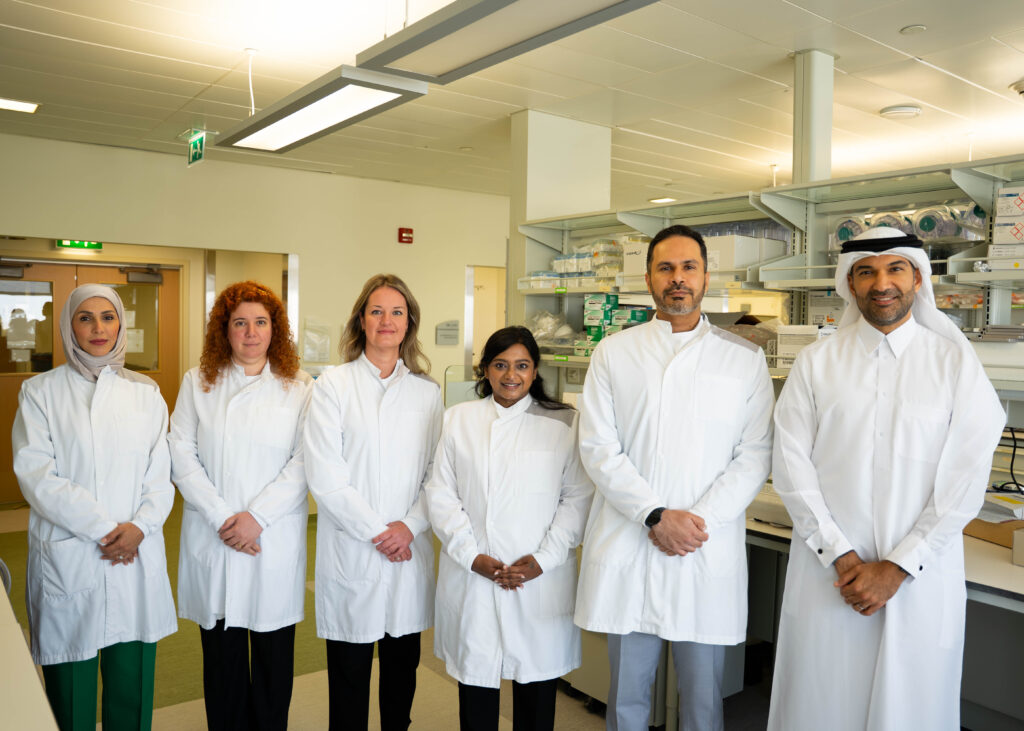
Recognition places Sidra Medicine among a global network of research institutions advancing imaging science and clinical innovation Sidra Medicine, a member of Qatar Foundation, has achieved a major international recognition after being formally designated as a ZEISS labs@location Reference Customer through its Advanced Imaging Core. The designation places the Doha-based healthcare and research institution within a select global network of leading hospitals, academic medical centers, and scientific core facilities recognized for excellence in advanced microscopy and biomedical imaging. The recognition marks an important milestone for Qatar’s growing research and innovation landscape, reinforcing Sidra Medicine’s role as a regional hub for precision medicine, translational research, and advanced clinical innovation. The ZEISS labs@location Program was created to deepen collaboration between ZEISS and leading laboratories around the world. It supports the development of advanced imaging applications, scientific training, expert demonstrations, knowledge exchange, and the use of next-generation microscopy technologies in research and clinical environments. For Sidra Medicine, the designation reflects the strength of its Advanced Imaging Core, which has built a strong reputation for supporting complex imaging applications, high-quality scientific research, and multidisciplinary collaboration. Dr. Abbirami Sathappan, Lead of the Advanced Imaging Core at Sidra Medicine, said the recognition reflected the expertise and infrastructure developed within the facility. “Being recognized as a ZEISS labs@location Reference Customer reflects the strength of the expertise, infrastructure, and collaborative environment we have built within the Advanced Imaging Core,” she said. “The designation strengthens our ability to support researchers and clinicians with advanced imaging workflows that accelerate discovery and contribute to clinically relevant research.” The designation followed a detailed evaluation of Sidra Medicine’s Advanced Imaging Core, which demonstrated advanced imaging capabilities, strong operational standards, technical expertise, and the ability to provide high-level training and knowledge transfer. The center was also recognized for supporting publication-grade research, complex imaging workflows, and collaborative scientific initiatives. This achievement places Sidra Medicine alongside globally recognized leaders in imaging science and biomedical research. More importantly, it highlights Qatar’s growing investment in world-class research infrastructure and its ambition to build strong local capabilities in healthcare innovation. Prof. Khalid Fakhro, Chief Research Officer at Sidra Medicine, said the recognition aligned with Sidra Medicine’s long-term commitment to investing in advanced research platforms with direct relevance to patient care. “We are very proud today of this exceptional recognition of our Advanced Imaging Core,” he said. “At Sidra Medicine, our philosophy has always been to invest in developing state-of-the-art core research platforms, led by visionary staff building testing capabilities with direct relevance for patient care.” He added that the ZEISS designation supported Sidra Medicine’s mission to improve the understanding of rare and complex diseases, strengthen diagnostics, and help deliver more precise treatments for patients. The recognition also strengthens Sidra Medicine’s position in international research partnerships. According to Dr. Sara Tomei, Director of Integrated Genomic Services at Sidra Medicine, the designation enhances the institution’s competitiveness for peer-reviewed grants and global collaborations by demonstrating advanced technology leadership, scientific capability, and training excellence. She added that the recognition would also support the development of local expertise through structured training opportunities for clinicians, fellows, researchers, and technologists. For Qatar’s healthcare and research sector, the announcement carries broader significance. As the country continues to invest in precision medicine, genomics, advanced diagnostics, and translational research, institutions such as Sidra Medicine are playing a central role in connecting scientific discovery with clinical impact. The ZEISS labs@location designation further supports Sidra Medicine’s mission to integrate advanced technologies into research and clinical innovation, improving outcomes for patients and families in Qatar and beyond. By joining this elite international network, Sidra Medicine has reinforced its position as one of the region’s leading centers for biomedical research, advanced imaging, and precision medicine — while strengthening Qatar’s place on the global map of healthcare innovation.
Ooredoo Announces Launch of Strategic Digital & AI Transformation Programme
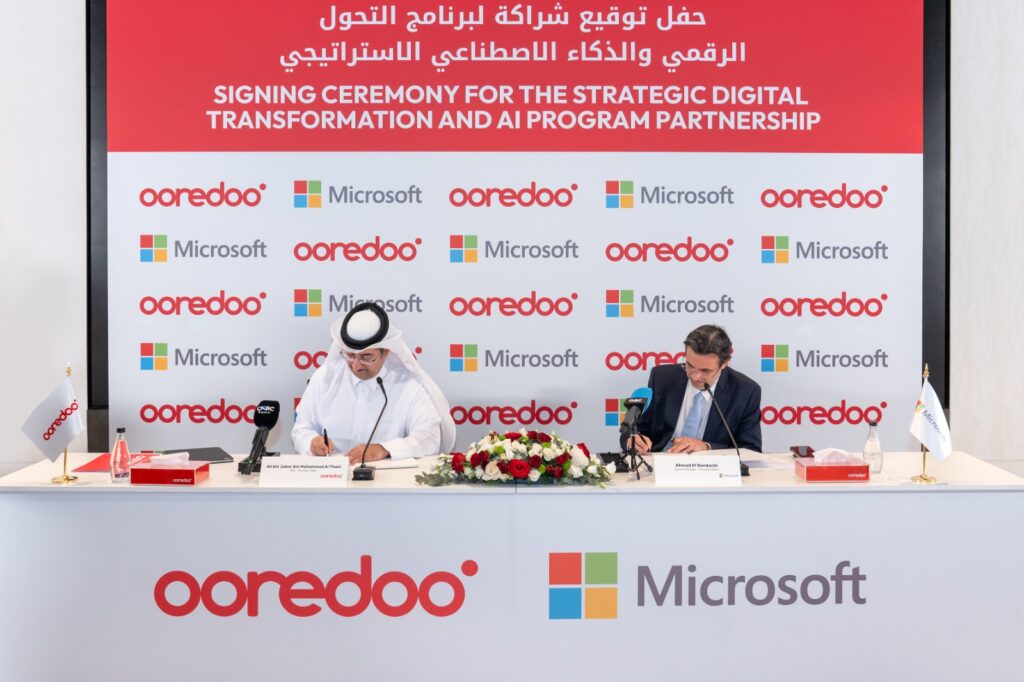
In Collaboration with Microsoft, Ooredoo is Shaping the Next Era of AI-Powered Connectivity and Digital Innovation Ooredoo Qatar has announced the launch of its Strategic Digital & AI Transformation Programme, supported by Microsoft, marking a major step in the company’s evolution into an AI-powered organisation and reinforcing Qatar’s ambition to build a future-ready digital economy. The programme has been designed to accelerate Ooredoo’s digital transformation at scale by focusing on sovereign and hybrid cloud capabilities, artificial intelligence enablement, and the development of a scalable digital foundation. Through this initiative, Ooredoo aims to enhance customer experiences, empower enterprises with advanced digital tools, and contribute to the growth of a resilient digital ecosystem aligned with Qatar National Vision 2030. The agreement was signed by Sheikh Ali bin Jabor bin Mohammad Al Thani, Chief Executive Officer of Ooredoo Qatar, and Ahmad El Dandachi, General Manager of Microsoft Qatar, in the presence of senior executives and representatives from both organisations. A Major Step in Qatar’s AI and Digital Transformation Journey The collaboration brought together Ooredoo’s advanced connectivity and digital infrastructure capabilities with Microsoft’s expertise in cloud, data, and artificial intelligence. The partnership aimed to create a strong foundation for the accelerated adoption of AI across telecom operations, customer engagement, enterprise solutions, and future digital platforms. For Qatar’s telecommunications and business sectors, the programme represented more than a technology upgrade. It reflected a broader shift towards AI-driven operations, intelligent infrastructure, and digital-first services that could strengthen competitiveness across industries. The initiative was expected to support Ooredoo’s transformation across its entire value chain, from intelligent network operations and predictive optimisation to personalised customer experiences and AI-powered enterprise services. This positioned Ooredoo to move beyond the traditional role of a telecom operator and further establish itself as a technology-driven company serving Qatar’s evolving digital economy. Supporting Businesses and Customers in Qatar As companies across Qatar continued to adopt cloud, data, and AI-powered solutions, Ooredoo’s collaboration with Microsoft aimed to provide businesses with stronger digital capabilities and scalable technology frameworks. The programme focused on enabling smarter enterprise services, improving operational efficiency, and delivering more proactive digital solutions to customers. For businesses in Qatar, this could mean improved access to advanced AI-enabled services, stronger connectivity solutions, and new opportunities to innovate in areas such as customer service, automation, analytics, and digital platforms. The collaboration also established a long-term co-innovation model between Ooredoo and Microsoft. This model was designed to support the development of scalable AI use cases and repeatable innovation frameworks powered by Microsoft’s advanced AI, cloud, and data technologies. Ooredoo Qatar CEO: A Strategic Transformation, Not Just a Technology Upgrade Commenting on the collaboration, Sheikh Ali bin Jabor bin Mohammad Al Thani, CEO of Ooredoo Qatar, said the Strategic Digital & AI Transformation Programme marked an important milestone in Ooredoo Qatar’s journey towards becoming a more agile and future-ready organisation. He described the programme as more than a technology upgrade, calling it a strategic transformation focused on sovereign and hybrid cloud capabilities, AI enablement, and the development of a scalable digital foundation. He added that the programme was designed to deliver innovative digital solutions and services that meet evolving market demands, provide more personalised and proactive customer experiences, empower enterprises with advanced digital capabilities, and support the development of a resilient digital ecosystem aligned with Qatar National Vision 2030. Microsoft Qatar: AI Can Unlock New Opportunities Across Industries Ahmad El Dandachi, General Manager of Microsoft Qatar, said Ooredoo’s transformation into an AI-powered organisation was a strong example of how technology could unlock new opportunities across industries. He noted that the collaboration brought together cloud, data, and AI to help accelerate innovation at scale, while supporting the development of a more resilient and dynamic digital ecosystem in Qatar. Strengthening Qatar’s Digital Economy The Ooredoo-Microsoft collaboration came at a time when Qatar continued to position itself as a regional leader in digital transformation, AI adoption, cloud infrastructure, and future-ready business innovation. By investing in sovereign and hybrid cloud capabilities, AI-enabled telecom operations, and scalable digital platforms, Ooredoo’s programme could play a key role in supporting Qatar’s digital economy and helping enterprises prepare for the next phase of technological growth. The partnership also reflected the growing importance of AI in Qatar’s business landscape, especially as organisations looked for smarter ways to improve efficiency, enhance customer engagement, and build more resilient operating models. Through this collaboration, Ooredoo and Microsoft aimed to accelerate the adoption of AI-driven technologies across connectivity, operations, customer engagement, and enterprise services, helping shape a more agile and innovation-led digital future for Qatar and the wider region.
Snoonu Expands to Kuwait, Accelerating GCC Super-App Growth
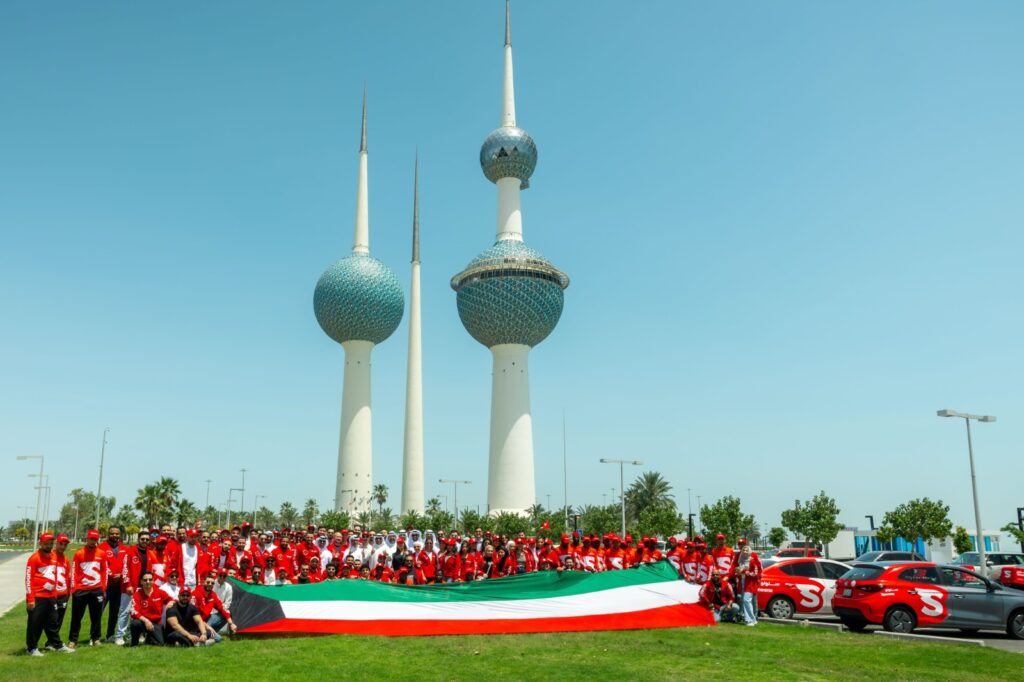
Qatar-born technology platform Snoonu has officially entered the Kuwaiti market, marking a significant step in the company’s regional expansion ambitions and strengthening its position as one of the Gulf’s fastest-growing super-app ecosystems. The launch signals a new phase for the Doha-based company as it continues scaling its technology-driven services beyond Qatar, bringing integrated digital convenience and on-demand solutions to users across the GCC. Unlike traditional delivery platforms, Snoonu operates as a multi-service technology ecosystem built on advanced cloud infrastructure, combining commerce, logistics, and lifestyle services into a single user experience that simplifies everyday living. As part of its initial rollout in Kuwait, the company is introducing four primary service categories: grocery delivery; on-demand courier services through Snoosend; flowers and gifting solutions; and home services that connect users with electricians, plumbers, maintenance experts, and other service professionals. The phased market entry strategy is expected to expand further over the coming months, with additional verticals and digital services anticipated as Snoonu strengthens its operational presence in Kuwait.
Snoonu Invests in Qatari Startup HASIF Through Startup Factory Initiative
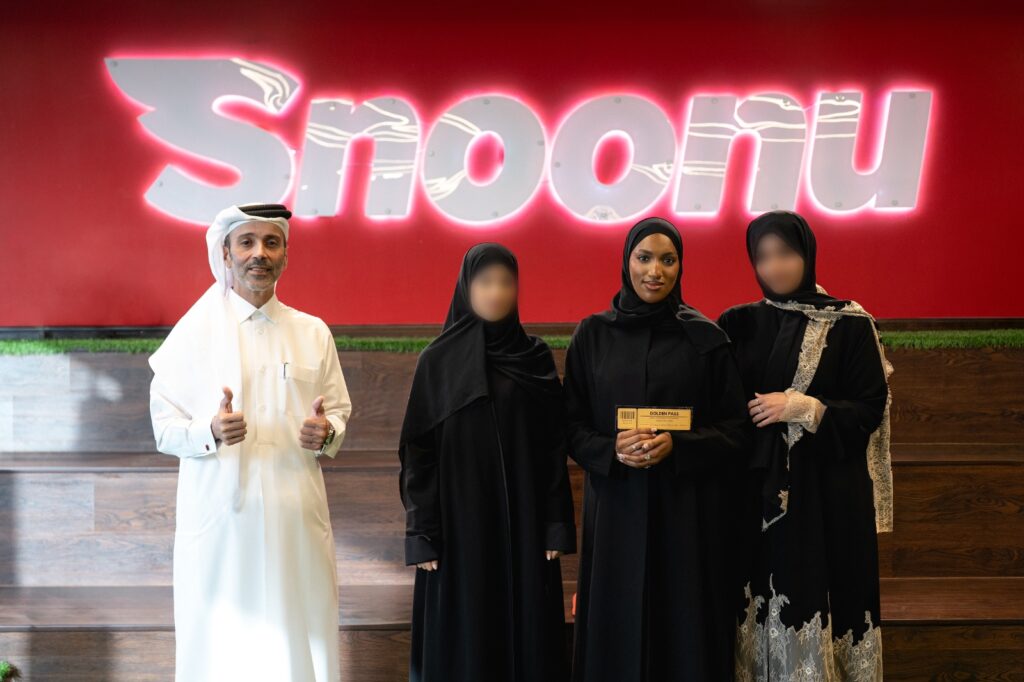
Snoonu has announced its investment in HASIF, a Qatari startup focused on smart accounting and financial compliance solutions for small and medium-sized enterprises (SMEs), as part of the company’s Startup Factory initiative designed to empower entrepreneurs and accelerate innovation in Qatar. The investment follows the successful Startup Factory competition and showcase held in Doha last week, where emerging startups presented technology-driven solutions addressing key business and market challenges across multiple sectors. Founded by Qatar University graduates and young Qatari entrepreneurs Noof Alhbabi, Maryam Eisa, and Dana Alwadaani, HASIF is developing an AI-powered digital platform to simplify financial operations for SMEs. The platform enables businesses to manage accounting, invoicing, financial reporting, and compliance processes more efficiently through automation and intelligent financial tools. In addition to streamlining operations, HASIF connects companies with accounting professionals and helps businesses prepare for future VAT implementation and evolving digital compliance requirements in Qatar and across the region. The investment marks the second startup supported through the Snoonu Startup Factory initiative, following the company’s earlier investment in Sufra AI. The move reflects Snoonu’s broader strategy to strengthen Qatar’s startup ecosystem, support local talent, and contribute to the country’s transition toward a knowledge-based economy aligned with Qatar National Vision 2030. As Qatar continues to position itself as a regional hub for entrepreneurship, technology, and innovation, initiatives such as Startup Factory are playing an increasingly important role in creating opportunities for young founders and in scaling homegrown businesses that address real market needs. The latest investment also highlights growing momentum in Qatar’s startup landscape, particularly in fintech, AI, and SME-focused digital solutions — sectors expected to continue growing as businesses across the Gulf accelerate digital transformation and compliance modernisation. With startups like HASIF entering the spotlight, Qatar’s entrepreneurial ecosystem continues to demonstrate its ability to produce scalable, innovation-driven companies with regional potential.
Sidra Medicine introduces Qatar’s first advanced gene-editing therapy for sickle cell disease and thalassemia
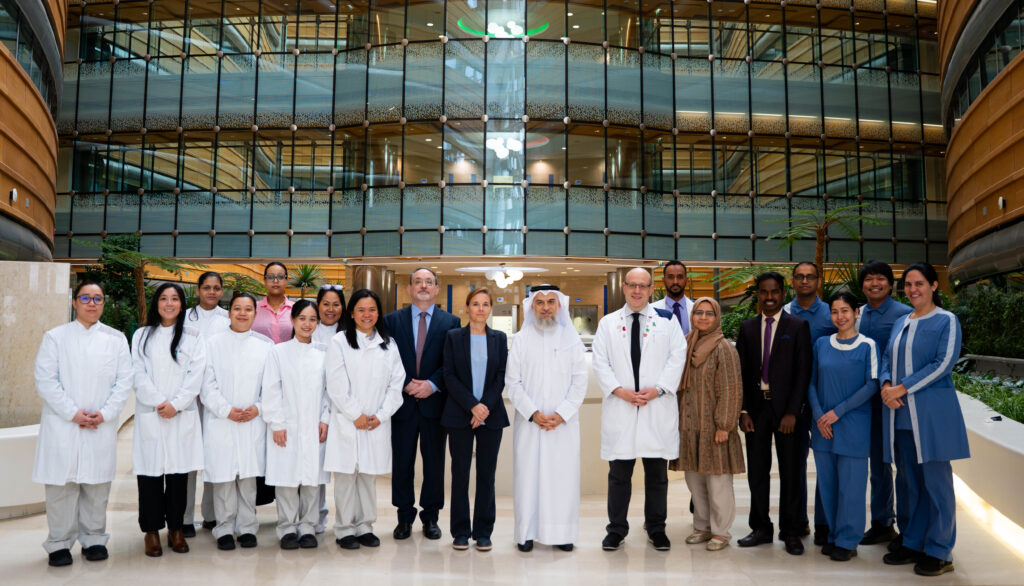
First Patient Onboarded for Treatment Sidra Medicine, a member of Qatar Foundation, has been qualified by Vertex Pharmaceuticals as one of a of a limited number of hospitals in the world, to administer Casgevy, a groundbreaking, one-time CRISPR/Cas9-based gene therapy treatment. Casgevy is now available in Qatar for patients aged 12 years and older, living with transfusion-dependent beta thalassemia (TDT) and severe sickle cell disease (SCD). Prof. Ibrahim Janahi, Chief Medical Officer at Sidra Medicine, said: “We are proud to be chosen as the first hospital in Qatar to deliver a gene editing therapy with the potential for a functional cure. This milestone reinforces Qatar’s position as a regional leader in advanced medicine and precision health. Through our collaboration with Vertex, we are bringing the world’s first approved medicine using the Nobel Prize winning CRISPR/Cas9 technology to treat transfusion-dependent beta thalassemia and severe sickle cell disease. The therapy is available to children in Qatar and the broader MENA region.” Approved by the Ministry of Public Health in Qatar (MOPH), as well as the U.S. Food and Drug Administration (FDA), the European Medicines Agency (EMA), and other agencies, Casgevy is the first-in-class CRISPR/Cas 9 gene-edited therapy that targets the genetic root cause of these inherited blood disorders. The therapy has shown transformative outcomes for patients with sickle cell disease and independence from regular blood transfusions for patients with transfusion dependent beta thalassemia. Hisham Hagar, Executive Country Manager at Vertex GCC, said: “The launch of the CRISPR/Cas9 therapy in Qatar represents a significant leap forward in our efforts against serious diseases. This achievement is a direct result of our invaluable partnership with Sidra Medicine and reinforces Vertex’s mission to transform lives through scientific innovation. We are confident that this treatment will offer the potential for a durable and impactful treatment option for eligible patients with transfusion-dependent beta thalassemia and severe sickle cell disease in Qatar.” Sidra Medicine currently follows approximately 150 to 200 children in Qatar diagnosed with thalassemia and sickle cell disease. While not all of them need gene-therapy, Casgevy is reserved for patients with the most severe form of SCD or TDT — those still experiencing frequent pain crises, stroke risk, or the cumulative burden of lifelong transfusions despite the best medical care. For this group, where conventional treatment is no longer enough, Casgevy offers something genuinely new: a one-time intervention aimed at the root cause. Dr. Chiara Cugno, Acting Chief of Pediatric Hematology, Oncology and Bone Marrow Transplant and Director of the Advanced Cell Therapy Core at Sidra Medicine, said: “The introduction of Casgevy marks a historic advancement for people living with transfusion-dependent beta thalassemia and severe sickle cell disease. This therapy offers not only hope but the potential for a functional cure, by addressing these diseases at their genetic origin. Our team at Sidra Medicine has worked closely with Vertex to ensure that all clinical, ethical, and technical processes are in place to deliver this treatment safely and effectively.” Sidra Medicine’s approval as a Casgevy treatment center means that eligible patients in Qatar will now have access to this one-time, potentially curative therapy closer to home. It has just onboarded its first patient who is currently undergoing assessment for the therapy. Dr. Ahmed Al Hammadi, Chair of Pediatric Medicine at Sidra Medicine said: “Our goal is to ensure that every child treated at Sidra Medicine receives not only the most advanced therapies but also compassionate, family-centered care throughout their journey. Casgevy represents more than a scientific breakthrough. It embodies our commitment to improving the lives of young patients living with these challenging conditions. By integrating innovation with compassion, we are redefining what it means to deliver excellence in pediatric care.” Prof. Khalid Fakhro, Chief Research Officer at Sidra Medicine, added: “This milestone exemplifies our precision health vision, where treatment is guided by each patient’s unique genetic makeup. By bringing transformative gene therapies like Casgevy to Qatar, Sidra Medicine is leveraging cutting-edge research and clinical practice to deliver personalized care for children living with rare and inherited diseases. This is a testament to our national commitment to advancing genomic medicine and positioning Qatar as a leader in precision health across the region.” Casgevy has already been successfully administered to patients globally outside of clinical trials, achieving transfusion independence and significant improvements in quality of life. With this milestone, Sidra Medicine reaffirms its vision to become a regional center of excellence in pediatric cell and gene therapy, expanding access to advanced, personalized, and life-changing treatments. The treatment journey The treatment journey at Sidra Medicine will begin with the safe collection of a patient’s stem cells through apheresis. The cells, in collaboration with Vertex, are then sent to expert laboratories, where they undergo gene editing and validation using the CRISPR/Cas9 technology. Once edited, the cells are returned to Sidra Medicine and preserved until infused. Before infusion, the patient receives chemotherapy to prepare their body to accept the new cells. The gene-edited cells are then infused back into the patient, where they begin to grow in the bone marrow and start producing healthy red blood cells. This complex and highly specialized process is followed by a comprehensive post-treatment recovery and long-term monitoring plan led by Sidra Medicine’s multidisciplinary team in pediatric hematology, oncology, nephrology, and the Good Manufacturing Practice (GMP) facility.
Startup Grind Doha Highlights Mental Resilience as a Core Pillar for Founder Success in Qatar
UK-trained CBT therapist Lorna Devine In the evolving landscape of startups in Qatar, a critical yet often under-discussed issue has begun to take center stage: founder mental wellbeing. As Qatar entrepreneurs continue to drive innovation across sectors, conversations around emotional resilience and psychological performance are becoming essential within the broader Qatar business ecosystem. A recent virtual session hosted by Startup Grind Doha addressed this growing concern, positioning mental fitness as a strategic advantage rather than a personal afterthought. The initiative reflects a wider shift in Qatar startup news and Qatar corporate news, where sustainable performance is now closely linked to founder wellbeing. According to insights shared during the session, founders operating in high-growth environments—particularly within venture capital Qatar and funding in Qatar ecosystems—are under constant pressure. From investor pitching and scaling operations to managing teams and navigating uncertainty, the cognitive and emotional demands are significant. Yet, these challenges often remain invisible within mainstream business news Qatar coverage. The session, titled “The Inner Game of Building a Startup: How to Lead and Perform with Clarity, Composure and Conviction,” brought together founders from Doha and key global startup hubs. It underscored a critical parallel: just as elite athletes invest in mental conditioning, founders must actively develop psychological resilience to sustain peak performance. Expert-led discussions emphasized that high-performing founders frequently experience internal stress, self-doubt, and performance anxiety—factors that directly impact decision-making, leadership effectiveness, and long-term business outcomes. This is particularly relevant in fast-growing sectors such as technology startups in Qatar and innovation-driven industries, where agility and clarity are paramount. A key takeaway was the importance of structured mental frameworks. Founders were encouraged to build awareness of their thought patterns and adopt evidence-based techniques such as cognitive reframing, mindfulness, and stress regulation. These tools are increasingly recognized within Qatar industry news as essential for leadership development. The discussion also highlighted that long-term success in BusinessInQatar is not solely driven by external metrics like revenue or valuation. Instead, it is rooted in internal foundations—self-awareness, emotional regulation, and a clear sense of purpose beyond the business itself. This aligns with evolving Qatar economic policy narratives that emphasize human capital development alongside financial growth. Interactive segments explored practical challenges faced by founders, including managing energy during business networking in Qatar, overcoming procrastination, and maintaining composure under external expectations. These insights are particularly valuable for emerging founders navigating company formation in Qatar and early-stage scaling. As DohaBusiness continues to expand and attract global attention, initiatives like this reflect a maturing ecosystem—one that recognizes the importance of holistic founder development. With increasing focus on investment in Qatar and Qatar development, integrating mental resilience into the entrepreneurial journey is likely to become a defining factor in long-term success. This shift signals a broader transformation in Qatar market news, where performance is no longer measured purely by output, but by the sustainability and wellbeing of the individuals driving innovation.
Ambition, Drive, Solution-Driven: Capital for a Growth Story
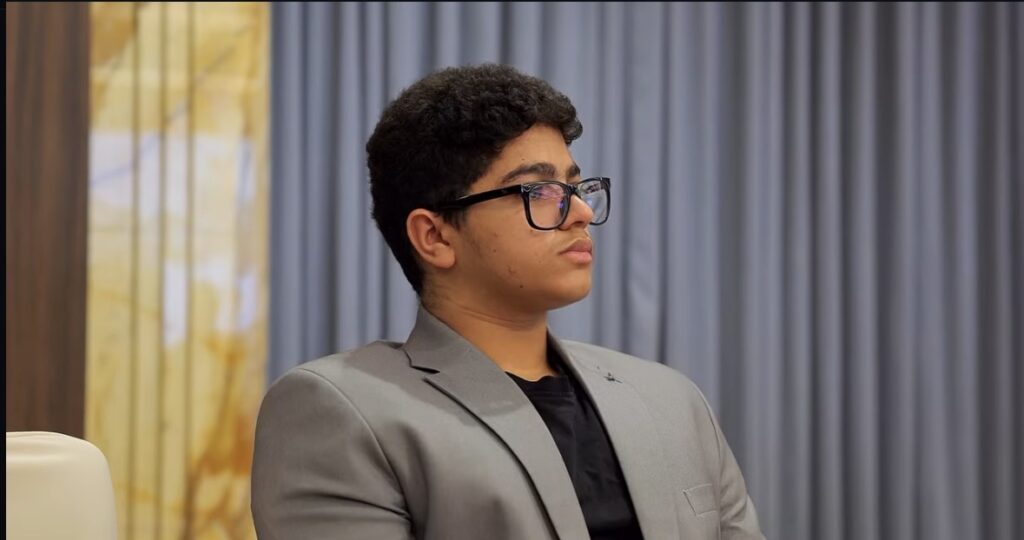
Mohab Mohammed Kamal, Founder and CEO of ConnectED, Doha, Qatar. At 16, Mohab Mohammed Kamal has already done what most founders spend years trying to do — find a real problem, build a real product, and make people care. Meet the founder of ConnectED. By Aparajita Mukherjee About the founder: Mohab Mohammed Kamal, 16 years old. Founder and CEO of ConnectED — a platform connecting high school students, schools, and universities globally. Founded in May 2025. Based in Doha, Qatar. The Problem Nobody Had Solved It started with a feeling every high school student knows — the overwhelming, directionless confusion of figuring out what to do with your life. Mohab Mohammed Kamal was 15 when he felt it. He had questions and nowhere to go for answers. What is my passion? What should I study? How do I even reach out to a university? The platforms that existed were dense, outdated, and built for someone else. Handshake, for example, connects university students to employers. Nobody was connecting high school students to universities — at the moment they needed it most. So Kamal built it himself. “ConnectED is a three-sided marketplace connecting high school students, schools, and universities. The problem exists on every side simultaneously — students are lost, schools have no real infrastructure to guide their students, and universities have no efficient way to reach the right students early. We fix all three in one platform.” After surveying over 200 students who shared the same struggle, the idea became a mission. Built by Gen Z, for Gen Z — the way this process should have always worked. BL: How do schools and universities benefit from ConnectED? Schools finally have a real tool. Right now counsellors are managing hundreds of students with no structured system — they can’t track where each student is in their individual journey, what they need, or where they’re headed. ConnectED gives schools full visibility and control over that entire process. For universities, the benefit is access. They currently spend enormous resources on recruitment with no efficient channel to reach the right students early. ConnectED gives them a direct line to motivated, relevant students at exactly the right moment — before those students have already decided to go somewhere else. BL: With no paid advertising, how are you managing growth? We built something people actually wanted to talk about. 706 users came through word of mouth, competition exposure, and the Web Summit platform. When you solve a real problem and you’re a 16-year-old who built it himself, people share it. That’s not a strategy you can manufacture — it comes from the product being real and the story being genuine. On top of that, we have a full organic marketing strategy ready to execute — social media videos, content, posts — all designed to grow the platform without relying on paid advertising. We’re just getting started on that front. BL: Talk us through your experience at Web Summit 2026. It was something truly amazing — and hopefully we’ll be back next year. Being the youngest exhibitor in the room, surrounded by some of the most serious founders, investors, and operators in the world — and holding our own — was one of the most defining moments of building ConnectED. The video that went viral gave us an enormous push. It made the platform more well-known across Qatar — students, institutions, and people we’d never reached before started finding us. We even had people reaching out wanting serious discussions about the platform off the back of it. That exposure proved that the story resonates well beyond just our immediate network. BL: What do your awards and competition wins mean for the journey ahead? They do two things. First, credibility — when you’re 16 and telling investors and institutions you’ve built something real, third-party validation matters. Winning against 200+ teams at Al Fikra, advancing at INJAZ Mubadara, the Lenabtaker Excellence Award — these aren’t participation trophies, they’re proof points. Second, network. Every competition puts you in a room with mentors, investors, and operators you wouldn’t otherwise have access to. That network compounds over time. BL: Do you plan to take ConnectED beyond Qatar? ConnectED was never a Qatar-only idea. The problem — students navigating university admissions with no real support — exists everywhere. Every country, every education system. Qatar is where we’re starting because it’s where we are, where we have traction, and where we can build the model properly before scaling. But the roadmap is global. The platform, the infrastructure, the marketplace model — it all travels. BL: With 706 registered users, how many have been accepted to a university? The honest context here is important. The 706 students came to the platform when it was still a prototype — when we only had the student side built. There was no school or university side yet, meaning the actual connection between students and institutions hadn’t been made yet. What we proved was demand — students found us and signed up organically. Right now we’re rebuilding the full platform with a professional development agency, adding the school and university layers properly. Before we launch, we’re going out to schools and universities directly to get them onboarded so that when we go live, the full flow is ready from day one. That’s when we’ll be able to track outcomes end-to-end — and it will become one of our strongest proof points. BL: Once you go to university yourself — how do you plan to sustain ConnectED? I have two options — either stay in Qatar and continue running ConnectED from here, or take it with me to whichever university I end up at. Either way, my goal is to have the entire business sorted, structured, and self-sustaining before I head to university. The team, the processes, the partnerships — everything in place so that ConnectED can manage itself whether I’m in Doha or anywhere else in the world. The company shouldn’t depend on me being in one place. That’s
Qatar’s Window to the Universe

The Blue Horsehead Nebula (IC 4592), captured over seven nights from Sawda Natheel, southern Qatar. Image courtesy: Rabeea Alkuwari / NASA APOD A striking deep-space image captured from Qatar’s desert skies by astrophotographer Rabeea Alkuwari, selected as NASA’s Astronomy Picture of the Day. Qatari astrophotographer Rabeea Alkuwari has once again captured the world’s attention — and NASA’s — after his breathtaking image of the Blue Horsehead Nebula (IC 4592) was selected as NASA’s Astronomy Picture of the Day, marking his third such recognition from the world’s most celebrated space agency. Shot across seven painstaking nights from Sawda Natheel in southern Qatar, the image required two adjacent frames stitched together to capture the nebula’s full scale — a technical feat that reflects both the complexity of deep-sky imaging and the extraordinary clarity of Qatar’s desert skies. The subject, IC 4592 — the Blue Horsehead Nebula — is a reflection nebula in the constellation Scorpius, illuminated by the bright star Nu Scorpii. Its delicate blue hues and vast celestial structure make it one of the most visually striking deep-sky objects, and one of the most technically demanding to photograph. “Being able to share my work from the premium skies of Qatar with the world is always a pleasure.” -RABEEA ALKUWARI, ASTROPHOTOGRAPHER A mechanical engineer by profession and a stargazer by passion, Alkuwari’s achievement is a powerful reminder that world-class scientific artistry can emerge from right here in Qatar — from its silent desert plains, its expansive dark skies, and from the quiet ambition of those who look upward and refuse to stop reaching. WHY THIS MATTERS FOR QATAR Alkuwari’s recognition places Qatar on the global map of scientific and creative achievement — not through imported expertise, but through homegrown talent. His work demonstrates that Qatar’s people are capable of contributing to humanity’s greatest pursuit: understanding the universe. NASA’s Astronomy Picture of the Day programme, running since 1995, features a single image each day selected by professional astronomers for its scientific and artistic merit. To be selected once is remarkable. To be selected three times — from the same patch of desert sky in southern Qatar — is extraordinary. In a nation building its future across technology, science, education and culture, Alkuwari’s lens has become one of Qatar’s most powerful instruments of achievement — pointing not inward, but outward, into the infinite. “World-class scientific artistry can emerge from right here in Qatar.” -BUSINESS LEADERS QATAR