

Qatar’s HMC Delivers 25 Million Healthcare Services in H1 2026
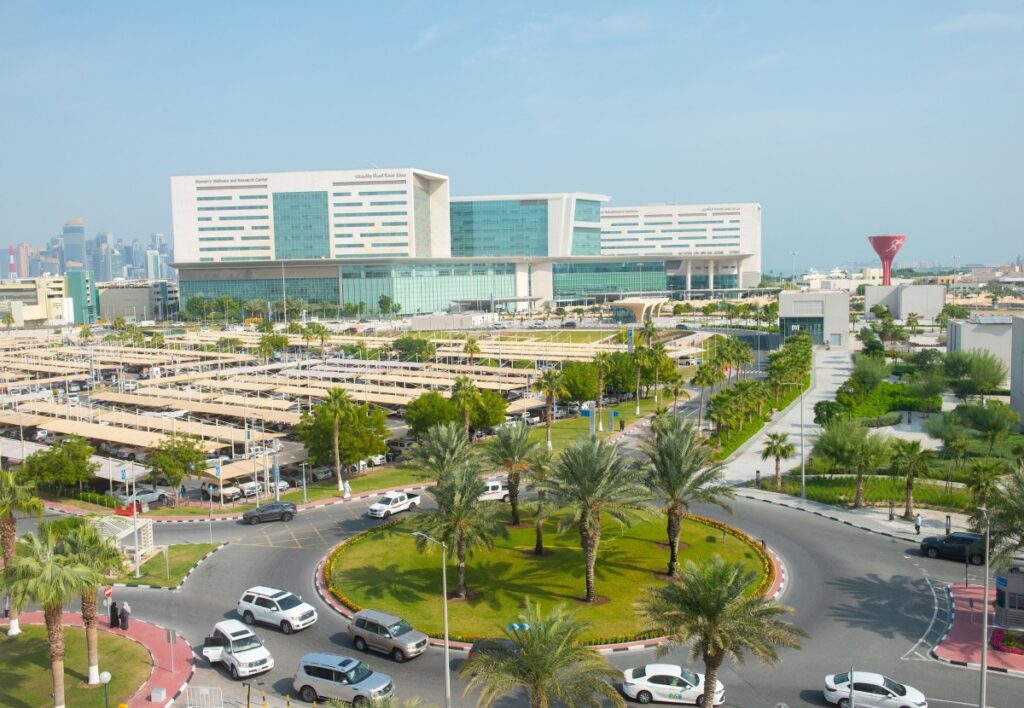
Hamad Medical Corporation (HMC) continued to expand and strengthen its healthcare services in the first half of 2026, with a focus on advanced care, digital transformation and greater access for patients. The latest figures highlight HMC’s central role in Qatar’s healthcare system and its continued investment in people and technology to deliver more integrated and sustainable healthcare. During the first six months of 2026, HMC provided 25 million healthcare services, including 1.5 million outpatient appointments, 40,000 surgical procedures, 700,000 cases treated across emergency departments and 50,000 home visits, according to statistics released by HMC on its social media platforms recently. According to HMC, the figures highlight the scale of its operations and its central role as Qatar’s primary public healthcare provider, supporting the country’s efforts to build a more sustainable and integrated healthcare system. “Hamad Medical Corporation’s key figures reflect the scale of its services and capabilities, highlighting its central role in Qatar’s healthcare system and its contribution to improving community health and quality of life, in support of the Third National Development Strategy,” it said. HMC oversees 14 hospitals, comprising specialist and community hospitals, in addition to the Ambulance Service and home care services. The corporation has around 30,000 employees, with 99 percent of its leadership positions held by Qataris. The healthcare provider said its continued investment in people, technology and advanced services is aimed at delivering high-quality care while improving the patient experience and strengthening community health. As part of its digital transformation, HMC provides patients with access to digital services, including health records covering up to 10 years. The Lbaih application has also reached 400,000 subscribers. HMC said the average waiting time for a first specialist appointment has been reduced significantly, from 58 days to 16 days. In the area of blood services, rare blood types are frozen and stored for up to 30 years to ensure their availability when needed. More than 400 blood donation campaigns have also been conducted during 2026. HMC said it is focused on providing high-quality care while continuing to invest in its people and technology to support more sustainable healthcare.
Sidra Medicine and Zulal Wellness Resort by Chiva-Som Sign MoU to Elevate Wellness Programs
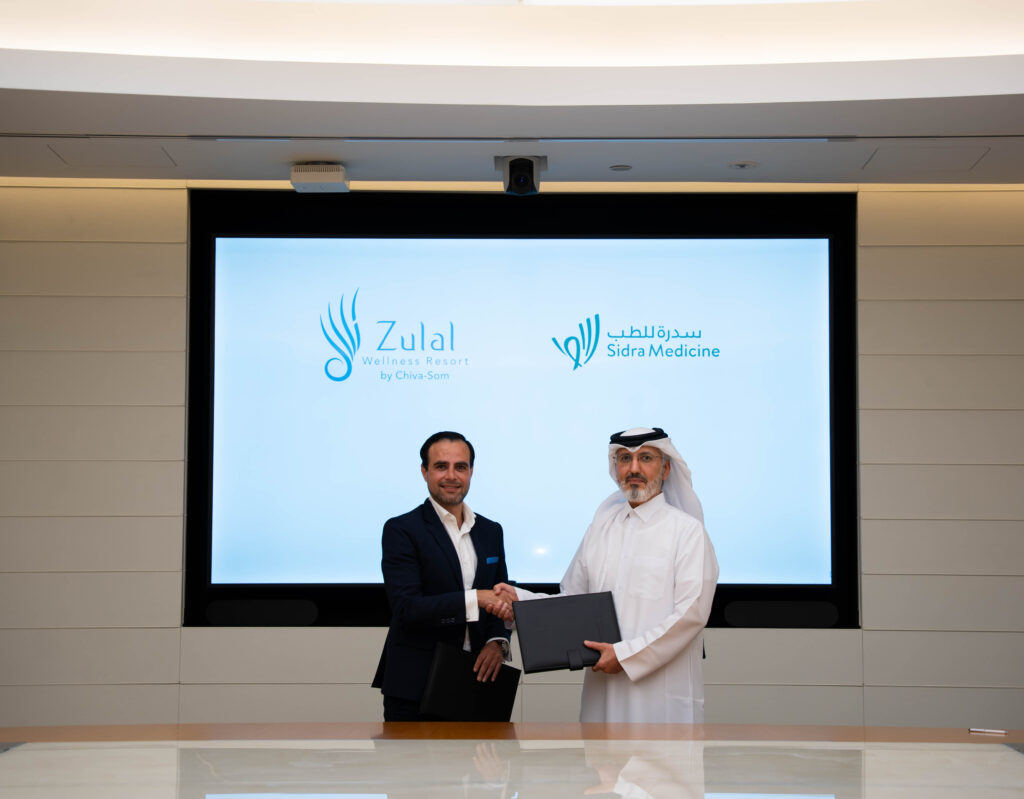
Partnership combines wellness expertise and medical excellence to create transformative health and recovery experiences Sidra Medicine and Zulal Wellness Resort by Chiva-Som, members of Qatar Foundation, officially signed a Memorandum of Understanding (MoU) to collaborate on the development of integrated wellness and preventive health programs. The signing ceremony on 1 June 2026, was attended by Mr. Mohammed Khalid Al Mana, Acting Chief Executive Officer and a Member of the Board of Governors at Sidra Medicine and Mr. Ammar Samad, General Manager of Zulal Wellness Resort by Chiva-Som. The collaboration aims to combine Sidra Medicine’s clinical expertise with Zulal Wellness Resort’s holistic wellness approach to create medically supported wellness and holistic wellbeing programs for Sidra Medicine’s patients. Through this partnership, both organisations will explore opportunities to introduce wellness-focused programs supported by clinical oversight; lifestyle and nutrition initiatives; diagnostic and preventive health services; as well as professional education and training programs. Being the first wellness resort dedicated to Traditional Arabic and Islamic Medicine (TAIM), the partnership with Zulal Wellness Resort will also seek to create a personalized range of wellness, therapeutic and lifestyle enhancement treatments; incorporating TAIM’s healing wisdom with Sidra Medicine’s state-of-the-art health services and therapies. Mr. Mohammed Khalid Al Mana, Acting Chief Executive Officer and a Member of the Board of Governors at Sidra Medicine, said: “Our partnership with Zulal Wellness Resort by Chiva-Som represents an important step in integrating clinical excellence with wellness innovation. By working together, we can further enhance patient and family wellbeing through comprehensive and personalized care experiences.” The first phase of the program, part of an expansion of Sidra Medicine’s Women’s Services, will include postpartum recovery experiences, mental and preventive health services, wellness education, referral pathways, and in-hospital wellness offerings. Mr. Ammar Samad, General Manager of Zulal Wellness Resort by Chiva-Som, said: “This collaboration reflects our shared vision of elevating wellness and preventive healthcare through a holistic and evidence-based approach, aligned with the goals of Qatar National Vision 2030. Together with Sidra Medicine, we aim to create meaningful wellness experiences that support long-term wellbeing for our guests and the wider community.” The MoU marks the beginning of a strategic collaboration focused on advancing wellness, recovery, and preventive healthcare offerings in Qatar while supporting innovation across both medical and wellness sectors.
Sidra Medicine Advanced Imaging Core Recognized as ZEISS labs@location Reference Customer
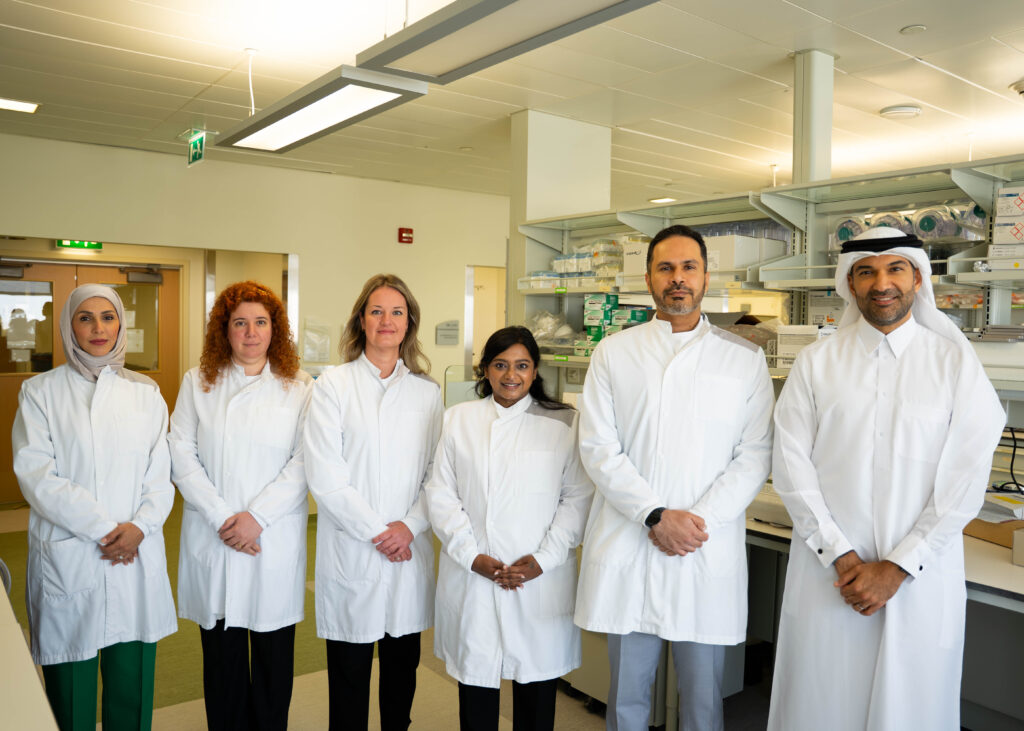
Recognition places Sidra Medicine among a global network of research institutions advancing imaging science and clinical innovation Sidra Medicine, a member of Qatar Foundation, has achieved a major international recognition after being formally designated as a ZEISS labs@location Reference Customer through its Advanced Imaging Core. The designation places the Doha-based healthcare and research institution within a select global network of leading hospitals, academic medical centers, and scientific core facilities recognized for excellence in advanced microscopy and biomedical imaging. The recognition marks an important milestone for Qatar’s growing research and innovation landscape, reinforcing Sidra Medicine’s role as a regional hub for precision medicine, translational research, and advanced clinical innovation. The ZEISS labs@location Program was created to deepen collaboration between ZEISS and leading laboratories around the world. It supports the development of advanced imaging applications, scientific training, expert demonstrations, knowledge exchange, and the use of next-generation microscopy technologies in research and clinical environments. For Sidra Medicine, the designation reflects the strength of its Advanced Imaging Core, which has built a strong reputation for supporting complex imaging applications, high-quality scientific research, and multidisciplinary collaboration. Dr. Abbirami Sathappan, Lead of the Advanced Imaging Core at Sidra Medicine, said the recognition reflected the expertise and infrastructure developed within the facility. “Being recognized as a ZEISS labs@location Reference Customer reflects the strength of the expertise, infrastructure, and collaborative environment we have built within the Advanced Imaging Core,” she said. “The designation strengthens our ability to support researchers and clinicians with advanced imaging workflows that accelerate discovery and contribute to clinically relevant research.” The designation followed a detailed evaluation of Sidra Medicine’s Advanced Imaging Core, which demonstrated advanced imaging capabilities, strong operational standards, technical expertise, and the ability to provide high-level training and knowledge transfer. The center was also recognized for supporting publication-grade research, complex imaging workflows, and collaborative scientific initiatives. This achievement places Sidra Medicine alongside globally recognized leaders in imaging science and biomedical research. More importantly, it highlights Qatar’s growing investment in world-class research infrastructure and its ambition to build strong local capabilities in healthcare innovation. Prof. Khalid Fakhro, Chief Research Officer at Sidra Medicine, said the recognition aligned with Sidra Medicine’s long-term commitment to investing in advanced research platforms with direct relevance to patient care. “We are very proud today of this exceptional recognition of our Advanced Imaging Core,” he said. “At Sidra Medicine, our philosophy has always been to invest in developing state-of-the-art core research platforms, led by visionary staff building testing capabilities with direct relevance for patient care.” He added that the ZEISS designation supported Sidra Medicine’s mission to improve the understanding of rare and complex diseases, strengthen diagnostics, and help deliver more precise treatments for patients. The recognition also strengthens Sidra Medicine’s position in international research partnerships. According to Dr. Sara Tomei, Director of Integrated Genomic Services at Sidra Medicine, the designation enhances the institution’s competitiveness for peer-reviewed grants and global collaborations by demonstrating advanced technology leadership, scientific capability, and training excellence. She added that the recognition would also support the development of local expertise through structured training opportunities for clinicians, fellows, researchers, and technologists. For Qatar’s healthcare and research sector, the announcement carries broader significance. As the country continues to invest in precision medicine, genomics, advanced diagnostics, and translational research, institutions such as Sidra Medicine are playing a central role in connecting scientific discovery with clinical impact. The ZEISS labs@location designation further supports Sidra Medicine’s mission to integrate advanced technologies into research and clinical innovation, improving outcomes for patients and families in Qatar and beyond. By joining this elite international network, Sidra Medicine has reinforced its position as one of the region’s leading centers for biomedical research, advanced imaging, and precision medicine — while strengthening Qatar’s place on the global map of healthcare innovation.
Sidra Medicine introduces Qatar’s first advanced gene-editing therapy for sickle cell disease and thalassemia
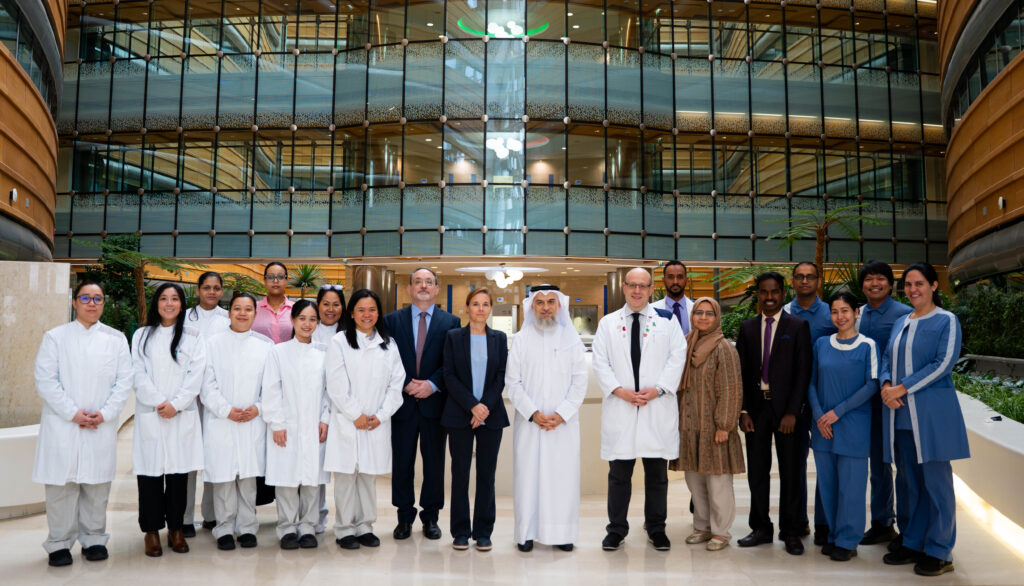
First Patient Onboarded for Treatment Sidra Medicine, a member of Qatar Foundation, has been qualified by Vertex Pharmaceuticals as one of a of a limited number of hospitals in the world, to administer Casgevy, a groundbreaking, one-time CRISPR/Cas9-based gene therapy treatment. Casgevy is now available in Qatar for patients aged 12 years and older, living with transfusion-dependent beta thalassemia (TDT) and severe sickle cell disease (SCD). Prof. Ibrahim Janahi, Chief Medical Officer at Sidra Medicine, said: “We are proud to be chosen as the first hospital in Qatar to deliver a gene editing therapy with the potential for a functional cure. This milestone reinforces Qatar’s position as a regional leader in advanced medicine and precision health. Through our collaboration with Vertex, we are bringing the world’s first approved medicine using the Nobel Prize winning CRISPR/Cas9 technology to treat transfusion-dependent beta thalassemia and severe sickle cell disease. The therapy is available to children in Qatar and the broader MENA region.” Approved by the Ministry of Public Health in Qatar (MOPH), as well as the U.S. Food and Drug Administration (FDA), the European Medicines Agency (EMA), and other agencies, Casgevy is the first-in-class CRISPR/Cas 9 gene-edited therapy that targets the genetic root cause of these inherited blood disorders. The therapy has shown transformative outcomes for patients with sickle cell disease and independence from regular blood transfusions for patients with transfusion dependent beta thalassemia. Hisham Hagar, Executive Country Manager at Vertex GCC, said: “The launch of the CRISPR/Cas9 therapy in Qatar represents a significant leap forward in our efforts against serious diseases. This achievement is a direct result of our invaluable partnership with Sidra Medicine and reinforces Vertex’s mission to transform lives through scientific innovation. We are confident that this treatment will offer the potential for a durable and impactful treatment option for eligible patients with transfusion-dependent beta thalassemia and severe sickle cell disease in Qatar.” Sidra Medicine currently follows approximately 150 to 200 children in Qatar diagnosed with thalassemia and sickle cell disease. While not all of them need gene-therapy, Casgevy is reserved for patients with the most severe form of SCD or TDT — those still experiencing frequent pain crises, stroke risk, or the cumulative burden of lifelong transfusions despite the best medical care. For this group, where conventional treatment is no longer enough, Casgevy offers something genuinely new: a one-time intervention aimed at the root cause. Dr. Chiara Cugno, Acting Chief of Pediatric Hematology, Oncology and Bone Marrow Transplant and Director of the Advanced Cell Therapy Core at Sidra Medicine, said: “The introduction of Casgevy marks a historic advancement for people living with transfusion-dependent beta thalassemia and severe sickle cell disease. This therapy offers not only hope but the potential for a functional cure, by addressing these diseases at their genetic origin. Our team at Sidra Medicine has worked closely with Vertex to ensure that all clinical, ethical, and technical processes are in place to deliver this treatment safely and effectively.” Sidra Medicine’s approval as a Casgevy treatment center means that eligible patients in Qatar will now have access to this one-time, potentially curative therapy closer to home. It has just onboarded its first patient who is currently undergoing assessment for the therapy. Dr. Ahmed Al Hammadi, Chair of Pediatric Medicine at Sidra Medicine said: “Our goal is to ensure that every child treated at Sidra Medicine receives not only the most advanced therapies but also compassionate, family-centered care throughout their journey. Casgevy represents more than a scientific breakthrough. It embodies our commitment to improving the lives of young patients living with these challenging conditions. By integrating innovation with compassion, we are redefining what it means to deliver excellence in pediatric care.” Prof. Khalid Fakhro, Chief Research Officer at Sidra Medicine, added: “This milestone exemplifies our precision health vision, where treatment is guided by each patient’s unique genetic makeup. By bringing transformative gene therapies like Casgevy to Qatar, Sidra Medicine is leveraging cutting-edge research and clinical practice to deliver personalized care for children living with rare and inherited diseases. This is a testament to our national commitment to advancing genomic medicine and positioning Qatar as a leader in precision health across the region.” Casgevy has already been successfully administered to patients globally outside of clinical trials, achieving transfusion independence and significant improvements in quality of life. With this milestone, Sidra Medicine reaffirms its vision to become a regional center of excellence in pediatric cell and gene therapy, expanding access to advanced, personalized, and life-changing treatments. The treatment journey The treatment journey at Sidra Medicine will begin with the safe collection of a patient’s stem cells through apheresis. The cells, in collaboration with Vertex, are then sent to expert laboratories, where they undergo gene editing and validation using the CRISPR/Cas9 technology. Once edited, the cells are returned to Sidra Medicine and preserved until infused. Before infusion, the patient receives chemotherapy to prepare their body to accept the new cells. The gene-edited cells are then infused back into the patient, where they begin to grow in the bone marrow and start producing healthy red blood cells. This complex and highly specialized process is followed by a comprehensive post-treatment recovery and long-term monitoring plan led by Sidra Medicine’s multidisciplinary team in pediatric hematology, oncology, nephrology, and the Good Manufacturing Practice (GMP) facility.
DOC Medical Center to Launch Pioneering Neurosciences Division as part of Qatar National Day celebrations
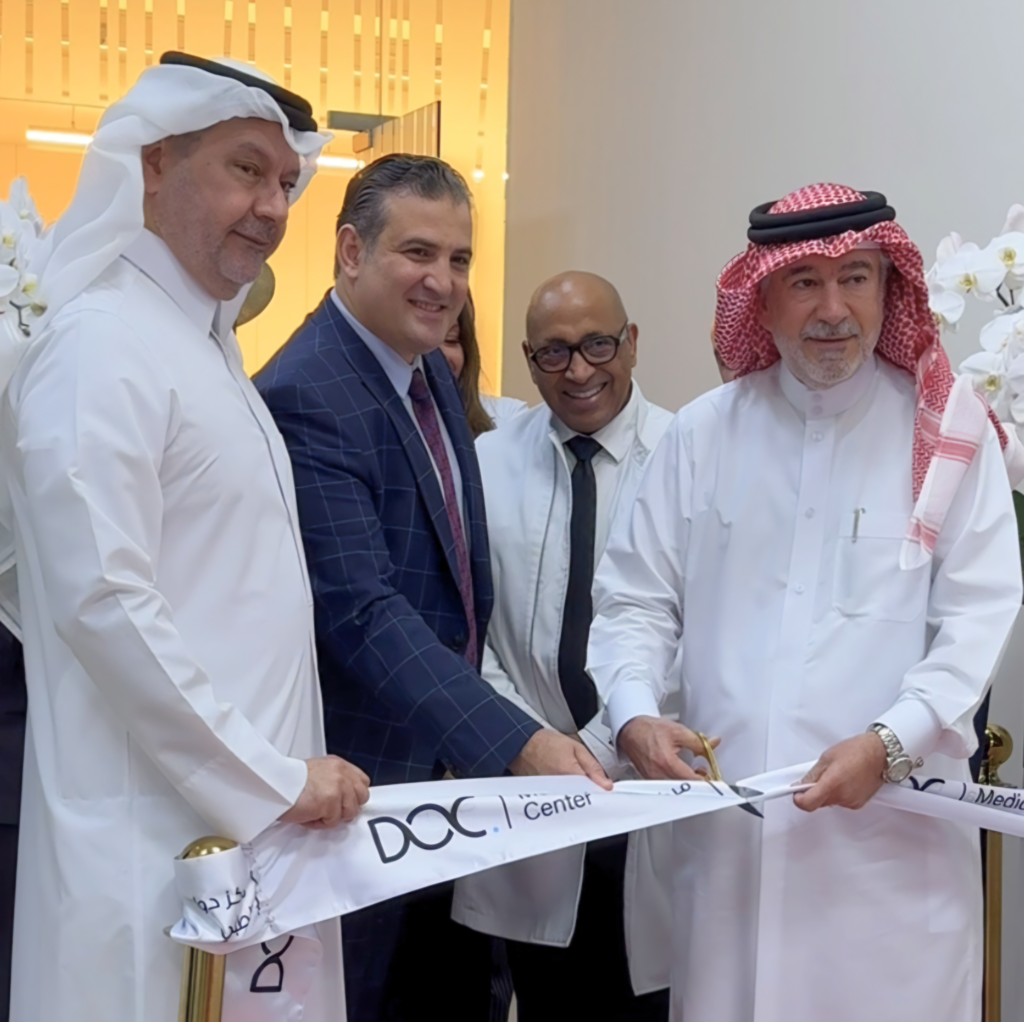
DOC Medical Center, one of Qatar’s leading institutions in specialised orthopaedics and neurological care, has announced the launch of its new DOC Neurosciences Division, marking a major milestone in the country’s evolving healthcare landscape. As part of the Qatar National Day celebrations, the new division reflects a national commitment to advancing world-class neurological and spinal care in the State of Qatar. The launch of DOC Neurosciences introduces a comprehensive, future-ready model for the diagnosis, treatment, and rehabilitation of complex brain, spine, and neurological disorders. The division brings together internationally recognised clinical expertise, cutting-edge surgical technologies, and patient-centric innovations under one integrated platform. Advancing Neurological and Spine Care in Qatar Designed to address the growing regional demand for sophisticated, minimally invasive neurological and spinal treatments, DOC Neurosciences is built on three core pillars: world-class surgical expertise, advanced medical technology, and holistic neuro-rehabilitation. The division represents a strategic investment in specialised care that aligns with Qatar National Vision 2030’s focus on healthcare excellence, innovation, and sustainable development. Mr. Khalid Ahmad A A Alshaibi, Chief Guest of Honour, commented:“Launching DOC Neurosciences on Qatar National Day is a powerful reflection of the nation’s spirit of progress. This initiative significantly strengthens Qatar’s healthcare capabilities and demonstrates a commitment to providing world-class, compassionate neurological care to the community.” Leadership Driving Clinical Excellence Dr. Emmanuel Tolessa, Founder and Chairman of DOC Medical Center, stated:“This is more than an expansion; it is the realisation of a long-standing vision to centralise exceptional neuro-spine care. By bringing together some of the world’s leading specialists and technologies under one roof, DOC Neurosciences will redefine the standard of care for patients in Qatar and the wider region.” Leading the division is Dr Sirajeddin Belkhair, Director of DOC Neurosciences and Senior Consultant Neurosurgeon, who emphasised the role of precision and innovation in modern neurosurgery. He highlighted the use of advanced neuronavigation systems such as Brainlab (Germany) to enhance surgical accuracy, patient safety, and clinical outcomes, particularly in complex brain tumour and neurological procedures. Complementing this approach, Dr. Ashraf Megahed, Medical Director and Senior Consultant Neurosurgeon, brings a specialised focus on minimally invasive and endoscopic spine surgery, offering advanced solutions for conditions such as herniated discs, spinal stenosis, and degenerative spine disorders—often enabling faster recovery and outpatient-level care. Revolutionising Patient Experience Through Augmented Reality In a first for Qatar’s private healthcare sector, DOC Neurosciences will introduce an Augmented Reality (AR) platform to transform patient education and engagement. Through immersive 3D visualisation of patient-specific anatomy, clinicians can clearly explain diagnoses and treatment plans, empowering patients and families to actively participate in their care journey. Integrated Neuro-Rehabilitation for Complete Recovery True to DOC Medical Center’s holistic philosophy, the Neurosciences Division is fully integrated with a specialised Neuro-Rehabilitation Department, ensuring seamless continuity of care from surgery through recovery. The multidisciplinary rehabilitation team focuses on restoring mobility, independence, and quality of life—completing the full spectrum of neuroscientific care. With the launch of DOC Neurosciences, DOC Medical Center reinforces Qatar’s position as a rising regional hub for advanced neurological care, spinal surgery, and medical innovation, setting a new benchmark for excellence in patient-focused healthcare.
DOC Medical Center – Izghawa Branch Launches Qatar’s Flagship MBST Regenerative Therapy Center in Joint Venture with Nabina Group
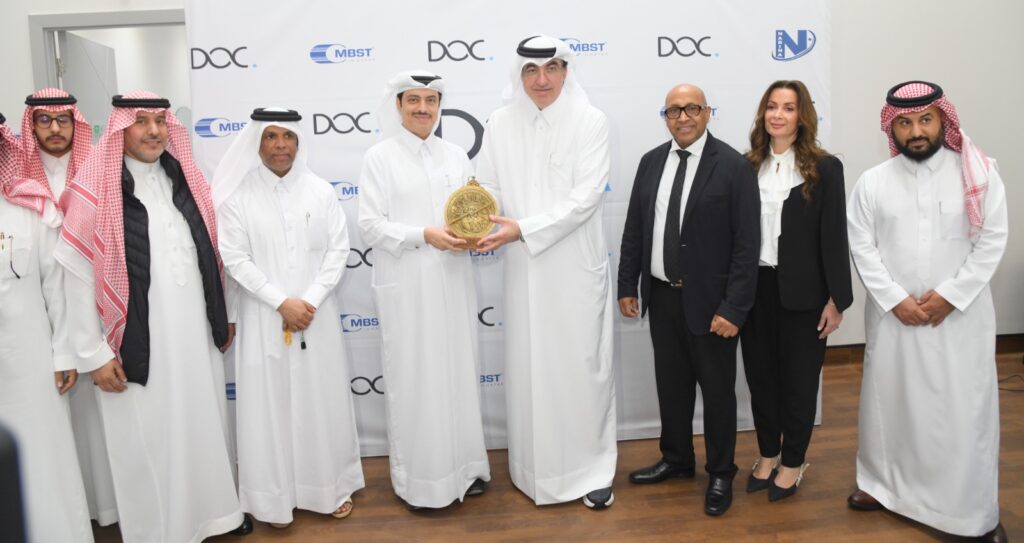
DOC Medical Center has officially launched its new Izghawa Branch, establishing Qatar’s first flagship hub dedicated to MBST® (Molecular Biophysical Stimulation) regenerative therapy through a landmark Joint Venture with Nabina Group’s Healthcare Division. The center positions Qatar at the forefront of non-invasive regenerative medicine in the GCC, reinforcing the nation’s growing influence as a regional healthcare innovation leader. The new facility will serve as the country’s premier destination for this groundbreaking German MBST technology, offering evidence-based therapy for chronic pain, arthritis, osteoporosis, sports injuries, spine conditions, and degenerative musculoskeletal diseases. As the MBST Master Licensee for the entire GCC, Nabina Group’s partnership with DOC Medical Center creates a transformative model of collaboration aimed at expanding the therapy across the GCC and Africa. This launch aligns with Qatar National Vision 2030, advancing national goals in health innovation, wellness, active ageing, and knowledge-based economic development. A Strategic Joint Venture Driving GCC-Wide Medical Innovation Mr Mansoor Nabina, CEO of MBST Qatar and Healthcare Division Lead at Nabina Group, highlighted the regional significance of the partnership: “As the MBST Master Licensee for the GCC, our Joint Venture with DOC Medical Center establishes the Izghawa Branch as the cornerstone of our regional expansion strategy. This is more than opening a clinic — it is the activation of a regional gateway for MBST regenerative technology. Our vision spans across the GCC and into Africa, and DOC Medical Center – Izghawa will serve as the model for clinical excellence, patient outcomes, and therapeutic innovation. We are proud to bring world-class, non-invasive regenerative solutions to Qatar and beyond.” Through this partnership, the center will offer exclusive MBST treatment protocols, supported by advanced diagnostics and patient-monitoring systems designed to deliver superior regenerative outcomes without surgery or medication dependency. Leadership Insight: Transforming Qatar’s Healthcare Landscape Dr Emmanuel Tolessa, Founder and Chairman of DOC Medical Center Qatar, emphasised the national health impact: “The introduction of MBST technology through DOC Medical Center – Izghawa is a milestone in advancing Qatar’s healthcare standards. By partnering with Nabina Group, we ensure access to the most advanced regenerative medicine protocols. This innovation has the potential to significantly reduce invasive procedures and long-term medication use while improving the quality of life for patients living with chronic musculoskeletal conditions. With Qatar’s ageing population and increasing prevalence of joint and spine disorders, the new center will play a vital role in addressing national health priorities and supporting long-term wellbeing.” The Izghawa Branch will serve as the primary clinical and training hub for MBST therapy, enabling healthcare professionals across the region to access specialised certification, research insights, and application techniques. A New Era of Regenerative Medicine in Qatar The launch of the DOC Medical Center – Izghawa Branch marks a bold step forward in Qatar’s commitment to integrating cutting-edge medical technology, non-invasive regenerative therapy, and patient-centered healthcare innovation. With MBST now accessible through this flagship center, Qatar stands poised to become the GCC’s leader in regenerative medicine, musculoskeletal health, and advanced therapeutic solutions, offering life-changing treatments for residents, athletes, seniors, and individuals seeking long-term recovery without surgery.
HH Sheikha Moza bint Nasser Attends Opening of Precision Medicine and the Future of Genomics Summit 2025

Qatar Foundation and Sidra Medicine highlight 11 years of groundbreaking progress in Precision Health and Genomics. Her Highness Sheikha Moza bint Nasser, Chairperson of Qatar Foundation (QF), attended the opening of the Precision Medicine and the Future of Genomics (PMFG) Summit 2025, held at the Qatar National Convention Centre (QNCC). The prestigious event marks more than a decade of Qatar’s leadership and investment in precision medicine, genomics, and health innovation. The ceremony was also attended by HE Mansoor bin Ebrahim bin Saad Al Mahmoud, Minister of Public Health, alongside senior government officials, diplomats, and global healthcare and academic leaders — underscoring Qatar’s commitment to advancing the future of healthcare. A Decade of Milestones in Precision Medicine The PMFG Summit 2025 opened with keynote addresses from Julia Vitarello, Founder & CEO of Mila’s Miracle Foundation, and Prof. Ed Liu from The Jackson Laboratory. The ceremony concluded with the flagship panel discussion:“From Personalised to Population-Scale: Building a Thriving Precision Medicine Sector in Qatar.” In his remarks, Prof. Khalid Fakhro, Chief Research Officer at Sidra Medicine, stated: “As we celebrate 11 years of PMFG, we reaffirm our commitment to advancing genomic science, translational research, and precision health implementation. We extend our appreciation to all speakers, partners, sponsors, and the growing scientific community in Qatar who make this summit truly exceptional.” Driving the Future of Genomics and Healthcare Innovation Co-organised by Sidra Medicine and the Qatar Precision Health Institute, and held under the patronage of Qatar Foundation, the PMFG Summit focuses on three major transformative pillars shaping the next era of global healthcare: The summit brings together global experts to explore how genomics, technology, and clinical strategy can be integrated into population-wide healthcare transformation — positioning Qatar as a frontrunner in precision medicine. What’s Ahead on Day 2 – December 3 The second day of PMFG 2025 will feature: As Qatar continues shaping a world-class ecosystem for precision health, the PMFG Summit stands as a cornerstone of its national vision to lead scientific discovery, improve patient outcomes, and build a sustainable healthcare future.
MENA Fintech & Insurtech Festival 2025: Qatar Takes Center Stage in Regional Financial Innovation
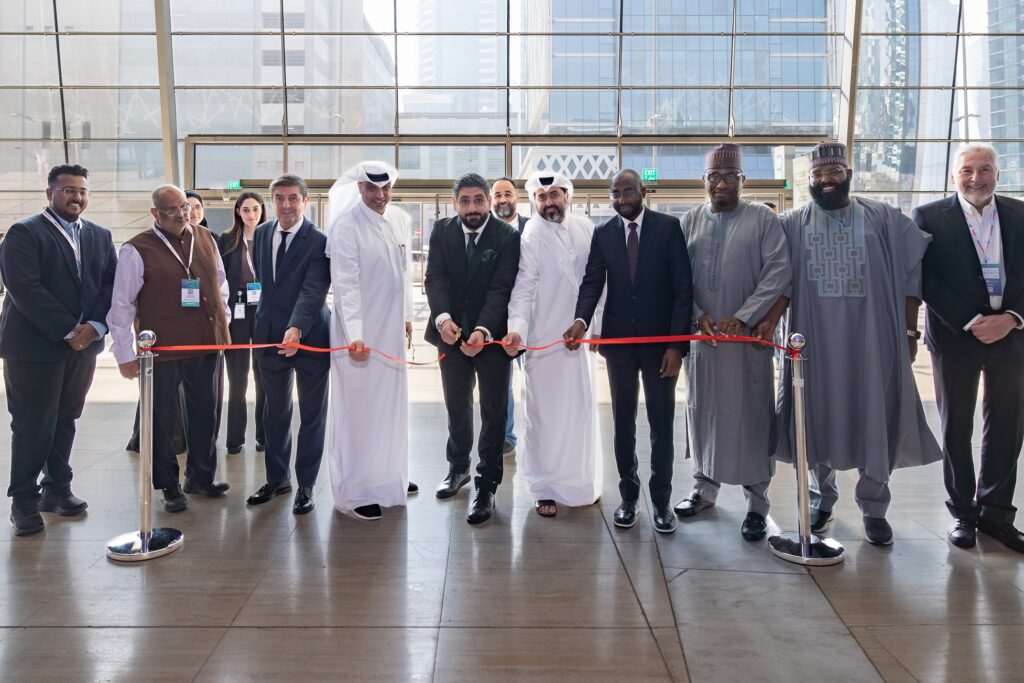
The MENA Fintech & Insurtech Festival 2025 officially opened at the Doha Exhibition & Convention Centre (DECC), igniting two days of high-impact dialogue, innovation showcases, and strategic collaboration opportunities that are redefining the financial technology and insurance technology landscape across the region. Bringing together global fintech innovators, insurtech leaders, investors, regulators, and policymakers, the festival has quickly established itself as a major platform for advancing the future of finance in Qatar and the wider MENA region. Driving the Future of Financial Innovation in Qatar Day One delivered a dynamic program of keynote speeches, expert-led panels, and immersive workshops. Discussions explored some of the most powerful forces shaping the industry today, including: These conversations highlighted Qatar’s rapidly growing role as a regional hub for digital finance, regtech, blockchain, and AI-driven financial inclusion. What to Expect on Day Two The momentum continues with an exceptional lineup of thought leaders who will dissect the industry’s most transformative topics: Attendees will gain forward-looking insights from industry pioneers shaping the next decade of fintech and insurtech innovation across MENA. A Regional Platform for Growth and Collaboration “As the fintech landscape evolves at an unprecedented pace, our goal is to create a platform that accelerates collaboration, innovation, and regulatory clarity across the MENA region,” said Malik Shishtawi, President of the MENA Fintech & Insurtech Festival. “This festival brings together the brightest minds, the most forward-thinking institutions, and the next generation of startups driving the digital economy.” A Cornerstone Event in the Digital Transformation Landscape Since its inception, the MENA Fintech & Insurtech Festival has become one of the region’s most influential events—championing: The 2025 edition reinforces Qatar’s rising position as a strategic center for fintech leadership, insurtech advancement, and digital transformation.
A National Milestone in Pediatric Care
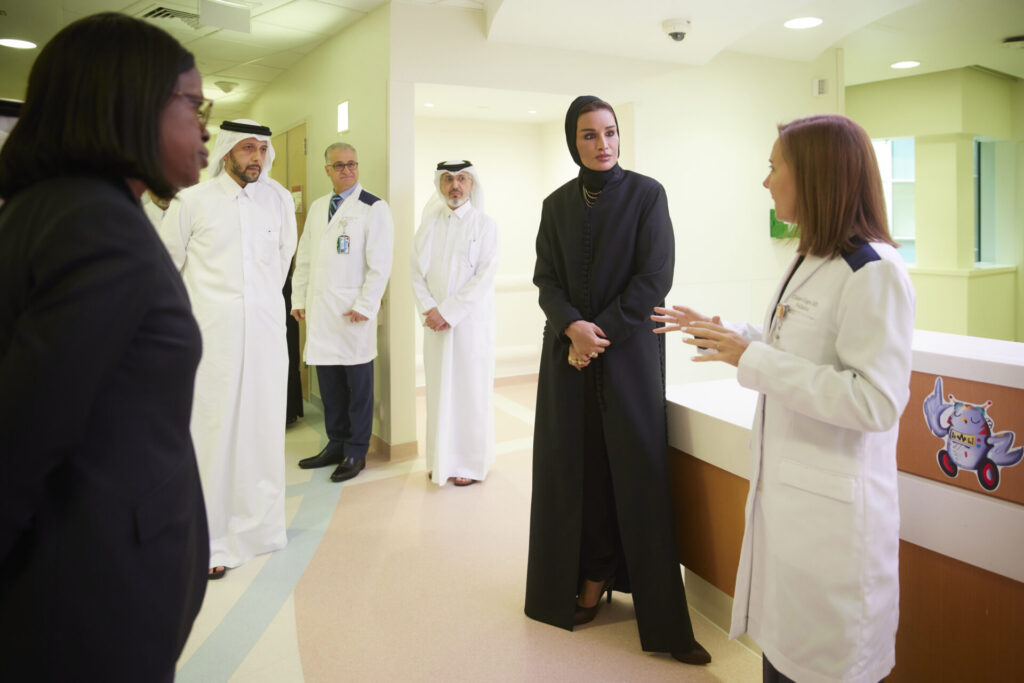
Her Highness Sheikha Moza bint Nasser Inaugurates Pediatric Stem Cell Transplant Ward at Sidra Medicine Sidra Medicine, a member of Qatar Foundation, proudly announces the official inauguration of its state-of-the-art Pediatric Hematopoietic Stem Cell Transplant (HSCT) Ward, launched under the patronage of Her Highness Sheikha Moza bint Nasser. This marks a groundbreaking advancement in Qatar’s pediatric healthcare landscape — the country’s first dedicated ward offering bone marrow transplant services to children with complex blood disorders, genetic diseases, and immune system conditions. The new HSCT Ward is designed exclusively for patients under 18 years of age, delivering highly specialised care for conditions such as: Treatments include autologous (self-donated) and allogeneic (donor-based) hematopoietic stem cell transplants, also known as bone marrow transplants. Precision Medicine Meets Global Standards Sidra Medicine’s HSCT program is a cornerstone of its precision medicine strategy. The new ward features: This launch supports Qatar’s healthcare goals under Qatar National Vision 2030, including: As of mid-2025, the HSCT ward will begin autologous transplants, with preparations underway for allogeneic procedures. Future phases will include CAR-T cell therapies and Casgevy gene therapy for thalassemia and sickle cell disease. Dr. Iyabo Tinubu-Karch, CEO of Sidra Medicine: “The HSCT program strengthens our commitment to providing world-class, family-centered care—right here in Qatar.” Prof. Ibrahim Janahi, Chief Medical Officer: “This initiative is a major step toward building a knowledge-based, innovation-driven health system in line with Qatar’s national goals.” The HSCT Program at Sidra Medicine is open to both Qatari and international patients. More than 50 children are currently awaiting transplantation, and new patient referrals are now being accepted. To learn more about our Pediatric Hematology, Oncology, and HSCT services, or to refer a patient, please visit:🔗 www.sidra.org
“Our goal is to transform Qatar into a regional hub for healthcare”
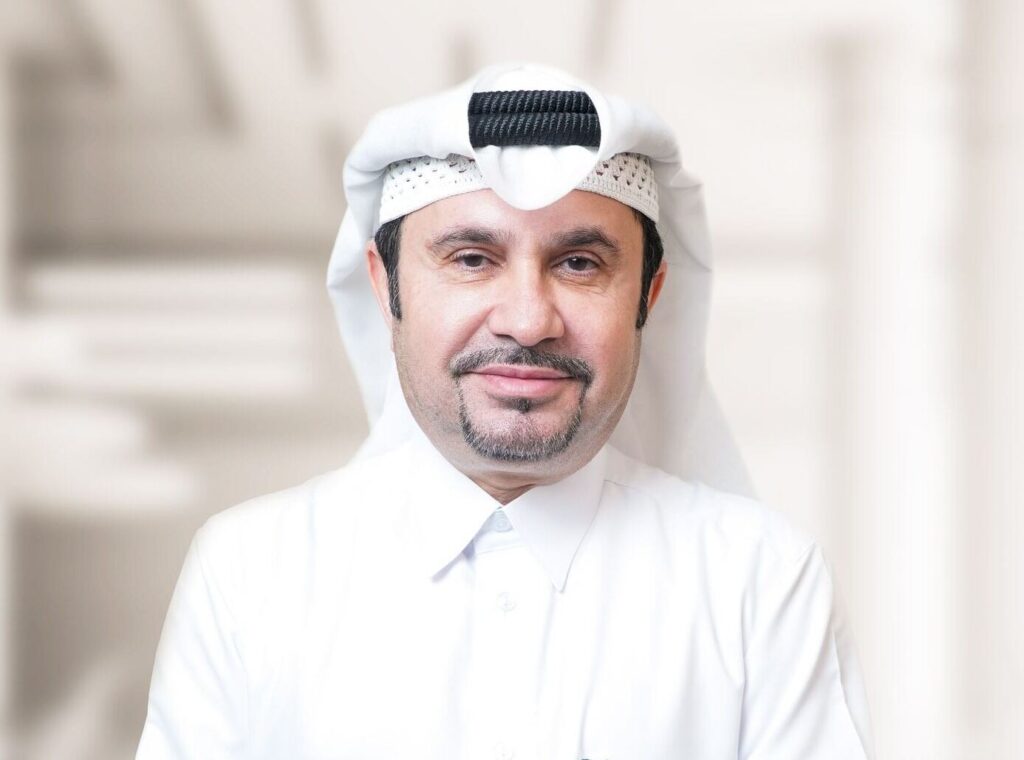
In conversation with Manu G Parmar, Dr Saed Kaldari, CEO & founder of Surgi Art Hospital discusses a wide range of topics related to why he blended art in the name of the hospital, the goal of the facility and where he envisions it in two years’ time. BL: Talk us through your career path? Kaldari: I started my career as a physician. I graduated from the Royal College of Surgeons in Ireland in 1997. After that, I briefly returned home, only to leave again for Sweden to pursue a career in plastic surgery. I practised that for a while and eventually decided to come home in 2006. Before returning, I worked in Sweden at one of the university hospitals, where I held a locum consultant position, which I took on as I saw it would enhance my career. I worked for Hamad Medical Corporation at the start of my career for about 17 years. In 2014, I realised that I needed to focus on one thing, as I was managing both a private facility – a solo clinic from 2010 to 2013, and in 2013, I decided that this was not the way forward. I established a plastic surgery and dermatology centre in the Duhail area in 2014. With progress in this venture, I approached one of my friends in the business, the late Ibrahim Al Asmakh who was involved in real estate. Eventually with Al Asmakh and his partner, late Sheikh Khalid bin Nasser we expanded upon their hospitality, real estate (both commercial and residential), retail to add a healthcare unit, which I was assured, I would have complete control to execute it as I saw fit. In 2017, we signed the contract, marking the project’s official commencement and with efficient planning and budgeting, we offer our rooms at the same price as regular market rooms but with far superior services. It’s not about volume; we aim to introduce new, niche services. Our entire business model centres on providing specialised services and given the small market, investing in high-end technology and personnel locally is also challenging. Therefore, we promote our services to reach a wider geography, aligning with Qatar’s health tourism initiative. This initiative is gaining momentum, and we feel fortunate to be ready as it unfolds. The government is supporting the private sector in fostering growth, and we are proud to be part of this and help establish quality hospitals in Qatar. We can also attract specialised high-end practitioners worldwide, permanently or visiting. Our goal is to transform Qatar into a regional hub for healthcare, understanding and catering to our customers’ needs uniquely. We are optimistic about this continued success. BL: What made you think about this unique art and health care unison? Kaldari: Coming from a background in plastic surgery, you know you can’t help but think about the artistic application of medical science. It’s not just about plastic surgery; I realise that an orthopaedic surgeon, who cuts away at the correct angles, is an artist of sorts. I believe those who perform other types of surgery also have their own crafts. It’s a mix of knowledge and skill, both essential for success. There is artistry in it. I think this is where the name derives from: the artistry in providing care. The main idea is that when you walk in, you’ll notice one thing that’s different about this building. I was involved from an architectural perspective, including the layout and all the blueprints from day one. I faced a huge challenge trying to convince architects and engineers who were pushing for standard building concepts that this was not the direction I wanted to take. This is about the feel, more than anything else. You will notice when you walk around the hospital that there is a unique flow to the space. This flow is noticeable to anyone who passes by our facility; they feel an airy quality here, something flowing. There are many studies worldwide showing that you eat better in a pleasant environment, which I think is an important part of the services we provide. BL: Doha has quite a few upscale, modern hospitals. What do you think you will offer that will set the hospital apart? Kaldari: We have a medical background and have developed organically, not from a business perspective. Our goal is to expand into the health sector, a commitment my partners and I agreed upon from the start. This sector is unique because it requires a blend of skills. Running such a venture demands not just medical management but also sound business acumen to ensure feasibility. Merging these competencies is challenging, as it ultimately provides a different type of service. BL: What are the 5 USPs of this hospital? Kaldari: We have recently launched a uniquely designed medical facility in Qatar. The hospital features distinct architectural themes, creating a unique flow throughout the building as patients experience its services. We stand out by implementing the concept of a boutique hospital. While we function primarily as a surgical facility with ancillary medical services, we also provide general medical care with a strong emphasis on surgery. Our foremost department will be plastic surgery, alongside general surgery. Soon, we will include orthopaedic surgery, ENT, dermatology, obstetrics and gynaecology, and more specialities to come. Our state-of-the-art diagnostic facilities include laboratories and radiological testing. We have established collaborations with experts from North America, Europe, and even Asia to bring their services to Qatar, benefiting not only our local population but the entire region as well. BL: Medical insurance is a crucial success factor for a hospital’s success. What kind of insurance tie-ups have you done for the hospital? Kaldari: We have connected with all major insurance providers in Qatar and are now in the negotiation stage. As you know, the medical insurance sector in Qatar still has a long way to go in terms of development. It’s not operating optimally, and I believe it requires more governance. A regulatory authority is necessary to manage