

“Influence Is Responsibility to the People Who Trust My Voice”
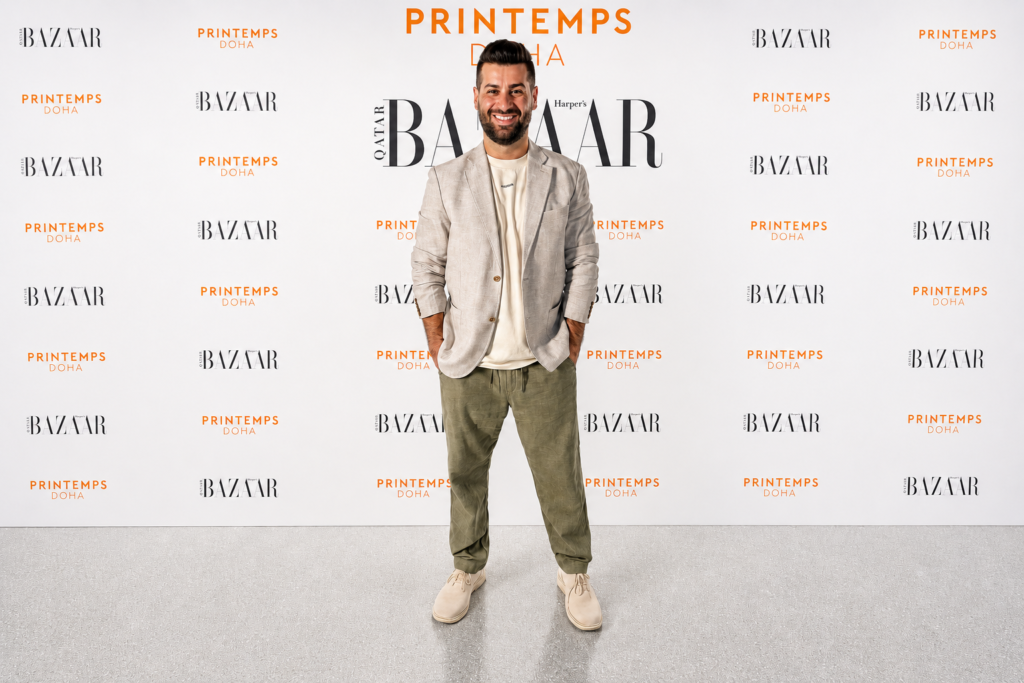
Reading Time: 5 minutesRony Kikano on Scaling Brands, Influence, and the Power of Structure in Business In today’s fast-moving media and business environment, influence has become more than visibility. For Rony Kikano, Founder of Kikano Media, influence is built on credibility, consistency, and responsibility toward the people who trust his voice. As the founder of Kikano Media, an integrated digital, creative agency and media production company in Qatar, Kikano has built a business focused on authentic storytelling, aesthetic visual production, strategic brand development, and holistic creative execution. With more than 1,500 projects completed, he has established himself as one of Qatar’s recognised names in content creation, media strategy, and brand influence. His work has earned him major recognition, including being named Best Influencer in Qatar by Visit Qatar and Top Creator by Web Summit 2026. But for Kikano, these titles were never the end goal. They reflected years of building trust, understanding audiences, and helping brands communicate with clarity. From Positioning to Influence Kikano’s journey began long before social media became the powerful business tool it is today. His early work focused on helping companies shape perception through positioning, storytelling, and brand communication. This foundation helped him understand a core business truth: audiences do not connect with brands through visibility alone. They connect through clarity, emotion, consistency, and trust. As Qatar’s digital landscape evolved, Kikano transitioned into content creation and influencer marketing, combining strategic thinking with public visibility. This allowed him to move beyond traditional marketing and become a bridge between brands and audiences. Today, through Kikano Media, he helps businesses grow through strategy, media production, digital campaigns, influencer-led communication, and high-impact brand exposure. British Got Talent Judge – Alesha Dixon – Piaget President – Piaget Yves – Carolina Herrera Founder – Carolina Herrera Influence as Responsibility For Kikano, influence is not just about reach, followers, or engagement. It is about responsibility. “Influence is responsibility to the people who trust my voice,” he believes. In a market like Qatar, where relationships, reputation, and credibility carry strong value, being recognised as a leading influencer means protecting the trust of both audiences and brands. Kikano sees influence as something that existed long before social media. It was always about connection, credibility, and the ability to shape perception. Social media simply gave that influence a louder platform. As a content creator and brand ambassador in Qatar, his focus remains on creating value-driven content that builds long-term relationships between brands and their audiences, rather than chasing short-lived attention. The Birth of Kikano Media Founded in 2015, Kikano Media was created to address a clear gap in the market. Businesses did not only need content; they needed direction, structure, and measurable results. Kikano Media has since grown into a full-service advertising and media agency in Qatar, offering integrated solutions across digital, creative, and production services. The agency’s services include: Bulk SMS marketing campaignsOut-of-home advertising through digital screens in malls and key locations across QatarSocial media management and content strategyMall activations and brand exposure campaignsCreative media production and brand storytelling What sets Kikano Media apart is its ability to combine influencer insight with strategic execution. Kikano brings firsthand knowledge of audience behaviour into the planning process, allowing campaigns to be creative, commercially relevant, and performance-driven. Local Insight, Global Thinking Kikano Media works with both local and international brands, but Kikano understands that each requires a different approach. For international companies entering Qatar, the agency focuses on localisation. This means adapting global brand identities to suit the local market while maintaining the strength of the original brand. Through digital screens, mall placements, content strategy, and targeted campaigns, Kikano Media helps global brands connect with Qatari audiences in a meaningful way. For local brands, the focus is growth. Kikano Media supports businesses by building visibility, strengthening digital presence, and helping them scale through social media, influencer marketing, and strategic exposure across high-traffic locations in Qatar. His work as a brand ambassador for major names, including Ooredoo, has given him a valuable perspective: global standards must be matched with local understanding. Longchamp President – Jean Cassegrain – Aigner President – Sibylle Schon Scaling Requires Structure For Kikano, scaling a business requires more than expansion. It requires structure. A company can grow quickly, but without clear systems, a strong identity, and cultural adaptability, that growth can become difficult to manage. Kikano believes the businesses that succeed across markets are those that remain consistent while adapting intelligently to local audiences. From working with major clients and international brands, he has developed a clear set of business lessons: Consistency builds trust.Data strengthens creativity.Systems create scalability.Long-term vision drives growth.Simplicity creates impact. These principles guide the work at Kikano Media, whether the agency is managing a large-scale advertising campaign, developing a social media strategy, or creating out-of-home visibility across Qatar. Reinvention in a Changing Market In today’s business environment, reinvention is no longer optional. Platforms change, consumer habits shift, and brands must evolve without losing their identity. Kikano continues to reinvent himself as a creator, entrepreneur, and media strategist. At Kikano Media, that same mindset drives the company’s evolution from traditional advertising into digital screens, SMS marketing, influencer campaigns, content strategy, and integrated media solutions. For Kikano, reinvention does not mean replacing the original vision. It means strengthening it with sharper tools, smarter systems, and more relevant execution. Lessons from Clients Working with clients across industries has shaped Kikano’s perspective as a business leader. He believes clients have taught him resilience, patience, and the importance of perspective. Every brand has different ambitions, challenges, and pressures. Understanding those realities has helped him become more strategic, grounded, and commercially aware. This experience has also shaped how Kikano Media approaches campaigns. Creativity is important, but it must be practical, relevant, and aligned with the client’s business goals. The Road Ahead Looking ahead, Kikano plans to continue expanding both his personal influence and the reach of Kikano Media. Over the next two years, his ambition is to grow Kikano Media into a stronger international advertising agency while expanding its footprint
Building Business on Timeless Values: Trust, Relationships and Love for Qatar
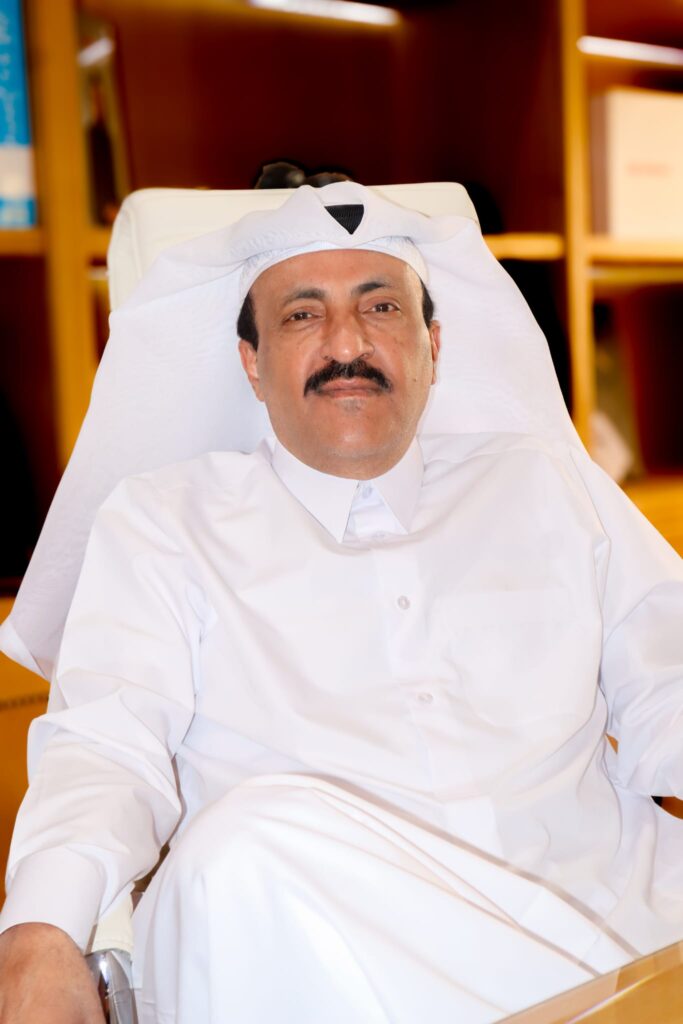
Reading Time: 7 minutesKhalifa Abdulrahman Al Mannai, Chairman of Teyseer Holding, carries forward the legacy of founder Abdulrahman Essa Al Mannai while steering one of Qatar’s longstanding multi-sector groups toward governance, innovation, sustainability and Qatar National Vision 2030. For Khalifa Abdulrahman Al Mannai, Chairman of Teyseer Holding, business was never built on transactions alone. It was built on trust, relationships, service and a deep love for Qatar. Following the legacy of his late father and founder of the group, Abdulrahman Essa Al Mannai, Khalifa Al Mannai has continued to guide Teyseer Holding with a balance of tradition and transformation. Today, the group stands as a multi-sector conglomerate with interests across automotive and mobility, industrial and construction solutions, security and manpower, energy, technology and IT solutions. Rooted in a legacy that began in 1968, Teyseer Holding has grown alongside Qatar’s own development journey. From the country’s early infrastructure growth to its emergence as a modern global economy, the group has remained closely aligned with Qatar’s national progress. “Our goal is not only to grow but to grow responsibly, contributing to the nation’s long-term development,” says Khalifa Al Mannai. A Legacy Built With Purpose Khalifa Al Mannai’s journey with Teyseer Holding began at a young age, working alongside his father, the late Abdulrahman Essa Al Mannai, and his brothers. It was a period that shaped both his business understanding and his personal values. “Each of us carried different responsibilities, but we were united by one purpose: to build, to serve, and to grow something meaningful together,” recalls Khalifa Al Mannai. “I began as director of the service centre, and through that journey, I did not only learn business, but I also honed the values that my father believed in.” For Khalifa Al Mannai, the story of Teyseer Holding is inseparable from the philosophy of its founder. “I witnessed firsthand how my father built Teyseer Holding with his heart and soul. He did not simply establish a company; he created a philosophy and named it Teyseer, meaning ‘facilitation’, because his purpose in life was to make things easier for people. That belief became the foundation of everything we do today,” he says. That founding philosophy continues to define the group’s culture. Teyseer Holding was never positioned merely as a commercial enterprise. It was built as a service-led institution committed to people, partners and the nation. Growing With Qatar As Qatar developed from the 1960s into one of the region’s most dynamic economies, Teyseer Holding evolved with it. The group played a role in supporting key sectors linked to infrastructure, mobility, services and technology, becoming part of the broader story of Qatar business growth. “Teyseer Holding was never built on transactions. It was built on trust, relationships and service to the nation,” says Khalifa Al Mannai. “As Qatar evolved from the 1960s into the global, modern nation that it is today, Teyseer Holding stood as one of its building blocks, growing alongside it and supporting its infrastructure, mobility and technological advancement.” This Qatar-focused growth has enabled Teyseer Holding to become a recognised name across multiple industries. Its sector footprint reflects the group’s ability to operate across strategic areas that remain vital to Qatar’s economy. Teyseer Holding Sector Footprint Each sector represents a strategic pillar in Qatar’s development, driven by specialised subsidiaries operating under a unified framework of values, governance and service excellence. Key sectors include: Automotive and mobilityIndustrial and construction solutionsSecurity and manpowerEnergy solutionsTechnology and IT solutionsInfrastructure servicesBusiness servicesRegional operations and partnerships With more than 18 subsidiaries and over 7,500 employees, Teyseer Holding continues to contribute to Qatar’s economic development while preparing for future scalability. Values That Do Not Change At the heart of Teyseer Holding’s long-standing success are values that have remained consistent across generations: integrity, commitment, unity and service. For Khalifa Al Mannai, these values are not corporate slogans. They are lived principles that shape the way the organisation works, grows and leads. “Teyseer Holding is not just a company but a family,” he says. “And I say with pride that many of our employees have spent their entire lives with us. Loyalty is not demanded at Teyseer Holding; it is earned.” This sense of loyalty has become one of the group’s strongest foundations. It has helped the organisation build long-term relationships with employees, customers, partners and stakeholders across Qatar and beyond. Khalifa Al Mannai’s own transition into leadership reflected the same continuity of purpose. “My transition from director to Chairman was not a sudden shift. It was a continuation of a journey deeply rooted in purpose,” he says. “I was not stepping into a position. I was stepping into a legacy, a legacy that carried my father’s vision. This is not an obligation but my life’s purpose.” The Evolution Into Teyseer Holding A major milestone in the group’s journey was its evolution into Teyseer Holding. The move represented more than a change in name. It reflected a strategic transformation into a more structured, future-focused organisation. Guided by Khalifa Al Mannai, the transition underscored the group’s commitment to stronger governance, disciplined growth and long-term investment across key sectors. “This transition is not just in name, but in mindset: strengthening governance, enhancing strategic oversight and positioning the organisation for the next phase of sustainable growth across sectors,” says Khalifa Al Mannai. The transformation has allowed the group to sharpen its strategic direction while preserving its founding values. “Teyseer Holding reflects how we see the future of the organisation — structured, forward-looking and built for long-term impact. This evolution allows us to strengthen our governance and expand our role as a strategic investor across sectors that support Qatar’s continued growth,” he explains. Future-Ready Sectors And Qatar National Vision 2030 Looking ahead, Teyseer Holding is focused on future-ready sectors aligned with Qatar National Vision 2030. While mobility, infrastructure and technology remain core pillars, the group is also exploring opportunities in sustainability, smart solutions and innovation-driven industries. This forward-looking approach places Teyseer Holding firmly within the wider landscape of Qatar economic policy, Qatar industry news and business growth
Ambition, Drive, Solution-Driven: Capital for a Growth Story
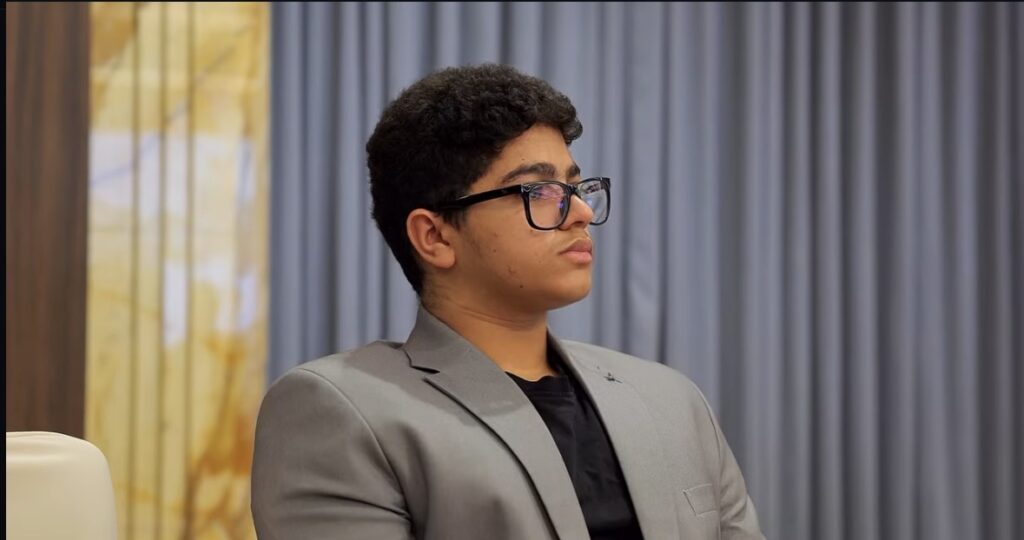
Reading Time: 5 minutesMohab Mohammed Kamal, Founder and CEO of ConnectED, Doha, Qatar. At 16, Mohab Mohammed Kamal has already done what most founders spend years trying to do — find a real problem, build a real product, and make people care. Meet the founder of ConnectED. By Aparajita Mukherjee About the founder: Mohab Mohammed Kamal, 16 years old. Founder and CEO of ConnectED — a platform connecting high school students, schools, and universities globally. Founded in May 2025. Based in Doha, Qatar. The Problem Nobody Had Solved It started with a feeling every high school student knows — the overwhelming, directionless confusion of figuring out what to do with your life. Mohab Mohammed Kamal was 15 when he felt it. He had questions and nowhere to go for answers. What is my passion? What should I study? How do I even reach out to a university? The platforms that existed were dense, outdated, and built for someone else. Handshake, for example, connects university students to employers. Nobody was connecting high school students to universities — at the moment they needed it most. So Kamal built it himself. “ConnectED is a three-sided marketplace connecting high school students, schools, and universities. The problem exists on every side simultaneously — students are lost, schools have no real infrastructure to guide their students, and universities have no efficient way to reach the right students early. We fix all three in one platform.” After surveying over 200 students who shared the same struggle, the idea became a mission. Built by Gen Z, for Gen Z — the way this process should have always worked. BL: How do schools and universities benefit from ConnectED? Schools finally have a real tool. Right now counsellors are managing hundreds of students with no structured system — they can’t track where each student is in their individual journey, what they need, or where they’re headed. ConnectED gives schools full visibility and control over that entire process. For universities, the benefit is access. They currently spend enormous resources on recruitment with no efficient channel to reach the right students early. ConnectED gives them a direct line to motivated, relevant students at exactly the right moment — before those students have already decided to go somewhere else. BL: With no paid advertising, how are you managing growth? We built something people actually wanted to talk about. 706 users came through word of mouth, competition exposure, and the Web Summit platform. When you solve a real problem and you’re a 16-year-old who built it himself, people share it. That’s not a strategy you can manufacture — it comes from the product being real and the story being genuine. On top of that, we have a full organic marketing strategy ready to execute — social media videos, content, posts — all designed to grow the platform without relying on paid advertising. We’re just getting started on that front. BL: Talk us through your experience at Web Summit 2026. It was something truly amazing — and hopefully we’ll be back next year. Being the youngest exhibitor in the room, surrounded by some of the most serious founders, investors, and operators in the world — and holding our own — was one of the most defining moments of building ConnectED. The video that went viral gave us an enormous push. It made the platform more well-known across Qatar — students, institutions, and people we’d never reached before started finding us. We even had people reaching out wanting serious discussions about the platform off the back of it. That exposure proved that the story resonates well beyond just our immediate network. BL: What do your awards and competition wins mean for the journey ahead? They do two things. First, credibility — when you’re 16 and telling investors and institutions you’ve built something real, third-party validation matters. Winning against 200+ teams at Al Fikra, advancing at INJAZ Mubadara, the Lenabtaker Excellence Award — these aren’t participation trophies, they’re proof points. Second, network. Every competition puts you in a room with mentors, investors, and operators you wouldn’t otherwise have access to. That network compounds over time. BL: Do you plan to take ConnectED beyond Qatar? ConnectED was never a Qatar-only idea. The problem — students navigating university admissions with no real support — exists everywhere. Every country, every education system. Qatar is where we’re starting because it’s where we are, where we have traction, and where we can build the model properly before scaling. But the roadmap is global. The platform, the infrastructure, the marketplace model — it all travels. BL: With 706 registered users, how many have been accepted to a university? The honest context here is important. The 706 students came to the platform when it was still a prototype — when we only had the student side built. There was no school or university side yet, meaning the actual connection between students and institutions hadn’t been made yet. What we proved was demand — students found us and signed up organically. Right now we’re rebuilding the full platform with a professional development agency, adding the school and university layers properly. Before we launch, we’re going out to schools and universities directly to get them onboarded so that when we go live, the full flow is ready from day one. That’s when we’ll be able to track outcomes end-to-end — and it will become one of our strongest proof points. BL: Once you go to university yourself — how do you plan to sustain ConnectED? I have two options — either stay in Qatar and continue running ConnectED from here, or take it with me to whichever university I end up at. Either way, my goal is to have the entire business sorted, structured, and self-sustaining before I head to university. The team, the processes, the partnerships — everything in place so that ConnectED can manage itself whether I’m in Doha or anywhere else in the world. The company shouldn’t depend on me being in one place. That’s
Hope in Action : The UNHCR–Qatar Partnership
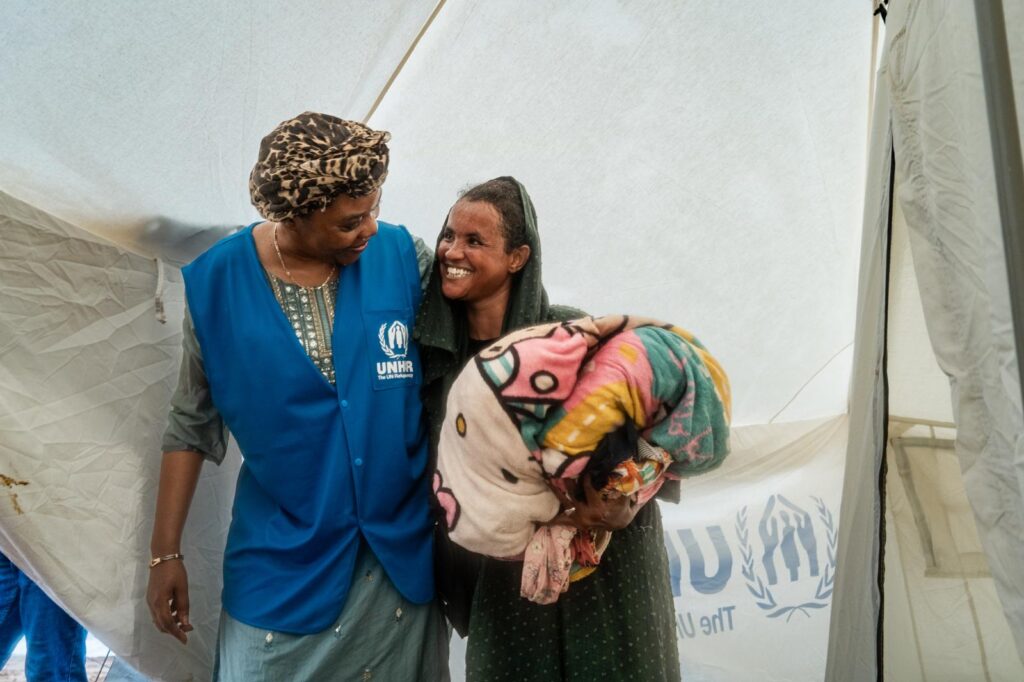
Reading Time: 5 minutesA UNHCR staff member smiles with an internally displaced woman (IDP) inside her tent at an IDP gathering site near Kassala, Sudan. So far, 400 UNHCR tents have been erected at the site, which is expected to host some 800 families newly displaced by severe flooding in the region, as the rainy season sets in. © UNHCR/Aymen Alfadil Driving change for millions — how Qatar’s commitment to the world’s displaced is reshaping humanitarian response. By Aparajita Mukherjee Ahmed Mohsen, UNHCR Representative to the State of Qatar, in conversation with Business Leaders Qatar. BL Talk us through your career path. Ahmed Mohsen My career has been anchored in a strong commitment to human rights and advancing protection for forcibly displaced individuals. With academic degrees in international human rights law, international criminal justice, and risk, crisis, and disaster management, I have always believed that rigorous theory must be reinforced by practical field engagement. I began my journey with UNHCR as a volunteer in Cairo — an experience that shaped my understanding of community-based protection. Over the past two decades, I have served in complex operational contexts including Egypt, Eritrea, Iraq, Jordan, Kenya, South Sudan, Sudan, and Syria, working across managerial, legal, protection and external relations functions. Before assuming my role as UNHCR Representative to Qatar in July 2023, I served as Deputy Representative to the GCC countries in Riyadh. BL As UNHCR Representative in Qatar — one of UNHCR’s top donors — what are the strategic priorities before you? Ahmed Mohsen UNHCR continues its efforts to sustain the long-standing strategic partnership with the State of Qatar and to expand collaboration with Qatari institutions. Qatar has long been one of UNHCR’s major donors, providing predictable and flexible contributions to life-saving programmes in the MENA region and beyond. The Office aims to expand engagement across Qatari NGOs, foundations, philanthropists, and the corporate sector — broadening collaboration to encompass resource mobilisation, advocacy, innovative financing, and sustainable humanitarian responses. “Qatar’s engagement goes beyond financial contributions — it reflects a broader approach grounded in international solidarity and responsibility-sharing.” — AHMED MOHSEN, UNHCR REPRESENTATIVE TO QATAR As winter grips Syria, displaced and returnee families continue to endure freezing conditions in damaged or inadequate shelters. UNHCR is on the ground providing winter kits and cash assistance to help the most vulnerable stay safe and warm. © UNHCR/Hameed Maarouf BL Qatar participated in the 2026 UNHCR Annual Pledging Conference in Geneva. Could you reflect on the pledge Qatar made? Ahmed Mohsen Qatar reaffirmed its support through a multi-year contribution for 2025–26, led by HE Jawhara bint Abdulaziz Al Suwaidi, Deputy Permanent Representative of Qatar to the UN. This renewed commitment comes at a time of growing humanitarian needs and widening funding gaps. For UNHCR, predictable and multi-year support is critical — it allows us to respond to immediate needs, plan more effectively, support durable solutions, and ensure continuity of assistance to the most vulnerable. BL Talk us through the National Asylum System MoU between UNHCR and Qatar. Ahmed Mohsen The MoU signed with Qatar’s Department of Human Rights at the Ministry of Interior signals a shift from access-based to system-based protection, enabling UNHCR to support the implementation of a nationally owned asylum framework aligned with international standards. This partnership positions UNHCR as a trusted technical adviser, incorporating international protection principles into Qatar’s legal and administrative systems. BL Qatar contributes to UNHCR operations in Sudan, Syria, Ukraine and for Rohingya refugees. What light can you throw on these contributions? Ahmed Mohsen Qatar’s overall contributions to UNHCR, exceeding US$440 million (QR1.6 billion) since 2010, have supported more than 9 million forcibly displaced people. These contributions fund education, healthcare, shelter, cash assistance, and livelihoods programmes — all essential to safeguarding the dignity of displaced populations. In 2025, contributions included: access to secondary healthcare for Syrian refugees in Jordan; cash assistance for displaced families in Yemen; core relief items in Chad, Djibouti, and Ghana; and cash and shelter assistance for returnees in Syria. UNHCR Distribution in Adra Saida Governorate in south Lebanon, UNHCR distributed core relief items to displaced families in a collective shelter in Saida. © UNHCR/Houssam Hariri UKRAINE RESPONSE In September 2025, UNHCR signed a US$5 million (QR18.2 million) agreement with Qatar Fund For Development (QFFD) to rehabilitate war-damaged homes and community infrastructure in Ukraine. Over 12 months, this will benefit more than 4,000 internally displaced persons and returnees — helping them return to safe and dignified living conditions. Since February 2022, close to 55,000 war-damaged homes have been repaired as part of UNHCR’s shelter programme. BL Qatar reaffirmed its support for UN refugee efforts in New York. Could you detail the ways Qatar would support this? Ahmed Mohsen During a meeting between HE Sheikha Alya Ahmed bin Saif Al Thani, Qatar’s Permanent Representative to the UN, and UN High Commissioner Dr. Barham Salih in New York in March, Qatar reaffirmed its strong and sustained support for UNHCR’s mandate. Qatar emphasised its continued backing for humanitarian operations, readiness to support global initiatives for displaced communities, and engagement with multilateral partners to address regional displacement challenges. “The High Commissioner welcomed Qatar’s ongoing humanitarian contributions and its constructive role in collective responses to refugee crises worldwide.” — UNHCR, MARCH 2026 BL On a short- to medium-term roadmap for UNHCR in Qatar, what would be the focus action areas? Ahmed Mohsen The 2026 planning figure for forcibly displaced and stateless populations stands at 136 million. UNHCR’s proposed budget for 2026 is US$8.505 billion — a reduction of US$2.1 billion versus 2025, reflecting strategic prioritisation rather than reduced need. In Qatar, focus remains on partnerships and resource mobilisation. Top countries funded by Qatari partners include Yemen, Bangladesh, and Lebanon. UNHCR has expanded Islamic philanthropy tools, including the Refugee Zakat Fund and the Global Islamic Fund for Refugees (GIFR). Since 2018, Qatari private sector partners have contributed over US$130 million (QR473.2 million) to the Refugee Zakat Fund, assisting more than 3.3 million displaced Sudan : Forcibly displaced and host communities go back to school after two years of conflict. © UNHCR/Antonia Vadala
Qatar and the Wider GCC Are Becoming Central Nodes in Global Capital
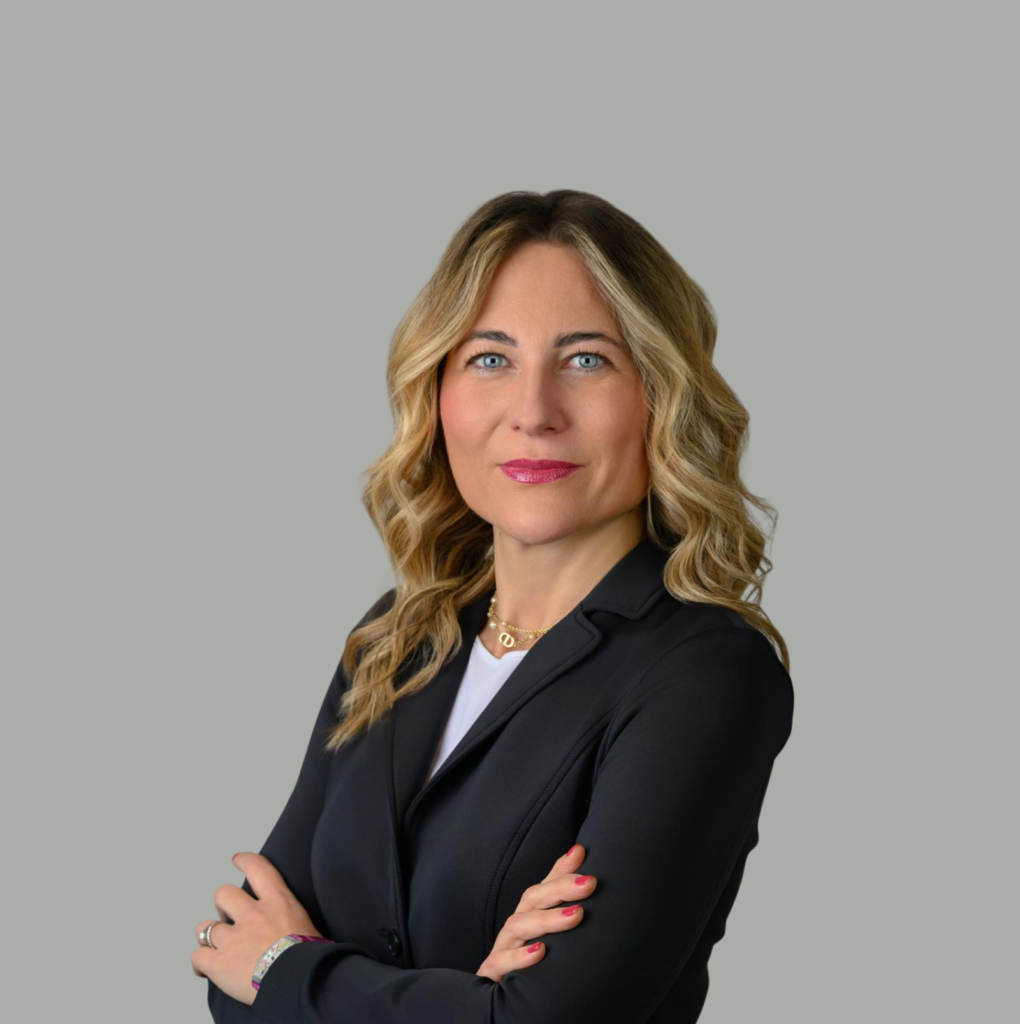
Reading Time: 6 minutesLaura Merlini, Managing Director EMEA, CAIA Association, speaks exclusively to Business Leaders Qatar. CAIA Association’s landmark global study, The World Rewired, reveals how geopolitics, technology, and organisational change are reconstructing the architecture of capital markets — and why Qatar sits at the centre of it all. By Aparajita Mukherjee About the interviewee : Laura Merlini, Managing Director EMEA, CAIA Association. Leading regional strategy since 2012, and a senior alternatives professional and frequent speaker on governance, responsible investing, and industry trends. About the study: CAIA Association — a global network of investment professionals redefining the future of capital allocation — has released a new global study, The World Rewired, highlighting how the investment landscape is undergoing a “wholesale rewiring” as geopolitics, technology, and organisational capabilities reshape how capital is raised, allocated, and managed. BL: How is the investment landscape of today distinct from what it was five years back? Five years ago, most of us still assumed a world of low rates, ample liquidity, and relatively benign globalisation. Today, that framework no longer holds. We are operating with higher and more uncertain real rates, sharper geopolitical fault lines, and a more fragmented map of trade and capital flows. At the same time, what we used to call “alternatives” has moved to the centre of many institutional portfolios. Value creation and governance are increasingly happening in private markets, often long before a company considers listing — if it lists at all. Public and private markets are converging, which challenges traditional 60/40 thinking and pushes us toward a genuine total portfolio mindset. In developing The World Rewired report, we listened closely to senior leaders and CAIA members, and a consistent insight emerged: this is not just another cycle. The underlying logic of how markets work is shifting. BL: How does the troika of geopolitics, technology, and organisational capabilities impact the investment landscape? Geopolitics has moved from background noise to a core input in the investment process. It now influences which deals get done, where firms place talent, and how capital flows across regions. We see regional clusters of capital across the Middle East, Asia Pacific, and Latin America, each with distinct rules and sovereign priorities. Technology is the second force. Two innovations are racing toward the same goal of broadening access to private markets. Semi-liquid fund structures work within today’s infrastructure, while tokenised products could redefine that infrastructure entirely. Whether these approaches ultimately complement each other or collide remains an open question. The third force is organisational capability. Firms are moving toward flatter and more agile models to keep pace with regulatory and technological change. The skills gap is no longer just technical. It is about judgment under complexity, geopolitical awareness, and digital fluency. Many leaders quietly admit their organisations are not fully ready. BL: Coming to Qatar and the wider GCC, what is the outlook on investments and capital raising today? From an EMEA perspective, Qatar and the wider GCC are becoming central nodes in global capital — not peripheral markets. In Qatar, policy anchored in Vision 2030 is channelling capital into technology, health, education, and digital infrastructure, supported by the Qatar Investment Authority and development bank platforms. Recent forecasts point to real GDP growth of around 4 percent in 2025, and above 5 percent in 2026, driven by LNG expansion and diversification into advanced industries, logistics, the digital economy, and financial services. Across the Gulf, sovereign wealth funds have emerged as a new centre of gravity in state capital. In 2025, Gulf sovereign investors deployed approximately US$119 billion (QR422.16 billion) — roughly 43 percent of all capital invested by state-owned funds worldwide. By the end of that year, global sovereign wealth assets stood at around US$15 trillion (QR54.6 trillion), with Gulf-based funds accounting for an estimated US$6 trillion (QR21.8 trillion). When you raise capital from a Gulf sovereign fund, you are aligning with returns, national development, and geopolitical positioning at the same time. The architecture of this capital is also evolving — as seen in Abu Dhabi’s restructuring into a three-pole system with distinct global, industrial, and domestic development mandates. For global investors and issuers, the GCC offers deep and increasingly sophisticated capital, but it demands serious engagement with local mandates and governance. BL: What is the definition of long-term today, given that geopolitics is at its most delicate juncture? In this environment, “long term” is less a fixed number of years and more a mindset and governance choice. It means being willing to stay invested through policy shifts, technological disruption, and geopolitical episodes instead of reacting to every headline. Practically, that requires portfolios and institutions that can absorb shocks without being forced into pro-cyclical behaviour. Robust liquidity planning, diversified funding sources, and the thoughtful use of private markets across regions all play a critical role. We need scenario-based thinking and investment committees empowered to lean into dislocations when risk premia widen. That might include long-dated infrastructure, energy transition projects, or digital assets in reforming markets — always with managers who understand local complexity. Long-term today is about resilience and flexibility. BL: How will the IPO scenario be affected in this climate? Higher rates, valuation discipline, and geopolitical uncertainty have made IPO markets more cyclical and selective. The GCC illustrates this well. In 2025, IPOs in the region raised approximately US$5.1 billion (QR18.6 billion) from around 40 deals — a clear step down from US$13.2 billion (QR48.04 billion) in 2024, despite the number of listings remaining reasonably healthy. The engine is still there, but investors are more demanding on quality and pricing. Looking ahead, the outlook is cautiously positive. The GCC pipeline is broad — spanning energy-adjacent sectors, financials, logistics, technology, and consumer businesses supported by privatisations and family listings. Success will depend on timing, valuation, and post-listing execution. Crucially, IPOs are now one of several liquidity options. Many companies will remain private longer, funded by private equity, venture capital, and sovereign investors. That reinforces a key theme from The World Rewired — public and private markets are converging, and
Richard Whitehead MBE: Redefining Possibility, One Stride at a Time
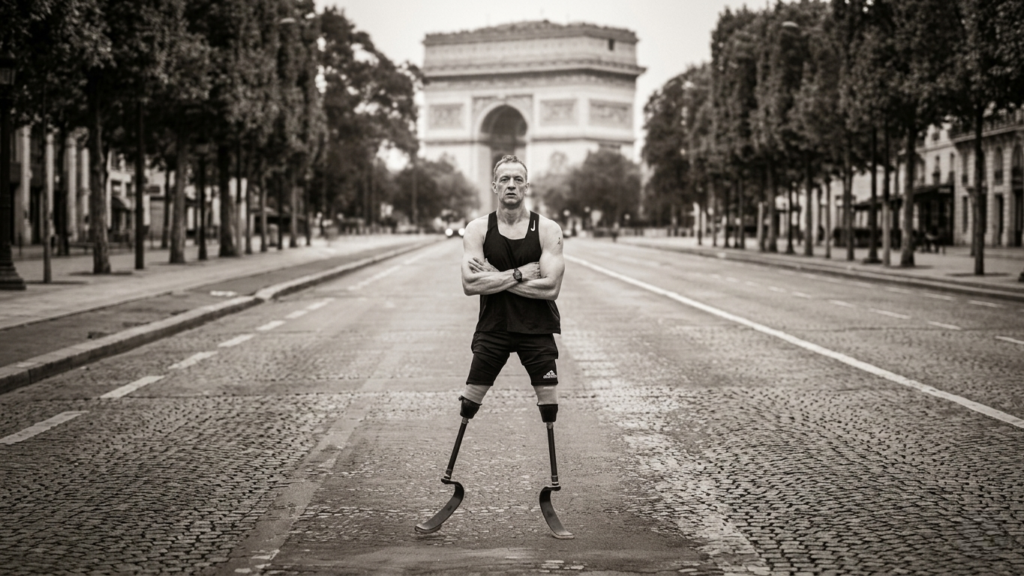
Reading Time: 3 minutesTwo-time Paralympic gold medallist. Four-time world champion. The fastest double-amputee marathoner in history. Richard Whitehead MBE has become a global symbol of resilience, inclusion, and the extraordinary power of the human spirit. Born with a double through-knee congenital amputation, Richard Whitehead has spent his life challenging expectations and redefining what athletic achievement looks like. In this exclusive interview with Manu G Parmar, Whitehead opens up about his remarkable journey, the values that drive him, and why Qatar’s inclusive sporting vision resonates deeply with him. From the Pool to the Podium “Sport began for me with swimming and gymnastics — disciplines that taught me balance, agility, and coordination. They built the foundation that later helped me excel across multiple sports,” says Whitehead. His breakthrough came at the Winter Paralympics in Turin in 2006. From there, he transitioned into athletics, competing in London, Rio, and Tokyo — accumulating two gold medals, two silvers, and four world titles along the way. But it was an earlier moment that truly changed everything. “Running the New York Marathon in 2004 was transformative. It proved to me — and to those watching — that I belonged in elite sport. Not as a disabled athlete. As an athlete.” Defining Milestones Of all the sporting firsts associated with Whitehead, two stand above the rest. New York Marathon, 2004 “My first marathon. I didn’t know if I could finish — yet that vulnerability changed my life. It proved that athletes with disabilities deserve equal opportunities to compete at the highest level.” London 2012 Paralympic Gold “Winning in front of 80,000 people wasn’t just a medal moment — it was a platform to showcase the extraordinary potential of people with disabilities.” A Vision Built on Community For Whitehead, personal achievement has always been inseparable from collective responsibility. “Invest in the people around you. Success becomes more powerful when shared — and your platform should uplift the next generation.” It is a philosophy that informs everything he does — on and off the track. Qatar’s Sporting Vision Whitehead speaks about Qatar with genuine admiration, grounded in personal experience. “I’ve competed — and won — in Doha before, and the progress I’ve seen since then is extraordinary. Qatar has world-class infrastructure and a strong commitment to helping young people lead active, healthy lives.” What stands out most to him is Qatar’s approach to inclusion. “Qatar is ensuring that individuals with physical, learning, or hidden disabilities have full access to sport. Physical activity is a fundamental right, and Qatar is leading by example.” When asked what more Qatar needs to become one of the foremost sports-hosting nations in the region, Whitehead believes the foundation is already strong. “Qatar places humanity and the spirit of sport at the centre of its vision. To elevate further, the country should continue amplifying diverse role models — especially those from disability communities. Beyond sport, it’s about strengthening ecosystems in education, employment, and public life so individuals with disabilities can thrive across society.” A Message to Runners Worldwide Whitehead’s message is clear and universal. “Anything is possible. I didn’t start by running 20 marathons a year — it began with one race. The hardest part isn’t the distance; it’s taking that first step towards taking control of your life.” He points to Qatar as a living example of this philosophy in action. “Sport enriches every aspect of who you are. And Qatar demonstrates this beautifully — its running events, triathlons, and challenges such as Samla show how deep the sporting culture runs. Most importantly, sport in Qatar is truly accessible. Everyone has the opportunity to discover their potential.” The Book That Could Be Asked whether he has considered writing a book, Whitehead’s answer is thoughtful and telling. “Yes, I’ve thought about it. A book lets you document not only your achievements, but the possibilities ahead. I wouldn’t write it to showcase success, but to reflect who I am — an athlete, a father, a leader, and a person with multiple layers of identity. I want it to be honest, meaningful, and something I’m truly proud of.” Short Shot Best run: “Every marathon teaches me something. London, New York, Rome, Doha — each one is unique.” Go-to book: “I follow my curiosity — often audiobooks, journalism, history, or Japanese philosophies on wellbeing.” Inspiration from: “People. Everywhere I travel, I see individuals overcoming obstacles in different ways.” Relaxation mode: “Quiet moments, long walks with my kids, music, visualisation, and time for self-reflection.” Lift-me-up quote: “Come the hour, come the man. And of course — Believe. Achieve.” Lessons That Shape a Leader Whitehead identifies two pillars that guide his personal and professional philosophy. Perseverance“Embrace every stage of the journey — the highs and lows. Each experience strengthens your clarity and purpose.” Resilience“Challenges are inevitable. Overcoming them builds the emotional and mental strength needed for future obstacles.” Interview conducted by Manu G Parmar. Richard Whitehead MBE is a two-time Paralympic gold medallist, four-time world champion, and the fastest double-amputee marathoner in history. Photo credit: David Baird (*Black & White)
Qatar’s Women Are Already Building the Nation Today, Alongside Men
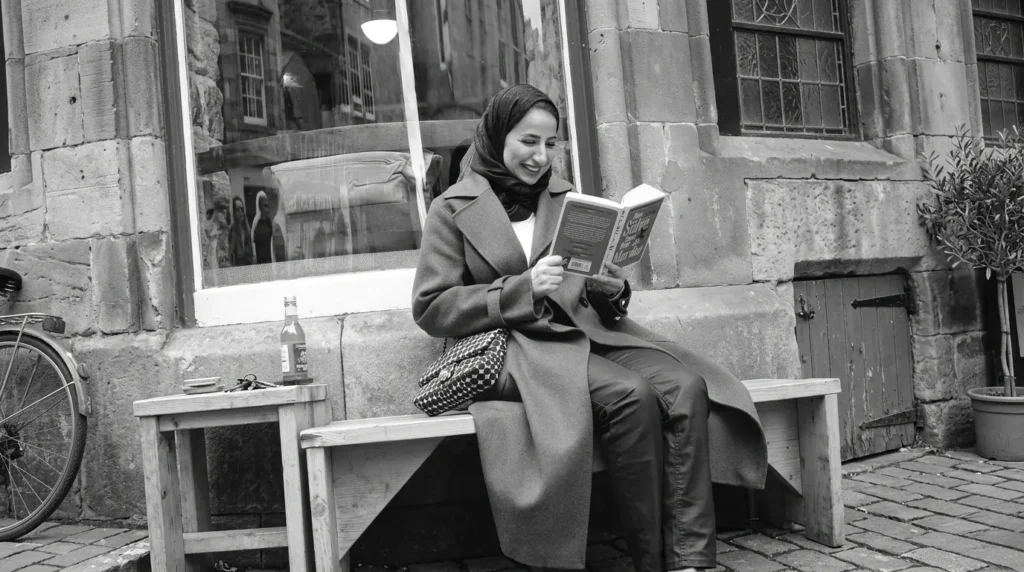
Reading Time: 4 minutesDr Buthaina Al Janahi, Media Relations & Communications Senior Manager at Visit Qatar, shares her journey across research, partnerships, culture, and tourism — and explains why Qatari women are not waiting for empowerment, but are already shaping the nation’s future. In Qatar’s evolving professional landscape, women continue to play a central role in shaping institutions, industries, and national progress. Among them is Dr Buthaina Al Janahi, Media Relations & Communications Senior Manager at Visit Qatar, whose career reflects a powerful blend of research, strategic partnerships, cultural understanding, and public communication. With a career path spanning research, stakeholder engagement, culture, and tourism, Dr Al Janahi represents a modern Qatari professional who balances intellectual depth with practical impact. In this conversation with Business Leaders, she discusses the lessons that have shaped her journey, the advice she offers to younger women, and why she believes Qatari women are already building the nation side by side with men. A Career Built on Research, Strategy, and Cultural Understanding Dr Al Janahi says her career began in research, where she developed a strong interest in analytical work, particularly in understanding institutional structures and state-level reforms through a strategic and research-driven lens. That early stage shapes the way she approaches systems, governance, and long-term transformation. After several years, she moves into partnerships, a role that broadens her perspective on how institutions collaborate and build sustainable stakeholder relationships, whether for short-term initiatives or long-term strategic alliances. She explains that this stage strengthens her communication skills, sharpens her outlook, and teaches her how to navigate complex stakeholder environments with greater confidence. Her academic and professional interests continue to centre on research, particularly in the fields of culture and social development. She is drawn to understanding internal social transformation and to exploring culture through fresh, multidimensional perspectives. Her eventual transition into tourism marks an important turning point. In that sector, culture becomes something she not only studies but also communicates in practical and public-facing ways. Through tourism, she translates cultural understanding into impact by storytelling, positioning, and national representation. International Women’s Day Is More Than One Day For Dr Al Janahi, International Women’s Day carries a meaning far deeper than a single annual occasion. She says she personally sees it as “Women’s Days” rather than one day, because women’s contributions are visible everywhere — at home, in society, and across every professional field. She strongly believes in women’s intellectual strength, their ability to compete effectively, and the value they bring through multitasking and balancing multiple roles. She also describes women as strategic thinkers by nature, often long-term in their planning, building, and leading. For that reason, she believes women’s strength and impact deserve recognition every day. The Role That Teaches Her the Most Reflecting on the positions that shape her most, Dr Al Janahi says that communications, especially within the tourism sector, teach her the most professionally. She describes it as a highly dynamic environment that requires constant adaptability to the project, the audience, and the broader strategic objective. It also demands a careful balance between flexibility and the protection of brand identity, often across multiple departments and cross-functional teams. On a personal level, she identifies her experience in partnerships as a key turning point. That phase helps her understand different perspectives, appreciate stakeholder priorities, and build essential professional skills from the ground up. It also marks the beginning of her managerial growth and lays the foundation for the leadership journey that follows in communications at Visit Qatar. Her Message to Younger Women As a Qatari woman and published author of three books, including a self-development memoir, Dr Al Janahi offers a message of strength, balance, and self-preservation to younger women. She says one of the strongest lessons she shares is that women are capable of managing many roles while still making space for their own growth. A woman may be a professional, a mother, a daughter, and a sister, wearing many hats at once. While that brings commitment and responsibility, it can also mean temporarily setting aside parts of oneself. But she stresses, that does not mean losing oneself. Dr Al Janahi believes it is important for women to preserve space to express themselves, rediscover who they are, and return to their own ambitions and identity. In her view, it is entirely possible to build a life of responsibility while still creating room for self-development and self-expression. Qatari Women Are Already Building the Nation When asked about the role of women in nation-building over the next decade, Dr Al Janahi offers one of the most powerful insights of the conversation. She says Qatar is not waiting for women to be empowered in nation-building — women are already building the nation today, alongside men. She points to the visibility of women leaders, executives, entrepreneurs, and board members across Qatar, noting that women contribute not only through participation but also through strategic planning and support for the national vision. According to her, the work being done today is already creating the foundation for the next decade. Rather than speaking of women’s future role as something distant, she makes it clear that this reality is already unfolding now. Looking Ahead Looking two years ahead, Dr Al Janahi says she sees herself professionally as a continuous learner — someone eager to grow, challenge herself, and develop through complex situations. She aims to deepen her mastery in her area of expertise while strengthening her strategic thinking through multiple perspectives. On a personal level, she sees herself as an influencer, particularly in the power of culture and language. She believes words shape identity, narratives, and even the way people analyse life. For her, developing one’s own voice and perspective is a way of defining strength, intellectual power, and purpose. Quick Insights from Dr Buthaina Al Janahi Best advice received:Be yourself — and learn every day. Learning never stops. Go-to book in a crisis:What They Don’t Teach You at Harvard Business School by Mark H. McCormack. Role models:A small number of people across personal and
KNDS Focuses on Nations Strengthening Their Defensive Posture Responsibly
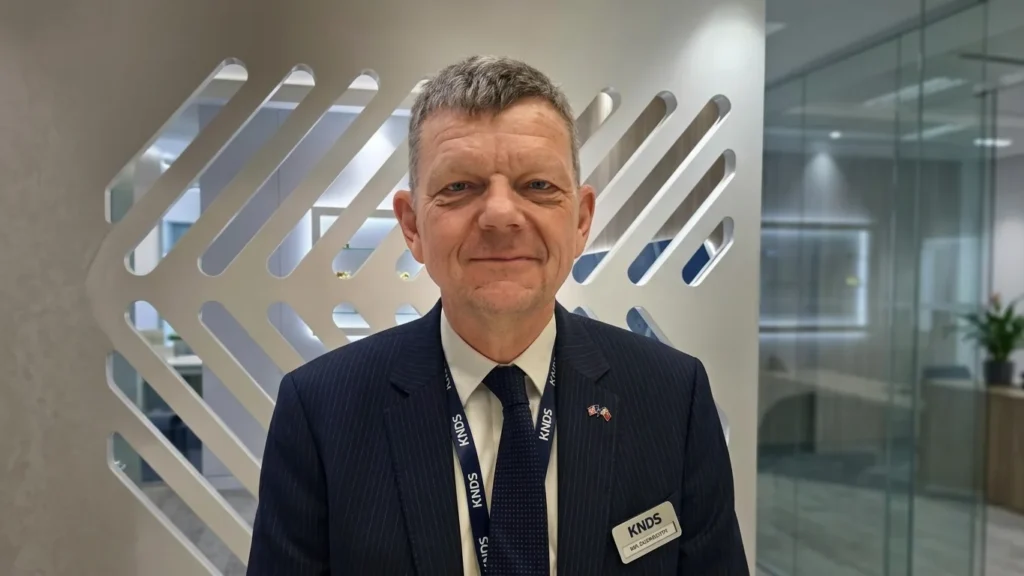
Reading Time: 4 minutesMike Duckworth, Vice President Business Development, MENA Market, KNDS, spoke to Business Leaders on the sidelines of DIMDEX 2026 about the company’s long-standing relationship with Qatar, its defence offerings, the role of advanced technology in modern land systems, and the strategic roadmap ahead. At DIMDEX 2026, KNDS presented more than products. It presented the continuity of a relationship built over years of engagement with the Qatari Armed Forces, grounded in operational trust, long-term cooperation, and a shared understanding of evolving defence requirements. For Mike Duckworth, Vice President, Business Development, MENA Market at KNDS, the company’s presence at DIMDEX reflected a story of partnership rather than a single exhibition appearance. From the first edition of the event to its current ninth edition, DIMDEX has mirrored the growth of KNDS’ ties with Qatar and the broader evolution of defence priorities in the region. “What began as a primarily naval exhibition gradually expanded, and today more than half of the activity centres on land defence capabilities,” Duckworth said. “This shift reflects the changing nature of modern defence needs and aligns closely with KNDS’ core areas of expertise, from armoured vehicles to integrated advanced systems to support Qatar Armed Forces.” While Qatar remained a strategic anchor for KNDS, DIMDEX had also developed into a wider international platform. Its expanding global participation created opportunities for dialogue with defence stakeholders from around the world, allowing KNDS to use its experience in Qatar as a strong reference point for engagement with new customers. Technology at the Core of Modern Defence Solutions KNDS, formed through the amalgamation of Krauss-Maffei Wegmann of Germany and Nexter of France, continued to focus on advanced land defence systems designed to meet the realities of modern warfare. Duckworth explained that technology remained central to KNDS’ product profile. The company consistently leveraged innovation to develop solutions that improved battlefield performance, enhanced operational efficiency, and strengthened reliability. Among the advanced technologies integrated into KNDS products were: Modular armoured vehicle design, enabling rapid adaptation to different missions and operational requirements Networked communication systems, allowing secure real-time information sharing across units Advanced ammunition and weapon systems, delivering precision, versatility, and effectiveness in modern operations These capabilities helped position KNDS products among the market leaders in their category, particularly as armed forces increasingly sought flexible, connected, and mission-ready solutions. Combat-Proven Ammunition and Operational Effectiveness Discussing the company’s ammunition capabilities, Duckworth said KNDS Ammo combined decades of experience with modern technology to produce munitions that were precise, reliable, and capable of performing under demanding operational conditions. “In general, KNDS Ammo integrates decades of experience with modern technology to produce munitions that are precise, reliable, and capable of performing under challenging operational conditions,” he said. “The most important point is that the solutions it provides focus on effectiveness, precision, and adaptability, drawing on operational feedback and long-standing cooperation with armed forces.” That approach, he added, enabled KNDS Ammo to deliver munitions suited to modern battlefield requirements while maintaining robustness under pressure. Among its major developments was the 120 mm SHARD round — a solution for hardened armour defeat — which drew on KNDS’ expertise in tank firepower functions and its long-standing cooperation with Qatari forces since the AMX-30 era. The SHARD round benefited from a latest-generation optimised sabot that reduced barrel wear during firing. Its performance had been successfully validated during trials on both the Leclerc and Leopard 2 tank guns. In the large-calibre segment, KNDS Ammo’s 155 mm munitions had proven themselves across a wide range of conflicts, demonstrating the ability to engage a broad spectrum of targets under highly demanding operational conditions. Building on this expertise, KNDS Ammo also developed the LU 211 family of rounds, offering a full spectrum of battlefield effects. Its high-explosive rounds had already demonstrated their effectiveness in high-intensity theatres of operation. The company was also advancing the future of precision artillery munitions through the BONUS round, equipped with two autonomous target-acquisition anti-armour shaped charges. Already proven effective in Ukraine, the BONUS round was designed for maximum lethality and precision, able to detect, identify, and neutralise enemy armoured vehicles in true fire-and-forget mode. DIMDEX and Strategic Cooperation with Barzan Holdings One of the important milestones for KNDS during DIMDEX 2026 was the signing of a Letter of Intent (LoI) with Barzan Holdings, reflecting the depth of the existing relationship and a shared strategic direction. According to Duckworth, the agreement set a framework for exploring localisation opportunities in ammunition manufacturing, with the goal of meeting operational requirements while maintaining the highest standards of quality, safety, and performance. The LoI highlighted the shared intention of both parties to develop local industrial capabilities, support Qatar’s national defence objectives, and strengthen a resilient regional supply chain. It was also rooted in commitments to technology transfer, industrial excellence, and a long-term partnership model. Defence, Deterrence and the Roadmap Ahead In a world where the long-term goal should be deterrence rather than conflict, Duckworth said KNDS remained focused on enabling nations to strengthen their defensive posture responsibly. “KNDS focuses on providing armed forces with flexible, modern, and reliable solutions that support operational readiness while enabling nations to strengthen their defensive posture responsibly,” he said. Looking ahead, the company intended to continue investing in innovation, collaboration, and long-term partnerships that could contribute to both regional and global stability. That vision aligned with the increasingly strategic role that advanced land systems, precision munitions, and industrial cooperation now played in defence planning. For KNDS, the objective was not only to respond to current operational needs, but also to help shape a more resilient and technologically capable future for partner nations. A Strategic Anchor in Qatar For KNDS, Qatar remained a particularly important partner in the region. The country’s defence modernisation priorities, combined with its strategic focus on capability development and localisation, made it a significant market and a meaningful long-term reference. As Duckworth noted, DIMDEX had grown into far more than a regional event. It had become a global meeting point — and for KNDS, a platform that demonstrated how trusted partnerships
Australian Expertise Has Played a Role in the Emergence of Qatar’s LNG Industry
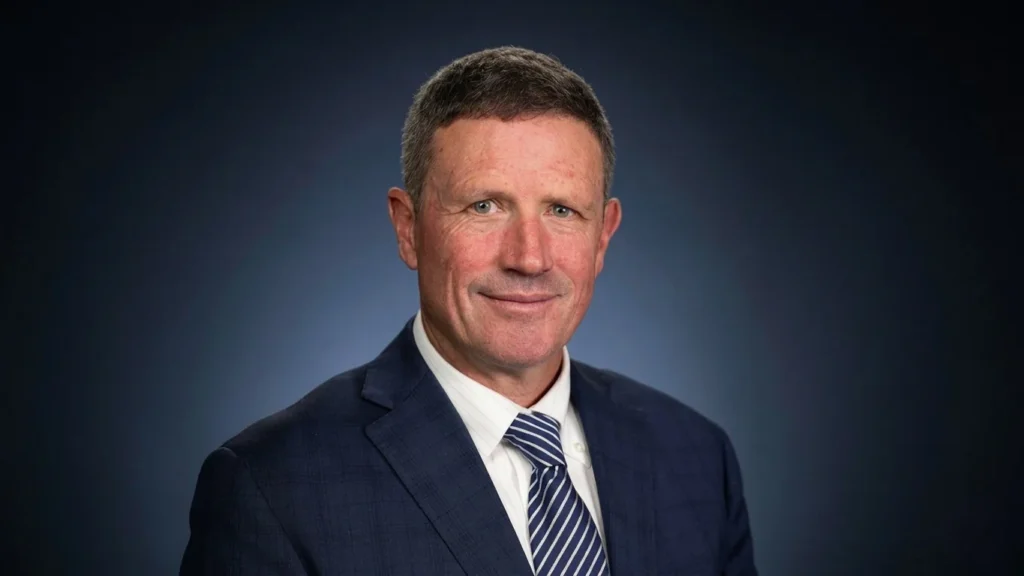
Reading Time: 5 minutesHE Ambassador Shane Flanagan, Ambassador of Australia to Qatar, spoke to Business Leaders about the evolving contours of Qatar-Australia relations, trade and investment, energy cooperation, humanitarian engagement, and the milestones that made his tenure in Doha especially memorable. The relationship between Qatar and Australia continued to deepen across a broad range of strategic sectors, from trade, aviation, and education to energy, humanitarian dialogue, and investment. For HE Ambassador Shane Flanagan, Australia’s Ambassador to the State of Qatar, the bilateral relationship reflected both practical cooperation and a shared commitment to long-term growth. Speaking to Business Leaders, Ambassador Flanagan traced his own diplomatic journey back to his university years in Australia, when an early interest in foreign policy first took shape. He studied Economics and Asian Studies at the Australian National University in Canberra, spent a year in Seoul attending Korea University, and later travelled extensively through South America. Those formative experiences fuelled his ambition to work in international diplomacy. After graduating, he joined the Embassy of Korea in Canberra as a local staff member before entering Australia’s Department of Foreign Affairs and Trade in 2001. Since then, his career has spanned a series of important roles in Canberra and overseas postings to Jakarta, Kabul, Harare, and Tokyo. He arrived in Doha in August 2023 as Australia’s Ambassador to Qatar. Trade and Investment Relations on a Stronger Trajectory Ambassador Flanagan noted that Qatar had become one of Australia’s top two trading partners in the Middle East and North Africa region. In 2024–25, two-way goods and services trade reached A$3.5 billion, reflecting a 12.8 per cent increase over the past five years. He described Qatar as a strategically important and high-value market for Australian exporters and service providers. The Australian side continued to play an active role in sharing information with businesses exploring opportunities in Qatar, while also supporting high-level business missions and official visits that could further expand commercial ties. Among the initiatives helping to strengthen that momentum was a business mission focused on the business of sport in late 2025, as well as planned visits in early 2026 by ministers with economic portfolios from two Australian states. According to Ambassador Flanagan, these efforts had helped drive measurable gains in trade and engagement. Energy: A Sector of Shared Strength Energy remained one of the most significant areas of common interest between Qatar and Australia, particularly in hydrocarbons and LNG. Ambassador Flanagan emphasised that Australian expertise had played a role in the emergence of Qatar’s LNG industry, citing a cohort of Australians working at QatarEnergy and a long-standing legacy of Qataris pursuing education and training in Australia. He also highlighted the involvement of several Australian engineering firms in projects linked to Qatar’s energy sector. Looking ahead, he noted that several major Australian energy companies would be represented by their CEOs at LNG2026, which Doha was set to host in February, and expressed confidence that the two countries still had much to learn from each other in this vital field. The Bedrock Sectors of Bilateral Cooperation While commercial engagement formed a strong foundation of the Qatar-Australia relationship, Ambassador Flanagan identified several sectors that now stood out as especially important. Aviation had emerged as a critical area of cooperation. Qatar Airways’ acquisition of a 25 per cent stake in Virgin Australia had helped drive a 40 per cent increase in flight connections between Doha and Australian cities, bringing the total to 10 flights a day. This had also contributed to greater freight volumes and stronger connectivity between the two nations. Education was another key pillar. Ambassador Flanagan highlighted the partnership between Swinburne University of Technology and the newly established Barzan University College, which enabled Australian tertiary education credentials to be offered in Qatar for the first time. He described this as a meaningful investment in people and skills, aligned with Qatar’s future workforce needs. Qatari Investment in Australia The Ambassador also spoke positively about Qatar Investment Authority’s position in Australia, noting that QIA held a high-quality portfolio across key infrastructure and commercial real estate assets. He underlined food security as an especially important area where Qatari investment could add value, while also pointing to substantial room for future growth in the investment relationship. He added that there was also potential for Australian pension funds to invest in Qatar, making this a mutually beneficial space for both countries. Shared Humanitarian Concerns Beyond trade and commerce, Qatar and Australia also shared important concerns on humanitarian and development issues. Ambassador Flanagan referred to the participation of Australia’s Minister of International Development, Hon Anne Aly, in the World Summit for Social Development hosted in Doha in November. He described the summit as highly valuable and said it had created opportunities to engage with counterparts, including from Qatar, on challenges facing multilateral and humanitarian systems. He recognised Qatar’s contribution in this space, particularly through the Qatar Fund for Development, and said Australia viewed these efforts as meaningful and impactful in helping countries pursue sustainable development and address humanitarian needs. He noted that the two countries had strengthened dialogue in this area and aimed to continue working together toward a more formal partnership. The Roadmap Ahead Looking ahead, Ambassador Flanagan said 2026 would mark a significant milestone: the 10th anniversary of the opening of the Australian Embassy in Doha. He said the year had already begun on a strong cultural note, with the screening of a documentary produced by Qatar Television on pearling in Australia. The event celebrated a shared heritage and was attended by Australia’s Speaker of the House of Representatives during a visit to Doha. The Embassy intended to continue supporting cultural collaboration throughout the year, while also building on the growing pattern of high-level engagement between both countries. Over the next two years, the goal would be to elevate the relationship further through deeper cooperation, stronger institutional ties, and sustained diplomatic engagement. Memorable Moments in Qatar Asked to single out three memorable moments from his time in Qatar, Ambassador Flanagan pointed first to the honour of presenting
Moza Ghaith M A Al Kuwari: Trust the Journey, Never Rush Growth
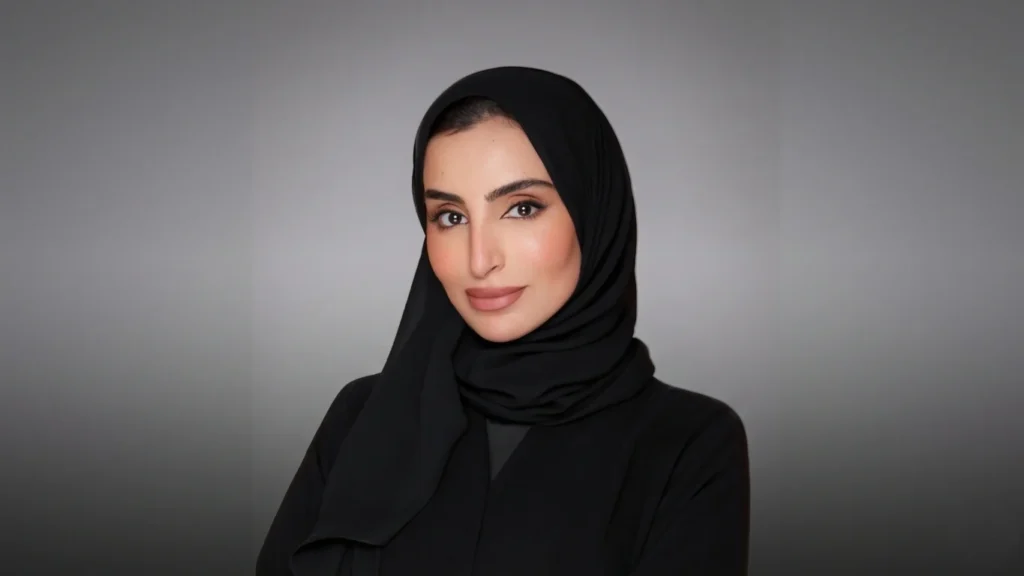
Reading Time: 4 minutesIn one of the most demanding and traditionally male-dominated areas of financial services, Moza Ghaith M A Al Kuwari, Chief Compliance Officer at Doha Bank, built a career defined by resilience, credibility, and purpose. Her journey reflected not only personal determination but also the rising presence of Qatari women in senior leadership roles within the financial sector. With a professional path shaped by governance, integrity, and trust, Al Kuwari emerged as a strong voice in compliance — a field where precision, accountability, and sound judgement were essential. A Career Built on Governance and Integrity Al Kuwari’s journey in banking began with early exposure to operational roles, which gave her a practical understanding of how financial institutions functioned on the ground. That foundation proved invaluable later in her career, allowing her to approach compliance from both an operational and regulatory standpoint. “My career journey has been shaped by a strong interest in governance, integrity, and building trust within the financial sector,” she said. As she progressed in compliance, her experience expanded to include regulatory compliance, AML/CFT, financial crime prevention, and cross-border regulatory environments. This depth of exposure gave her a holistic view of risk, regulation, and the role that strong frameworks played in protecting institutions and the wider financial system. Today, as Chief Compliance Officer, Al Kuwari oversees compliance across both local operations and international branches, with a particular focus on governance, data quality, and the responsible use of technology. “My journey has been defined by resilience and a commitment to upholding the highest standards within Qatar’s banking sector,” she said. Leading in a Male-Dominated Environment Working in a traditionally male-dominated field came with its challenges, especially in the earlier stages of her career. Yet rather than limiting her, those experiences strengthened her resilience and shaped her into a more confident, grounded, and decisive leader. “As a woman, I believe I bring a leadership style that balances firmness with empathy and structure with relationship-building,” she said. For Al Kuwari, succeeding in such an environment required more than technical skill. It demanded credibility, consistency, and the ability to remain steady under pressure. Over time, those qualities not only strengthened her professional capabilities but also shaped her broader leadership philosophy. “These qualities have enabled me to lead effectively, manage complexity, and build trust in demanding environments,” she said, reinforcing her belief that diverse leadership styles added real value in sectors such as banking and compliance International Women’s Day: Recognition and Responsibility International Women’s Day held deep meaning for Al Kuwari. To her, it represented both recognition and responsibility. In Qatar, she believed women’s leadership had been actively supported and inspired by strong national role models, particularly Her Highness Sheikha Moza bint Nasser, whose leadership consistently emphasised education, empowerment, and the meaningful contribution of women to society. “For me, the day is a reminder of the progress women have made, as well as the responsibility to continue opening doors and creating opportunities for future generations,” she said. She viewed the occasion as a reflection of the importance of visibility, impact, and supporting women to lead with confidence and purpose — especially in sectors that remained complex and challenging. Balancing Career and Personal Life For Al Kuwari, balancing professional success with personal life required discipline, adaptability, and a clear sense of priorities. Over time, she learned the importance of setting boundaries, managing time effectively, and being fully present in each role she carried — both at work and at home. “I have also learned to accept that balance is not static,” she said. “ There are periods that demand more professionalismand others that require greater personal focus. Being flexible and kind to oneself during these phases is essential.” At the heart of that balance was family. She credited the support of her loved ones as central to her growth and resilience. “The encouragement of my mother and siblings, together with the daily motivation I draw from my daughters, has given me the strength and perspective to continue growing,” she said. “My family remains my anchor and my source of purpose, enabling me to lead with resilience, consistency, and confidence.” A Leadership Philosophy Rooted in Values Al Kuwari’s approach to leadership was shaped by calm judgement, ethical clarity, and a firm commitment to doing the right thing. Her method for navigating difficult situations was simple yet powerful: pause, assess the facts objectively, seek perspective where needed, and respond with clarity rather than emotion. Among the best pieces of advice she had ever received was a principle that aligned closely with her professional ethos:“Focus on doing the right thing and let the rest follow.” That value system had guided her throughout her career, helping her navigate complexity with steadiness and purpose. Short Shots Your role model:Her Highness Sheikha Moza bint Nasser, for her visionary leadership and unwavering belief in the power of women and education. Your go-to method of navigating a difficult situation:Pause, assess the facts objectively, seek perspective where needed, and respond with clarity rather than emotion. The best advice you’ve received:“Focus on doing the right thing and let the rest follow.” The best book on resilience you’ve read:Dare to Lead by Brené Brown, for its emphasis on courageous leadership, vulnerability, and trust. What would you tell a younger Moza about handling life?Trust your journey and never rush your growth. Every challenge is shaping you for something greater. Stay grounded in your values, remain patient, and remember that your story is still being written — your best chapters are yet to come.