

Hamad Port Strengthens Qatar’s Position as a Regional Trade Hub
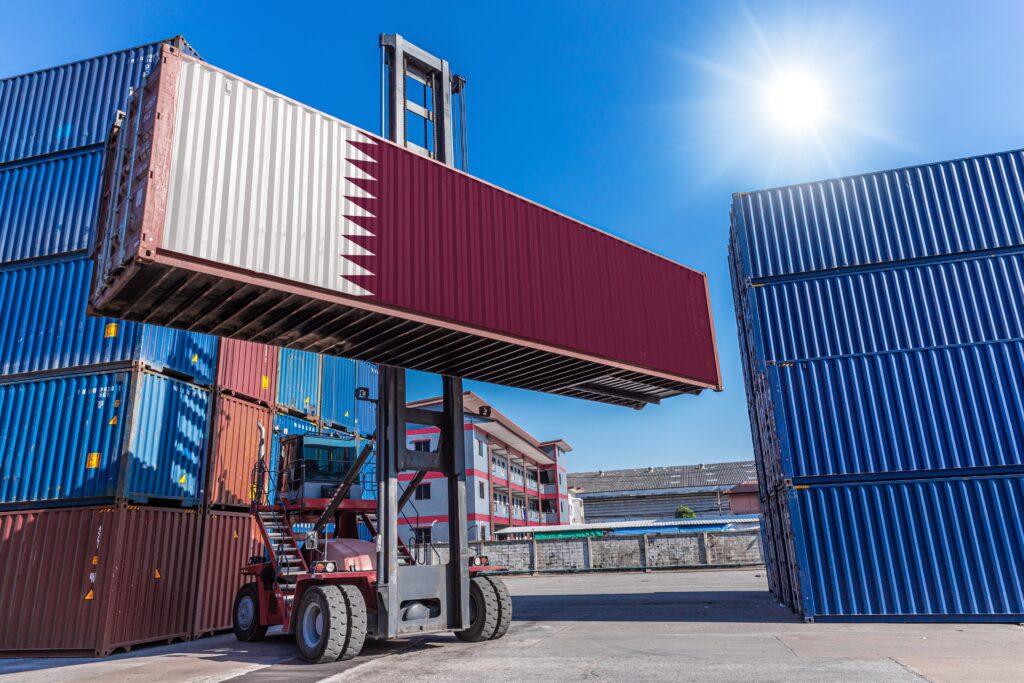
Hamad Port continues to reinforce Qatar’s position as a key regional and international trade hub, reflecting the country’s long-term investment in strategic infrastructure, maritime logistics and economic diversification. According to Mwani Qatar, Hamad Port stands as one of Qatar’s most important infrastructure projects, supporting the strength and resilience of the national economy. The port’s advanced facilities and high operational capabilities have played a central role in improving the efficiency of maritime trade and ensuring the smooth movement of goods. The port operates through an integrated logistics ecosystem supported by smart solutions, helping strengthen the sustainability and resilience of supply chains. This has become increasingly important as global trade networks face rising pressure from shifting market conditions, geopolitical challenges and supply chain disruptions. Hamad Port’s role extends beyond cargo handling. It serves as a strategic gateway connecting Qatar with regional and global markets, supporting import and export activity while enhancing the country’s competitiveness as a commercial and logistics destination. For Qatar, investment in port infrastructure is closely linked to broader national priorities, including trade facilitation, private-sector growth and economic diversification. By improving maritime connectivity and logistics efficiency, Hamad Port helps create a stronger foundation for businesses operating across Qatar industries, including construction, retail, manufacturing, food supply, energy services and re-export activities. Mwani Qatar noted that the port further strengthens Qatar’s position as a dynamic and leading commercial hub on both the regional and international trade map. As Qatar continues to expand its role in Gulf and global trade, Hamad Port remains a critical asset in the country’s infrastructure ecosystem. Its development reflects Qatar’s ambition to build a more connected, resilient and competitive economy, while supporting long-term business growth across the region.
Qatar Winter Sports Programme Continues with Public Activities in Doha

The Qatar Winter Sports Committee, in collaboration with Years of Culture, will continue the Qatar Canada and Mexico 2026 Year of Culture Winter Sports Development Programme with a new series of public activities at Ali Bin Hamad Al Attiyah Arena from 24 to 26 May 2026. The May programme will invite families, young people, sports enthusiasts, and members of the wider community to experience a range of winter sports, including curling, ice hockey, skating, and short track. The activities have been designed to introduce winter sports to the public in an accessible and welcoming environment, while strengthening connections between Canadian, Qatari, and expat communities in Doha. Launched in April, the Winter Sports Development Programme will run throughout 2026 as part of the Qatar Canada and Mexico 2026 Year of Culture. The initiative aims to expand participation in winter sports in Qatar by focusing on grassroots engagement, youth development, coach education, and competitive opportunities. The programme also highlights the role of sport as a platform for cultural exchange, community participation, and long-term collaboration between Qatar, Canada, and Mexico. Public Winter Sports Activities in Doha The three-day programme will begin with a Curling Open House on Sunday, 24 May 2026, from 4:00 PM at Ali Bin Hamad Al Attiyah Arena. The session will offer introductory curling experiences for all ages, giving members of the public the opportunity to learn more about the sport in a friendly and informal setting. On Monday, 25 May 2026, the arena will host the Canada–Qatar Expat Ice Hockey Series from 7:00 PM to 8:00 PM. Members of the public are invited to attend as spectators and experience the energy of ice hockey as part of the wider community sports programme. This will be followed by the Short Track & Skating Open House from 8:20 PM to 9:50 PM, offering open skating experiences and introducing participants to short track disciplines. The programme will conclude on Tuesday, 26 May 2026, with the Canadian–Qatar Expat Curling Game from 6:00 PM to 8:00 PM. The friendly curling matches will bring together Canadian, Qatari, and expat communities as part of the season-long programme. Teams of four may take part, with one captain required to register the team at the registration desk on the day. Open to the Public Registration and attendance are open to all at the venue. Activities will be held on a first-come, first-served basis, with rotating slots available throughout the sessions. The programme reflects Qatar’s growing commitment to expanding sports participation beyond traditional disciplines, while creating inclusive spaces for cultural exchange and community engagement. As Doha continues to host major sports and cultural initiatives, the Winter Sports Development Programme adds a distinctive dimension to Qatar’s year-round calendar of public activities. It also supports the broader objectives of the Years of Culture initiative by using sport to build stronger people-to-people connections and promote shared experiences. Further details on upcoming events will be announced through the Years of Culture website and official social media channels.
High blood pressure can happen at any age: Expert shares prevention tips

High blood pressure can develop at any age, often without warning signs. A Mayo Clinic Healthcare physician explains why early screening, lifestyle changes and timely treatment are essential. High blood pressure, also known as hypertension, is often thought of as a condition linked to older age. But its prevalence among people in early and mid-adulthood has been rising globally, making early awareness and prevention increasingly important. According to Dr. Bianca Bandarra, M.B.B.S., General Practitioner and Executive Health Physician at Mayo Clinic Healthcare in London, hypertension can quietly damage the body over many years if it is not detected and treated early. High blood pressure occurs when the force of blood pushing against the walls of the arteries remains consistently too high. As a result, the heart has to work harder to pump blood throughout the body. Over time, this increased pressure can affect major organs and raise the risk of serious health complications. If left untreated, hypertension may increase the risk of heart attack, heart failure, stroke, kidney disease, eye problems, dementia and metabolic syndrome, a group of conditions that can also raise the risk of diabetes. A Silent Condition with Serious Consequences One of the challenges with high blood pressure is that it often develops without symptoms. Many people may have hypertension without realising it. “If high blood pressure isn’t treated, it can damage blood vessels and organs over many years,” Dr. Bandarra said. “Because of that, we need to be proactive about prevention and early diagnosis. A simple blood pressure check is an important screening tool.” People with conditions such as diabetes, kidney disease or a family history of hypertension may need more frequent monitoring. Those with one or both parents affected by high blood pressure may also benefit from discussing home blood pressure monitoring with their healthcare provider. While hypertension usually does not cause symptoms, very high blood pressure readings may sometimes be linked to warning signs. “Very high readings can sometimes be associated with headaches, especially in a hypertensive crisis,” Dr. Bandarra said. “Some people may also feel pressure or discomfort behind their eyes.” Other possible symptoms may include blurred vision, chest pain, palpitations, nosebleeds, shortness of breath, fatigue or feeling generally unwell. However, these symptoms are not specific to hypertension and may have other causes. Medical attention should be sought promptly if symptoms are new, severe or concerning. Lifestyle Factors Can Influence Risk Lifestyle can play a major role in the development and management of high blood pressure. Risk factors that may increase the chance of hypertension include being overweight or having obesity, tobacco use, alcohol use, high stress levels, eating too much salt, low potassium intake and not getting enough physical activity. At the same time, several lifestyle habits may help reduce risk. These include regular exercise, maintaining a healthy weight, following a heart-healthy diet rich in fruits, vegetables and whole grains, managing stress, avoiding tobacco and alcohol, and getting adequate sleep. However, lifestyle is not the only factor. “Some people may do all the right things and still develop hypertension,” Dr. Bandarra said. “That’s because genetics also play a role. We can take steps to prevent it from getting worse.” Treating Hypertension Early Treatment for high blood pressure usually involves a combination of healthy lifestyle changes and, when necessary, medication. Even when hypertension has a genetic component, lifestyle choices remain an important part of long-term management. Healthcare professionals may also recommend tests such as blood tests, urine tests and an electrocardiogram to assess overall health, check for organ damage and identify related conditions. Home monitoring can also be useful when done correctly. “Use a validated device with the correct cuff size and follow proper technique,” Dr. Bandarra said. “Raising awareness about high blood pressure for yourself, your friends and your family can make a real difference.” For people in Qatar and across the region, where busy lifestyles, stress, diet and reduced physical activity can influence long-term health, regular blood pressure checks can be a simple but powerful step toward prevention. Early diagnosis allows people to take action before complications develop. With routine screening, healthier lifestyle choices and appropriate medical care, hypertension can be managed effectively and its risks reduced.
Msheireb Museums Brings the Community Together for International Museum Day
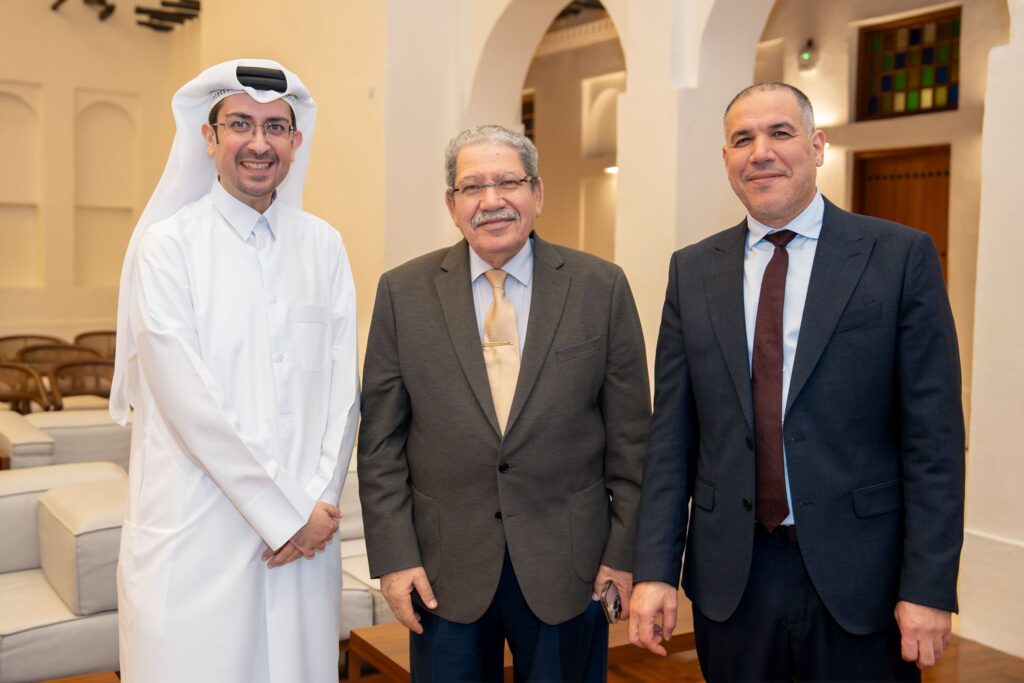
Msheireb Museums brought the community together to mark International Museum Day 2026 with a special seminar highlighting the evolving role of museums as spaces for dialogue, learning, inclusion, and cultural connection. Held at Msheireb Museums in Msheireb Downtown Doha, the seminar was led by Dr Ech Cherki Dahmali, member of the Executive Board of the International Council of Museums (ICOM) and Director of the Cultural Advisor’s Office at Qatar Foundation. Titled “Museums: From Functional Role to the Social Dimension,” the session explored how museums have moved beyond their traditional function of preserving heritage to become active public platforms that support community engagement and social cohesion. The event formed part of global celebrations for International Museum Day 2026, held under the theme “Museums Uniting a Divided World.” This year’s celebration also coincided with the 80th anniversary of ICOM, reinforcing the organisation’s long-standing mission to position museums as drivers of cultural exchange, education, and sustainable development. Organised annually by ICOM since 1977, International Museum Day has become one of the world’s most widely observed cultural occasions. More than 37,000 museums across 158 countries and territories participate each year, using the occasion to reaffirm the importance of museums as trusted public spaces that promote learning, inclusion, intercultural dialogue, and the United Nations Sustainable Development Goals. Speaking on the occasion, Abdulla Al Naama, General Manager of Msheireb Museums, said International Museum Day offered an important opportunity to reflect on the changing role of museums in society. “International Museum Day provides an important opportunity to reflect on the growing role museums play within society today. At Msheireb Museums, we believe museums are not only spaces that preserve history, but also platforms that encourage dialogue, inspire learning, and strengthen social cohesion. Hosting this seminar aligns with our commitment to creating meaningful cultural experiences that connect communities and contribute to a more inclusive and sustainable future,” he said. Dr Ech Cherki Dahmali also emphasised the need for museums to remain accessible, relevant, and responsive to the communities they serve. He noted that cultural institutions must continue adapting to changing audience expectations, particularly among younger generations. “Museums need to become more accessible and engaging for their communities, offering opportunities that truly reflect and respond to the spirit of the community. Otherwise, they will become outdated institutions, disconnected from their audiences and eventually left behind. Today’s exhibition operates in a highly competitive cultural and entertainment landscape, particularly for younger audiences. Therefore, they should focus on aligning their marketing plans with the evolving demands and expectations of the current era,” he said. As one of Qatar’s key cultural destinations, Msheireb Museums continues to play an important role in enriching the social and cultural life of Doha. Located in the heart of Msheireb Downtown Doha, the museums take visitors through Qatar’s history, urban development, identity, and collective memory through four heritage houses and an active calendar of public programming. The International Museum Day seminar underlined the growing importance of museums as places where communities can come together, exchange ideas, and engage with both local heritage and global cultural conversations. It also highlighted the value of international collaboration in strengthening cultural understanding and building stronger community ties in an increasingly connected world. Through initiatives such as this, Msheireb Museums continues to support Qatar’s wider cultural vision by creating meaningful spaces for education, dialogue, and public engagement. The event reflected how museums in Qatar are contributing not only to heritage preservation, but also to community development, cultural awareness, and inclusive social progress.
Auto Class Cars launches a Special offer on Selected MG cars with special benefits
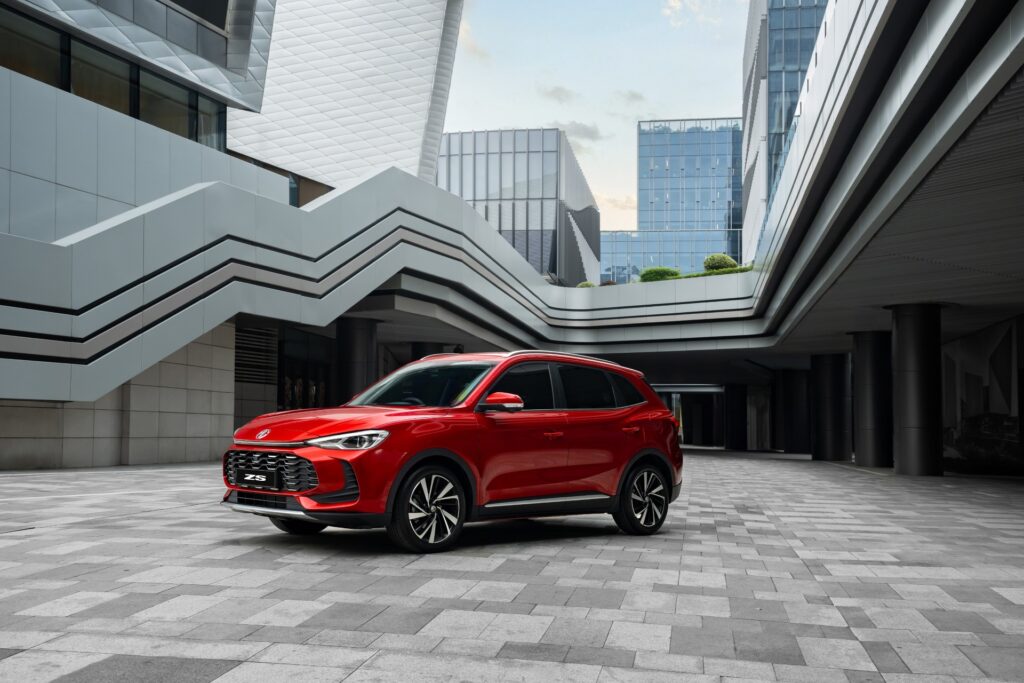
Valid on MG ONE, MG HS, MG ZS and MG RX9 Auto Class Cars, the authorized general distributor of MG in Qatar, has launched a new special offer across selected MG models, giving customers access to reduced starting prices, flexible finance options and ownership benefits. The offer runs until 31 July 2026 and applies to the MG ONE, MG HS, MG ZS and MG RX9. The full MG range is available at Auto Class showrooms on Salwa Road and in Lusail, strengthening the brand’s visibility across Qatar’s automotive market. Special Prices Across Key MG Models Under the campaign, customers can own the MG ONE from QAR 69,000, the MG HS from QAR 71,000, the MG ZS from QAR 49,000, and the MG RX9 from QAR 89,000. The offer also includes flexible financing, one year of free registration, comprehensive insurance and a trade-in option. MG continues to support buyer confidence with a six-year or 200,000 km warranty, whichever comes first. MG ONE: Sporty Design and Advanced Technology The MG ONE is built on SAIC Motor’s modular SIGMA architecture platform and is powered by a 1.5 Turbo engine delivering 181 hp and 285 Nm of torque. The SUV reaches a top speed of 195 km/h and features a seven-speed Continuously Variable Transmission designed for smooth and efficient performance. Its exterior design includes a three-dimensional front grille, sharp LED headlamps, dual-tone styling, a sloping roofline and a sport spoiler, giving the model a more athletic SUV profile. MG HS: Value, Safety and Performance The MG HS targets younger buyers looking for a combination of style, performance and technology. Positioned in the mid-size SUV segment, the model offers a sporty design and advanced features, along with a five-star Euro NCAP safety rating. The MG HS is available with two engine options: a 1.5T engine producing 173 hp with a seven-speed dual-clutch transmission, and a 2.0T engine producing 231 hp with a nine-speed automatic transmission. The vehicle also includes Level 2 Advanced Driver Assistance Systems, enhancing safety and convenience. MG ZS: Compact SUV for Everyday Driving The MG ZS is positioned as a dynamic compact SUV combining updated design, spacious comfort, safety features and modern technology. The model is equipped with a 1.5T CVT engine producing 168 hp and 275 Nm of torque. Its design includes slimline LED headlights, 18-inch alloy wheels and a bold exterior profile aimed at customers looking for a practical yet stylish SUV for daily use. MG RX9: Premium Seven-Seater SUV The MG RX9 is MG’s premium SUV offering, designed for families, travel enthusiasts and customers seeking comfort, space and capability in a seven-seater configuration. Available in COM 2.0 Turbo and LUX 2.0 Turbo trims, the RX9 combines advanced technology, elegant design and powerful performance. It features a wide 1,967 mm body, Starburst Wing Grille, sleek headlight design with 245 laser-engraved LED light units, 21-inch wheels and six exterior colour options inspired by nature. Qatar’s Automotive Market Continues to Expand The new MG offer comes as Qatar’s automotive sector continues to see strong demand for SUVs, family vehicles and value-driven mobility options. With competitive prices, flexible finance options and extended warranty coverage, Auto Class Cars is positioning MG as an accessible choice for customers looking for design, technology and practicality. For Qatar’s fast-evolving consumer market, the campaign reflects growing competition among automotive brands seeking to attract buyers through affordability, service benefits and product variety.
WISE Policy Dialogue Explores AI and Teacher Readiness in K–12 Education
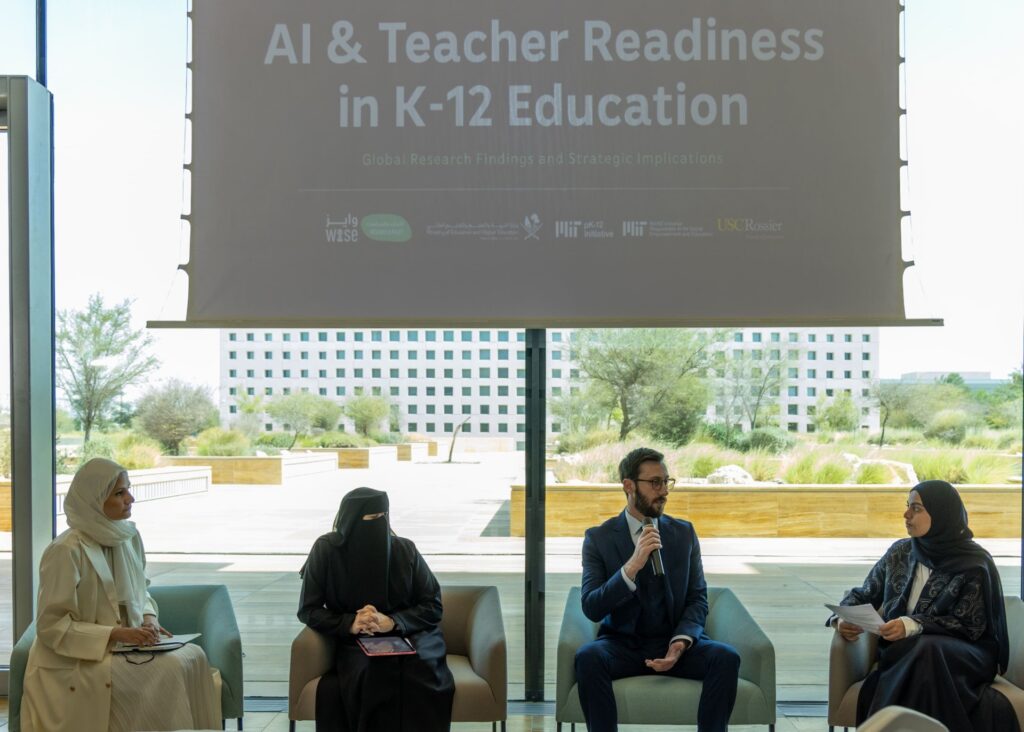
The World Innovation Summit for Education, WISE, an initiative of Qatar Foundation, hosted a policy dialogue event titled “AI & Teacher Readiness in K–12 Education: Global Research Findings and Strategic Implications”, bringing together education experts, policy voices and school practitioners to examine how artificial intelligence standards can be practically implemented in school environments. The discussion focused on one of the most urgent questions facing education systems today: how prepared are teachers to use AI meaningfully, responsibly and effectively in the classroom? As artificial intelligence continues to move rapidly into schools, the event highlighted the need for stronger teacher support, professional development, national evaluation frameworks and AI tools that reflect local language, culture and curriculum needs. AI Is Moving Faster Than Education Policy Opening the dialogue, Selma Talha-Jebril, WISE Research and Policy Director, said artificial intelligence is entering classrooms faster than schools and policy systems have had time to prepare for it. Her remarks set the tone for a discussion that moved beyond the excitement around AI and focused instead on implementation, readiness and long-term educational value. The event examined how teachers are currently engaging with AI, with many using it for administrative or preparatory tasks. However, panelists noted that the real opportunity lies in moving towards deeper, transformational classroom applications that directly support teaching, learning and student innovation. Teacher Agency and Professional Development Take Centre Stage Moderated by Maimoona Junjunia, Research and Policy Associate at WISE, the discussion emphasized the importance of teacher agency in the adoption of AI. Panelists stressed that AI in education cannot succeed through technology deployment alone. Teachers need sustained professional development, clear guidance, trusted tools and the confidence to integrate AI into pedagogy in ways that enhance learning outcomes. The dialogue also addressed the importance of evaluating AI tools rigorously before integrating them into schools at scale. In this context, national initiatives such as the WISE EdTech Testbed were highlighted as essential mechanisms for testing whether education technologies deliver real value in classroom environments. Shahd Dauleh, Innovation Manager at WISE, said the WISE testbed helps move the conversation beyond hype by ensuring that AI tools are genuinely effective for teaching and learning. AI Tools Must Reflect Language, Culture and Values A key theme emerging from the discussion was the need for AI systems in education to be contextually relevant. Lolwa Al-Nuaimi, Assistant Director of the E-Learning & Digital Solutions Department at the Ministry of Education and Higher Education, emphasized that for AI to succeed in education, it must reflect local language, culture and values while equipping teachers with the right tools. This point is particularly important for Qatar’s education sector, where strong digital infrastructure and national innovation ambitions have created a foundation for technology-led transformation. However, the discussion made clear that infrastructure alone is not enough. AI tools must be aligned with curricula, classroom realities, student needs and the cultural context in which learning takes place. Research Must Inform Policy and Practice The event also reinforced the broader purpose of the WISE Research & Policy Dialogue Series: ensuring that research findings do not remain confined to academic publications, but actively inform policy, practice and system-level decision-making. Selma Talha-Jebril noted that research only creates impact when it reaches the people with the power and responsibility to act on it. The dialogue series was positioned as a bridge between evidence, policy and education practice. This approach reflects a wider shift in education reform: moving from research as information to research as a tool for system transformation. From Classrooms to Innovation Labs Practical examples from schools offered a closer look at how AI can support student learning and innovation. Iyad Salameh, Teacher of Robotics and Automation at the Qatar Science and Technology Secondary School for Boys, shared how his students have used AI in hands-on projects. He noted that such projects show how students can use AI to build real-world solutions, turning classrooms into innovation labs. These examples highlighted the potential of AI to move beyond efficiency and automation. When implemented thoughtfully, AI can support creativity, problem-solving, applied learning and student-led innovation. For Qatar’s education ecosystem, this aligns closely with the country’s broader ambitions around digital transformation, innovation and future-ready skills. Qatar’s Teacher Readiness Gap One of the most important insights shared during the dialogue was the gap between teachers’ interest in AI and their understanding of how it works in education. According to Selma Talha-Jebril, WISE research found that 60% of teachers reported that AI helped them tailor instruction to meet diverse student needs. However, in Qatar, only 30% of surveyed teachers reported a strong understanding of how AI works in education. The finding points to a critical challenge for education systems: teachers are not necessarily resistant to AI, but many need tools, training and frameworks that are relevant to their classrooms. For Qatar, a country with advanced digital infrastructure and a strong national commitment to innovation, the opportunity is clear. The next phase of AI in education will depend not only on access to technology, but on building teacher confidence, capability and trust. Why It Matters The WISE policy dialogue placed teacher readiness at the centre of the AI education conversation. As AI becomes increasingly embedded in K–12 education, the success of these tools will depend on how well they serve teachers and students in real classroom settings. For Qatar, the discussion was especially significant. The country has invested heavily in education, digital infrastructure and innovation. The challenge now is to ensure that AI adoption in schools is guided by evidence, cultural relevance, teacher empowerment and measurable learning impact. The message from the dialogue was clear: AI can support the future of education, but only when teachers are prepared, supported and placed at the centre of the transformation.
QF’s BilAraby Initiative Discusses the Impact of Arabic in Publishing and Content at Doha International Book Fair
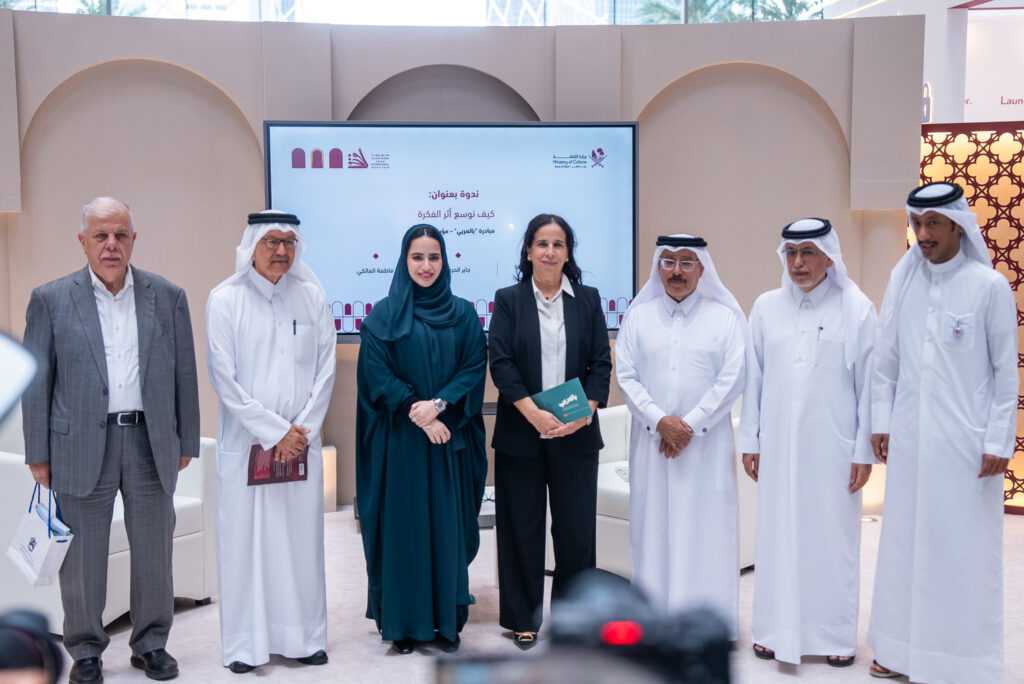
Panel session explores the evolution of ideas from traditional books to digital platforms Qatar Foundation’s BilAraby initiative participated in the 35th Doha International Book Fair with a panel discussion examining how Arabic ideas can move beyond traditional publishing and reach wider audiences through digital content, multimedia platforms and new forms of knowledge engagement. The session, titled “Arabic Between Publishing and Content: How Do We Expand the Impact of an Idea?”, was held at the exhibition’s Cultural Salon at the Doha Exhibition and Convention Center (DECC). The event was organised under the supervision of the Qatari Forum for Authors as part of the book fair programme, which was organised by the Ministry of Culture – Qatar Cultural and Heritage Events Center. Expanding the Reach of Arabic Ideas BilAraby’s participation reflected Qatar Foundation’s broader commitment to strengthening the role of Arabic in cultural dialogue, knowledge production and digital innovation. The discussion focused on a key question: how can ideas created in Arabic reach broader and more diverse audiences, both inside and outside the Arabic-speaking world? Panelists explored the transformation taking place across the Arabic knowledge industry, particularly the shift from print-focused publishing to digital-first content. The conversation highlighted how Arabic can serve not only as a language of expression and preservation, but also as a powerful medium for producing knowledge, shaping public discourse and enabling new voices to emerge. From Books to Digital Knowledge Experiences A major theme of the session was the changing journey of an idea. While books remain a vital foundation for intellectual and cultural work, speakers noted that today’s audiences increasingly engage with ideas across podcasts, video content, social platforms, interactive formats and digital communities. The panel examined how publishers, writers and content creators can transform strong ideas into accessible and engaging knowledge experiences. This includes adapting Arabic content for different platforms while preserving depth, meaning and cultural relevance. The discussion also touched on the role of Arabic in promoting epistemic justice — ensuring that Arabic-speaking communities are not only consumers of knowledge, but also active producers and contributors to global conversations. Leading Voices in Arabic Media and Reading Culture The session was moderated by Souhila Abada, content supervisor and lead trainer at the BilAraby initiative. Speakers included Jaber Al Harami, writer and editor-in-chief of Al Sharq newspaper, and Fatima Al Malki, Director of the Qatar Reads initiative at Qatar National Library. Together, they discussed the responsibilities of media organisations, publishing houses, libraries and content creators in expanding the presence of Arabic knowledge across modern communication channels. Arabic as a Language of Innovation Commenting on BilAraby’s participation, Hisham Nourin, Executive Director of Strategic Initiatives and Programs at Qatar Foundation, said the initiative’s presence at the Doha International Book Fair came from a firm belief in Arabic as a language capable of innovation and knowledge leadership. “The participation of the BilAraby initiative in the Doha International Book Fair stems from our firm belief that Arabic is a language of knowledge production and innovation, not just a means of expression. While a book is a vital starting point, the impact of an idea truly expands when it moves through podcasts, visual content, and digital platforms to reach a global audience,” he said. Interactive Engagement with the Public Alongside the panel discussion, BilAraby hosted interactive activities designed to encourage public participation. Visitors were invited to brainstorm new forms of Arabic content creation and explore how ideas can be transformed into impactful digital experiences. The activities supported BilAraby’s wider mission of creating a space where Arabic content, creativity and knowledge-sharing can evolve in line with the needs of modern audiences. Strengthening Qatar’s Cultural and Knowledge Economy BilAraby’s participation in the Doha International Book Fair reinforced Qatar’s growing role as a regional platform for culture, publishing and knowledge exchange. As Qatar continues to invest in education, media, research, creativity and digital transformation, initiatives such as BilAraby contribute to the development of a stronger Arabic content ecosystem — one that connects heritage with innovation and local identity with global reach. Updates on BilAraby and its 2026 gathering are available through the initiative’s official website: www.bilaraby.qa.
Place Vendôme Launches ‘Rooted in Resilience:’ A Community Campaign Celebrating Qatar’s Cultural Spirit Through the Power of the Sidra Tree
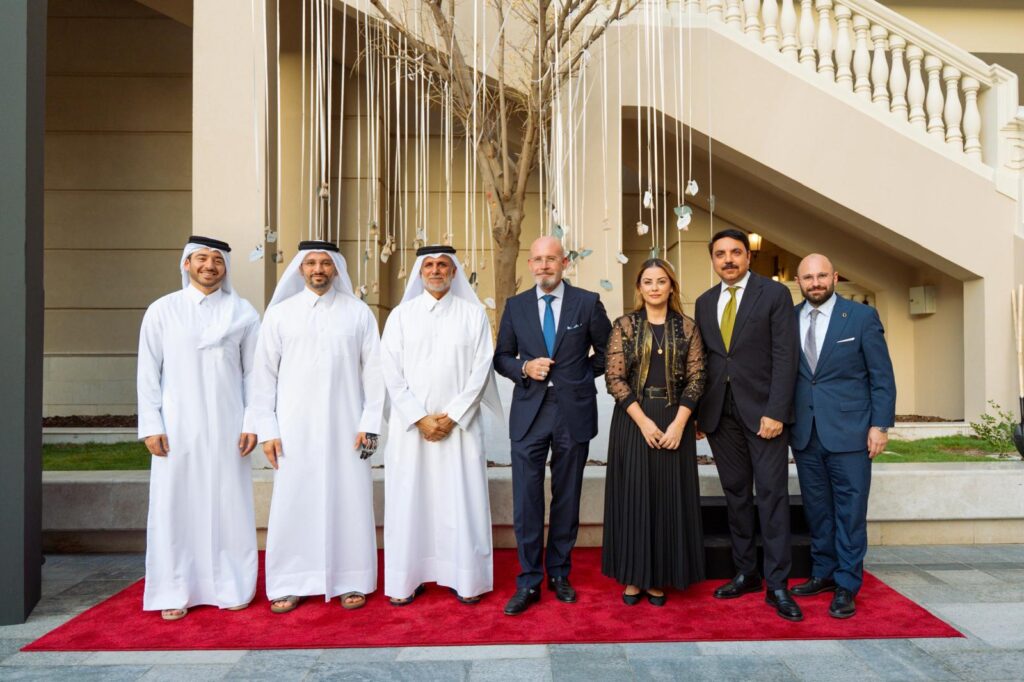
Qatar’s premier lifestyle destination unites community, culture, and collective hope through an immersive campaign that culminates in a landmark Sidra Tree Plantation Ceremony honouring exceptional individuals who embody the spirit of resilience Place Vendôme, one of Qatar’s leading luxury shopping, lifestyle and entertainment destinations, has launched ‘Rooted in Resilience,’ a community-focused campaign inspired by the Sidra tree — one of Qatar’s most powerful cultural symbols of endurance, unity and hope. The campaign was designed as a tribute to Qatar, its leadership and the resilient spirit that continues to shape the country’s social, cultural and community identity. Through an immersive visitor experience and a landmark Sidra Tree Plantation Ceremony, Place Vendôme brought together community, culture and collective hope in a meaningful celebration of strength and perseverance. A Campaign Inspired by the Sidra Tree Deeply rooted in Qatari heritage, the Sidra tree has long represented protection, stability, endurance and belonging. Native to the Gulf region, it is known for its ability to grow and survive in some of the harshest desert conditions, making it a fitting symbol for resilience in Qatar. Through ‘Rooted in Resilience,’ Place Vendôme transformed this cultural symbol into a shared community experience. At the heart of the campaign was a striking Sidra tree installation inside the destination, inviting visitors to take part by hanging personal wishes or messages on the tree, capturing the moment, and sharing their reflections across social media. The initiative encouraged guests to become part of a growing digital and physical tapestry of stories connected by hope, perseverance and cultural pride. The campaign’s guiding message captured its essence clearly: “At Place Vendôme, resilience isn’t just a word, it’s something that keeps growing here in Qatar.” Honouring Community Figures Through a Living Symbol The campaign reached a landmark moment with the ‘Rooted in Resilience’ Sidra Tree Plantation Ceremony, held at the iconic Dancing Fountains area on the Canal Floor at Place Vendôme. The evening opened with a fountain show before guests gathered for a ceremony that celebrated individuals whose journeys reflected resilience, perseverance and positive community impact. Each honouree planted a Sidra tree and placed a commemorative plaque bearing their name beside it, creating a lasting living tribute to their story and contribution. Place Vendôme’s leadership team also planted one large Sidra tree collectively, reinforcing the destination’s connection to the community it serves. The three individuals honoured during the ceremony were: Dr. Yousef Al Horr, Founding Chairman of the Gulf Organisation for Research & Development, recognised for his regional and global contribution to sustainable development and green building. Fahad Abdulrahman Badar, the first Arab mountaineer to summit both Mount Everest and Lhotse in a single expedition, symbolising determination and human endurance. Anas Abouqamer, known as TripleF, a Qatari influencer and content creator whose presence reflects the role of digital voices in shaping community engagement and cultural storytelling. More Than a Destination Commenting on the initiative, Sanjay Mehta, Group Director of Marketing at United Developers, said the campaign reflected Place Vendôme’s commitment to becoming more than a retail and lifestyle destination. “At Place Vendôme, we believe that the most meaningful spaces are those that reflect the spirit of the people within them. The ‘Rooted in Resilience’ campaign is a testament to our commitment to being more than a destination. We are part of this community, and this initiative is our way of honouring the extraordinary individuals who make it thrive. The Sidra tree, with all it represents for Qatar, felt like the most fitting symbol for that message,” he said. Carole Sabbagha, Mall Manager at Place Vendôme, said the campaign was created to resonate beyond the mall itself and become part of a wider community story. “This initiative is close to our hearts. We wanted to create a moment that resonates not just within our walls, but across the wider community. Every tree planted today carries a story of resilience, and it is our privilege to give those stories a permanent home here at Place Vendôme. We hope this becomes a lasting reminder that strength, in all its forms, is always worth celebrating,” she said. Community, Culture and Commerce As one of Qatar’s most celebrated lifestyle destinations, Place Vendôme continues to position itself at the intersection of luxury, culture, community and experience. The destination attracts more than 16 million visitors annually and has received major recognition, including World’s Most Beautiful Shopping Centre under the UNESCO Prix Versailles programme, as well as Best Mall 2024 and 2025 at the Shop Qatar Awards. Through ‘Rooted in Resilience,’ Place Vendôme has reinforced that leading lifestyle destinations in Qatar are no longer defined only by retail, entertainment and hospitality. They are increasingly becoming cultural platforms where community stories, national identity and shared values can be expressed. The campaign remains active across Place Vendôme’s social media channels, inviting the wider community to continue engaging with the initiative and contribute their own messages of hope, strength and cultural pride. In a country where resilience has become part of the national story, Place Vendôme’s Sidra tree campaign stands as a living reminder that growth, strength and unity remain deeply rooted in Qatar’s cultural spirit.
Msheireb Museums Hosts Qatar University Annual Architecture Exhibition
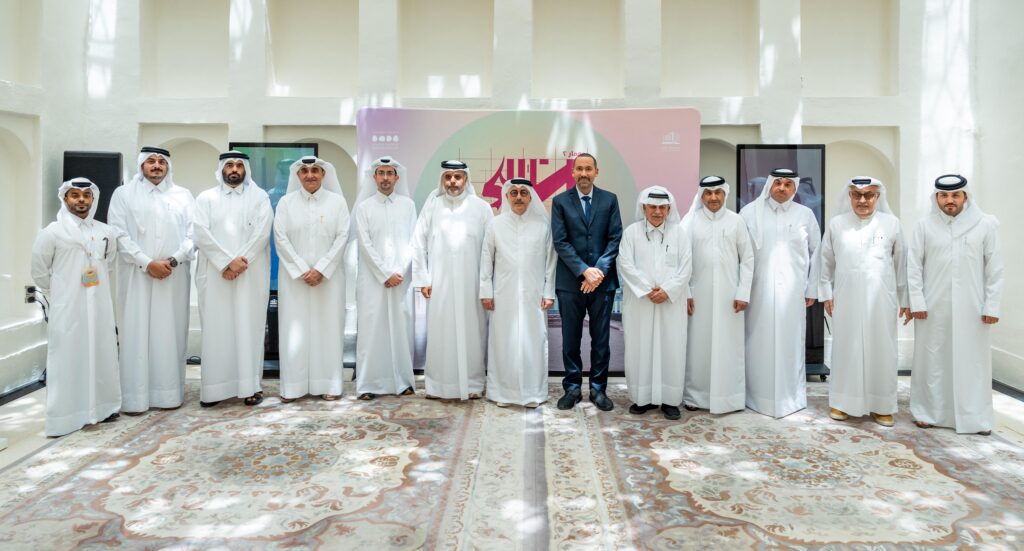
Msheireb Museums hosted Mimar: From Education to Impact, the annual architecture exhibition organised by Qatar University’s Department of Architecture and Urban Planning, bringing together the thesis projects and academic achievements of more than 40 undergraduate and graduating students. Held in Msheireb Downtown Doha, the exhibition highlighted the growing role of architectural education in shaping Qatar’s future built environment. The showcase reflected how emerging architects are responding to contemporary urban, environmental, and social challenges while remaining connected to Qatar’s cultural identity and heritage. The location of the exhibition added particular depth to the event. Msheireb Downtown Doha, widely recognised for its sustainable urban regeneration model, served as more than a venue. It became a living case study for students and visitors, demonstrating how research-led architecture, national heritage, modern technology, and sustainable design can come together in a contemporary city setting. Abdulla Al Naama, General Manager of Msheireb Museums, said the exhibition aligned closely with the purpose of the museums and the wider vision of Msheireb Downtown Doha. He noted that the museums provide a meaningful space for young architects to engage with the ideas, design values, and heritage-led thinking that shaped the district. The exhibition traced the development of students’ architectural thinking, from early coursework to final thesis projects. The displayed work explored themes such as sustainability, identity, community, environmental performance, urban infrastructure, digital tools, and practical design solutions for Qatar’s evolving built environment. Professor Mohammed Hussein, Dean of the College of Engineering at Qatar University, emphasised that architecture formed an important part of the wider engineering ecosystem. He said the students’ work demonstrated how creative ideas can be transformed into practical solutions through technical knowledge, scientific discipline, and an understanding of community needs. A key moment of the exhibition was the recognition of promising student projects by Ibrahim Al Jaidah, Chief Architect and Group CEO of the Arab Engineering Bureau. Through the AEB Excellence Award, now in its eighth cycle, Al Jaidah continued his support for young architectural talent in Qatar. Speaking about the exhibition, Al Jaidah highlighted that architecture is learned not only in classrooms, but also through direct engagement with cities, history, and communities. He praised the students for exploring important questions around sustainability, identity, and the human experience within built spaces. The projects were developed with the support of national and international partners, including the Ministry of Municipality, Qatar Museums, Caravane Earth, the Public Works Authority, OMA / AMO, and Herzog de Meuron. Their involvement reflected the exhibition’s broader commitment to research, collaboration, and design excellence. Mimar: From Education to Impact positioned Msheireb Downtown Doha as a platform for architectural dialogue in Qatar. The exhibition showed how the next generation of architects is preparing to contribute to Qatar’s urban development, combining heritage, innovation, and sustainability in ways that support the country’s long-term vision.
Everyone blends in.Ti7 stands out.
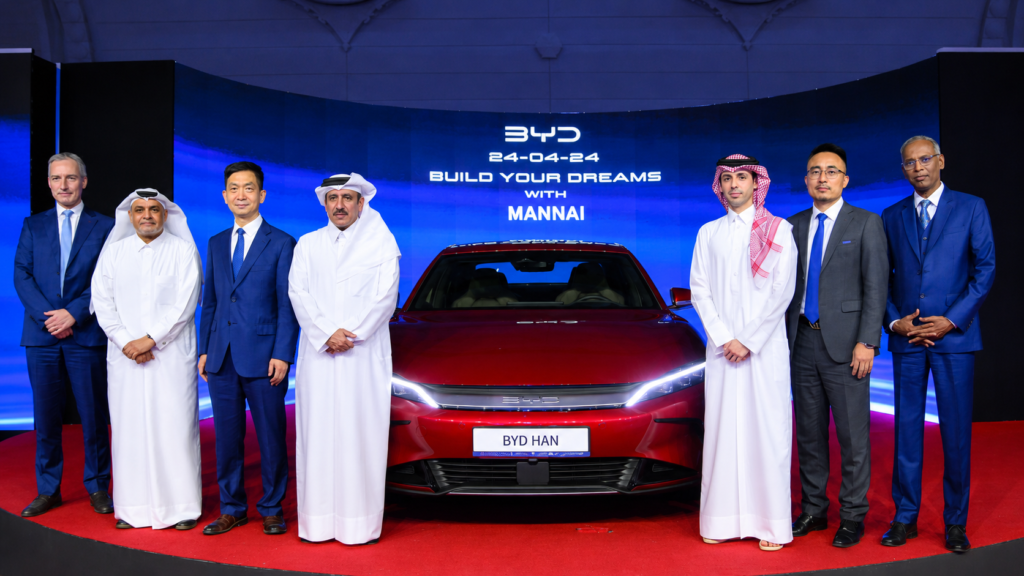
Mannai Automotive Group unveils the all-new BYD Ti7 2027 in Qatar, marking the vehicle’s first launch anywhere in the GCC. The launch took place at the BYD showroom in West Bay, Doha, in the presence of senior members of BYD’s global leadership, industry representatives, and invited guests. More than a vehicle reveal, the event reflected Qatar’s growing importance as a strategic market for next-generation mobility, hybrid innovation, and premium automotive experiences. For BYD and Mannai Automotive Group, the Ti7’s GCC debut in Qatar was a clear statement. The model was introduced not simply as a new mid-size SUV, but as a vehicle designed to challenge expectations around performance, practicality, technology, and value. Engineered to Challenge the Segment The BYD Ti7 2027 is powered by BYD’s DM-i Super Hybrid Platform, delivering a combined output of 483 HP and accelerating from 0 to 100 km/h in 5.7 seconds. With a combined range of approximately 710 km, the vehicle moves between pure electric and hybrid drive with seamless efficiency, offering drivers flexibility across both city and long-distance journeys. Its capabilities extend well beyond urban roads. The Ti7 features 10 driving modes, including Tank Turn, Crawl Mode, Sand, Mud, Snow, and Mountain settings. Supported by AWD Dual Motor technology, underbody protection, and BYD’s DiSus intelligent suspension system, the SUV has been engineered to respond to changing road and terrain conditions — from Doha’s city streets to open desert landscapes. The vehicle also brings strong practicality to the mid-size SUV category. Cargo capacity starts at 1,000 litres, expanding to 1,800 litres with the second row folded, making the Ti7 a compelling option for families, professionals, and adventure-focused drivers. Chadi El Chammas, Vice President of BYD Qatar, said the launch reflected both the strength of the Qatari market and the ambition behind the model. “The BYD Ti7 sets a new standard for what a mid-size SUV can deliver. To bring its GCC debut to Qatar is a recognition of the sophistication and ambition of this market, and of the drivers who call it home. We are proud to introduce it here first, and proud of what it represents for the future of this brand in the region.” A Premium Cabin Built Around Everyday Use Inside, the Ti7 combines technology, comfort, and thoughtful design. A 15.6-inch rotating display anchors the cockpit, powered by BYD’s DiLink ecosystem. The system includes Apple CarPlay, Android Auto, NFC phone key access, and over-the-air software updates, allowing the vehicle to continue evolving throughout ownership. The cabin also features a 50W ultra-fast wireless charger, 14 Dirac speakers, a panoramic roof, ventilated seats, and rear air conditioning. With seven exterior colour options and three interior palettes, the Ti7 offers a level of personalization designed to appeal to a broad range of buyers. Safety and driver confidence are also central to the model. The advanced driver assistance system includes Adaptive Cruise Control, Blind Spot Detection, Lane Keep Assist, and Automatic Emergency Braking, supported by nine airbags distributed throughout the cabin. Cynthia Beayni, Marketing Manager of BYD Qatar, said the launch was designed to give the vehicle the platform it deserved. “Every decision behind tonight was guided by a single belief: that this car deserves to be experienced, not just announced. The Ti7 has a story worth telling. Qatar is the first place in this region to hear it, and that means something to every person who worked to bring it here.” A Price Point That Raises the Bar The BYD Ti7 2027 is now available in Qatar in two configurations: Deluxe Trim: from QAR 139,900Flagship Trim: from QAR 154,900 With hybrid engineering, strong performance, advanced technology, premium cabin features, and a combined range of approximately 710 km, the Ti7 enters the Qatari market with a value proposition that could reshape expectations in the mid-size SUV segment. For Qatar’s automotive market, the launch signals increasing competition in the premium hybrid and electric mobility space. As consumer interest grows around efficiency, technology, and long-range capability, models like the Ti7 reflect a broader shift in the region’s mobility landscape. Qatar as the Starting Point By choosing Qatar for the Ti7’s GCC debut, BYD and Mannai Automotive Group have placed the country at the centre of the model’s regional rollout. The decision reflects Qatar’s rising profile as a market where innovation, infrastructure, and premium consumer expectations are shaping the future of mobility. Mannai Automotive Group, one of Qatar’s most established automotive distributors, represents BYD in the Qatari market and provides customers with aftersales support, factory-trained technical teams, and genuine BYD parts throughout the ownership journey. As the BYD Ti7 2027 enters Qatar, it brings with it more than a new SUV option. It brings a statement about timing, market confidence, and the future of hybrid mobility in the GCC.