

2025 eCommerce revenue pegged at US$3,795.00 million
With one of the highest data penetration rates at 99 percent, Qatar has a savvy population who are active social media users. According to DataReportal, 97.8 percent of the population are active social media users. Prior to Covid-19, it was estimated that only about 14 percent of the population made online purchases; however, this has increased significantly since March 2020 when the eCommerce market boomed. Fitch Solutions has estimated that the eCommerce market in Qatar which was worth close to US$1.5 billion in 2019 has not only grown since then but there has been a very sharp increase In Qatar’s small and medium enterprises’ (SME) acceptance of credit cards, which are widely used in Qatar. While these retail trends are more than apparent, there’s robust regulatory preparation with active systemic changes to support this transition. As Qatar continues to move towards a cashless economy, the Qatar Central Bank (QCB) launched the “Qatar Mobile Payment System” (QMPS) enabling the use of electronic wallets to further develop the country’s electronic payment environment and access to a high-level national payment system. Qatar Central Bank (QCB) also issued unified specifications and standards for the QR code that enables users to make payments by scanning the response code (QR Code) through mobile phones at points of sale and public transportation. QCB issued the Payment Services Regulation to license and regulate payment service providers (PSPs) in Qatar. In tandem, QCB launched the National Fintech Strategy, to integrate digital innovations like blockchain, Islamic banking, insurance technology, and education technology. Cryptocurrencies remain banned under the new strategy with the aim that through the new strategy, it will serve as a regulator and an enabler to accommodate emerging fintech models. The central bank started introducing a licensing regime for all new and existing fintech services operating in the country, including Payment Services Providers (PSPs), “buy now pay later” (BNPL) and insurance price comparison websites. The National Strategy and several other related documents remain unavailable in sufficient details leading to opacity and bureaucratic challenge. Recent data from QCB has shown that Qatar’s point of sale (POS) and eCommerce transactions saw an upward trajectory in December 2024. The surge was registered as POS transactions were valued at QR9.49 billion in December 2024 compared to QR7.90 billion in December 2023 and QR2.755 billion in December 2022 recording a growth of 20 percent and 25 percent respectively. The volume of POS transactions stood at 43.97 million in December 2024, while it was 33.85 million in December 2023 and 32.06 million in the same month in 2022 recording an increase of 30 percent and 37 percent respectively. Challenges Facing Digital RetailersWhile the e-commerce sector in Qatar is experiencing speedy growth and expansion, virtual retailers additionally encounter numerous challenges specific to the market. Here are a number of the essential challenges in dealing with digital shops in Qatar: Logistics and last-mile delivery: Qatar’s geographical landscape and infrastructure pose logistical challenges for e-commerce shops, particularly in ensuring timely and efficient closing-mile transport of orders to clients throughout the country. Limited delivery networks and congested urban areas can hinder delivery operations, leading to delays and client dissatisfaction. Payment methods and security concerns: Despite the growing adoption of virtual bills, concerns about charge security and fraud remain universal amongst Qatari customers. Digital retailers ought to deal with those issues by imposing robust price safety features, offering secure payment gateways, and building acceptance with clients to inspire online transactions. Competition from traditional retail: Traditional brick-and-mortar shops continue to dominate the retail panorama in Qatar, posing stiff opposition to digital shops. Established retail chains and purchasing shops entice a full-size part of purchaser spending, making it hard for e-commerce players to compete on charge, convenience, and brand recognition. Customer trust and brand reputation: Building agreement with and credibility with customers is important for virtual stores to achieve Qatar’s e-commerce market. Establishing a reputable brand image, turning in notable products and services, and imparting first-rate customer support is critical for earning and preserving consumer agreement in a competitive online market. Digital skills and talent acquisition: Recruiting and keeping skilled professionals with an understanding of e-commerce, digital advertising, and technology can be difficult for outlets in Qatar. The demand for digital skills exceeds neighborhood delivery, leading to skills shortages and competency gaps that restrict the implementation of effective e-commerce market growth strategies and tasks. Cross-border trade and customs regulations: eCommerce retailers seeking to expand their reach beyond Qatar’s borders face challenges associated with cross-border trade and customs regulations. Complex import/export tactics, customs obligations, and regulatory compliance requirements can increase the cost and complexity of international e-commerce operations, impacting profitability and scalability. https://www.statista.com/outlook/emo/ecommerce/qatar#revenue Number crunching• Revenue in the eCommerce Market is projected to reach US$3,795.00 million in 2025.• Revenue is expected to show an annual growth rate (CAGR 2025-2029) of 8.15 percent, resulting in a projected market volume of US$5,192.00 million by 2029.• With a projected market volume of US$1,773.00 billion in 2025, most revenue is generated in China.• In the eCommerce Market, the number of users is expected to amount to 1,609.0k users by 2029.• User penetration will be 45.1 percent in 2025 and is expected to hit 57.9 percent by 2029.• The average revenue per user (ARPU) is expected to amount to US$3.12k.Source: https://www.statista.com/outlook/emo/ecommerce/qatar eCommerce Trends in QatarE-commerce in Qatar is experiencing a substantial surge, driven by various developments shaping the virtual retail landscape within the country. Here are a few prominent e-commerce traits reflected in Qatar’s eCommerce market growth: Cellphone dominance: Qatar has one of the highest cellphone penetration costs globally, which is reflected in the dominance of mobile commerce. Rise of online marketplaces: Marketplaces such as Souq.Com, Jazp.Com, and Lulu Hypermarket’s online stores are witnessing accelerated traction, presenting purchasers with a handy buying experience and getting entry to various merchandise. Demand for fast and reliable delivery: eCommerce shops in Qatar invest in efficient logistics and last-mile delivery solutions to ensure well-timed shipping of orders, improving consumer delight and loyalty and maximising eCommerce market growth. Personalised shopping experiences: AI-controlled
The GCC Program: The first international carbon credit and sustainable development program
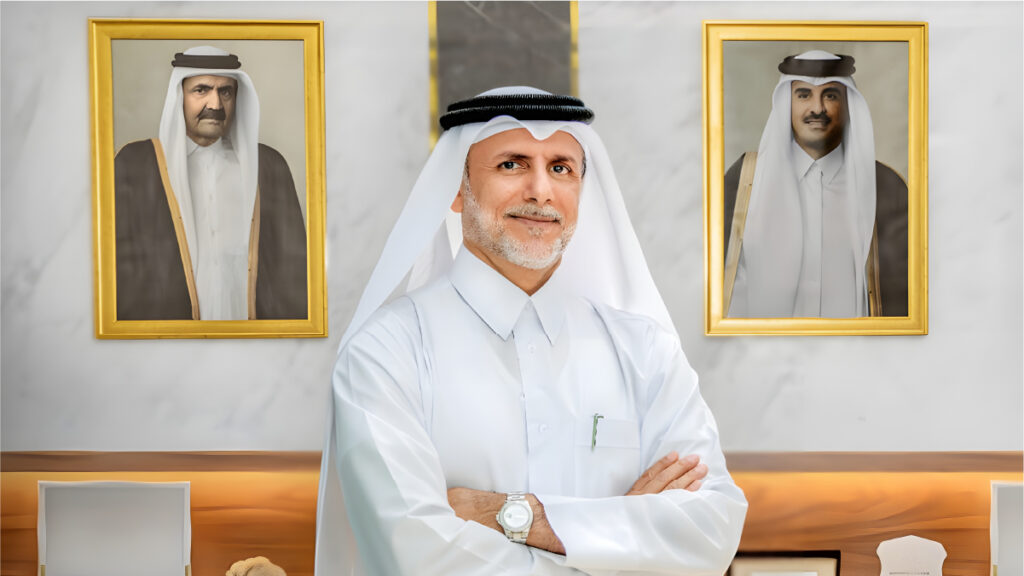
Dr Yousef Alhorr, founding chairman of the Global Carbon Council (GCC) speaks to Aparajita Mukherjee on the Council’s role in promoting sustainability through issuance of carbon credits to high-quality projects that have demonstrated their additionality in the reduction and removal of GHG emissions contributing to the United Nations Sustainable Development Goals (SDGs). Dr Yousef Alhorr, founding chairman of the Global Carbon Council (GCC), says that the GCC Program has received multiple projects for the issuance of carbon credits from Gulf countries including Bahrain, Kuwait, Oman, Qatar, Saudi Arabia, and the United Arab Emirates BL: Talk us through the Global Carbon Council and Qatar’s role in this initiative. Dr Alhorr: The Global Carbon Council (GCC) is the first international carbon credit and sustainable development program based in the Global South. The GCC Program is contributing to a more sustainable and low-carbon future by issuing carbon credits to projects from around the world that add to sustainable development. The Program only accepts high-quality projects that have demonstrated their additionality in the reduction and removal of GHG emissions while ensuring that project construction and operations do not cause any net harm to the environment and society and contribute to the United Nations Sustainable Development Goals (SDGs). As a result, the Program is helping to drive much-needed climate finance into projects that reduce and remove emissions. GCC is accredited by the United Nations International Civil Aviation Organization (ICAO) for their CORSIA scheme and by the International Carbon Reduction and Offsetting Alliance (ICROA). GCC presently issues carbon credits aimed to serve voluntary carbon markets and CORSIA, but soon, it will issue emission reductions eligible under Article 6.2 of the Paris Agreement that host countries will transfer as internationally transferable mitigation outcomes (ITMOs) to the buyer countries to meet the targets of its Nationally Determined Contribution (NDC) and to the private/corporate sector organizations for meeting carbon neutrality and net zero commitments. Having received 1,500+ projects from 45 countries spanning South and East Asia, MENA, Africa, Eastern Europe, Latin America and Caribbean region, GCC aims to issue in excess of 2 billion carbon credits in next eight years’ time to help meet the aim of a net-zero world. The carbon market initiative was established by the Gulf Organisation for Research & Development (GORD), under Qatar’s leadership. Although originating from Qatar, GCC’s scope is global. It also plays a crucial role in bridging the gap between developed and developing nations in carbon market participation. BL: Being a top producer and exporter of hydrocarbons, how does this initiative tie in with global long-term sustainability from the Qatari perspective? Dr Alhorr: GCC Program is an independent carbon standard which acts primarily on project basis to issue carbon credits in any part of the world. The scope of GCC spans beyond the geography of Qatar. Over the years, the program has become one of the leading key players in the carbon markets serving voluntary as well as compliance markets. Gas exporting countries including Qatar and members of the Gas Exporting Countries Forum (GECF) can benefit from the methodologies that GCC is promoting regarding the early retirements of coal plants, carbon capture and storage (CCS) or fuel switch to cleaner low embodied carbon fuels which can drive short- to medium-term decarbonization goals for countries and corporates alike. Key areas of focus for gas producing nations such as Qatar include energy efficiency, methane management, blue hydrogen and the adoption of CCS technologies. GCC brings carbon marketplace to catalyze climate action in all these areas. BL: Which GHG projects are most critical to accelerate the Gulf region’s low-carbon growth? Dr Alhorr: The Gulf region has significant potential for emission reduction projects due to its vast natural resources, technological capabilities, and increasing commitment to sustainability. The critical GHG mitigation projects in the GCC include Renewable Energy expansion, CCS, Blue and Green Hydrogen/Ammonia Production, Energy Efficiency in Industry, Flare Gas Reduction in Oil/Gas Industry, Green Buildings, Energy Efficient Chillers, Refrigerant Switch to non-GWP Gases, Mass Transport and Electric Vehicles, Waste and Wastewater Management, Plugging the abandoned oil wells and Greenhouses for agriculture. As per the International Renewable Energy Agency (IRENA) report, Gulf countries could save up to 136 million tons of CO₂ annually by 2030 through renewable deployment, one of the major areas of the Gulf region’s mitigation sector. Further, with many geological storages of depleted oil reservoirs and saline aquifers, there is great potential for CCS. Accelerated growth of all these clean and green sector projects is very important for the region to achieve a low-carbon future and economic diversification. The GCC Program has received multiple projects for carbon finance support for the Gulf countries covering Bahrain, Kuwait, Oman, Qatar, Saudi Arabia, and the UAE. Many of these received projects are either registered or at different stages of active evaluation. Role of S&P and Climate Impact X in the new agreement “The strategic tri-party agreement between GCC, S&P Global Commodity Insights (SPGCI), and Climate Impact X (CIX) aims to enhance carbon market services and improve liquidity. SPGCI offers comprehensive registry services to the GCC program. The Environmental Registry platform by S&P plays a critical role in supporting the secure and transparent issuance of carbon credits (ACCs). CIX is a global carbon market solutions provider based in Singapore. CIX’s platform will provide project developers with streamlined access to global buyers and enhance the liquidity of carbon credits issued by GCC. GCC sees value in providing a secure transaction registry (provided by SPGCI) to issue credits and further integration with a robust exchange (CIX) would provide better liquidity opportunity to the sell side (or project developers). By partnering with the two reputable solutions providers, GCC aims to scale its global impact by bringing greater transparency, certainty, and liquidity to the carbon markets.” – Dr Yousef Alhorr, founding chairman of the Global Carbon Council.
“It takes time to make a champion”: Robert Brozin to Gen Z
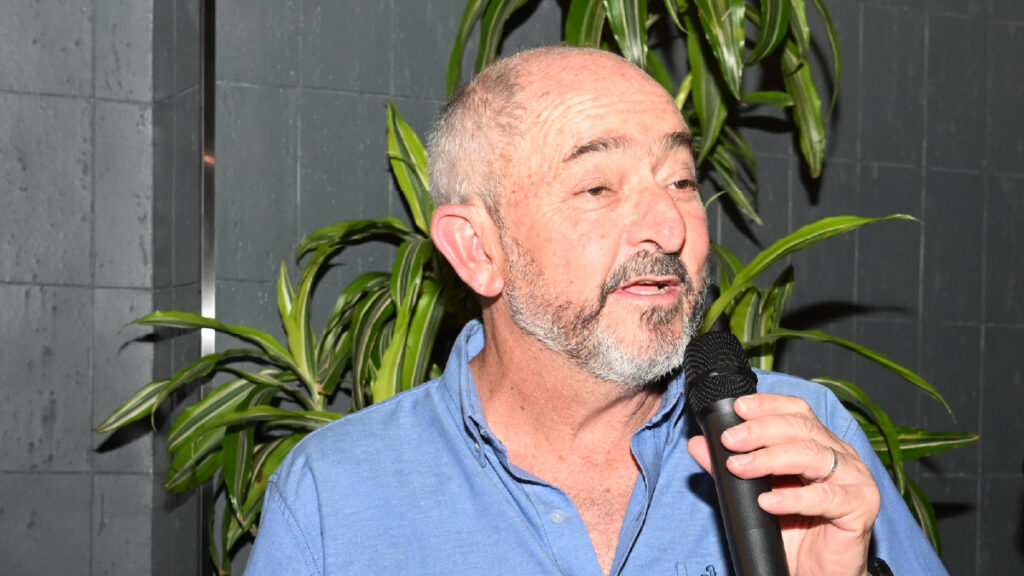
If Nando’s has one apt descriptor, it’s this: it’s changed the way people think about chicken. And this comes from none other than its co-founder Robert (Robbie) Brozin who wrote a note on LinkedIn nine years back. As son of a businessman, Brozin could take the comfort route of staying on in his father’s business but chose an entrepreneurial path instead. The rest is history, as they say. Nando’s welcomed its co-founder and brand champion, Robbie Brozin, for an exclusive media meet-up at the Salwa Road Casa (Home in Portuguese) — the first Nando’s to open in May 2001, now celebrating over 23 years of serving their world-famous PERi-PERi chicken in Qatar and we caught up with Brozin for a casual chat. Here’s what he had to say! Q: Why did you choose entrepreneurship over your dad’s business? Brozin: Entrepreneurship came quite naturally to me…and the Industry my father was in, was taking some strain, with consolidation happening and I felt uncomfortable in it. Q: With over 1,000 Nando’s restaurants worldwide, what are three lessons that apply across sectors? Brozin:1. Find the right local partner who understands the Region you are operating in;2. Keep the fundamentals of the menu the same, but localize the side items and add some local dishes;3. Keep the values and the purpose high on the agenda , never mind the country or region you are operating in. Q: If given a chance, what would you do differently? Brozin: Have a deeper respect for the “Suits” the finance people. In the early days we never listened to them enough. Q: One piece of advice for Gen Z. Brozin: It takes time to make a champion. Q: If you could time travel, where would you go and why? Brozin: To the year 2030…we’ve got an exiting five-year plan, and I’d like to see how it holds out, while I’m still young enough to appreciate and change a few things.
From a board role to a CEO: Dr. Iyabo Tinubu-Karch’s seemingly effortless transition
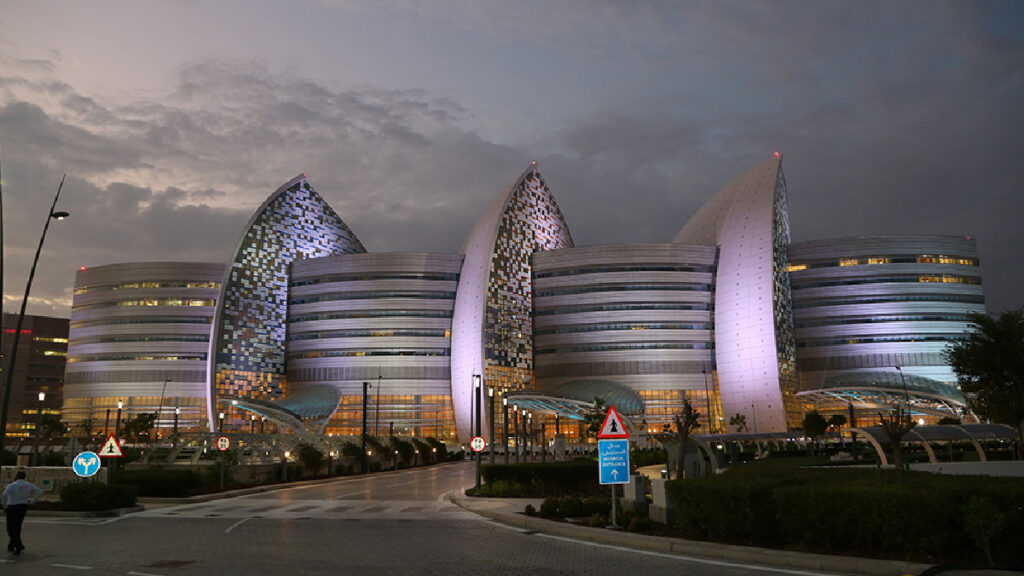
Dr Iyabo Tinubu-Karch, CEO, Sidra Medicine is no stranger to the world of decision-making while being a medical professional. In a candid conversation, Dr Tinubu-Karch talks about the transition to a CEO and the values it demanded inculcated in her, apart from the role technology plays in diagnostics today. “Technology is the cornerstone of our ability to expand and enhance our clinical services, ensuring we provide exceptional care for women and children.“ “Stepping from the boardroom into the CEO role has been an incredible journey. While my board role focused on strategic oversight and high-level decisions, my current position has immersed me in the daily operations of Sidra Medicine. This deeper involvement has provided invaluable insights into the challenges and opportunities we face, which allows me to ensure our teams have the necessary resources to excel in patient care, research, and education,” says Dr Iyabo Tinubu-Karch, CEO, Sidra Medicine. One of the biggest shifts for Dr Tinubu-Karch has been getting to know the people on a deeper level. Witnessing their commitment firsthand is truly inspiring and reinforces her responsibility to foster a collaborative and inclusive work environment, according to Dr Tinubu-Karch, who actively seeks input from diverse perspectives within the organisation, believing as she does that this collective wisdom leads to more informed and effective decision-making. “Healthcare is a dynamic field. As CEO, I need to make sure that we as an institution are agile and adaptable. This means being committed to nurturing a culture of innovation and continuous improvement. By embracing change and fostering a growth mindset, we can ensure that Sidra Medicine remains at the forefront of women’s and children’s healthcare,” informs Dr Tinubu-Karch. On the role that technology plays in advancing clinical care at Sidra Medicine, Dr Tinubu-Karch is forceful about Sidra Medicine’s commitment to embracing the latest technological advancements based as it is on the belief that advanced technology is essential for the institution to remain a leader in patient care, adding, “Technology is the cornerstone of our ability to expand and enhance our clinical services, ensuring we provide exceptional care for women and children.” Dr Tinubu-Karch adds that Sidra Medicine has become a regional pioneer in gene therapy, harnessing the power of technology to revolutionise treatment options for genetic diseases. Our administration of Elevidys for Duchenne Muscular Dystrophy (DMD) and our unique position as the sole provider of gene therapy for Spinal Muscular Atrophy (SMA) in Qatar exemplify this commitment. How has Dr Tinubu-Karch’s background in geriatric medicine shaped your approach to healthcare leadership? Dr Tinubu-Karch informs that her background in geriatric medicine has profoundly influenced her approach to healthcare leadership. She details, “In geriatrics, you learn to consider not only the immediate medical issues but also the broader context of a patient’s life – how their environment, family support, mental well-being, and social circumstances all influence their health. This perspective is essential for providing compassionate, effective care, and it informs how I lead a multidisciplinary team, with a collaborative agenda at a healthcare institution like Sidra Medicine.” Geriatric medicine, Dr Tinubu-Karch adds, emphasises long-term health and quality of life, not just treating immediate symptoms. “This philosophy is central to Sidra Medicine’s approach. We’re not only focused on acute interventions but also on providing sustainable, comprehensive care that supports the overall well-being of our patients and their families. My background has instilled in me a deep respect for the continuity of care, which we strive to deliver at every stage of a patient’s journey here,” says Dr Tinubu-Karch. Innovations in healthcare At Sidra Medicine, innovation is at the heart of our mission to provide exceptional care for children and women. Dr Tinubu-Karch talks about several ways in which Sidra Medicine is constantly striving to achieve new milestones and push the boundaries of healthcare through several key initiatives. One key area is our Clinical Trials Program, which focuses on trials directly benefiting children in the Arab region, informs Dr Tinubu-Karch. The trials could offer children the chance to receive beneficial treatment whether it is a new drug, therapy, device or procedure before it becomes widely available, she says, adding, “Our programme addresses the historical lack of research for the Arab population, enabling us to develop personalised and effective treatments.” In tandem, Sidra Medicine has also established the first pediatric hematopoietic stem cell transplant (HSCT) programme in Qatar, in partnership with the Children’s Hospital of Philadelphia. “Additionally, our precision medicine initiatives leverage genomic data to personalise care plans, using advanced technologies such as Whole Genome Sequencing (WGS) to identify disease-linked genetic variations and Zebrafish Functional Genomics Facility for rapid gene mutation identification. We are strategically integrating Artificial Intelligence (AI) into our operations to empower our patients and optimise our workflow. Global healthcare trends in women’s and children’s health
Qatari AI market projected to reach US$28.04m in 2024

Qatar is in the throes of huge inter-sectoral investments and programmes on artificial intelligence (AI) spanning information technology, telecom, education, venture capital, healthcare, energy and finance with Qatar government’s US$2.5 billion investment in data and AI, outlining its ambition to generate US$11 billion for the national economy and creating 26,000 jobs. While the market size in the AI market is projected to reach US$428.40 million in 2024 with an annual growth rate (CAGR 2024-2030) of 28.66 percent, resulting in a market volume of US$1,943.00 million by 2030, the national investment of US$2.5 billion is tipped to create 26,000 jobs in the country. These data were released by a joint report by Invest Qatar and global consulting firm Accenture at the inaugural World Summit AI – Qatar 2024. The report has furthered that with the thrust on Qatar is aiming to rank among the top 10 globally on the Digital Competitiveness Index by 2023. This investment swing – with active collaboration between the private and the public sectors on transformative initiatives – in AI is Qatar’s push to move its economy away from its over-reliance on hydrocarbons which, according to the International Trade Administration, “has consistently contributed to over 70 percent of the government of Qatar’s total revenues since 2014, as well as over 80 percent of Qatar’s total exports”. Qatar also ranks first in the Gulf Cooperation Council (GCC) for digital governance and mobile internet speeds, supported by Microsoft Azure and Google Cloud, with the launch of AI-specific education programmes and research initiatives, aiming to increase the percentage of highly skilled workers to over 46 percent by 2030. The bedrock laid out by Qatar National Vision 2030 Today’s AI thrust has been a gradual journey that started with the Qatar National Vision 2030 which aimed to create “an advanced society capable of sustaining its development and providing a high standard of living for its people”, a step further taken by the National AI Strategy that was launched in 2019, providing a comprehensive understanding of AI’s pivotal role in shaping the 21st century. The Ministry of Communications and Information Technology (MCIT) has tirelessly championed an environment conducive to AI innovation, resulting in a flourishing landscape. Numbers talk, and they predict annual growth of 17.4 percent, propelling Qatar’s AI market to an estimated US$58.8 million by 2026. What is AI? AI, a branch of computer science, focuses on creating machines able to perform tasks traditionally requiring human intelligence, and includes a wide range of applications, such as speech recognition, image processing, and autonomous vehicles and has seen rapid growth in recent years due to advancements in technology and increased investment. The AI market includes software, hardware, and services that enable organisations to develop and deploy applications and the market is structured into six sub-markets based on the technology: Source: https://www.statista.com/outlook/tmo/artificial-intelligence/qatar
Reducing food wastage, addressing food insecurity

Wardha Mamukoya, founder and managing director of Wa’hab is up against a very basic human need: food and how it is distributed. Her solution is to redistribute excess food to those in need, while promoting a circular economy based on the three R’s – reduction, re-using and recycling which promotes the values espoused in Qatar National Vision 2030, writes Aparajita Mukherjee. BL: Talk us through the philosophy behind Wa’hab. Mamukoya: Wa’hab’s philosophy is centered on reducing food waste and addressing food insecurity by creating a system to redistribute surplus food to those in need. Simultaneously, we promote the principles of a circular economy by focusing on the reduction, reuse, and recycling of food waste, ensuring that resources are maximised and waste is minimised at every step. In essence, we aim to promote a circular economy where food waste is not discarded but repurposed. Surplus food is collected from restaurants, events, and businesses and redistributed to communities facing food insecurity. However, we do not stop there. Non-edible food waste is recycled into compost, which can be used in local gardens and farms, creating a sustainable resource cycle. This approach aims to reduce waste in landfills while simultaneously contributing to agricultural sustainability. In addition, the environmental benefits of food waste recycling extend far beyond composting. By diverting food waste from landfills, we prevent harmful greenhouse gases like methane from being released into the atmosphere. This is a significant step toward achieving Qatar National Vision 2030’s sustainability goals. Furthermore, by involving the local community and businesses in our work, Wa’hab fosters a culture of environmental responsibility. Our initiatives aim to inspire a broader movement toward sustainability, helping to change how people view food waste – from a nuisance to a resource. BL: What drove you to start Wa’hab? Mamukoya: There is a Hadith of our Prophet Muhammad (peace be upon him) who is reported to have said: “He is not a believer who eats to his fill while his neighbour is hungry.” Pondering over this, I questioned how I could qualify to be a believer if I could not guarantee if my neighbors have eaten or not. And here again, if one were to go hungry, it was not because of a shortage of food. Judging by the large amounts of good-quality food being thrown away at restaurants and events, there was enough food to feed everyone. The problem clearly wasn’t food shortage but the lack of an efficient system to connect surplus with those in need. The environmental impact of food waste, a fact that many people fail to grasp, was another drive that motivated me to take action. Food waste contributes significantly to greenhouse gas emissions, particularly methane, which is released as food decomposes in landfills. According to the US Environmental Protection Agency (EPA), landfilled food waste accounts for a significant portion of the methane produced worldwide. This environmental impact is often overlooked in conversations about food scarcity. Wa’hab was born from my desire to create a platform that not only redistributes food to reduce hunger but also contributes to sustainability by tackling the environmental challenges associated with waste. (Read the full interview on https://businessleadersme.com/category/magazines/#)
Qatar’s International Media Office becomes first governmental media-related entity to move to Msheireb Downtown Doha, establishing Msheireb as a world-class media hub
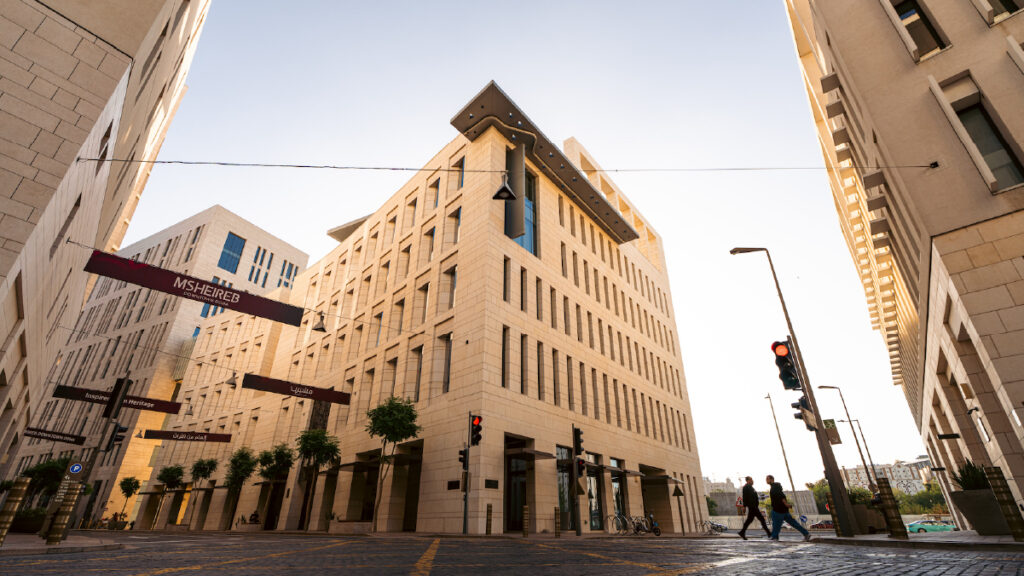
Doha, Qatar – 04 December 2024 – Msheireb properties has announced today that Qatar’s International Media Office (IMO) has moved to Msheireb Downtown Doha (MDD). The IMO will be the first governmental media-related entity to officially open its doors in Msheireb, firmly establishing MDD’s position as Qatar’s key global hub for media and communication. The IMO is a key contact point for all regional and international media, NGOs and think tanks, communicating the vision, policies, programmes and official state positions while also providing media support to Qatari government entities. As part of the move, Q Life – the cultural platform under the IMO – will open a public gallery to host events and exhibitions that spotlight the people, stories and ideas powering Qatar’s development. Responsible for organising the annual Match for Hope charity match and the recent Qatar Adventure Metaverse activation, which launched on 29 November, Q Life will bring new experiences and innovative programmes to MDD. Commenting on the move, The IMO Director Sheikh Thamer bin Hamad Al Thani said:“The opening of Q Life’s public gallery aims to become a community hub, hosting events and activations that showcase Qatar’s cultural heritage and spirit. We look forward to creating a space that connects and engages diverse audiences both at home and abroad.” Commenting on the move, The IMO Director Sheikh Thamer bin Hamad Al Thani said:“The opening of Q Life’s public gallery aims to become a community hub, hosting events and activations that showcase Qatar’s cultural heritage and spirit. We look forward to creating a space that connects and engages diverse audiences both at home and abroad.” Msheireb Properties CEO Eng. Ali Al Kuwari said that the confidence the IMO has shown in the future of MDD is exciting, and a testament to the strength of the development’s original vision to build facilities and communities that have attracted top tenants: “Msheireb Downtown Doha has transformed the heart of Qatar’s capital city into a model for smart, sustainable operations, and the home of innovation. It is our mission to change the way people think about urban environments and we are on track to exceed 90% occupancy by the end of the year. MDD is fast becoming the undisputed home of media connectivity in Doha, and we welcome this accolade,” said Eng. Ali Al Kuwari. Commenting on one of the benefits of setting up operations in Msheireb Downtown Doha, the CEO added, “Qatar is ranked first in the world for mobile internet speeds and the entire population is covered by 5G and fibre connectivity. Qatar’s impressive connectivity not only provides a solid backbone for nationwide digital transformation but also attracts the world’s global hyperscalers to expand their infrastructure across the region. Msheireb Downtown Doha exemplifies sustainable digital development by utilising smart grids and sensors to optimise energy consumption and reduce environmental impact.” Msheireb is committed to supporting Qatar’s digital ambitions, with The Third National Development Strategy (NDS3), highlighting IT & Digital as a core enabling sector to develop Qatar’s digital economy and its long-term capabilities in AI and emerging technologies.
Three major champions and parade of LIV Golf stars in strong field for International Series Qatar

(Doha, Qatar, 19 November 2024) Major champions Patrick Reed, Louis Oosthuizen and Charl Schwartzel are among 18 LIV Golf stars in the field for International Series Qatar – the penultimate event of the season on both The International Series and the Asian Tour. The 2011 Masters champion Schwartzel and 2010 Open winner Oosthuizen, both from South Africa, will be joined by Stinger GC team-mates and compatriots Dean Burmester and Branden Grace for the second staging of the event, which takes place at Doha Golf Club from 27-30 November and this year has a $US2.5 million prize purse. One coveted spot on the LIV Golf roster is available to the rankings champion, while 32 places are also available on the season-ending LIV Golf Promotions event. International Series Macau presented by Wynn champion John Catlin from the United States leads the rankings, with in-form Richard T Lee – the recent BNI Indonesian Masters winner – sitting in second. Uihlein, New Zealand’s Ben Campbell, Chinese-Taipei’s Lee Chieh-po, and MJ Maguire from the United States all have a chance of catching Catlin over the closing stages. Catlin has a stronger lead on the Asian Tour Order of Merit but still has work to do if he is to secure the title for the first time. Hassan Nasser Al Naimi, Qatar Golf Association (QGA) President and Chairman of the Championship Organizing Committee, said: “With the tournament bringing elite-level golf and some of the biggest names in the sport for the second year in succession, we are witnessing another chapter in Qatar’s rich legacy in sports. This event aligns with Qatar National Vision 2030, showcasing our world-class facilities while inspiring future generations. The pathway to LIV Golf offers a unique opportunity for emerging talent in the region, further strengthening Doha’s position as the sports capital and a global hub for world-class events.” 4Aces GC star Reed from the United States, the 2018 Masters winner, is one of three former Ryder Cup players alongside fellow American Anthony Kim, a wild card this season, and Belgium’s Thomas Pieters of Range Goats GC. Other prominent LIV Golf stars include Range Goats GC’s American Peter Uihlein, the International Series England champion, talented Spanish youngsters David Puig and Eugenio Chacarra, both winners on The International Series in 2023, Crushers GC’s Indian star Anirban Lahiri and Caleb Surratt, the promising American from Jon Rahm’s Legion XIII. As the second event in a three-week run in between the US$2 million LINK Hong Kong Open and US$5 million season-ending PIF Saudi International powered by SoftBank Investment Advisers, the Qatar date will go a long way towards deciding The International Series Rankings. Rahul Singh, Head of The International Series, said: “The season is reaching an exciting conclusion, and the fact that it is happening in a three-week run across Hong Kong, Qatar and Saudi Arabia is conclusive proof that we truly are The International Series. “Anything could happen thanks to the points at stake in these three big-money, back-to-back tournaments. This is everything to the players challenging for the rankings title, and also for those hoping to make it to the LIV Golf Promotions event.” Cho Minn Thant, Commissioner & CEO of the Asian Tour added: “Bringing the Asian Tour to the Gulf region is always a highlight and further evidence of our strength as a brand in different important international markets. With so much at stake, it promises to be a wonderful weekend of golf, and Doha Golf Club is a fitting stage for this to play out.” International Series Qatar takes place at Doha Golf Club from 27-30 November to finish in line with the country’s traditional Friday-Saturday weekend. For tickets and further information, please visit www.internationalseries.com.
His Highness the Amir Appoints New Director General of Hamad Medical Corporation
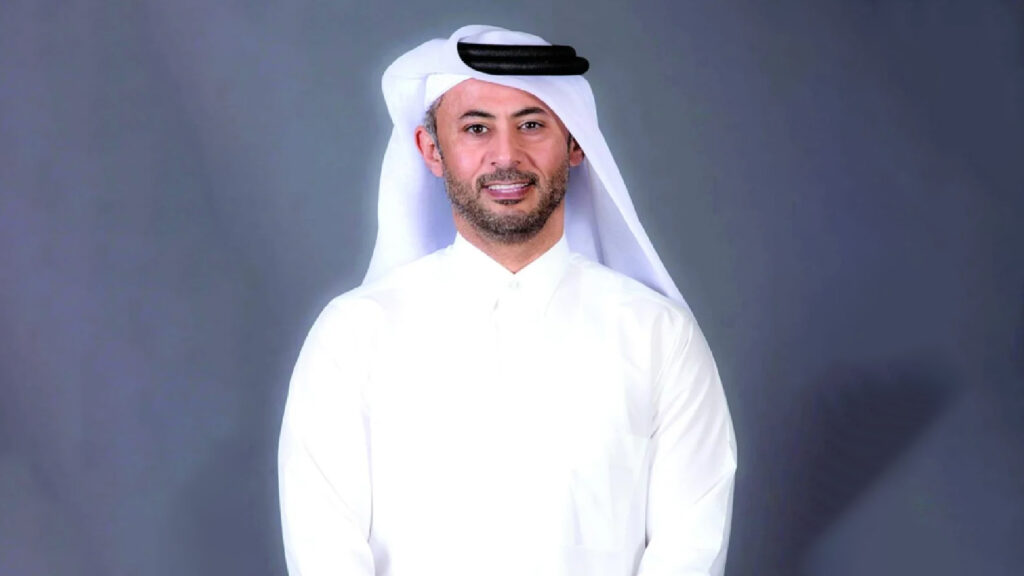
DOHA – His Highness the Amir Sheikh Tamim bin Hamad Al Thani issued Amiri Decision No. (71) of 2024 today, appointing His Excellency Mohammed bin Khalifa bin Mohammed Al Suwaidi as the new Director General of Hamad Medical Corporation (HMC). The decision takes effect immediately from the date of issuance and mandates its publication in the Official Gazette. HE Al Suwaidi’s appointment as Director General reflects Qatar’s commitment to advancing the nation’s healthcare sector, ensuring high standards of service and innovation in line with the country’s national vision. Hamad Medical Corporation, Qatar’s leading provider of secondary and tertiary healthcare, is set to benefit from his leadership as it continues to develop its infrastructure, services, and clinical care to meet the healthcare needs of Qatar’s growing population. The official decree reaffirms Qatar’s ongoing efforts to enhance healthcare governance and expand its high-quality medical services for the welfare of its citizens and residents.
Qatari financial consultant ‘helps women achieve financial independence’
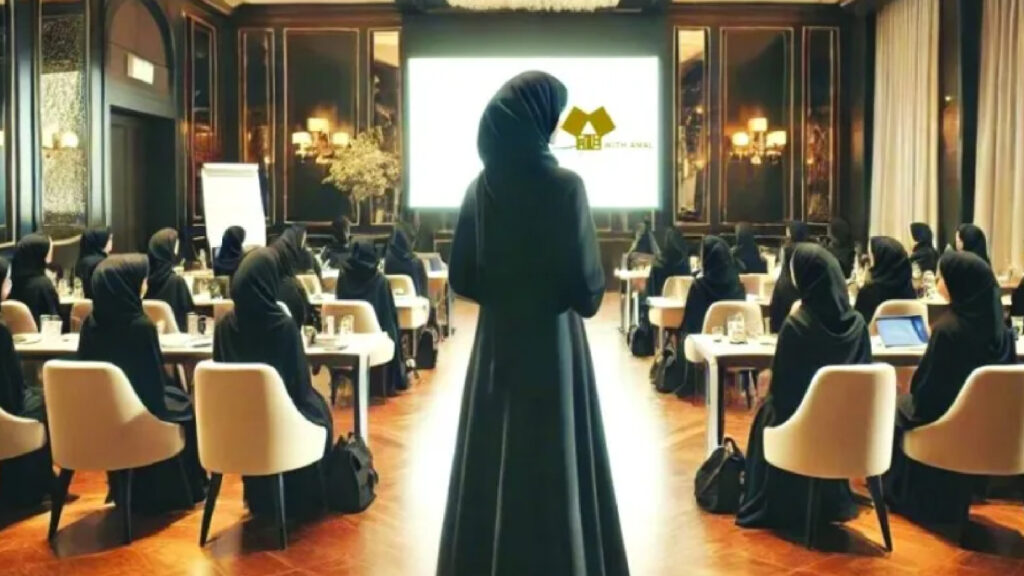
Qatari Financial Coach Amal al-Kuwari Empowers Women with Wealth-Building and Financial Literacy DOHA – Amal bint Ali al-Kuwari, a graduate of Qatar University and recipient of the prestigious Amir Sheikh Tamim bin Hamad al-Thani Gold Medal for academic excellence, is making waves in Qatar’s financial sector. As a certified financial consultant and coach, al-Kuwari has embarked on a mission to empower women across the Arab world with financial literacy and wealth-building skills. In an exclusive interview with Gulf Times, al-Kuwari shared her vision for breaking financial taboos and guiding women toward economic independence. “My specialization is quite unique in Qatar,” she explained, “and it will help normalize discussions about money—a traditionally taboo topic here—while spreading financial literacy. I chose to work specifically with women as they are the pillars of our society, whether as mothers, sisters, or daughters.” Al-Kuwari’s unique approach combines practical financial planning with mindset development, aimed at creating lasting behavior change. She has quickly built a client base that includes doctors, high-profile VIPs, and HR experts, demonstrating her broad appeal and impact. Her methods, she says, are personal and culturally relevant, incorporating psychological insights and tailored investment strategies that help women achieve financial independence. Her process is thorough: each client completes a pre-session questionnaire to identify financial habits and goals, followed by personalized coaching sessions. With her guidance, clients receive individualized financial plans to cultivate good money habits, build savings, invest wisely, and even prepare for retirement. Al-Kuwari holds both in-person and virtual sessions, allowing her to extend her reach to clients in Qatar, the UAE, Kuwait, and Saudi Arabia. “I want to help women develop a healthy relationship with money,” al-Kuwari said, “and that means understanding money psychology, making informed investment choices, and applying wealth-building techniques.” Her programs, offered in Arabic and English, provide easy-to-follow, accessible guidance designed for Arab women. In a culture where financial discussions have often been sensitive, al-Kuwari’s initiatives mark a significant shift. “My goal is to inspire a lasting transformation,” she said, underscoring her commitment to guiding women in taking control of their financial futures with confidence and skill.