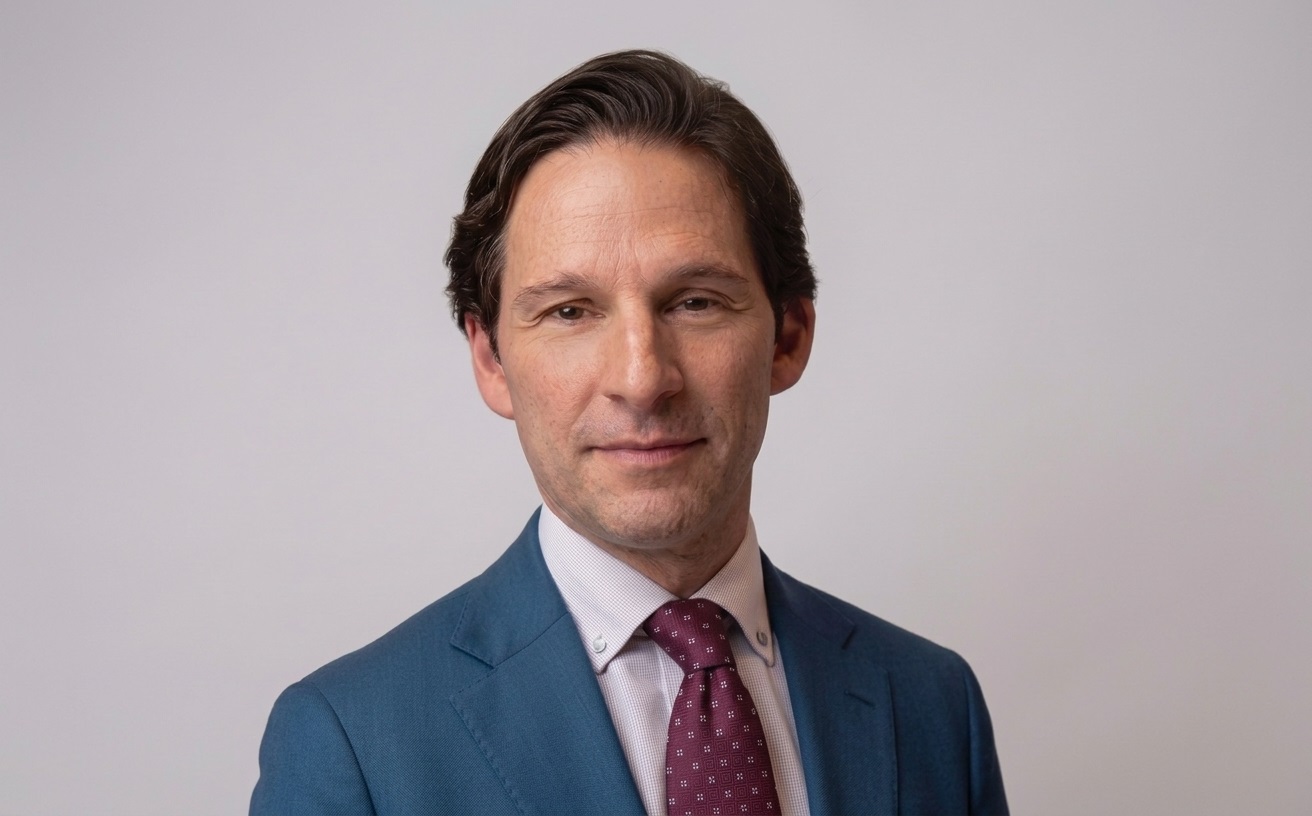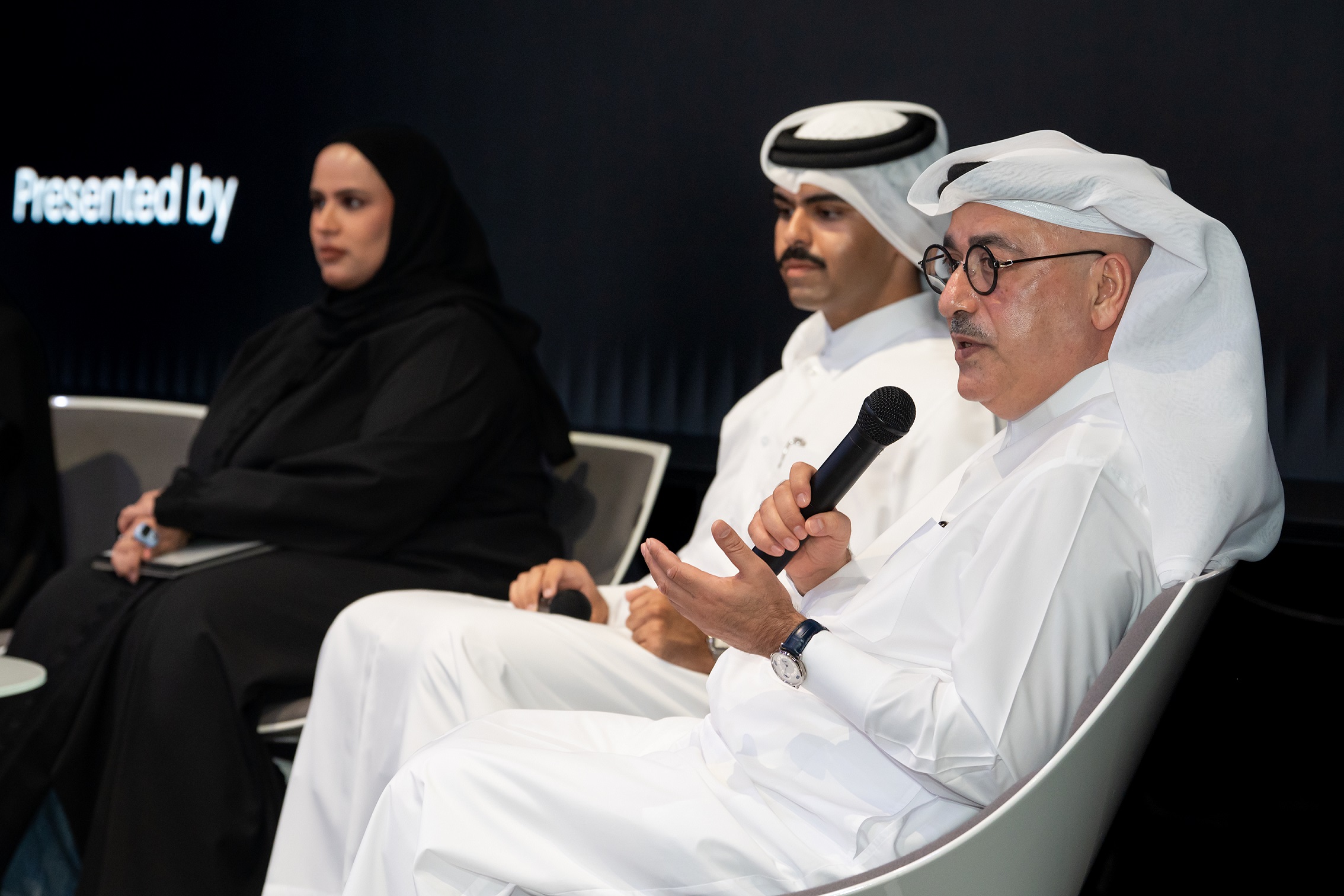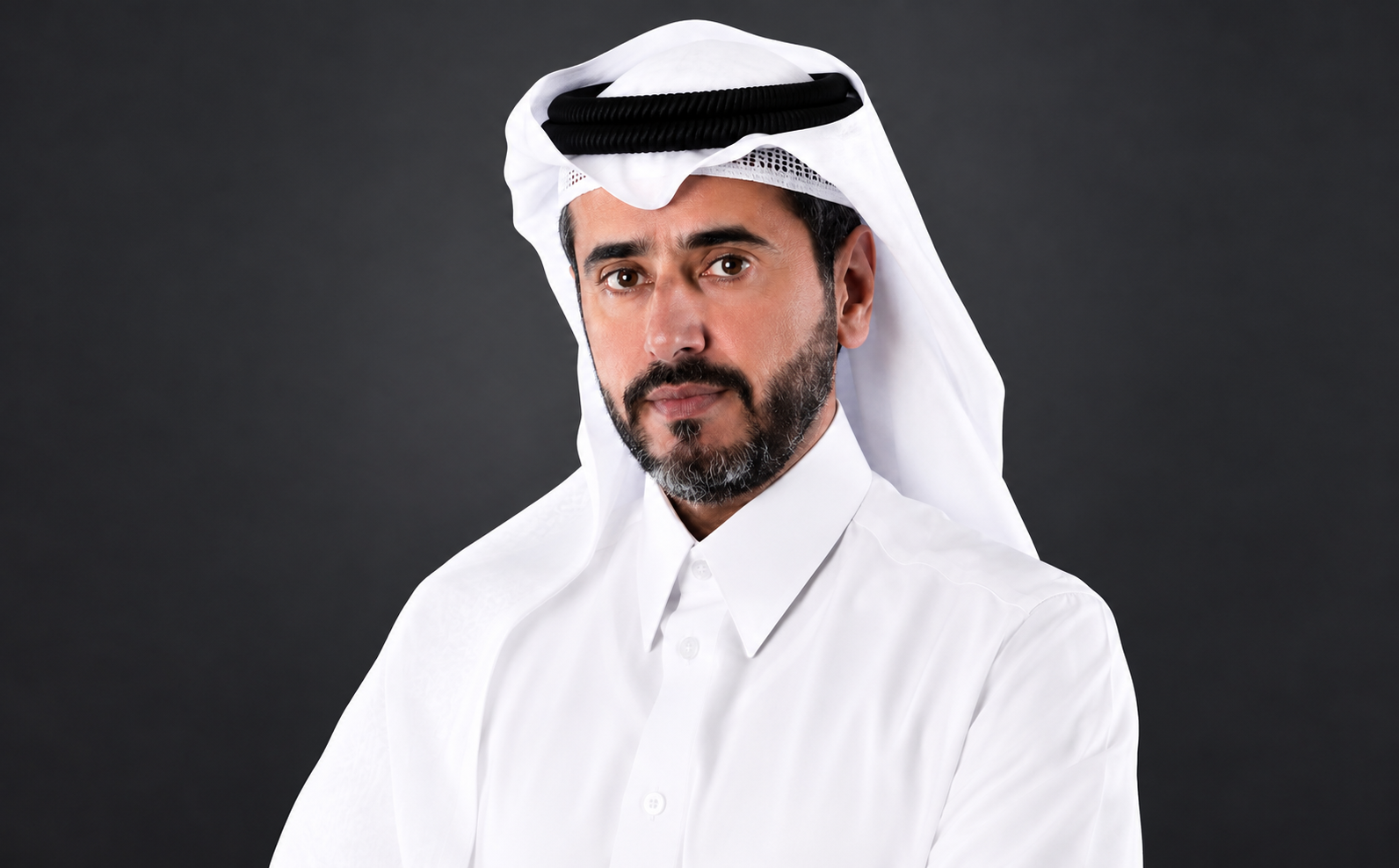

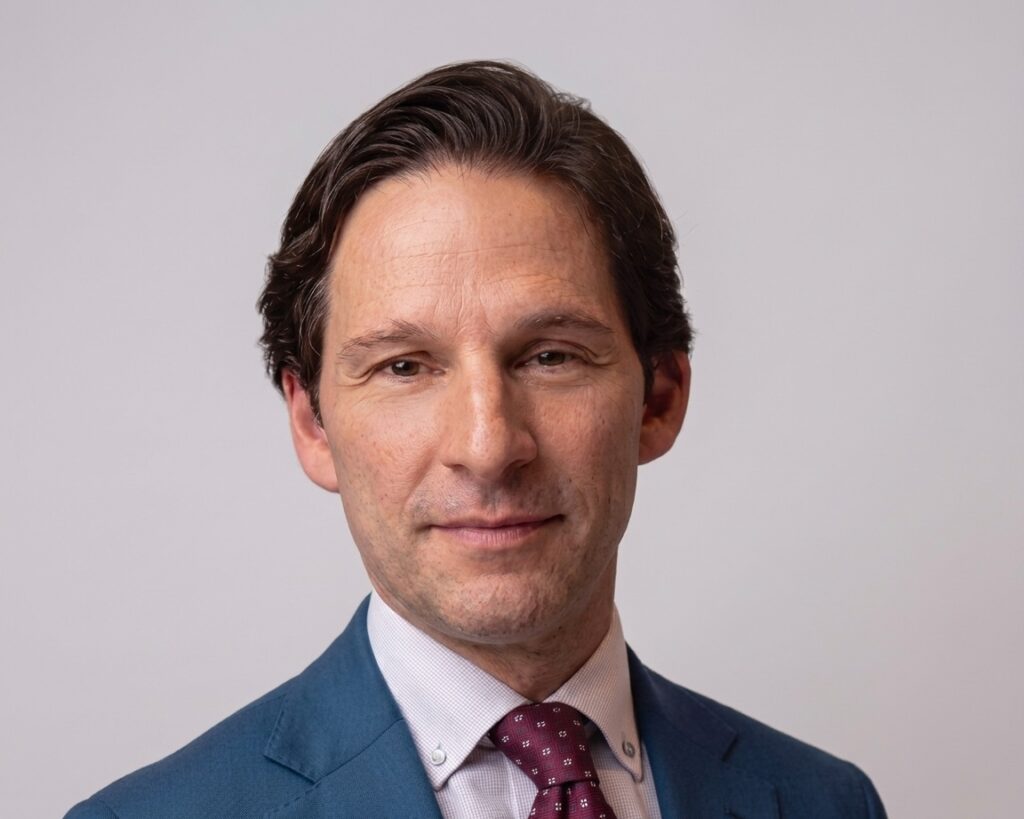
Antonino Maggiore, EU Ambassador to the State of Qatar speaks to Business Leaders ME on the key engagements that he will, in his capacity, lead in the last quarter of the year, EU-Qatar Strategic Partnership Agreement and how it is shaping up and the role that culture plays in diplomacy.
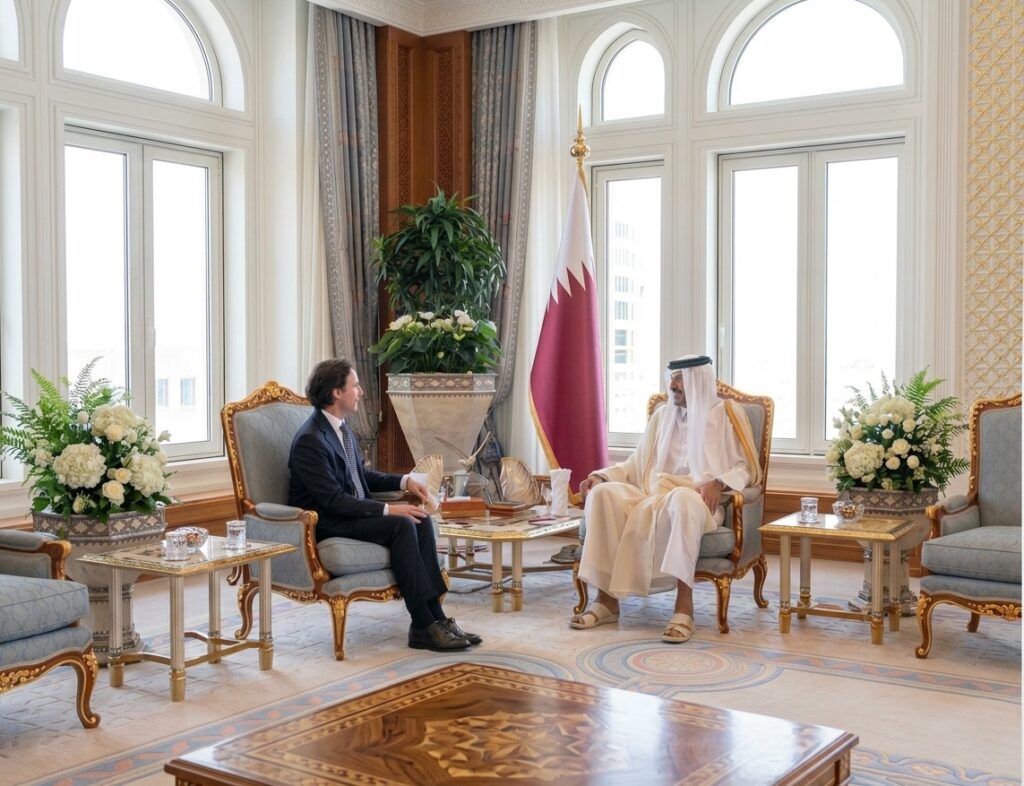
“THE FINAL QUARTER OF 2026 OFFERS AN EXCEPTIONAL OPPORTUNITY TO DEEPEN EU-QATAR RELATIONS. THE EU INTENDS TO PARTICIPATE IN MILIPOL AND THE GLOBAL SECURITY FORUM AND IS LOOKING INTO ORGANISING HIGH-LEVEL EVENTS IN THE FIELD OF SECURITY AND DEFENCE ON THE MARGINS OF THE DOHA FORUM.”
Could you walk us through your career journey and the experiences that have shaped your approach to diplomacy and your current role as the European Union’s Ambassador to the State of Qatar?
Ambassador Maggiore: My career has been shaped by a strong belief in diplomacy as a practical instrument for building trust, identifying common interests and delivering concrete results. Over the years, I have had the opportunity to work in different diplomatic environments, both at the Italian diplomatic service and at the European diplomatic service, which has reinforced my conviction that successful partnerships between states are built not only through formal dialogue, but also through sustained engagement with governments, businesses, academia, civil society and cultural institutions
I am particularly pleased to take up my responsibilities in Qatar at such a significant moment in our relationship and with the EU playing an important role as a global political player. Qatar has become an increasingly valued partner for the European Union, politically and economically, but also in areas such as energy, security, mediation, education, research and culture.
Our objective is very clear: to make the EU-Qatar partnership broader, more visible and more concrete, and to ensure that our strong political dialogue is accompanied by tangible cooperation that benefits both Europeans and Qataris.
What key engagements and initiatives will you lead in the final quarter of 2026, and how will they advance relations between the European Union and Qatar?
Ambassador Maggiore: The final quarter of 2026 offers an exceptional opportunity to deepen EU-Qatar relations. We want to build on the very positive political momentum generated by recent high-level contacts and translate it into concrete cooperation.
A major milestone is the EU-GCC Summit on October 24, in Riyadh. Qatar is an important partner for the EU within the Gulf, and the Summit provides an opportunity to advance cooperation on regional security, connectivity, trade and investment, energy, technology and people-to-people relations.
At the bilateral level, our priority is to continue advancing negotiations on the EU-Qatar Strategic Partnership Agreement. At the same time, we want to develop practical initiatives involving European and Qatari stakeholders, including businesses, universities and cultural institutions.
In addition, the EU also intends to participate in Milipol and the Global Security Forum and is looking into the possibility of organising high-level events in the field of security and defence on the margins of the Doha Forum. The creation of a business platform between Qatar and the EU is also being discussed with Qatari authorities.
Talks on the EU-Qatar Strategic Partnership Agreement started at the Doha Forum last December. What do you hope to be able to show by the Forum in December?
Ambassador Maggiore: The launch of negotiations on the Strategic Partnership Agreement was an important political signal because it reflects the ambition on both sides to take the relationship to a new level. It will create a framework capable of structuring our relationship for the years ahead.
By the Doha Forum 2026, I hope we will be able to demonstrate tangible progress in the negotiations and, equally importantly, a clearer common understanding of the areas in which this agreement can bring real added value.
We see real potential across sectors such as security, trade, energy and new technologies among others.
Milipol and the Global Security Forum fall in the same week, with AI high on the agenda. What is the EU’s message on security cooperation with Qatar?
Ambassador Maggiore: Security today is multidimensional and increasingly interconnected. Traditional security challenges coexist with cyber threats, disinformation, the misuse of artificial intelligence, threats to critical infrastructure and broader challenges to maritime and economic security. Artificial intelligence illustrates this particularly well. AI offers enormous opportunities for our economies and societies, including in the security field, but its development and use must remain responsible and human-centred.
These are areas where neither Europe nor Qatar can act effectively alone. They require trusted international partnerships, information exchange, technological cooperation and common standards. We therefore see clear scope for strengthening our dialogue, combining Qatar’s growing role in regional security and mediation with European expertise, technology and regulatory experience.
“THERE IS CONSIDERABLE POTENTIAL AND COMPLEMENTARITY. QATAR NATIONAL VISION 2030 PROVIDES A STRONG FRAMEWORK FOR ECONOMIC DIVERSIFICATION, AND MANY OF ITS PRIORITIES CORRESPOND CLOSELY WITH AREAS WHERE EUROPEAN COMPANIES ARE GLOBAL LEADERS.”
Looking ahead to UNCTAD’s ninth World Investment Forum, what opportunities do you see for European investment and technology to support Qatar’s diversification?
Ambassador Maggiore: There is considerable potential and complementarity. Qatar National Vision 2030 provides a strong framework for economic diversification, and many of its priorities correspond closely with areas where European companies are global leaders. Europe can offer Qatar not only capital or individual technologies, but an ecosystem combining innovation, research, highly specialised companies and world-class universities.
I see particularly promising opportunities in the fields of new technologies, in particular AI, the green transition and connectivity.
I would also emphasise that investment should increasingly work in both directions. Qatar is already a major investor in Europe, and there is significant potential to deepen these investment links further.
Education and research are part of the EU-Qatar partnership agenda. What potential do you see for cooperation between the EU and Qatar Foundation, from student and academic exchange to research?
Ambassador Maggiore: The potential is enormous because education, research and innovation are areas where both Qatar and the European Union are making substantial long-term investments.
Qatar Foundation has created a remarkable ecosystem bringing together education, research and innovation, while Europe has some of the world’s leading universities, research institutions and programmes for academic and student mobility.
I would like to see us connect these ecosystems much more closely. This could include greater student and faculty mobility, institutional partnerships between universities, joint research projects and stronger links between researchers, start-ups and innovation centres.
Moreover, exchanges between students and academics create lasting human connections. These people-to-people links are ultimately among the strongest foundations on which a long-term EU-Qatar partnership can be built. In this context, the EU and Qatar are currently negotiating visa liberalisation for Qatari nationals to the Schengen area.
Last month in Doha, Sheikha Al Mayassa, Chairperson of Qatar Museums, and the President of the Institut du monde arabe in Paris spoke about culture as a form of diplomacy. As a new ambassador, what role do you see for cultural diplomacy and cultural institutions between the European Union and Qatar?
Ambassador Maggiore: I strongly share the idea that culture is a form of diplomacy. Culture creates connections that political dialogue alone cannot always achieve. It allows societies to understand one another through their history, creativity and identity.
This is particularly relevant to relations between Europe and Qatar. Qatar has made culture a central element of its international engagement, and institutions such as Qatar Museums have developed an impressive global reach. Europe, meanwhile, brings together an extraordinary diversity of cultural traditions and some of the world’s most important museums, cultural institutions and creative industries.
I therefore see great potential for deeper cooperation between European and Qatari institutions: exhibitions, exchanges between museums, artist residencies, cooperation between young creators and projects linking culture with sustainability, technology and education.