
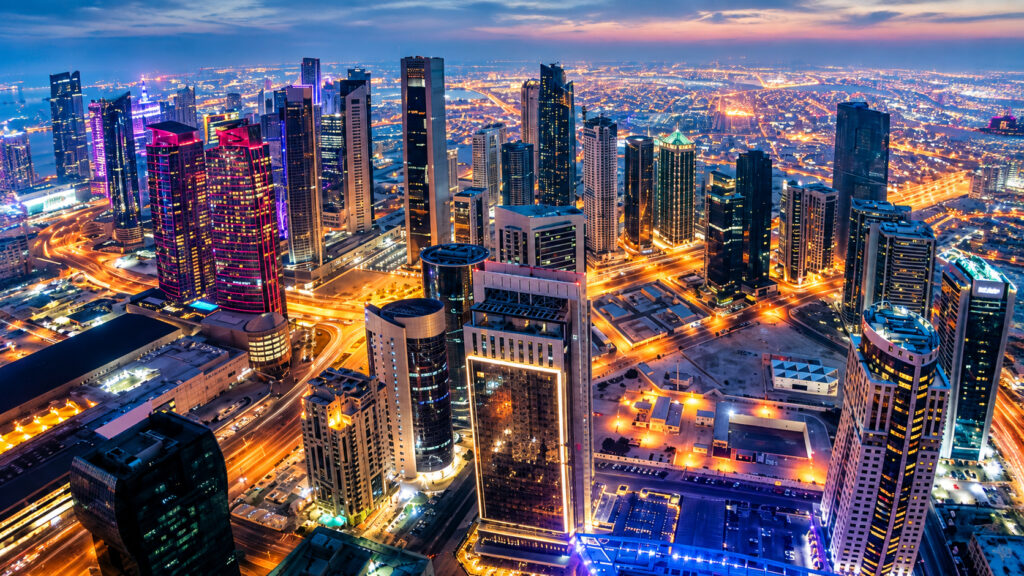
Qatar’s non-hydrocarbon economy now accounts for 65.5 percent of GDP as the country targets US$100 billion (QR364 billion) in foreign investment by 2030, Oxford Business Group (OBG) has said.
Qatar’s non-hydrocarbon economy now accounts for 65.5 percent of GDP, highlighting the country’s accelerating shift away from hydrocarbon dependence as it pursues an ambitious economic diversification strategy, according to OBG.
The global advisory and research firm’s latest publication, The Report: Qatar 2026 says the country’s long-term transformation is being driven by regulatory reform, infrastructure investment and a target to attract US$100 billion (QR364 billion) in foreign direct investment (FDI) by 2030.
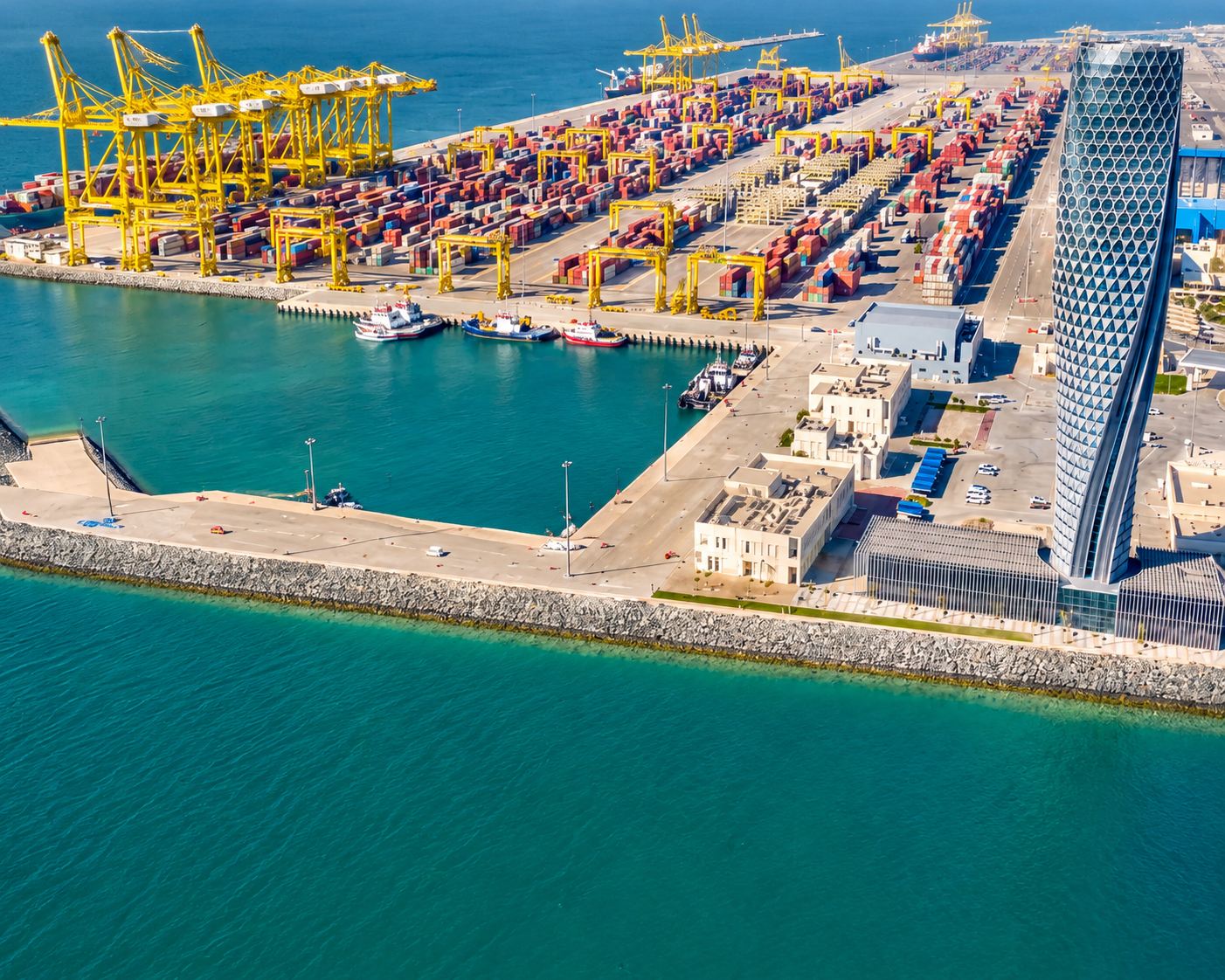
According to the report, growth across construction, trade, tourism, logistics, information and communications technology (ICT) and financial services has helped non-hydrocarbon sectors reach 65.5 percent of GDP.
OBG said Qatar continues to benefit from strong liquefied natural gas (LNG) revenues and one of the world’s largest sovereign wealth funds, supporting macroeconomic stability and fiscal strength despite regional geopolitical tensions.
The report said the Third National Development Strategy (NDS-3) is driving Qatar’s next phase of economic transformation.
The strategy aims to attract US$100 billion (QR364 billion) in foreign direct investment by 2030 through regulatory reforms and a US$1 billion (QR3.64 billion) incentives programme focused on advanced industries, logistics, digital technologies and financial services.
According to OBG, rising FDI inflows, continued infrastructure investment, population growth and Qatar’s position as a regional trade, innovation and energy hub continue to strengthen its appeal as a long-term investment destination.
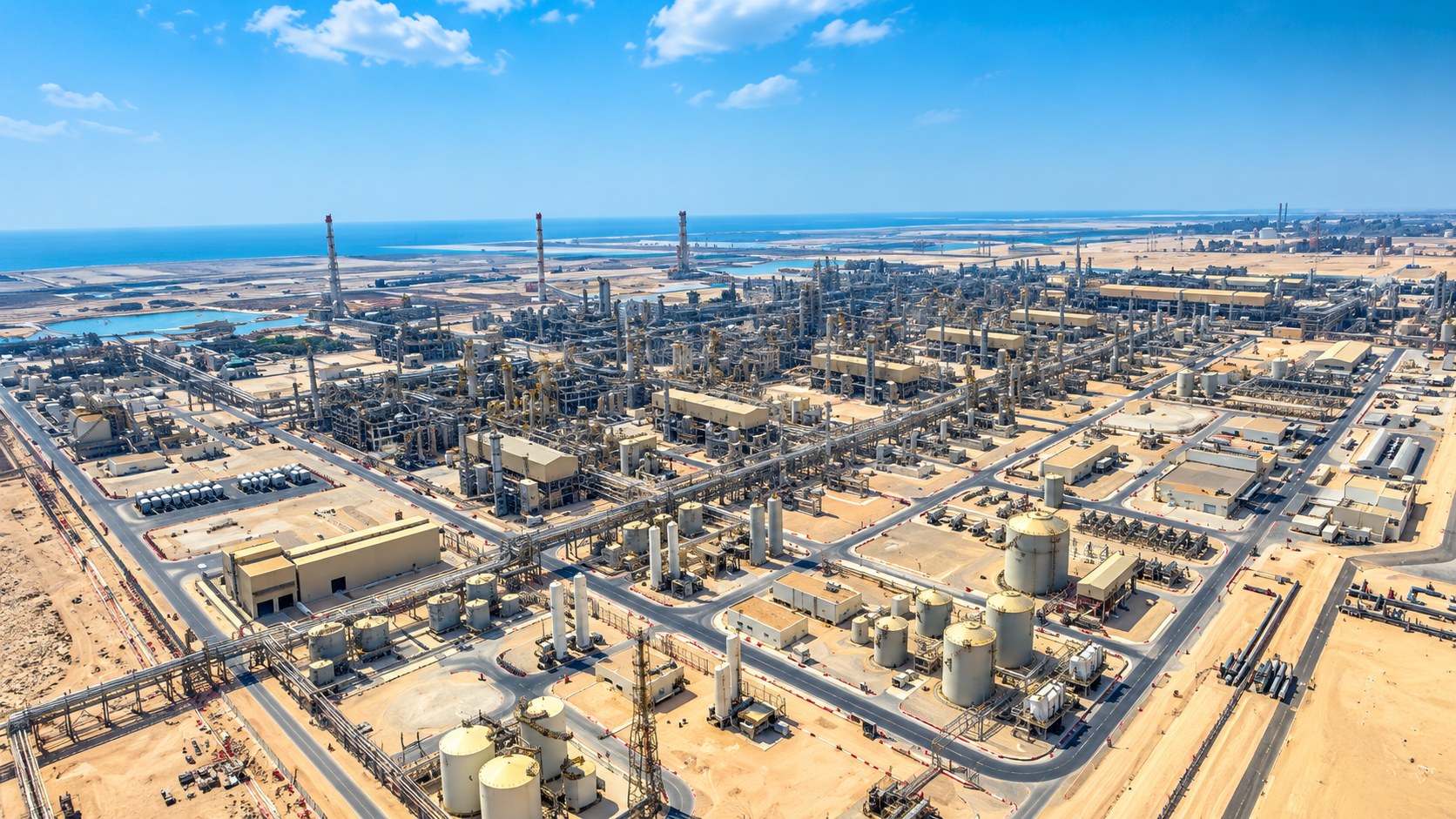
The publication also explores Qatar’s long-term LNG expansion strategy and how the country is balancing its position as a leading global gas supplier with renewable energy investment, sustainability objectives and energy security priorities.
The report highlights the role of 5G, cloud services, artificial intelligence (AI) and enterprise digitalisation in improving business competitiveness and supporting smart city development.
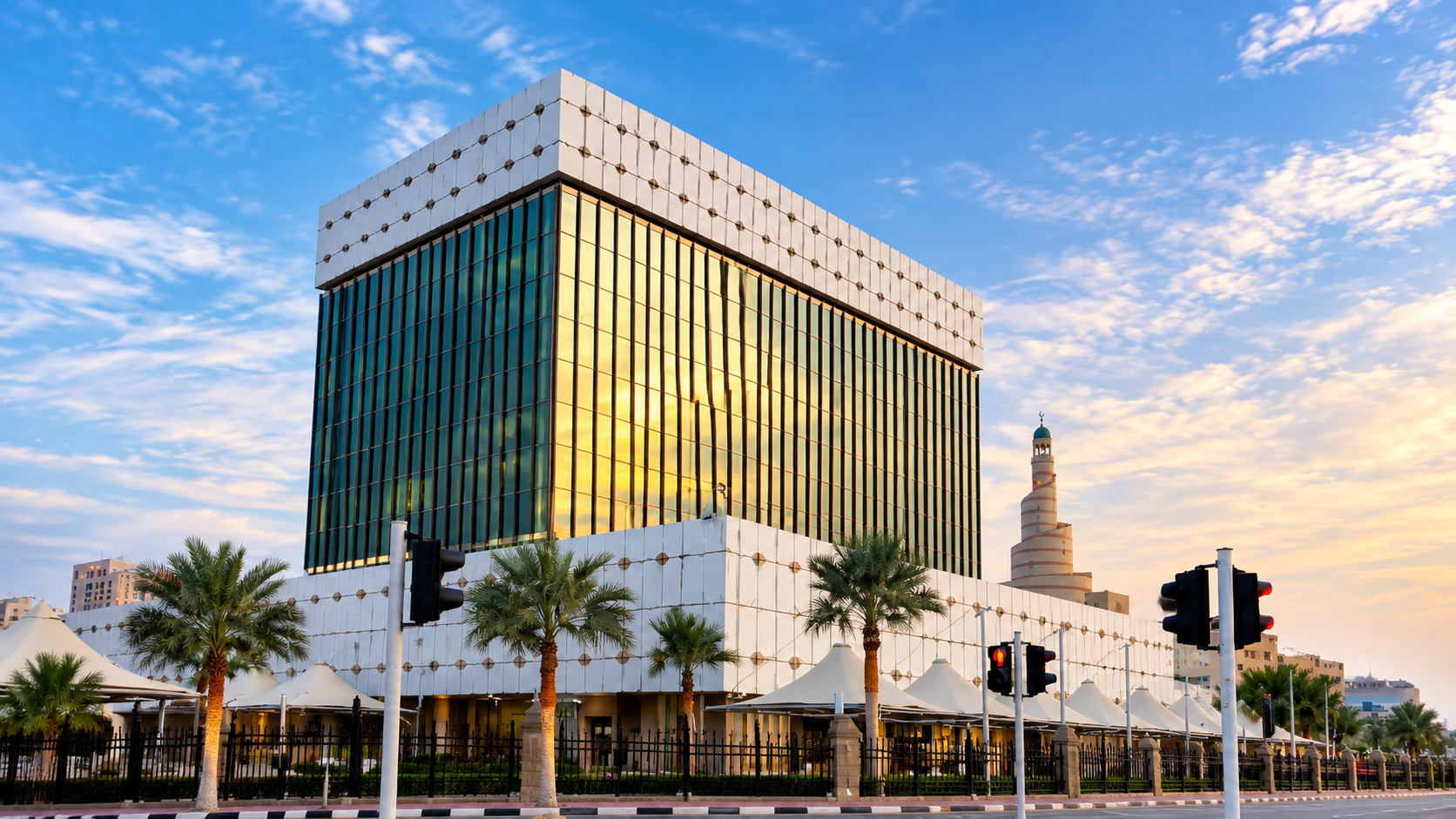
It also examines how digitalisation, fintech innovation and sustainable finance are reshaping Qatar’s banking and capital markets while strengthening the country’s position as a bridge for international investment.
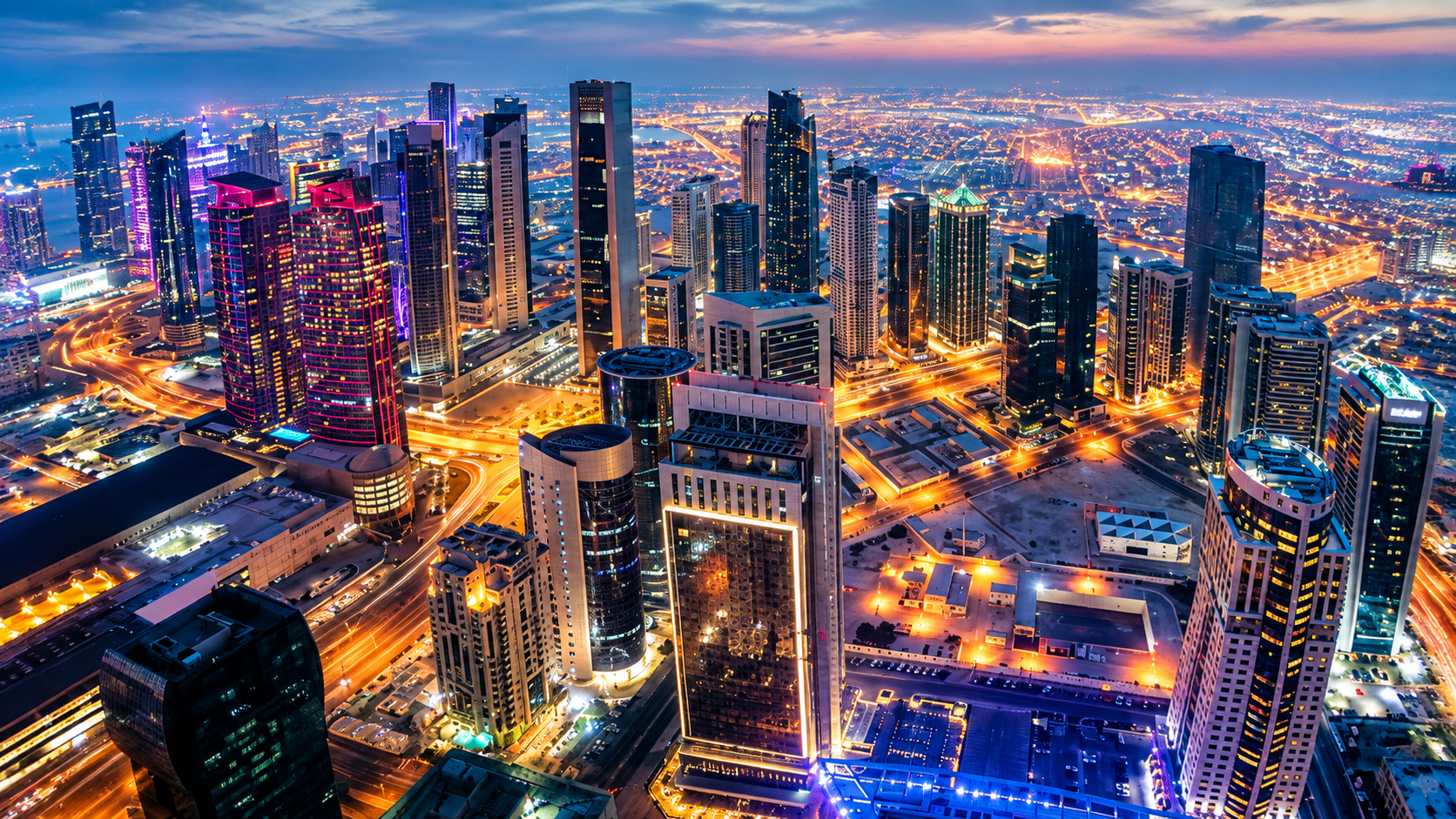
OBG said sustainable urban planning and affordable housing also remain central to the country’s long-term development plans as the country prepares for future population growth through integrated urban centres, public-private partnerships and technology-enabled municipal planning.