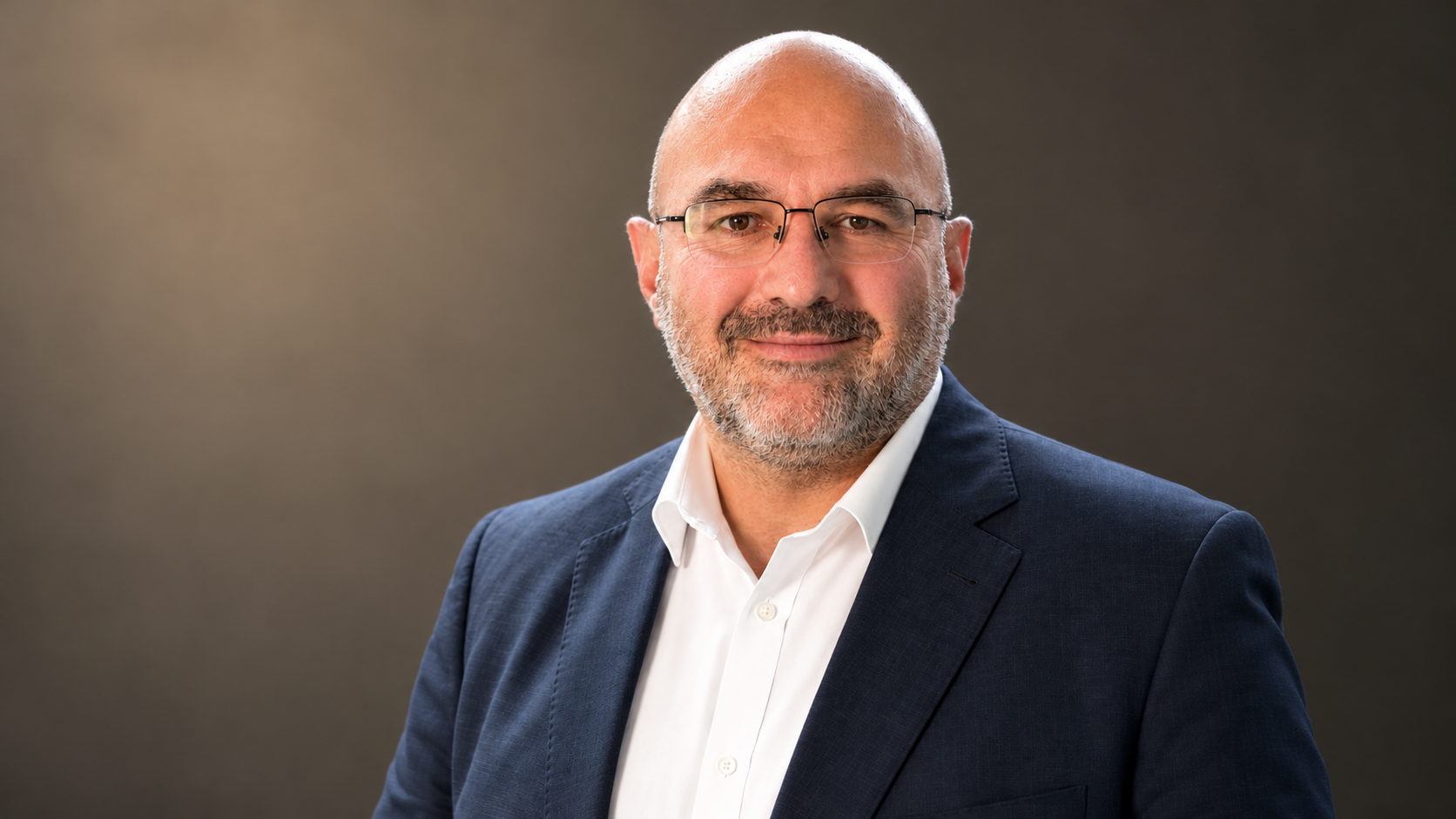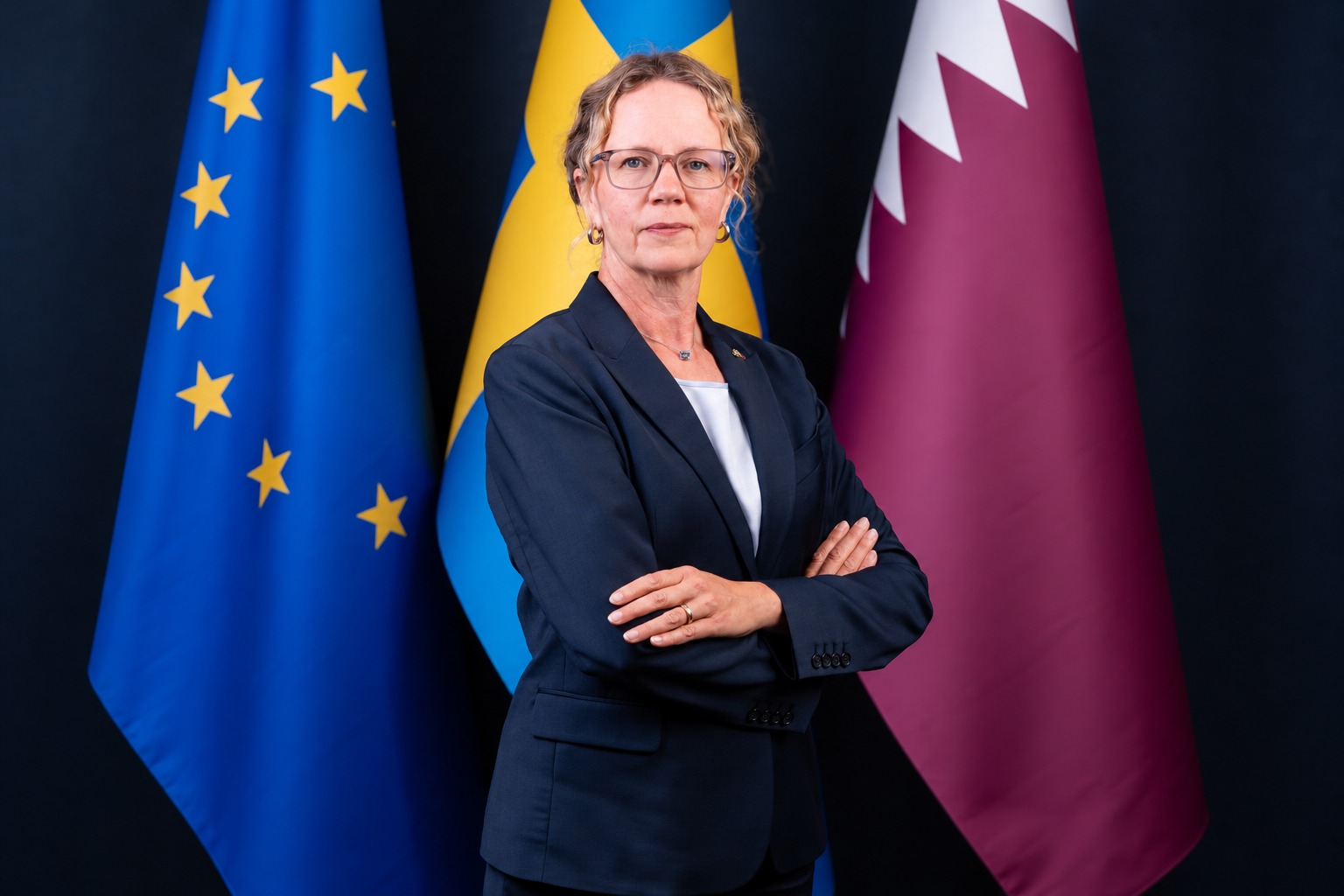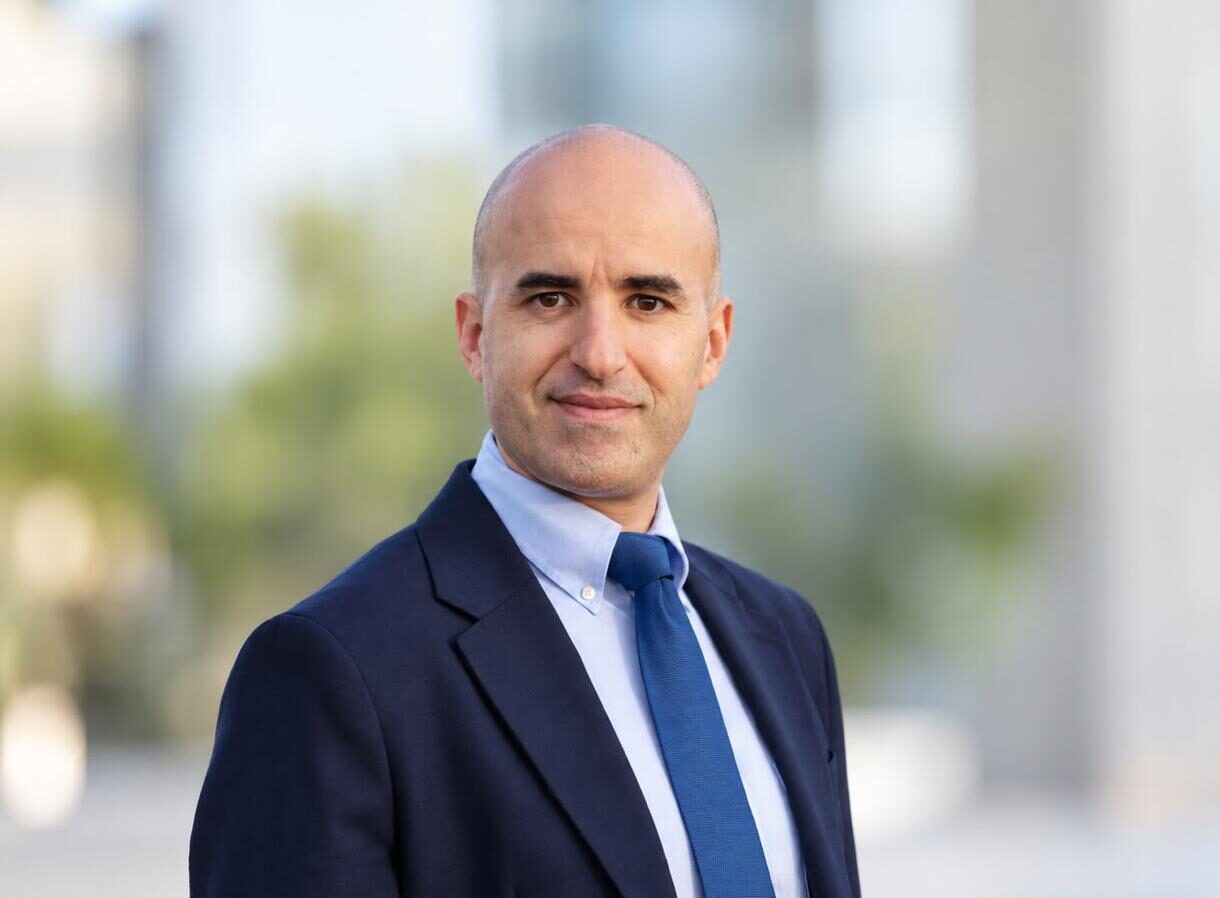

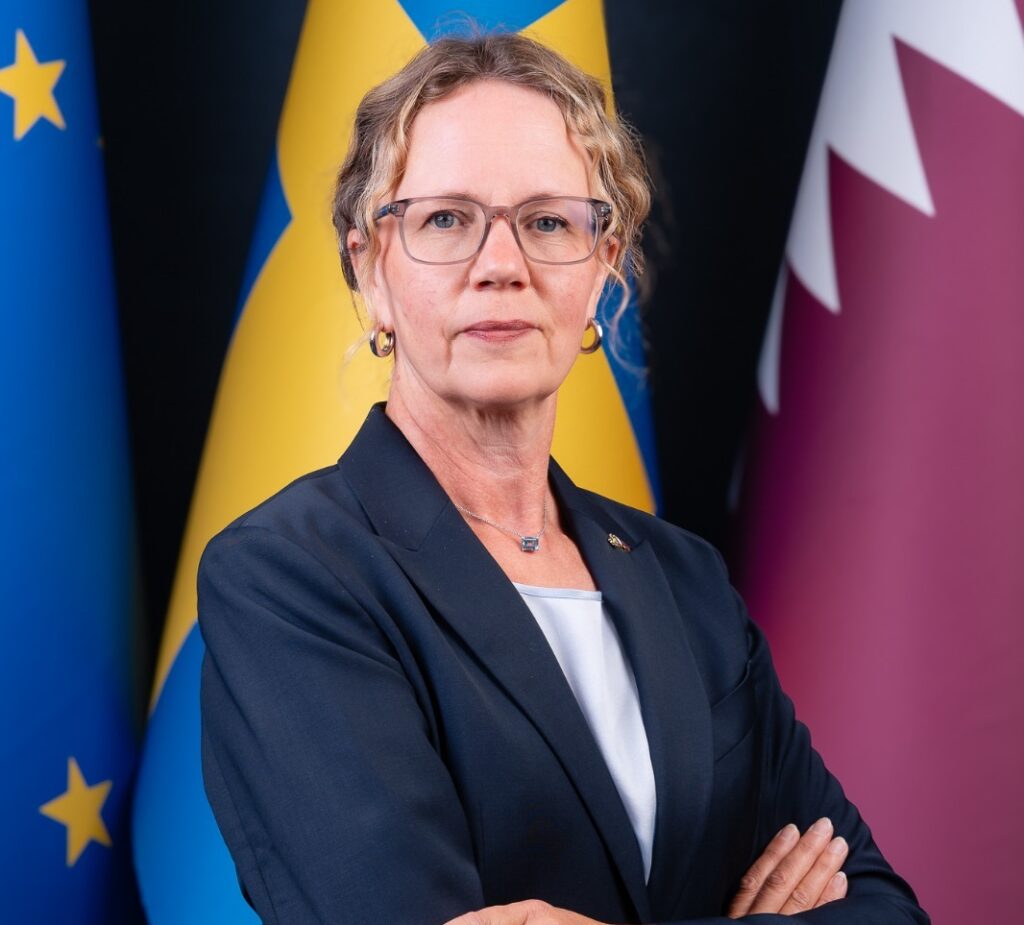
Her Excellency Josefin Simonsson Brodén, Ambassador of Sweden to Qatar, sat down with Manu G Parmar to discuss a swathe of topics – the scope of economic cooperation between Qatar and Sweden, the implementation of the 2024 MoU between Qatar Chamber and Business Sweden, opportunities for Qatari investors in Sweden, and Sweden’s view of Qatar as an investment destination.
THE SWEDISH PRESENCE IN QATAR IS ABOUT MUCH MORE THAN CAPITAL OR INDIVIDUAL PRODUCTS AND SERVICES. SWEDISH COMPANIES CONTRIBUTE TECHNOLOGY, EXPERTISE, SKILLS, INNOVATION AND LONG-TERM PARTNERSHIP. THAT IS WHAT WE MEAN BY MADE WITH SWEDEN: NOT SIMPLY WHAT SWEDEN CAN SELL, BUT WHAT SWEDEN AND QATAR CAN BUILD TOGETHER.
THE MOU IS AN IMPORTANT FRAMEWORK, BUT IT MUST NOW BE TRANSLATED INTO CONCRETE BUSINESS ACTIVITY AND IMPLEMENTATION. THE QATAR-SWEDEN BUSINESS COUNCIL HAS HELPED CREATE A STRONGER PLATFORM FOR CONTINUED DIALOGUE AND FOLLOW-UP SINCE 2025.
Talk us through your career path.
Her Excellency Brodén: I am Sweden’s new Ambassador to Qatar, having arrived in Doha only a few weeks ago. I am delighted to be here and am very much looking forward to this posting. I studied law at Uppsala University in Sweden. After university, and after spending a year studying French in Paris, I began my career at the Swedish National Board of Trade. I later joined Sweden’s Ministry for Foreign Affairs, where I have now worked for 27 years.
My career has included roles in Stockholm as well as several postings abroad. I have worked across international trade, international law, and foreign and security policy. This posting brings those areas together, which makes Qatar a particularly interesting assignment for me.
What is the scope of economic cooperation between Qatar and Sweden and how has that broadened since the establishment of the Embassy of Sweden in Qatar in 2014?
Her Excellency Brodén: A great deal has developed since Sweden established its Embassy in Qatar in 2014. Trade was a major part of the embassy’s mandate from the beginning. Trade and cultural promotion remain at the forefront of our activities. At the same time, the bilateral relationship has broadened as political engagement has grown.
Regional developments have brought greater attention to mediation, conflict resolution and humanitarian issues. Qatar is an important actor in these areas, and Sweden shares many of these interests. Our work therefore also spans both economic and political engagement. Consular affairs have also expanded as the number of Swedish citizens and people with connections to Sweden in Qatar has increased.
Economically, the relationship is moving further towards investment, innovation and sustainable long-term partnerships. We see a strong fit in digitalisation and telecommunications, advanced industry, life sciences and healthcare, sustainable transport and infrastructure, as well as defence, security and resilience.
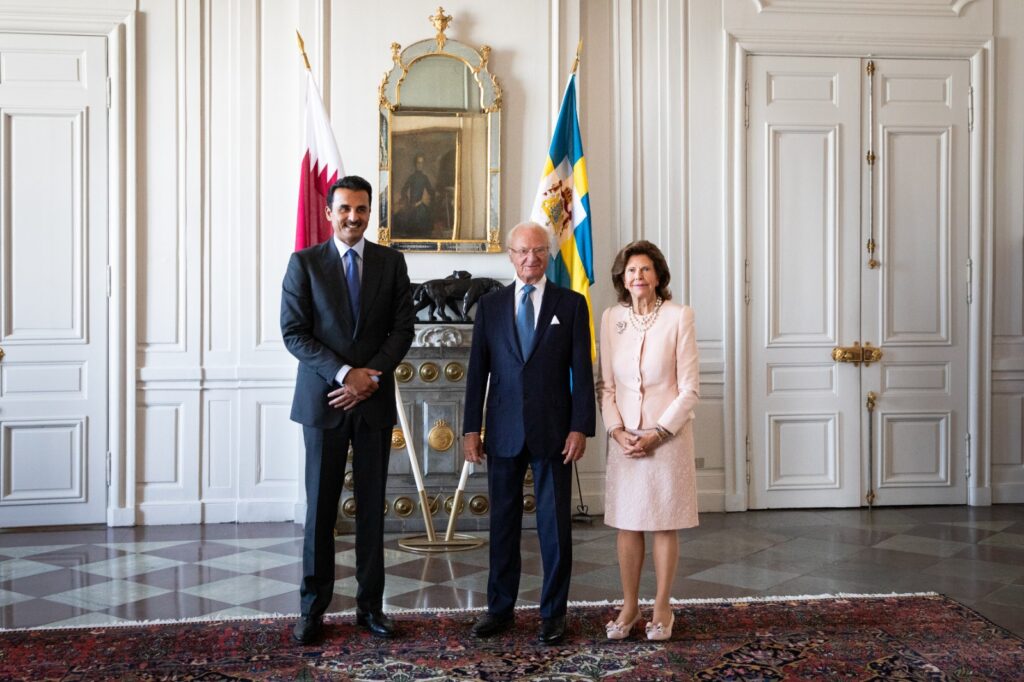
The state visit by His Highness the Amir Sheikh Tamim bin Hamad Al Thani to Sweden in 2024 was an important milestone in the bilateral relationship. It created a strong momentum and gave both countries a valuable platform on which to build further cooperation.
According to latest available data, there is a decline of Swedish exports to Qatar. How do you attribute this decline? And what measures are being taken to bolster the figures?
Her Excellency Brodén: We have noted the decline, but it is important to place the latest figures within the broader context of a positive economic relationship. Swedish exports were stable in 2025, while the first half of 2026 showed a decline concentrated mainly in areas such as iron ore, raw materials and machinery.
Bilateral trade figures can move sharply when large contracts or individual deliveries account for a significant share of the total. Wider regional developments that affect transport and logistics must also be considered.
In addition, trade statistics do not fully capture the commercial relationship between Sweden and Qatar. Many Swedish companies serve the Qatari market through regional hubs or through production outside Sweden, and this activity may not appear in direct export data.
Our focus is to convert the strong interest we see into more business, investment and long-term partnerships. Taken as a whole, we view the economic relationship positively, while recognising the need to continue strengthening commercial engagement.
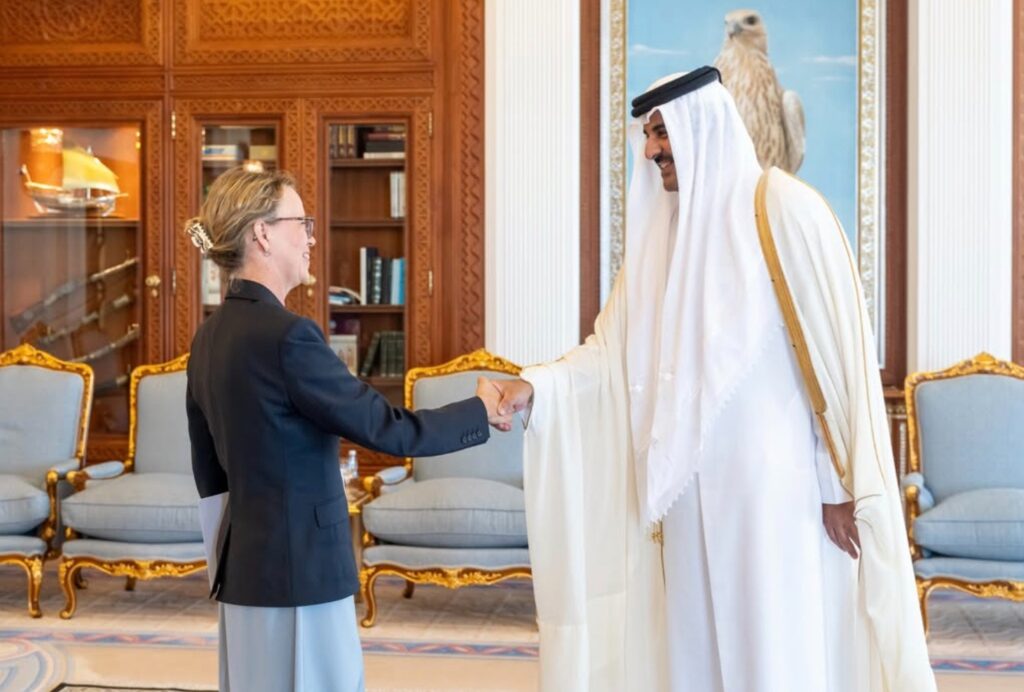
WE SEE A STRONG FIT IN DIGITALISATION AND TELECOMMUNICATIONS, ADVANCED INDUSTRY, LIFE SCIENCES AND HEALTHCARE, SUSTAINABLE TRANSPORT AND INFRASTRUCTURE, AS WELL AS DEFENCE, SECURITY AND RESILIENCE.
Qatar Chamber has reported one year back: “Qatar Chamber (QC) and the Swedish Trade & Invest Council (Business Sweden) signed on Tuesday, September 3, in Stockholm a MoU to bolster cooperation between them across various areas and promote trade and investment opportunities between the countries.” Where do we see this MoU now, on the back of Swedish Minister for International Development Cooperation and Foreign Trade of Sweden Benjamin Arif Dousa’s statement: “We already have several MoUs in place – now the focus is on operationalising them.”
Her Excellency Brodén: The MoU is an important framework, but it must now be translated into concrete business activity and implementation. The Qatar-Sweden Business Council has helped create a stronger platform for dialogue and follow-up since 2025.
We are also planning a follow-up in Sweden soon. This should provide another opportunity to continue the dialogue and connect the relevant organisations and companies from both countries.
The Qatar-Sweden Business Council is particularly important because it allows companies and other stakeholders to identify opportunities and priorities directly. The MoU itself does not award individual business contracts; it provides the framework through which practical cooperation and commercial opportunities can be developed.
It has also been reported that Sweden eyes more investments from Qatar – quoting Minister Dousa. What measures are being taken to hike Qatari investments in Sweden?
WE PARTICULARLY WANT TO HIGHLIGHT AREAS WHERE SWEDEN AND QATAR ARE WELL ALIGNED. THESE INCLUDE FUNDS, TECHNOLOGY, INDUSTRIAL OPPORTUNITIES, PRIVATE EQUITY, VENTURE CAPITAL, SCALE-UPS AND SMALL AND MEDIUM-SIZED ENTERPRISES.
Her Excellency Brodén: We are working to make Swedish investment opportunities more visible and more accessible. We see considerable value in closer dialogue with the Qatar Investment Authority, family offices, private investors and other relevant investment partners.
We particularly want to highlight areas where Sweden and Qatar are well aligned. These include funds, technologies, industrial opportunities, private equity, venture capital, scale-ups and small and medium-sized enterprises. We see many possibilities, and our role is to create the right conditions for those investments to develop.
Where do we see Swedish investments in Qatar? What steps are being taken to broaden/deepen these in the current year?
Her Excellency Brodén: Swedish companies already have deep and long-standing partnerships in Qatar. Ericsson, ABB, Alfa Laval, Saab, Volvo, Scania, IKEA and H&M are among the Swedish companies that have built strong relationships across several sectors.
The Swedish presence in Qatar is about much more than capital or individual products and services. Swedish companies contribute technology, expertise, skills, innovation and long-term partnerships. That is what we mean by ‘Made with Sweden’: not simply what Sweden can sell, but what Sweden and Qatar can build together.
We already have a broad set of MoUs and cooperation frameworks in place, covering areas from political dialogue, mediation and humanitarian cooperation to transport and logistics, defence, innovation, business cooperation and social development. The next step is to make full use of these frameworks through regular dialogue, practical follow-up and closer links between the organisations involved.
Where do you see the most attractive opportunities for Qatari investors in Sweden, and how can they access those opportunities?
Her Excellency Brodén: Sweden combines a strong business sector, trusted institutions and world-class research with a well-established innovation ecosystem and a strong track record of turning knowledge and technology into globally competitive companies. Attractive areas include life sciences and healthcare, digital technologies and artificial intelligence, advanced industry, the energy transition, and sustainable infrastructure.
Investors can participate in several ways, including direct investment in companies and projects, investment in listed or privately held companies, and participation through investment funds. Our role is to make these opportunities easier to identify and access, particularly in areas where we see the greatest potential for cooperation between Sweden and Qatar.
Which sectors do you see as having the strongest potential for deeper Sweden – Qatar cooperation?
Her Excellency Brodén: We want to see more Qatari investment in Sweden and deeper Swedish business engagement in Qatar. This is a two-way opportunity.
Sweden offers stability, strong institutions, advanced research and innovation, and globally competitive companies. Qatar offers ambition, investment capacity, rapid technology adoption and a clear long-term development agenda.
The strongest potential lies where Swedish capabilities match Qatar’s long-term priorities. These areas include digitalisation and artificial intelligence, advanced industry, life sciences and healthcare, sustainable transport and infrastructure, and defence, security and resilience technologies. We want to strengthen the links between companies and investors in both countries, and that is a central focus of our work.
QUICK FIRE
If you look at a medium-term horizon of two to three years, where do you foresee Swedish-Qatar relations going?
Her Excellency Brodén: Although I have only recently arrived in Qatar, the direction is clear. We would like to see more Swedish companies active in Qatar, more Qatari investment in Sweden and more partnerships between our countries.
There is potential in technology, life sciences, research, advanced industry and innovation. The relationship is also becoming more strategic as trade, technology, energy security and resilience become increasingly interconnected.
I would also like to see stronger people-to-people links among students, universities, researchers and other professionals. These connections will help create a stronger and more durable relationship between our countries.
One reference book for a career diplomat: I do not think there is one particular book. The key is to read widely, including good literature. A broad general education helps you become a better and more interesting diplomat.
Two nuggets of advice for working women with demanding careers: First, find support in whatever form works for you. In my case, my husband and I agreed that both our careers were equally important, so we shared responsibility for our household and family. That was essential for me. Second, release yourself from some external expectations. If you have a demanding job, you cannot be perfect in every part of life. Decide what matters most, set priorities and let go of the expectation that you must do everything.
Best advice received: Choose your priorities. When your children are young, for example, you may decide to focus on your family and your work. Be deliberate about what matters most at each stage.
One thing that has changed (for the better) for women in your career span: Advances in technology, particularly the ability to work without always being physically present in the office, have helped me balance work and family more easily. I think that flexibility has benefited many Swedish women and men by allowing a better balance between professional and personal life.
THE MOU IS AN IMPORTANT FRAMEWORK, BUT IT MUST NOW BE TRANSLATED INTO CONCRETE BUSINESS ACTIVITY AND IMPLEMENTATION. THE QATAR-SWEDEN BUSINESS COUNCIL HAS HELPED CREATE A STRONGER PLATFORM FOR CONTINUED DIALOGUE AND FOLLOW-UP SINCE 2025.
Talk us through your career path.
Her Excellency Brodén: I am Sweden’s new Ambassador to Qatar, having arrived in Doha only a few weeks ago. I am delighted to be here and am very much looking forward to this posting. I studied law at Uppsala University in Sweden. After university, and after spending a year studying French in Paris, I began my career at the Swedish National Board of Trade. I later joined Sweden’s Ministry for Foreign Affairs, where I have now worked for 27 years.
My career has included roles in Stockholm as well as several postings abroad. I have worked across international trade, international law, and foreign and security policy. This posting brings those areas together, which makes Qatar a particularly interesting assignment for me.
What is the scope of economic cooperation between Qatar and Sweden and how has that broadened since the establishment of the Embassy of Sweden in Qatar in 2014?
Her Excellency Brodén: A great deal has developed since Sweden established its Embassy in Qatar in 2014. Trade was a major part of the embassy’s mandate from the beginning. Trade and cultural promotion remain at the forefront of our activities. At the same time, the bilateral relationship has broadened as political engagement has grown.
Regional developments have brought greater attention to mediation, conflict resolution and humanitarian issues. Qatar is an important actor in these areas, and Sweden shares many of these interests. Our work therefore also spans both economic and political engagement. Consular affairs have also expanded as the number of Swedish citizens and people with connections to Sweden in Qatar has increased.
Economically, the relationship is moving further towards investment, innovation and sustainable long-term partnerships. We see a strong fit in digitalisation and telecommunications, advanced industry, life sciences and healthcare, sustainable transport and infrastructure, as well as defence, security and resilience.
The state visit by His Highness the Amir Sheikh Tamim bin Hamad Al Thani to Sweden in 2024 was an important milestone in the bilateral relationship. It created a strong momentum and gave both countries a valuable platform on which to build further cooperation.
According to latest available data, there is a decline of Swedish exports to Qatar. How do you attribute this decline? And what measures are being taken to bolster the figures?
Her Excellency Brodén: We have noted the decline, but it is important to place the latest figures within the broader context of a positive economic relationship. Swedish exports were stable in 2025, while the first half of 2026 showed a decline concentrated mainly in areas such as iron ore, raw materials and machinery.
Bilateral trade figures can move sharply when large contracts or individual deliveries account for a significant share of the total. Wider regional developments that affect transport and logistics must also be considered.
In addition, trade statistics do not fully capture the commercial relationship between Sweden and Qatar. Many Swedish companies serve the Qatari market through regional hubs or through production outside Sweden, and this activity may not appear in direct export data.
Our focus is to convert the strong interest we see into more business, investment and long-term partnerships. Taken as a whole, we view the economic relationship positively, while recognising the need to continue strengthening commercial engagement.
WE SEE A STRONG FIT IN DIGITALISATION AND TELECOMMUNICATIONS, ADVANCED INDUSTRY, LIFE SCIENCES AND HEALTHCARE, SUSTAINABLE TRANSPORT AND INFRASTRUCTURE, AS WELL AS DEFENCE, SECURITY AND RESILIENCE.
Qatar Chamber has reported one year back: “Qatar Chamber (QC) and the Swedish Trade & Invest Council (Business Sweden) signed on Tuesday, September 3, in Stockholm a MoU to bolster cooperation between them across various areas and promote trade and investment opportunities between the countries.” Where do we see this MoU now, on the back of Swedish Minister for International Development Cooperation and Foreign Trade of Sweden Benjamin Arif Dousa’s statement: “We already have several MoUs in place – now the focus is on operationalising them.”
Her Excellency Brodén: The MoU is an important framework, but it must now be translated into concrete business activity and implementation. The Qatar-Sweden Business Council has helped create a stronger platform for dialogue and follow-up since 2025.
We are also planning a follow-up in Sweden soon. This should provide another opportunity to continue the dialogue and connect the relevant organisations and companies from both countries.
The Qatar-Sweden Business Council is particularly important because it allows companies and other stakeholders to identify opportunities and priorities directly. The MoU itself does not award individual business contracts; it provides the framework through which practical cooperation and commercial opportunities can be developed.
It has also been reported that Sweden eyes more investments from Qatar – quoting Minister Dousa. What measures are being taken to hike Qatari investments in Sweden?
WE PARTICULARLY WANT TO HIGHLIGHT AREAS WHERE SWEDEN AND QATAR ARE WELL ALIGNED. THESE INCLUDE FUNDS, TECHNOLOGY, INDUSTRIAL OPPORTUNITIES, PRIVATE EQUITY, VENTURE CAPITAL, SCALE-UPS AND SMALL AND MEDIUM-SIZED ENTERPRISES.
Her Excellency Brodén: We are working to make Swedish investment opportunities more visible and more accessible. We see considerable value in closer dialogue with the Qatar Investment Authority, family offices, private investors and other relevant investment partners.
We particularly want to highlight areas where Sweden and Qatar are well aligned. These include funds, technologies, industrial opportunities, private equity, venture capital, scale-ups and small and medium-sized enterprises. We see many possibilities, and our role is to create the right conditions for those investments to develop.
Where do we see Swedish investments in Qatar? What steps are being taken to broaden/deepen these in the current year?
Her Excellency Brodén: Swedish companies already have deep and long-standing partnerships in Qatar. Ericsson, ABB, Alfa Laval, Saab, Volvo, Scania, IKEA and H&M are among the Swedish companies that have built strong relationships across several sectors.
The Swedish presence in Qatar is about much more than capital or individual products and services. Swedish companies contribute technology, expertise, skills, innovation and long-term partnerships. That is what we mean by ‘Made with Sweden’: not simply what Sweden can sell, but what Sweden and Qatar can build together.
We already have a broad set of MoUs and cooperation frameworks in place, covering areas from political dialogue, mediation and humanitarian cooperation to transport and logistics, defence, innovation, business cooperation and social development. The next step is to make full use of these frameworks through regular dialogue, practical follow-up and closer links between the organisations involved.
Where do you see the most attractive opportunities for Qatari investors in Sweden, and how can they access those opportunities?
Her Excellency Brodén: Sweden combines a strong business sector, trusted institutions and world-class research with a well-established innovation ecosystem and a strong track record of turning knowledge and technology into globally competitive companies. Attractive areas include life sciences and healthcare, digital technologies and artificial intelligence, advanced industry, the energy transition, and sustainable infrastructure.
Investors can participate in several ways, including direct investment in companies and projects, investment in listed or privately held companies, and participation through investment funds. Our role is to make these opportunities easier to identify and access, particularly in areas where we see the greatest potential for cooperation between Sweden and Qatar.
Which sectors do you see as having the strongest potential for deeper Sweden – Qatar cooperation?
Her Excellency Brodén: We want to see more Qatari investment in Sweden and deeper Swedish business engagement in Qatar. This is a two-way opportunity.
Sweden offers stability, strong institutions, advanced research and innovation, and globally competitive companies. Qatar offers ambition, investment capacity, rapid technology adoption and a clear long-term development agenda.
The strongest potential lies where Swedish capabilities match Qatar’s long-term priorities. These areas include digitalisation and artificial intelligence, advanced industry, life sciences and healthcare, sustainable transport and infrastructure, and defence, security and resilience technologies. We want to strengthen the links between companies and investors in both countries, and that is a central focus of our work.
QUICK FIRE
If you look at a medium-term horizon of two to three years, where do you foresee Swedish-Qatar relations going?
Her Excellency Brodén: Although I have only recently arrived in Qatar, the direction is clear. We would like to see more Swedish companies active in Qatar, more Qatari investment in Sweden and more partnerships between our countries.
There is potential in technology, life sciences, research, advanced industry and innovation. The relationship is also becoming more strategic as trade, technology, energy security and resilience become increasingly interconnected.
I would also like to see stronger people-to-people links among students, universities, researchers and other professionals. These connections will help create a stronger and more durable relationship between our countries.
One reference book for a career diplomat: I do not think there is one particular book. The key is to read widely, including good literature. A broad general education helps you become a better and more interesting diplomat.
Two nuggets of advice for working women with demanding careers: First, find support in whatever form works for you. In my case, my husband and I agreed that both our careers were equally important, so we shared responsibility for our household and family. That was essential for me. Second, release yourself from some external expectations. If you have a demanding job, you cannot be perfect in every part of life. Decide what matters most, set priorities and let go of the expectation that you must do everything.
Best advice received: Choose your priorities. When your children are young, for example, you may decide to focus on your family and your work. Be deliberate about what matters most at each stage.
One thing that has changed (for the better) for women in your career span: Advances in technology, particularly the ability to work without always being physically present in the office, have helped me balance work and family more easily. I think that flexibility has benefited many Swedish women and men by allowing a better balance between professional and personal life.
On a difficult day, one reminder to yourself that keeps you going: I try to step back and remember what is truly important in my life. Physical activity and sport have also helped me many times when work has been difficult. Outdoor activities with family or friends gives me perspective and helps me relax.