

Qatar Tourism Concludes the 51st Meeting of the UN Tourism Regional Commission for the Middle East and the “Sports Tourism and the Tourism Industry Post-World Cup” Conference
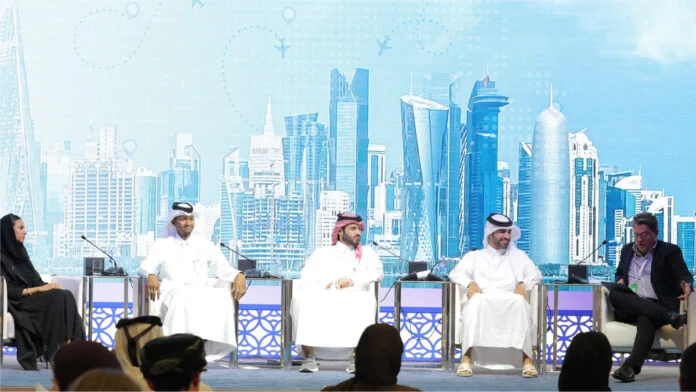
The State of Kuwait has been appointed as the Chair of the Regional Committee for the 2025-2027 term, and The State of Qatar has been appointed as the First Vice-Chair of the committee. Qatar Tourism hosted the 51st meeting of the UN Tourism Regional Commission for the Middle East on February 12, 2025, with high-level delegations from thirteen member states. The meeting focused on evaluating achievements, analysing sector trends, and identifying key priorities for boosting tourism in the region. The UN Tourism confirmed that the Middle East had the fastest global recovery from the impacts of the pandemic in 2024. The meeting emphasised the importance of regional cooperation. Kuwait was appointed to serve as Chair of the Regional Commission for the 2025-2027 period, with Qatar appointed as First Vice-Chair and Iraq as Second Vice-Chair. Qatar’s appointment as First Vice-Chair reflects its growing leadership in the tourism sector and its active role in driving regional and global tourism development. The meeting also confirmed that Kuwait will host the next session (the 52nd Regional Meeting) in 2026, underscoring the continued regional collaboration to promote sustainable tourism development in the Middle East. Additionally, Qatar Tourism hosted the “Sports Tourism and the Tourism Industry After the World Cup” conference on February 13, 2025. The event brought together experts and specialists to discuss the impact of major sporting events on tourism in the region, focusing on how to leverage the momentum from large-scale events such as the FIFA World Cup Qatar 2022™ to boost sports tourism. The conference highlighted Qatar’s successes in this area and the role of major investments in sports clubs and global athletes in reinforcing the Middle East’s position as a prominent sports and tourism hub globally. The conference also explored the role of technology in enhancing the sports tourism experience in the region, the collaboration between Qatar and neighbouring countries to establish the Middle East as a global sports tourism destination, and the role of sports in promoting the destination’s brand across the region, drawing from Qatar’s successful experiences and lessons learned. These events reinforce Qatar Tourism’s commitment to enhancing the country’s status as a global tourism hub, hosting major events, and developing innovative strategies to support sustainable tourism. This is in line with Qatar’s broader vision to drive economic growth and strengthen tourism as a vital sector for the future.
Junior’s Opens Fifth Branch in Al Wakrah, Bringing its Famous Dining Experience to the Community
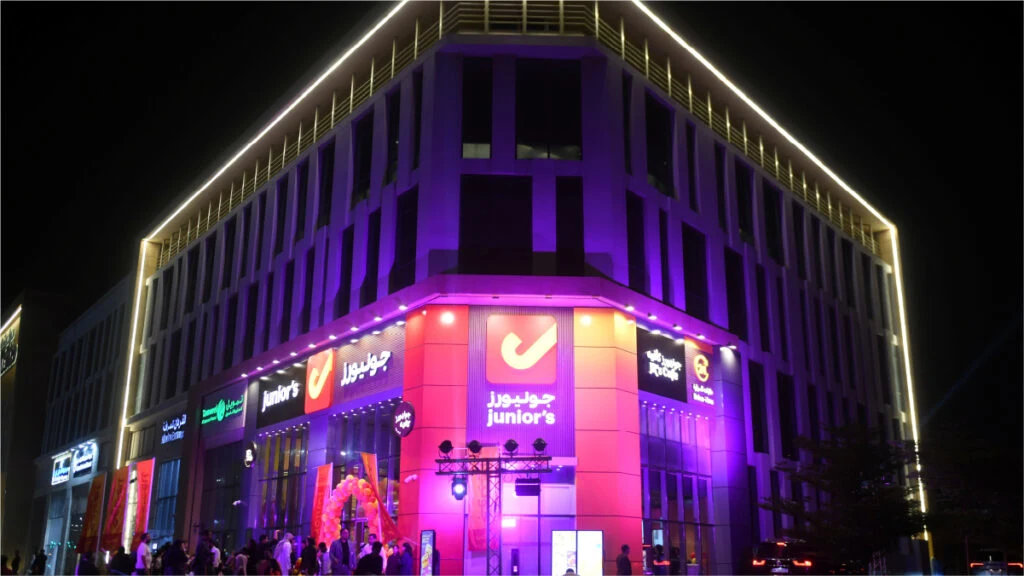
Doha, Qatar – February 16th, 2025 – junior’s Qatar is excited to announce the grand opening of its newest branch in Al Wakrah, marking a significant milestone in the brand’s expansion across Qatar. The highly anticipated event featured a ribbon-cutting ceremony, family entertainment, and exclusive offers for attendees, creating an unforgettable experience for all. This new location is junior’s fifth branch in Qatar, following the successful opening of the Izghawa branch earlier in January 2025. The expansion into Al Wakrah is a testament to junior’s continued growth and its unwavering commitment to providing an exceptional dining experience to customers in more communities across the country. The New Love is excited to bring its popular food, excellent service, and welcoming atmosphere to the Al Wakrah community, further strengthening its presence in Qatar. “We are thrilled to open our doors to Al Wakrah and be a part of this vibrant community. It’s a major step in our strategic plan to expand our footprint in Qatar,” said Mr. Abdulla Al Ansari, CEO of Al Ansari Group and Founder of junior’s. “We have received countless requests from the customers to bring junior’s to this part of Qatar, and we are glad to bring them The New Love. Our goal is to serve high-quality food and create a warm and welcoming space where families and friends can come together. This opening represents our ongoing commitment to investing in our local community and catering to our customers wherever they are.” junior’s expansion into Al Wakrah underscores the brand’s commitment to fostering stronger community connections and enhancing customer experiences throughout Qatar. By bringing the same great food and service to a new location, junior’s ensures that its loyal customers have even more convenient access to their favorite dining experience. With each new location, junior’s further solidifies its position as a key player in the Qatari dining scene, blending quality, community, and consistency in every burger served. Whether it’s a casual meal with family or a gathering with friends, junior’s continues to be the destination where unforgettable moments are made.
Al Fardan and Mouawad Take Jewellery to the Next Level
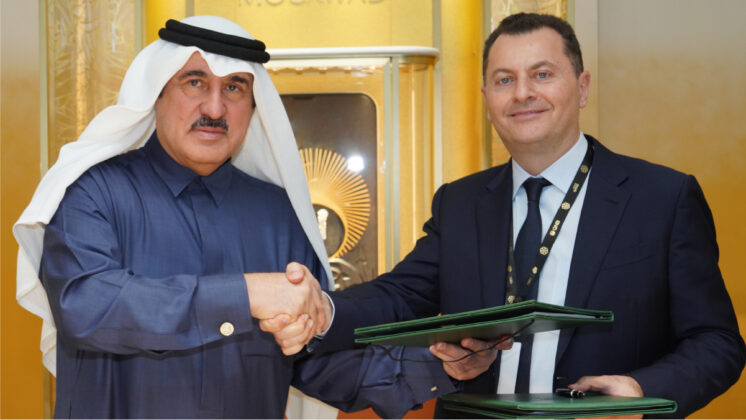
Doha, Qatar – Al Fardan Jewellery, a house of heritage and distinction, proudly announces its strategic partnership with Mouawad, the prestigious high jewellery house renowned for its timeless elegance and exceptional craftsmanship. This collaboration marks a significant moment in the world of fine jewellery, offering discerning clients exclusive access to Mouawad’s exquisite creations within Al Fardan Jewellery’s distinguished boutiques. A Legacy of Pearls and Unparalleled Craftsmanship This partnership unites two legendary houses that share an unwavering commitment to artistry, refinement, and excellence. Al Fardan Jewellery, an esteemed name with a history deeply rooted in the pearl trading industry, has long been synonymous with prestige and exclusivity. For generations, the Al Fardan family has been instrumental in preserving the region’s illustrious pearl diving heritage, sourcing the world’s most coveted natural pearls, and transforming them into breathtaking masterpieces. Under the visionary leadership of Hussein Ibrahim Al Fardan, the brand has curated some of the most exquisite pearl collections, including rare and historically significant pieces treasured by collectors worldwide. Through this collaboration, Al Fardan Jewellery will not only showcase Mouawad’s high jewellery and fine jewellery collections but will also continue its dedication to preserving and celebrating its pearl heritage. This partnership presents an extraordinary opportunity for clients to explore a unique blend of contemporary elegance and timeless tradition—where Mouawad’s artistry meets Al Fardan’s legacy of pearls. Statements from Leadership Mouawad Co-Guardians shared their enthusiasm about the partnership: “We are delighted to join forces with Al Fardan Jewellery, a brand that shares our passion for excellence, exclusivity, and timeless elegance. This partnership will provide a unique opportunity for collectors and jewellery enthusiasts to experience Mouawad’s exceptional craftsmanship through a trusted and established luxury retailer.” A statement by Mr. Ali Al Fardan: “For decades, Al Fardan Jewellery has been at the forefront of luxury, rooted in our deep heritage in pearls and fine jewellery. Our partnership with Mouawad is a natural alignment of our values, bringing together two houses that embody craftsmanship, heritage, and exclusivity. We look forward to presenting our clients with not only Mouawad’s extraordinary creations but also a celebration of our own rich history, particularly our legacy in natural pearls.”
Qatar Participates in the Third AI Action Summit in Paris
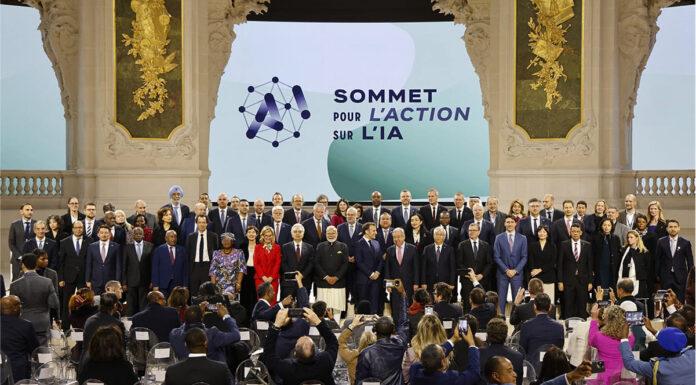
Doha, Qatar – 12 February 2025: The state of Qatar participated in the third AI Action summit, held from February 10 – 11 in Paris. The Qatari delegation to the summit was led by His Excellency Mr. Mohammed bin Ali Almannai, Minister of Communication and Information Technology. The Summit attracted widespread international participation, bringing together heads of state and government, leaders of international organizations, corporate executives, academics, and civil society representatives to discuss the future of Artificial Intelligence (AI) and its impact on societies, economies, and governance structures. Qatar’s participation reaffirms its commitment to fostering international collaboration on AI governance and development, underscoring the importance of establishing a comprehensive global framework that ensures transparency, accountability, and equitable access to AI solutions. Commenting on Qatar’s involvement, His Excellency Mr. Mohammed bin Ali Almannai stated: “The Summit offers a unique opportunity for global stakeholders to build a harmonized AI ecosystem. By uniting governments, industry, and civil society, we can ensure that AI innovation is not only a driver of economic growth but also a force for social good, cultural preservation, and global well-being.” The AI Action Summit focuses on five key pillars that frame the challenges and opportunities presented by AI: Public Interest in AI, Future of Work, Innovation and Culture, Trust in AI, and Global AI Governance. The Summit concluded with a shared commitment to develop international strategies and partnerships that foster responsible AI innovation. Qatar’s leadership and active engagement in these discussions highlight the nation’s vision for inclusive digital transformation and a future in which AI benefits all. Underscoring Qatar’s position as a hub for digital and technological innovation in the region, Qatar is hosting the World Summit AI for five consecutive years, following the successful conclusion of its first edition last December. Qatar is also preparing to host the second edition of the Web Summit at the end of February. These high-profile global events reflect the State’s efforts to build a supportive environment for technology development and AI advancements.
Moscow Strengthens Tourism Ties with Qatar Amid Growing Visitor Numbers

Doha, Qatar – [February, 12] – The Moscow City Tourism Committee embarked on a strategic roadshow in the Middle East, reinforcing its commitment to fostering long-term tourism partnerships. With Qatar emerging as a key market, the delegation is focused on accelerating visitor growth, deepening collaboration, and showcasing Moscow as a premier destination for travelers from the region. Tourism between Moscow and the Qatar has witnessed unprecedented growth. In the first nine months of 2024, approximately 9,000 travelers visited Moscow — a remarkable increase compared to the entire year of 2023 and three times higher than the number recorded in 2019. The seamless visa-free entry and 14 weekly direct flights between Moscow and Doha have significantly facilitated travel, further cementing Moscow’s appeal as a key destination for Middle Eastern visitors. During meetings in Doha, discussions focused on elevating Moscow’s appeal among Qatar visitors by leveraging cultural exchange, exclusive events, and tailored travel experiences. Popular travel segments among Middle Eastern visitors include group, family, corporate, medical, and sports tourism, each designed to provide immersive and personalized experiences. During his meeting with representatives of the tourism sector, His Excellency Mr. Dmitry Dogadkin, Ambassador Extraordinary and Plenipotentiary of the Russian Federation to the State of Qatar, acknowledged the contributions of the Moscow City Tourism Committee. “We are pleased to see that a growing number of Qataris and expatriates in the country are becoming more familiar with Moscow, its culture, and its history, providing them with a broader opportunity to discover Russia,” said the Ambassador. “We hear only positive feedback from tourists who have visited our capital and other cities in Russia.” His Excellency highlighted the nature of the Russia-Qatar relations, which are based on the principle of mutual respect, emphasizing the importance of strengthening economic cooperation in all areas of shared interest. In this context, the Russian diplomat explained that tourism remains a strong bridge between nations and a key element in enhancing human and cultural ties between people. As part of its ongoing efforts to enhance the experience for Middle Eastern tourists, Moscow is making significant investments in hospitality, infrastructure, and visitor services. The city is expanding its high-end accommodation options, enhancing Arabic-language accessibility, and curating exceptional culinary experiences to cater to Middle Eastern preferences. “Moscow is rapidly becoming a preferred destination for tourists from the Middle East thanks to our well-developed infrastructure, mild climate, and unique blend of modern amenities with rich Russian traditions. Our official tourism portal, Discover Moscow, serves as an invaluable resource for international visitors, providing essential travel information and guiding them through the city’s attractions. With over 22,000 dining options, an unrivaled shopping scene, and an iconic metro system that doubles as a cultural landmark, Moscow offers an enriching experience for every visitor,” said Evgeny Kozlov, Chairman of the Moscow City Tourism Committee. As Moscow continues to position itself as a must-visit global destination, expanding strategic partnerships with the Qatar remains a priority. The city is set to introduce innovative tourism formats, immersive cultural experiences, and expanded guided tours to attract more visitors from the Qatar and beyond. In Moscow, there’s an international restaurant guide called GreatList.com, now available in English and Arabic. It operates in Doha, Dubai, and many other countries worldwide. The guide showcases over 100 restaurants, organized for any occasion. Furthermore, the founder, Alexander Sysoev, has announced plans to introduce a loyalty program specifically for tourists from Qatar.Tourists from Qatar increasingly view Moscow as a new and unique destination offering high-end experiences, including luxury shopping and five-star accommodations. Qatar travelers represent a key segment of Moscow’s growing tourism industry. For more information, please visit: For media inquiries, please contact: presstourism@mos.ru The Moscow City Tourism Committee
Premier Padel supports Match for Hope with charity tournament on National Sport Day
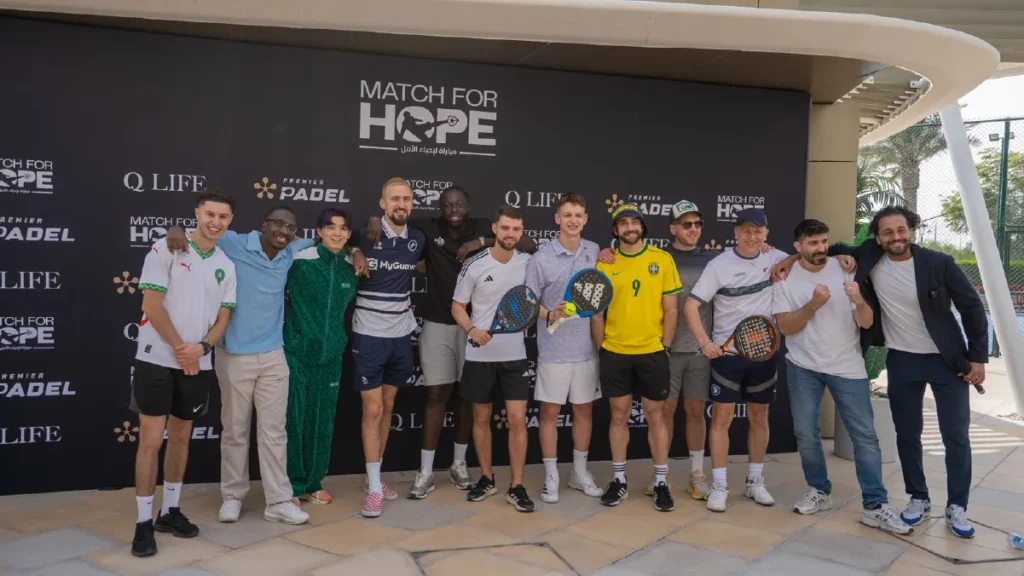
DOHA – 12 February 2025 – As part of Qatar’s National Sport Day celebrations, Premier Padel proudly supported the Match for Hope initiative by hosting a special charity tournament at its stunning courts at the Waldorf Astoria hotel in Lusail. The event brought together some of the world’s most influential content creators, blending sports and entertainment to drive awareness and raise funds for Education Above All Foundation, an organization dedicated to providing quality education for marginalized communities worldwide. The star-studded tournament featured renowned figures and content creators including Mo Farah, Sharky, Oussifooty, David Vujanic, Futcrunch, Thogden, Thogdad, Manny Brown, Eman sv2, Taiyo Kimura, Triplefqatar, Bashar Arabi, Abood. Participants engaged in friendly competition, collaborated on exclusive content, and for some, experienced the excitement of playing padel for the first time. Beyond its charitable impact, this latest event further demonstrates Premier Padel’s ongoing commitment to growing the sport globally by introducing it to new audiences through high-profile events and experiences as demonstrated by the Premier Padel Legends tournament in November which saw sporting icons compete in Doha during the Qatar Grand Prix. Looking ahead, the Qatar Airways Premier Padel Tour returns to Doha from April 14-19 for the prestigious Ooredoo Qatar Major Premier Padel, welcoming the world’s best players to compete on one of the sport’s biggest stages.
Qatar set to host the 51st UN Tourism Regional Commission for the Middle East
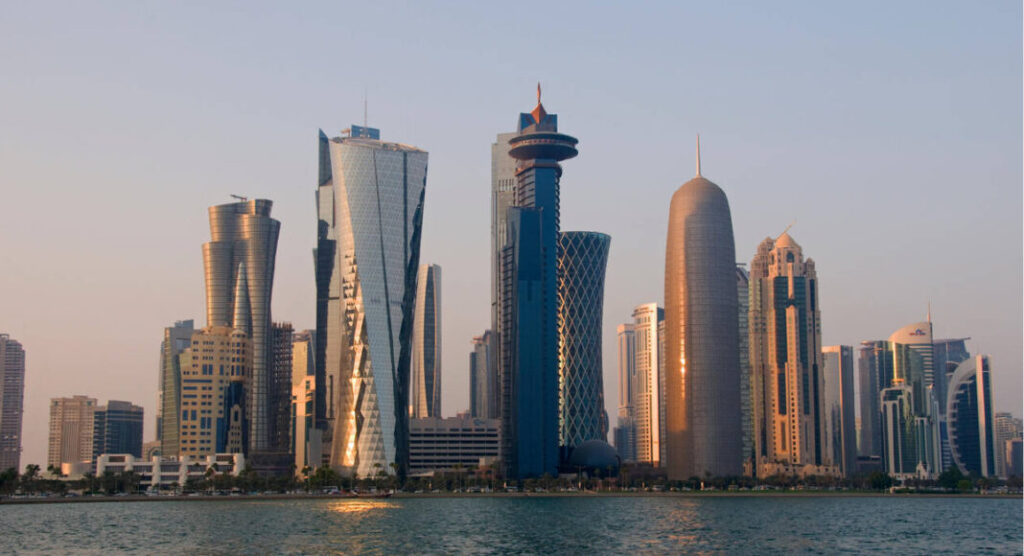
Qatar Tourism is preparing to host the 51st UN Tourism Regional Commission for the Middle East, set to take place in Doha on February 12th. The meeting will bring together tourism ministers, senior officials, and experts from various countries in the region, as well as leadership from the United Nations World Tourism Organization (UN Tourism). The selection of Doha as the host city underscores Qatar’s growing status as a regional and global hub in the tourism sector and its leadership role in promoting both regional and international cooperation. This is especially significant considering the country’s recent successes in hosting major global events, most notably the FIFA World Cup 2022™. During the meeting, the UN Tourism will present reports on the sector’s performance for the 2024-2025 period, and future policies and plans will be discussed. HE Mr. Saad Bin Ali Al Kharji, Chairman of Qatar Tourism and Chair of the Board of Directors of Visit Qatar, stated: “Hosting the 51st meeting of the UN Tourism Regional Commission for the Middle East reflects our steadfast commitment to enhancing regional cooperation and developing the tourism sector as a key driver of economic and social growth. Qatar has proven its capability to organise and host major international events, establishing itself as a global model for sustainable tourism. We are confident that this meeting will further advance regional cooperation in the tourism sector, and we look forward to exchanging ideas and expertise with partners from across the region to bolster the Middle East’s position as a unique global tourism destination.” In addition to the ministerial sessions and official meetings, the conference titled “Sports Tourism and the Tourism Industry Post-World Cup” will be held on February 13th at the Sheraton Grand Doha Resort & Convention Centre, featuring a distinguished group of experts and specialists. The conference will explore the impact of major sporting events on tourism in the Middle East, their role in fostering sustainable tourism, and the role of technology in enhancing the sports tourism experience. It will also focus on how Qatar and its neighbouring countries are collaborating to establish the Middle East as a global sports tourism destination, and the role sport plays in enhancing destination branding across the region, drawing on Qatar’s successes and the lessons learned from its experiences. Qatar Tourism remains committed to advancing its ambitious strategy to establish Qatar as a leading global tourism destination, focusing on diversifying tourism offerings, enhancing visitor experiences, and fostering sector investment, all in line with Qatar National Vision 2030. Additionally, efforts to strengthen regional collaboration through platforms such as UN Tourism are contributing to the development of a more integrated and sustainable tourism sector.
Visit Qatar unveils Khor Al Adaid Winter Season Interactive Map
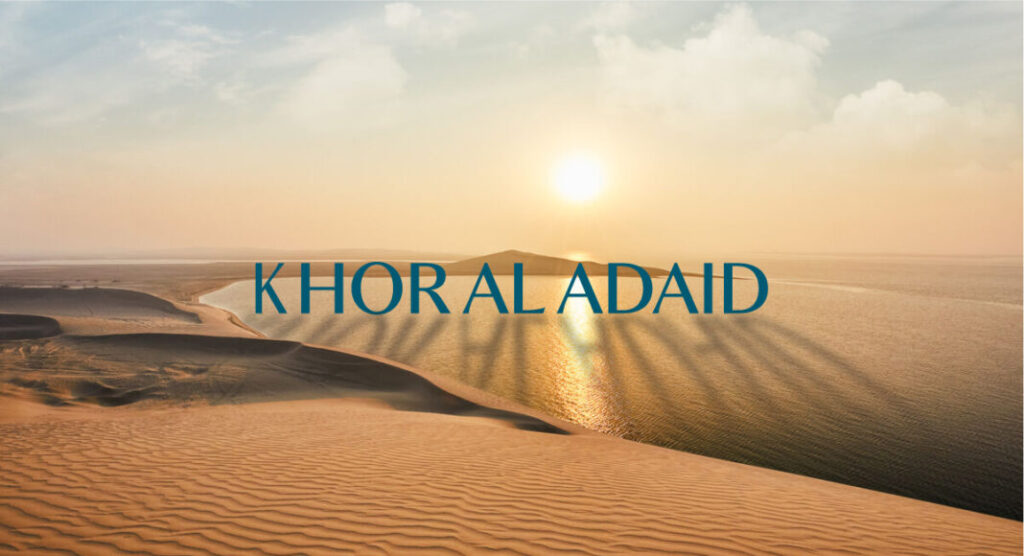
Khor Al Adaid, one of Qatar’s most iconic natural landmarks, has long served as a popular tourist attraction. Known globally as the Inland Sea, this UNESCO-recognised natural reserve is a sanctuary for both adventure and nature enthusiasts, offering a striking landscape where the golden dunes seamlessly merge with tranquil waters. To further elevate the visitor experience, Visit Qatar has released a Khor Al Adaid Winter Season Interactive Map, providing comprehensive details on the array of activities, accommodations, and services available to citizens and residents from October through to April. Activities at Khor Al Adaid The Khor Al Adaid Winter Season Interactive Map showcased the diverse range of activities available for all types of adventurers. Thrill-seekers can enjoy dune bashing or quad biking at the Sealine ATV Zone, and high-speed motorsport action at the Sealine Circuit Sports Club – Mawater and Qatar Racing Club Track. For those looking to explore from above, Sky Masters Air Sports provides breathtaking aerial experiences over the desert. Nature and wildlife enthusiasts can visit designated diving and fishing areas or capture stunning images at the Qatar Desert Flamingos Bird Photoshoot. Tranquil experiences such as camel rides, the Doha Bus Desert Safari, and witnessing the sunrise at Inland Sea Sunrise Point offer a more relaxed way to appreciate Qatar’s landscape. Meanwhile, equestrian fans can engage in horse endurance activities and explore the cultural heritage of Qatar Endurance Village, adding a traditional touch to the season’s offerings. Camps and resorts For visitors seeking an extended stay, Khor Al Adaid offers a range of accommodations that blend luxury with tradition. Options include Al Majles Resort, Ramlah Camps, and Regency Sealine Camp, each providing an authentic desert retreat. For a more exclusive experience, The Outpost Al Barari offers a unique fusion of nature and luxury, while Sealine Beach, A Murwab Resort provides a beachfront escape. Adventurers can also opt for Four-by-Four Camp, perfect for those looking to immerse themselves in the desert landscape. Comprehensive services To ensure a seamless and comfortable visit, essential services are readily available throughout the area. The Sealine Tyre Pressure Station provides convenient facilities for adjusting vehicle tyre pressure, ensuring a smooth desert travel experience. The WOQOD Petrol Station offers reliable fuel access for uninterrupted journeys, while Al Meera serves as a go-to retail store for essential supplies. With the release of the Khor Al Adaid Winter Season Map, visitors now have the tools to efficiently plan their journey and explore one of Qatar’s most remarkable natural wonders. Whether seeking adventure, cultural enrichment, or relaxation, Khor Al Adaid guarantees an unforgettable experience.
2025 eCommerce revenue pegged at US$3,795.00 million
With one of the highest data penetration rates at 99 percent, Qatar has a savvy population who are active social media users. According to DataReportal, 97.8 percent of the population are active social media users. Prior to Covid-19, it was estimated that only about 14 percent of the population made online purchases; however, this has increased significantly since March 2020 when the eCommerce market boomed. Fitch Solutions has estimated that the eCommerce market in Qatar which was worth close to US$1.5 billion in 2019 has not only grown since then but there has been a very sharp increase In Qatar’s small and medium enterprises’ (SME) acceptance of credit cards, which are widely used in Qatar. While these retail trends are more than apparent, there’s robust regulatory preparation with active systemic changes to support this transition. As Qatar continues to move towards a cashless economy, the Qatar Central Bank (QCB) launched the “Qatar Mobile Payment System” (QMPS) enabling the use of electronic wallets to further develop the country’s electronic payment environment and access to a high-level national payment system. Qatar Central Bank (QCB) also issued unified specifications and standards for the QR code that enables users to make payments by scanning the response code (QR Code) through mobile phones at points of sale and public transportation. QCB issued the Payment Services Regulation to license and regulate payment service providers (PSPs) in Qatar. In tandem, QCB launched the National Fintech Strategy, to integrate digital innovations like blockchain, Islamic banking, insurance technology, and education technology. Cryptocurrencies remain banned under the new strategy with the aim that through the new strategy, it will serve as a regulator and an enabler to accommodate emerging fintech models. The central bank started introducing a licensing regime for all new and existing fintech services operating in the country, including Payment Services Providers (PSPs), “buy now pay later” (BNPL) and insurance price comparison websites. The National Strategy and several other related documents remain unavailable in sufficient details leading to opacity and bureaucratic challenge. Recent data from QCB has shown that Qatar’s point of sale (POS) and eCommerce transactions saw an upward trajectory in December 2024. The surge was registered as POS transactions were valued at QR9.49 billion in December 2024 compared to QR7.90 billion in December 2023 and QR2.755 billion in December 2022 recording a growth of 20 percent and 25 percent respectively. The volume of POS transactions stood at 43.97 million in December 2024, while it was 33.85 million in December 2023 and 32.06 million in the same month in 2022 recording an increase of 30 percent and 37 percent respectively. Challenges Facing Digital RetailersWhile the e-commerce sector in Qatar is experiencing speedy growth and expansion, virtual retailers additionally encounter numerous challenges specific to the market. Here are a number of the essential challenges in dealing with digital shops in Qatar: Logistics and last-mile delivery: Qatar’s geographical landscape and infrastructure pose logistical challenges for e-commerce shops, particularly in ensuring timely and efficient closing-mile transport of orders to clients throughout the country. Limited delivery networks and congested urban areas can hinder delivery operations, leading to delays and client dissatisfaction. Payment methods and security concerns: Despite the growing adoption of virtual bills, concerns about charge security and fraud remain universal amongst Qatari customers. Digital retailers ought to deal with those issues by imposing robust price safety features, offering secure payment gateways, and building acceptance with clients to inspire online transactions. Competition from traditional retail: Traditional brick-and-mortar shops continue to dominate the retail panorama in Qatar, posing stiff opposition to digital shops. Established retail chains and purchasing shops entice a full-size part of purchaser spending, making it hard for e-commerce players to compete on charge, convenience, and brand recognition. Customer trust and brand reputation: Building agreement with and credibility with customers is important for virtual stores to achieve Qatar’s e-commerce market. Establishing a reputable brand image, turning in notable products and services, and imparting first-rate customer support is critical for earning and preserving consumer agreement in a competitive online market. Digital skills and talent acquisition: Recruiting and keeping skilled professionals with an understanding of e-commerce, digital advertising, and technology can be difficult for outlets in Qatar. The demand for digital skills exceeds neighborhood delivery, leading to skills shortages and competency gaps that restrict the implementation of effective e-commerce market growth strategies and tasks. Cross-border trade and customs regulations: eCommerce retailers seeking to expand their reach beyond Qatar’s borders face challenges associated with cross-border trade and customs regulations. Complex import/export tactics, customs obligations, and regulatory compliance requirements can increase the cost and complexity of international e-commerce operations, impacting profitability and scalability. https://www.statista.com/outlook/emo/ecommerce/qatar#revenue Number crunching• Revenue in the eCommerce Market is projected to reach US$3,795.00 million in 2025.• Revenue is expected to show an annual growth rate (CAGR 2025-2029) of 8.15 percent, resulting in a projected market volume of US$5,192.00 million by 2029.• With a projected market volume of US$1,773.00 billion in 2025, most revenue is generated in China.• In the eCommerce Market, the number of users is expected to amount to 1,609.0k users by 2029.• User penetration will be 45.1 percent in 2025 and is expected to hit 57.9 percent by 2029.• The average revenue per user (ARPU) is expected to amount to US$3.12k.Source: https://www.statista.com/outlook/emo/ecommerce/qatar eCommerce Trends in QatarE-commerce in Qatar is experiencing a substantial surge, driven by various developments shaping the virtual retail landscape within the country. Here are a few prominent e-commerce traits reflected in Qatar’s eCommerce market growth: Cellphone dominance: Qatar has one of the highest cellphone penetration costs globally, which is reflected in the dominance of mobile commerce. Rise of online marketplaces: Marketplaces such as Souq.Com, Jazp.Com, and Lulu Hypermarket’s online stores are witnessing accelerated traction, presenting purchasers with a handy buying experience and getting entry to various merchandise. Demand for fast and reliable delivery: eCommerce shops in Qatar invest in efficient logistics and last-mile delivery solutions to ensure well-timed shipping of orders, improving consumer delight and loyalty and maximising eCommerce market growth. Personalised shopping experiences: AI-controlled
The GCC Program: The first international carbon credit and sustainable development program
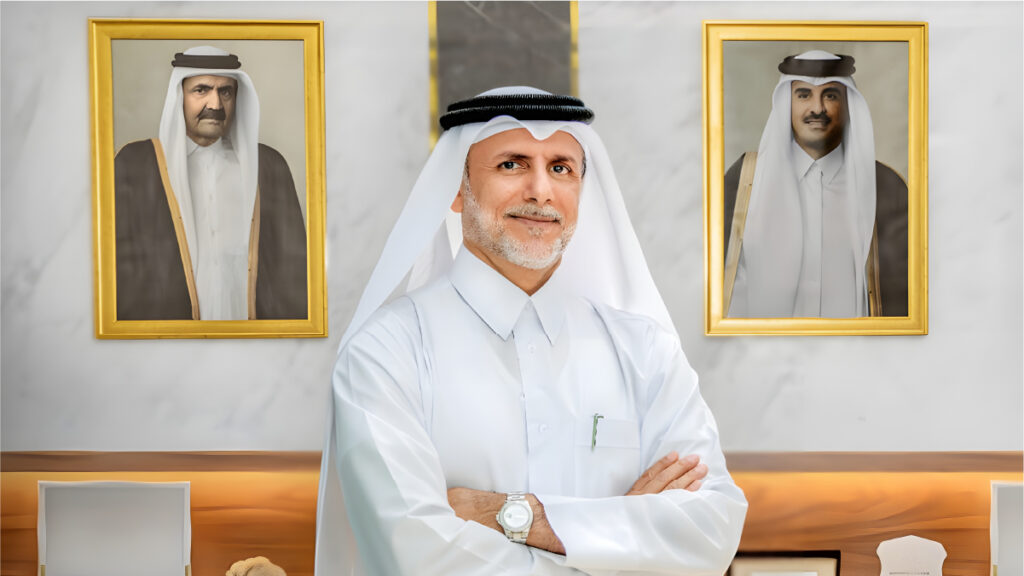
Dr Yousef Alhorr, founding chairman of the Global Carbon Council (GCC) speaks to Aparajita Mukherjee on the Council’s role in promoting sustainability through issuance of carbon credits to high-quality projects that have demonstrated their additionality in the reduction and removal of GHG emissions contributing to the United Nations Sustainable Development Goals (SDGs). Dr Yousef Alhorr, founding chairman of the Global Carbon Council (GCC), says that the GCC Program has received multiple projects for the issuance of carbon credits from Gulf countries including Bahrain, Kuwait, Oman, Qatar, Saudi Arabia, and the United Arab Emirates BL: Talk us through the Global Carbon Council and Qatar’s role in this initiative. Dr Alhorr: The Global Carbon Council (GCC) is the first international carbon credit and sustainable development program based in the Global South. The GCC Program is contributing to a more sustainable and low-carbon future by issuing carbon credits to projects from around the world that add to sustainable development. The Program only accepts high-quality projects that have demonstrated their additionality in the reduction and removal of GHG emissions while ensuring that project construction and operations do not cause any net harm to the environment and society and contribute to the United Nations Sustainable Development Goals (SDGs). As a result, the Program is helping to drive much-needed climate finance into projects that reduce and remove emissions. GCC is accredited by the United Nations International Civil Aviation Organization (ICAO) for their CORSIA scheme and by the International Carbon Reduction and Offsetting Alliance (ICROA). GCC presently issues carbon credits aimed to serve voluntary carbon markets and CORSIA, but soon, it will issue emission reductions eligible under Article 6.2 of the Paris Agreement that host countries will transfer as internationally transferable mitigation outcomes (ITMOs) to the buyer countries to meet the targets of its Nationally Determined Contribution (NDC) and to the private/corporate sector organizations for meeting carbon neutrality and net zero commitments. Having received 1,500+ projects from 45 countries spanning South and East Asia, MENA, Africa, Eastern Europe, Latin America and Caribbean region, GCC aims to issue in excess of 2 billion carbon credits in next eight years’ time to help meet the aim of a net-zero world. The carbon market initiative was established by the Gulf Organisation for Research & Development (GORD), under Qatar’s leadership. Although originating from Qatar, GCC’s scope is global. It also plays a crucial role in bridging the gap between developed and developing nations in carbon market participation. BL: Being a top producer and exporter of hydrocarbons, how does this initiative tie in with global long-term sustainability from the Qatari perspective? Dr Alhorr: GCC Program is an independent carbon standard which acts primarily on project basis to issue carbon credits in any part of the world. The scope of GCC spans beyond the geography of Qatar. Over the years, the program has become one of the leading key players in the carbon markets serving voluntary as well as compliance markets. Gas exporting countries including Qatar and members of the Gas Exporting Countries Forum (GECF) can benefit from the methodologies that GCC is promoting regarding the early retirements of coal plants, carbon capture and storage (CCS) or fuel switch to cleaner low embodied carbon fuels which can drive short- to medium-term decarbonization goals for countries and corporates alike. Key areas of focus for gas producing nations such as Qatar include energy efficiency, methane management, blue hydrogen and the adoption of CCS technologies. GCC brings carbon marketplace to catalyze climate action in all these areas. BL: Which GHG projects are most critical to accelerate the Gulf region’s low-carbon growth? Dr Alhorr: The Gulf region has significant potential for emission reduction projects due to its vast natural resources, technological capabilities, and increasing commitment to sustainability. The critical GHG mitigation projects in the GCC include Renewable Energy expansion, CCS, Blue and Green Hydrogen/Ammonia Production, Energy Efficiency in Industry, Flare Gas Reduction in Oil/Gas Industry, Green Buildings, Energy Efficient Chillers, Refrigerant Switch to non-GWP Gases, Mass Transport and Electric Vehicles, Waste and Wastewater Management, Plugging the abandoned oil wells and Greenhouses for agriculture. As per the International Renewable Energy Agency (IRENA) report, Gulf countries could save up to 136 million tons of CO₂ annually by 2030 through renewable deployment, one of the major areas of the Gulf region’s mitigation sector. Further, with many geological storages of depleted oil reservoirs and saline aquifers, there is great potential for CCS. Accelerated growth of all these clean and green sector projects is very important for the region to achieve a low-carbon future and economic diversification. The GCC Program has received multiple projects for carbon finance support for the Gulf countries covering Bahrain, Kuwait, Oman, Qatar, Saudi Arabia, and the UAE. Many of these received projects are either registered or at different stages of active evaluation. Role of S&P and Climate Impact X in the new agreement “The strategic tri-party agreement between GCC, S&P Global Commodity Insights (SPGCI), and Climate Impact X (CIX) aims to enhance carbon market services and improve liquidity. SPGCI offers comprehensive registry services to the GCC program. The Environmental Registry platform by S&P plays a critical role in supporting the secure and transparent issuance of carbon credits (ACCs). CIX is a global carbon market solutions provider based in Singapore. CIX’s platform will provide project developers with streamlined access to global buyers and enhance the liquidity of carbon credits issued by GCC. GCC sees value in providing a secure transaction registry (provided by SPGCI) to issue credits and further integration with a robust exchange (CIX) would provide better liquidity opportunity to the sell side (or project developers). By partnering with the two reputable solutions providers, GCC aims to scale its global impact by bringing greater transparency, certainty, and liquidity to the carbon markets.” – Dr Yousef Alhorr, founding chairman of the Global Carbon Council.