

Air Arabia reports record third quarter net profit of AED 564 million, up 8%
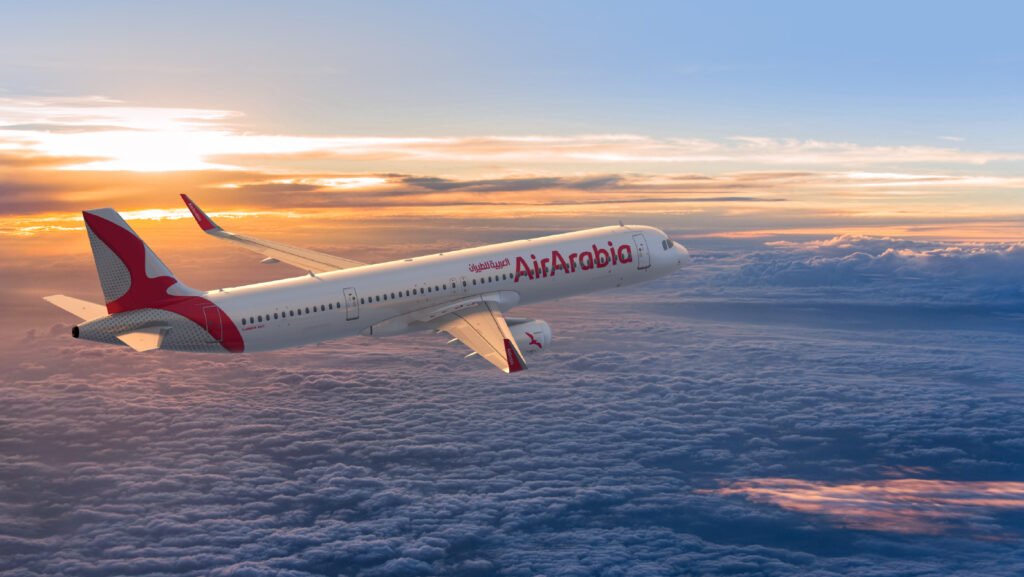
First nine months 2024 revenue increases 12% exceeding AED 4.98 billion; 13% increase in passenger numbers and 22 new routes launched. Air Arabia (PJSC), the Middle East and North Africa’s first and largest low-cost carrier (LCC) operator, today announced record financial and operational results for the third quarter and first nine months of 2024. Air Arabia reported a net profit of AED 564 million for the third quarter ending September 30, 2024; an 8 percent increase compared to AED 522 million in the same period of 2023. The airline achieved a turnover of AED 1.78 billion, marking a 10 percent increase compared to the third quarter of last year. From July to September 2024, over 5.1 million passengers traveled with Air Arabia Group across its operating hubs, reflecting an 8 per cent increase from the 4.7 million passengers carried in the same quarter of the previous year. The airline’s average seat load factor — representing the percentage of available seats occupied — increased by 2 percent, reaching an impressive 81 percent during the third quarter of 2024, underscoring the strong demand for Air Arabia’s services. Third Quarter 2024 Performance: AED Q3 2024 Q3 2023 % Revenue AED 1.78 billion AED 1.62 billion 10% Passenger Numbers*all hubs* 5.1 million 4.7 million 8% Seat Load Factor 81% 79% 2% Net Profit AED 564 million AED 522 million 8% Commenting on the results, Sheikh Abdullah Bin Mohammad Al Thani, Chairman of Air Arabia, said: “Air Arabia’s record net profit in the third quarter, coupled with strong growth in revenue and passenger demand, is a testament to the strength of the business model we operate and the true value we offer to our customers.” He continued: “The aviation industry continued to face geopolitical and economic challenges in the third quarter, as airlines navigated airspace restrictions in parts of the region, leading to route adjustments and in some cases, flight suspensions. Additionally, the industry continued to manage inflationary pressures prompted by the ongoing supply chain challenges, currency fluctuations, and fuel price volatility. Despite these factors, Air Arabia successfully expanded its network, increased operating capacity, and maintained a strong operating margin. This achievement highlights the resilience of our business model and the strength of our management team.” In the first nine months of 2024 (January to September), Air Arabia reported a net profit of AED 1.25 billion, reflecting a 5 percent decrease from the AED 1.32 billion recorded in the same period of 2023. The airline achieved a turnover of AED 4.98 billion, marking a 12 percent increase compared to the AED 4.45 billion registered in the first nine months of last year. During this period, over 14 million passengers traveled with Air Arabia across its hubs, representing a 13 percent growth compared to the number of passengers carried in the same period last year. The airline’s average seat load factor rose by 2 percent, reaching a strong 82 percent for the first nine months of 2024. First Nine Months 2024 Performance: AED 9M 2024 9M 2023 % Revenue AED 4.98 billion AED 4.45 billion 12% Passenger Numbers*all hubs* 14 million 12.4 million 13% Seat Load Factor 82% 80% 2% Net Profit AED 1.25 billion AED 1.32 billion (5%) The airline liquidity for the first nine months of 2024 stood at AED 4.9 billion in cash and cash equivalent. Al Thani concluded: “Throughout the first nine months of 2024, we maintained a strong commitment to growth across all areas of our business and operations. This included expanding our fleet, introducing new routes, and increasing flight frequencies across each of our operating hubs. As we look to the remainder of the year, we remain focused on strategic growth, disciplined cost management, and delivering exceptional value to our customers.” During the first nine months of the year, Air Arabia added 6 new aircraft to its modern fleet bringing it to a total of 77 owned and leased Airbus A320 and A321 aircraft. During the same period, the carrier has expanded its network by launching 22 new routes across its operating hubs in the UAE, Morocco, Egypt, and Pakistan. In May, Air Arabia was named the “Leading Low-Cost Airline Brand – MENA” by Global Brands Magazine. This honor recognizes Air Arabia’s exceptional commitment to innovation, quality, branding, customer service, and performance, establishing a robust standard in the aviation sector across the MENA region. Additionally, the airline was honored with “Corporate Award in the Airline Category” at the 2024 OPS Forum in Athens, Greece for its commitment to enhancing efficiency, reliability, and customer satisfaction. Building on its commitment to environmental responsibility, Air Arabia has integrated and deployed phase one of its enhanced fuel management system to further manage and optimize fuel efficiency across the group which will eventually lead to further reduction in emissions. Additionally, the airline has fully implemented a circular economy approach for inflight service items, ensuring all packaging is either biodegradable or recyclable. These efforts underscore Air Arabia’s dedication to sustainable innovation and responsible growth at the core of its operations. Further demonstrating its commitment to the community, Air Arabia’s ‘Charity Cloud’ program launched a new school in Cambodia. This addition joins 15 schools and clinics established across 18 countries, providing essential education and healthcare services to underserved communities.
Sidra Medicine Launches Qatar’s First Cord Blood Bank
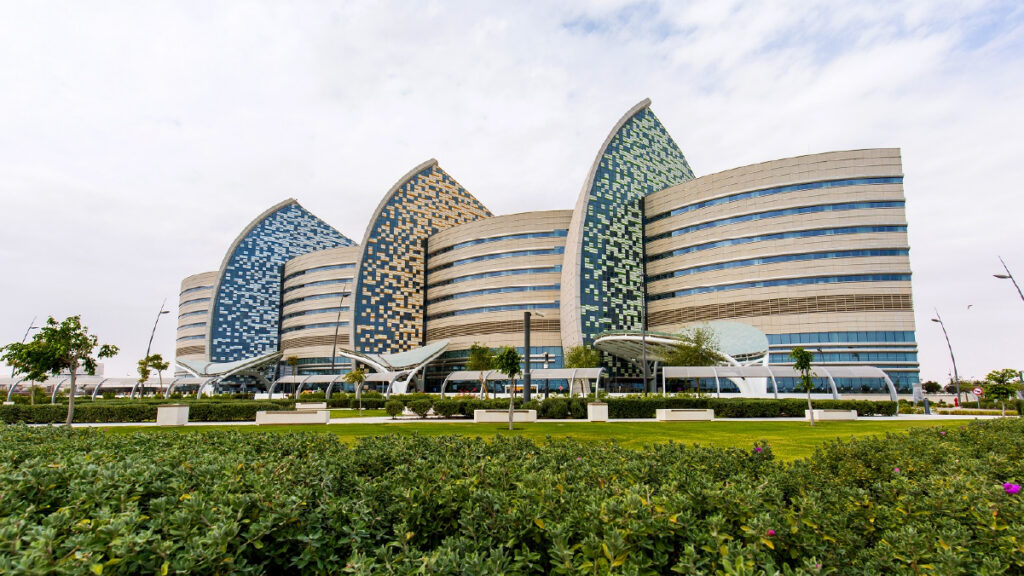
Partnership with CellSave Arabia Expands Reach for Families Across the Country Sidra Medicine, a member of Qatar Foundation, has launched a state-of-the-art cord blood banking service. This is the country’s first local cord blood storage facility and will offer families a unique opportunity to preserve their newborns’ stem cells in Qatar, for potential future medical needs. Cord blood banking is the process of collecting and storing the blood from a newborn’s umbilical cord and placenta after birth. The collection is painless, non-invasive, and risk-free for the mother and baby. Cord blood is rich in hematopoietic stem cells, which have the potential to treat various medical conditions, including certain cancers, blood disorders, and immune system diseases. Prof. Johnny Awwad, Chair of Women’s Services at Sidra Medicine said: “As the only facility in Qatar providing local cord blood storage, Sidra Medicine offers an unparalleled advantage by keeping the samples in the country. This ensures their optimal quality and immediate access when needed most, compared to having them shipped from abroad. Cord blood is increasingly being stored by parents everywhere, who are seeking to preserve their child’s stem cells as they can be crucial for their child or their sibling/s in the future. Our commitment to the latest technology and international standards further guarantees the utmost reliability and peace of mind for families in Qatar.” All the cord blood samples will be sent to Sidra Medicine’s Cord Blood Bank in its Good Manufacturing Practice (GMP) facility, where cryogenic freezing will allow them to be stored securely for over 30 years. Prof. Khalid Fakhro, Chief Research Officer at Sidra Medicine said: “Our cord blood banking service is another successful milestone for our precision medicine strategy. There are over 80 diseases that can be treated using the banked samples including some types of cancers. With this private service now available for maternity patients at Sidra Medicine, we provide parents with the opportunity to safeguard their child’s future health by cryopreserving their stem cells. This is particularly relevant for families with a history of congenital medical issues. The stored stem cells could provide a source for regenerative therapies if their child or other family members experience blood or immune system disorders.” To expand its reach to other families in Qatar, Sidra Medicine signed a Memorandum of Understanding with CellSave Arabia, a leader in stem cell banking services. It is available to any family in the country choosing the joint Sidra Medicine and CellSave Arabia service as their stem cell storage provider regardless of whichever hospital their baby is born in. Dr. Iyabo Tinubu-Karch, Chief Executive Officer of Sidra Medicine said: “This partnership with CellSave Arabia aligns perfectly with Sidra Medicine’s mission to advance healthcare and foster healthier families across Qatar. Thanks to our facilities and CellSave Arabia’s reach, this is the first time that families across the country have an option to have their children’s stem cells stored in the country. Together, we aim to make advanced stem cell processing and storage more accessible, thereby contributing to a more robust healthcare infrastructure in the region.” Alia Abdel-Razeq, COO of CellSave Arabia said at the MoU signing ceremony with Sidra Medicine: “Partnering with Sidra Medicine marks a pivotal step in our commitment to healthcare innovation in Qatar. By utilizing Sidra Medicine’s exceptional facilities and expertise, we can significantly elevate our service offerings, ensuring that families in Qatar have access to vital stem cell banking services that support their future health needs.” Cord blood banking is already available at Sidra Medicine and plans are underway to extend the joint Sidra Medicine and CellSave Arabia service to those who deliver their babies in other hospitals in addition to launching other services including umbilical cord banking, placental tissue banking, amniotic tissue banking, and Mesenchymal Stem Cell (MSC) banking. For further inquiries or assistance about Cord Blood Banking, please download the brochure here or contact us at stemcells@sidra.org.
Doha Film Institute Showcases Exciting Homegrown Talent in Made in Qatar Program at Ajyal 2024
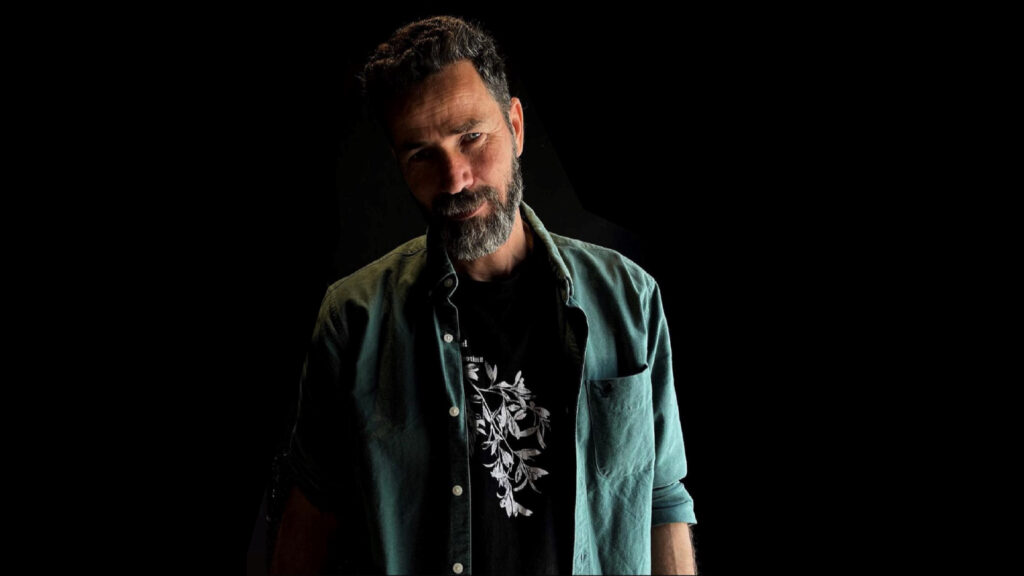
Doha Film Institute (DFI) is showcasing an inspiring selection of stories by Qatar’s emerging film talents in the Made in Qatar programme at the 2024 Ajyal Film Festival. One of the most popular programs at Ajyal, Made in Qatar showcases films by Qatari and Qatar-based talents, and is a testament to the limitless potential of Qatar’s creative community. The selection includes five diverse films that underline the creative progress of the country’s flourishing film industry with two films created with support from the Ministry of Public Health of Qatar. The jury for this year’s Made in Qatar program is led by acclaimed Palestinian actor Saleh Bakri and includes Kenyan filmmaker Debra Aroko and Qatari director Amal Al Muftah. Fatma Hassan Alremaihi, Chief Executive Officer of DFI and Festival Director, said: ” After a successful special screening of Made in Qatar films earlier this year, we are proud to screen five additional new films reflecting the diversity of our nation and the progress of our creative talent to prominence on the world stage. The program continues to be a cornerstone of Ajyal, providing a platform for homegrown voices to share their unique perspectives and innovative storytelling techniques. The selection is a strong representation of the vibrant creative ecosystem that the nation has fostered and a testament to the success of the Institute’s commitment to supporting filmmakers through every step of their creative journey.” The program includes I Lay for You to Sleep (Qatar/2024) by Ali Al Hajri, a contemplative experimental narrative that explores the emotional depths of loss and renewal through poetic imagery. As women prepare a body for burial, we follow Ali’s journey through memories and reflections, confronting the mysteries of life, death and rebirth. The film is also screening in the Bader Shorts Competition. Alkaline (Qatar/2024) by Paul Abraham and Abdulla Al-Hor highlights the complex interplay between personal choices, family expectations and how fear can shape relationships in profound ways. Presenting how a father’s health scare changes his life and creates a rift with his son, the film journeys through the conversations and self-reflection by the son to bridge the divide. The film, in Malayalam and English, was created with support from the Ministry of Public Health of Qatar. Breshna (Qatar/2024) by Obada Jarbi narrates the moving story of a survivor of a terrorist attack in Kabul who finds refuge in Qatar. The poignant short film captures her reflection on hope, resilience and the longing for peace as she comes to terms with loss and survival. Through her story, the film offers a deeply personal perspective on displacement and the strength needed to seek a new beginning amidst painful memories. Can You See Me? (Qatar/2024) by Dhoha Abdelsattar follows a lonely woman, Maryam, who is trapped in the cycle of a mundane life that spirals into emotional turmoil until she is forced to confront herself and the possibility of change. This evocative short is a reflective journey through the quiet struggles of inner turmoil, exploring resilience and self-discovery. Cochlea (Qatar/2024) by Karim Emara, supported by the Ministry of Public Health of Qatar, is about Rokia, a 50-year-old Arab woman who reunites with her twenty-year-old son, Youssef, after six months apart. During their reunion, Rokia insists on performing a ritual she has often imposed on him. Despite his resistance, Yousef begins to understand that his mother’s unusual way of expressing love and care runs deeper than simply wanting him to be clean. Ajyal 2024 features 66 thought-provoking films from 42 countries depicting themes that will resonate with and inspire audiences with stories of resilience, hope and community empowerment. The event will also have interactive discussions, inclusive screenings, film exhibition, Qatar’s largest pop-culture event – Geekend. Events will be held across key locations, including Katara, Sikkat Wadi Msheireb, Lusail and VOX Cinemas Doha Festival City. Tickets can be purchased online at https://my.dohafilminstitute.com/ajyal/films/
Startup Qatar Investment program announces successful applicants, with $12 million in funding
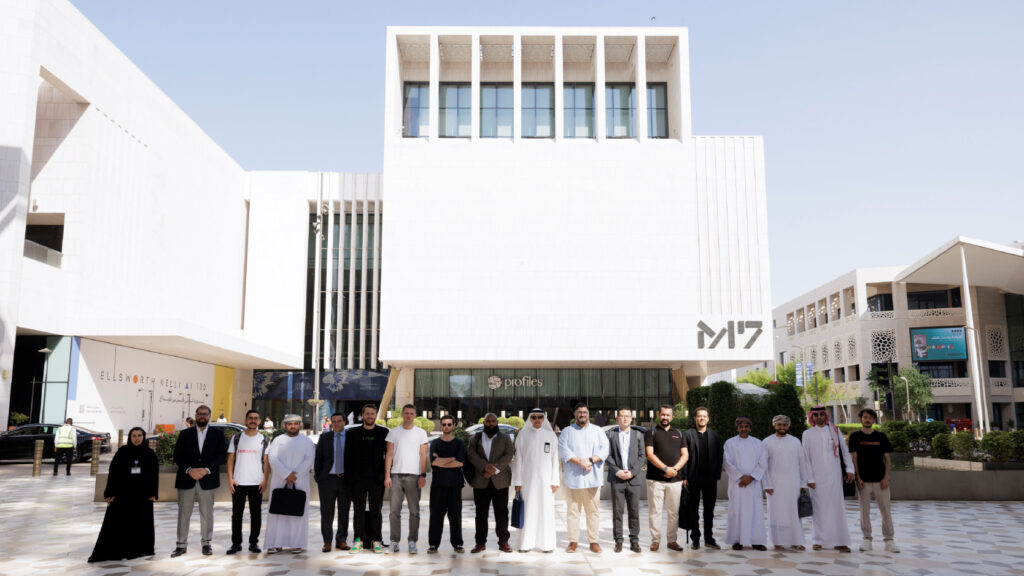
Startup Qatar has announced the first cohort of successful applicants of its Investment Program during a press conference at Web Summit Lisbon. Successful applicants will receive a total of QAR 43.8 million (USD 12 million) in funding and benefits such as access to a shared office space in one of Qatar’s leading local incubators, accommodation and free entrepreneur visas to support them in establishing and expanding operations in Qatar. In its first edition, the Startup Qatar Investment Program attracted nearly 2,000 applications from around the world, including the United States, Canada, the United Kingdom, Turkey and India, among others. Following a competitive selection process, a total of 11 applicants were selected based on their innovative ideas and potential for impact. These include Ynmo, Stemly, Sekgames, Huupe, Nafasaria, PaintIt.ai, Realyze Intelligence, Polymerize, Wahed, Nybl and Byanat. These startups represent a diverse range of industries, including e-gaming, edtech, sportstech, cleantech, proptech, healthtech, fintech and B2B SaaS, showcasing the diverse talent and creativity within the global entrepreneurial landscape. Speaking at the press conference announcement, Hamad Rashid Al-Naimi, Strategy Manager at Invest Qatar, commented: “We are pleased to see such high levels of engagement from promising international startups eager to establish their presence in Qatar. The Startup Qatar Investment Program highlights the country’s commitment to advancing the innovation and entrepreneurship ecosystem and supporting Qatar’s transition to a knowledge-based economy.” Launched earlier this year, the Startup Qatar Investment Program falls under Invest Qatar’s Startup Qatar Initiative, introduced ahead of the inaugural Web Summit Qatar, the region’s largest technology event. The initiative is a one-stop online comprehensive national resource for information, support and opportunities offered to startups and entrepreneurs. Successful applicants of the Startup Qatar Investment Program will benefit from seed or growth funding, with up to USD 500,000 to establish themselves in Qatar and up to USD 5 million to expand operations within the Qatari market. The selected companies are poised to make significant contributions to their fields in Qatar by establishing R&D offices, supporting local startups, and enhancing the country’s AI and machine learning ecosystem. They aim to collaborate with local universities, support graduates and play a key role in advancing Qatar’s material innovation strategy, all while striving to position the country as a global tech hub. “These selected startups represent a diverse array of industries and bring innovative solutions that align with Qatar’s vision for a vibrant entrepreneurial landscape. We look forward to fostering their growth and contributing to the development of a thriving startup ecosystem in the country,” added Al-Naimi. Qatar continues to strengthen its position as a leading technology hub, making a significant impact at Web Summit Lisbon 2024. The Qatar Pavilion showcased the country’s rapid advancements in the technology sector, emphasising the government’s strong support for startups and innovation, alongside substantial investments in IT infrastructure and a strategic focus on emerging technologies, particularly artificial intelligence. Attendees were also introduced to Qatar’s favourable business environment. As Qatar prepares to host the second edition of Web Summit Qatar in February 2025, it aims to build on the record success of its inaugural event in 2024, which welcomed over 15,000 attendees from 118 countries and showcased 1,043 startups. Web Summit Qatar 2025 will take place from 23 to 26 February 2025. Book your tickets now: www.startupqatar.qa/web-summit Startups and entrepreneurs interested in applying for the next round of the Startup Qatar Investment Program can visit www.startupqatar.qa.
‘Voices from Palestine’ at Ajyal 2024 is a Compelling Tribute to Palestinian Resilience, Resistance and Hope
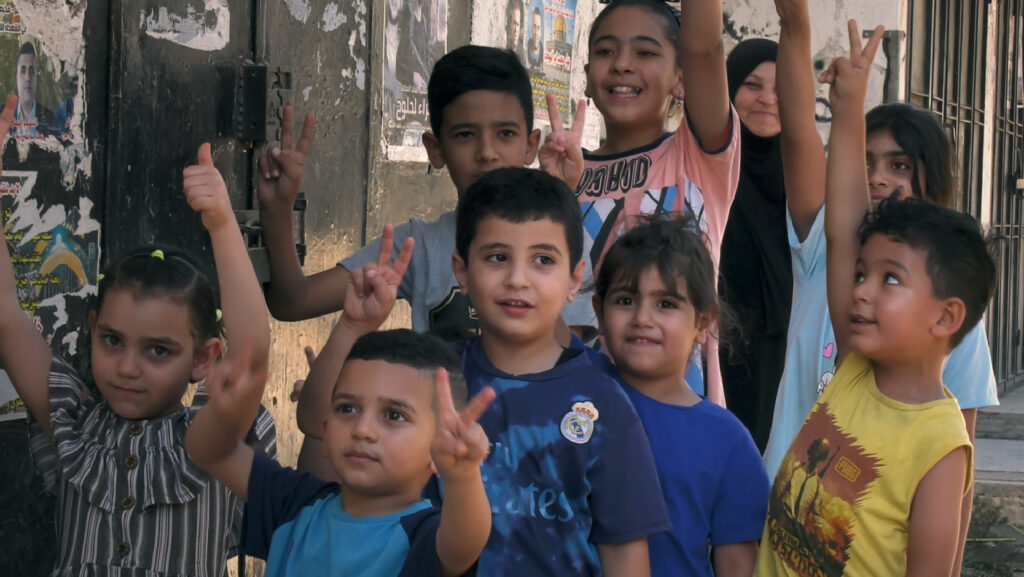
In a poignant tribute to the resilience, resistance and hope of the Palestinian people, Ajyal 2024, presented by Doha Film Institute (DFI), will present the next installment of its ‘Voices from Palestine’ programme featuring films by Palestinian filmmakers who courageously present the lived realities of their people. Standing in solidarity with Palestinians, the program is a depiction of Palestine in times of profound collective mourning and reflection. These important stories and perspectives that might otherwise remain unheard are a testament to the unbreakable spirit of the people. Fatma Hassan Alremaihi, Chief Executive Officer of DFI and Festival Director, said: “At a critical moment in history when the voice of the powerless is distorted through propaganda and false narratives, it is more important than ever to amplify genuine voices from Palestine. These films are a call across the world for recognition, justice and empathy. We are creating a space to promote the values of empathy and compassion and believe these stories will resonate far and wide to inspire and ignite bonds of solidarity with our Palestinian brothers and sisters. Their unimaginable suffering comes alive through films that convey powerful messages that no other medium can deliver with equal intensity and honesty.” One of the highlights of the programme is From Ground Zero (Palestine, France, Qatar, Jordan, UAE/2024), an anthology of 22 short films created by filmmakers from Gaza, curated by renowned Palestinian filmmaker Rashid Masharawi. Set against the backdrop of the 2023 attacks, each film, ranging from 3 to 6 minutes, offers a unique and personal lens into life in Gaza under siege. Providing an intimate and poignant portrayal of the human experience in a war-torn enclave, where survival, loss, and hope coexist in fragile balance, the film presents the perspectives of both seasoned and emerging filmmakers. Capturing raw emotions and everyday struggles of life under occupation, it gives voice to those whose stories are being silenced. The project stands as both a testament to the filmmakers’ perseverance and a reflection of the collective resilience of a people enduring unimaginable hardship, capturing moments of beauty, pain, and defiance. Janin Jenin (Palestine/2024) by Mohammad Bakri documents the director’s revisit of Jenin refugee camp, reflecting on the devastation caused by Israel’s 2023 military invasion. Building on the framework of his 2002 documentary ‘Jenin, Jenin’, this new film captures the ongoing struggle of the camp’s residents as they recount their experiences of destruction, loss, and resistance. While the film confronts difficult truths, it serves as an essential perspective on a conflict too often seen through a single lens. An Orange from Jaffa (Palestine, Poland, France/2024) by Mohammed Almughanni, documents the journey of a young Palestinian to cross an Israeli checkpoint with a temporary Polish identity card. After being turned down by other drivers, Farouk, a well-meaning taxi driver, offers him a ride. However, they soon encounter severe trouble when the checkpoint authorities discover Mohammed’s previous failed attempt to cross. The Deer’s Tooth (Palestine/2024) by Saif Hammash is set in Dheisheh refugee camp, where young Wisam struggles with grief and isolation following his younger brother’s death. When he finds his brother’s last milk tooth, memories resurface, reminding him of his promise to throw it into the sea—an unreachable place due to restrictions. Determined to keep his word, Wisam sets out on a dangerous journey that explores themes of love, loss, and resilience. The Poem We Sang (Canada, Palestine, Jordan/2024) by Annie Sakkab is an experimental documentary which meditates on love, longing, and the trauma of forced migration. Drawing on personal family history, the film explores the impact of displacement on generations through the lens of a poem sung by the director’s father and uncle about their childhood home in Palestine. With richly layered visuals and a deeply personal narrative, the film serves as a tribute to memory, heritage, and the resilience of the Palestinian spirit Undr (Palestine, Germany/2024) by Kamal Aljafari presents a striking visual narrative of the Palestinian landscape under occupation. Combining archival footage with aerial views, the film juxtaposes scenes of pastoral calm—farmers working, children playing—with violent intrusions of dynamite and destruction. With its haunting images, the film reflects on the enduring impact of surveillance, militarism, and colonialism in Palestine. The 2024 Ajyal features 66 thought-provoking films from 42 countries, including 18 features and 48 shorts, with 26 films by Arab filmmakers and 24 by women directors. The festival will be held across key locations in Doha, including Katara, Sikkat Wadi Msheireb, Lusail and VOX Cinemas Doha Festival City.
Hospitality Qatar kicks off at DECC with over 120 exhibitors from 20 countries
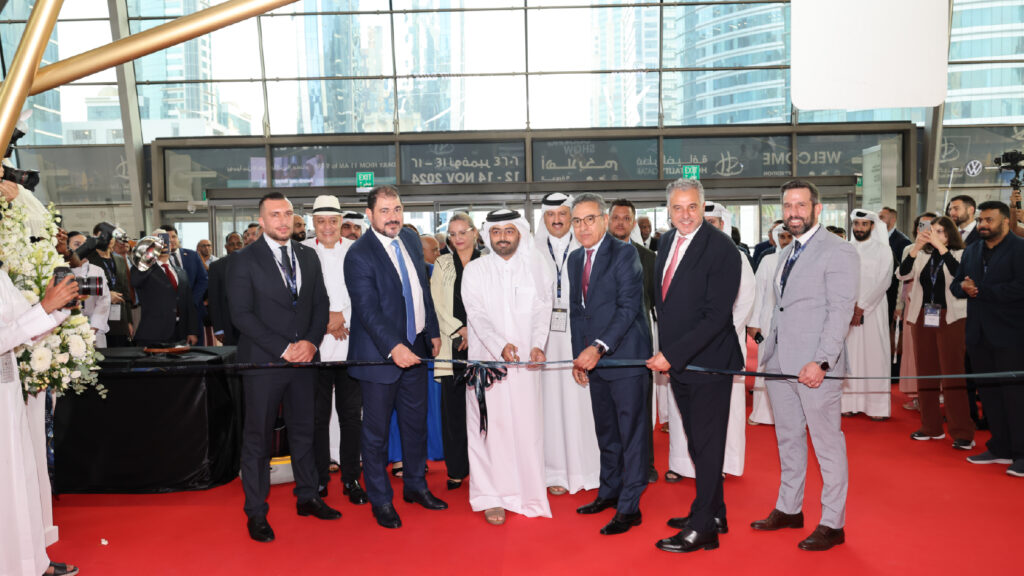
Under the Patronage of H.E. Mr. Saad bin Ali Al Kharji, Chairman of Qatar Tourism and the Board of Directors of Visit Qatar, Mr. Omar Al Jaber, Acting Director of Tourism Development at Qatar Tourism, inaugurated the ninth edition of Hospitality Qatar. Organized by IFP Qatar, the event is being held from November 12 to 14, 2024, at the Doha Exhibition and Convention Center (DECC). The opening ceremony was attended by His Excellency Mr. Sultan bin Rashid Al Khater, Consultant to HE The Minister at Ministry of Commerce and Industry, and Hamid Bentahar, President of the National Confederation of Tourism in Morocco, along with a host of prominent local and foreign dignitaries, including ambassadors from participating countries and leaders of international delegations. In a speech at the opening ceremony, Al Jaber stated: “At Qatar Tourism, we are proud to be the strategic partner of Hospitality Qatar 2024, a unique platform that showcases the latest advancements and innovations in such vital sectors. This partnership reaffirms our unwavering commitment to supporting and strengthening Qatar’s hospitality and tourism industry.” Al Jaber added: “The significant development Qatar has seen in infrastructure and hospitality facilities is no coincidence; it is the result of a strategic vision aimed at positioning Qatar as a leading tourist destination. Hosting events like this reflects Qatar’s commitment to improving and developing the tourism sector as a cornerstone of economic diversification, in line with Qatar National Vision 2030.”Following the opening ceremony, Qatar Tourism and IFP Qatar hosted a special awards ceremony titled ‘Ambassadors of Excellence’ to honor seniors from different departments in Qatar’s hotel industry for their outstanding service in 2024. Honorees received certificates of appreciation and award plaques from Mr. Omar Al Jaber. Reflecting on the success of the first day, Haidar Mshaimesh, General Manager of IFP Qatar, said: “Hospitality Qatar is the country’s leading international trade exhibition and conference for hospitality and hotels, restaurants and cafes (HORECA). Organized in partnership with Qatar Tourism, the expo has attracted over 120 suppliers and service providers across the hospitality, HORECA, tourism, and food and beverage (F&B) sectors from more than 20 countries. It also brings together investors and hospitality pioneers in Qatar to explore investment opportunities in the country’s dynamic hospitality and tourism industry.” He added: “This year, we proudly highlight the participation of the Ministry of Commerce and Industry, the event’s government partner, with a dedicated pavilion hosting a high-level Moroccan delegation as part of the Qatar-Morocco Year of Culture. Led by Hamid Bentahar, President of the National Confederation of Tourism in Morocco, the delegation includes senior officials representing Morocco’s public and private hospitality and tourism industry.” Mshaimesh highlighted that: “Hospitality Qatar has steadily expanded its scope and offerings over the years to meet the increasing demand of the hospitality sector both locally and globally. This year’s agenda includes industry conferences, training sessions, and competitions tailored for HORECA, in addition to the B2B Matchmaking Program that connects industry leaders with potential buyers and investors, providing a unique platform to showcase products and services as well as forming new partnerships.” He noted: “This year’s event features a comprehensive lineup of activities, including the Salon Culinaire competitions, where over 175 chefs from 35 top hotels in Doha will compete across 20 different categories, presenting innovative recipes from various cuisines. For the first time, the exhibition will also host live cooking demonstrations by renowned culinary experts from France, Morocco, and beyond.” Hospitality Qatar provides the ideal platform for all exhibitors, whether they are producers, suppliers, or industry professionals to reach their target markets while fostering growth within the sector. The event covers all segments of the industry, including hotels and facilities, interiors and design, leisure and entertainment, travel and tourism, resorts and landscaping, cutting-edge hospitality tech and supplies for HORECA, eco-friendly hotel systems and solutions, and F&B industry, among others. Hospitality Qatar offers an unparalleled opportunity to showcase the latest innovations, streamline business ventures, enhance networking opportunities, and enable suppliers in the hospitality industry to connect with key decision-makers and buyers from top hotels, restaurants, and F&B outlets in Qatar. As such, it serves as a powerful catalyst for the country’s rapidly expanding hospitality sector, which is thriving amid the current tourism boom. This surge has positively impacted the hospitality sector and a range of related industries, as Qatar has achieved a new record in visitor arrivals, reaching 4 million visitors in the first nine months of this year. This figure matches the total number of visitors recorded throughout all of 2023, marking a 26% year-on-year growth compared to the same period in 2023. The latest report from Alpen Capital, a leading investment banking advisory firm, forecasts that Qatar’s hospitality industry revenue will witness the highest growth rate in the GCC. According to the report, the sector’s revenue is expected to surge from QAR 3.64bn in 2024 to QAR 4.36bn in 2026, reaching QAR 5.46bn by 2028. This remarkable growth is largely driven by Qatar’s visa facilitation measures, including visas on arrival to citizens from about 102 countries. In addition, Qatar has simplified its visa procedure by re-launching the Hayya platform in 2023, which serves as a centralized platform for all tourist and corporate visas. The country has also been developing a wide range of tourist attractions, including various cultural and modern landmarks, while consistently hosting major international events all year round. Qatar’s hospitality sector is reaping the benefits of the successful strategy implemented by Qatar Tourism, which aims to attract visitors from 15 key source markets worldwide, including Saudi Arabia, India, China, the United Kingdom, the United States, Germany, Italy, Spain, France, Australia, South Africa, Russia, Turkey, Iran, and the GCC countries. The strategy also focuses on expanding the reach of international representative offices, launching regional and international marketing campaigns, curating a robust calendar of world-class events year-round, strengthening the Meetings, Incentives, Conferences and Exhibitions (MICE) sector by leveraging the country’s modern infrastructure, and developing the hospitality sector by establishing new leisure destinations and districts, launching luxury shopping centres and investing in
WCM-Q conference discusses impact of new technologies on medical education
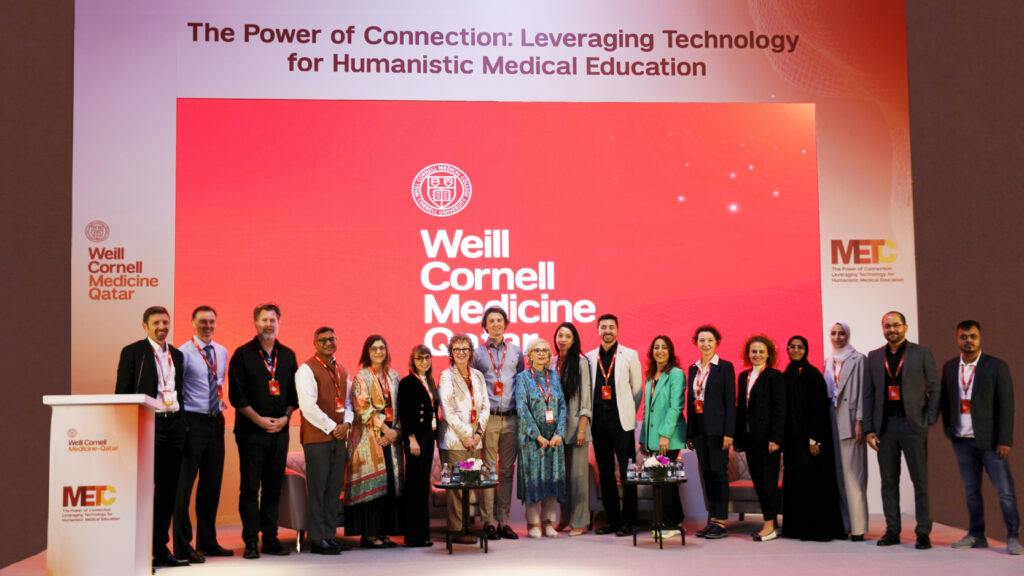
Doha – November 13, 2024: A conference hosted by Weill Cornell Medicine-Qatar (WCM-Q) convened experts in medical education from across the globe to examine the potential for new technologies to enhance the way medicine is taught. The two-day Medical Education Technology Conference (METC) presented thought leaders in medical education from institutions in Qatar, Switzerland, the US and the UK to explore the potential for technologies like artificial intelligence (AI), virtual reality (VR), and augmented reality (AR) to provide personalized learning and immersive training tools for healthcare practitioners. The conference also examined the intersection between technology and humanistic science, and explored ways to ensure that medical education programs cultivate empathy, compassion and creativity in future physicians in the era of AI and rapid technological change. The conference further discussed the impact of emerging technologies on medical ethics and the challenges of ensuring patient privacy, informed consent, and inclusivity in the metaverse. Other features of the conference were two panel discussions, a poster presentation of research projects, Q&A sessions, a series of expert-led presentations, and opportunities for attendees to gain hands-on interactive experiences with technologies such as immersive content creation and VR simulations. Subjects covered by speakers on the first day of the event included precision education and lifelong learning in medicine, AI and medical ethics in education, designing the next generation of learning delivery systems, medical ethics in the metaverse, and the integration of AI into medical education programs to optimize learning outcomes and clinical training. The second day featured presentations on diversity and inclusion in the metaverse, the intersection between art and medicine, and the role of social determinants of health in the age of AI. The second day also offered five workshops, which covered strategies for designing inclusive and accessible virtual environments for patients and healthcare professionals, telling stories in 3D virtual environments using cutting-edge digital tools, utilizing technology to enhance empathy among caregivers, how to create immersive 360-degree videos, and developments in AI-based simulation technologies. One of the many highlights of the event was an artistic performance given by renowned artist and director Abdulaziz Yousef which blended art, AI and virtual reality technology. The event drew participants from all over the world, with healthcare professionals, educators and students in attendance from Qatar, the wider MENA region, the US, Europe, India and elsewhere. Speaking at the conclusion of the event, Dr. Thurayya Arayssi, vice dean for academic and curricular affairs said: “This is a truly exciting time in medicine and medical education as cutting-edge technologies like AI, VR and AR are already revolutionizing the way medicine is practiced, taught and experienced. This conference was a fantastic way to explore how these new technologies can best be implemented to enhance medical education and patient care while simultaneously protecting the rights and safety of patients.” Dr. Javaid Sheikh, dean of WCM-Q, said: “This conference has done a marvelous job of placing new technologies within the context of the humanistic art and science of medicine. Our guiding principle at WCM-Q is to promote the use of emergent technologies to advance world-class healthcare, while also ensuring that the foundational caregiving attributes of compassion, empathy, humility and responsibility to one’s patients are preserved and enhanced by these new developments.” The conference was accredited locally by the Ministry of Public Health’s Department of Healthcare Professions – Accreditation Section and internationally by the Accreditation Council for Continuing Medical Education (ACCME).