

Startup Qatar Investment program announces successful applicants, with $12 million in funding
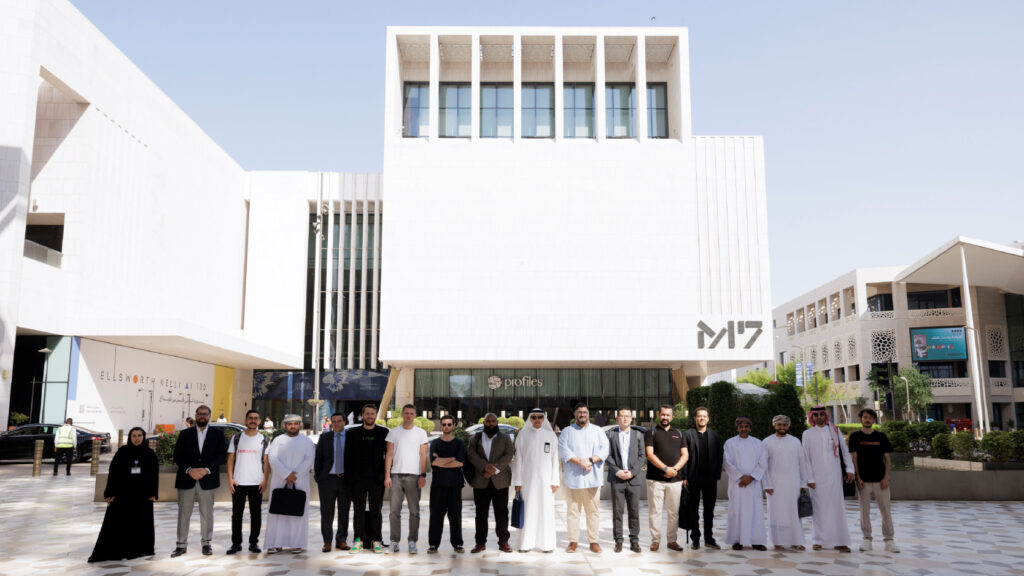
Reading Time: 3 minutesStartup Qatar has announced the first cohort of successful applicants of its Investment Program during a press conference at Web Summit Lisbon. Successful applicants will receive a total of QAR 43.8 million (USD 12 million) in funding and benefits such as access to a shared office space in one of Qatar’s leading local incubators, accommodation and free entrepreneur visas to support them in establishing and expanding operations in Qatar. In its first edition, the Startup Qatar Investment Program attracted nearly 2,000 applications from around the world, including the United States, Canada, the United Kingdom, Turkey and India, among others. Following a competitive selection process, a total of 11 applicants were selected based on their innovative ideas and potential for impact. These include Ynmo, Stemly, Sekgames, Huupe, Nafasaria, PaintIt.ai, Realyze Intelligence, Polymerize, Wahed, Nybl and Byanat. These startups represent a diverse range of industries, including e-gaming, edtech, sportstech, cleantech, proptech, healthtech, fintech and B2B SaaS, showcasing the diverse talent and creativity within the global entrepreneurial landscape. Speaking at the press conference announcement, Hamad Rashid Al-Naimi, Strategy Manager at Invest Qatar, commented: “We are pleased to see such high levels of engagement from promising international startups eager to establish their presence in Qatar. The Startup Qatar Investment Program highlights the country’s commitment to advancing the innovation and entrepreneurship ecosystem and supporting Qatar’s transition to a knowledge-based economy.” Launched earlier this year, the Startup Qatar Investment Program falls under Invest Qatar’s Startup Qatar Initiative, introduced ahead of the inaugural Web Summit Qatar, the region’s largest technology event. The initiative is a one-stop online comprehensive national resource for information, support and opportunities offered to startups and entrepreneurs. Successful applicants of the Startup Qatar Investment Program will benefit from seed or growth funding, with up to USD 500,000 to establish themselves in Qatar and up to USD 5 million to expand operations within the Qatari market. The selected companies are poised to make significant contributions to their fields in Qatar by establishing R&D offices, supporting local startups, and enhancing the country’s AI and machine learning ecosystem. They aim to collaborate with local universities, support graduates and play a key role in advancing Qatar’s material innovation strategy, all while striving to position the country as a global tech hub. “These selected startups represent a diverse array of industries and bring innovative solutions that align with Qatar’s vision for a vibrant entrepreneurial landscape. We look forward to fostering their growth and contributing to the development of a thriving startup ecosystem in the country,” added Al-Naimi. Qatar continues to strengthen its position as a leading technology hub, making a significant impact at Web Summit Lisbon 2024. The Qatar Pavilion showcased the country’s rapid advancements in the technology sector, emphasising the government’s strong support for startups and innovation, alongside substantial investments in IT infrastructure and a strategic focus on emerging technologies, particularly artificial intelligence. Attendees were also introduced to Qatar’s favourable business environment. As Qatar prepares to host the second edition of Web Summit Qatar in February 2025, it aims to build on the record success of its inaugural event in 2024, which welcomed over 15,000 attendees from 118 countries and showcased 1,043 startups. Web Summit Qatar 2025 will take place from 23 to 26 February 2025. Book your tickets now: www.startupqatar.qa/web-summit Startups and entrepreneurs interested in applying for the next round of the Startup Qatar Investment Program can visit www.startupqatar.qa.
‘Voices from Palestine’ at Ajyal 2024 is a Compelling Tribute to Palestinian Resilience, Resistance and Hope
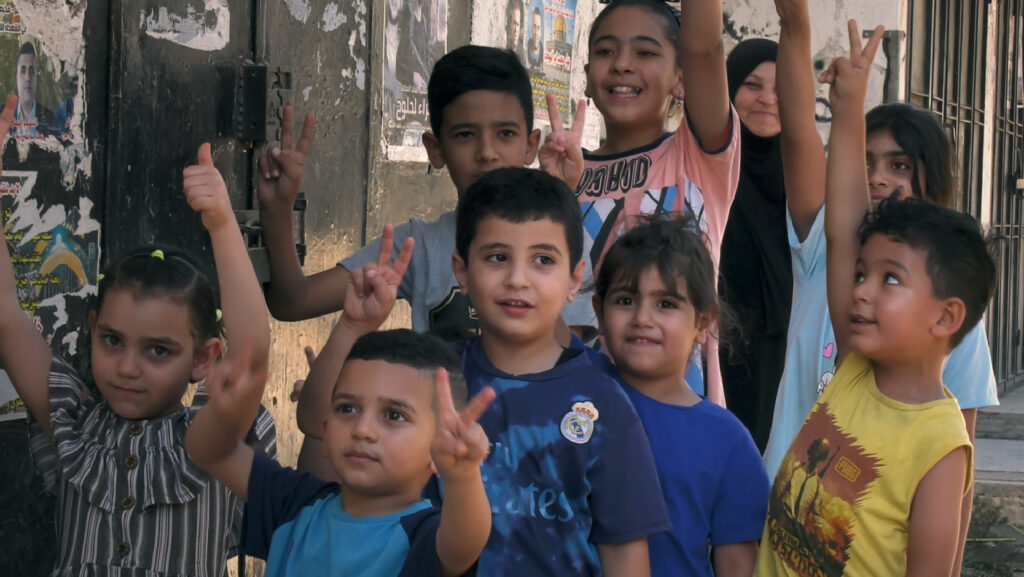
Reading Time: 4 minutesIn a poignant tribute to the resilience, resistance and hope of the Palestinian people, Ajyal 2024, presented by Doha Film Institute (DFI), will present the next installment of its ‘Voices from Palestine’ programme featuring films by Palestinian filmmakers who courageously present the lived realities of their people. Standing in solidarity with Palestinians, the program is a depiction of Palestine in times of profound collective mourning and reflection. These important stories and perspectives that might otherwise remain unheard are a testament to the unbreakable spirit of the people. Fatma Hassan Alremaihi, Chief Executive Officer of DFI and Festival Director, said: “At a critical moment in history when the voice of the powerless is distorted through propaganda and false narratives, it is more important than ever to amplify genuine voices from Palestine. These films are a call across the world for recognition, justice and empathy. We are creating a space to promote the values of empathy and compassion and believe these stories will resonate far and wide to inspire and ignite bonds of solidarity with our Palestinian brothers and sisters. Their unimaginable suffering comes alive through films that convey powerful messages that no other medium can deliver with equal intensity and honesty.” One of the highlights of the programme is From Ground Zero (Palestine, France, Qatar, Jordan, UAE/2024), an anthology of 22 short films created by filmmakers from Gaza, curated by renowned Palestinian filmmaker Rashid Masharawi. Set against the backdrop of the 2023 attacks, each film, ranging from 3 to 6 minutes, offers a unique and personal lens into life in Gaza under siege. Providing an intimate and poignant portrayal of the human experience in a war-torn enclave, where survival, loss, and hope coexist in fragile balance, the film presents the perspectives of both seasoned and emerging filmmakers. Capturing raw emotions and everyday struggles of life under occupation, it gives voice to those whose stories are being silenced. The project stands as both a testament to the filmmakers’ perseverance and a reflection of the collective resilience of a people enduring unimaginable hardship, capturing moments of beauty, pain, and defiance. Janin Jenin (Palestine/2024) by Mohammad Bakri documents the director’s revisit of Jenin refugee camp, reflecting on the devastation caused by Israel’s 2023 military invasion. Building on the framework of his 2002 documentary ‘Jenin, Jenin’, this new film captures the ongoing struggle of the camp’s residents as they recount their experiences of destruction, loss, and resistance. While the film confronts difficult truths, it serves as an essential perspective on a conflict too often seen through a single lens. An Orange from Jaffa (Palestine, Poland, France/2024) by Mohammed Almughanni, documents the journey of a young Palestinian to cross an Israeli checkpoint with a temporary Polish identity card. After being turned down by other drivers, Farouk, a well-meaning taxi driver, offers him a ride. However, they soon encounter severe trouble when the checkpoint authorities discover Mohammed’s previous failed attempt to cross. The Deer’s Tooth (Palestine/2024) by Saif Hammash is set in Dheisheh refugee camp, where young Wisam struggles with grief and isolation following his younger brother’s death. When he finds his brother’s last milk tooth, memories resurface, reminding him of his promise to throw it into the sea—an unreachable place due to restrictions. Determined to keep his word, Wisam sets out on a dangerous journey that explores themes of love, loss, and resilience. The Poem We Sang (Canada, Palestine, Jordan/2024) by Annie Sakkab is an experimental documentary which meditates on love, longing, and the trauma of forced migration. Drawing on personal family history, the film explores the impact of displacement on generations through the lens of a poem sung by the director’s father and uncle about their childhood home in Palestine. With richly layered visuals and a deeply personal narrative, the film serves as a tribute to memory, heritage, and the resilience of the Palestinian spirit Undr (Palestine, Germany/2024) by Kamal Aljafari presents a striking visual narrative of the Palestinian landscape under occupation. Combining archival footage with aerial views, the film juxtaposes scenes of pastoral calm—farmers working, children playing—with violent intrusions of dynamite and destruction. With its haunting images, the film reflects on the enduring impact of surveillance, militarism, and colonialism in Palestine. The 2024 Ajyal features 66 thought-provoking films from 42 countries, including 18 features and 48 shorts, with 26 films by Arab filmmakers and 24 by women directors. The festival will be held across key locations in Doha, including Katara, Sikkat Wadi Msheireb, Lusail and VOX Cinemas Doha Festival City.
WCM-Q conference discusses impact of new technologies on medical education
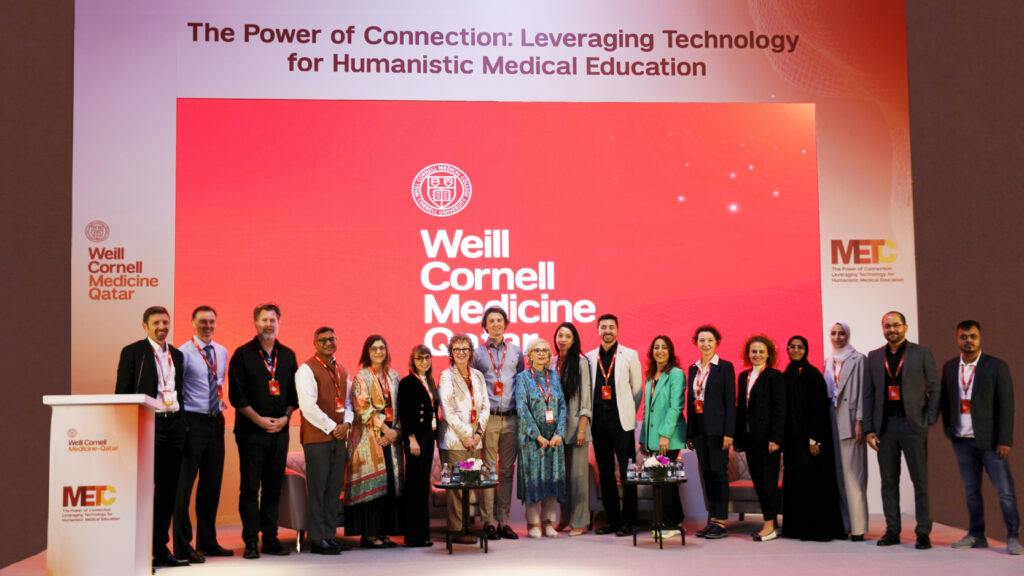
Reading Time: 3 minutesDoha – November 13, 2024: A conference hosted by Weill Cornell Medicine-Qatar (WCM-Q) convened experts in medical education from across the globe to examine the potential for new technologies to enhance the way medicine is taught. The two-day Medical Education Technology Conference (METC) presented thought leaders in medical education from institutions in Qatar, Switzerland, the US and the UK to explore the potential for technologies like artificial intelligence (AI), virtual reality (VR), and augmented reality (AR) to provide personalized learning and immersive training tools for healthcare practitioners. The conference also examined the intersection between technology and humanistic science, and explored ways to ensure that medical education programs cultivate empathy, compassion and creativity in future physicians in the era of AI and rapid technological change. The conference further discussed the impact of emerging technologies on medical ethics and the challenges of ensuring patient privacy, informed consent, and inclusivity in the metaverse. Other features of the conference were two panel discussions, a poster presentation of research projects, Q&A sessions, a series of expert-led presentations, and opportunities for attendees to gain hands-on interactive experiences with technologies such as immersive content creation and VR simulations. Subjects covered by speakers on the first day of the event included precision education and lifelong learning in medicine, AI and medical ethics in education, designing the next generation of learning delivery systems, medical ethics in the metaverse, and the integration of AI into medical education programs to optimize learning outcomes and clinical training. The second day featured presentations on diversity and inclusion in the metaverse, the intersection between art and medicine, and the role of social determinants of health in the age of AI. The second day also offered five workshops, which covered strategies for designing inclusive and accessible virtual environments for patients and healthcare professionals, telling stories in 3D virtual environments using cutting-edge digital tools, utilizing technology to enhance empathy among caregivers, how to create immersive 360-degree videos, and developments in AI-based simulation technologies. One of the many highlights of the event was an artistic performance given by renowned artist and director Abdulaziz Yousef which blended art, AI and virtual reality technology. The event drew participants from all over the world, with healthcare professionals, educators and students in attendance from Qatar, the wider MENA region, the US, Europe, India and elsewhere. Speaking at the conclusion of the event, Dr. Thurayya Arayssi, vice dean for academic and curricular affairs said: “This is a truly exciting time in medicine and medical education as cutting-edge technologies like AI, VR and AR are already revolutionizing the way medicine is practiced, taught and experienced. This conference was a fantastic way to explore how these new technologies can best be implemented to enhance medical education and patient care while simultaneously protecting the rights and safety of patients.” Dr. Javaid Sheikh, dean of WCM-Q, said: “This conference has done a marvelous job of placing new technologies within the context of the humanistic art and science of medicine. Our guiding principle at WCM-Q is to promote the use of emergent technologies to advance world-class healthcare, while also ensuring that the foundational caregiving attributes of compassion, empathy, humility and responsibility to one’s patients are preserved and enhanced by these new developments.” The conference was accredited locally by the Ministry of Public Health’s Department of Healthcare Professions – Accreditation Section and internationally by the Accreditation Council for Continuing Medical Education (ACCME).