

Invest Qatar Showcases Qatar’s dynamic investment and startup ecosystem at Web Summit Lisbon
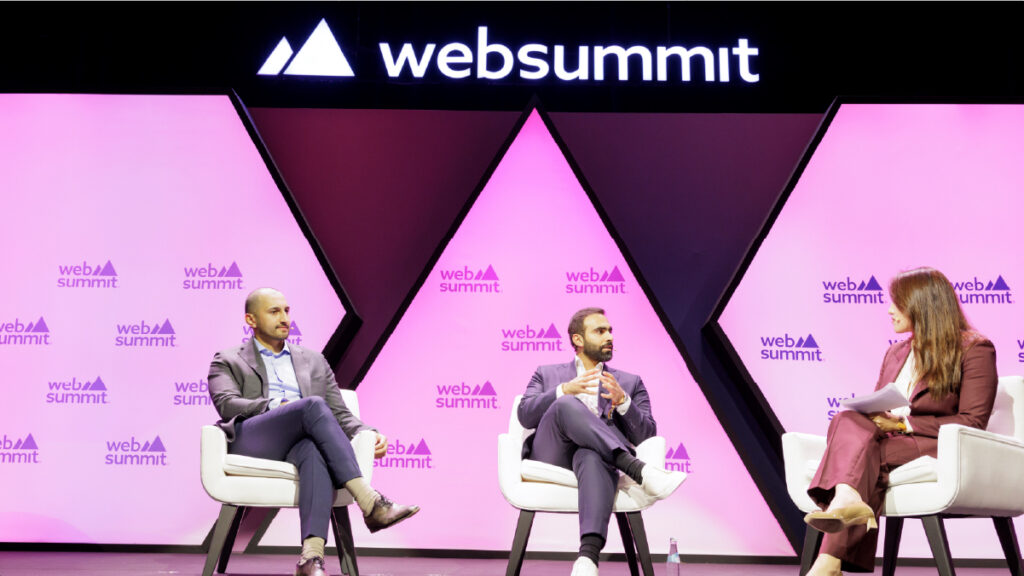
Reading Time: 2 minutesInvest Qatar made a powerful impression at Web Summit Lisbon 2024, where it participated as a key partner. The organisation spearheaded a series of high-level business meetings and networking events, underscoring Qatar’s vibrant investment landscape and burgeoning startup ecosystem. A highlight of the summit was a panel discussion featuring Sheikh Ali Alwaleed Al-Thani, CEO of Invest Qatar, who delved into Qatar’s strategy for economic diversification during a session titled “MENA Money Moves: Qatar’s Growth Formula.” The insights offered a compelling look into the nation’s proactive approach to attracting global investment. Adding to its impactful presence, Invest Qatar hosted a masterclass that outlined the unparalleled opportunities for entrepreneurs to launch and scale their ventures within Qatar’s dynamic and supportive startup environment. Stay tuned for more updates as Qatar continues to position itself as a global hub for innovation and investment.
Qatar’s Economy Projected to Grow 2% in 2024, Driven by Tourism and Construction

Reading Time: 2 minutesDoha: Qatar’s economy is forecasted to grow by 2% in 2024, bolstered by stability in the hydrocarbon sector and robust growth in non-oil industries such as tourism and construction, according to Roberta Gatti, the World Bank’s Chief Economist for the Middle East and North Africa (MENA). Gatti attributed the growth to a strong start to the year in the tourism sector and the pivotal role of construction in driving non-oil economic activity. Qatar’s ongoing diversification initiatives, aligned with its third National Development Plan, are targeting sectors like tourism and IT to broaden the country’s economic base. Hydrocarbon Sector and LNG ExpansionWhile hydrocarbons remain a cornerstone of Qatar’s economy, Gatti highlighted the sector’s anticipated surge starting in 2026, when new liquefied natural gas (LNG) projects begin production. These developments are expected to significantly enhance Qatar’s long-term economic growth. Regional Growth OutlookFor the broader MENA region, the World Bank projects a moderate growth rate of 2.2% in 2024, up from 1.8% in 2023, with the Gulf Cooperation Council (GCC) countries leading the uptick. GCC economies are expected to see growth rise to 1.9% in 2024, driven by non-oil sector expansion, despite ongoing oil production cuts. Key Regional Highlights:Saudi Arabia: Non-oil private sector growth is projected at 4.4%, contributing to 51% of its economy in 2024.Developing Oil Importers: Growth is expected to slow to 2.1% in 2024, compared to 3.2% in 2023.Developing Oil Exporters: Growth is forecasted to decline from 3.2% in 2023 to 2.7% in 2024, with recovery expected in 2025.Challenges and Long-Term ProspectsGatti warned of challenges, including oil production limits, global economic uncertainties, and potential regional conflicts, which could dampen short-term growth. However, she forecasts an acceleration in MENA’s overall growth to 3.8% in 2025, driven by strengthened GCC economies, expected to grow at 4.2%. Qatar’s Diversified Growth PathQatar’s focus on developing its non-oil sectors, coupled with its strategic investments in LNG expansion, positions the country for sustained economic resilience and long-term growth. credit by SyndiGate Media Inc. (Syndigate.info).
QSE Index 14.1% Above May’s Lowest Level Despite Weekly Decline
Reading Time: < 1 minuteDoha: The Qatar Stock Exchange (QSE) index ended the week with a 1.07% decline, losing 113.44 points to settle at 10,455 points, compared to last week’s close. The drop was primarily driven by the industrial sector, which saw the largest decline of 2.04%, followed by the services and consumer goods sector with a 1.09% decrease, and the real estate sector at 1.05%. Despite the weekly decline, financial markets analyst Youssef Bouhlaika highlighted that the QSE index is currently 14.1% higher than its lowest level on May 30, 2024, and 3.5% lower than its highest point in the past 52 weeks. Market Movements and Trading HighlightsBouhlaika noted that the QSE index is moving within a sideways range between 10,400 and 10,500 points, with a focus on maintaining support levels. Investors are closely watching the resistance range of 10,800 to 11,000 points as a potential breakout zone. In Thursday’s session, the general index rose 0.34%, gaining 35.04 points to close at 10,455 points, slightly recovering from Wednesday’s level. Key trading highlights from the session include: Ezdan Holding led trading volumes with 16.81 million shares traded.QNB stock topped liquidity activity with a total value of QR 49.8 million.Total trading values for the session increased to QR 389 million, up from QR 363 million on Wednesday.Trading volumes grew marginally to 134.59 million shares, compared to 133.34 million shares in the previous session.OutlookThe QSE index continues to navigate within a narrow range, seeking stability amid market pressures. Analysts suggest that breaching the resistance levels near 10,800-11,000 points could signal a bullish trend, while maintaining support at 10,400 points remains crucial for investor confidence.
Qatar Central Bank Issues Treasury Bills Worth QR 2.7 Billion
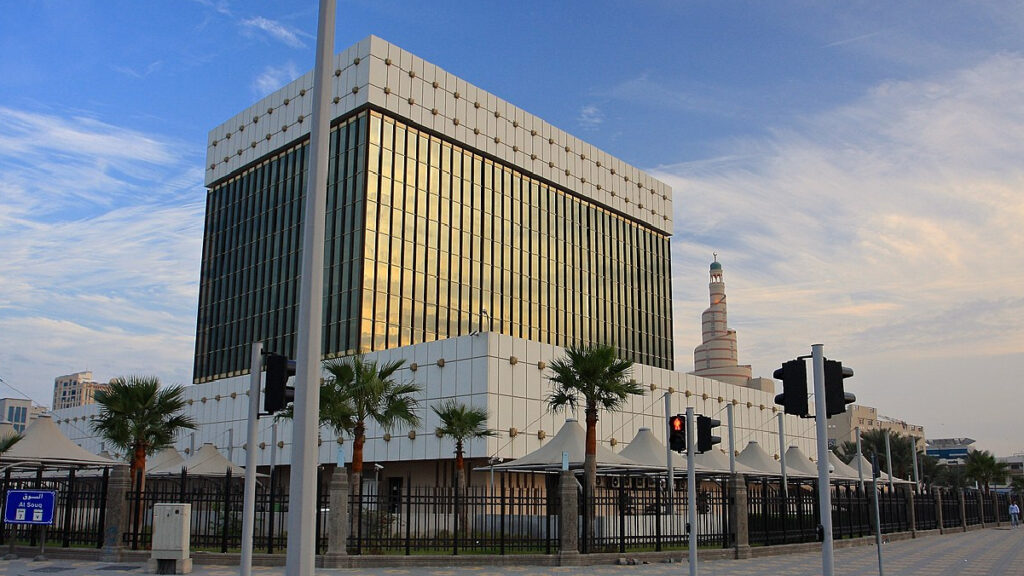
Reading Time: < 1 minuteDoha: The Qatar Central Bank (QCB) has issued treasury bills valued at QR 2.7 billion, covering maturities ranging from 7 days to 350 days. The announcement was made via a post on the X platform on November 15, 2024. The distribution of the treasury bills is as follows: QR 500 million for 7 days (new issuance) at an interest rate of 4.9180%QR 500 million for 28 days (new issuance) at an interest rate of 4.8960%QR 500 million for 91 days (new issuance) at an interest rate of 4.8370%QR 500 million for 168 days (tap issuance) at an interest rate of 4.7830%QR 500 million for 273 days (new issuance) at an interest rate of 4.7340%QR 200 million for 350 days (tap issuance) at an interest rate of 4.7120% Robust Demand in AuctionThe QCB revealed that the total auction bids for the treasury bills reached QR 10.5 billion, indicating strong demand from investors for these government securities. Treasury bills are short-term financial instruments that play a key role in managing liquidity within the banking sector, supporting monetary policy objectives, and fostering a stable financial environment.
Resilient Global Economy Defies Odds Amid Challenges
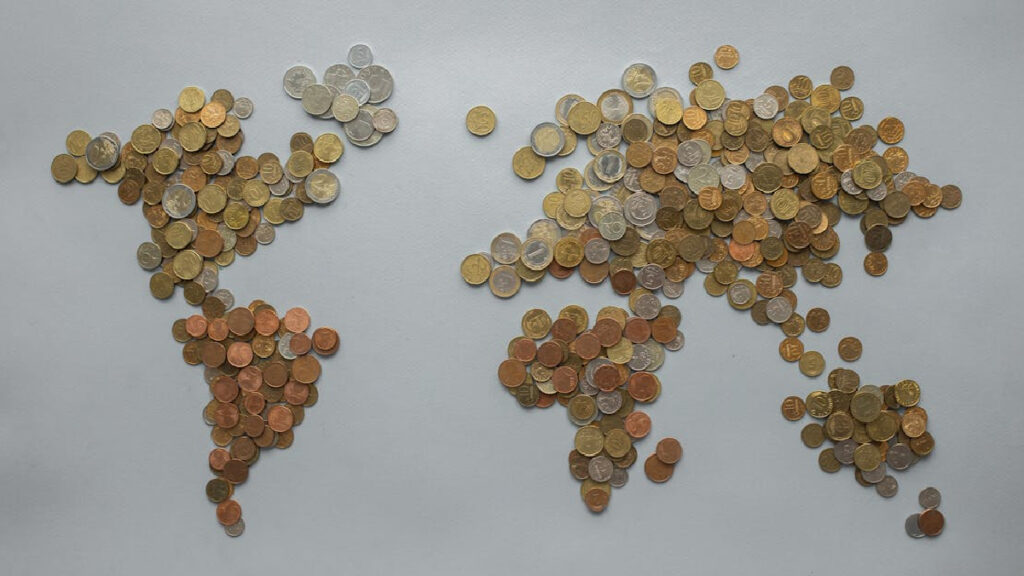
Reading Time: 2 minutesDoha: The global economy is poised to deliver a stable growth rate of 3.2% in 2024, demonstrating remarkable resilience despite facing significant challenges earlier in the year. This rate, although lower than the historical average of 3.6% between 2000 and 2023, remains comfortably above the 2.5% recession threshold, according to QNB’s latest economic commentary. Forecasts for 2025 mirror this stability, with growth expectations also pegged at 3.2%. The World Economic Outlook (WEO), a flagship report by the International Monetary Fund (IMF), highlights the underlying factors sustaining global growth, offering a unified perspective on global trends, risks, and opportunities. Key Drivers of Stability Even amid uncertainties like regional conflicts, fluctuations in commodity prices, and China’s property market challenges, these measures are expected to stabilize growth and mitigate potential risks. In the absence of severe trade conflicts, international trade is likely to continue boosting global productivity and investment, reinforcing economic stability in the short term. Outlook for 2024 and BeyondThe interplay of steady growth across economies, proactive monetary policies, and resilient trade flows ensures the global economy remains on a stable trajectory. While risks such as inflationary pressures, financial market volatility, and geopolitical uncertainties persist, the resilience demonstrated thus far offers an optimistic outlook for 2024 and 2025.
WISH summit calls for protecting healthcare
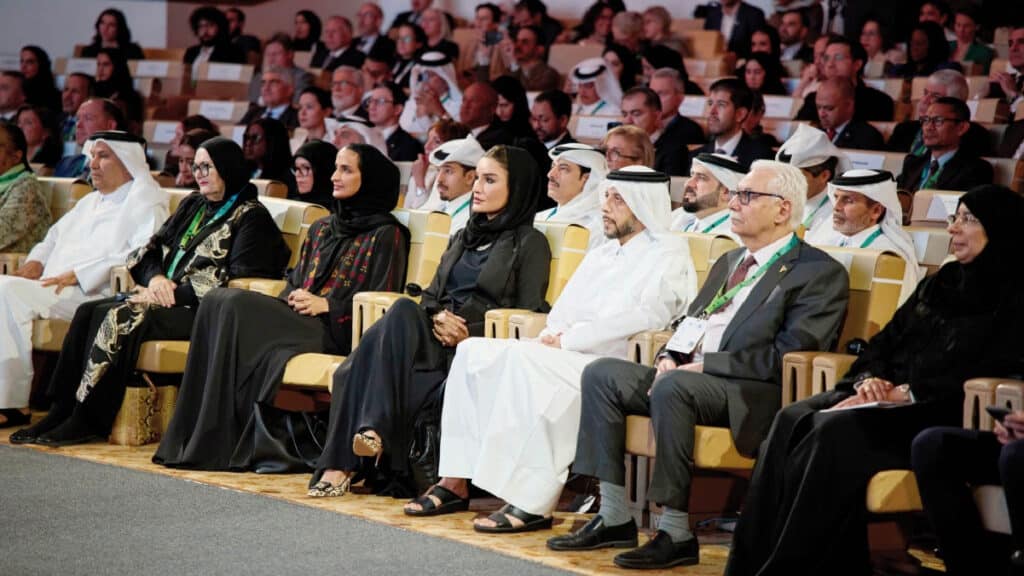
Reading Time: 2 minutesDoha, Qatar – Qatar Foundation’s 7th World Innovation Summit for Health (WISH 7) opened yesterday at the Qatar National Convention Centre (QNCC), under the theme “Humanizing Health: Conflict, Equity, and Resilience.” The event, graced by H H Sheikha Moza bint Nasser, brought together global health policymakers, innovators, researchers, and practitioners to address some of the world’s most pressing health challenges. The opening ceremony was attended by prominent figures including Minister of Public Health H E Mansoor bin Ebrahim bin Saad Al Mahmoud, former Minister of Public Health H E Dr. Hanan Mohamed Al Kuwari, Vice-Chairperson and CEO of Qatar Foundation H E Sheikha Hind bint Hamad Al Thani, WISH CEO Slim Slama, Executive Chair of WISH Lord Darzi of Denham, and President of Médecins Sans Frontières Dr. Christos Christou. In her opening address, H E Al Kuwari emphasized Qatar’s commitment to fostering global cooperation and tackling urgent health challenges. She highlighted the theme of this year’s summit, stating, “This year’s theme, ‘Humanizing Health: Conflict, Equity, and Resilience,’ reflects our dedication to addressing profound health issues, especially for those enduring unimaginable hardships.” Al Kuwari also called attention to the critical need for healthcare protection in conflict zones, advocating for rebuilding lives with compassion and resilience. Dr. Christos Christou echoed this sentiment, stressing that attacks on healthcare facilities have become a troubling “new norm,” especially in regions like Gaza. He called for accountability and tangible action to protect healthcare workers and facilities, noting, “There are many doctors in Gaza amputating on children without anaesthetic, scrambling without basic medicines.” A powerful film shown during the opening ceremony shared the story of 11-year-old Dareen Al Bayaa, a Palestinian girl who lost 47 family members in a devastating attack in Gaza on October 22, 2023. Dareen and her five-year-old brother are now in Doha for medical care. Day one of WISH 7 included discussions on several reports developed in partnership with the World Health Organization (WHO), covering topics such as protecting healthcare in conflict zones, combating antimicrobial resistance (AMR), and the ethics of AI in Gulf-region healthcare. Additional sessions examined women’s cancer, palliative care, and the impact of the war in Sudan. Today, the summit will continue with discussions on mental health, obesity, diabetes, and other key topics. WISH 7 will conclude with the announcement of winners in the WISH innovation competitions and the launch of the new CARDIO4Cities initiative, aimed at tackling urban cardiovascular health challenges.
Ministry of Education and Higher Education completes development of “Educational Institutions Licensing” platform
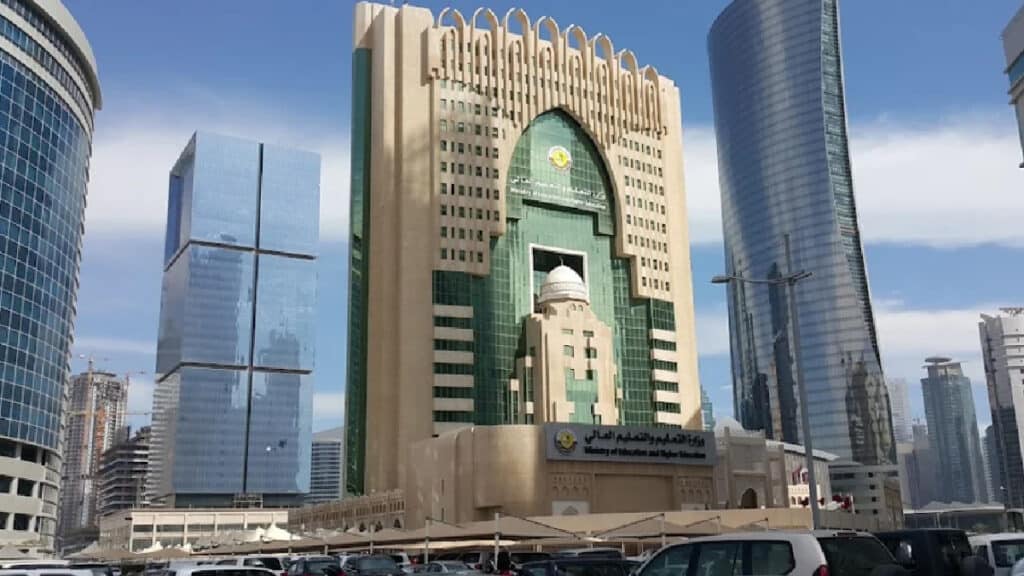
Reading Time: < 1 minuteDoha, Qatar – The Ministry of Education and Higher Education has launched the “Educational Institutions Licensing” platform, now accessible to educational entities throughout Qatar. This initiative forms part of the Ministry’s commitment to bolstering the digital infrastructure for private education, streamlining licensing procedures, and providing a user-friendly, secure online experience for stakeholders. Designed to improve administrative efficiency, the platform allows educational institutions to apply for and monitor licensing processes more effectively, a step anticipated to elevate the quality of educational services across Qatar. Omar Abdulaziz Al-Naama, Assistant Undersecretary for Private Education Affairs, commented on the initiative: “The launch of the Private Educational Institutions Licensing Platform represents a significant advancement in the automation of educational services. It aligns with the directives of HH the Amir Sheikh Tamim bin Hamad Al-Thani, in line with Qatar’s National Vision 2030, to foster a supportive environment for education sector investment and meet the country’s developmental needs.” Dr. Mona Salem Al-Fadhli, Director of the Information Systems Department, also emphasized the platform’s role in the Ministry’s digital transformation: “This platform offers a streamlined, integrated experience for licensing applications, covering all services for nurseries, educational centers, schools, and private kindergartens. Investors can complete, manage, and follow up on transactions online through a fully automated portal, reducing the need for in-person visits.” The platform offers various services, including issuing, renewing, and managing licenses for educational institutions, modifying entity details, granting permissions for advertising and events, and providing options for license cancellations. With a focus on Qatar’s National Vision 2030, the platform also establishes a modern framework to enhance private education standards, benefiting both investors and educational service providers. This launch marks a transformative shift towards efficiency, accessibility, and higher quality service in Qatar’s private education sector.
Air Arabia reports record third quarter net profit of AED 564 million, up 8%
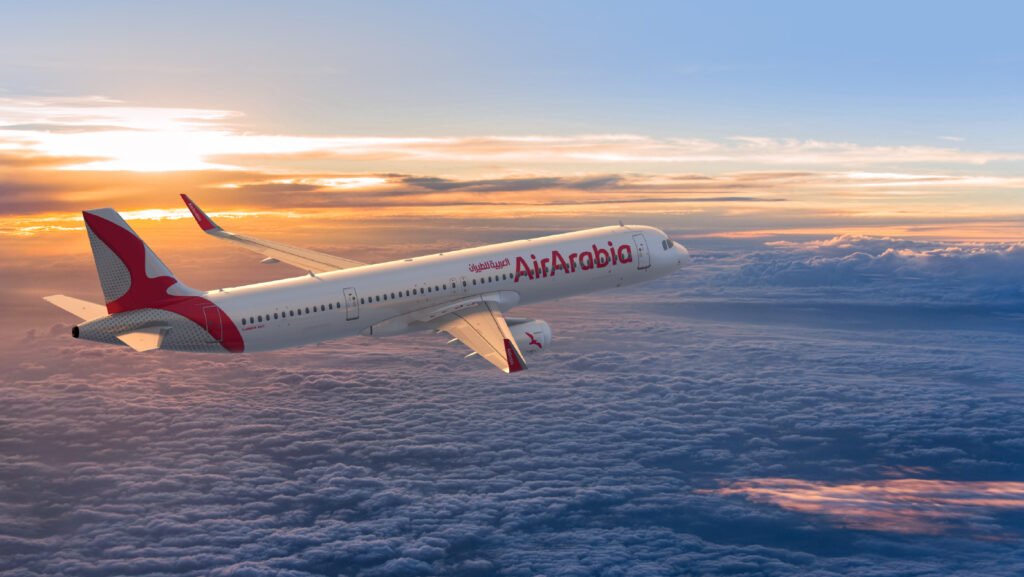
Reading Time: 4 minutesFirst nine months 2024 revenue increases 12% exceeding AED 4.98 billion; 13% increase in passenger numbers and 22 new routes launched. Air Arabia (PJSC), the Middle East and North Africa’s first and largest low-cost carrier (LCC) operator, today announced record financial and operational results for the third quarter and first nine months of 2024. Air Arabia reported a net profit of AED 564 million for the third quarter ending September 30, 2024; an 8 percent increase compared to AED 522 million in the same period of 2023. The airline achieved a turnover of AED 1.78 billion, marking a 10 percent increase compared to the third quarter of last year. From July to September 2024, over 5.1 million passengers traveled with Air Arabia Group across its operating hubs, reflecting an 8 per cent increase from the 4.7 million passengers carried in the same quarter of the previous year. The airline’s average seat load factor — representing the percentage of available seats occupied — increased by 2 percent, reaching an impressive 81 percent during the third quarter of 2024, underscoring the strong demand for Air Arabia’s services. Third Quarter 2024 Performance: AED Q3 2024 Q3 2023 % Revenue AED 1.78 billion AED 1.62 billion 10% Passenger Numbers*all hubs* 5.1 million 4.7 million 8% Seat Load Factor 81% 79% 2% Net Profit AED 564 million AED 522 million 8% Commenting on the results, Sheikh Abdullah Bin Mohammad Al Thani, Chairman of Air Arabia, said: “Air Arabia’s record net profit in the third quarter, coupled with strong growth in revenue and passenger demand, is a testament to the strength of the business model we operate and the true value we offer to our customers.” He continued: “The aviation industry continued to face geopolitical and economic challenges in the third quarter, as airlines navigated airspace restrictions in parts of the region, leading to route adjustments and in some cases, flight suspensions. Additionally, the industry continued to manage inflationary pressures prompted by the ongoing supply chain challenges, currency fluctuations, and fuel price volatility. Despite these factors, Air Arabia successfully expanded its network, increased operating capacity, and maintained a strong operating margin. This achievement highlights the resilience of our business model and the strength of our management team.” In the first nine months of 2024 (January to September), Air Arabia reported a net profit of AED 1.25 billion, reflecting a 5 percent decrease from the AED 1.32 billion recorded in the same period of 2023. The airline achieved a turnover of AED 4.98 billion, marking a 12 percent increase compared to the AED 4.45 billion registered in the first nine months of last year. During this period, over 14 million passengers traveled with Air Arabia across its hubs, representing a 13 percent growth compared to the number of passengers carried in the same period last year. The airline’s average seat load factor rose by 2 percent, reaching a strong 82 percent for the first nine months of 2024. First Nine Months 2024 Performance: AED 9M 2024 9M 2023 % Revenue AED 4.98 billion AED 4.45 billion 12% Passenger Numbers*all hubs* 14 million 12.4 million 13% Seat Load Factor 82% 80% 2% Net Profit AED 1.25 billion AED 1.32 billion (5%) The airline liquidity for the first nine months of 2024 stood at AED 4.9 billion in cash and cash equivalent. Al Thani concluded: “Throughout the first nine months of 2024, we maintained a strong commitment to growth across all areas of our business and operations. This included expanding our fleet, introducing new routes, and increasing flight frequencies across each of our operating hubs. As we look to the remainder of the year, we remain focused on strategic growth, disciplined cost management, and delivering exceptional value to our customers.” During the first nine months of the year, Air Arabia added 6 new aircraft to its modern fleet bringing it to a total of 77 owned and leased Airbus A320 and A321 aircraft. During the same period, the carrier has expanded its network by launching 22 new routes across its operating hubs in the UAE, Morocco, Egypt, and Pakistan. In May, Air Arabia was named the “Leading Low-Cost Airline Brand – MENA” by Global Brands Magazine. This honor recognizes Air Arabia’s exceptional commitment to innovation, quality, branding, customer service, and performance, establishing a robust standard in the aviation sector across the MENA region. Additionally, the airline was honored with “Corporate Award in the Airline Category” at the 2024 OPS Forum in Athens, Greece for its commitment to enhancing efficiency, reliability, and customer satisfaction. Building on its commitment to environmental responsibility, Air Arabia has integrated and deployed phase one of its enhanced fuel management system to further manage and optimize fuel efficiency across the group which will eventually lead to further reduction in emissions. Additionally, the airline has fully implemented a circular economy approach for inflight service items, ensuring all packaging is either biodegradable or recyclable. These efforts underscore Air Arabia’s dedication to sustainable innovation and responsible growth at the core of its operations. Further demonstrating its commitment to the community, Air Arabia’s ‘Charity Cloud’ program launched a new school in Cambodia. This addition joins 15 schools and clinics established across 18 countries, providing essential education and healthcare services to underserved communities.
Sidra Medicine Launches Qatar’s First Cord Blood Bank
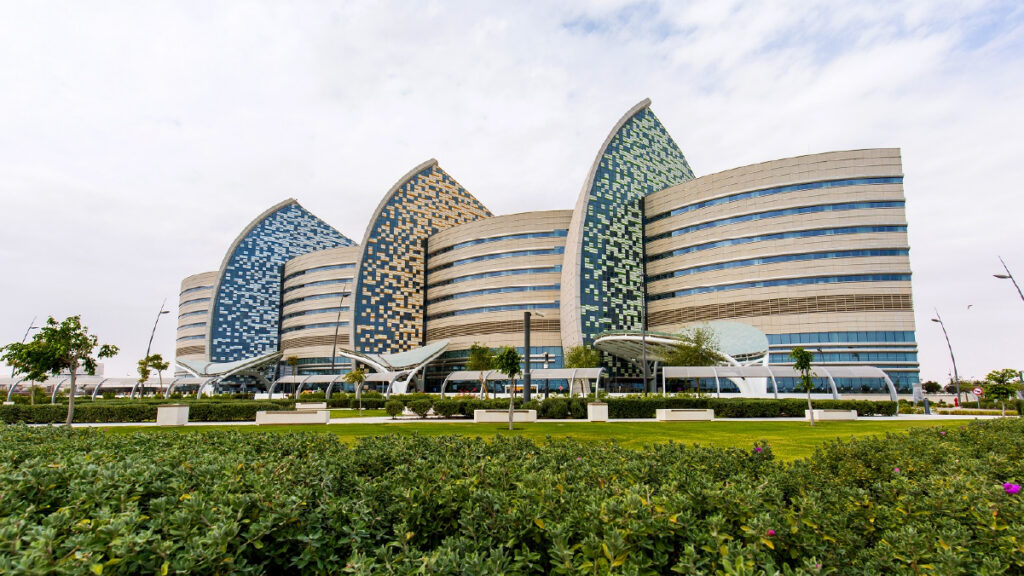
Reading Time: 3 minutesPartnership with CellSave Arabia Expands Reach for Families Across the Country Sidra Medicine, a member of Qatar Foundation, has launched a state-of-the-art cord blood banking service. This is the country’s first local cord blood storage facility and will offer families a unique opportunity to preserve their newborns’ stem cells in Qatar, for potential future medical needs. Cord blood banking is the process of collecting and storing the blood from a newborn’s umbilical cord and placenta after birth. The collection is painless, non-invasive, and risk-free for the mother and baby. Cord blood is rich in hematopoietic stem cells, which have the potential to treat various medical conditions, including certain cancers, blood disorders, and immune system diseases. Prof. Johnny Awwad, Chair of Women’s Services at Sidra Medicine said: “As the only facility in Qatar providing local cord blood storage, Sidra Medicine offers an unparalleled advantage by keeping the samples in the country. This ensures their optimal quality and immediate access when needed most, compared to having them shipped from abroad. Cord blood is increasingly being stored by parents everywhere, who are seeking to preserve their child’s stem cells as they can be crucial for their child or their sibling/s in the future. Our commitment to the latest technology and international standards further guarantees the utmost reliability and peace of mind for families in Qatar.” All the cord blood samples will be sent to Sidra Medicine’s Cord Blood Bank in its Good Manufacturing Practice (GMP) facility, where cryogenic freezing will allow them to be stored securely for over 30 years. Prof. Khalid Fakhro, Chief Research Officer at Sidra Medicine said: “Our cord blood banking service is another successful milestone for our precision medicine strategy. There are over 80 diseases that can be treated using the banked samples including some types of cancers. With this private service now available for maternity patients at Sidra Medicine, we provide parents with the opportunity to safeguard their child’s future health by cryopreserving their stem cells. This is particularly relevant for families with a history of congenital medical issues. The stored stem cells could provide a source for regenerative therapies if their child or other family members experience blood or immune system disorders.” To expand its reach to other families in Qatar, Sidra Medicine signed a Memorandum of Understanding with CellSave Arabia, a leader in stem cell banking services. It is available to any family in the country choosing the joint Sidra Medicine and CellSave Arabia service as their stem cell storage provider regardless of whichever hospital their baby is born in. Dr. Iyabo Tinubu-Karch, Chief Executive Officer of Sidra Medicine said: “This partnership with CellSave Arabia aligns perfectly with Sidra Medicine’s mission to advance healthcare and foster healthier families across Qatar. Thanks to our facilities and CellSave Arabia’s reach, this is the first time that families across the country have an option to have their children’s stem cells stored in the country. Together, we aim to make advanced stem cell processing and storage more accessible, thereby contributing to a more robust healthcare infrastructure in the region.” Alia Abdel-Razeq, COO of CellSave Arabia said at the MoU signing ceremony with Sidra Medicine: “Partnering with Sidra Medicine marks a pivotal step in our commitment to healthcare innovation in Qatar. By utilizing Sidra Medicine’s exceptional facilities and expertise, we can significantly elevate our service offerings, ensuring that families in Qatar have access to vital stem cell banking services that support their future health needs.” Cord blood banking is already available at Sidra Medicine and plans are underway to extend the joint Sidra Medicine and CellSave Arabia service to those who deliver their babies in other hospitals in addition to launching other services including umbilical cord banking, placental tissue banking, amniotic tissue banking, and Mesenchymal Stem Cell (MSC) banking. For further inquiries or assistance about Cord Blood Banking, please download the brochure here or contact us at stemcells@sidra.org.
Doha Film Institute Showcases Exciting Homegrown Talent in Made in Qatar Program at Ajyal 2024
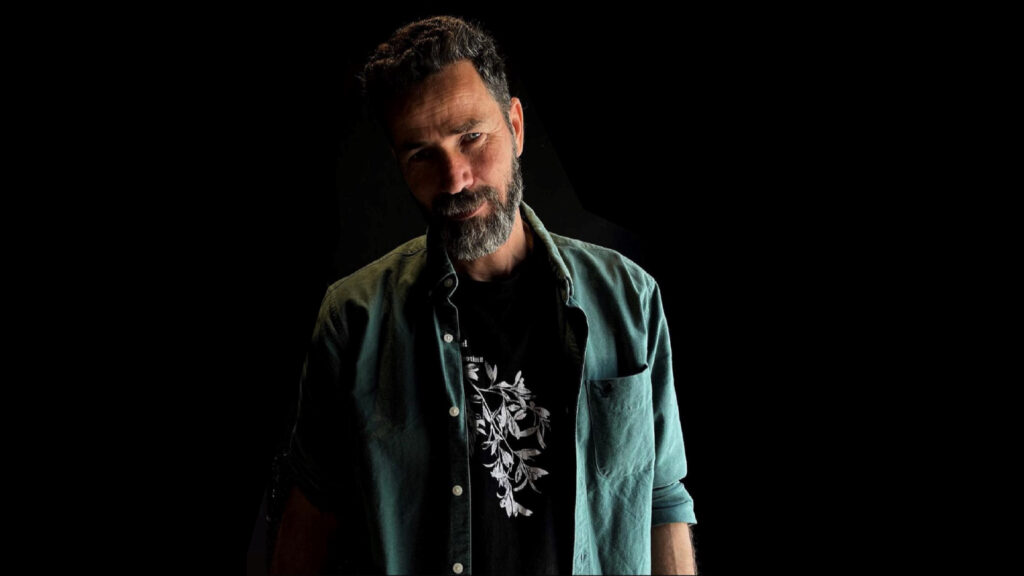
Reading Time: 4 minutesDoha Film Institute (DFI) is showcasing an inspiring selection of stories by Qatar’s emerging film talents in the Made in Qatar programme at the 2024 Ajyal Film Festival. One of the most popular programs at Ajyal, Made in Qatar showcases films by Qatari and Qatar-based talents, and is a testament to the limitless potential of Qatar’s creative community. The selection includes five diverse films that underline the creative progress of the country’s flourishing film industry with two films created with support from the Ministry of Public Health of Qatar. The jury for this year’s Made in Qatar program is led by acclaimed Palestinian actor Saleh Bakri and includes Kenyan filmmaker Debra Aroko and Qatari director Amal Al Muftah. Fatma Hassan Alremaihi, Chief Executive Officer of DFI and Festival Director, said: ” After a successful special screening of Made in Qatar films earlier this year, we are proud to screen five additional new films reflecting the diversity of our nation and the progress of our creative talent to prominence on the world stage. The program continues to be a cornerstone of Ajyal, providing a platform for homegrown voices to share their unique perspectives and innovative storytelling techniques. The selection is a strong representation of the vibrant creative ecosystem that the nation has fostered and a testament to the success of the Institute’s commitment to supporting filmmakers through every step of their creative journey.” The program includes I Lay for You to Sleep (Qatar/2024) by Ali Al Hajri, a contemplative experimental narrative that explores the emotional depths of loss and renewal through poetic imagery. As women prepare a body for burial, we follow Ali’s journey through memories and reflections, confronting the mysteries of life, death and rebirth. The film is also screening in the Bader Shorts Competition. Alkaline (Qatar/2024) by Paul Abraham and Abdulla Al-Hor highlights the complex interplay between personal choices, family expectations and how fear can shape relationships in profound ways. Presenting how a father’s health scare changes his life and creates a rift with his son, the film journeys through the conversations and self-reflection by the son to bridge the divide. The film, in Malayalam and English, was created with support from the Ministry of Public Health of Qatar. Breshna (Qatar/2024) by Obada Jarbi narrates the moving story of a survivor of a terrorist attack in Kabul who finds refuge in Qatar. The poignant short film captures her reflection on hope, resilience and the longing for peace as she comes to terms with loss and survival. Through her story, the film offers a deeply personal perspective on displacement and the strength needed to seek a new beginning amidst painful memories. Can You See Me? (Qatar/2024) by Dhoha Abdelsattar follows a lonely woman, Maryam, who is trapped in the cycle of a mundane life that spirals into emotional turmoil until she is forced to confront herself and the possibility of change. This evocative short is a reflective journey through the quiet struggles of inner turmoil, exploring resilience and self-discovery. Cochlea (Qatar/2024) by Karim Emara, supported by the Ministry of Public Health of Qatar, is about Rokia, a 50-year-old Arab woman who reunites with her twenty-year-old son, Youssef, after six months apart. During their reunion, Rokia insists on performing a ritual she has often imposed on him. Despite his resistance, Yousef begins to understand that his mother’s unusual way of expressing love and care runs deeper than simply wanting him to be clean. Ajyal 2024 features 66 thought-provoking films from 42 countries depicting themes that will resonate with and inspire audiences with stories of resilience, hope and community empowerment. The event will also have interactive discussions, inclusive screenings, film exhibition, Qatar’s largest pop-culture event – Geekend. Events will be held across key locations, including Katara, Sikkat Wadi Msheireb, Lusail and VOX Cinemas Doha Festival City. Tickets can be purchased online at https://my.dohafilminstitute.com/ajyal/films/