

Qatar Tourism Hosts Second Session of Taste of Qatar Programme Celebrating Qatari Entrepreneurs and Talent in the Restaurant Sector
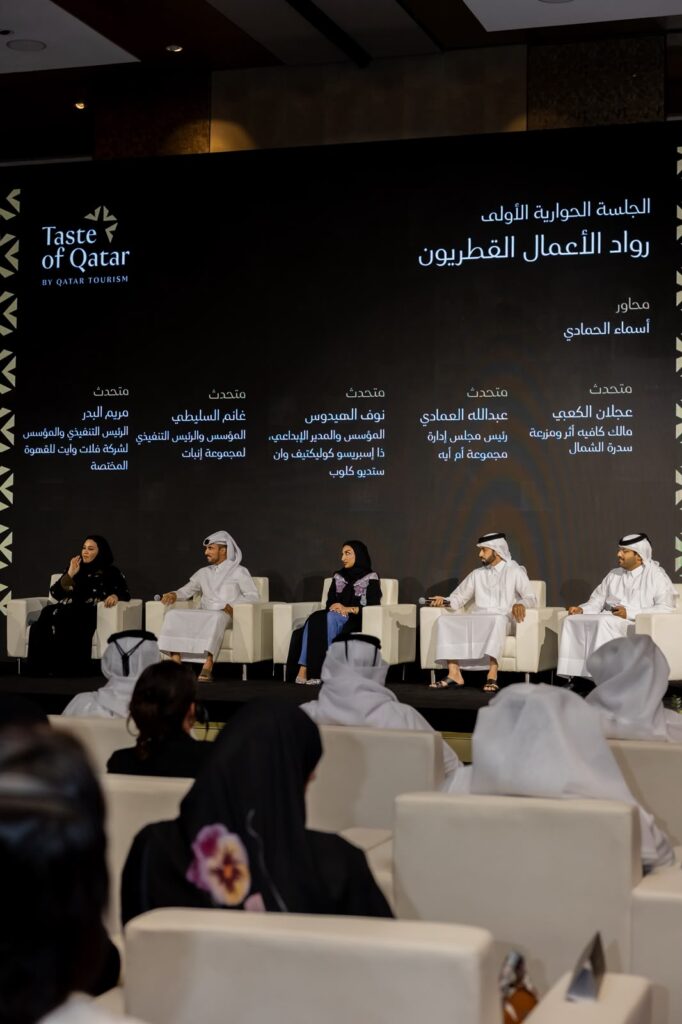
In the presence of HE Saad bin Ali Al Kharji, Chairman of Qatar Tourism, hosted the second session of its “Taste of Qatar: Spotlight on Qatari Entrepreneurs” programme. The event brought together Qatari entrepreneurs and chefs to exchange insights, share experiences and explore opportunities to further advance Qatar’s restaurant and hospitality sector. The session highlighted the contribution of local talent and homegrown brands to Qatar’s evolving culinary landscape, while reinforcing the role of entrepreneurship and innovation in raising sector standards and enriching the visitor experience. Mr. Omar Abdulrahman Al Jaber, Chief of Operations Affairs at Qatar Tourism participated in a dedicated conversation on Qatar Tourism’s vision for the restaurant sector and the role of Qatari entrepreneurs in shaping the country’s culinary offering. He said: “The culinary sector is a genuine expression of Qatar’s identity, culture and time-honoured hospitality, as well as a vital economic sector with promising opportunities for growth and investment. To this end, we are building an integrated ecosystem that supports the sector’s development and instils a culture of excellence, through initiatives and programmes that raise standards of quality and service and enable business owners to develop distinctive, competitive experiences that attract visitors. Qatari restaurants and brands also play an important role in shaping the destination’s story and offering visitors authentic experiences that embody our culture and identity and reflect the wealth of tourism, heritage and cultural assets Qatar has to offer.” Mr. Jassim Al Mahmoud, Director of PR & Communications at Visit Qatar delivered remarks, highlighting the continued development of Qatar’s restaurant and culinary sector. He said: “With this session, we wanted to create a rich space for dialogue and the exchange of views, and to highlight stories of creativity, innovation and entrepreneurship in the restaurant and culinary arts sector. Taste of Qatar, which we launched last year, reinforces this approach by celebrating excellence, encouraging innovation and establishing high-quality standards, helping to elevate the restaurant and hospitality sector and strengthen Qatar’s position as a global culinary destination”. The event featured two panel discussions. The first explored the journey of Qatari entrepreneurs, examining their success stories, the challenges they have navigated and how they have transformed innovative ideas into successful and scalable businesses. The panel brought together Ms. Maryam Al Badr, Founder and CEO of Flat White Specialty Coffee; and Mr. Ghanim Al Sulaiti, Founder and CEO of Inbat Group; Ms. Nouf Al Haidous, Founder and Creative Director of The Espresso Collective and InStudio Club; Mr. Abdulla Al-Emadi, Chairman of MA Group; and Mr. Ajlan Al Kaabi, Founder of Athar Café, Haql Café and Palladium. The second panel, “Qatari Talent”, focused on the contribution of Qatari chefs to preserving the authenticity of local cuisine while introducing contemporary approaches and innovative techniques. Chefs Aisha Al Tamimi, Mohammed Al Abdulla, Noor Al Mazroei and Salman Jaida shared their experiences and perspectives, including international visitors’ responses to Qatari flavours and the role of food in creating cultural connections. The Taste of Qatar initiative reflects Qatar Tourism’s commitment to developing the country’s restaurant and culinary sector as an integral part of the visitor experience. Through the programme, Qatar Tourism is providing a platform to showcase local talent, homegrown brands and Qatar’s distinctive flavours, culture and hospitality to the world.
Imec appoints Dr. Aymen Adam Mohib as Regional Managing Director of imec Qatar
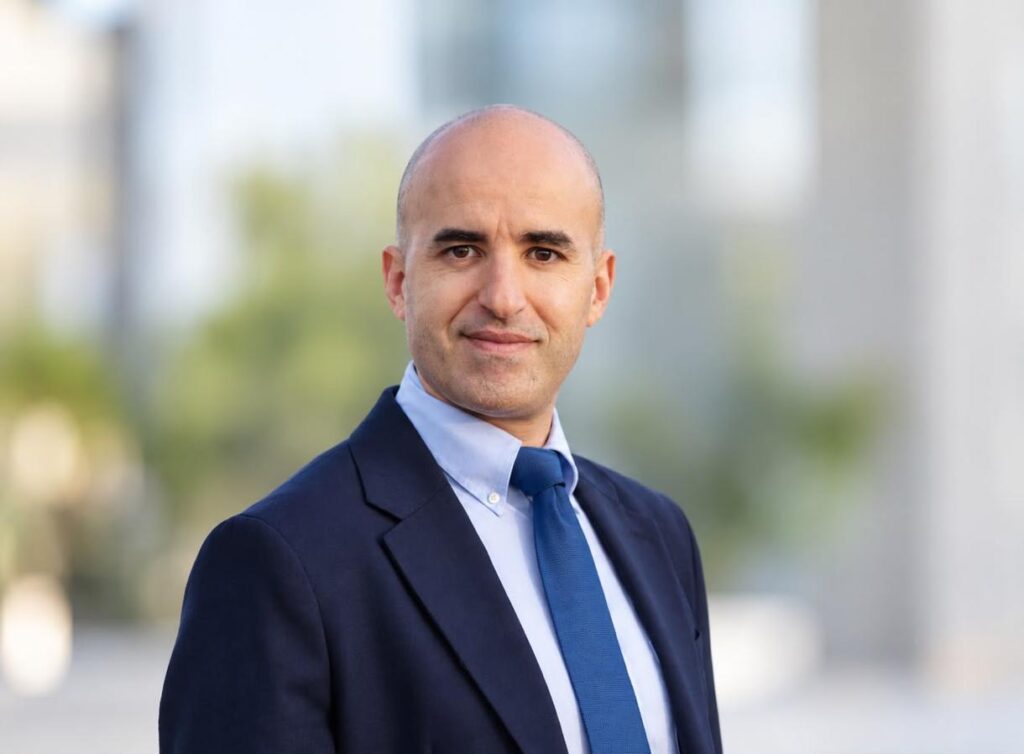
Imec, the world’s leading R&D center for advanced semiconductor technology, has appointed Dr. Aymen Adam Mohib as Regional Managing Director of imec Qatar, effective October 1, 2026. Based at Qatar Science & Technology Park (QSTP), Dr. Aymen Adam Mohib will lead the organization’s operations in Qatar and deepen its engagement across the Middle East.Dr. Aymen brings more than 20 years of leadership experience in strategy, investment, and economic development. Most recently, as a founding executive at Invest Qatar, he led strategic clusters including semiconductors, health and biopharma, and advanced manufacturing. “Dr. Aymen brings the experience and strategic perspective to guide imec Qatar’s next phase of growth, said Patrick Vandenameele, CEO of imec. His appointment reflects our long-term commitment to Qatar and the Middle East. Under his leadership, imec Qatar will deepen strategic partnerships“
Qatar’s export unit value index increases by 17.64 percent in Q2 2026
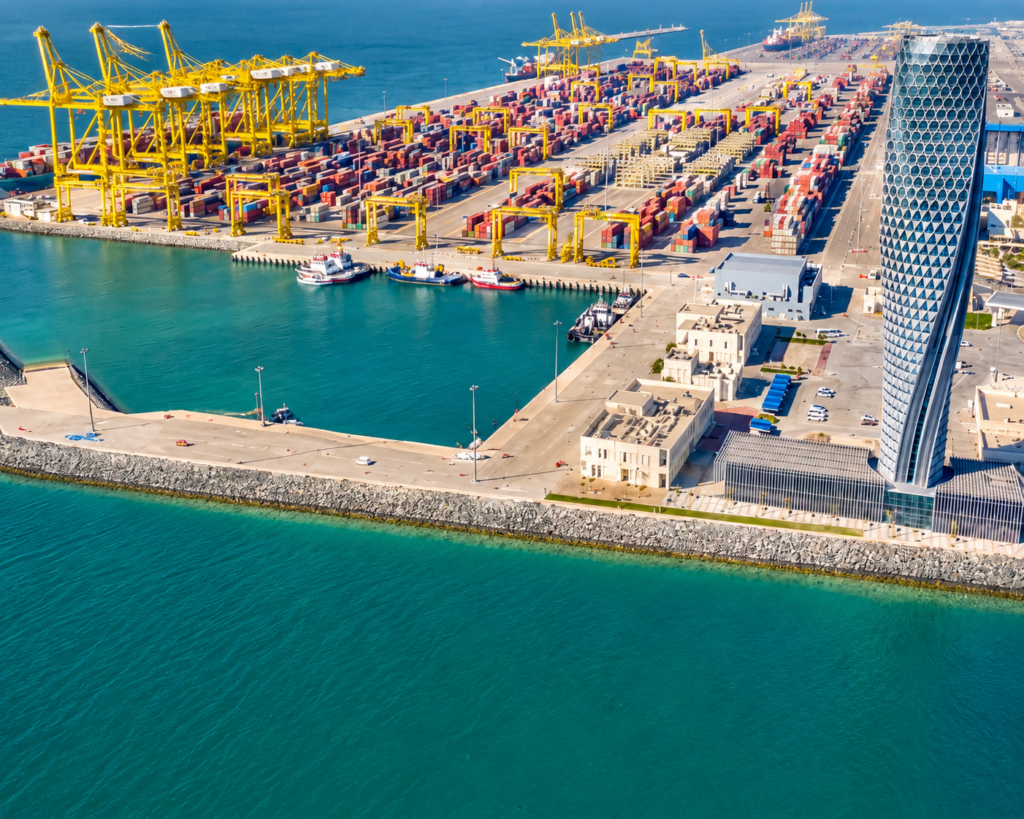
The National Planning Council (NPC) has issued the Export Unit Value Index (EXUVI) for the second quarter of 2026. The index recorded an increase of 17.64 percent compared to the corresponding quarter of 2025 (Q2 2025), and a rise of 6.45 percent compared to the first quarter of 2026 (Q1 2026). The increase reflects higher unit values of exported goods and demonstrates the resilience of the Qatari economy amid international developments, despite regional economic and geopolitical challenges, as well as the associated volatility in global markets and supply chains, said NPC in a press release. Regarding the index composition, each main group is assigned a relative weight based on its value in the base year (2018). The “mineral fuels, lubricants and related materials” group had the largest relative weight at 88.77 percent, followed by “chemicals and related products” at 8.04 percent, while “manufactured goods classified chiefly by material” ranked third at 2.63 percent. Together, these three groups account for approximately 99.5 percent of the total EXUVI weight. The increase in the EXUVI was driven by gains recorded across eight main groups, led by chemicals and related products at 34.73 percent, followed by mineral fuels, lubricants and related materials at 4.25 percent, manufactured goods classified chiefly by material at 3.31 percent, crude materials, inedible, except fuels at 3.14 percent, miscellaneous manufactured articles at 1.92 percent, beverages and tobacco at 1.00 percent, machinery and transport equipment at 0.50 percent, and food and live animals at 0.46 percent. A decrease of 1.00 percent was recorded in only one group commodities and transactions not classified elsewhere in SITC. The animal and vegetable oils, fats and waxes group remained unchanged during Q2 2026. The EXUVI rose by 17.64 percent compared to the corresponding quarter of 2025, driven by increases in six main groups: Chemicals and related products (+35.94 percent), mineral fuels, lubricants and related materials (+16.14 percent), manufactured goods classified chiefly by material (+14.46 percent), crude materials, inedible, except fuels (+7.38 percent), food and live animals (+5.26 percent), and commodities and transactions not classified elsewhere in SITC (+0.56 percent). On the other hand, three groups recorded decreases: beverages and tobacco (-3.52 percent), machinery and transport equipment (-1.45 percent), and miscellaneous manufactured articles (-0.47 percent). Meanwhile, the “animal and vegetable oils, fats and waxes” group remained unchanged. The EXUVI is a key statistical indicator that tracks changes in the unit values of exported goods and provides important insights into foreign trade dynamics and related economic activity. The index is calculated in accordance with the Standard International Trade Classification (SITC Rev. 4), which classifies exports into ten main groups comprising 56 commodities, in accordance with the Harmonized System (HS). The publication of this index falls within the framework of the National Planning Council’s commitment to providing reliable statistical data to support evidence-based decision-making and advance economic and developmental planning in the State of Qatar.
AI is an organic part of businesses, not an add-on
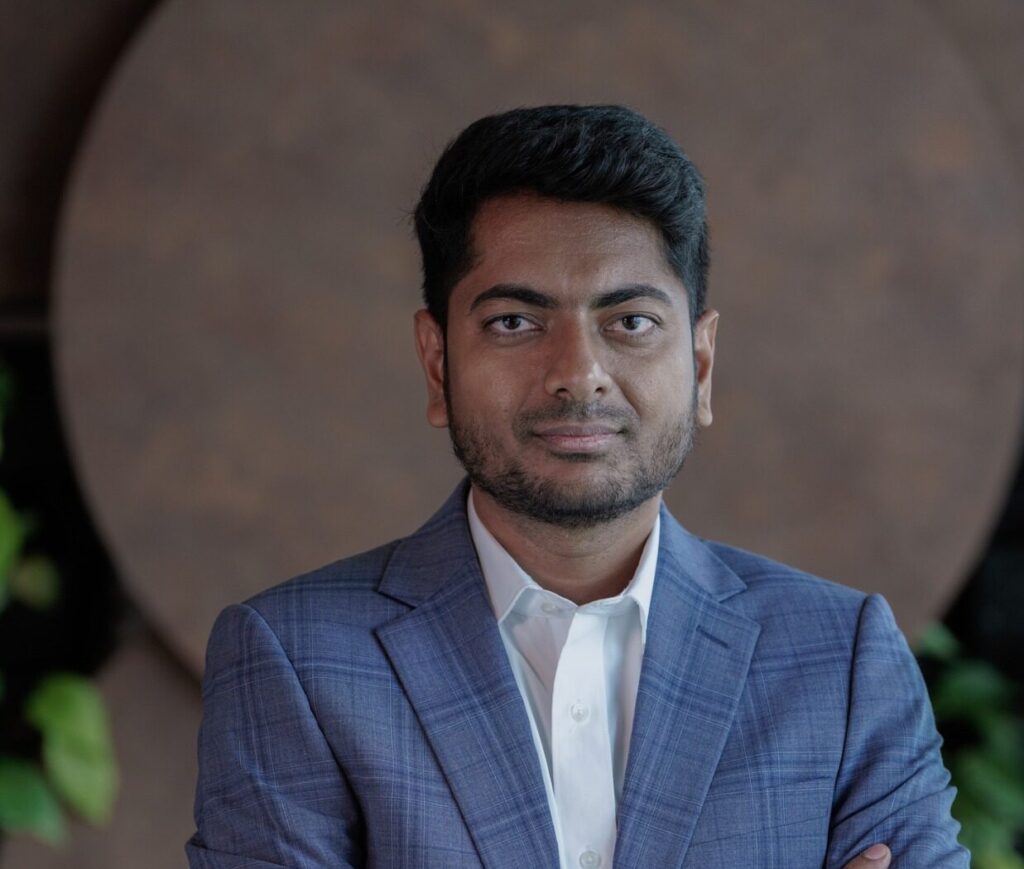
Saran B. Paramasivam, regional director, Middle East & Africa, Zoho, in conversation with Business Leaders ME, sheds light on a swathe of subjects – from productivity to decision intelligence, exploring how organisations across the Middle East are leveraging Artificial Intelligence (AI) to transform business operations, decision-making, and enterprise software, while maintaining responsible AI practices and governance. Paramasivam also examines AI adoption across enterprises and SMEs, regional trends, and the role of AI in supporting national digital transformation initiatives. “An assistant answers when asked. In contrast, an agent acts without being asked, within boundaries that are pre-set. That’s a meaningful shift, and it’s also where the risk conversation gets real. An assistant giving a wrong answer is a nuisance. An agent taking the wrong action, updating a record, sending a payment, changing a customer status, has actual consequences.” “We’ll see less talk about AI as a standalone feature and more about it as infrastructure, something that has to be governed, trusted, and verified, the same way we think about security or compliance today. And I think the businesses that win in this next phase won’t be the ones with the flashiest AI demo, they’ll be the ones who built AI on a foundation they can actually trust and control.” “My path has been unconventional by most standards. I joined Zoho straight out of high school in 2005 as the first student selected into what is now known as Zoho Schools of Learning, so no traditional degree, no conventional route in,” says Saran B. Paramasivam, regional director, Middle East & Africa, Zoho, commenting on his career path. Starting as a software developer, Paramasivam moved into product management, and spent a significant part of his career shaping Zoho Creator, the company’s low-code platform. That experience, according to Paramasivam, gave him a deep understanding of how businesses think about technology and what it takes to translate complex problems into real solutions. Over nearly two decades, Paramasivam’s role evolved across product, customer engagement, and strategy and that journey brought him to where he is today, leading Zoho’s business across the Middle East and Africa as its regional director. “I often say I did not just work for Zoho; I grew up with Zoho. And honestly, that depth of experience is what I bring into every market conversation across the MEA region,” asserts Paramasivam AI in day-to-day decision making of big businesses versus SMEs In the opinion of Paramasivam, for large enterprises, AI has already shifted from a nice-to-have to something embedded in daily decisions, forecasting, resource planning, customer response times. “The difference isn’t whether AI matters, it’s how it’s being adopted. Big businesses often have the budget and internal teams to build custom AI solutions. SMEs don’t have that luxury, so their AI adoption has to come built into the tools they’re already using, not as a separate investment. That’s actually the more interesting story right now: SMEs adopting AI isn’t about” catching up” to enterprise, it’s about accessing the same intelligence without needing enterprise-level resources to get there,” explains Paramasivam How, in Paramasivam’s view, is AI transforming modern business software and enterprise operations? Software used to be a tool one operated, explains Paramasivam. “Now it’s becoming something that operates alongside you. The shift is from static systems where a person has to pull a report, interpret it, and act, to systems that surface the insight and, increasingly, take the next step themselves. The businesses getting real value aren’t the ones bolting AI onto old workflows, they’re the ones rebuilding their operations around the assumption that AI is part of the process, not an add-on to it,” adds Paramasivam. The evolution from AI assistants to AI agents is something integral to Zoho. In the explanation of Paramasivam, an assistant answers when asked. In contrast, an agent acts without being asked, within boundaries that are pre-set. That’s a meaningful shift, and it’s also where the risk conversation gets real. An assistant giving a wrong answer is a nuisance. An agent taking the wrong action, updating a record, sending a payment, changing a customer status, has actual consequences. “So this evolution isn’t just a capability story, it’s a trust and governance story. The businesses moving fastest here are the ones building the guardrails at the same time as the capability, not after. That’s also why, as we build AI agents within Zoho, our approach is governance-first, not capability-first,” opines Paramasivam. Responsible AI strategies alongside privacy and governance The businesses doing this well are treating governance as part of the AI architecture, not a policy document sitting separately from it, explains Paramasivam. “That means permission layers that mirror the organisation’s actual structure, so AI only surfaces what a given person is already cleared to see. It means knowing exactly where data lives and who has access to it. And it means building recovery and accountability into the system from day one, not scrambling to add it after something goes wrong. Responsible AI isn’t a separate initiative from AI adoption, it has to be the same initiative,” mentions Paramasivam. In the region, what kind of evolution have businesses undergone to adopt AI into their day-to-day operations? In the opinion of Paramasivam, the shift being witnessed across the region is from AI being used for specific, isolated use cases to becoming embedded in everyday business operations. Companies are increasingly applying AI across functions, from customer service and sales to finance, HR, and operations, to improve productivity and decision-making. Government-led investment and national AI strategies have helped accelerate this adoption, but the bigger shift is happening at the business level: the conversation is moving from whether to adopt AI to where it can create the most value and how it can be integrated responsibly into the way people already work, describes Paramasivam In explaining the role AI will play in supporting the GCC’s digital transformation ambitions, Paramasivam says, “AI is the layer that makes a lot of the region’s broader digital transformation goals achievable at speed, not just on paper.
British Council, Liberty and Doha Design District Launch “Living in Pattern” Design Exchange
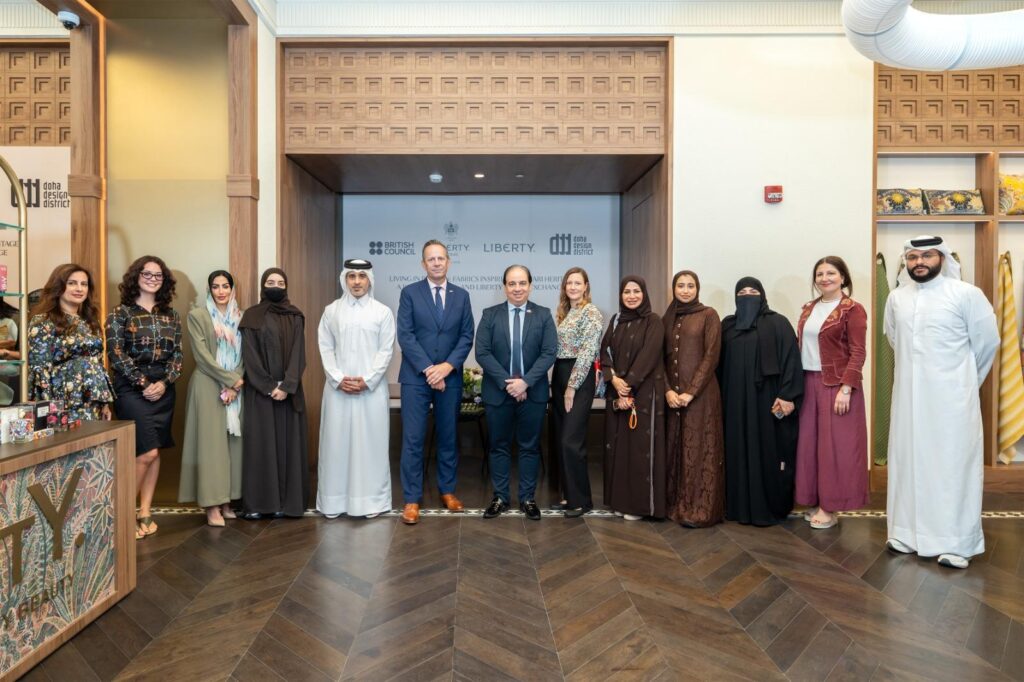
A three-stage residency connecting Qatar-based creatives with Liberty London to transform local heritage into contemporary fabrics Doha, 22 September 2026 — A new creative partnership between Qatar and the UK was formally launched this week. The British Council, Liberty London, Liberty Home Msheireb and Doha Design District (powered by Msheireb Properties) have come together to introduce Living in Pattern: Fabrics Inspired by Qatari Heritage, a residency designed to help emerging local artists and designers turn Qatar’s natural and cultural heritage into contemporary textile design. The launch took place on 22 September with the signing of a strategic partnership agreement at Liberty Home Msheireb. The programme will unfold in three stages: Discover, Develop and Advance. Up to ten Qatar-based creatives will begin with an immersive research phase, exploring the country’s architecture, native flora, marine environments, museums, archives and living cultural traditions. After an assessment, five participants will move into an intensive development stage before taking part in a mentorship residency in London with Liberty’s design team. One of the most significant opportunities within the programme is the chance for up to two original artworks created during the residency to be selected for further development and possible inclusion in Liberty London’s 2028 Interior Fabric Collection. This offers a rare pathway for designs rooted in Qatari heritage to reach international audiences through one of Britain’s most recognised design houses. The residency starts this week with a three-day induction programme. Participants will be introduced to Qatar’s natural history, architectural traditions and design methodologies through guided visits to leading cultural and educational institutions, learning how local heritage, landscapes and visual culture can shape modern textile design. Hassan Al Emadi, Chief Commercial Officer at Msheireb Properties, said:“At Msheireb, we believe that heritage remains one of our greatest sources of inspiration for the future. Through this partnership, we are creating opportunities for emerging creatives to engage deeply with Qatar’s cultural and natural landscapes while connecting them to world-class expertise and international platforms. Living in Pattern reflects Doha Design District’s commitment to supporting talent development, celebrating Qatari identity, and positioning creative industries as an important contributor to a vibrant and knowledge-based economy.” Dr. Waseem Kotoub, Country Director of the British Council Qatar, added:“Living in Pattern reflects the British Council’s commitment to creative skills development and the growth of Qatar’s creative industries. Through collaboration with Liberty and Doha Design District powered by Msheireb Properties, the programme provides designers with access to mentorship, international networks and hands-on learning opportunities that will help them thrive in the evolving creative economy. As we prepare for this year’s Qatar-UK Creative Industries Skills Forum, the residency demonstrates how international partnerships can create meaningful pathways for talent development, creative exchange and long-term sector growth.” Genevieve Bennett, Head of Design for Home & Interiors at Liberty, shared: “Doha represents an exciting new chapter in Liberty’s story. For over 150 years, we’ve been drawn to the meeting of different cultures and ideas, and in its first year Liberty Home Msheireb has become a meeting point between our British creative heritage and the richness of contemporary Qatari culture. Living in Pattern feels like a natural expression of that connection, bringing together the imagination of emerging designers with the wealth of Liberty’s archive, while drawing on Qatar’s culture and visual language, taking something with such a deep history and allowing it to evolve into part of a new creative conversation.” The launch also marks the first anniversary of Liberty Home Msheireb, one year since the British design house opened its first presence in the Middle East. In that time, the space has grown beyond retail into a lively platform for cross-cultural collaboration. By bringing together research, mentorship and genuine creative exchange, Living in Pattern shows how heritage can inspire contemporary design while building lasting creative capacity between Qatar and the UK.
Qatar Real Estate Forum 2026: Key Updates Under PM Patronage
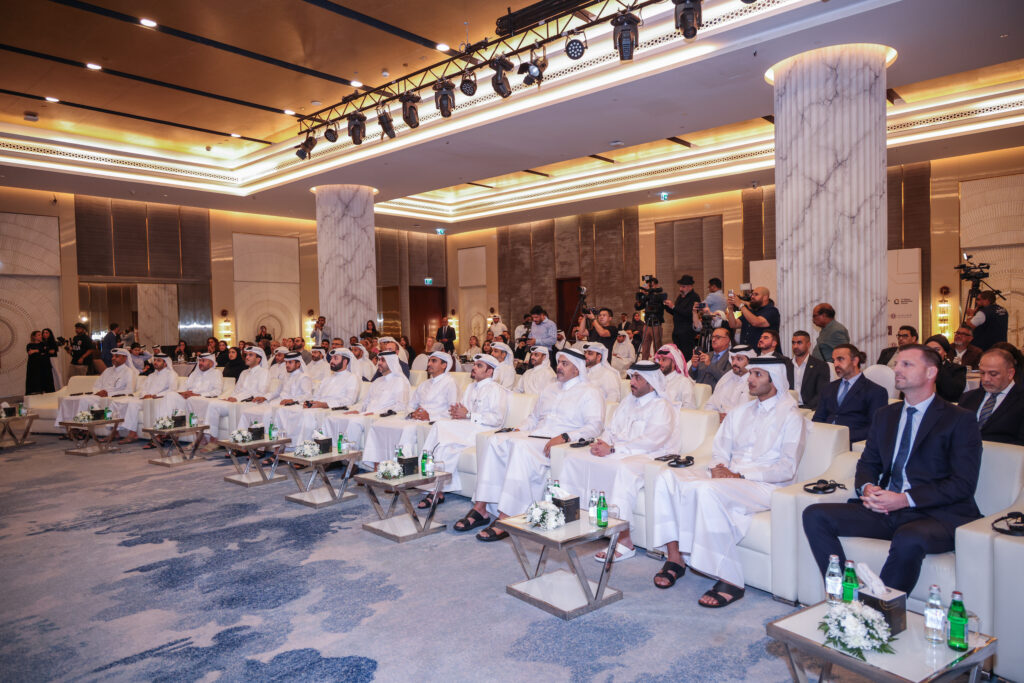
The 4th Qatar Real Estate Forum 2026 is set to take place from October 27 to 29, 2026, at the Doha Exhibition and Convention Center (DECC). Organized by the Real Estate Regulatory Authority (Aqarat) in partnership with Informa Tharawat, the event is held under the patronage of His Excellency Sheikh Mohammed bin Abdulrahman bin Jassim Al Thani, Prime Minister and Minister of Foreign Affairs. It will run alongside Cityscape Qatar, creating a major platform for real estate investment, innovation, and policy discussions in the region. A Transforming Qatar Real Estate Sector Qatar’s real estate market is evolving beyond traditional development, sales, and purchases. It is increasingly viewed as a core pillar of investment, wealth management, and the wider capital ecosystem. The Qatar Real Estate Forum 2026 arrives at a pivotal moment for the industry, aligning with the goals of Qatar National Vision 2030. Key themes for the 2026 forum include: Government leaders, developers, investors, policymakers, and senior decision-makers will gather to explore emerging opportunities, market trends, and the future direction of Qatar’s real estate sector. Leadership Insights on Market Resilience and Growth H.E. Mohammed bin Hassan Al Malki, President of Aqarat, emphasized the forum’s importance amid rapid geopolitical changes. He highlighted the need to strengthen the sector’s resilience and maintain investor confidence in a shifting business and regulatory environment. Wouter Molman, Chief Commercial Officer at Informa Tharawat, noted that the forum helps convert regulatory reforms into tangible market activity. He explained that Aqarat’s regulatory leadership, combined with Cityscape’s global platform, can connect Qatari developers with GCC and international investors, supporting foreign direct investment and Qatar National Vision 2030. H.E. Sheikh Hamad bin Talal Al Thani, CEO of Qatari Diar, stated:“Our sponsorship of the fourth edition of the Qatar Real Estate Forum is a natural extension of our role as a key partner in shaping the future of Qatar’s real estate sector. We believe that our strategic partnership with Aqarat represents an optimal model for integration between the public and private sectors.” Eng. Ahmed Mohamed Al-Tayeb, CEO of Barwa Real Estate Group, reaffirmed the Group’s continued sponsorship. He stressed the value of partnerships, innovation, and an attractive investment climate aligned with Qatar National Vision 2030. Strong Market Performance and Key Reforms Qatar’s real estate sector continues to show solid fundamentals. Transactions reached QAR 10.69 billion (approximately USD 2.9 billion) in the first half of 2026, according to the Real Estate Registration Department at the Ministry of Justice. Data from the Qatar Central Bank’s Financial Stability Review shows that the real estate sector accounted for 6.1% of Qatar’s GDP in December 2025. Real estate credit represented 20% of total domestic credit extended to the private sector by the banking system at the end of 2025. Notable 2025 reforms included: The rental market also delivered strong results in 2025: Real Estate Tokenization Advances in Qatar On August 26, 2026, Qatar’s Council of Ministers approved a draft law regulating real estate tokenization and the trading of real estate tokens, along with its draft executive regulations. This development positions Qatar among the markets actively exploring tokenized real-world assets as a new investment avenue, potentially opening fresh opportunities for both local and international investors. Strategic Partnership with Cityscape Qatar The forum maintains its strategic partnership with Cityscape Qatar. This collaboration aims to strengthen Qatar’s real estate investment environment, enhance governance and transparency, and attract capital through joint platforms that connect regional and global stakeholders. About the Organizers Real Estate Regulatory Authority – AqaratAqarat regulates, stimulates, and develops Qatar’s real estate sector in line with Qatar National Vision 2030. It develops policies and regulatory frameworks, oversees compliance and licensing, protects stakeholder rights, and builds investor confidence. Qatar Real Estate ForumThe Qatar Real Estate Forum is a leading regional platform for dialogue on the future of real estate. Its fourth edition will bring together government leaders, investors, developers, policymakers, and experts at the Doha Exhibition and Convention Center from October 27 to 29, 2026. Event at a Glance
Baraha Ramadan Nights at Mandarin Oriental, Doha: A Refined Culinary Journey in the Heart of Msheireb

Mandarin Oriental, Doha has unveiled Baraha Ramadan Nights — an elevated Iftar and Suhour experience set beneath the open-air ambience of Barahat Msheireb, offering guests a sophisticated setting to embrace the spirit and traditions of the Holy Month. Blending Qatari hospitality with Mandarin Oriental’s signature culinary excellence, Baraha Ramadan Nights brings together the warmth of Ramadan gatherings and the artistry of world-class gastronomy. Families and friends are welcome to enjoy a generous culinary experience featuring traditional Ramadan favourites and contemporary dishes prepared across 14 live cooking stations, showcasing flavours from the region and beyond. A Thoughtfully Curated Iftar & Suhour Guests are invited to break their fast with an abundant spread of classic Ramadan specialities and signature dishes from the hotel’s acclaimed dining venues. The atmosphere at Barahat Msheireb — elegant, serene, and open-air — creates an ideal setting for meaningful conversations, connection, and reflection. A Signature Ramadan Cake from The Mandarin Cake Shop Adding a refined touch to the season, The Mandarin Cake Shop introduces a standout creation from The Heritage Cake Collection:a pistachio dacquoise layered with pistachio namelaka and Medjool date crémeux, crafted as an elegant centrepiece for Ramadan gatherings. The cake is available for pre-order at QAR 350. Ramadan Retreat Package For guests seeking tranquillity during the Holy Month, Mandarin Oriental, Doha presents a peaceful Ramadan Retreat Package. The experience includes: Wellness & Inner Harmony at The Spa The Spa’s Resilience & Self-Love Retreat offers a sanctuary for mindfulness and renewal.This two-hour immersive experience (QAR 1,600) includes: Reservations For bookings and full Ramadan offerings, visit:https://www.mandarinoriental.com/en/doha/msheireb/ramadanor call +974 4008 8888.
QIA and Goldman Sachs Sign Landmark MoU Targeting $25 Billion Investment, Strengthening Qatar’s Global Financial Influence
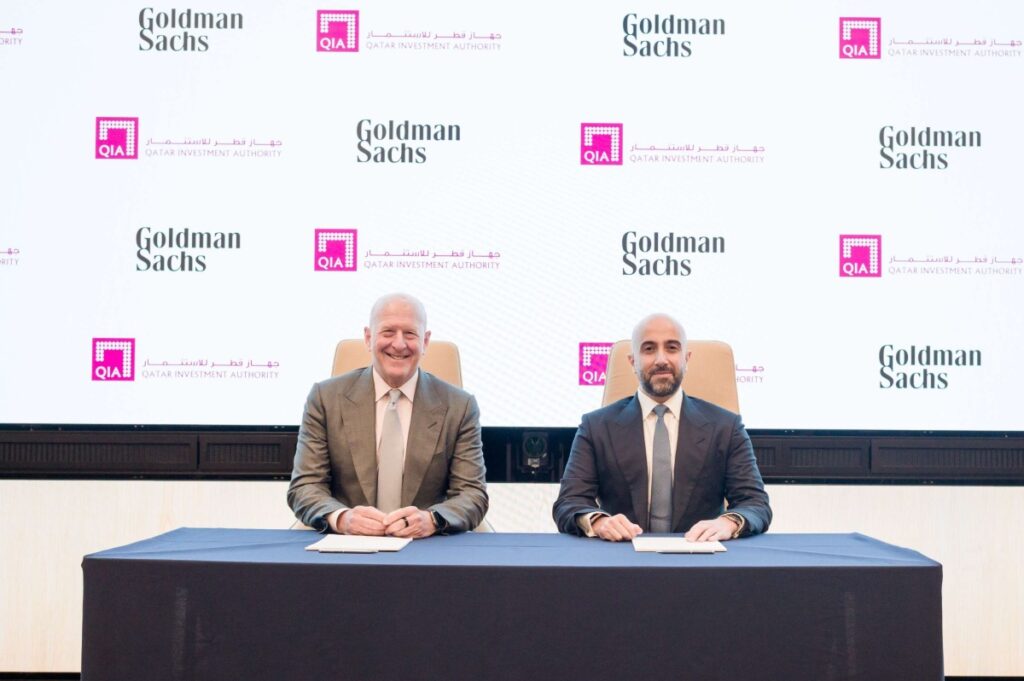
In one of the most significant financial announcements of 2026, the Qatar Investment Authority (QIA) and Goldman Sachs Asset Management have signed a major Memorandum of Understanding (MoU) aimed at expanding their strategic partnership and unlocking a combined investment target of $25 billion. The agreement marks a pivotal moment for Qatar’s growing stature as a regional and global financial hub, reinforcing the nation’s long-term strategy to drive economic diversification, attract foreign investment, and strengthen private-sector growth. According to a statement released by QIA, the sovereign wealth fund intends to commit capital across Goldman Sachs’ flagship funds, innovative alternative investment strategies, and selected co-investment opportunities. The partnership expands QIA’s role as an anchor investor across multiple Goldman Sachs Asset Management platforms, giving Qatar preferential access to global deal flow in future-forward sectors, including: This move solidifies Qatar’s position as a leading institutional investor in high-growth global markets. As part of the expanded cooperation, Goldman Sachs will enhance its presence in Doha, building out its capabilities as a strategic asset management hub for the region. Through its global Value Accelerator network, Goldman Sachs will support Qatar in: This partnership aligns closely with Qatar’s ambitions to become a regional leader in alternative investments, innovation-led industries, and financial services. Commenting on the agreement, Mohammed Saif Al Sowaidi, CEO of QIA, highlighted the strategic importance of the collaboration: “QIA is pleased to partner with Goldman Sachs in this landmark agreement. It provides QIA with premium deal flow in sectors critical to our investment strategy, including AI, fintech, digital infrastructure and private credit. This partnership extends beyond capital deployment and reinforces Doha’s position as a regional financial center.” He further noted that Goldman Sachs’ commitment to expanding its Doha presence will support job creation, specialized skills development, and long-term economic value for Qatar. David Solomon, Chairman and CEO of Goldman Sachs, emphasized Qatar’s strong momentum: “Qatar is on an exciting path of economic diversification, developing its capital markets, strengthening its talent base, and expanding its ecosystem of national champions. This creates substantial opportunity to widen Qatar’s global connectivity and impact as a multi-faceted investment partner.” Goldman Sachs stands among the world’s leading alternative investment managers, with: Its Value Accelerator Network will now work closely with Qatari institutions and the wider ecosystem to build enduring, globally competitive businesses. The QIA–Goldman Sachs MoU represents more than a financial partnership—it positions Doha as a rising global center for asset management, sovereign investment, and cross-border financial collaboration. With a $25 billion target fueling this strategic alliance, Qatar is poised to accelerate high-impact investments and strengthen its role in shaping the future of global finance.
QSTP and Merck Launch FemTech Accelerator to Advance Women’s Health Innovation Across MENA
Qatar Science & Technology Park (QSTP), a member of Qatar Foundation, has announced a strategic partnership with Merck to launch the QSTP x Merck FemTech Accelerator—a landmark initiative aimed at accelerating innovation in women’s health across the Middle East and North Africa. The dedicated accelerator will identify and support up to 30 FemTech startups developing deep-tech, impact-driven solutions addressing critical unmet needs in women’s health. The programme focuses on advanced technologies, including artificial intelligence, robotics, and materials science, supporting startups from early validation through to commercial expansion. Selected companies will gain access to QSTP’s innovation ecosystem and Merck’s global scientific and healthcare expertise, benefiting from curated mentorship, clinically aligned pilot opportunities, and structured market-entry pathways into Qatar, with scalability across regional and international markets. The accelerator is designed not only to support individual ventures, but also to generate measurable, trackable impact at scale, aligned with Qatar Foundation’s mission to improve health outcomes for women. Through a multi-country approach, the accelerator enables FemTech solutions to be piloted, validated, and adopted across multiple markets, addressing women’s health challenges at both regional and global levels. Startups will also engage with key stakeholders from Qatar’s healthcare ecosystem, including clinicians, regulators, investors, and innovation leaders. Commenting on the launch, Rama Chakaki, President of QSTP, said the accelerator reflects QSTP’s commitment to inclusive innovation and scalable impact. Meanwhile, Ahmed Aboelfadl, General Manager Gulf at Merck, highlighted the urgent need to address women’s health gaps through science- and technology-led solutions. The programme includes an intensive two-week immersion in Doha, equipping founders with market insights, regulatory understanding, and commercial readiness. Together, QSTP and Merck aim to position Qatar as a regional and global hub for women’s health innovation, advancing one of the fastest-growing sectors in global health technology.
Msheireb Museums Hosts Screening of Australian–Qatari Pearling Documentary Al Nayla

Msheireb Museums, in collaboration with Qatar Television and the Australian Embassy in Doha, hosted a special screening of the documentary Al Nayla: A Journey to the Depths of Sea and the Secrets of Extracting Oysters and Pearls from the Coast of Australia. Held at Stories in Msheireb Museums, the event brought together diplomats, cultural leaders, and members of the public to explore the deep historical ties between Qatar and Australia through the pearling industry. The documentary traced the evolution of Western Australia’s pearling sector, documenting traditional pearl diving practices, the transition to cultured pearls, and the families who shaped the industry over generations. Through archival footage and expert interviews, Al Nayla illustrated how technological and economic shifts transformed a regional trade into a globally significant industry—mirroring similar developments in the Gulf. The screening carried strong diplomatic significance, attended by Dick Milton, Speaker of the Australian House of Representatives; Shane Flanagan; senior leadership from Qatar Television; and members of the diplomatic community. Their presence highlighted the enduring cultural and historical links between the two nations. Commenting on the occasion, Abdulla Al Naama, General Manager of Msheireb Museums, noted that the film created a natural dialogue between Qatar’s pearling legacy and international maritime histories—expanding audiences’ understanding of how the sea shaped societies across continents. Australian Ambassador Shane Flanagan described the documentary as a reminder of the human stories connecting Australia and Qatar, particularly as both nations celebrate a decade of diplomatic presence. Meanwhile, Ali Saleh Al-Sada, Director of Qatar Television, emphasised the importance of placing the film within Msheireb Museums, where Qatar’s pearling heritage is already preserved and interpreted. Through Al Nayla, Msheireb Museums reaffirmed its role as a platform for cultural dialogue—using history, storytelling, and shared heritage to strengthen international understanding and collaboration.