

How AI Agents Can Power Qatar’s Next Wave of Institutional Innovation
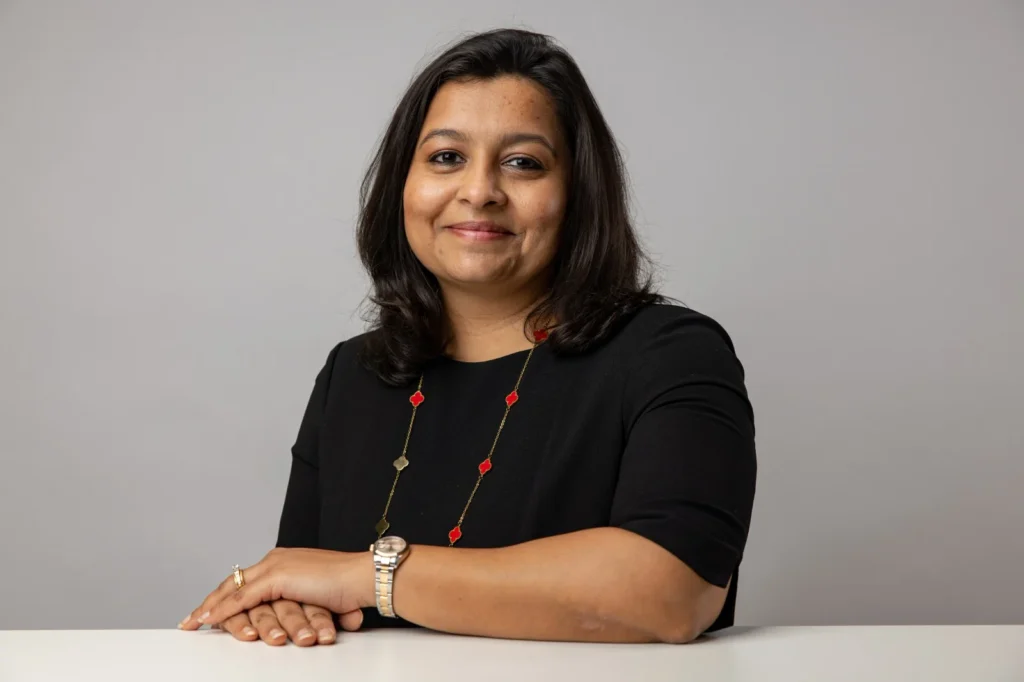
Qatar is not just adopting the future — it is actively designing it. From smart stadiums to world-class digital government platforms, Qatar has consistently transformed bold ambitions into operational realities. As Artificial Intelligence evolves beyond experimentation into everyday institutional use, Qatar is poised for its next major leap: agentic AI. What Is Agentic AI? Unlike traditional AI, which primarily offers insights and predictions, agentic AI functions like a team of digital colleagues. These AI agents coordinate tasks across departments, trigger workflows, monitor performance, and adapt in real time — all within human-defined guardrails. For Qatar’s public sector, financial institutions, energy leaders, and large enterprises, this translates into: Faster, more efficient services Smarter, data-driven decisions More resilient and adaptive operations Automated compliance and end-to-end citizen journeys Continuously optimised assets and early warning systems for policy and operational risks Qatar’s Unique Advantage Qatar’s edge lies not only in its speed of AI adoption but in its institutional quality — supported by nationally aligned priorities, strong cloud and data foundations, and a long-term vision for innovation. However, agentic AI is not a plug-and-play technology. It represents a fundamental operating model upgrade. Institutions must: Define clear roles and boundaries for AI agents Set access and decision rights with precision Ensure transparency, auditability, and security by design Build robust data readiness and modern AI-native architectures Align responsible AI governance with Qatar’s regulatory environment and public trust Innovation in Action A compelling example of this transformation is the Silicon to Service initiative, powered by Dell and NVIDIA. This programme provides the advanced infrastructure and integrated capabilities needed to accelerate AI adoption while maintaining data sovereignty — helping organisations across the region harness AI’s potential responsibly. One standout collaboration involves a world-first Equestrian AI judging application developed with a Qatar-based company. This agentic system autonomously evaluates, adjudicates, and learns — reducing human bias and removing the need for manual judging. It is a powerful demonstration of what agentic AI can achieve when applied to real-world challenges. Building Qatar’s AI-Ready Future With a strong local presence and deep sector expertise, Deloitte has been actively supporting Qatar’s journey from AI experimentation to full institutionalisation. Working closely with technology partners, policymakers, and institutional leaders, the focus remains on: Building agent-ready platforms Prioritising high-impact use cases Creating scalable, responsible AI solutions Agentic AI stands to be the catalyst that transforms Qatar’s vision into a new global benchmark for modern governance and enterprise — illustrating, in the most tangible terms, how AI agents can power Qatar’s next wave of institutional innovation. Aditi Nitin is a Partner at Deloitte leading the AI & Data practice in the Middle East. With over 22 years of experience across the UK, Europe, and the Middle East, she advises clients on data and AI-driven transformation to support growth.
Sony and Modern Home Launch WF-1000XM6 Earbuds in Qatar
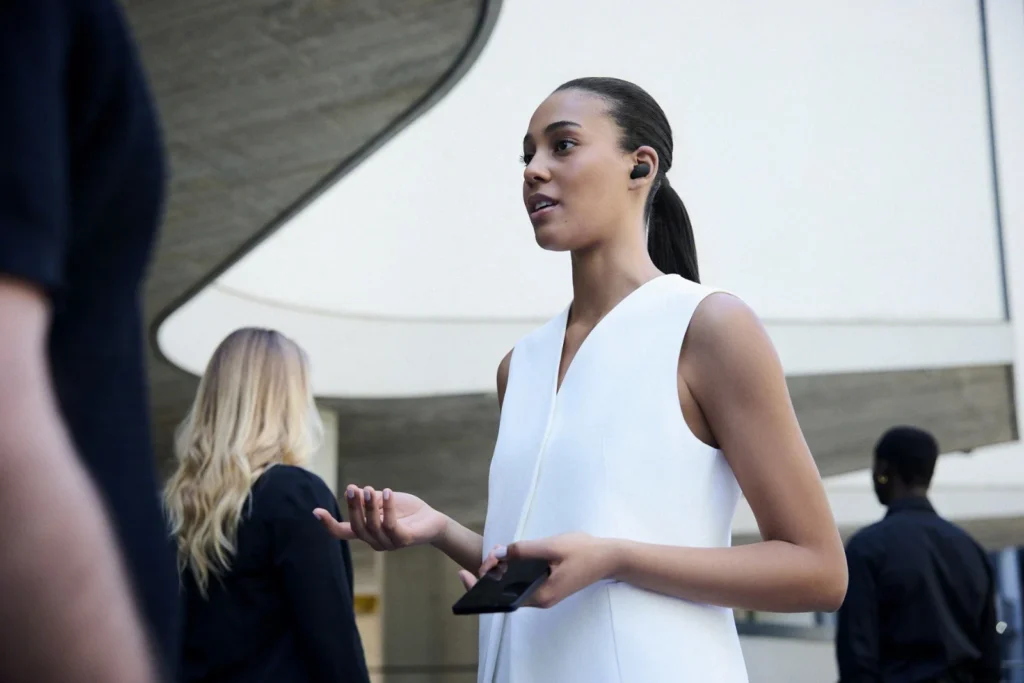
New flagship earbuds brought advanced noise cancelling, premium sound, and improved comfort to the local market Sony, represented in Qatar by Modern Home, launched its new WF-1000XM6 truly wireless earbuds, introducing the latest generation of its acclaimed 1000X audio range to the Qatar market. The launch also included a new Sand Pink colourway for the WH-1000XM6 wireless over-ear headphones, expanding Sony’s premium personal audio portfolio in the country. The new earbuds arrived as Sony continued to strengthen its position in the premium audio segment, with the WF-1000XM6 designed to deliver stronger noise cancelling, clearer sound, enhanced call quality, and a more refined ergonomic fit compared to the previous-generation WF-1000XM5. In Qatar, the new products became available through Modern Home at Al Maha Center on Salwa Road, as well as Fnac stores at Lagoona Mall, Doha Festival City, and Place Vendôme, alongside other major electronics retailers. A key highlight of the WF-1000XM6 was its upgraded noise cancelling capability. Sony stated that the earbuds delivered a 25 percent further reduction in noise compared to the predecessor model, particularly improving performance in mid-to-high frequency environments such as cafés and public transport. The earbuds featured the HD Noise Cancelling Processor QN3e, supported by four microphones and Sony’s Integrated Processor V2, enabling more precise real-time analysis of environmental noise and fit conditions. Sony also focused heavily on sound performance. The WF-1000XM6 combined dual processors, enhanced DAC amplifier performance, and a newly developed driver unit to create a richer and more detailed listening experience. The earbuds supported Hi-Res Audio Wireless, DSEE Extreme, 360 Reality Audio, head tracking, and a 10-band EQ adjustable through the Sony Sound Connect app, offering users more control over their listening preferences. To refine the audio signature further, Sony worked with a group of Grammy-winning and Grammy-nominated mastering engineers, including professionals associated with artists such as Ed Sheeran, Rihanna, Lady Gaga, Bob Dylan, and Alicia Keys. This collaboration reflected Sony’s continued emphasis on reproducing music as closely as possible to the creators’ original intent. For voice calls, the earbuds were equipped with two microphones and a bone conduction sensor on each side, supported by an AI beamforming noise reduction algorithm. This system was developed to isolate the speaker’s voice more accurately, even in crowded or noisy settings. Sony also introduced notable design improvements in the new model. The WF-1000XM6 featured a body approximately 11 percent slimmer than its predecessor, helping it sit more naturally in the ear for extended wear. A revised ventilation structure was also added to reduce internal noises such as footsteps and chewing sounds, contributing to a more comfortable daily listening experience. On the connectivity and convenience front, the earbuds included support for LE Audio, improved antenna design for more stable connections, and compatibility with Google Gemini for hands-free assistance. Battery performance offered up to 8 hours of listening on a single charge and up to 24 hours with the charging case, with support for wireless charging through Qi technology. Sony also highlighted its sustainability efforts, stating that approximately 25 percent circular material was used in the plastics allocated to the WF-1000XM6, while the packaging was designed to be plastic-free. Alongside the earbuds, Sony introduced the Sand Pink version of the WH-1000XM6 headphones, reflecting the growing demand for headphones that combined premium sound with lifestyle-driven design. The new shade joined the existing Black, Platinum Silver, and Midnight Blue options. With this launch, Sony and Modern Home further expanded Qatar’s access to high-end consumer technology, targeting users seeking premium audio performance, comfort, and design in one package. In a market where lifestyle, mobility, and innovation continued to shape consumer demand, the arrival of the WF-1000XM6 reinforced Sony’s ambition to stay ahead in the premium wireless audio category.
Ooredoo Qatar Showcased AI-Powered Creative Innovation at MWC Barcelona 2026
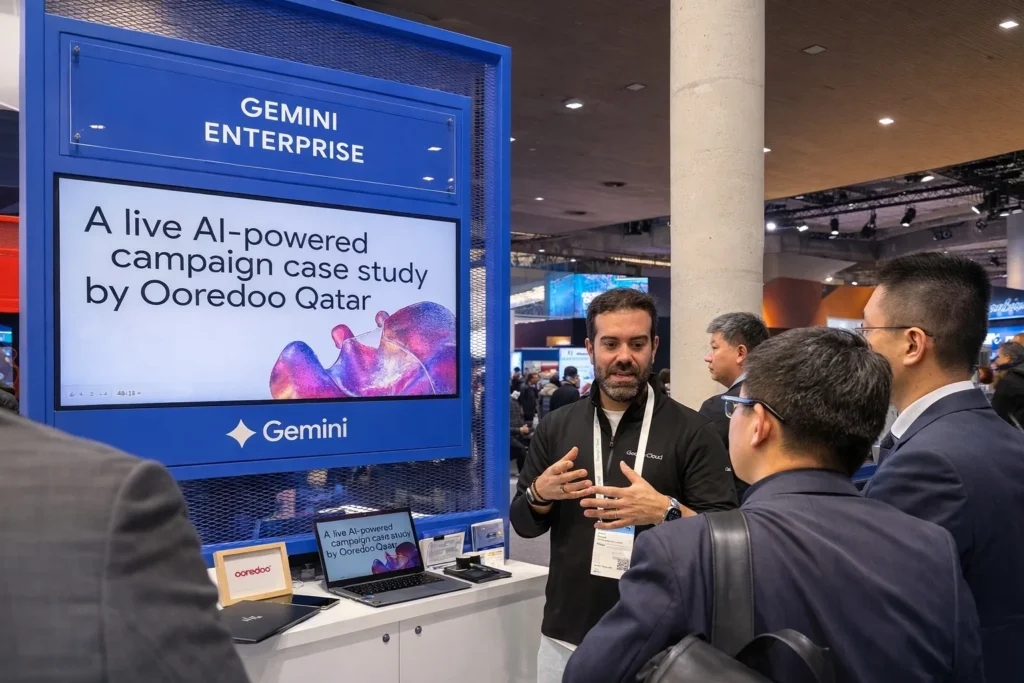
Ooredoo Qatar reinforced its position as a regional technology leader by showcasing a live demonstration of its AI-augmented creative workflow at the Google Cloud booth during Mobile World Congress Barcelona 2026. The showcase took place at Hall 2, Stand 2H40, where Google Cloud presented its latest artificial intelligence capabilities to the global telecom and digital innovation community. The demonstration highlighted how Ooredoo Qatar is integrating Google Cloud’s advanced AI and generative media tools into its marketing and creative operations. Building on its wider adoption of Gemini Enterprise and Google’s creative AI models, Ooredoo illustrated how it is transforming the entire campaign process, from initial ideation through to execution, while improving productivity, accelerating delivery, and optimising costs. Redefining the Creative Workflow At the centre of the demonstration was Ooredoo Qatar’s move away from traditional, resource-heavy production models toward a faster, more agile, AI-enhanced approach. By integrating Gemini Enterprise into its internal processes, the company is streamlining end-to-end creative operations and enabling quicker ideation, smarter collaboration, and the rapid scaling of localised content. Ooredoo Qatar also showcased how Google’s generative media tools are helping bridge the gap between concept and execution. Through the use of Veo and Imagen, the company demonstrated the ability to create high-fidelity video and image content aligned with brand standards and produced with cinematic precision. In addition, Nano Banana was presented as a tool for sophisticated text-to-image generation, advanced image editing, complex visual compositions, and style transfer, allowing marketing assets to be refined in seconds rather than days. Faster Campaigns, Smarter Execution The live showcase focused on four key pillars of Ooredoo Qatar’s creative transformation. The first was accelerated go-to-market, showing how campaigns that once required months of planning, filming, and post-production can now be delivered in a matter of days. The second was the instant creative brief, where AI-powered storyboarding and rapid editing tools dramatically shortened the journey from concept approval to execution. The third pillar was production-grade sophistication, as attendees witnessed how premium-quality visuals could be developed through a streamlined digital workflow without the need for complex logistics or large-scale production budgets. The fourth was cost optimisation and productivity, with Ooredoo demonstrating how automation has enabled internal teams to shift their focus from repetitive manual tasks to higher-value strategic and creative decision-making. A Milestone for Qatar’s Digital Innovation Story The MWC Barcelona 2026 showcase underlined Ooredoo Qatar’s commitment to deploying practical, real-world AI applications within the telecommunications sector. It also reflected the company’s broader collaboration with Google Cloud, which has expanded in recent years to support data analytics, customer experience, workflow innovation, and new digital capabilities across the business. By presenting this use case on a global stage, Ooredoo Qatar not only demonstrated the future of AI-led marketing but also reinforced Qatar’s growing standing as a hub for digital transformation, advanced connectivity, and next-generation innovation. This showcase marked more than a technology demonstration; it positioned Ooredoo Qatar as a frontrunner in redefining how telecom brands can create, scale, and deliver content in the AI era.
Brookfield and QAI Form $20 Billion Strategic Investment Partnership for AI Infrastructure

A landmark joint venture set to strengthen Qatar’s position as a regional hub for artificial intelligence, digital infrastructure, and innovation-led growth Brookfield, a leading global alternative asset manager headquartered in New York, and Qai have announced a landmark strategic partnership to establish a US$20 billion (QR72.8 billion) joint venture focused on developing AI infrastructure in Qatar and selected international markets. Under the partnership, Brookfield and Qai will contribute both capital and operational expertise to invest in advanced AI infrastructure across Qatar, including the development of fully integrated AI facilities designed to support the country’s rapidly expanding digital and artificial intelligence ecosystem. The initiative is expected to benefit from strategic support from the Government of Qatar, particularly in building the skills base and supply chain capabilities required to underpin the next generation of AI infrastructure and accelerate the adoption of artificial intelligence across the country. The US$20 billion joint venture is poised to play a central role in supporting Qatar’s ambition to become a leading hub for AI services and infrastructure in the Middle East. At the heart of the initiative will be an Integrated Compute Centre, which will expand regional access to high-performance computing and enable the deployment of trusted AI technologies across key sectors. Beyond Qatar, Brookfield and Qai will also explore opportunities to co-develop and construct AI infrastructure in selected international markets, extending the reach of the partnership and positioning it as a significant player in the global AI ecosystem. Brookfield and its partners plan to invest in the venture through the recently launched Brookfield Artificial Intelligence Infrastructure Fund (BAIIF). The partnership with Qai will serve as a cornerstone of Brookfield’s wider global AI infrastructure strategy, which aims to mobilise up to US$100 billion (QR364 billion) in total investment worldwide. Commenting on the announcement, Mohammed Saif Al Sowaidi, CEO of QIA, said:“QIA has been at the forefront of driving advancement through our AI investments. This joint venture is testament to QIA’s commitment to delivering both local and global impact. Leveraging on the long-term partnership we have with Brookfield, this JV will advance Qatar National Vision 2030 and help build a diversified, innovation-based economy for future generations.” Abdulla Al Misnad, Chairman of Qai, described the partnership as an important step in the nation’s digital transformation journey.“This partnership with Brookfield marks an important milestone in Qatar’s journey to build world-class AI infrastructure and capabilities. By leveraging Brookfield’s expertise in developing and managing critical infrastructure alongside Qai’s mission to deliver trusted AI solutions, we are creating a robust platform to drive responsible AI adoption.” He added:“This collaboration will not only attract investment and top-tier talent, but also strengthen Qatar’s position as a trusted hub for advanced digital technologies in the region and beyond.” Bruce Flatt, CEO of Brookfield, also underscored the significance of the venture, saying:“Qatar has a clear ambition to lead in AI and next-generation digital infrastructure. We are pleased to announce our inaugural AI infrastructure investment in the Middle East alongside Qai. This partnership combines Qatar’s strategic vision with Brookfield’s global expertise in developing and operating large-scale, mission-critical infrastructure with global partners.” He continued:“Together, we look forward to building an integrated AI ecosystem that will accelerate innovation, deepen regional capability, and support the responsible deployment of advanced AI technologies across the Middle East.” This strategic partnership reflected a major milestone in Qatar’s ongoing drive to diversify its economy, strengthen its digital capabilities, and position itself at the forefront of emerging technologies. With substantial investment, international expertise, and national support aligned behind the initiative, the Brookfield-Qai venture signalled a bold step toward shaping the future of AI infrastructure in Qatar and beyond.
How AI Is Changing the Qatar Business Ecosystem

Artificial intelligence is no longer a future-facing talking point in Qatar; it is becoming part of the country’s operating model for government, finance, telecoms, media, transport, and startup development. Qatar’s policy direction has been clear for several years. The country’s National Artificial Intelligence Strategy set out a vision for AI to become pervasive across “life, business and governance,” while the newer Digital Agenda 2030 positioned automation and AI as core tools for digital government and economic transformation. MCIT has since moved from strategy to execution through its GovAI Program, which reviews, deploys, and scales AI use cases across government entities. The biggest players are now visible. On the public side, MCIT is the lead body for policy and implementation. In late 2025, it also launched a national AI-powered decision-support initiative with the National Planning Council and Scale AI to improve planning, forecasting, and policy analysis. In research, HBKU’s Qatar Computing Research Institute (QCRI) remains one of the country’s most important AI engines; it helped develop the national AI strategy and continues to build capabilities in Arabic language, data science, and applied AI. On the commercial side, the infrastructure layer has strengthened materially. Google Cloud’s Doha region has become a major pillar of Qatar’s AI-readiness, with Google saying the investment is expected to contribute $18.9 billion in cumulative economic activity to Qatar between 2023 and 2030 and support more than 25,000 jobs in 2030. Google also highlighted AI and cloud use cases in Qatar involving Ooredoo Qatar, Qatar University, Milaha, Al Jazeera, PHCC, Awqaf, Qatar Post, and others. Meanwhile, Microsoft Qatar has remained deeply involved in the country’s digital transformation agenda, and QDB signed cooperation agreements in 2025 with Microsoft Qatar, Alchemist Accelerator, and Builder.ai to strengthen startup enablement. In enterprise adoption, the signals are increasingly concrete. QNB said in November 2025 that it was advancing AI-driven financial services and AI governance as part of its digital transformation roadmap. MEEZA, one of Qatar’s key managed IT and data-centre operators, reported QR 403.3 millionin revenue in 2025 and highlighted continued growth in data-centre and managed-services demand, the backbone capacity on which AI adoption depends. So where does Qatar stand? It is not yet an AI heavyweight on the scale of the US, China, or the UAE, but it is no longer in the experimentation stage. QDB’s 2025 sector report described Qatar’s AI market as still nascent yet projected it to reach QAR 1.55 billion in 2024 and grow at roughly 28.66% CAGR through 2030; another QDB summary said the market could expand from QAR 2 billion in 2024 to QAR 7 billion by 2030. Add to that Qatar’s ethics framework for AI, issued by MCIT in late 2024, and the picture becomes clearer: Qatar is building an AI ecosystem that is structured, government-backed, cloud-enabled, and increasingly commercial. For Qatar business, the implication is straightforward: AI is no longer confined to innovation labs. It is becoming part of how Qatar plans, regulates, finances, serves customers, and competes. That is what makes this moment significant for business news in Qatar, the Qatar market, and the next phase of investment in Qatar.
How Qatar National Vision 2030 Is Shaping Business

Qatar National Vision 2030 has been one of the most important forces behind the country’s business transformation. Published as the State’s long-term development framework, it set out the ambition of building “an advanced society capable of achieving sustainable development” and rests on four pillars: human, social, economic, and environmental development. For the private sector, that mattered because it shifted the national conversation from simple growth to sustainable, diversified, and knowledge-based economic expansion. That vision is now being translated into measurable business outcomes through the Third National Development Strategy 2024–2030 (NDS3), the final implementation phase of QNV 2030. NDS3 sets concrete targets that directly affect the business environment, including 4% annual non-hydrocarbon GDP growth, 2% annual labour productivity growth, USD 100 billion in net FDI, and R&D spending equal to 1.5% of GDP by 2030. In practice, this means Qatar is using policy not only to grow the economy, but to improve competitiveness, innovation, and private-sector performance. The business impact is also visible in sector strategy. Invest Qatar said the country launched a $1 billion incentives programme in May 2025 to support both foreign and local investment, with financial support of up to 40% of eligible local investment expenses under targeted packages. That move aligned with Qatar’s wider goal of attracting capital into sectors beyond hydrocarbons. At the same time, the Digital Agenda 2030 has linked technology directly to economic performance. MCIT said the agenda is intended to build a thriving digital economy and improve business outcomes through stronger digital infrastructure, innovation, and easier ways of doing business. Its strategic linkage to Qatar National Vision 2030 was also formally highlighted by the ministry. The larger takeaway for Qatar business is clear: QNV 2030 is no longer just a national aspiration. It is actively reshaping investment policy, digital transformation, productivity targets, and the conditions under which businesses in Qatar grow and compete
Qatar Unveils Major Tech & Investment Reforms as Prime Minister Opens Web Summit Qatar 2026

Qatar’s ambition to become a leading global technology and innovation hub accelerated yesterday as HE Sheikh Mohammed bin Abdulrahman bin Jassim Al Thani, Prime Minister and Minister of Foreign Affairs, officially inaugurated the third edition of Web Summit Qatar, the MENA region’s fastest-growing technology event. The summit runs until 4 February at the Doha Exhibition and Convention Center, gathering global tech leaders, investors, founders, and policymakers. The opening ceremony marked a milestone moment for Qatar’s digital transformation agenda, with the government announcing a series of high-impact initiatives designed to expand the nation’s technology, entrepreneurship, AI, and investment ecosystems. USD 2 Billion Expansion of the Fund of Funds Programme In one of the summit’s most significant announcements, Qatar confirmed a USD 2 billion expansion of its national Fund of Funds programme, which supports venture capital firms and high-growth startups across strategic sectors. This expansion strengthens Qatar’s position as a global capital hub and sends a clear signal to international investors seeking a stable, innovation-driven market. 10-Year Residency for Entrepreneurs & Executives Qatar also announced a long-term 10-year residency scheme for: This new visa category aims to attract world-class talent and incentivise founders to build and scale their companies from Qatar — a major step in advancing the country’s competitiveness on the global innovation map. Faster, Simplified Company Registration As part of ongoing reforms to improve the ease of doing business, Qatar introduced accelerated company registration procedures, enabling startups and investors to establish operations faster and more efficiently. These improvements reinforce Qatar’s goal of becoming one of the world’s most business-friendly jurisdictions, especially for early-stage and scaling companies. Launch of Qai — Qatar’s National AI Company Another headline announcement was the launch of Qai, Qatar’s new national AI company, signalling a powerful move to position the nation at the center of global AI development. Qai will focus on: The initiative aligns with Qatar’s broader national strategy to integrate AI across education, industry, energy, healthcare, mobility, and smart cities. A Transformational Edition of Web Summit Qatar With thousands of global delegates, investors, and startups converging in Doha, Web Summit Qatar 2026 is on track to become the region’s most influential gathering for: This year’s edition cements Qatar’s rise as one of the world’s most dynamic markets for entrepreneurship, digital transformation, and investment.
QIA and Goldman Sachs Sign Landmark MoU Targeting $25 Billion Investment, Strengthening Qatar’s Global Financial Influence
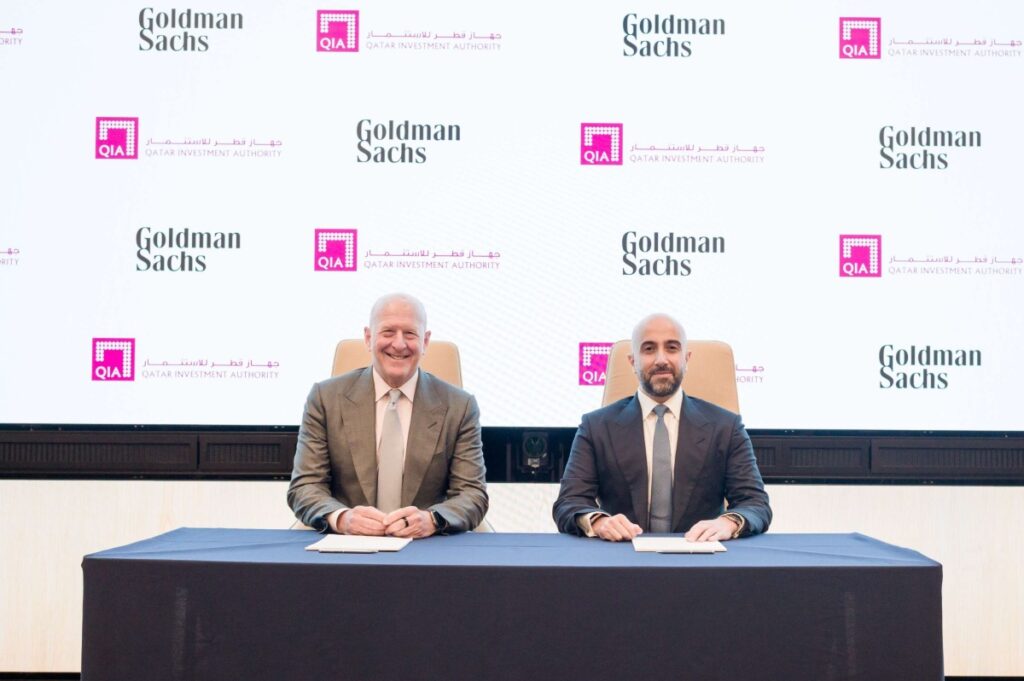
In one of the most significant financial announcements of 2026, the Qatar Investment Authority (QIA) and Goldman Sachs Asset Management have signed a major Memorandum of Understanding (MoU) aimed at expanding their strategic partnership and unlocking a combined investment target of $25 billion. The agreement marks a pivotal moment for Qatar’s growing stature as a regional and global financial hub, reinforcing the nation’s long-term strategy to drive economic diversification, attract foreign investment, and strengthen private-sector growth. According to a statement released by QIA, the sovereign wealth fund intends to commit capital across Goldman Sachs’ flagship funds, innovative alternative investment strategies, and selected co-investment opportunities. The partnership expands QIA’s role as an anchor investor across multiple Goldman Sachs Asset Management platforms, giving Qatar preferential access to global deal flow in future-forward sectors, including: This move solidifies Qatar’s position as a leading institutional investor in high-growth global markets. As part of the expanded cooperation, Goldman Sachs will enhance its presence in Doha, building out its capabilities as a strategic asset management hub for the region. Through its global Value Accelerator network, Goldman Sachs will support Qatar in: This partnership aligns closely with Qatar’s ambitions to become a regional leader in alternative investments, innovation-led industries, and financial services. Commenting on the agreement, Mohammed Saif Al Sowaidi, CEO of QIA, highlighted the strategic importance of the collaboration: “QIA is pleased to partner with Goldman Sachs in this landmark agreement. It provides QIA with premium deal flow in sectors critical to our investment strategy, including AI, fintech, digital infrastructure and private credit. This partnership extends beyond capital deployment and reinforces Doha’s position as a regional financial center.” He further noted that Goldman Sachs’ commitment to expanding its Doha presence will support job creation, specialized skills development, and long-term economic value for Qatar. David Solomon, Chairman and CEO of Goldman Sachs, emphasized Qatar’s strong momentum: “Qatar is on an exciting path of economic diversification, developing its capital markets, strengthening its talent base, and expanding its ecosystem of national champions. This creates substantial opportunity to widen Qatar’s global connectivity and impact as a multi-faceted investment partner.” Goldman Sachs stands among the world’s leading alternative investment managers, with: Its Value Accelerator Network will now work closely with Qatari institutions and the wider ecosystem to build enduring, globally competitive businesses. The QIA–Goldman Sachs MoU represents more than a financial partnership—it positions Doha as a rising global center for asset management, sovereign investment, and cross-border financial collaboration. With a $25 billion target fueling this strategic alliance, Qatar is poised to accelerate high-impact investments and strengthen its role in shaping the future of global finance.
QSTP and Merck Launch FemTech Accelerator to Advance Women’s Health Innovation Across MENA
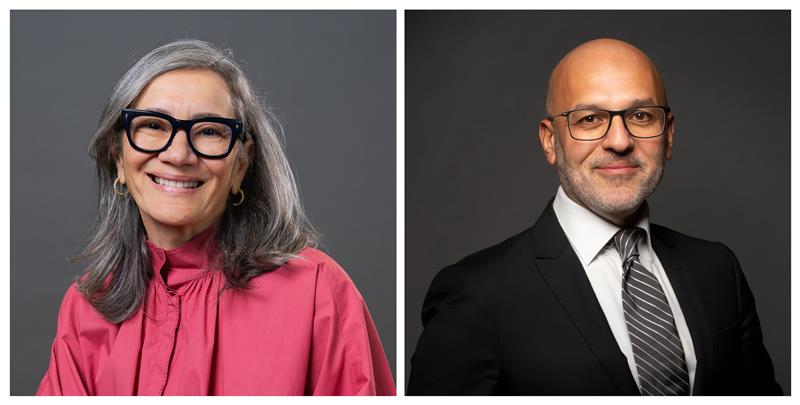
Qatar Science & Technology Park (QSTP), a member of Qatar Foundation, has announced a strategic partnership with Merck to launch the QSTP x Merck FemTech Accelerator—a landmark initiative aimed at accelerating innovation in women’s health across the Middle East and North Africa. The dedicated accelerator will identify and support up to 30 FemTech startups developing deep-tech, impact-driven solutions addressing critical unmet needs in women’s health. The programme focuses on advanced technologies, including artificial intelligence, robotics, and materials science, supporting startups from early validation through to commercial expansion. Selected companies will gain access to QSTP’s innovation ecosystem and Merck’s global scientific and healthcare expertise, benefiting from curated mentorship, clinically aligned pilot opportunities, and structured market-entry pathways into Qatar, with scalability across regional and international markets. The accelerator is designed not only to support individual ventures, but also to generate measurable, trackable impact at scale, aligned with Qatar Foundation’s mission to improve health outcomes for women. Through a multi-country approach, the accelerator enables FemTech solutions to be piloted, validated, and adopted across multiple markets, addressing women’s health challenges at both regional and global levels. Startups will also engage with key stakeholders from Qatar’s healthcare ecosystem, including clinicians, regulators, investors, and innovation leaders. Commenting on the launch, Rama Chakaki, President of QSTP, said the accelerator reflects QSTP’s commitment to inclusive innovation and scalable impact. Meanwhile, Ahmed Aboelfadl, General Manager Gulf at Merck, highlighted the urgent need to address women’s health gaps through science- and technology-led solutions. The programme includes an intensive two-week immersion in Doha, equipping founders with market insights, regulatory understanding, and commercial readiness. Together, QSTP and Merck aim to position Qatar as a regional and global hub for women’s health innovation, advancing one of the fastest-growing sectors in global health technology.
Consulting HAUS Guides Snoonu Through Landmark $245M Acquisition, Marking Qatar’s First Billion-Riyal Tech Exit
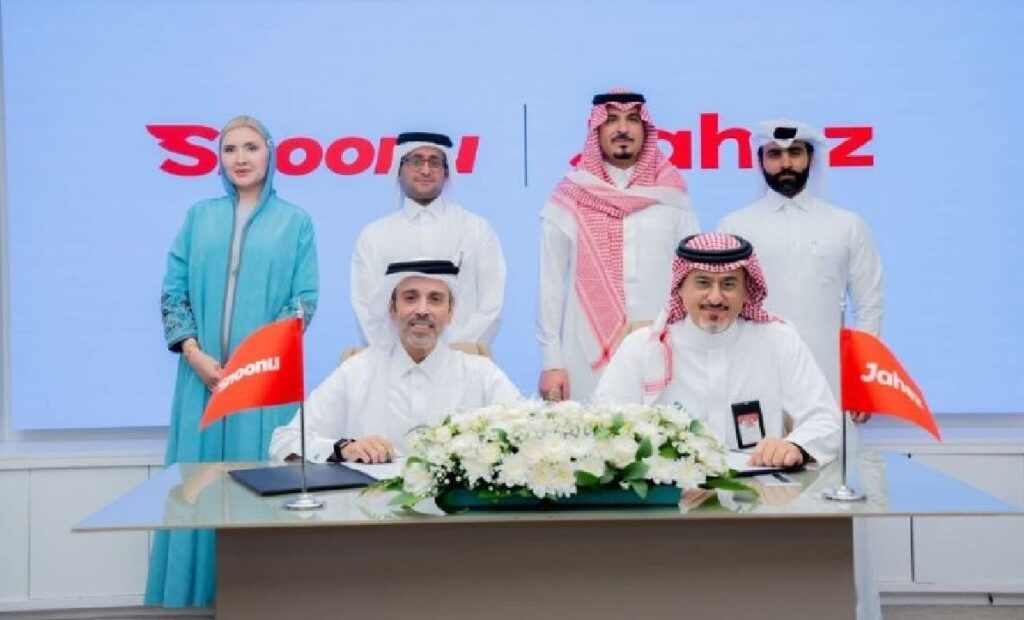
Qatar’s technology and startup ecosystem reached a historic milestone as Snoonu was acquired by Jahez Group in a $245 million transaction, valuing the Doha-born platform at over QAR 1 billion. The deal represents Qatar’s first billion-riyal technology exit and one of the largest private capital infusions in the country’s history. At the centre of this landmark transaction was Consulting HAUS, which acted as exclusive sell-side advisor to Snoonu. The firm played a pivotal role in positioning the company for acquisition, safeguarding shareholder value, and securing favourable terms that reflected Snoonu’s rapid growth and regional ambitions. A Milestone for Qatar’s Tech Ecosystem The acquisition is widely viewed as a breakthrough moment for Qatar’s innovation landscape, signalling the maturity of its startup ecosystem and its growing relevance within the wider GCC technology market. By achieving a billion-riyal valuation, Snoonu has set a powerful precedent for local founders, investors, and emerging tech companies looking to scale beyond national borders. Consulting HAUS began its advisory mandate nearly a year before the transaction’s close, laying the groundwork through detailed business planning, operational readiness, and strategic positioning. This early-stage preparation proved critical in reducing friction during negotiations and ensuring the company entered the transaction process from a position of strength. Strategic Advisory at Every Stage Throughout the deal, Consulting HAUS led transaction execution, working closely with buy-side advisors, legal teams, and auditors. Its role spanned valuation strategy, deal structuring, due diligence coordination, and negotiation support—ensuring transparency, alignment among stakeholders, and disciplined project management at every stage. Commenting on the achievement, Laith Dajani, Managing Partner at Consulting HAUS, said the transaction demonstrates the importance of professional advisory in enabling successful cross-border GCC deals and highlights Qatar’s emergence as a hub for technology innovation. From Snoonu’s perspective, the acquisition represents both scale and continuity. Hamad Al Hajri, CEO of Snoonu, noted that the partnership with Jahez Group brings new investment and regional momentum, while allowing the company to remain anchored in Qatar’s values, vision, and talent base. Setting a New Benchmark Backed by a leadership team with more than 100 years of combined experience, Consulting HAUS continues to play a central role in advancing high-impact transactions across the GCC. Over the past seven years, the firm has delivered multiple landmark projects that support economic diversification, private-sector growth, and cross-border investment. The Snoonu–Jahez transaction now stands as a benchmark deal—not only for Qatar’s tech sector, but for the broader regional startup and M&A landscape—demonstrating what is possible when innovation, ambition, and strategic advisory converge.