

Invest Qatar hosts Dialogue with International Business Community, reaffirms resilient business environment
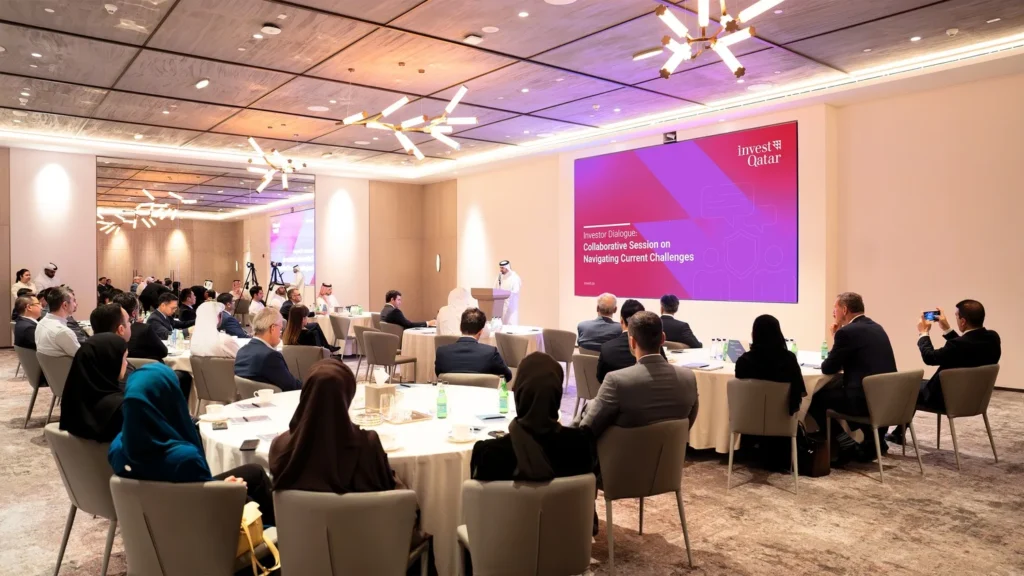
Invest Qatar, the Investment Promotion Agency of Qatar, convened business leaders from Qatar’s international business community for a high-level Investor Dialogue, reaffirming the State’s commitment to maintaining a stable and resilient business environment despite regional developments. The event brought together key stakeholders from across Qatar’s private sector, providing a platform to exchange insights, address emerging challenges and reinforce confidence in the country’s economic fundamentals and continuity of operations. In his opening remarks, Sheikh Ali Alwaleed Al-Thani, CEO of Invest Qatar, emphasised the resilience of Qatar’s business ecosystem and the importance of public-private collaboration. “Our business community has shown remarkable resilience in navigating extraordinary circumstances. Collaboration and shared purpose are essential in challenging times, and both continue to define Qatar’s approach. Our national institutions are continuing to support the private sector by strengthening our secure, stable and supportive business environment.” Discussions highlighted Qatar’s robust macroeconomic position and the strength of its institutional framework in mitigating external risks. Participants were briefed on the country’s continued economic resilience, supported by prudent fiscal management, diversified growth drivers and reliable, well-integrated supply chains. Reinforcing this outlook, major international credit rating agencies have maintained Qatar’s strong sovereign ratings, underlining continued confidence in the country’s fiscal strength, liquidity and long-term economic stability. The event also underscored the proactive role of the Ministry of Commerce and Industry, alongside key stakeholders across the investment ecosystem, in ensuring uninterrupted business operations and continued support to companies across sectors. Invest Qatar highlighted its ongoing efforts to enhance the investor journey through digital tools and support services, including the Invest Qatar Gateway, a comprehensive platform providing streamlined access to market intelligence, licensing support and business services. The platform plays a significant role in enabling investors to make informed decisions and maintain operational continuity. Through initiatives such as the Investor Dialogue, Invest Qatar continues to deepen public-private engagement, ensuring investors remain supported, informed and well-positioned to capitalise on opportunities to pursue their business growth.
Why Gold Prices Have Fallen Despite Rising Middle East Tensions

Gold has long been regarded as a safe haven during times of crisis. Yet, despite escalating conflict in the Middle East and growing global economic uncertainty, the precious metal has come under significant pressure, erasing almost all of its 2026 gains after earlier reaching record highs. According to AFP, several factors have combined to drive gold lower, even as geopolitical risks continue to intensify. Investors Rush for Liquidity One of the main reasons behind gold’s decline is the urgent need for liquidity. As conflict in the Middle East deepens, investors have been selling a wide range of assets to raise cash and offset losses in other parts of their portfolios. Gold, after a strong rally over the past year, has become one of the first assets to be liquidated. Joshua Mahony, Chief Market Analyst at Scope Markets, noted that investors have turned to gold and silver sales largely because of the scale of the gains already seen in both metals over the past year. By selling precious metals, investors are able to access US dollars quickly — a critical move at a time when oil and other energy products are traded in the US currency. This comes as oil prices have surged following the closure of the Strait of Hormuz and strikes on Gulf energy infrastructure, adding further pressure to already volatile markets. Gold is now trading at around $4,550 an ounce, after climbing above $5,500 earlier this year amid intensifying geopolitical stress, including US tariff concerns and ongoing conflicts in Ukraine and Gaza. Silver, meanwhile, is trading near $73 an ounce, having peaked above $120 just two months ago. Rising Rate Expectations Add Pressure Another major factor weighing on gold is the growing expectation that central banks, particularly the US Federal Reserve, may raise interest rates in response to inflationary pressures caused by soaring energy prices. Higher interest rates tend to strengthen the appeal of the US dollar and government bonds, both of which offer returns that gold does not. “Gold has no yield and is less attractive in an environment where cash might soon offer higher returns,” said Russ Mold, an analyst at AJ Bell. Silver has also been hit by concerns over a broader global growth slowdown. Unlike gold, silver has substantial industrial use in sectors such as solar panels, electronics, jewellery, and data centres linked to artificial intelligence. Any weakening in industrial demand can therefore have a sharper impact on silver prices. Disruptions in Physical Supply Chains The war has also disrupted the physical trade of gold and silver, particularly through Dubai, one of the world’s most important hubs for precious metal flows. The World Gold Council told AFP that air transport of gold and silver to and from Dubai has been affected, disrupting a market that handles around 20 percent of global metal flows, especially into India. Stephen Innes, an analyst at SPI Asset Management, said the physical market has effectively been “temporarily short-circuited.” He explained that the usual movement of gold from London into Asia has hit a bottleneck, with key transit hubs disrupted and regional buyers temporarily sidelined. That matters because the Middle East accounted for nearly 10 percent of global private demand for gold last year. Individuals across the region purchased around 270 tonnes in jewellery, bars, and coins — more than buyers in either the United States or Europe, based on AFP calculations using World Gold Council data. Even if that demand has only been postponed rather than lost, analysts say prices often adjust downward in the short term when market flows are disrupted. Safe Haven Status Tested Gold had already come under pressure earlier in the year as investors took profits in January, briefly weighing on both gold and silver. Now, a second sharp sell-off within a matter of months is raising questions about the metal’s traditional safe haven role. Hamad Hussain, economist at Capital Economics, said that another major drop in prices in such a short period arguably weakens gold’s image as a dependable refuge during times of crisis. A Market in Transition While gold remains one of the world’s most closely watched defensive assets, current market behaviour shows that in moments of intense uncertainty, investors may prioritise immediate access to cash over long-term safety. With oil surging, inflation risks rising, supply routes disrupted, and central banks expected to act more aggressively, gold is facing an unusual environment — one in which even safe haven assets are not immune to sharp corrections.
Qatar Restructures Qatar Investment Authority Board Under Amiri Decision No. 14 of 2026
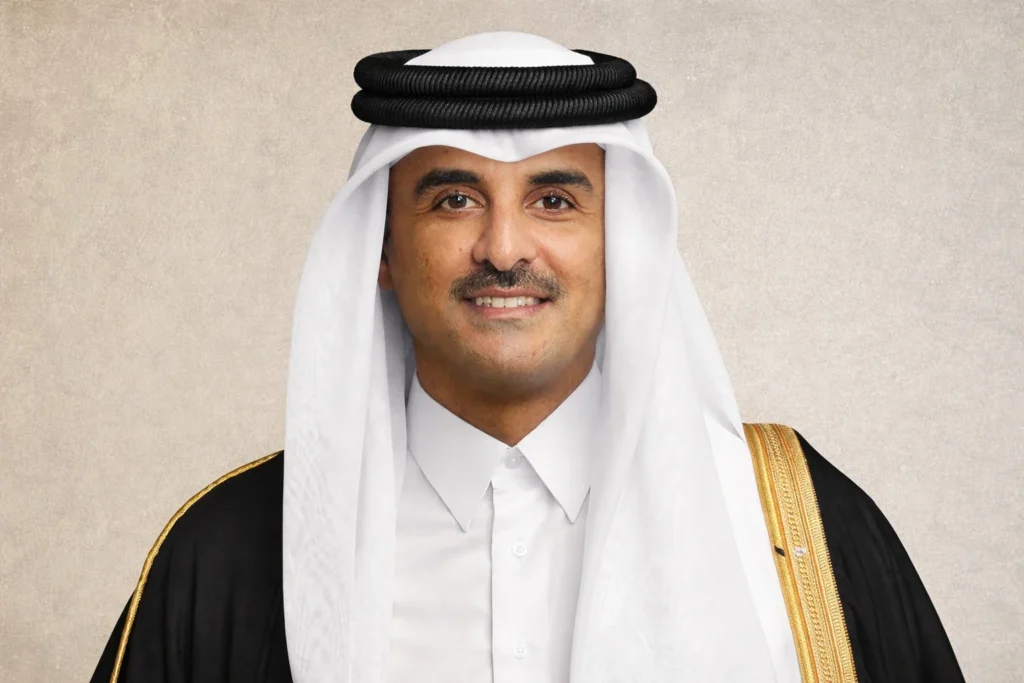
Qatar’s Amir, His Highness Sheikh Tamim bin Hamad Al Thani, has issued Amiri Decision No. 14 of 2026, introducing a new structure for the board of directors of the Qatar Investment Authority (QIA), the country’s sovereign wealth fund. Under the decision, Sheikh Bandar bin Mohammed bin Saud Al Thani has been appointed as Chairman of the reconstituted board, while Sheikh Mohammed bin Hamad bin Khalifa Al Thani will serve as Vice Chairman. The newly restructured board brings together a distinguished group of senior officials and influential leaders from key sectors of the Qatar economy. Members include Minister of Finance Ali Ahmed Al Kuwari, Minister of State for Energy Affairs Saad Sherida Al Kaabi, Minister of Commerce and Industry Sheikh Faisal bin Thani Al Thani, beIN Group Chairman Nasser Al Khelaifi, and Hassan Al Thawadi, Managing Director of the Supreme Committee for Delivery and Legacy. The move reflected Qatar’s continued focus on strengthening institutional leadership and enhancing strategic oversight within one of the country’s most important financial entities. As a major driver of investment in Qatar and abroad, the Qatar Investment Authority plays a central role in supporting long-term economic growth, diversification, and national development. According to the decision, the new board structure takes effect immediately from the date of issuance and will be published in the Official Gazette. For Qatar business observers, the restructuring signaled the importance of strong governance and strategic leadership at a time when investment in Qatar, Qatar economic policy, and long-term financial planning remain central to the country’s broader development agenda.
KNDS Focuses on Nations Strengthening Their Defensive Posture Responsibly
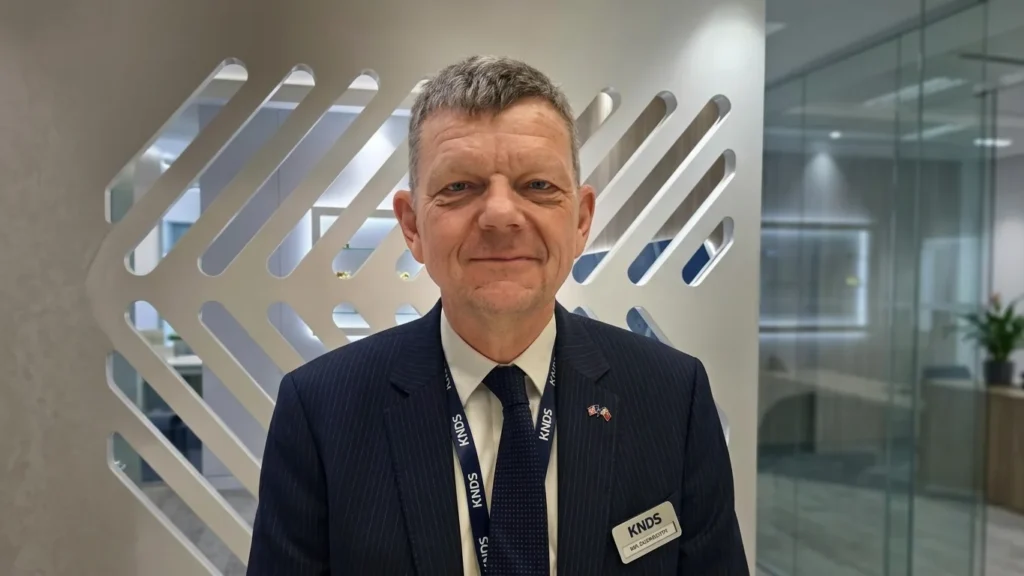
Mike Duckworth, Vice President Business Development, MENA Market, KNDS, spoke to Business Leaders on the sidelines of DIMDEX 2026 about the company’s long-standing relationship with Qatar, its defence offerings, the role of advanced technology in modern land systems, and the strategic roadmap ahead. At DIMDEX 2026, KNDS presented more than products. It presented the continuity of a relationship built over years of engagement with the Qatari Armed Forces, grounded in operational trust, long-term cooperation, and a shared understanding of evolving defence requirements. For Mike Duckworth, Vice President, Business Development, MENA Market at KNDS, the company’s presence at DIMDEX reflected a story of partnership rather than a single exhibition appearance. From the first edition of the event to its current ninth edition, DIMDEX has mirrored the growth of KNDS’ ties with Qatar and the broader evolution of defence priorities in the region. “What began as a primarily naval exhibition gradually expanded, and today more than half of the activity centres on land defence capabilities,” Duckworth said. “This shift reflects the changing nature of modern defence needs and aligns closely with KNDS’ core areas of expertise, from armoured vehicles to integrated advanced systems to support Qatar Armed Forces.” While Qatar remained a strategic anchor for KNDS, DIMDEX had also developed into a wider international platform. Its expanding global participation created opportunities for dialogue with defence stakeholders from around the world, allowing KNDS to use its experience in Qatar as a strong reference point for engagement with new customers. Technology at the Core of Modern Defence Solutions KNDS, formed through the amalgamation of Krauss-Maffei Wegmann of Germany and Nexter of France, continued to focus on advanced land defence systems designed to meet the realities of modern warfare. Duckworth explained that technology remained central to KNDS’ product profile. The company consistently leveraged innovation to develop solutions that improved battlefield performance, enhanced operational efficiency, and strengthened reliability. Among the advanced technologies integrated into KNDS products were: Modular armoured vehicle design, enabling rapid adaptation to different missions and operational requirements Networked communication systems, allowing secure real-time information sharing across units Advanced ammunition and weapon systems, delivering precision, versatility, and effectiveness in modern operations These capabilities helped position KNDS products among the market leaders in their category, particularly as armed forces increasingly sought flexible, connected, and mission-ready solutions. Combat-Proven Ammunition and Operational Effectiveness Discussing the company’s ammunition capabilities, Duckworth said KNDS Ammo combined decades of experience with modern technology to produce munitions that were precise, reliable, and capable of performing under demanding operational conditions. “In general, KNDS Ammo integrates decades of experience with modern technology to produce munitions that are precise, reliable, and capable of performing under challenging operational conditions,” he said. “The most important point is that the solutions it provides focus on effectiveness, precision, and adaptability, drawing on operational feedback and long-standing cooperation with armed forces.” That approach, he added, enabled KNDS Ammo to deliver munitions suited to modern battlefield requirements while maintaining robustness under pressure. Among its major developments was the 120 mm SHARD round — a solution for hardened armour defeat — which drew on KNDS’ expertise in tank firepower functions and its long-standing cooperation with Qatari forces since the AMX-30 era. The SHARD round benefited from a latest-generation optimised sabot that reduced barrel wear during firing. Its performance had been successfully validated during trials on both the Leclerc and Leopard 2 tank guns. In the large-calibre segment, KNDS Ammo’s 155 mm munitions had proven themselves across a wide range of conflicts, demonstrating the ability to engage a broad spectrum of targets under highly demanding operational conditions. Building on this expertise, KNDS Ammo also developed the LU 211 family of rounds, offering a full spectrum of battlefield effects. Its high-explosive rounds had already demonstrated their effectiveness in high-intensity theatres of operation. The company was also advancing the future of precision artillery munitions through the BONUS round, equipped with two autonomous target-acquisition anti-armour shaped charges. Already proven effective in Ukraine, the BONUS round was designed for maximum lethality and precision, able to detect, identify, and neutralise enemy armoured vehicles in true fire-and-forget mode. DIMDEX and Strategic Cooperation with Barzan Holdings One of the important milestones for KNDS during DIMDEX 2026 was the signing of a Letter of Intent (LoI) with Barzan Holdings, reflecting the depth of the existing relationship and a shared strategic direction. According to Duckworth, the agreement set a framework for exploring localisation opportunities in ammunition manufacturing, with the goal of meeting operational requirements while maintaining the highest standards of quality, safety, and performance. The LoI highlighted the shared intention of both parties to develop local industrial capabilities, support Qatar’s national defence objectives, and strengthen a resilient regional supply chain. It was also rooted in commitments to technology transfer, industrial excellence, and a long-term partnership model. Defence, Deterrence and the Roadmap Ahead In a world where the long-term goal should be deterrence rather than conflict, Duckworth said KNDS remained focused on enabling nations to strengthen their defensive posture responsibly. “KNDS focuses on providing armed forces with flexible, modern, and reliable solutions that support operational readiness while enabling nations to strengthen their defensive posture responsibly,” he said. Looking ahead, the company intended to continue investing in innovation, collaboration, and long-term partnerships that could contribute to both regional and global stability. That vision aligned with the increasingly strategic role that advanced land systems, precision munitions, and industrial cooperation now played in defence planning. For KNDS, the objective was not only to respond to current operational needs, but also to help shape a more resilient and technologically capable future for partner nations. A Strategic Anchor in Qatar For KNDS, Qatar remained a particularly important partner in the region. The country’s defence modernisation priorities, combined with its strategic focus on capability development and localisation, made it a significant market and a meaningful long-term reference. As Duckworth noted, DIMDEX had grown into far more than a regional event. It had become a global meeting point — and for KNDS, a platform that demonstrated how trusted partnerships
Moza Ghaith M A Al Kuwari: Trust the Journey, Never Rush Growth
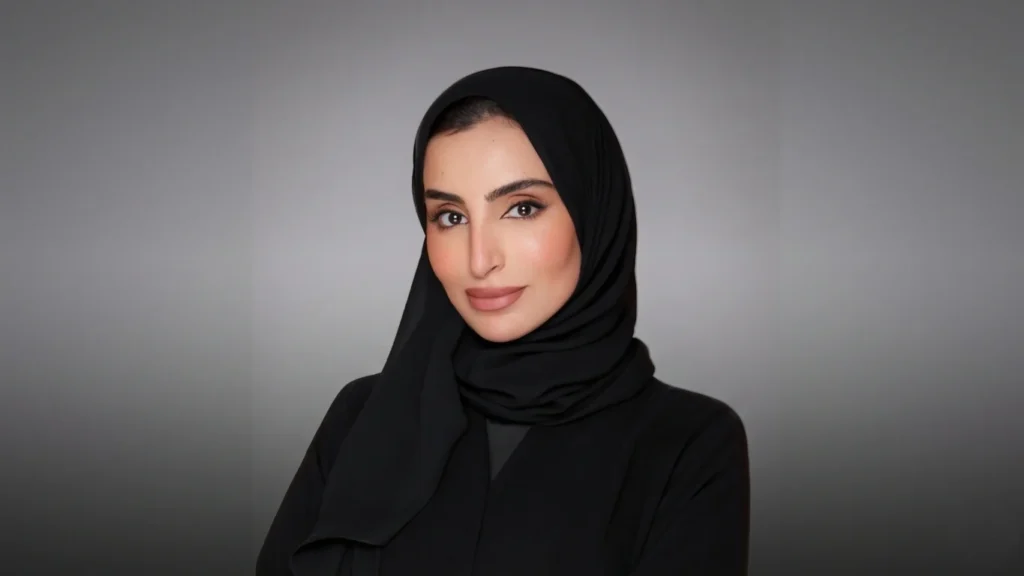
In one of the most demanding and traditionally male-dominated areas of financial services, Moza Ghaith M A Al Kuwari, Chief Compliance Officer at Doha Bank, built a career defined by resilience, credibility, and purpose. Her journey reflected not only personal determination but also the rising presence of Qatari women in senior leadership roles within the financial sector. With a professional path shaped by governance, integrity, and trust, Al Kuwari emerged as a strong voice in compliance — a field where precision, accountability, and sound judgement were essential. A Career Built on Governance and Integrity Al Kuwari’s journey in banking began with early exposure to operational roles, which gave her a practical understanding of how financial institutions functioned on the ground. That foundation proved invaluable later in her career, allowing her to approach compliance from both an operational and regulatory standpoint. “My career journey has been shaped by a strong interest in governance, integrity, and building trust within the financial sector,” she said. As she progressed in compliance, her experience expanded to include regulatory compliance, AML/CFT, financial crime prevention, and cross-border regulatory environments. This depth of exposure gave her a holistic view of risk, regulation, and the role that strong frameworks played in protecting institutions and the wider financial system. Today, as Chief Compliance Officer, Al Kuwari oversees compliance across both local operations and international branches, with a particular focus on governance, data quality, and the responsible use of technology. “My journey has been defined by resilience and a commitment to upholding the highest standards within Qatar’s banking sector,” she said. Leading in a Male-Dominated Environment Working in a traditionally male-dominated field came with its challenges, especially in the earlier stages of her career. Yet rather than limiting her, those experiences strengthened her resilience and shaped her into a more confident, grounded, and decisive leader. “As a woman, I believe I bring a leadership style that balances firmness with empathy and structure with relationship-building,” she said. For Al Kuwari, succeeding in such an environment required more than technical skill. It demanded credibility, consistency, and the ability to remain steady under pressure. Over time, those qualities not only strengthened her professional capabilities but also shaped her broader leadership philosophy. “These qualities have enabled me to lead effectively, manage complexity, and build trust in demanding environments,” she said, reinforcing her belief that diverse leadership styles added real value in sectors such as banking and compliance International Women’s Day: Recognition and Responsibility International Women’s Day held deep meaning for Al Kuwari. To her, it represented both recognition and responsibility. In Qatar, she believed women’s leadership had been actively supported and inspired by strong national role models, particularly Her Highness Sheikha Moza bint Nasser, whose leadership consistently emphasised education, empowerment, and the meaningful contribution of women to society. “For me, the day is a reminder of the progress women have made, as well as the responsibility to continue opening doors and creating opportunities for future generations,” she said. She viewed the occasion as a reflection of the importance of visibility, impact, and supporting women to lead with confidence and purpose — especially in sectors that remained complex and challenging. Balancing Career and Personal Life For Al Kuwari, balancing professional success with personal life required discipline, adaptability, and a clear sense of priorities. Over time, she learned the importance of setting boundaries, managing time effectively, and being fully present in each role she carried — both at work and at home. “I have also learned to accept that balance is not static,” she said. “ There are periods that demand more professionalismand others that require greater personal focus. Being flexible and kind to oneself during these phases is essential.” At the heart of that balance was family. She credited the support of her loved ones as central to her growth and resilience. “The encouragement of my mother and siblings, together with the daily motivation I draw from my daughters, has given me the strength and perspective to continue growing,” she said. “My family remains my anchor and my source of purpose, enabling me to lead with resilience, consistency, and confidence.” A Leadership Philosophy Rooted in Values Al Kuwari’s approach to leadership was shaped by calm judgement, ethical clarity, and a firm commitment to doing the right thing. Her method for navigating difficult situations was simple yet powerful: pause, assess the facts objectively, seek perspective where needed, and respond with clarity rather than emotion. Among the best pieces of advice she had ever received was a principle that aligned closely with her professional ethos:“Focus on doing the right thing and let the rest follow.” That value system had guided her throughout her career, helping her navigate complexity with steadiness and purpose. Short Shots Your role model:Her Highness Sheikha Moza bint Nasser, for her visionary leadership and unwavering belief in the power of women and education. Your go-to method of navigating a difficult situation:Pause, assess the facts objectively, seek perspective where needed, and respond with clarity rather than emotion. The best advice you’ve received:“Focus on doing the right thing and let the rest follow.” The best book on resilience you’ve read:Dare to Lead by Brené Brown, for its emphasis on courageous leadership, vulnerability, and trust. What would you tell a younger Moza about handling life?Trust your journey and never rush your growth. Every challenge is shaping you for something greater. Stay grounded in your values, remain patient, and remember that your story is still being written — your best chapters are yet to come.
Brookfield and QAI Form $20 Billion Strategic Investment Partnership for AI Infrastructure

A landmark joint venture set to strengthen Qatar’s position as a regional hub for artificial intelligence, digital infrastructure, and innovation-led growth Brookfield, a leading global alternative asset manager headquartered in New York, and Qai have announced a landmark strategic partnership to establish a US$20 billion (QR72.8 billion) joint venture focused on developing AI infrastructure in Qatar and selected international markets. Under the partnership, Brookfield and Qai will contribute both capital and operational expertise to invest in advanced AI infrastructure across Qatar, including the development of fully integrated AI facilities designed to support the country’s rapidly expanding digital and artificial intelligence ecosystem. The initiative is expected to benefit from strategic support from the Government of Qatar, particularly in building the skills base and supply chain capabilities required to underpin the next generation of AI infrastructure and accelerate the adoption of artificial intelligence across the country. The US$20 billion joint venture is poised to play a central role in supporting Qatar’s ambition to become a leading hub for AI services and infrastructure in the Middle East. At the heart of the initiative will be an Integrated Compute Centre, which will expand regional access to high-performance computing and enable the deployment of trusted AI technologies across key sectors. Beyond Qatar, Brookfield and Qai will also explore opportunities to co-develop and construct AI infrastructure in selected international markets, extending the reach of the partnership and positioning it as a significant player in the global AI ecosystem. Brookfield and its partners plan to invest in the venture through the recently launched Brookfield Artificial Intelligence Infrastructure Fund (BAIIF). The partnership with Qai will serve as a cornerstone of Brookfield’s wider global AI infrastructure strategy, which aims to mobilise up to US$100 billion (QR364 billion) in total investment worldwide. Commenting on the announcement, Mohammed Saif Al Sowaidi, CEO of QIA, said:“QIA has been at the forefront of driving advancement through our AI investments. This joint venture is testament to QIA’s commitment to delivering both local and global impact. Leveraging on the long-term partnership we have with Brookfield, this JV will advance Qatar National Vision 2030 and help build a diversified, innovation-based economy for future generations.” Abdulla Al Misnad, Chairman of Qai, described the partnership as an important step in the nation’s digital transformation journey.“This partnership with Brookfield marks an important milestone in Qatar’s journey to build world-class AI infrastructure and capabilities. By leveraging Brookfield’s expertise in developing and managing critical infrastructure alongside Qai’s mission to deliver trusted AI solutions, we are creating a robust platform to drive responsible AI adoption.” He added:“This collaboration will not only attract investment and top-tier talent, but also strengthen Qatar’s position as a trusted hub for advanced digital technologies in the region and beyond.” Bruce Flatt, CEO of Brookfield, also underscored the significance of the venture, saying:“Qatar has a clear ambition to lead in AI and next-generation digital infrastructure. We are pleased to announce our inaugural AI infrastructure investment in the Middle East alongside Qai. This partnership combines Qatar’s strategic vision with Brookfield’s global expertise in developing and operating large-scale, mission-critical infrastructure with global partners.” He continued:“Together, we look forward to building an integrated AI ecosystem that will accelerate innovation, deepen regional capability, and support the responsible deployment of advanced AI technologies across the Middle East.” This strategic partnership reflected a major milestone in Qatar’s ongoing drive to diversify its economy, strengthen its digital capabilities, and position itself at the forefront of emerging technologies. With substantial investment, international expertise, and national support aligned behind the initiative, the Brookfield-Qai venture signalled a bold step toward shaping the future of AI infrastructure in Qatar and beyond.
How Qatar National Vision 2030 Is Shaping Business

Qatar National Vision 2030 has been one of the most important forces behind the country’s business transformation. Published as the State’s long-term development framework, it set out the ambition of building “an advanced society capable of achieving sustainable development” and rests on four pillars: human, social, economic, and environmental development. For the private sector, that mattered because it shifted the national conversation from simple growth to sustainable, diversified, and knowledge-based economic expansion. That vision is now being translated into measurable business outcomes through the Third National Development Strategy 2024–2030 (NDS3), the final implementation phase of QNV 2030. NDS3 sets concrete targets that directly affect the business environment, including 4% annual non-hydrocarbon GDP growth, 2% annual labour productivity growth, USD 100 billion in net FDI, and R&D spending equal to 1.5% of GDP by 2030. In practice, this means Qatar is using policy not only to grow the economy, but to improve competitiveness, innovation, and private-sector performance. The business impact is also visible in sector strategy. Invest Qatar said the country launched a $1 billion incentives programme in May 2025 to support both foreign and local investment, with financial support of up to 40% of eligible local investment expenses under targeted packages. That move aligned with Qatar’s wider goal of attracting capital into sectors beyond hydrocarbons. At the same time, the Digital Agenda 2030 has linked technology directly to economic performance. MCIT said the agenda is intended to build a thriving digital economy and improve business outcomes through stronger digital infrastructure, innovation, and easier ways of doing business. Its strategic linkage to Qatar National Vision 2030 was also formally highlighted by the ministry. The larger takeaway for Qatar business is clear: QNV 2030 is no longer just a national aspiration. It is actively reshaping investment policy, digital transformation, productivity targets, and the conditions under which businesses in Qatar grow and compete
Qatar Unveils Major Tech & Investment Reforms as Prime Minister Opens Web Summit Qatar 2026

Qatar’s ambition to become a leading global technology and innovation hub accelerated yesterday as HE Sheikh Mohammed bin Abdulrahman bin Jassim Al Thani, Prime Minister and Minister of Foreign Affairs, officially inaugurated the third edition of Web Summit Qatar, the MENA region’s fastest-growing technology event. The summit runs until 4 February at the Doha Exhibition and Convention Center, gathering global tech leaders, investors, founders, and policymakers. The opening ceremony marked a milestone moment for Qatar’s digital transformation agenda, with the government announcing a series of high-impact initiatives designed to expand the nation’s technology, entrepreneurship, AI, and investment ecosystems. USD 2 Billion Expansion of the Fund of Funds Programme In one of the summit’s most significant announcements, Qatar confirmed a USD 2 billion expansion of its national Fund of Funds programme, which supports venture capital firms and high-growth startups across strategic sectors. This expansion strengthens Qatar’s position as a global capital hub and sends a clear signal to international investors seeking a stable, innovation-driven market. 10-Year Residency for Entrepreneurs & Executives Qatar also announced a long-term 10-year residency scheme for: This new visa category aims to attract world-class talent and incentivise founders to build and scale their companies from Qatar — a major step in advancing the country’s competitiveness on the global innovation map. Faster, Simplified Company Registration As part of ongoing reforms to improve the ease of doing business, Qatar introduced accelerated company registration procedures, enabling startups and investors to establish operations faster and more efficiently. These improvements reinforce Qatar’s goal of becoming one of the world’s most business-friendly jurisdictions, especially for early-stage and scaling companies. Launch of Qai — Qatar’s National AI Company Another headline announcement was the launch of Qai, Qatar’s new national AI company, signalling a powerful move to position the nation at the center of global AI development. Qai will focus on: The initiative aligns with Qatar’s broader national strategy to integrate AI across education, industry, energy, healthcare, mobility, and smart cities. A Transformational Edition of Web Summit Qatar With thousands of global delegates, investors, and startups converging in Doha, Web Summit Qatar 2026 is on track to become the region’s most influential gathering for: This year’s edition cements Qatar’s rise as one of the world’s most dynamic markets for entrepreneurship, digital transformation, and investment.
QIA and Goldman Sachs Sign Landmark MoU Targeting $25 Billion Investment, Strengthening Qatar’s Global Financial Influence
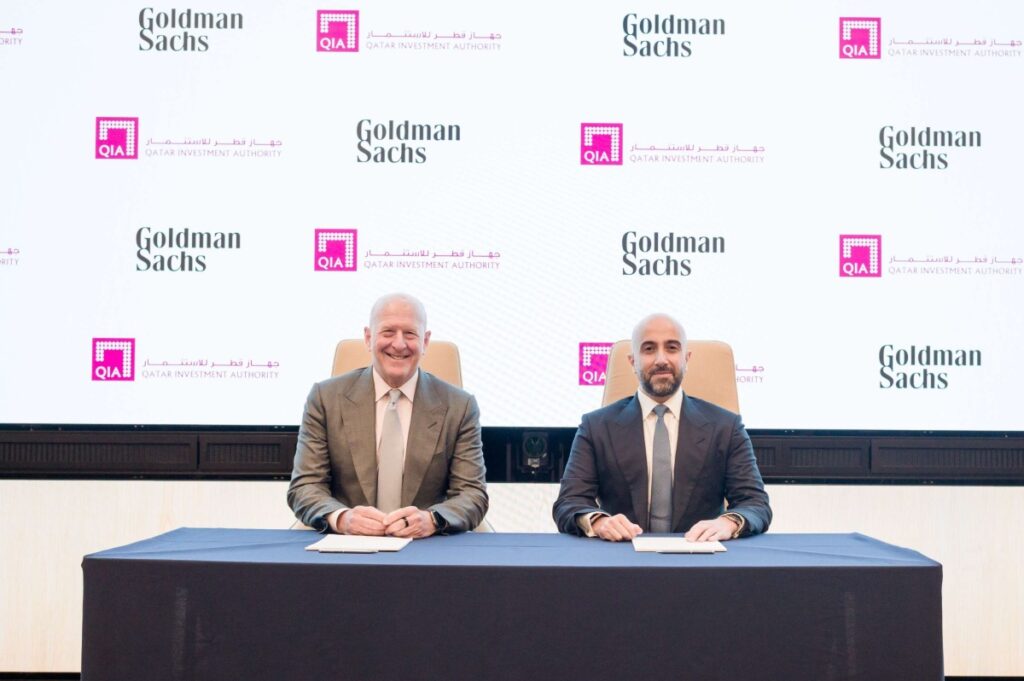
In one of the most significant financial announcements of 2026, the Qatar Investment Authority (QIA) and Goldman Sachs Asset Management have signed a major Memorandum of Understanding (MoU) aimed at expanding their strategic partnership and unlocking a combined investment target of $25 billion. The agreement marks a pivotal moment for Qatar’s growing stature as a regional and global financial hub, reinforcing the nation’s long-term strategy to drive economic diversification, attract foreign investment, and strengthen private-sector growth. According to a statement released by QIA, the sovereign wealth fund intends to commit capital across Goldman Sachs’ flagship funds, innovative alternative investment strategies, and selected co-investment opportunities. The partnership expands QIA’s role as an anchor investor across multiple Goldman Sachs Asset Management platforms, giving Qatar preferential access to global deal flow in future-forward sectors, including: This move solidifies Qatar’s position as a leading institutional investor in high-growth global markets. As part of the expanded cooperation, Goldman Sachs will enhance its presence in Doha, building out its capabilities as a strategic asset management hub for the region. Through its global Value Accelerator network, Goldman Sachs will support Qatar in: This partnership aligns closely with Qatar’s ambitions to become a regional leader in alternative investments, innovation-led industries, and financial services. Commenting on the agreement, Mohammed Saif Al Sowaidi, CEO of QIA, highlighted the strategic importance of the collaboration: “QIA is pleased to partner with Goldman Sachs in this landmark agreement. It provides QIA with premium deal flow in sectors critical to our investment strategy, including AI, fintech, digital infrastructure and private credit. This partnership extends beyond capital deployment and reinforces Doha’s position as a regional financial center.” He further noted that Goldman Sachs’ commitment to expanding its Doha presence will support job creation, specialized skills development, and long-term economic value for Qatar. David Solomon, Chairman and CEO of Goldman Sachs, emphasized Qatar’s strong momentum: “Qatar is on an exciting path of economic diversification, developing its capital markets, strengthening its talent base, and expanding its ecosystem of national champions. This creates substantial opportunity to widen Qatar’s global connectivity and impact as a multi-faceted investment partner.” Goldman Sachs stands among the world’s leading alternative investment managers, with: Its Value Accelerator Network will now work closely with Qatari institutions and the wider ecosystem to build enduring, globally competitive businesses. The QIA–Goldman Sachs MoU represents more than a financial partnership—it positions Doha as a rising global center for asset management, sovereign investment, and cross-border financial collaboration. With a $25 billion target fueling this strategic alliance, Qatar is poised to accelerate high-impact investments and strengthen its role in shaping the future of global finance.
VoPay Establishes Global Headquarters in Qatar, Strengthening Doha’s Role as a Global Fintech Infrastructure Hub
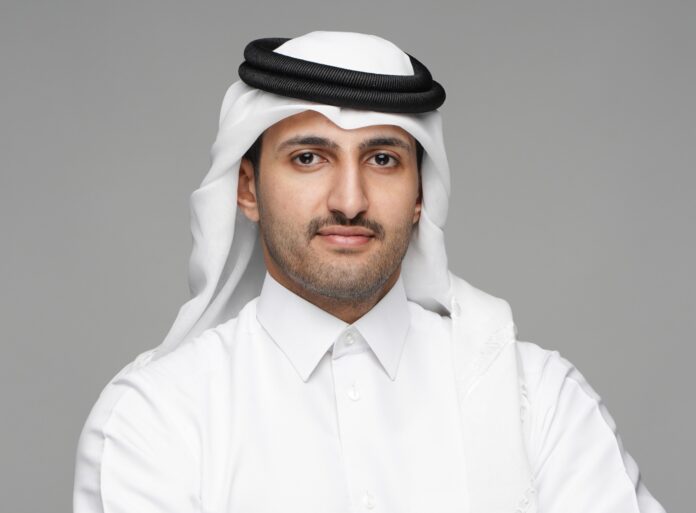
VoPay International Inc., a leading global financial infrastructure platform, has officially established its global headquarters in Qatar, positioning Doha as the company’s primary hub for advancing digital financial infrastructure across MENA, Africa, Southeast Asia, and other high-growth markets, while continuing to support operations in North America, Europe, and Latin America. The strategic move reinforces Qatar’s growing status as a regional and global centre for fintech, cross-border payments, and financial system modernisation, aligned with the country’s long-term economic diversification agenda. Doha as the Engine of VoPay’s Global Expansion From its Doha headquarters, VoPay will expand and operate core financial infrastructure that supports central banks, financial institutions, governments, public-sector entities, and large enterprises. The platform enables institutions to modernise legacy financial systems, improve interoperability, and connect regional markets with global financial ecosystems through secure, scalable, and intelligent infrastructure. As part of its long-term commitment, VoPay plans to hire more than 400 highly skilled professionals in Qatar over the next three years, spanning engineering, technology, cybersecurity, compliance, data, and platform operations—further strengthening Qatar’s role as a sustainable hub for financial infrastructure development. Alignment with Qatar National Vision 2030 VoPay’s decision closely aligns with Qatar National Vision 2030, which prioritises economic diversification, digital transformation, and the development of a knowledge-based economy under the leadership of Sheikh Tamim bin Hamad Al Thani. Commenting on the announcement, VoPay Founder and CEO Hamed Arbabi stated that Qatar offers a unique platform for scaling financial infrastructure that connects regions, institutions, and markets with resilience and intelligence—making it a natural choice for the company’s global headquarters. Strategic Support from Invest Qatar and QFC VoPay’s expansion into Qatar has been supported by Invest Qatar, which played a key role in facilitating the company’s market entry and long-term growth strategy. Operating within the ecosystem of the Qatar Financial Centre, VoPay benefits from a robust regulatory framework designed to attract global financial technology leaders. Sheikh Ali Alwaleed Al-Thani, CEO of Invest Qatar, noted that VoPay’s investment further reinforces Qatar’s commitment to building a diversified, innovation-driven economy and positioning the country as a global hub for advanced financial technologies. Qatar’s Rise as a Global Financial Infrastructure Platform By anchoring its global headquarters in Doha, VoPay is contributing to Qatar’s emergence as a trusted platform for digital financial infrastructure, enabling cross-border financial coordination, institutional collaboration, and large-scale interoperability across regions. The Doha headquarters will serve as a strategic coordination centre for initiatives supporting financial system modernisation throughout the Gulf, MENA, Africa, and Southeast Asia—enhancing capital flows, data connectivity, and secure financial operations across borders. Powering the Future of Finance from Qatar Through applied artificial intelligence, mature infrastructure technology, and global financial connectivity, VoPay’s platform bridges regional financial systems with international banking frameworks. This enables institutions operating from Qatar to integrate seamlessly with global markets, reinforcing Doha’s role as a convening point for resilient, intelligent, and future-ready financial infrastructure. As Qatar continues to attract global fintech leaders, VoPay’s decision marks a significant milestone in the country’s journey toward becoming a world-class hub for digital finance and financial innovation.