

QIA Backs US$200 Million (QR728 Million) Funding for Driverless Freight Firm Gatik

Gatik, the leader in autonomous trucking, recently announced $200 million in financing as demand accelerates for driverless commercial freight across Fortune 50 retail, grocery and CPG supply chains. The Series D round was led by Qatar Investment Authority (QIA) and Koch Disruptive Technologies (KDT), with participation from Millennium Management, ARK Invest, Intact Private Capital and others. “We believe the company is well positioned to help forge the future of freight transportation.” – Cathie Wood, founder, CEO, and CIO of ARK Invest Gatik has built one of the most commercially advanced businesses in autonomous freight, with more than US$600 million (QR2.2 billion) in contracted revenue, 85,000 fully driverless orders completed, and 99 percent on-time delivery across its operations. Its trucks move goods across high-frequency regional networks between distribution centres and stores, giving customers a reliable way to add capacity, improve service levels and keep products moving. “This round, led by some of the world’s leading financial institutions, is a clear validation of Gatik’s commercial leadership in autonomous freight,” said Gautam Narang, CEO and co-founder of Gatik. “We have built Gatik with real revenue, deep customer demand, and AI-driven autonomous technology proven every day in live supply chains. This round gives us the capital to scale with speed and discipline, serve the world’s largest companies, and define the future of autonomous freight.” “Autonomous freight is transforming the global logistics industry, making it more efficient and reliable,” said Abdulla Al Kuwari, head of industrials at QIA. “QIA is committed to supporting next-generation solutions providers like Gatik that are shaping the future of freight infrastructure.” “We’ve long believed autonomous freight has the potential to improve the efficiency and reliability of supply chains,” said Byron Knight, president of Koch Disruptive Technologies. “What we’re seeing today is autonomy moving beyond a promising technology into real-world commercial operations. Gatik has demonstrated a practical approach to that transition, and we look forward to supporting the company’s continued growth.” The latest financing round will help Gatik expand a model built around one of the most commercially compelling applications of autonomy: high-frequency regional routes that connect distribution centres and stores. These routes are time-sensitive, operationally complex and essential to keeping shelves stocked as customer expectations shift toward faster, more predictable access to everyday products.
Qatar’s export unit value index increases by 17.64 percent in Q2 2026
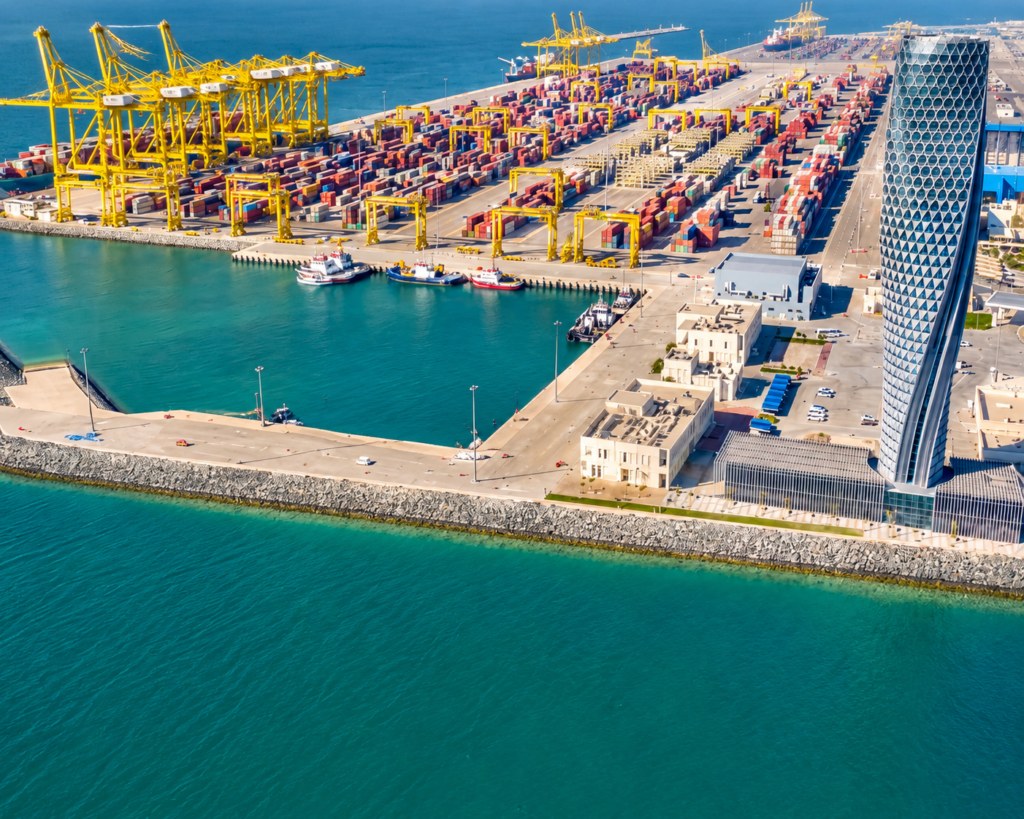
The National Planning Council (NPC) has issued the Export Unit Value Index (EXUVI) for the second quarter of 2026. The index recorded an increase of 17.64 percent compared to the corresponding quarter of 2025 (Q2 2025), and a rise of 6.45 percent compared to the first quarter of 2026 (Q1 2026). The increase reflects higher unit values of exported goods and demonstrates the resilience of the Qatari economy amid international developments, despite regional economic and geopolitical challenges, as well as the associated volatility in global markets and supply chains, said NPC in a press release. Regarding the index composition, each main group is assigned a relative weight based on its value in the base year (2018). The “mineral fuels, lubricants and related materials” group had the largest relative weight at 88.77 percent, followed by “chemicals and related products” at 8.04 percent, while “manufactured goods classified chiefly by material” ranked third at 2.63 percent. Together, these three groups account for approximately 99.5 percent of the total EXUVI weight. The increase in the EXUVI was driven by gains recorded across eight main groups, led by chemicals and related products at 34.73 percent, followed by mineral fuels, lubricants and related materials at 4.25 percent, manufactured goods classified chiefly by material at 3.31 percent, crude materials, inedible, except fuels at 3.14 percent, miscellaneous manufactured articles at 1.92 percent, beverages and tobacco at 1.00 percent, machinery and transport equipment at 0.50 percent, and food and live animals at 0.46 percent. A decrease of 1.00 percent was recorded in only one group commodities and transactions not classified elsewhere in SITC. The animal and vegetable oils, fats and waxes group remained unchanged during Q2 2026. The EXUVI rose by 17.64 percent compared to the corresponding quarter of 2025, driven by increases in six main groups: Chemicals and related products (+35.94 percent), mineral fuels, lubricants and related materials (+16.14 percent), manufactured goods classified chiefly by material (+14.46 percent), crude materials, inedible, except fuels (+7.38 percent), food and live animals (+5.26 percent), and commodities and transactions not classified elsewhere in SITC (+0.56 percent). On the other hand, three groups recorded decreases: beverages and tobacco (-3.52 percent), machinery and transport equipment (-1.45 percent), and miscellaneous manufactured articles (-0.47 percent). Meanwhile, the “animal and vegetable oils, fats and waxes” group remained unchanged. The EXUVI is a key statistical indicator that tracks changes in the unit values of exported goods and provides important insights into foreign trade dynamics and related economic activity. The index is calculated in accordance with the Standard International Trade Classification (SITC Rev. 4), which classifies exports into ten main groups comprising 56 commodities, in accordance with the Harmonized System (HS). The publication of this index falls within the framework of the National Planning Council’s commitment to providing reliable statistical data to support evidence-based decision-making and advance economic and developmental planning in the State of Qatar.
Qatar Ras Laffan Train Five ‘Goes Offline’
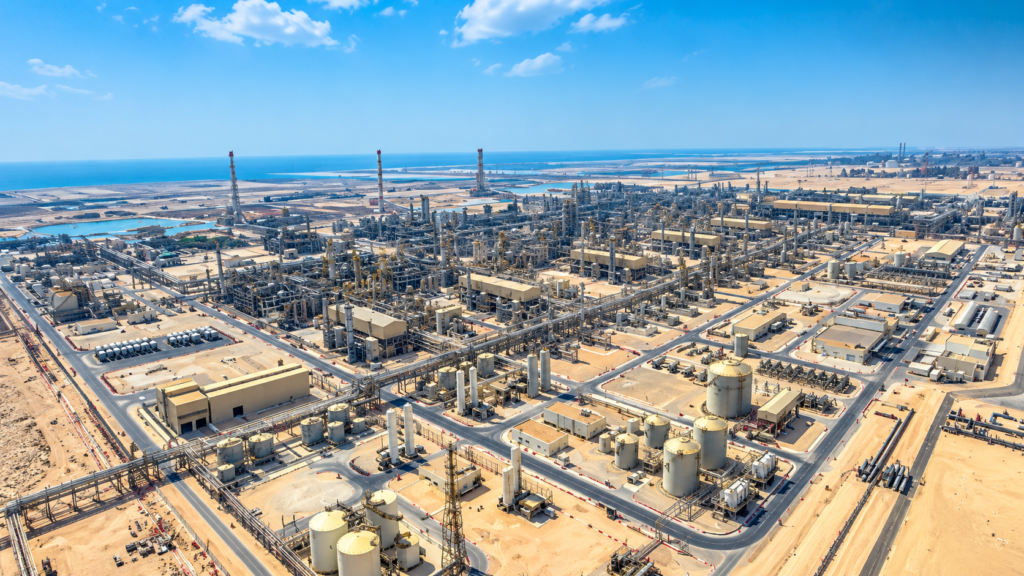
“The market narrative this week has been about Qatari capacity recovering. Proprietary data tells a different story,” it wrote. The situation remains fluid, with hopes of a deal raised and since stalled. The pivotal plant is responsible for around 20 percent of LNG supply. QatarEnergy confirmed an internal explosion during the restart of the LNG facility in June. Closely tied to Ras Laffan’s resumption is a solution for the safe passage of shipping through the Strait of Hormuz, which remains elusive. Resuming Ras Laffan’s LNG and helium production is “more important” than the reopening of the strait, Air Liquide CEO Francois Jackow had said in April this year. But four months on, finding a solution to the strait remains imperative for the global economy. Landon Derentz, vice president for energy and infrastructure at the Atlantic Council, the international affairs think tank, said the relevant question for US strategy is not whether the closure of Hormuz is painful, but whether that pain is more strategically endurable than the concessions Tehran hopes to extract in return for ending it. “The energy shock is real. Consumers will pay more for energy and political pressure will mount,” he said. “It is important that Washington, nonetheless, seize the opportunity this crisis presents to shape the transformation already underway. The goal should not simply be to reopen Hormuz, but rather to construct an energy system in which closing it matters far less.” One of Wood Mackenzie’s three forecasts it outlined in May, a quick peace, can now be ruled out. The ‘summer settlement’ scenario assumes negotiations extend into late summer, with the strait remaining largely closed until September. In this context, oil and LNG supply shortages persist through Q3, driving a shallow global recession in the second half of 2026. Global GDP growth falls below 2 percent. Under the most severe scenario, the strait remains largely closed until the end of 2026, with recurring tensions triggering periods of renewed conflict and sustained supply disruption.
QCB HIGHLIGHTS FINANCIAL SECTOR RESILIENCE IN 2025 REVIEW
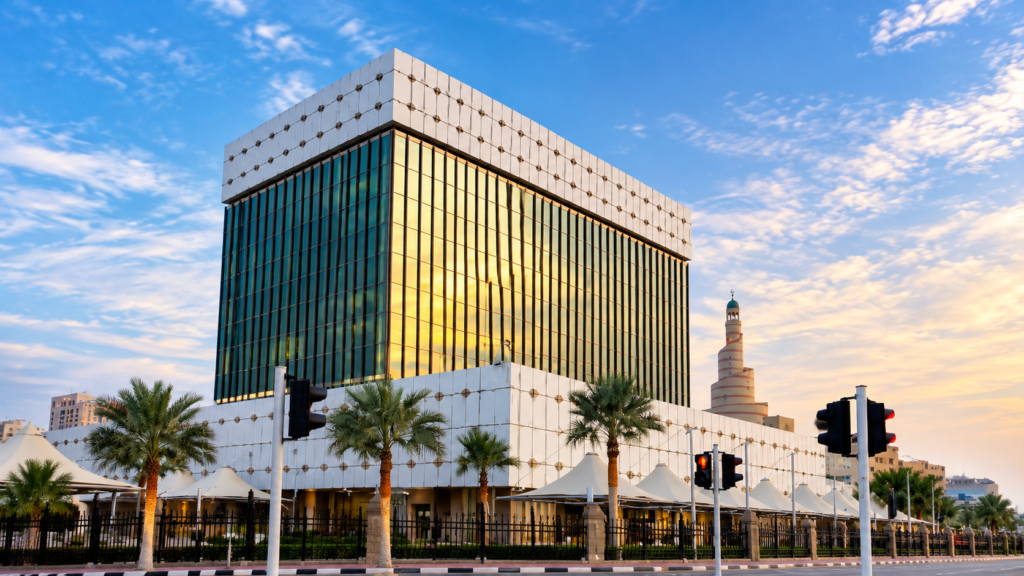
Qatar Central Bank (QCB) recently reported the resilience of the country’s financial system despite global economic challenges, alongside 2.9 percent real GDP growth and sustained strength in the banking sector. In its 2025 Financial Stability Review announced on X, the report notes that the banking sector maintained strong performance during the year, with total assets rising by 5.1 percent. Capital and liquidity buffers remained comfortably above regulatory minimums, while stress tests confirmed the sector’s ability to withstand adverse scenarios. The review also highlighted continued progress in Qatar’s digital payments ecosystem. The expansion of the Himyan national payment card and sustained growth of the Fawran instant payment platform contributed to greater reach and efficiency, with total retail payment values increasing by 82 percent compared with 2024. On cybersecurity and financial-sector resilience, QCB said it conducted the country’s first sector-wide Cyber Resilience Exercise, established a Cyber Forensics Laboratory, and continued the ‘Stay Aware National Information Security Awareness Campaign’. The initiatives were carried out in collaboration with the Ministry of Interior, the National Cyber Security Agency, and the Qatar Financial Centre Regulatory Authority. QCB stated that the combined efforts aim to reinforce information security while further enhancing the stability and efficiency of Qatar’s financial system. The review also underscored the central bank’s efforts to support the continued modernisation of Qatar’s financial infrastructure and strengthen the sector’s ability to respond to emerging risks. The growth of digital payment services reflects increasing adoption of electronic transactions and the expansion of secure, efficient payment channels across the country. QCB’s cybersecurity initiatives represent another key area of focus. The sector-wide ‘Cyber Resilience Exercise’ was designed to assess preparedness and strengthen the financial system’s capacity to prevent, respond to and recover from cyber incidents. The establishment of the ‘Cyber Forensics Laboratory’ is also expected to enhance capabilities in investigating and addressing cyber-related incidents. These developments highlight QCB’s continued focus on maintaining financial stability, strengthening institutional resilience and supporting sustainable economic growth while ensuring Qatar’s financial sector remains well-positioned to navigate future challenges.
Qatar targets US$100 billion (QR364 billion) in foreign investment as non-oil sectors power growth

Qatar’s non-hydrocarbon economy now accounts for 65.5 percent of GDP as the country targets US$100 billion (QR364 billion) in foreign investment by 2030, Oxford Business Group (OBG) has said. Qatar’s non-hydrocarbon economy now accounts for 65.5 percent of GDP, highlighting the country’s accelerating shift away from hydrocarbon dependence as it pursues an ambitious economic diversification strategy, according to OBG. The global advisory and research firm’s latest publication, The Report: Qatar 2026 says the country’s long-term transformation is being driven by regulatory reform, infrastructure investment and a target to attract US$100 billion (QR364 billion) in foreign direct investment (FDI) by 2030. According to the report, growth across construction, trade, tourism, logistics, information and communications technology (ICT) and financial services has helped non-hydrocarbon sectors reach 65.5 percent of GDP. OBG said Qatar continues to benefit from strong liquefied natural gas (LNG) revenues and one of the world’s largest sovereign wealth funds, supporting macroeconomic stability and fiscal strength despite regional geopolitical tensions. The report said the Third National Development Strategy (NDS-3) is driving Qatar’s next phase of economic transformation. The strategy aims to attract US$100 billion (QR364 billion) in foreign direct investment by 2030 through regulatory reforms and a US$1 billion (QR3.64 billion) incentives programme focused on advanced industries, logistics, digital technologies and financial services. According to OBG, rising FDI inflows, continued infrastructure investment, population growth and Qatar’s position as a regional trade, innovation and energy hub continue to strengthen its appeal as a long-term investment destination. The publication also explores Qatar’s long-term LNG expansion strategy and how the country is balancing its position as a leading global gas supplier with renewable energy investment, sustainability objectives and energy security priorities. The report highlights the role of 5G, cloud services, artificial intelligence (AI) and enterprise digitalisation in improving business competitiveness and supporting smart city development. It also examines how digitalisation, fintech innovation and sustainable finance are reshaping Qatar’s banking and capital markets while strengthening the country’s position as a bridge for international investment. OBG said sustainable urban planning and affordable housing also remain central to the country’s long-term development plans as the country prepares for future population growth through integrated urban centres, public-private partnerships and technology-enabled municipal planning.
Business Agility: Innovation Is Not a Flex – It’s a Muscle
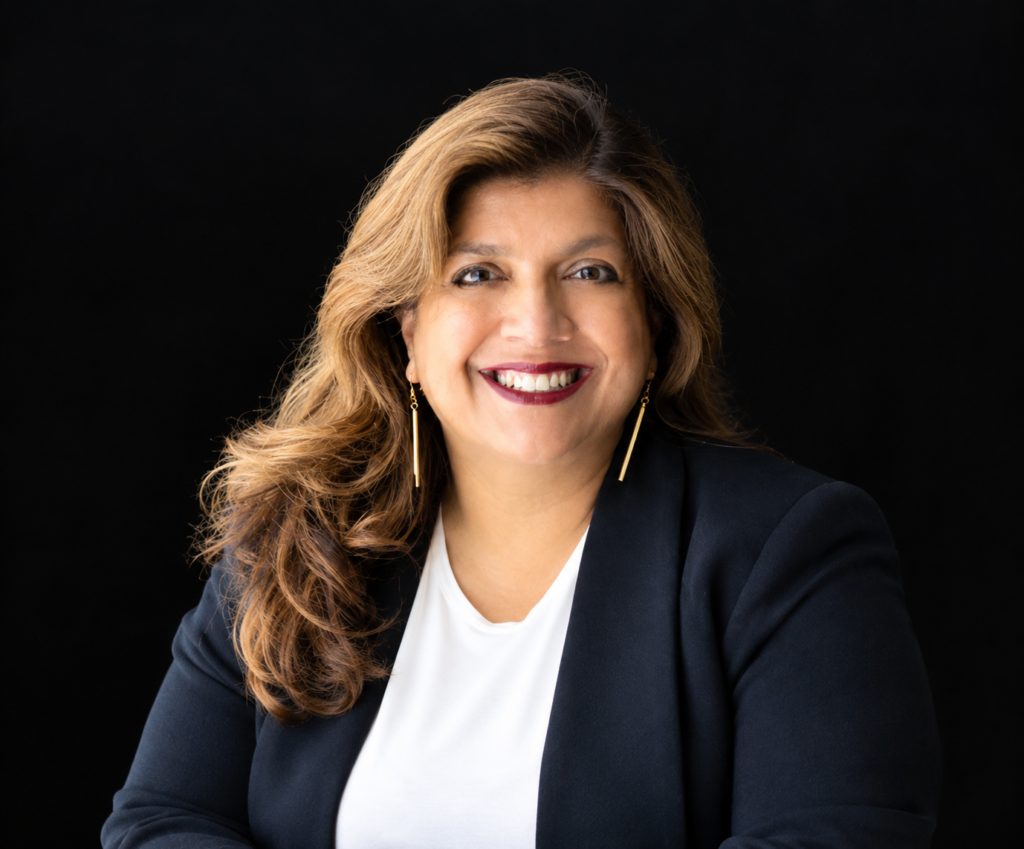
Innovation fails in most organisations not from a shortage of ideas, but from failing to integrate those ideas into how the business operates day to day. Treated as a sticking plaster or a quick fix, it rarely holds. Businesses that build agility into daily decisions, distributed across every function and practised through constant small iteration, will outlast those that treat innovation as a periodic initiative, writes Dr Shaheena Janjuha-Jivraj**. The businesses still standing after the next disruption won’t be the ones with the best innovation lab, they’ll be the ones that integrated innovation into their DNA. Every leadership offsite now features the language of innovation: labs, hackathons, innovation days. Participants leave energised, ready to act, but back at their desks, promotions and bonuses still reward repeating what worked before. Brilliant ideas stay locked in people’s minds until enthusiasm burns out. The “flex” model fails because it’s structurally isolated. Treated as a standalone activity with no clear KPIs, innovation becomes fragmented from real decision-making and easily forgotten. Most organisations have an abundance of good ideas, what’s missing is the infrastructure to let them grow into products and services. Real agility rests on Structural habits: reviewing innovation alongside financial performance, distributing ownership across every function rather than one isolated team, building tolerance for risk and failure, and favouring small frequent adjustments over rare transformation pushes. None of it works without psychological safety and without it, employees keep ideas contained rather than embedding change into daily decisions. Leadership is central to fixing this issue. The culture leaders create cultivate innovation or unwittingly destroy it. More often than not leaders believe they are promoting a strong culture of innovation, when in fact the opposite happens. A muscle, once built, keeps working quietly and compounds. Most competitors can copy a good idea within a year. What can’t be copied quickly is an organisation that has spent years training itself to move. Dr Shaheena Janjuha-Jivraj, FRSA is co-founder of Delta Futures, executive advisor and trainer working with senior leaders in companies, family offices and government bodies to transform leadership. She is adjunct faculty at London Business School, HEC Paris and Hult Ashridge. She is an author on several books on leadership and regular Forbes contributor.
QFC Firm Registrations Rise 37 Percent in First Half of 2026
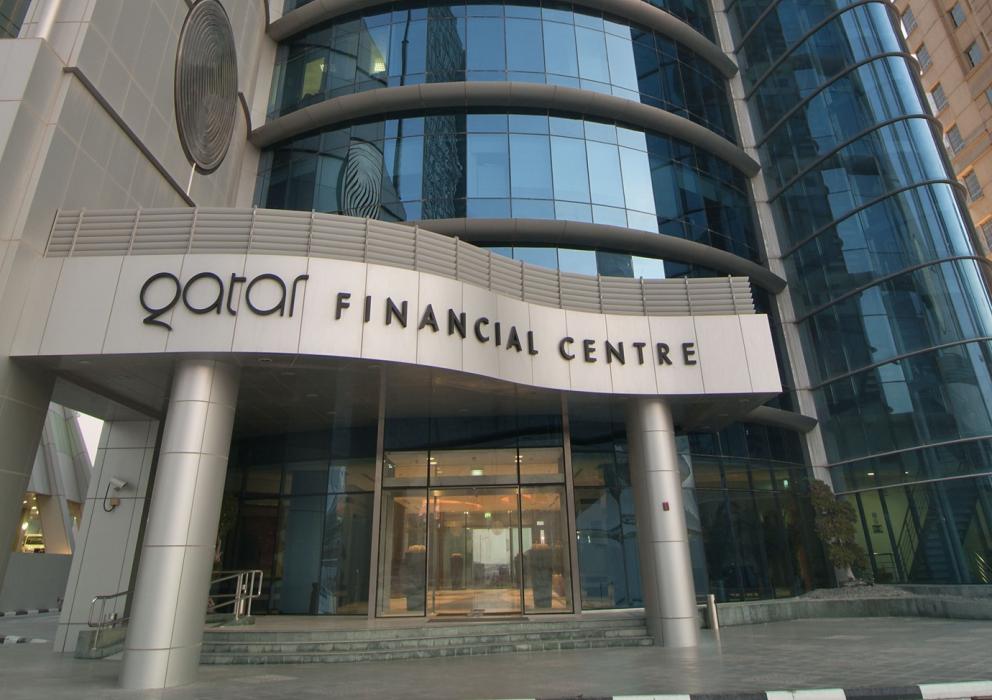
The Qatar Financial Centre (QFC), a leading onshore financial and business centre, closed the first half (H1) of 2026 with a 37 percent rise in firm registrations from the same period in 2025, underscoring the strength of its strategy and the appeal of Qatar’s business environment to investors and entrepreneurs alike. QFC onboarded 1,135 firms during the period, bringing its total registered firms to over 4,700 as at the end of June. Growth was recorded across QFC’s key focus sectors, with Technology and Innovation leading the way at 544 new firms, followed by Media and Entertainment at 173, Consulting and Professional Services at 166, Wealth at 84, and Fintech at 65. The strong uptake across these sectors reflects the breadth and growing relevance of the QFC platform to firms operating at the intersection of finance, innovation, and advisory services. QFC’s H1 growth was boosted by its performance at Web Summit Qatar 2026, where it received approximately 2,300 business licensing applications, an increase of approximately 44 percent from the previous year. The strong showing reflects the impact of QFC’s incentives and streamlined onboarding process to ease market entry, with waived registration and annual fees for the first three years combined with an integrated, one-stop-shop business setup model simplifying the registration journey. The first half of the year also saw QFC broaden the scope of Qatar’s financial services sector, with the registration of Qatar’s first-ever Real Estate Investment Trust collective investment fund. The launch of Salwa REIT will offer an economical and efficient way to own income-generating real estate assets in Qatar, marking a significant milestone in the depth of products available on the QFC platform. Regionally, QFC strengthened its regulatory cooperation with the Abu Dhabi Global Market (ADGM) and the Dubai International Financial Centre (DIFC) through reciprocal data protection adequacy recognition. The mutual recognition reflects the close regulatory cooperation between the three centres in establishing a robust data protection regime, streamlining cross-border operations for companies doing business across the region. The first half of the year also marked a defining chapter for the organisation. Mansoor Rashid Al Khater took over as chief executive officer in January, together with new appointments to QFC’s board of directors, and the centre relocated to its new headquarters in Lusail. The relocation positioned QFC at the heart of a smart, sustainable, and rapidly emerging district. The period also coincided with a celebration marking QFC’s 20 years of impact and the unveiling of a new brand identity carrying the renewed commitment to help firms ‘Grow with Confidence’. QFC chief executive officer Mansoor Rashid Al Khater said, “Over the years, QFC has built a platform businesses trust to support their growth. As we look ahead, our focus is on deepening that trust, expanding our value proposition, and backing our firms’ progress as QFC continues to evolve into a dynamic, future-ready hub for innovation and long-term partnerships.” Stiven Muccioli, CEO at BKN301 has, in his own words, “built, scaled, and exited companies across e-commerce and financial services” – which gave him a first-hand view of how technology can transform established industries. This created his current venture – BKN301 in 2021. Muccioli shares his views on Qatar and its potential for entrepreneurship, fintech investment opportunities what the growth of stablecoins could mean for Qatar’s banks and financial institutions.
Foreign companies coming to Qatar need to be the right ones
Parenting in the Age of AI

From New York Times bestselling author Dana Suskind, a timely, urgent guide to parenting in the age of artificial intelligence (AI) – and protecting what matters most in childhood As AI enters nurseries, playrooms, and classrooms, parents are being sold a “smart” childhood at every turn. This book is a guide to protecting the most important label of all: human raised. Dr. Suskind writes here to set forth some templates about how to keep your parenting (especially) guided toward making human connections, so that your children end up more human-focused than digitally guided people as adults. After all, the goal is not “good kids,” but adults capable of thriving in the world around them. Some folks will likely fault Dr. Suskind’s work because she does not come out flatly against using AI-tools in parenting, including exposing children to the products of AI. While there are valid ethical critiques of many AI-systems, she approaches the situation with the realism that says: “There will be AI, so how do we deal with it?” You have basic guidance on researching AI and what you should and should not use it for. There are several chapters first establishing the very real need for parents and caregivers to be human-first in their interactions with children. Suskind makes plain that imperfect human interaction far supersedes algorithmic perfection. Each chapter in this book ends with a helpful TLDR section, giving you, the reader, the main takeaways from each chapter. One should still read the chapters! However, life gets busy. You will see the value of each chapter as you check these chapters out. If you see this book on a bookstore shelf and want to know if it’s worthwhile, take a peek at any of those chapter endings. Finally, almost worth the price of purchase itself, she walks the reader through an investigative framework using DETEK as an acronym. This shows up in the body of the text starting in chapter 8, but then is helpfully pulled-out into an appendix for easy reference. FOUR GUIDING PRINCIPLES FOR RAISING CHILDREN ALONGSIDE AI Human connection is irreplaceable Own your imperfections Protect the early years Enhance don’t replace connection
HE Sheikh Mohammed Opens the 22nd Doha Jewellery & Watches Exhibition
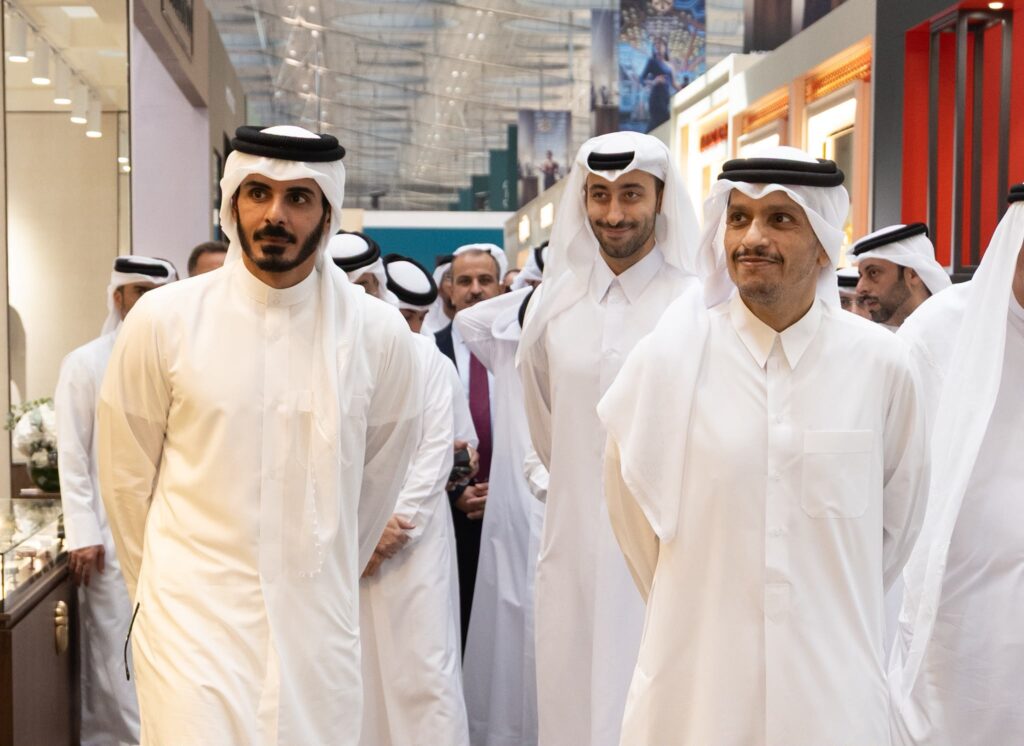
Under the patronage of His Excellency Sheikh Mohammed bin Abdulrahman bin Jassim Al Thani, Prime Minister and Minister of Foreign Affairs, the Doha Jewellery & Watches Exhibition (DJWE) 2026 opened to the public on September 28 at the Doha Exhibition and Convention Centre (DECC). The opening was attended by His Excellency Sheikh Khalifa bin Hamad bin Khalifa Al Thani, Minister of Interior alongside several ministers, ambassadors, and other distinguished guests. The 22nd edition, which is owned by Qatar Tourism, brought by Visit Qatar and organised by Qatar Business Events Corporation (QBEC), was inaugurated during a ceremony attended by H.E. Mr. Saad bin Ali Al Kharji, Chairman of Qatar Tourism and Chair of the Board of Directors of Visit Qatar, and Eng. Abdulaziz Ali Al Mawlawi, CEO of Visit Qatar. Commenting on the opening of the exhibition, HE Saad bin Ali Al Kharji, Chairman of Qatar Tourism and Chairman of the Board of Directors of Visit Qatar, said: “Over more than two decades, the Doha Jewellery and Watches Exhibition has continued to evolve in line with Qatar’s ambitions, establishing itself as a leading global platform for an industry rooted in heritage, creativity and excellence. The 22nd edition reflects the stature the exhibition has achieved, bringing together international expertise, regional participation and Qatari creativity, while opening up new avenues for business, knowledge exchange and partnerships. “As we continue to strengthen the role of tourism as a key contributor to economic diversification, we remain focused on developing distinctive, high-value tourism experiences that draw on Qatar’s unique strengths and deliver sustainable economic impact. The Doha Jewellery and Watches Exhibition embodies this approach, enhancing Doha’s position on the global map of specialised events while providing Qatari designers and entrepreneurs with a vital platform to connect with international markets, create new opportunities for growth and contribute to the development of Qatar’s creative industries.” Eng. Abdulaziz Ali Al Mawlawi, CEO of Visit Qatar, said: “The Doha Jewellery and Watches Exhibition continues to evolve in scale, diversity of participation and international presence, reinforcing its position as one of the leading events on Qatar’s annual calendar and a prominent meeting point for the regional and global jewellery and watch industry. This year, we are building on the exhibition’s achievements by expanding international participation, introducing new platforms for knowledge exchange and offering a diverse programme that brings visitors closer to the creativity, craftsmanship and inspiring stories behind some of the most exceptional designs and pieces. “We remain committed to developing and enriching the exhibition with new content and experiences with every edition, enhancing the value offered to participating brands and designers while providing visitors with new opportunities to discover and engage. This builds on Visit Qatar’s vision of developing world-class events that enhance Qatar’s appeal as a tourism destination and contribute to a diverse and distinctive visitor offering throughout the year.” As the Official Sponsor of DJWE 2026, QNB Group continues its commitment to major international events that strengthen Qatar’s position as a leading destination for luxury and premium experiences. The sponsorship also reflects the Group’s focus on advancing local enterprise and creating greater opportunities for Qatari brands and entrepreneurs. Beyond showcasing exceptional jewellery and watchmaking, the exhibition connects international brands with Qatari designers and entrepreneurs, creating opportunities for commercial relationships, knowledge exchange and access to wider markets. By supporting these connections, QNB Group contributes to private sector growth and economic diversification, in line with Qatar National Vision 2030. Spanning a week, the 22nd edition brings together 49 exhibitors representing more than 500 brands from 30 countries, presenting a wide-ranging showcase of fine jewellery, exceptional timepieces and contemporary design. Leading regional names including Al Fardan Jewellery, Al Majed Jewellery, Ali Bin Ali Luxury, Amiri Gems, Fifty-One East, Al Muftah Jewellery, Blue Salon and Arts and Gems feature alongside international houses and established and emerging Qatari designers. This year, DJWE also unveils a unified visual identity across its exhibition spaces and pavilions, creating a more cohesive visitor journey. International and local participation is further reflected in the return of the Turkish, Indian and Qatari Designers pavilions. The Turkish Pavilion features two brands, while the Indian Pavilion brings together five, each showcasing the distinctive craftsmanship and design traditions of their respective markets. The Qatari Designers Pavilion, sponsored by Scale7, places local creativity at the heart of the exhibition. As Qatar’s hub for Creative and Cultural Industries, Scale7 supports startups and entrepreneurs through programmes, investment and services designed to accelerate innovation and growth. This year, the pavilion brings together six Qatari talents: Midad Jewellery, founded by architect, calligrapher and jewellery designer Abdulla Yousuf Al-Fakhroo; M Royal Collection, led by designer Maisa Jasim Buhejji; Kaltham’s Pavilion, founded by Kaltham Abdulmonem Al Majid, granddaughter of the late Mahdi Ali Al Majid, founder of Al Majed Jewellery; H Jewelry, founded by Hamad Ahmad Al-Mohammed; Ghand Jewellery, co-founded by Jawaher Mohammed AlMannai; and Alghla Jewellery, founded by Shaikha Al Ghanem. The exhibition is also broadening its regional representation, with four GCC-based exhibitors participating in DJWE for the first time: Lulu Al Mahmoud from the Kingdom of Bahrain, Al Bakshi Jewellery from the Kingdom of Saudi Arabia, Ammar Jewellery from the United Arab Emirates, and Zari Jewellery from the State of Qatar.Among the major additions to the 2026 edition is the participation of Christie’s, the renowned international auction house with a 260-year heritage across art, luxury and collectibles. Alongside a dedicated presence within the exhibition, Christie’s specialists are contributing their expertise in jewellery and watches through talks and guided experiences and educational sessions as part of the newly launched DJWE Studio. Throughout the week, the DJWE Studio (The Studio) will host a full programme of workshops, panel discussions and masterclasses. Christie’s will lead sessions exploring the jewellery and watch markets, design trends and collecting behaviours, alongside guided jewellery and watch tours, a Mentorship Moment session connecting emerging designers with industry leaders, and a two-day certificate courses exploring 150 years of art and the relationship between art, jewellery and watches in the 20th century. Sophie Stevens, Christie’s