

Is It Time to Consider Building New Offices in Doha?

For almost a decade, Qatar’s office real estate market has been shaped by oversupply. A major development boom significantly expands office stock in Doha, first in West Bay and later in Lusail, creating a market where supply outpaces organic demand. Before this era of rapid expansion, office space in Doha was spread across areas such as Old Salata, Al Sadd, and along Grand Hamad Street, which traditionally served as the city’s central business district. The rise of West Bay’s landmark commercial towers along the Corniche marks a major turning point. Government entities and private companies are increasingly relocating to this new business hub, leaving much of the older office stock incentral Doha underutilised or vacant. A Market Defined by Oversupply The scale of new development quickly outpaces demand. When global oil prices fell in 2015, market momentum weakened, and the combination of growing supply and softer demand ledto a sharp correction in rental levels. At the same time, many older office buildings in central Doha face growing challenges. These assets no longer meet the expectations of modern occupiers, particularly those seeking efficient layouts, advanced infrastructure, and stronger brand positioning. As a result, functional obsolescence becomes a serious issue, and many older properties experience prolonged vacancy. As the extent of oversupply becomes clearer, developers begin to delay or abandon plans for new office projects. In Lusail, several plots originally designated for office development are instead converted into residential schemes, as apartments present a stronger and more reliable business case in a market where office rents remain under pressure. Prime Office Demand Is Now Tightening Over the past two years, however, market conditions have begun to shift. While older and secondary office stock continues to struggle, demand becomes increasingly concentrated in prime Grade A space across West Bay, Lusail, and Msheireb Downtown. Increased take-up by government-related occupiers helps push availability in these premium locations below 10 per cent. This tightening is particularly significant for larger occupiers. With much of the remaining pipeline in Lusail Towers and along Lusail Boulevard already reserved, the number of options for businesses seeking more than 5,000 square metres of high-quality office space is rapidly shrinking. That change raises a serious question for Qatar’s commercial real estate sector: after years of caution, is Doha reaching the point where new office development becomes viable again? The Business Case Is Strengthening — But Timing Matters The case for new office development in Doha is certainly becoming stronger. Prime space is tightening, demand for modern Grade A offices remains resilient, and upward pressure on rents is beginning to emerge. That said, current rental levels still do not fully justify the high cost of construction. For developers, this means that while the fundamentals are improving, the numbers are not yet entirely straightforward. The next few years may prove decisive. In the absence of a meaningful future pipeline, a well-positioned office development delivered within four to five years could enter the market at exactly the right moment. Such a move, however, still carries an element of speculation and risk, particularly if broader economic conditions or occupier trends change. A New Cycle for Doha’s Commercial Marke What appears increasingly clear is that Doha’s office development cycle is likely to re-emerge, shaped by evolving occupier requirements and a more mature commercial landscape. The city is no longer simply dealing with oversupply in broad terms. Instead, the market is becoming more segmented. Older, less efficient buildings continue to struggle, while prime, future-ready office space in the right locations becomes increasingly scarce. That distinction matters. It suggests that the next wave of office development in Doha is unlikely to resemble the last. Future projects will need to be carefully positioned, aligned with tenant expectations, and designed with flexibility, quality, sustainability, and long-term demand in mind. The more interesting question now is no longer whether new office development will return to Doha. It is who moves first. By Johnny ArcherMember of the Royal Institution of Chartered Surveyors and Partner at Cushman & Wakefield Qatar. Archer has worked in the Middle East since 2013 and leads Cushman & Wakefield’s Consulting and Research department in Qatar.
Qatar’s Women Are Already Building the Nation Today, Alongside Men
Dr Buthaina Al Janahi, Media Relations & Communications Senior Manager at Visit Qatar, shares her journey across research, partnerships, culture, and tourism — and explains why Qatari women are not waiting for empowerment, but are already shaping the nation’s future. In Qatar’s evolving professional landscape, women continue to play a central role in shaping institutions, industries, and national progress. Among them is Dr Buthaina Al Janahi, Media Relations & Communications Senior Manager at Visit Qatar, whose career reflects a powerful blend of research, strategic partnerships, cultural understanding, and public communication. With a career path spanning research, stakeholder engagement, culture, and tourism, Dr Al Janahi represents a modern Qatari professional who balances intellectual depth with practical impact. In this conversation with Business Leaders, she discusses the lessons that have shaped her journey, the advice she offers to younger women, and why she believes Qatari women are already building the nation side by side with men. A Career Built on Research, Strategy, and Cultural Understanding Dr Al Janahi says her career began in research, where she developed a strong interest in analytical work, particularly in understanding institutional structures and state-level reforms through a strategic and research-driven lens. That early stage shapes the way she approaches systems, governance, and long-term transformation. After several years, she moves into partnerships, a role that broadens her perspective on how institutions collaborate and build sustainable stakeholder relationships, whether for short-term initiatives or long-term strategic alliances. She explains that this stage strengthens her communication skills, sharpens her outlook, and teaches her how to navigate complex stakeholder environments with greater confidence. Her academic and professional interests continue to centre on research, particularly in the fields of culture and social development. She is drawn to understanding internal social transformation and to exploring culture through fresh, multidimensional perspectives. Her eventual transition into tourism marks an important turning point. In that sector, culture becomes something she not only studies but also communicates in practical and public-facing ways. Through tourism, she translates cultural understanding into impact by storytelling, positioning, and national representation. International Women’s Day Is More Than One Day For Dr Al Janahi, International Women’s Day carries a meaning far deeper than a single annual occasion. She says she personally sees it as “Women’s Days” rather than one day, because women’s contributions are visible everywhere — at home, in society, and across every professional field. She strongly believes in women’s intellectual strength, their ability to compete effectively, and the value they bring through multitasking and balancing multiple roles. She also describes women as strategic thinkers by nature, often long-term in their planning, building, and leading. For that reason, she believes women’s strength and impact deserve recognition every day. The Role That Teaches Her the Most Reflecting on the positions that shape her most, Dr Al Janahi says that communications, especially within the tourism sector, teach her the most professionally. She describes it as a highly dynamic environment that requires constant adaptability to the project, the audience, and the broader strategic objective. It also demands a careful balance between flexibility and the protection of brand identity, often across multiple departments and cross-functional teams. On a personal level, she identifies her experience in partnerships as a key turning point. That phase helps her understand different perspectives, appreciate stakeholder priorities, and build essential professional skills from the ground up. It also marks the beginning of her managerial growth and lays the foundation for the leadership journey that follows in communications at Visit Qatar. Her Message to Younger Women As a Qatari woman and published author of three books, including a self-development memoir, Dr Al Janahi offers a message of strength, balance, and self-preservation to younger women. She says one of the strongest lessons she shares is that women are capable of managing many roles while still making space for their own growth. A woman may be a professional, a mother, a daughter, and a sister, wearing many hats at once. While that brings commitment and responsibility, it can also mean temporarily setting aside parts of oneself. But she stresses, that does not mean losing oneself. Dr Al Janahi believes it is important for women to preserve space to express themselves, rediscover who they are, and return to their own ambitions and identity. In her view, it is entirely possible to build a life of responsibility while still creating room for self-development and self-expression. Qatari Women Are Already Building the Nation When asked about the role of women in nation-building over the next decade, Dr Al Janahi offers one of the most powerful insights of the conversation. She says Qatar is not waiting for women to be empowered in nation-building — women are already building the nation today, alongside men. She points to the visibility of women leaders, executives, entrepreneurs, and board members across Qatar, noting that women contribute not only through participation but also through strategic planning and support for the national vision. According to her, the work being done today is already creating the foundation for the next decade. Rather than speaking of women’s future role as something distant, she makes it clear that this reality is already unfolding now. Looking Ahead Looking two years ahead, Dr Al Janahi says she sees herself professionally as a continuous learner — someone eager to grow, challenge herself, and develop through complex situations. She aims to deepen her mastery in her area of expertise while strengthening her strategic thinking through multiple perspectives. On a personal level, she sees herself as an influencer, particularly in the power of culture and language. She believes words shape identity, narratives, and even the way people analyse life. For her, developing one’s own voice and perspective is a way of defining strength, intellectual power, and purpose. Quick Insights from Dr Buthaina Al Janahi Best advice received:Be yourself — and learn every day. Learning never stops. Go-to book in a crisis:What They Don’t Teach You at Harvard Business School by Mark H. McCormack. Role models:A small number of people across personal and
Australian Expertise Has Played a Role in the Emergence of Qatar’s LNG Industry
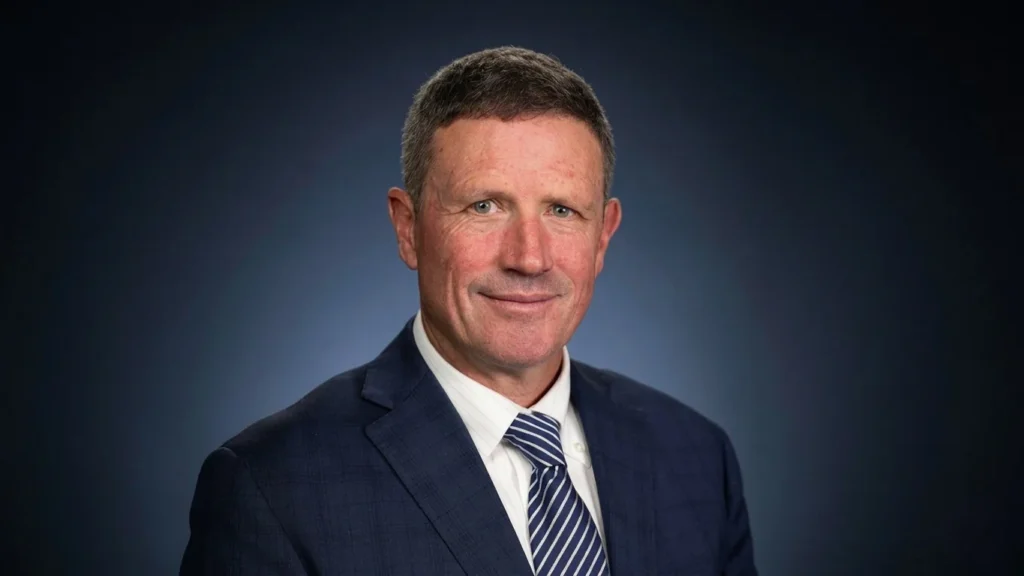
HE Ambassador Shane Flanagan, Ambassador of Australia to Qatar, spoke to Business Leaders about the evolving contours of Qatar-Australia relations, trade and investment, energy cooperation, humanitarian engagement, and the milestones that made his tenure in Doha especially memorable. The relationship between Qatar and Australia continued to deepen across a broad range of strategic sectors, from trade, aviation, and education to energy, humanitarian dialogue, and investment. For HE Ambassador Shane Flanagan, Australia’s Ambassador to the State of Qatar, the bilateral relationship reflected both practical cooperation and a shared commitment to long-term growth. Speaking to Business Leaders, Ambassador Flanagan traced his own diplomatic journey back to his university years in Australia, when an early interest in foreign policy first took shape. He studied Economics and Asian Studies at the Australian National University in Canberra, spent a year in Seoul attending Korea University, and later travelled extensively through South America. Those formative experiences fuelled his ambition to work in international diplomacy. After graduating, he joined the Embassy of Korea in Canberra as a local staff member before entering Australia’s Department of Foreign Affairs and Trade in 2001. Since then, his career has spanned a series of important roles in Canberra and overseas postings to Jakarta, Kabul, Harare, and Tokyo. He arrived in Doha in August 2023 as Australia’s Ambassador to Qatar. Trade and Investment Relations on a Stronger Trajectory Ambassador Flanagan noted that Qatar had become one of Australia’s top two trading partners in the Middle East and North Africa region. In 2024–25, two-way goods and services trade reached A$3.5 billion, reflecting a 12.8 per cent increase over the past five years. He described Qatar as a strategically important and high-value market for Australian exporters and service providers. The Australian side continued to play an active role in sharing information with businesses exploring opportunities in Qatar, while also supporting high-level business missions and official visits that could further expand commercial ties. Among the initiatives helping to strengthen that momentum was a business mission focused on the business of sport in late 2025, as well as planned visits in early 2026 by ministers with economic portfolios from two Australian states. According to Ambassador Flanagan, these efforts had helped drive measurable gains in trade and engagement. Energy: A Sector of Shared Strength Energy remained one of the most significant areas of common interest between Qatar and Australia, particularly in hydrocarbons and LNG. Ambassador Flanagan emphasised that Australian expertise had played a role in the emergence of Qatar’s LNG industry, citing a cohort of Australians working at QatarEnergy and a long-standing legacy of Qataris pursuing education and training in Australia. He also highlighted the involvement of several Australian engineering firms in projects linked to Qatar’s energy sector. Looking ahead, he noted that several major Australian energy companies would be represented by their CEOs at LNG2026, which Doha was set to host in February, and expressed confidence that the two countries still had much to learn from each other in this vital field. The Bedrock Sectors of Bilateral Cooperation While commercial engagement formed a strong foundation of the Qatar-Australia relationship, Ambassador Flanagan identified several sectors that now stood out as especially important. Aviation had emerged as a critical area of cooperation. Qatar Airways’ acquisition of a 25 per cent stake in Virgin Australia had helped drive a 40 per cent increase in flight connections between Doha and Australian cities, bringing the total to 10 flights a day. This had also contributed to greater freight volumes and stronger connectivity between the two nations. Education was another key pillar. Ambassador Flanagan highlighted the partnership between Swinburne University of Technology and the newly established Barzan University College, which enabled Australian tertiary education credentials to be offered in Qatar for the first time. He described this as a meaningful investment in people and skills, aligned with Qatar’s future workforce needs. Qatari Investment in Australia The Ambassador also spoke positively about Qatar Investment Authority’s position in Australia, noting that QIA held a high-quality portfolio across key infrastructure and commercial real estate assets. He underlined food security as an especially important area where Qatari investment could add value, while also pointing to substantial room for future growth in the investment relationship. He added that there was also potential for Australian pension funds to invest in Qatar, making this a mutually beneficial space for both countries. Shared Humanitarian Concerns Beyond trade and commerce, Qatar and Australia also shared important concerns on humanitarian and development issues. Ambassador Flanagan referred to the participation of Australia’s Minister of International Development, Hon Anne Aly, in the World Summit for Social Development hosted in Doha in November. He described the summit as highly valuable and said it had created opportunities to engage with counterparts, including from Qatar, on challenges facing multilateral and humanitarian systems. He recognised Qatar’s contribution in this space, particularly through the Qatar Fund for Development, and said Australia viewed these efforts as meaningful and impactful in helping countries pursue sustainable development and address humanitarian needs. He noted that the two countries had strengthened dialogue in this area and aimed to continue working together toward a more formal partnership. The Roadmap Ahead Looking ahead, Ambassador Flanagan said 2026 would mark a significant milestone: the 10th anniversary of the opening of the Australian Embassy in Doha. He said the year had already begun on a strong cultural note, with the screening of a documentary produced by Qatar Television on pearling in Australia. The event celebrated a shared heritage and was attended by Australia’s Speaker of the House of Representatives during a visit to Doha. The Embassy intended to continue supporting cultural collaboration throughout the year, while also building on the growing pattern of high-level engagement between both countries. Over the next two years, the goal would be to elevate the relationship further through deeper cooperation, stronger institutional ties, and sustained diplomatic engagement. Memorable Moments in Qatar Asked to single out three memorable moments from his time in Qatar, Ambassador Flanagan pointed first to the honour of presenting
Moza Ghaith M A Al Kuwari: Trust the Journey, Never Rush Growth
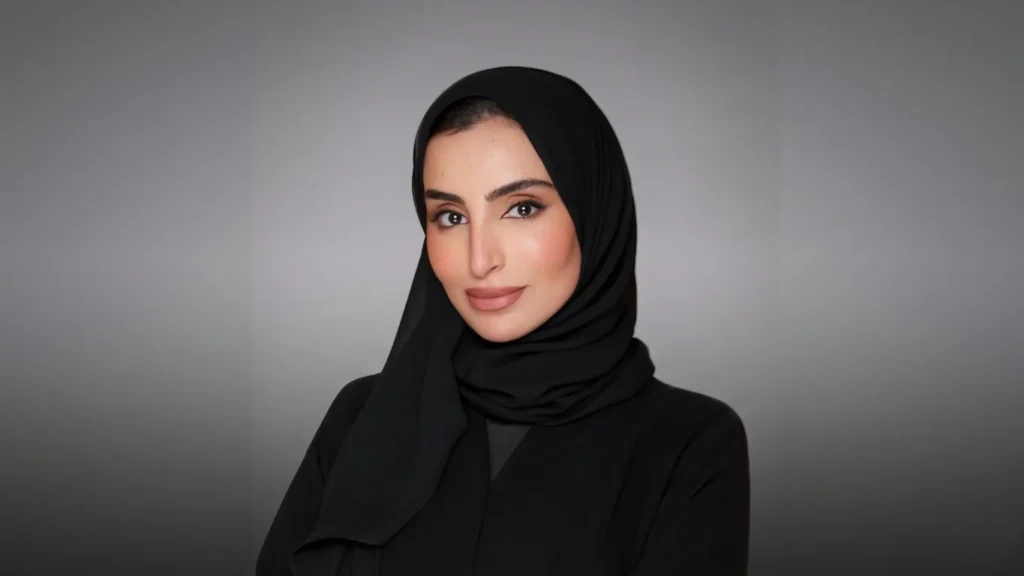
In one of the most demanding and traditionally male-dominated areas of financial services, Moza Ghaith M A Al Kuwari, Chief Compliance Officer at Doha Bank, built a career defined by resilience, credibility, and purpose. Her journey reflected not only personal determination but also the rising presence of Qatari women in senior leadership roles within the financial sector. With a professional path shaped by governance, integrity, and trust, Al Kuwari emerged as a strong voice in compliance — a field where precision, accountability, and sound judgement were essential. A Career Built on Governance and Integrity Al Kuwari’s journey in banking began with early exposure to operational roles, which gave her a practical understanding of how financial institutions functioned on the ground. That foundation proved invaluable later in her career, allowing her to approach compliance from both an operational and regulatory standpoint. “My career journey has been shaped by a strong interest in governance, integrity, and building trust within the financial sector,” she said. As she progressed in compliance, her experience expanded to include regulatory compliance, AML/CFT, financial crime prevention, and cross-border regulatory environments. This depth of exposure gave her a holistic view of risk, regulation, and the role that strong frameworks played in protecting institutions and the wider financial system. Today, as Chief Compliance Officer, Al Kuwari oversees compliance across both local operations and international branches, with a particular focus on governance, data quality, and the responsible use of technology. “My journey has been defined by resilience and a commitment to upholding the highest standards within Qatar’s banking sector,” she said. Leading in a Male-Dominated Environment Working in a traditionally male-dominated field came with its challenges, especially in the earlier stages of her career. Yet rather than limiting her, those experiences strengthened her resilience and shaped her into a more confident, grounded, and decisive leader. “As a woman, I believe I bring a leadership style that balances firmness with empathy and structure with relationship-building,” she said. For Al Kuwari, succeeding in such an environment required more than technical skill. It demanded credibility, consistency, and the ability to remain steady under pressure. Over time, those qualities not only strengthened her professional capabilities but also shaped her broader leadership philosophy. “These qualities have enabled me to lead effectively, manage complexity, and build trust in demanding environments,” she said, reinforcing her belief that diverse leadership styles added real value in sectors such as banking and compliance International Women’s Day: Recognition and Responsibility International Women’s Day held deep meaning for Al Kuwari. To her, it represented both recognition and responsibility. In Qatar, she believed women’s leadership had been actively supported and inspired by strong national role models, particularly Her Highness Sheikha Moza bint Nasser, whose leadership consistently emphasised education, empowerment, and the meaningful contribution of women to society. “For me, the day is a reminder of the progress women have made, as well as the responsibility to continue opening doors and creating opportunities for future generations,” she said. She viewed the occasion as a reflection of the importance of visibility, impact, and supporting women to lead with confidence and purpose — especially in sectors that remained complex and challenging. Balancing Career and Personal Life For Al Kuwari, balancing professional success with personal life required discipline, adaptability, and a clear sense of priorities. Over time, she learned the importance of setting boundaries, managing time effectively, and being fully present in each role she carried — both at work and at home. “I have also learned to accept that balance is not static,” she said. “ There are periods that demand more professionalismand others that require greater personal focus. Being flexible and kind to oneself during these phases is essential.” At the heart of that balance was family. She credited the support of her loved ones as central to her growth and resilience. “The encouragement of my mother and siblings, together with the daily motivation I draw from my daughters, has given me the strength and perspective to continue growing,” she said. “My family remains my anchor and my source of purpose, enabling me to lead with resilience, consistency, and confidence.” A Leadership Philosophy Rooted in Values Al Kuwari’s approach to leadership was shaped by calm judgement, ethical clarity, and a firm commitment to doing the right thing. Her method for navigating difficult situations was simple yet powerful: pause, assess the facts objectively, seek perspective where needed, and respond with clarity rather than emotion. Among the best pieces of advice she had ever received was a principle that aligned closely with her professional ethos:“Focus on doing the right thing and let the rest follow.” That value system had guided her throughout her career, helping her navigate complexity with steadiness and purpose. Short Shots Your role model:Her Highness Sheikha Moza bint Nasser, for her visionary leadership and unwavering belief in the power of women and education. Your go-to method of navigating a difficult situation:Pause, assess the facts objectively, seek perspective where needed, and respond with clarity rather than emotion. The best advice you’ve received:“Focus on doing the right thing and let the rest follow.” The best book on resilience you’ve read:Dare to Lead by Brené Brown, for its emphasis on courageous leadership, vulnerability, and trust. What would you tell a younger Moza about handling life?Trust your journey and never rush your growth. Every challenge is shaping you for something greater. Stay grounded in your values, remain patient, and remember that your story is still being written — your best chapters are yet to come.
Aisha Hussein Alfardan: Leading with Legacy, Purpose and Impact
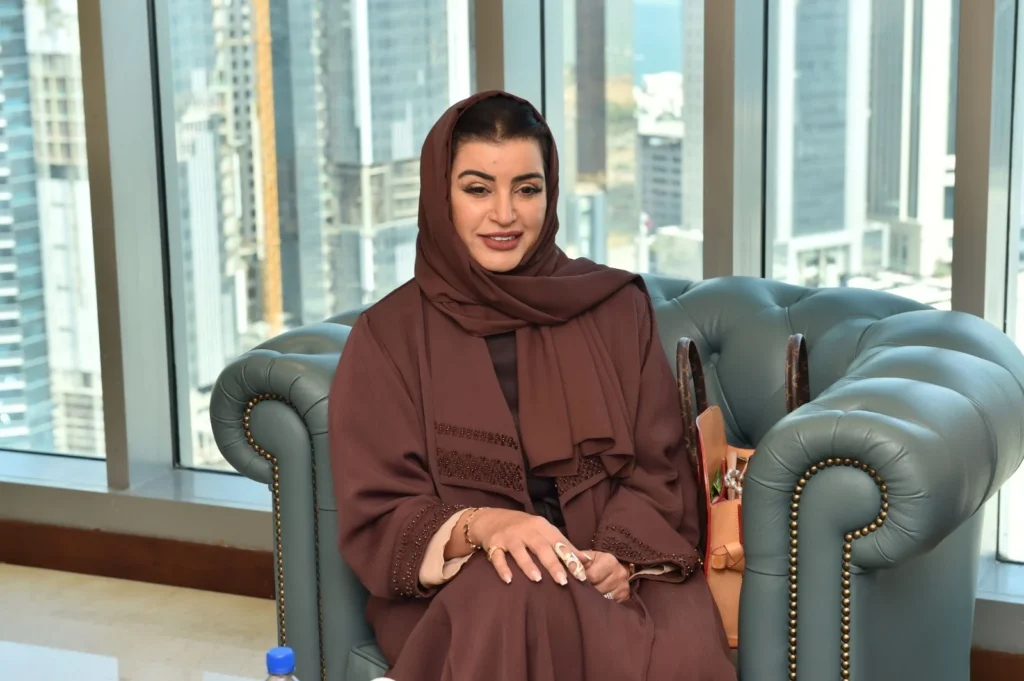
Aisha Hussein Alfardan’s journey was shaped by legacy, discipline, and a deep commitment to women’s empowerment in Qatar. From her early banking career to her leadership role within Alfardan Group and the Qatari Businesswomen Association, she reflected on resilience, institution-building, and the evolving role of women in national development. Aisha Hussein Alfardan’s career path began with the values instilled by her father, the legendary Hussain Ibrahim Alfardan, founder of Alfardan Group, one of the region’s most prominent family conglomerates. His philosophy was clear: start early, learn from the ground up, and build experience step by step. According to Alfardan, her father believed that real leadership came from understanding every layer of a business. That principle profoundly shaped her professional journey. “I began my professional career at the Commercial Bank of Qatar, where I worked for over nine years and progressed to become Ladies Branch Manager,” she said. “That experience gave me firsthand exposure to financial operations, client relations, and institutional discipline. It taught me accountability, structure, and the importance of earning credibility through performance.” In 2003, Alfardan joined Alfardan Group to work alongside her father and brothers in managing and developing the family business. For her, being part of a legacy enterprise was both an honour and a responsibility. “My focus has been on contributing to its continued growth while preserving the values upon which it was built,” she said. “Alongside my role within the family business, my work with the Qatari Businesswomen Association has been a central part of my journey, channelling my experience toward empowering women, strengthening their economic participation and contributing to Qatar’s broader economic development.” A Pioneer in Women’s Empowerment In Qatar, Alfardan believed that progress had evolved organically and in harmony with cultural values and the national vision. One of the strongest inspirations behind women’s advancement, she noted, had been the vision and leadership of Her Highness Sheikha Moza bint Nasser. Her longstanding commitment to education, social development, and women’s empowerment laid a strong foundation for women to pursue leadership roles with confidence. “Her Highness has consistently emphasised that investing in women’s education and capabilities is essential for sustainable national progress,” Alfardan said. “This vision has greatly influenced the environment in which organisations such as QBWA operate, allowing us to build on a national framework that supports inclusion, opportunity, and growth.” Within that supportive framework, the role of institutions such as the Qatari Businesswomen Association had been to translate vision into action, creating practical pathways for women to access mentorship, partnerships, and economic opportunities. “By working collaboratively with different entities, private sector partners, and international institutions, we have contributed to fostering an ecosystem where women’s leadership is increasingly recognised as an integral part of Qatar’s development journey,” she explained. Recognition That Reflected a Wider Movement In 2006, Alfardan was ranked 24th on the Forbes list of the 50 Top Businesswomen in the Arab World, a recognition that highlighted her success, prominence, and ambition in the business sphere. For Alfardan, such recognitions were never solely personal. They brought visibility not only to individuals but to entire communities. “Being ranked among the top Arab businesswomen highlighted the growing role of Qatari women in regional business,” she said. “It reinforced confidence among young women and demonstrated that leadership and ambition are fully compatible with our national identity.” Gender Parity and the Evolving Glass Ceiling According to Alfardan, Qatar had made remarkable progress, particularly in education, where women accounted for a significant share of graduates. Women today lead businesses, serve in government, and contribute across key sectors. While parity remained an ongoing global journey, she believed the trajectory in Qatar was strong and aligned with Qatar National Vision 2030. On the subject of the glass ceiling, Alfardan offered a balanced perspective. “The concept of the glass ceiling is a global discussion, and it would not be realistic to suggest that any society has eliminated all structural or social challenges,” she said. “Around the world, women continue to navigate complexities related to representation at the highest levels of leadership, balancing professional and personal responsibilities, and accessing certain sectors traditionally dominated by men.” She noted, however, that Qatar’s landscape had evolved significantly over the past two decades. Women today are highly educated, professionally accomplished, and increasingly visible across government, finance, academia, healthcare, entrepreneurship, and the private sector. “That said, leadership at the very top, whether in corporate boards, executive positions, or certain industries, remains an area where continued progress is important,” she said. “Breaking perceived ceilings is not only about individual determination; it also requires institutional support, mentorship, confidence-building, and a culture that values diversity in decision-making.” Her conclusion was both optimistic and grounded. “I believe that in Qatar, the trajectory is very positive. The glass ceiling, where it exists, is becoming thinner each year as more women demonstrate competence, resilience, and leadership capability. Progress here is evolutionary, built on merit, partnership, and alignment with our national development vision.” For Alfardan, the formula for breaking barriers was clear: perseverance, competence, and strategic partnership. “I believe credibility is earned through results and long-term commitment. When women demonstrate excellence, they naturally open doors, not only for themselves but for others.” International Women’s Day and the Meaning of Empowerment Alfardan viewed International Women’s Day as both a celebration and a moment of reflection. “It recognises the achievements of women across all sectors while reminding us that empowerment is an ongoing journey,” she said. In Qatar, she believed it highlighted the significant progress Qatari women had made in education, leadership, and entrepreneurship, supported by a national vision that viewed women as key partners in development. It also served as an opportunity to inspire younger generations and reaffirm a commitment to inclusive growth and shared success. “When women are empowered, families, institutions, and societies prosper,” she said. Resilience, Crisis Handling and Purpose Reflecting on her journey, Alfardan said resilience began with clarity of purpose. “My professional journey has taught me that resilience begins with clarity of purpose. When you are guided by strong values and
QIA and Goldman Sachs Sign Landmark MoU Targeting $25 Billion Investment, Strengthening Qatar’s Global Financial Influence
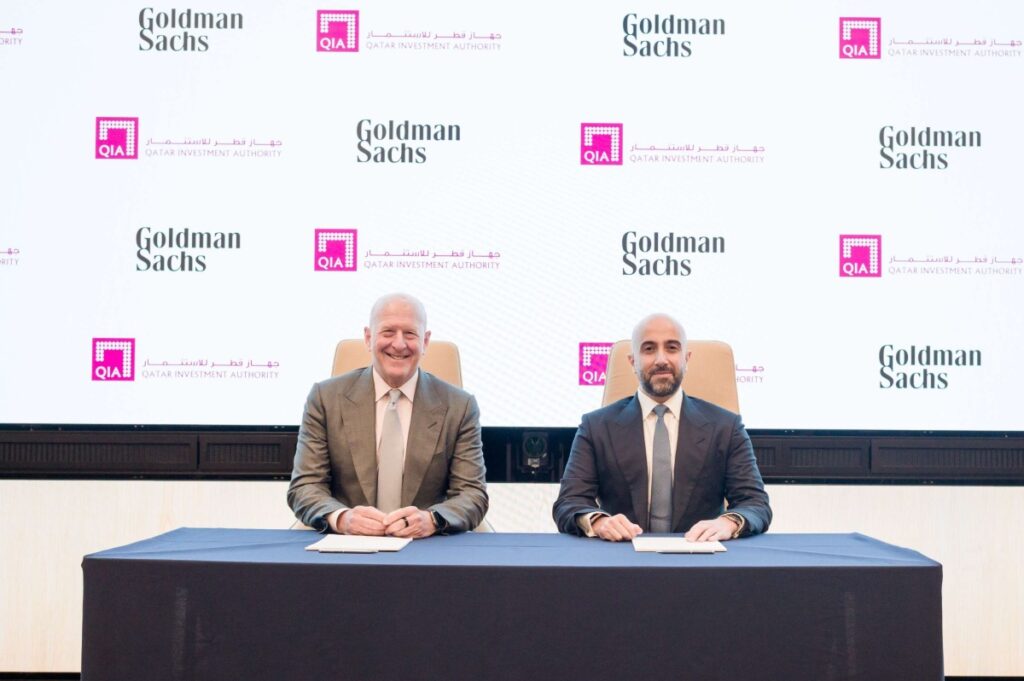
In one of the most significant financial announcements of 2026, the Qatar Investment Authority (QIA) and Goldman Sachs Asset Management have signed a major Memorandum of Understanding (MoU) aimed at expanding their strategic partnership and unlocking a combined investment target of $25 billion. The agreement marks a pivotal moment for Qatar’s growing stature as a regional and global financial hub, reinforcing the nation’s long-term strategy to drive economic diversification, attract foreign investment, and strengthen private-sector growth. According to a statement released by QIA, the sovereign wealth fund intends to commit capital across Goldman Sachs’ flagship funds, innovative alternative investment strategies, and selected co-investment opportunities. The partnership expands QIA’s role as an anchor investor across multiple Goldman Sachs Asset Management platforms, giving Qatar preferential access to global deal flow in future-forward sectors, including: This move solidifies Qatar’s position as a leading institutional investor in high-growth global markets. As part of the expanded cooperation, Goldman Sachs will enhance its presence in Doha, building out its capabilities as a strategic asset management hub for the region. Through its global Value Accelerator network, Goldman Sachs will support Qatar in: This partnership aligns closely with Qatar’s ambitions to become a regional leader in alternative investments, innovation-led industries, and financial services. Commenting on the agreement, Mohammed Saif Al Sowaidi, CEO of QIA, highlighted the strategic importance of the collaboration: “QIA is pleased to partner with Goldman Sachs in this landmark agreement. It provides QIA with premium deal flow in sectors critical to our investment strategy, including AI, fintech, digital infrastructure and private credit. This partnership extends beyond capital deployment and reinforces Doha’s position as a regional financial center.” He further noted that Goldman Sachs’ commitment to expanding its Doha presence will support job creation, specialized skills development, and long-term economic value for Qatar. David Solomon, Chairman and CEO of Goldman Sachs, emphasized Qatar’s strong momentum: “Qatar is on an exciting path of economic diversification, developing its capital markets, strengthening its talent base, and expanding its ecosystem of national champions. This creates substantial opportunity to widen Qatar’s global connectivity and impact as a multi-faceted investment partner.” Goldman Sachs stands among the world’s leading alternative investment managers, with: Its Value Accelerator Network will now work closely with Qatari institutions and the wider ecosystem to build enduring, globally competitive businesses. The QIA–Goldman Sachs MoU represents more than a financial partnership—it positions Doha as a rising global center for asset management, sovereign investment, and cross-border financial collaboration. With a $25 billion target fueling this strategic alliance, Qatar is poised to accelerate high-impact investments and strengthen its role in shaping the future of global finance.
Consulting HAUS Guides Snoonu Through Landmark $245M Acquisition, Marking Qatar’s First Billion-Riyal Tech Exit
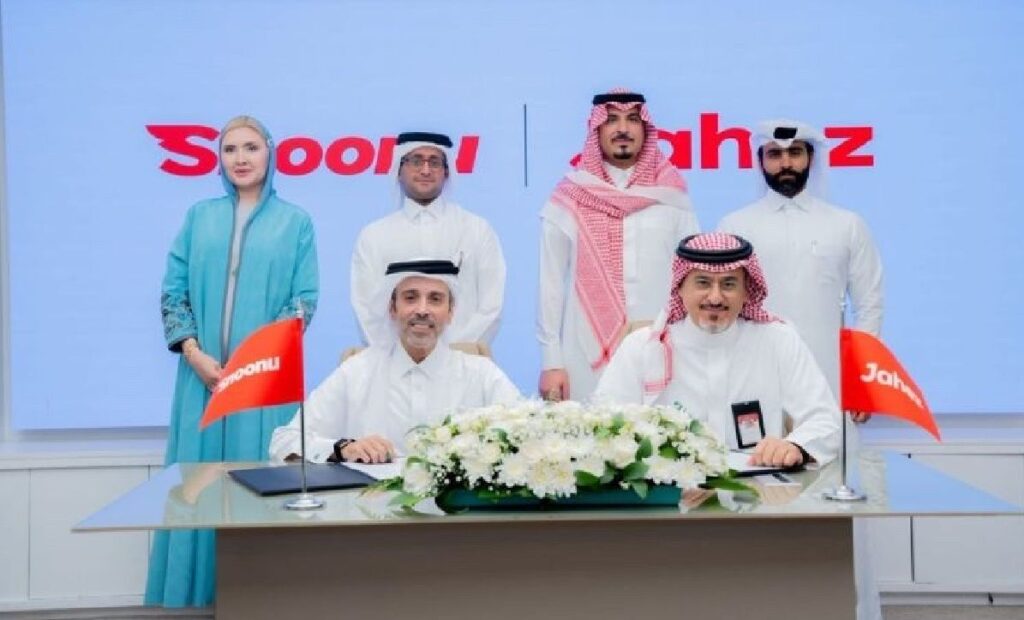
Qatar’s technology and startup ecosystem reached a historic milestone as Snoonu was acquired by Jahez Group in a $245 million transaction, valuing the Doha-born platform at over QAR 1 billion. The deal represents Qatar’s first billion-riyal technology exit and one of the largest private capital infusions in the country’s history. At the centre of this landmark transaction was Consulting HAUS, which acted as exclusive sell-side advisor to Snoonu. The firm played a pivotal role in positioning the company for acquisition, safeguarding shareholder value, and securing favourable terms that reflected Snoonu’s rapid growth and regional ambitions. A Milestone for Qatar’s Tech Ecosystem The acquisition is widely viewed as a breakthrough moment for Qatar’s innovation landscape, signalling the maturity of its startup ecosystem and its growing relevance within the wider GCC technology market. By achieving a billion-riyal valuation, Snoonu has set a powerful precedent for local founders, investors, and emerging tech companies looking to scale beyond national borders. Consulting HAUS began its advisory mandate nearly a year before the transaction’s close, laying the groundwork through detailed business planning, operational readiness, and strategic positioning. This early-stage preparation proved critical in reducing friction during negotiations and ensuring the company entered the transaction process from a position of strength. Strategic Advisory at Every Stage Throughout the deal, Consulting HAUS led transaction execution, working closely with buy-side advisors, legal teams, and auditors. Its role spanned valuation strategy, deal structuring, due diligence coordination, and negotiation support—ensuring transparency, alignment among stakeholders, and disciplined project management at every stage. Commenting on the achievement, Laith Dajani, Managing Partner at Consulting HAUS, said the transaction demonstrates the importance of professional advisory in enabling successful cross-border GCC deals and highlights Qatar’s emergence as a hub for technology innovation. From Snoonu’s perspective, the acquisition represents both scale and continuity. Hamad Al Hajri, CEO of Snoonu, noted that the partnership with Jahez Group brings new investment and regional momentum, while allowing the company to remain anchored in Qatar’s values, vision, and talent base. Setting a New Benchmark Backed by a leadership team with more than 100 years of combined experience, Consulting HAUS continues to play a central role in advancing high-impact transactions across the GCC. Over the past seven years, the firm has delivered multiple landmark projects that support economic diversification, private-sector growth, and cross-border investment. The Snoonu–Jahez transaction now stands as a benchmark deal—not only for Qatar’s tech sector, but for the broader regional startup and M&A landscape—demonstrating what is possible when innovation, ambition, and strategic advisory converge.
Samla International Race 2026: A World-Class Endurance Challenge in Qatar
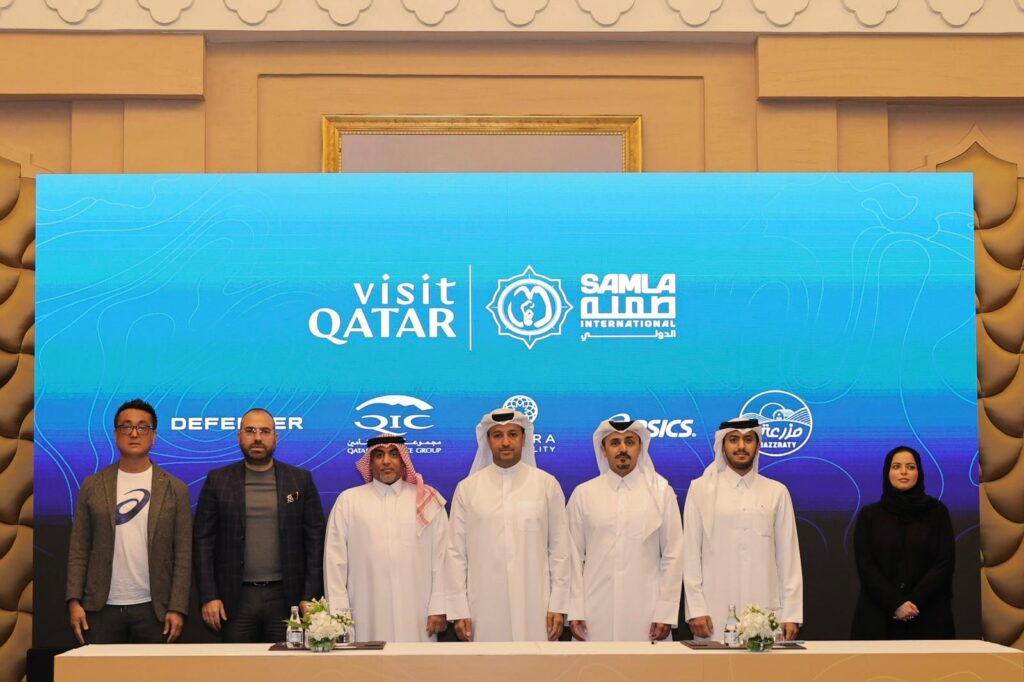
The Samla International Race is set to make history with its upcoming edition on 24 January 2026, marking a significant evolution as the race expands onto the global stage. Recognised for its intensity, innovation, and multi-discipline format, Samla has become one of the most distinctive endurance races in the region—firmly positioning Qatar as a hub for elite sporting events and sports tourism. Strategic Partnerships Driving Excellence Ahead of the 2026 edition, the Samla International Race secured a series of strategic partnerships with leading local and global organisations. These include Katara Hospitality, Qatar Insurance Group, Defender – Al Fardan, Mazzraty, and Red Bull as the official beverage partner. In addition, a landmark partnership was signed with Visit Qatar and ASICS, with ASICS confirmed as the official sportswear partner of the race. These collaborations reflect a shared commitment to delivering a world-class sporting experience—enhancing technical standards, athlete performance, safety, and overall event quality. A Course Designed to Push Limits The Samla International Race is defined by its demanding, multi-stage format. The 2026 course features six consecutive stages, combining endurance, skill, and resilience across Qatar’s diverse landscapes: This unique structure tests competitors across swimming, running, cycling, and kayaking—set against sand dunes, open water, off-road terrain, and challenging climatic conditions. From Local Legacy to Global Stage Established in 2016, Samla was created to support and showcase local athletes. Nearly a decade later, the launch of Samla International marks a pivotal moment in its journey—welcoming elite male and female athletes from around the world to compete in Qatar for the first time. The race not only highlights athletic excellence but also showcases the country’s natural terrain, resilience, and sporting ambition. Strengthening Sports Tourism in Qatar In partnership with Visit Qatar, the Samla International Race plays a strategic role in promoting sports tourism, offering international visitors and residents a distinctive, high-impact sporting experience. The event aligns with Qatar’s broader vision of hosting world-class competitions that combine performance, culture, and destination storytelling. As anticipation builds for January 2026, the Samla International Race stands as a powerful symbol of endurance, collaboration, and global sporting excellence—cementing Qatar’s reputation as a destination for premier international sporting events.
QEWC Rebrands as Nebras Energy, Marking a New Era of Growth in Qatar’s Energy Sector
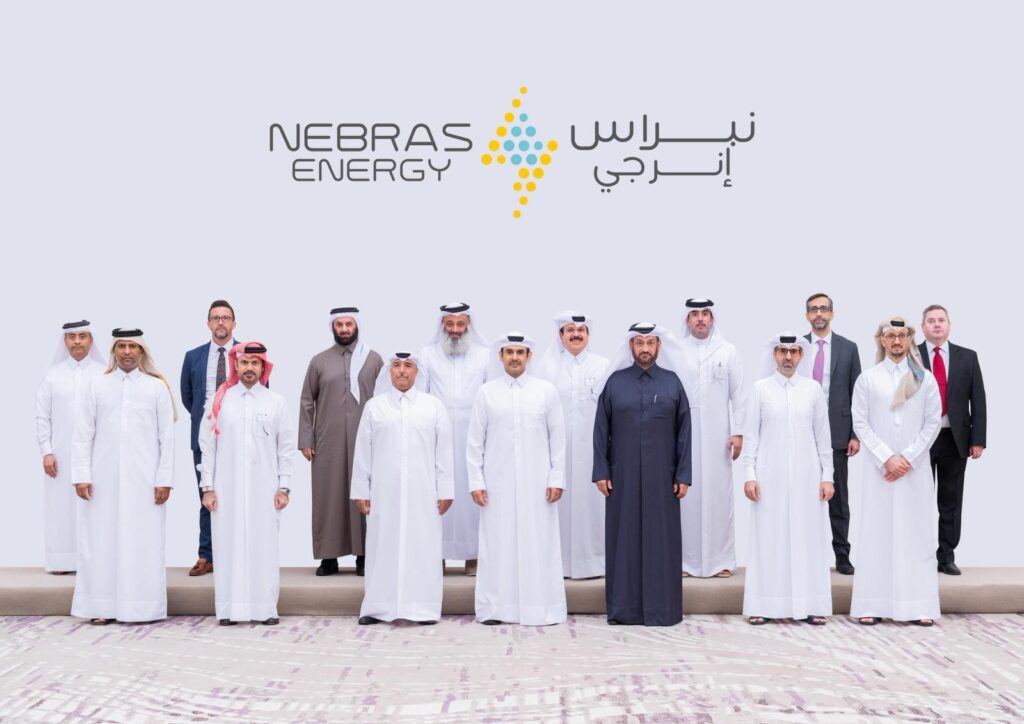
Qatar Electricity & Water Company (QEWC) has officially rebranded as Nebras Energy, signalling a major strategic evolution built on a 35-year legacy of powering Qatar’s electricity and water security and more than a decade of international expansion. Listed on the Qatar Stock Exchange, the transformation represents more than a name change. It reflects a forward-looking vision designed to position Nebras Energy as a more agile, globally oriented energy company while preserving continuity, stability, and stakeholder trust. From National Utility to Global Energy Platform Established by Amiri Decree No. 58 of 1990, QEWC has played a foundational role in supporting Qatar’s rapid economic and social development. Over the past three decades, it has grown into one of the largest power and water utility companies in the MENA region, with a diversified asset base spanning domestic and international markets. Under its new identity, Nebras Energy emerges as a brand that reflects flexibility, resilience, and long-term ambition—aligning with Qatar’s broader energy transition and global investment strategy. Leadership Vision for the Next Chapter Commenting on the rebranding, H.E. Saad Sherida Al-Kaabi, Minister of State for Energy Affairs and Chairman of Nebras Energy, said the company has been a cornerstone of Qatar’s electricity and water security for more than three decades, extending its reach across global markets. He noted that the move to Nebras Energy represents a decisive step toward broader horizons of growth and development, supported by a new visual identity that clearly reflects the company’s future vision. He also praised the leadership, executive management, and employees for their continued commitment to strengthening Qatar’s international energy partnerships and advancing sustainable growth. Ensuring Continuity While Accelerating Growth Marking this pivotal milestone, Managing Director and CEO Mohammed Nasser Al-Hajri emphasised that the rebranding reinforces the company’s core mission while positioning it for long-term success. He highlighted that the transition ensures seamless business continuity, honours all existing commitments, and strengthens the company’s role in advancing Qatar’s electricity and water sector. Strong Assets, Global Reach Nebras Energy’s portfolio in Qatar reflects a robust and diversified production base, supported by joint ventures and Nebras Power, its wholly owned international investment arm. The company’s operational capacity currently stands at: These assets underpin Qatar’s energy and water security while supporting Nebras Energy’s growing international footprint. Governance and Next Steps The company’s new visual identity and rebranding will be presented to shareholders at an Extraordinary General Assembly meeting on 8 January 2026, where final approval will be sought. A Future-Focused Energy Leader As Nebras Energy, the company enters a new chapter aligned with Qatar’s long-term economic and energy objectives—focused on sustainable growth, international investment, and reliable infrastructure delivery. The transformation reinforces Qatar’s position as a trusted global energy partner and highlights how legacy institutions can evolve to meet the demands of a rapidly changing energy landscape.
Qatar Airways Appoints Hamad Ali Al-Khater as New Group Chief Executive Officer, Marking a Strategic Leadership Milestone

In a defining moment for Qatar’s aviation leadership, Qatar Airways Group has announced the appointment of Hamad Ali Al-Khater as its new Group Chief Executive Officer, effective immediately. The appointment signals a renewed strategic direction for the national carrier as it strengthens its global network and continues its legacy of operational excellence. Al-Khater succeeds Engr. Badr Mohammed Al-Meer, who has served the airline group with distinction. Qatar Airways Group extended its appreciation to Al-Meer for his contribution to advancing one of the world’s most awarded airlines. A Proven Leader in Aviation and Energy Prior to joining Qatar Airways Group, Hamad Ali Al-Khater served as Chief Operating Officer of Hamad International Airport (HIA)—one of the fastest-growing and most advanced airports globally. During his tenure, he oversaw: Al-Khater’s leadership at HIA solidified the airport’s reputation as a global hub of innovation and service excellence. Before his aviation career, Al-Khater held several high-impact roles at QatarEnergy, where he led strategic business development, international partnerships, and major operational initiatives—experience that now strengthens his leadership capacity at Qatar Airways. Board Endorsement and National Significance His Excellency Saad Sherida Al-Kaabi, Chairman of Qatar Airways Group Board of Directors, stated: “As we welcome Hamad Ali Al-Khater, we look forward to building on the strong foundations and expansive global network of Qatar Airways. This leadership transition reaffirms our commitment to world-class experiences, operational reliability, and aviation innovation.” Al-Khater now steps into a pivotal role as Qatar Airways advances its position as a global aviation leader and enhances its contribution to Qatar National Vision 2030 through connectivity, tourism growth, and international trade facilitation. A New Era for Qatar’s Flagship Carrier With global travel demand rising and Qatar positioning itself as a central aviation and logistics hub, the newly appointed CEO is expected to: Industry analysts view this appointment as a significant milestone in the airline’s evolution, reinforcing Qatar Airways’ role as a catalyst for economic diversification and global connectivity.