

Samla International Race 2026: A World-Class Endurance Challenge in Qatar
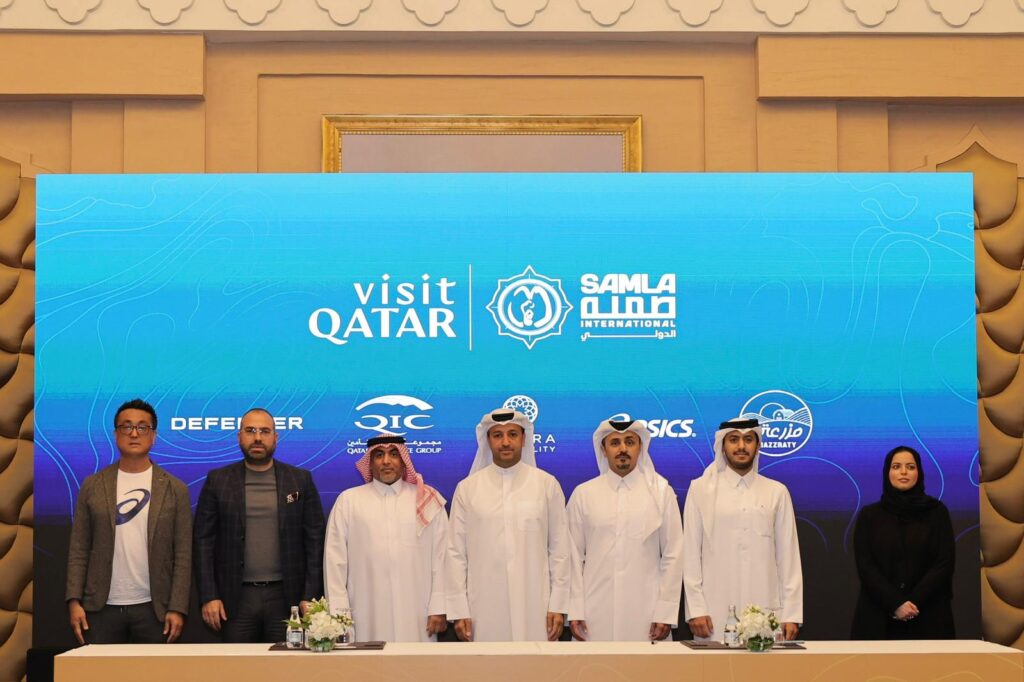
The Samla International Race is set to make history with its upcoming edition on 24 January 2026, marking a significant evolution as the race expands onto the global stage. Recognised for its intensity, innovation, and multi-discipline format, Samla has become one of the most distinctive endurance races in the region—firmly positioning Qatar as a hub for elite sporting events and sports tourism. Strategic Partnerships Driving Excellence Ahead of the 2026 edition, the Samla International Race secured a series of strategic partnerships with leading local and global organisations. These include Katara Hospitality, Qatar Insurance Group, Defender – Al Fardan, Mazzraty, and Red Bull as the official beverage partner. In addition, a landmark partnership was signed with Visit Qatar and ASICS, with ASICS confirmed as the official sportswear partner of the race. These collaborations reflect a shared commitment to delivering a world-class sporting experience—enhancing technical standards, athlete performance, safety, and overall event quality. A Course Designed to Push Limits The Samla International Race is defined by its demanding, multi-stage format. The 2026 course features six consecutive stages, combining endurance, skill, and resilience across Qatar’s diverse landscapes: This unique structure tests competitors across swimming, running, cycling, and kayaking—set against sand dunes, open water, off-road terrain, and challenging climatic conditions. From Local Legacy to Global Stage Established in 2016, Samla was created to support and showcase local athletes. Nearly a decade later, the launch of Samla International marks a pivotal moment in its journey—welcoming elite male and female athletes from around the world to compete in Qatar for the first time. The race not only highlights athletic excellence but also showcases the country’s natural terrain, resilience, and sporting ambition. Strengthening Sports Tourism in Qatar In partnership with Visit Qatar, the Samla International Race plays a strategic role in promoting sports tourism, offering international visitors and residents a distinctive, high-impact sporting experience. The event aligns with Qatar’s broader vision of hosting world-class competitions that combine performance, culture, and destination storytelling. As anticipation builds for January 2026, the Samla International Race stands as a powerful symbol of endurance, collaboration, and global sporting excellence—cementing Qatar’s reputation as a destination for premier international sporting events.
QEWC Rebrands as Nebras Energy, Marking a New Era of Growth in Qatar’s Energy Sector
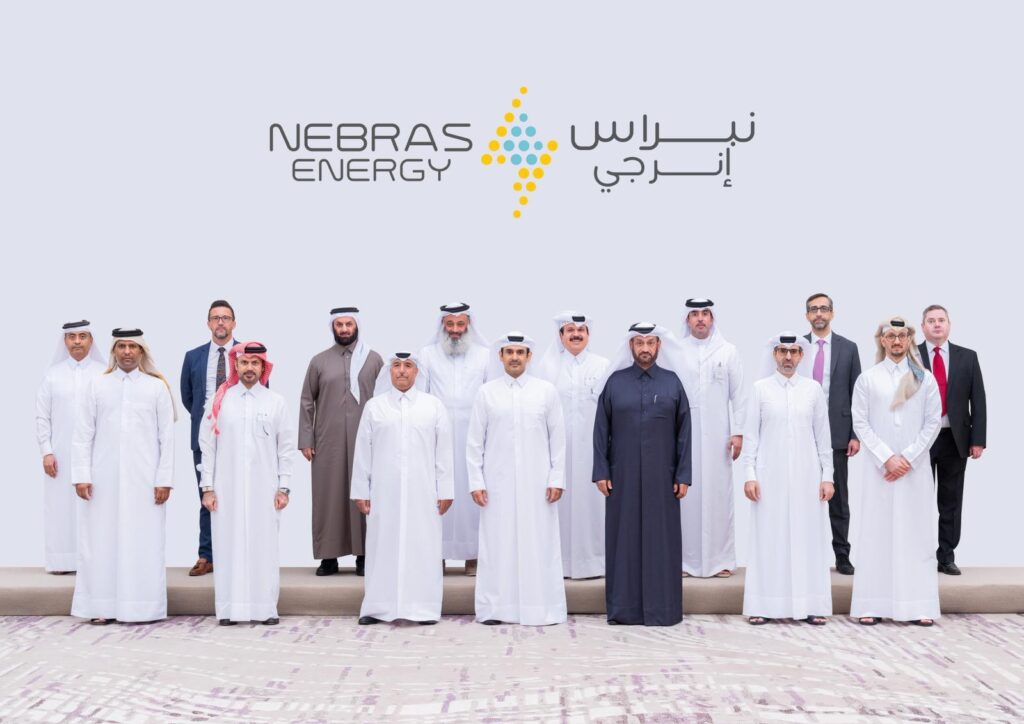
Qatar Electricity & Water Company (QEWC) has officially rebranded as Nebras Energy, signalling a major strategic evolution built on a 35-year legacy of powering Qatar’s electricity and water security and more than a decade of international expansion. Listed on the Qatar Stock Exchange, the transformation represents more than a name change. It reflects a forward-looking vision designed to position Nebras Energy as a more agile, globally oriented energy company while preserving continuity, stability, and stakeholder trust. From National Utility to Global Energy Platform Established by Amiri Decree No. 58 of 1990, QEWC has played a foundational role in supporting Qatar’s rapid economic and social development. Over the past three decades, it has grown into one of the largest power and water utility companies in the MENA region, with a diversified asset base spanning domestic and international markets. Under its new identity, Nebras Energy emerges as a brand that reflects flexibility, resilience, and long-term ambition—aligning with Qatar’s broader energy transition and global investment strategy. Leadership Vision for the Next Chapter Commenting on the rebranding, H.E. Saad Sherida Al-Kaabi, Minister of State for Energy Affairs and Chairman of Nebras Energy, said the company has been a cornerstone of Qatar’s electricity and water security for more than three decades, extending its reach across global markets. He noted that the move to Nebras Energy represents a decisive step toward broader horizons of growth and development, supported by a new visual identity that clearly reflects the company’s future vision. He also praised the leadership, executive management, and employees for their continued commitment to strengthening Qatar’s international energy partnerships and advancing sustainable growth. Ensuring Continuity While Accelerating Growth Marking this pivotal milestone, Managing Director and CEO Mohammed Nasser Al-Hajri emphasised that the rebranding reinforces the company’s core mission while positioning it for long-term success. He highlighted that the transition ensures seamless business continuity, honours all existing commitments, and strengthens the company’s role in advancing Qatar’s electricity and water sector. Strong Assets, Global Reach Nebras Energy’s portfolio in Qatar reflects a robust and diversified production base, supported by joint ventures and Nebras Power, its wholly owned international investment arm. The company’s operational capacity currently stands at: These assets underpin Qatar’s energy and water security while supporting Nebras Energy’s growing international footprint. Governance and Next Steps The company’s new visual identity and rebranding will be presented to shareholders at an Extraordinary General Assembly meeting on 8 January 2026, where final approval will be sought. A Future-Focused Energy Leader As Nebras Energy, the company enters a new chapter aligned with Qatar’s long-term economic and energy objectives—focused on sustainable growth, international investment, and reliable infrastructure delivery. The transformation reinforces Qatar’s position as a trusted global energy partner and highlights how legacy institutions can evolve to meet the demands of a rapidly changing energy landscape.
Qatar Airways Appoints Hamad Ali Al-Khater as New Group Chief Executive Officer, Marking a Strategic Leadership Milestone

In a defining moment for Qatar’s aviation leadership, Qatar Airways Group has announced the appointment of Hamad Ali Al-Khater as its new Group Chief Executive Officer, effective immediately. The appointment signals a renewed strategic direction for the national carrier as it strengthens its global network and continues its legacy of operational excellence. Al-Khater succeeds Engr. Badr Mohammed Al-Meer, who has served the airline group with distinction. Qatar Airways Group extended its appreciation to Al-Meer for his contribution to advancing one of the world’s most awarded airlines. A Proven Leader in Aviation and Energy Prior to joining Qatar Airways Group, Hamad Ali Al-Khater served as Chief Operating Officer of Hamad International Airport (HIA)—one of the fastest-growing and most advanced airports globally. During his tenure, he oversaw: Al-Khater’s leadership at HIA solidified the airport’s reputation as a global hub of innovation and service excellence. Before his aviation career, Al-Khater held several high-impact roles at QatarEnergy, where he led strategic business development, international partnerships, and major operational initiatives—experience that now strengthens his leadership capacity at Qatar Airways. Board Endorsement and National Significance His Excellency Saad Sherida Al-Kaabi, Chairman of Qatar Airways Group Board of Directors, stated: “As we welcome Hamad Ali Al-Khater, we look forward to building on the strong foundations and expansive global network of Qatar Airways. This leadership transition reaffirms our commitment to world-class experiences, operational reliability, and aviation innovation.” Al-Khater now steps into a pivotal role as Qatar Airways advances its position as a global aviation leader and enhances its contribution to Qatar National Vision 2030 through connectivity, tourism growth, and international trade facilitation. A New Era for Qatar’s Flagship Carrier With global travel demand rising and Qatar positioning itself as a central aviation and logistics hub, the newly appointed CEO is expected to: Industry analysts view this appointment as a significant milestone in the airline’s evolution, reinforcing Qatar Airways’ role as a catalyst for economic diversification and global connectivity.
MENA Fintech & Insurtech Festival 2025 Concludes in Doha, Accelerating Digital Transformation Across the Region
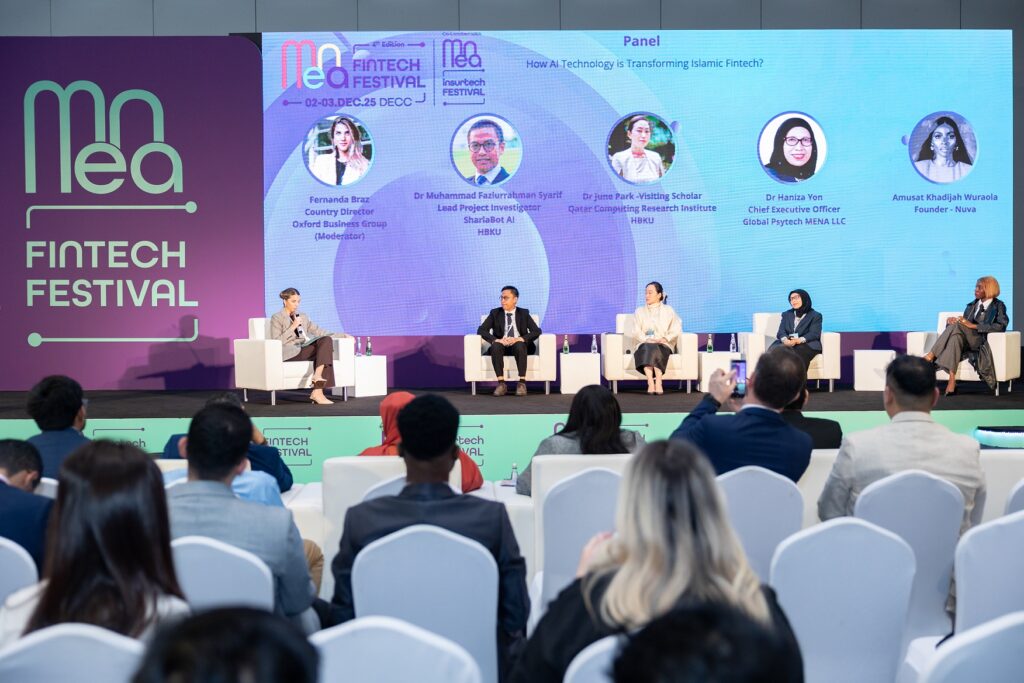
The MENA Fintech & Insurtech Festival 2025 successfully concluded its fourth edition at the Doha Exhibition & Convention Centre (DECC), reinforcing Qatar’s position as a rising hub for digital finance, insurtech innovation, and economic transformation. Over two days, the festival convened global and regional leaders across financial services, insurance, technology, investment, and regulation—uniting the industry to define the future of digital economies across the MENA region. This year marked a milestone with the festival’s expanded dual-focus format, integrating both fintech and insurtech under one powerful platform. Designed as a high-impact B2B matchmaking hub, the event brought together startups, investors, insurers, banks, regulators, and technology providers, advancing a shared mission: to accelerate financial inclusion, strengthen digital capabilities, and foster cross-sector collaboration across MENA. The opening ceremony featured a keynote address by the Director General/CEO of the National Information Technology Development Agency (NITDA), Federal Republic of Nigeria, who highlighted how AI, mobile technology, open banking, embedded finance, and digital infrastructure are reshaping global financial systems. He emphasised the growth of Bank 4.0, the importance of interoperable innovation, and proposed a unified MENA–Africa Digital Fintech Corridor to enhance connectivity, resilience, and inclusive growth across the Global South. Across the festival, attendees engaged in high-level discussions, fireside chats, and hands-on workshops exploring: Reflecting on the success of the event, Malik Shishtawi, President of the MENA Fintech & Insurtech Festival, stated: “This year marked a major milestone as we brought fintech and insurtech innovators together on one stage. The MENA region is undergoing a historic digital transformation—powered by national vision strategies, progressive regulators, and a vibrant ecosystem of innovators. The collaboration and energy we witnessed reaffirm that this region is actively shaping the global future of financial and insurance technology.” The 2025 edition strengthens Qatar’s role as a regional catalyst for innovation, economic diversification, and digital transformation, fully aligned with Qatar National Vision 2030. For more information on upcoming editions, visit menafintechfestival.com.
GSMA MWC25 Doha Set to Transform Qatar into a Global Innovation Hub
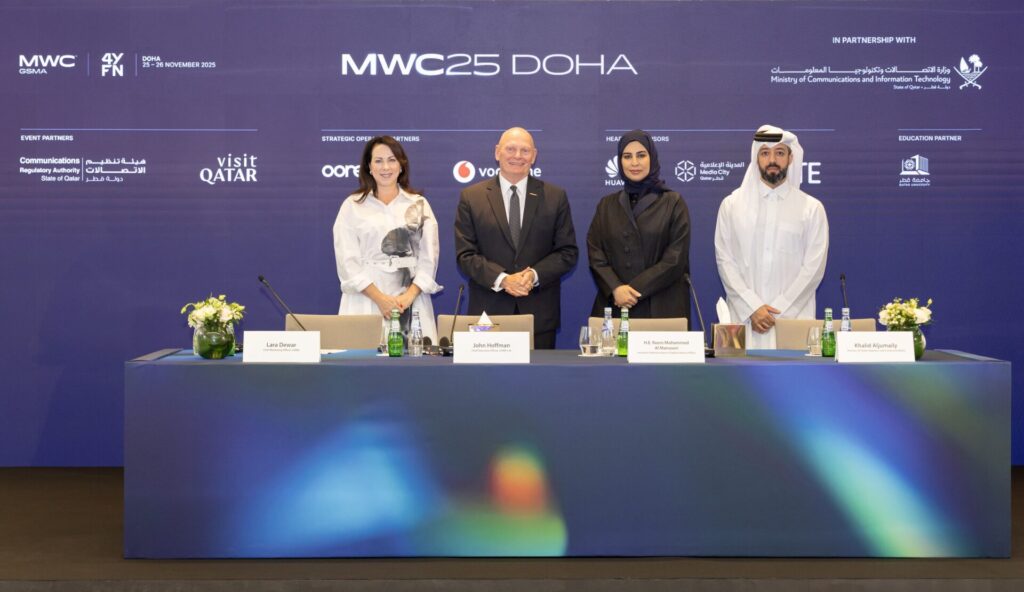
Over 200 Visionary Speakers, 200 Exhibitors, and 60+ Countries to Gather in Doha this November The GSMA and Qatar’s Ministry of Communications and Information Technology (MCIT Qatar) have unveiled new details about the highly anticipated GSMA MWC25 Doha, which will take place on 25–26 November 2025 at the Doha Exhibition and Convention Center (DECC). As the first-ever MWC event in the MENA region, MWC25 Doha will be a cornerstone of Qatar’s Digital Agenda 2030, setting the stage for groundbreaking dialogue and collaboration across technology, policy, and innovation. The two-day event will bring together: Positioning Qatar at the Heart of Global Digital Transformation At a press briefing held at DECC, the GSMA welcomed H.E. Mrs Reem Mohammed Al Mansoori, Assistant Undersecretary of Digital Industry Affairs at MCIT Qatar, and Mr Khalid Aljumaily, Public Relations and Communication Director at MCIT Qatar, alongside GSMA CMO Lara Dewar and GSMA Ltd. CEO John Hoffman. His Excellency Mr Mohammed bin Ali Al Mannai, Minister of Communications and Information Technology, emphasised: “Hosting the inaugural MWC25 Doha marks a historic milestone for Qatar and the region. It aligns with our mission to advance digital transformation under the Digital Agenda 2030 and the Qatar National Vision 2030, positioning Doha as a global meeting point for technology, innovation, and collaboration.” Strategic Partnerships to Drive Local and Global Impact The press conference also witnessed the signing of five key Memoranda of Understanding (MoUs) between the GSMA and significant national and international partners, including the Communications Regulatory Authority (CRA), Qatar University, Media City Qatar, Ooredoo, and Vodafone, to ensure the success and long-term impact of MWC Doha. A World-Class Lineup of Exhibitors and Themes The exhibition will feature technology leaders such as Cisco, Dell, Google Cloud, Hewlett Packard Enterprise, Huawei, Mannai, Microsoft, Nokia, Ooredoo, PwC, Qatar University, VEON, Vodafone, ZTE, and Meeza, Qatar’s leading data center and AI services provider. According to Vivek Badrinath, Director General of GSMA: “We are thrilled to bring MWC to Doha — a city at the forefront of digital transformation. With its strong investment ecosystem and progressive innovation policies, Qatar is the perfect host for our first MWC in the region.” Exploring the Future of AI, Connectivity, and Digital Economies Spanning three halls, MWC25 Doha will spotlight the themes driving the next wave of digital evolution: The event will also debut 4YFN (Four Years From Now) — MWC’s official startup platform — alongside the GSMA Ministerial Programme, the GSMA Digital Leaders Programme, and Smart City Expo Doha, which is organised in collaboration with Fira de Barcelona. Registration Now Open General registration for MWC25 Doha is now open.🔗 Visit www.mwcdoha.com/passes to secure your place at this landmark event redefining the digital future of the MENA region.
“Our goal is to transform Qatar into a regional hub for healthcare”
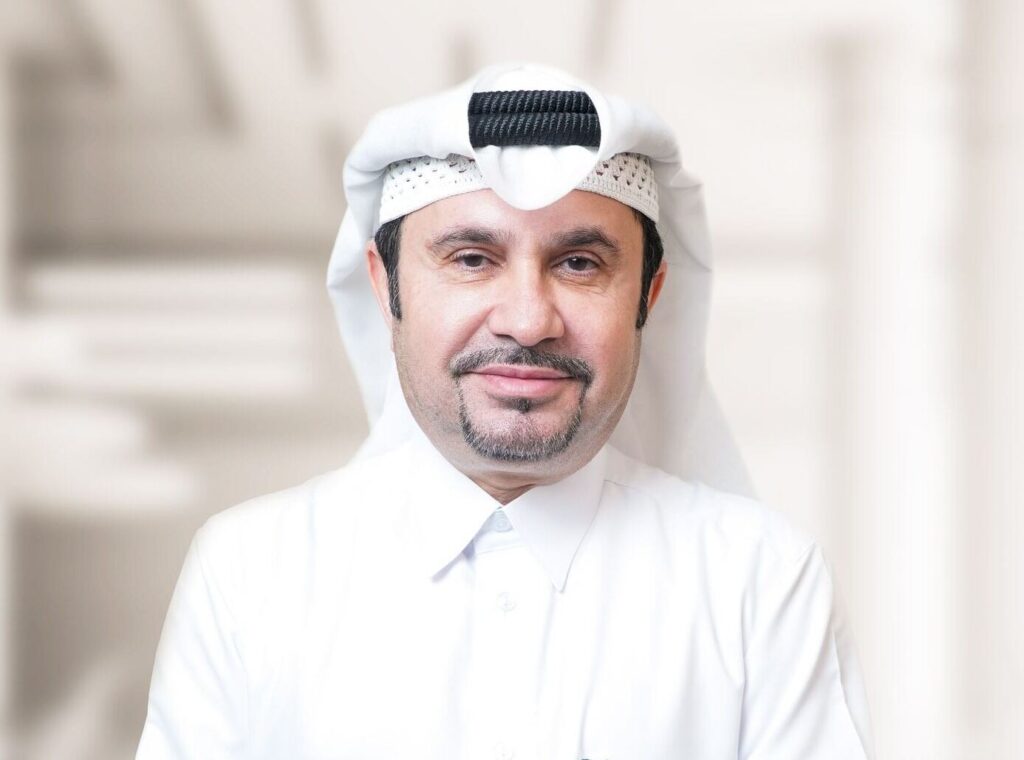
In conversation with Manu G Parmar, Dr Saed Kaldari, CEO & founder of Surgi Art Hospital discusses a wide range of topics related to why he blended art in the name of the hospital, the goal of the facility and where he envisions it in two years’ time. BL: Talk us through your career path? Kaldari: I started my career as a physician. I graduated from the Royal College of Surgeons in Ireland in 1997. After that, I briefly returned home, only to leave again for Sweden to pursue a career in plastic surgery. I practised that for a while and eventually decided to come home in 2006. Before returning, I worked in Sweden at one of the university hospitals, where I held a locum consultant position, which I took on as I saw it would enhance my career. I worked for Hamad Medical Corporation at the start of my career for about 17 years. In 2014, I realised that I needed to focus on one thing, as I was managing both a private facility – a solo clinic from 2010 to 2013, and in 2013, I decided that this was not the way forward. I established a plastic surgery and dermatology centre in the Duhail area in 2014. With progress in this venture, I approached one of my friends in the business, the late Ibrahim Al Asmakh who was involved in real estate. Eventually with Al Asmakh and his partner, late Sheikh Khalid bin Nasser we expanded upon their hospitality, real estate (both commercial and residential), retail to add a healthcare unit, which I was assured, I would have complete control to execute it as I saw fit. In 2017, we signed the contract, marking the project’s official commencement and with efficient planning and budgeting, we offer our rooms at the same price as regular market rooms but with far superior services. It’s not about volume; we aim to introduce new, niche services. Our entire business model centres on providing specialised services and given the small market, investing in high-end technology and personnel locally is also challenging. Therefore, we promote our services to reach a wider geography, aligning with Qatar’s health tourism initiative. This initiative is gaining momentum, and we feel fortunate to be ready as it unfolds. The government is supporting the private sector in fostering growth, and we are proud to be part of this and help establish quality hospitals in Qatar. We can also attract specialised high-end practitioners worldwide, permanently or visiting. Our goal is to transform Qatar into a regional hub for healthcare, understanding and catering to our customers’ needs uniquely. We are optimistic about this continued success. BL: What made you think about this unique art and health care unison? Kaldari: Coming from a background in plastic surgery, you know you can’t help but think about the artistic application of medical science. It’s not just about plastic surgery; I realise that an orthopaedic surgeon, who cuts away at the correct angles, is an artist of sorts. I believe those who perform other types of surgery also have their own crafts. It’s a mix of knowledge and skill, both essential for success. There is artistry in it. I think this is where the name derives from: the artistry in providing care. The main idea is that when you walk in, you’ll notice one thing that’s different about this building. I was involved from an architectural perspective, including the layout and all the blueprints from day one. I faced a huge challenge trying to convince architects and engineers who were pushing for standard building concepts that this was not the direction I wanted to take. This is about the feel, more than anything else. You will notice when you walk around the hospital that there is a unique flow to the space. This flow is noticeable to anyone who passes by our facility; they feel an airy quality here, something flowing. There are many studies worldwide showing that you eat better in a pleasant environment, which I think is an important part of the services we provide. BL: Doha has quite a few upscale, modern hospitals. What do you think you will offer that will set the hospital apart? Kaldari: We have a medical background and have developed organically, not from a business perspective. Our goal is to expand into the health sector, a commitment my partners and I agreed upon from the start. This sector is unique because it requires a blend of skills. Running such a venture demands not just medical management but also sound business acumen to ensure feasibility. Merging these competencies is challenging, as it ultimately provides a different type of service. BL: What are the 5 USPs of this hospital? Kaldari: We have recently launched a uniquely designed medical facility in Qatar. The hospital features distinct architectural themes, creating a unique flow throughout the building as patients experience its services. We stand out by implementing the concept of a boutique hospital. While we function primarily as a surgical facility with ancillary medical services, we also provide general medical care with a strong emphasis on surgery. Our foremost department will be plastic surgery, alongside general surgery. Soon, we will include orthopaedic surgery, ENT, dermatology, obstetrics and gynaecology, and more specialities to come. Our state-of-the-art diagnostic facilities include laboratories and radiological testing. We have established collaborations with experts from North America, Europe, and even Asia to bring their services to Qatar, benefiting not only our local population but the entire region as well. BL: Medical insurance is a crucial success factor for a hospital’s success. What kind of insurance tie-ups have you done for the hospital? Kaldari: We have connected with all major insurance providers in Qatar and are now in the negotiation stage. As you know, the medical insurance sector in Qatar still has a long way to go in terms of development. It’s not operating optimally, and I believe it requires more governance. A regulatory authority is necessary to manage
Balancing Economic Vitality With Ecological Resilience
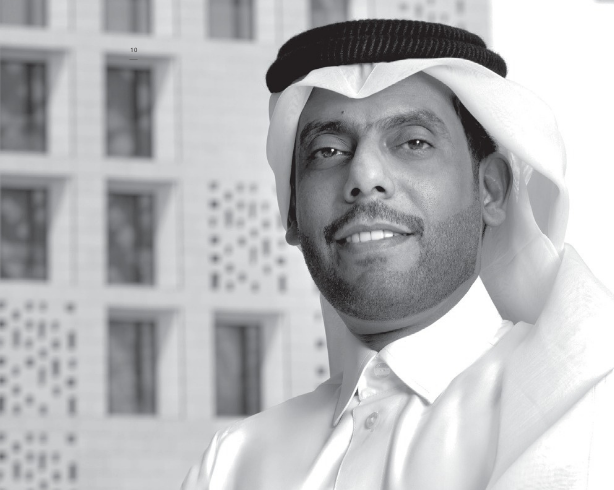
Eng. Ali Al Kuwari, CEO of Msheireb Properties, in conversation with Business Leaders ME, spells out how the urgency of climate action propelled the company’s strategy of sustainability under its credo of innovation by challenging convention and finding new ways for people to live and work in integrated, enriching and sustainable communities.“ demo.mapsily.com With a unique mix of commercial & residential property management, Msheireb has carved out a name for itself in sustainability. What acted as the motivating factor? Al Kuwari: Qatar National Vision 2030 laid the foundation of our approach, which emphasises environmental stewardship and economic diversification. We recognised early that sustainable design isn’t an option but a necessity for resilient urban ecosystems. We believe that cities must evolve to meet future challenges, and we saw an opportunity to redefine urban spaces by merging cultural identity with forward-thinking design. Traditional Qatari elements such as wind towers and courtyards were reimagined using modern technology, ensuring energy efficiency and reduced carbon footprints. This alignment of national goals and architectural innovation positioned us to lead in creating urban ecosystems that honour heritage while advancing sustainability. The urgency of climate action further propelled our strategy. Cities consume over 70 percent of global energy, and we aimed to counter this through projects like Msheireb Downtown Doha. By adopting circular economy principles such as reusing materials, minimising waste, and prioritising renewable energy, we demonstrated that development need not come at the planet’s expense. Our goal was not just to build structures but to inspire a shift in how urban spaces function, balancing economic vitality with ecological resilience. Talk us through the various sustainability initiatives that Msheireb has taken since inception. Al Kuwari: From the outset, our projects were designed to exceed global standards. Msheireb Downtown Doha became the world’s largest LEED-certified community, integrating solar energy, grey water recycling, and energy recovery systems. Buildings use 30 percent less energy through smart shading and IoT-enabled utilities. We also prioritised waste reduction, repurposing 95 percent of construction materials and utilising non-potable water for landscaping. These measures reflect our focus on resource efficiency, ensuring every element of the development contributes to long-term environmental health. Collaboration has been equally critical. Partnerships with organisations such as the Qatar Green Building Council led to programmes such as the Msheireb Green Program, which guides retail tenants in adopting eco-friendly operations. Public engagement initiatives, including workshops and markets, encourage dialogue around sustainability. For example, the recently concluded Earthna Summit 2025, held at Msheireb Downtown Doha, brought together global sustainability leaders to explore the fusion of innovation and traditional knowledge in addressing environmental challenges, while the Earthna Village engaged the public with interactive exhibits showcasing indigenous practices and cultural heritage. What are the growth drivers of the real estate sector in Qatar, given that NDS3 relies expressly on the sector? Al Kuwari: The real estate sector in Qatar is positioned for continued growth, driven by several factors outlined in the Third National Development Strategy. Economic diversification stands as a primary driver – as our country reduces its dependence on hydrocarbons, the real estate sector provides the essential infrastructure needed to support emerging industries and economic clusters. This transformation creates robust demand for commercial spaces, industrial facilities and mixed-use developments that accommodate diverse business activities. Population growth and urbanisation further fuel demand for residential and commercial properties. As more people gravitate toward urban centres, the need for quality housing, office spaces and community facilities increases substantially. At Msheireb Downtown Doha, our flagship project, we’re witnessing this demand first-hand, with commercial occupancy currently exceeding 94 percent, reflecting the district’s appeal to multinational businesses and institutions. Our residential spaces are similarly performing strongly, with occupancy rates surpassing 80 percent, establishing the downtown as a highly sought- after address for both business operations and residential living in Doha. Qatar’s vision to become a premier global tourist destination is also driving significant development in hospitality and leisure real estate, encompassing hotels, resorts and entertainment complexes. Additionally, the expansion of transportation networks, educational institutions and healthcare facilities enhances the appeal of real estate investments, creating opportunities for integrated developments that leverage these amenities to create vibrant, connected communities. What role do you foresee Msheireb Properties playing in the heightened role that the sector is poised to play as per NDS3? Al Kuwari: Msheireb Properties is uniquely positioned to contribute meaningfully to the real estate sector’s enhanced role under NDS3. Our vision to be the pioneering national developer of sustainable and innovative projects inspired by Qatar’s unique heritage aligns perfectly with Qatar’s environmental and cultural ambitions. We will continue to develop and manage projects that incorporate sustainable materials, energy-efficient designs and green spaces that reduce environmental impact whilst creating beautiful, liveable environments. We are actively supporting economic diversification by creating spaces that cater to emerging industries and economic clusters. Our mixed-use developments provide ideal environments for business growth while offering residents convenient access to services and amenities. Msheireb Downtown Doha has rapidly established itself as a preferred destination for major institutions, with companies such as Qatar Airways, IWG, International Media Office, TikTok Studio, Snap Inc., Government Communications Office, Media City, HSBC, Vodafone, Google Cloud, Schneider Electric, and Ernst and Young Qatar, among others, choosing to locate their operations there. Social cohesion represents another area where Msheireb Properties exerts significant influence. Our projects are thoughtfully designed to foster community engagement and cultural pride. By creating spaces that promote meaningful social interaction and provide facilities for cultural activities, we contribute to the cohesive social fabric of our communities. Barahat Msheireb and Msheireb Museums exemplify this approach, having become preferred venues for dialogues and conferences of both local and international significance. Moreover, innovation remains at the heart of our approach. We will continue to embrace cutting- edge technologies and sustainable building practices to deliver high- quality, efficient solutions that meet the demands of modern living and working. Our commitment to innovation means we’re constantly looking forward, seeking new ways to enhance our developments and contribute to Qatar’s vision for the future. With Aqarat coming
Promoting eco-tourism, adventure tourism, and niche cultural experiences to up visitor engagement
Evgeny Kozlov, the first deputy head of the office of the mayor and the government of Moscow and the chairman of the Moscow City Tourism Committee, in conversation with Aparajita Mukherjee talks about the cooperation between Qatar and Russia in the tourism sector, and how that can be furthered in the coming days. BL: Tell us about the tourism relations between Qatar and Moscow. Kozlov: Today, Middle Eastern countries, together with China and India, are the main sources of tourist traffic from non-CIS countries to Moscow. Tourism from the GCC region to Moscow, especially from Qatar, is witnessing remarkable growth. In the first nine months of 2024, approximately 9000 Qatari tourists visited Moscow — three times more than in 2019 — the most successful year for world tourism. This increase is driven by visa-free entry and direct flights. Moscow attracts Middle Eastern tourists with its convenient infrastructure, mild climate, combination of modern comfort and Russian traditions. The city offers cultural experiences, luxury shopping, and business opportunities, making it an attractive destination. Moscow actively promotes tourism through international exhibitions and forums, roadshows and fam tours to Moscow for travel companies. We are confident that these promotional tools will also strengthen our relationship with Qatar and the broader Gulf region. Moreover, the official tourist portal of Moscow — Discover Moscow, available in English, provides valuable guidance for foreign travelers. It features a curated list of attractions and essential information for visitors to the city. To enhance awareness about Moscow, an official Discover Moscow channel was recently launched on Snapchat, where tourists from the Middle East can explore in detail the cultural attractions that the city has to offer. BL: What learnings do you take back from this trip to Qatar? Kozlov: Qatar’s ability to blend modern luxury with deep-rooted cultural traditions is remarkable. The country excels in high-end hospitality, offering world-class hotels, seamless services, and curated experiences for travelers. Its focus on sustainability and innovation in tourism also stands out. Qatar’s investment in large-scale events, such as the FIFA World Cup, highlights the importance of international engagement. This approach offers valuable insights into attracting global audiences while preserving cultural identity. The recent series of business meetings in the Middle East was a comprehensive and highly productive tour that took place from February 4 to 11, 2025. The itinerary spanned key cities such as Dubai, Kuwait City, and Doha. Our meetings included business session with local tourism experts, reinforcing our commitment to deepening bilateral ties. During the meetings in Doha, Qatar, the delegation discussed various strategies to promote cultural exchange and tourism initiatives that could attract more visitors to both destinations. The Committee emphasised the importance of building strong partnerships with Qatari tourism stakeholders, aiming to create joint marketing campaigns and cultural programs that highlight the rich heritage and attractions of both regions. Overall, these meetings have significantly strengthened our connections within the Middle Eastern market, positioning Moscow as a vibrant and secure destination for both leisure and business travel. BL: If you weren’t working in the tourism industry, what would you be doing? Kozlov: The ability to shape international partnerships and promote destinations aligns with my passion for global outreach. I would have pursued a career that combines international relations, business, and cultural exchange. Investment promotion, or strategic consulting would have been natural choices. These fields also allow for engagement with different cultures, fostering economic and social connections on a global scale. BL: If asked for advice by Qatar, what would you say to them to improve tourism in the country? Kozlov: Qatar has already positioned itself as a luxury and cultural destination, but further diversifying tourism experiences could attract a broader audience. Promoting eco-tourism, adventure tourism, and niche cultural experiences can enhance visitor engagement. Strengthening ties with international travel agencies and hosting more global events can also increase visibility. Additionally, simplifying entry processes for more nationalities and expanding direct flight connections to key markets would further boost inbound tourism. BL: What (in your view) can Qatar learn from Moscow in the field of tourism? Kozlov: Moscow successfully attracts diverse tourist segments through cultural festivals, international business forums, and sports events. Moscow, in particular, benefits from major industry exhibitions. Qatar could implement similar strategies, organizing large-scale tourism expos and cultural exchange programs. Additionally, Moscow’s approach to seasonal tourism — such as winter activities in Moscow — demonstrates the value of year-round tourism development. By diversifying beyond luxury and business travel, Qatar can create a more dynamic tourism landscape appealing to various demographics. Short takes:
Web Summit Qatar 2025: Hub of Artificial Intelligence
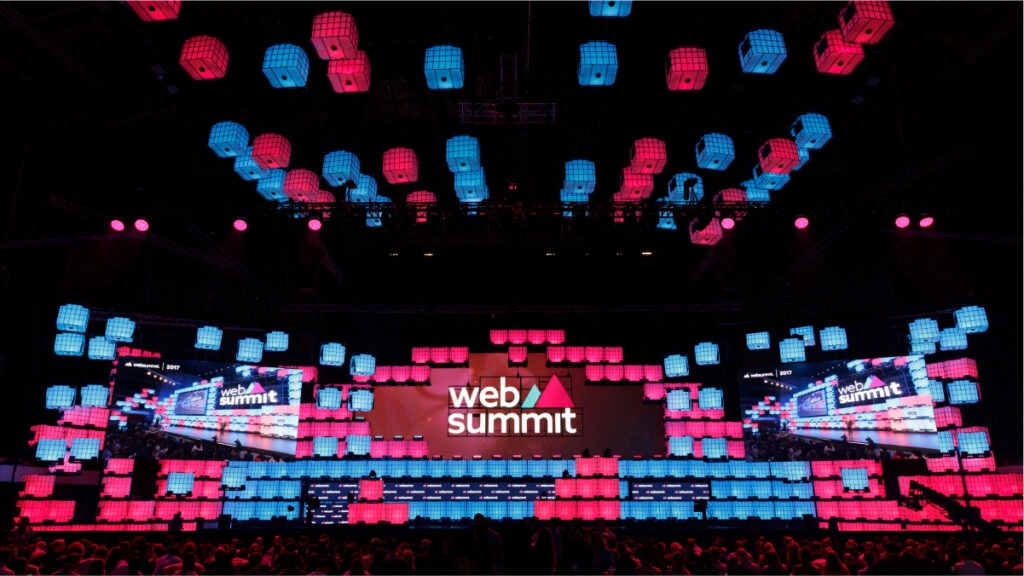
This year’s expanded edition welcomed over 25,000 attendees from over 124 countries, more than 1,520 startups, over 600 investors, and more than 380 speakers alongside 180 industry partners. The event has also drawn unprecedented media interest, with representatives from over 600 media outlets. The second annual Web Summit held in Doha at the Doha Exhibition and Convention Center (DECC) between February 23 and 26 had a bevy of tech entrepreneurs and financial backers who got together to assess and understand the future of artificial intelligence (AI). His Excellency Sheikh Mohammed bin Abdulrahman bin Jassim Al Thani, Prime Minister and Minister of Foreign Affairs, inaugurated the second edition of Web Summit Qatar, the largest technology event in the Middle East and North Africa. In his opening speech, HE the Prime Minister emphasised Qatar’s continued efforts to cement its position as a global hub for innovation and entrepreneurship. He highlighted the nation’s commitment to improving regulatory frameworks and creating new economic opportunities for the private sector. He stated: “Built on the back of our thriving energy sector, we are positioned for a private sector take-off. This launch will include even more transformative partnerships across key sectors, from pioneering fintech solutions to groundbreaking climate technologies.” HE the Prime Minister emphasised that Qatar will continue to reinforce its commitment to supporting startups, stating: “We plan to renovate our entire economy to make Qatar the top regional destination for startups and create an ecosystem for startups to innovate and thrive.” Qatar is seeking to use its gas wealth to help it become a regional AI leader amid rising competition from neighbouring Saudi Arabia and the United Arab Emirates. Qatar had signed a five-year deal with Scale AI to deploy AI-powered tools and training in a push to improve government services in the country. 2025 Web Summit The summit kicked off with a series of panel discussions featuring prominent entrepreneurs from around the world, including Alexandr Wang, founder and CEO of Scale AI, and Alexis Ohanian, Co-Founder of Reddit and General Partner at Seven Seven Six. Leading entrepreneurs from around the world, including Alexander Wang, founder and CEO of Scale AI, and Alexis Ohanian, co-founder of Reddit and general partner at Seven Seven Six, took centre stage at the event on the opening day. Key questions discussed at the summit were over the future of AI amid companies and investors that are changing that landscape more rapidly than what the players themselves expected. The United States and China are leading in preparedness for AI, said Wang of US company Scale AI. DeepSeek, the Chinese AI company that develops large language models that are competitive with OpenAI’s, but cost less to create. demonstrated that it is a relatively close race between the two countries and that others will have to follow suit soon.
Being a Qatari athlete and a woman has been both empowering and challenging
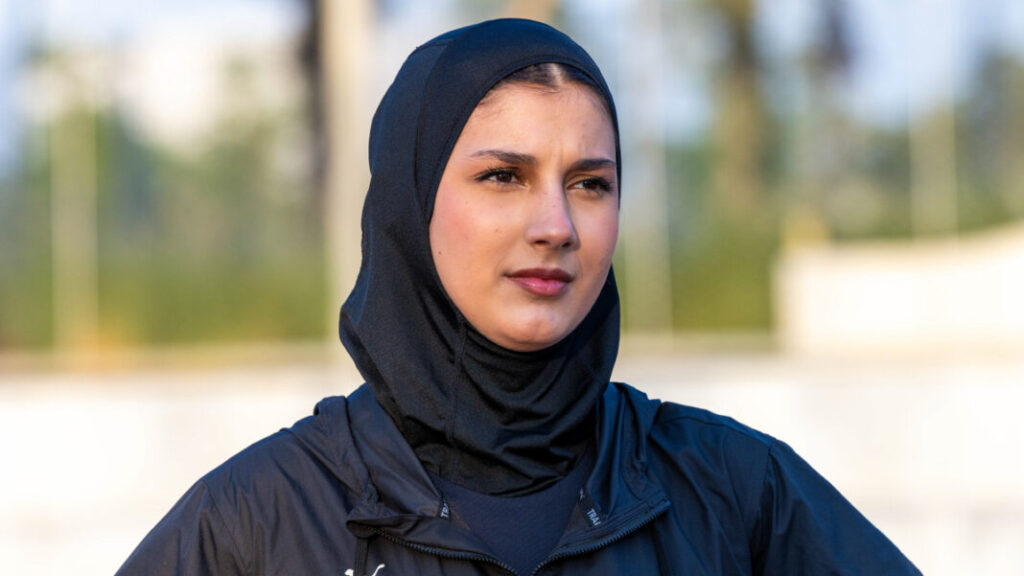
For Hana Al Khater, volleyball is more than just a sport – it is a symbol of unity and teamwork. On the court, individual boundaries fade away, and everyone becomes part of one shared game. This sense of connection ignited the passion of the young Qatari athlete, inspiring her to pursue her dream of becoming a volleyball player. Aparajita Mukherjee sat down with Al Khater to unravel her athlete and the individual. BL: What life lesson has volleyball taught you?Al Khater: Volleyball has taught me the importance of teamwork and communication. No matter how skilled a player is, success in volleyball depends on working cohesively as a team, trusting your teammates, and communicating effectively during high-pressure moments. It has also taught me resilience and adaptability. Sometimes the game doesn’t go as planned, but learning to stay composed, adapt strategies, and focus on the next play is crucial. I’ve also learned how to appreciate friendships within the volleyball team, my coaches, teammates, family, and even spectators all helped me learn to appreciate the little things in life. BL: How has it been – being a Qatari athlete and a woman – on and off the field?Al Khater: Being a Qatari athlete and a woman has been both empowering and challenging. On the field, I take pride in breaking barriers and representing my culture, while off the field, I’ve faced societal expectations which have pushed me to grow as a leader. This journey has taught me resilience and the importance of inspiring change, proving that passion and determination can overcome any boundary. BL: In hindsight, what would you choose to re-do (if given an option)?Al Khater: If given the chance, I would focus more on embracing opportunities and getting outside my comfort zone earlier. Looking back, there were moments where hesitation held me back from taking on challenges that could have further shaped me. While I’ve learned from these experiences, I now realize the importance of taking risks and fully committing to every opportunity that comes my way. BL: Where do you see yourself 3 years down the line?Al Khater: Three years from now, I see myself pursuing a degree in a science based major, building on my passion for investigation and problem-solving. I aim to be actively involved in hands-on research, honing my skills in analyzing evidence and contributing to impactful projects. Beyond academics, I hope to continue inspiring others by advocating for women in STEM and sports, showing that determination can lead to breaking barriers in any field as long as you push yourself. Short Takes