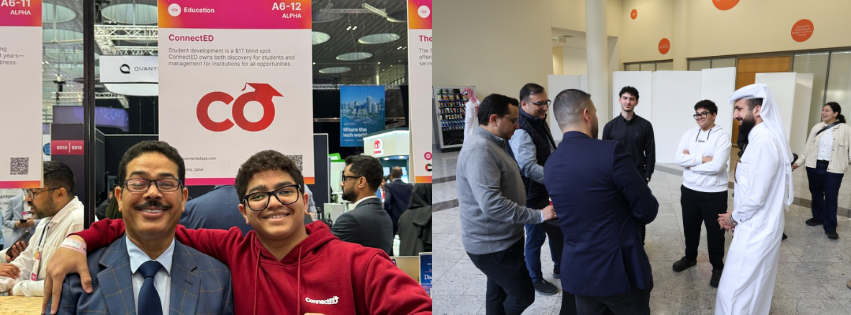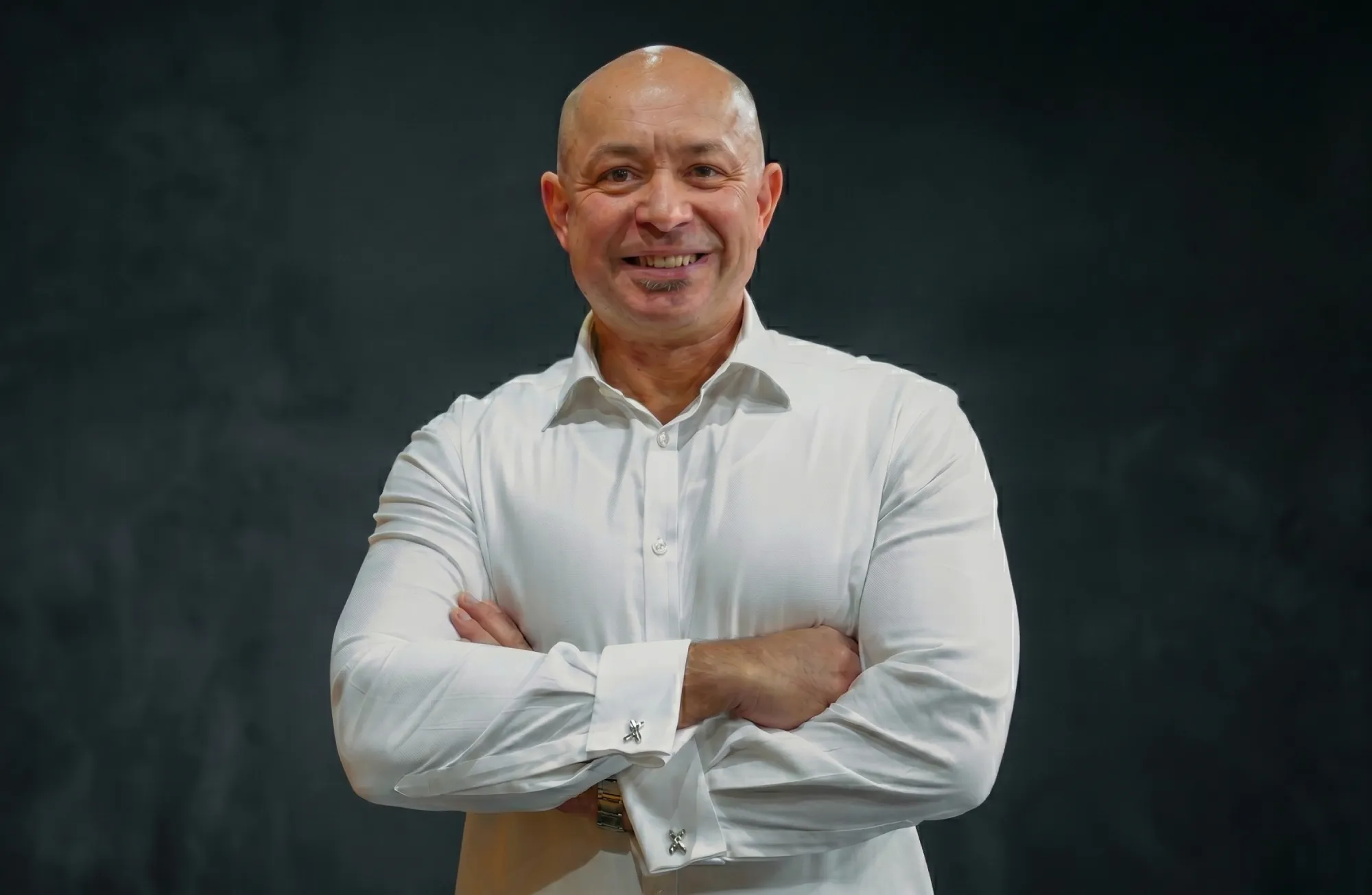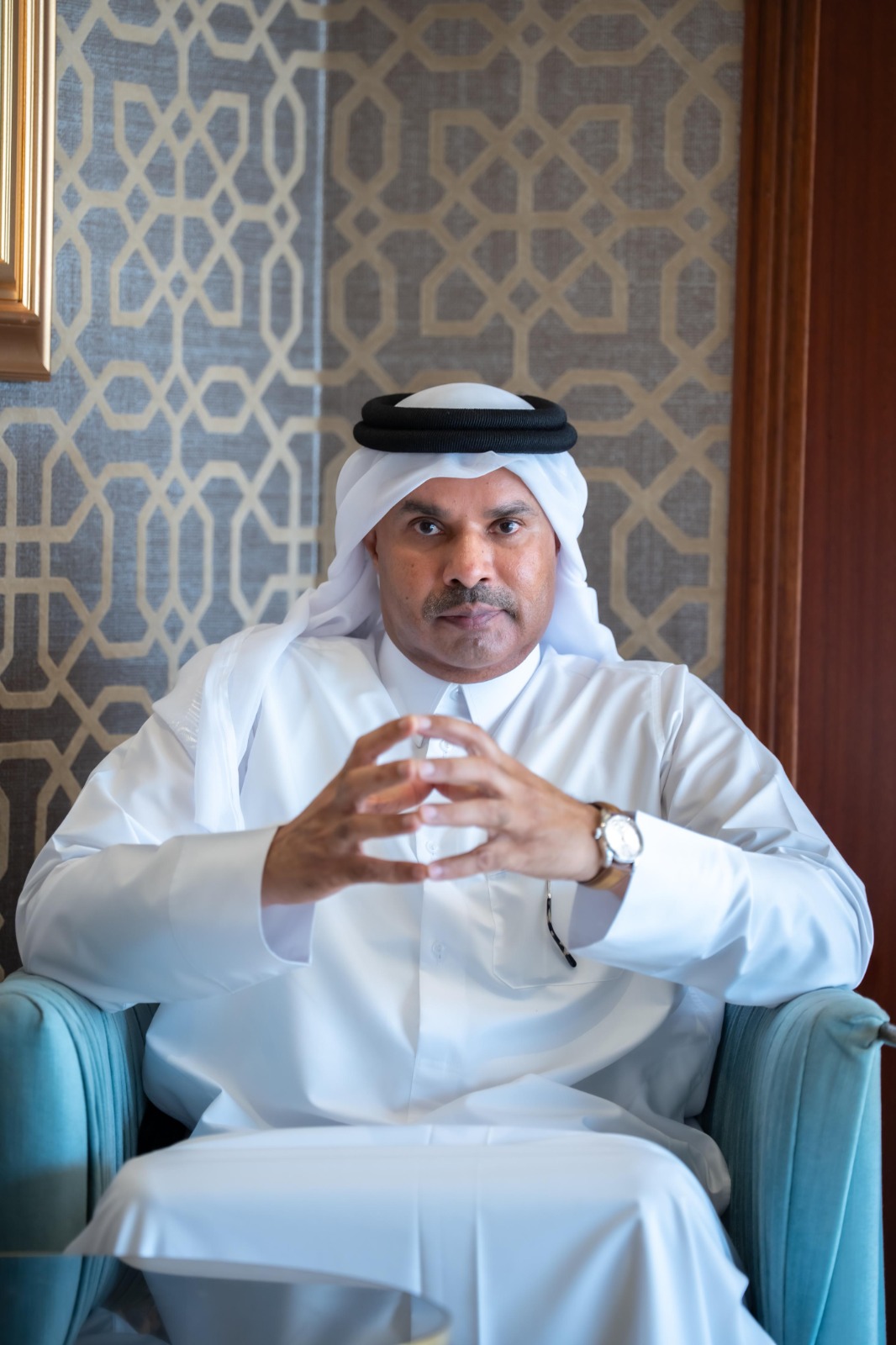

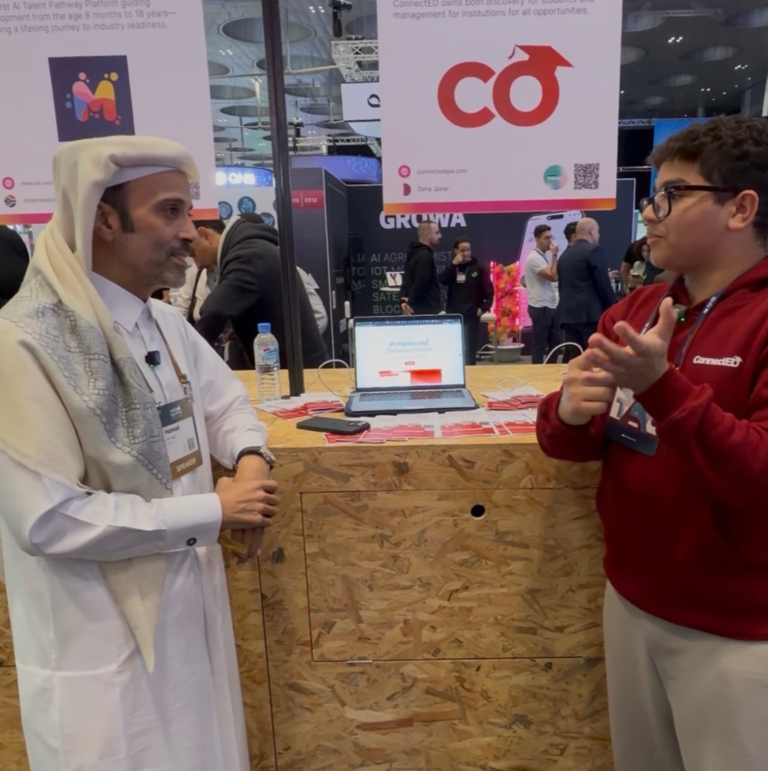
Mohab Mohammed Kamal, Founder and CEO of ConnectED, Doha, Qatar.
At 16, Mohab Mohammed Kamal has already done what most founders spend years trying to do — find a real problem, build a real product, and make people care. Meet the founder of ConnectED.
By Aparajita Mukherjee
About the founder: Mohab Mohammed Kamal, 16 years old. Founder and CEO of ConnectED — a platform connecting high school students, schools, and universities globally. Founded in May 2025. Based in Doha, Qatar.
The Problem Nobody Had Solved
It started with a feeling every high school student knows — the overwhelming, directionless confusion of figuring out what to do with your life.
Mohab Mohammed Kamal was 15 when he felt it. He had questions and nowhere to go for answers. What is my passion? What should I study? How do I even reach out to a university? The platforms that existed were dense, outdated, and built for someone else. Handshake, for example, connects university students to employers. Nobody was connecting high school students to universities — at the moment they needed it most.
So Kamal built it himself.
“ConnectED is a three-sided marketplace connecting high school students, schools, and universities. The problem exists on every side simultaneously — students are lost, schools have no real infrastructure to guide their students, and universities have no efficient way to reach the right students early. We fix all three in one platform.”
After surveying over 200 students who shared the same struggle, the idea became a mission. Built by Gen Z, for Gen Z — the way this process should have always worked.
BL: How do schools and universities benefit from ConnectED?
Schools finally have a real tool. Right now counsellors are managing hundreds of students with no structured system — they can’t track where each student is in their individual journey, what they need, or where they’re headed. ConnectED gives schools full visibility and control over that entire process.
For universities, the benefit is access. They currently spend enormous resources on recruitment with no efficient channel to reach the right students early. ConnectED gives them a direct line to motivated, relevant students at exactly the right moment — before those students have already decided to go somewhere else.
BL: With no paid advertising, how are you managing growth?
We built something people actually wanted to talk about. 706 users came through word of mouth, competition exposure, and the Web Summit platform. When you solve a real problem and you’re a 16-year-old who built it himself, people share it. That’s not a strategy you can manufacture — it comes from the product being real and the story being genuine.
On top of that, we have a full organic marketing strategy ready to execute — social media videos, content, posts — all designed to grow the platform without relying on paid advertising. We’re just getting started on that front.
BL: Talk us through your experience at Web Summit 2026.
It was something truly amazing — and hopefully we’ll be back next year. Being the youngest exhibitor in the room, surrounded by some of the most serious founders, investors, and operators in the world — and holding our own — was one of the most defining moments of building ConnectED.
The video that went viral gave us an enormous push. It made the platform more well-known across Qatar — students, institutions, and people we’d never reached before started finding us. We even had people reaching out wanting serious discussions about the platform off the back of it. That exposure proved that the story resonates well beyond just our immediate network.
BL: What do your awards and competition wins mean for the journey ahead?
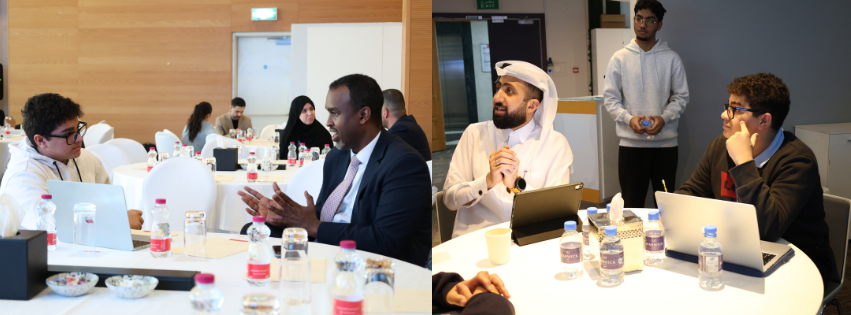
They do two things. First, credibility — when you’re 16 and telling investors and institutions you’ve built something real, third-party validation matters. Winning against 200+ teams at Al Fikra, advancing at INJAZ Mubadara, the Lenabtaker Excellence Award — these aren’t participation trophies, they’re proof points.
Second, network. Every competition puts you in a room with mentors, investors, and operators you wouldn’t otherwise have access to. That network compounds over time.
BL: Do you plan to take ConnectED beyond Qatar?
ConnectED was never a Qatar-only idea. The problem — students navigating university admissions with no real support — exists everywhere. Every country, every education system. Qatar is where we’re starting because it’s where we are, where we have traction, and where we can build the model properly before scaling. But the roadmap is global. The platform, the infrastructure, the marketplace model — it all travels.
BL: With 706 registered users, how many have been accepted to a university?
The honest context here is important. The 706 students came to the platform when it was still a prototype — when we only had the student side built. There was no school or university side yet, meaning the actual connection between students and institutions hadn’t been made yet. What we proved was demand — students found us and signed up organically.
Right now we’re rebuilding the full platform with a professional development agency, adding the school and university layers properly. Before we launch, we’re going out to schools and universities directly to get them onboarded so that when we go live, the full flow is ready from day one. That’s when we’ll be able to track outcomes end-to-end — and it will become one of our strongest proof points.
BL: Once you go to university yourself — how do you plan to sustain ConnectED?
I have two options — either stay in Qatar and continue running ConnectED from here, or take it with me to whichever university I end up at. Either way, my goal is to have the entire business sorted, structured, and self-sustaining before I head to university. The team, the processes, the partnerships — everything in place so that ConnectED can manage itself whether I’m in Doha or anywhere else in the world. The company shouldn’t depend on me being in one place. That’s been the philosophy from day one.
BL: Where do you see ConnectED and yourself in two years?
In two years, we aim to have taken over Qatar completely — the majority of schools and universities onboarded and fully active on the platform. Phase one running on autopilot — actively bringing in new schools, universities, and students every single day without us having to manually drive every partnership. Once that engine is running, we start expanding — into the GCC or even further abroad. Two years is enough time to own Qatar and start the next chapter.
Short Shots: Mohab Mohammed Kamal in His Own Words
If not an entrepreneur, what would you do?
“If not an entrepreneur, I’d be in cybersecurity — and honestly I’d probably still end up starting a business in that space. I’ve always been drawn to how systems work and how they break. Down the line, I’d also want to be an investor — backing young founders who are exactly where I am right now. But ConnectED found me first.”
Who is your inspiration?
My dad. He works harder than anyone I know to provide for our family and always shows up as the best version of himself. That’s the standard I measure myself against every day.”
One-line advice to a fellow entrepreneur:
“Don’t let anyone tell you it won’t work out — I’ve thought about stopping ConnectED so many times in favour of a more profitable idea. Trust the process, it will work out, and you will always find your way around everything.”
One essential quality of an entrepreneur: “Communication and management. Whether you’re juggling 20 different tasks or leading a team, knowing how to manage chaos and knowing how to talk to people and bring them along with you — those two things decide everything.”
Best book on entrepreneurship: “Honestly, I haven’t read an entrepreneurship book. I’ve been too busy building one and juggling school.”