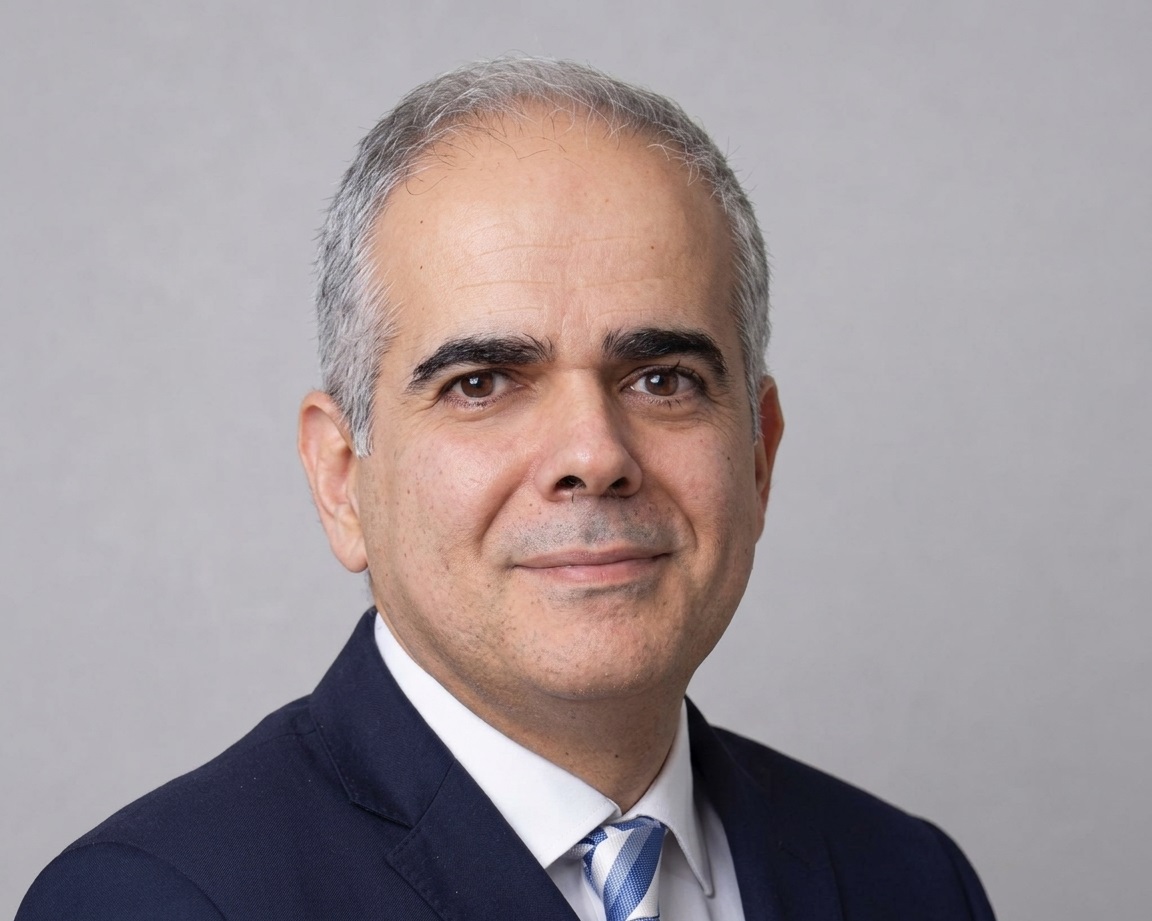

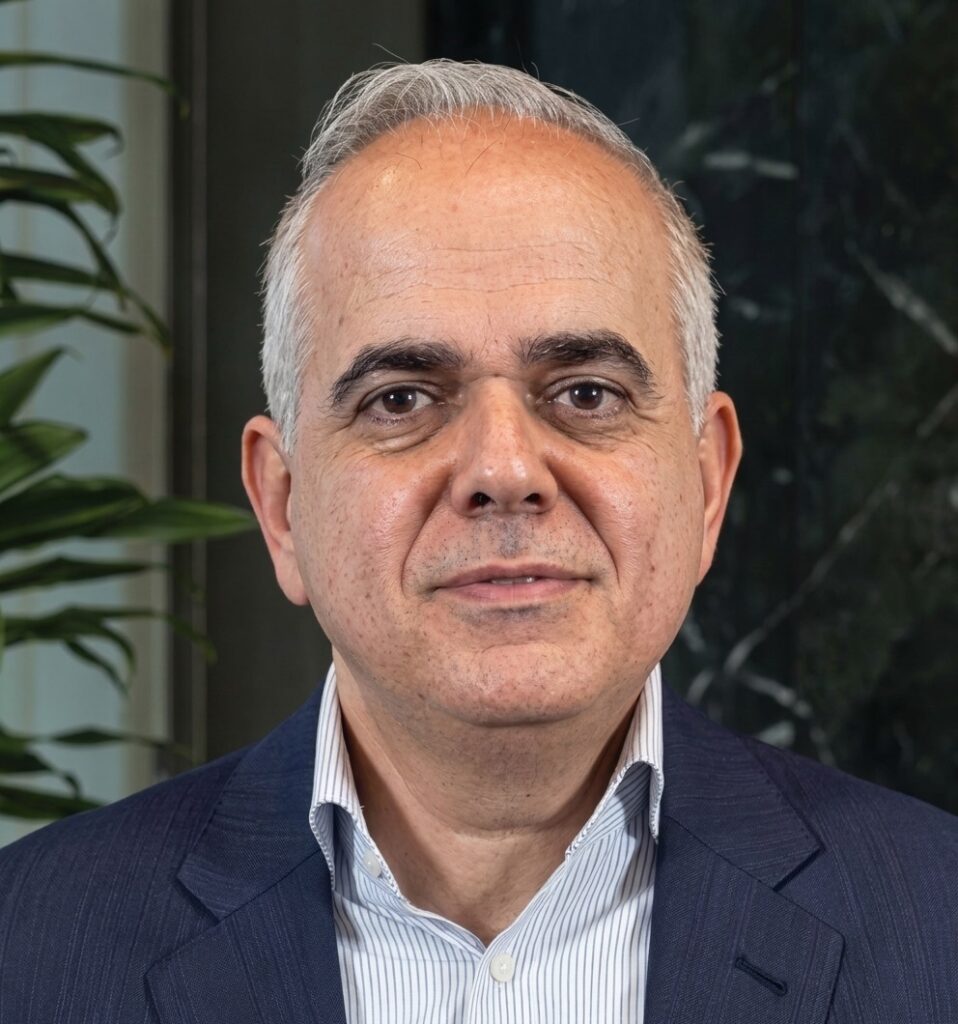
Bassam Hajhamad, country senior partner and consulting leader, PwC Qatar discusses, in a free-wheeling chat with Aparajita Mukherjee, the advantages that a consultant has in Qatar, what strategy change does a consultant need to bring to the table in uncertain times, sharing his insights into the MENA Telecom Sector that could be used by Qatar.
“QATAR ALSO HAS THE FINANCIAL CAPACITY AND INFRASTRUCTURE TO SUPPORT ITS AMBITIONS. THE AIM, AS WITH ANY MARKET UNDERGOING SIGNIFICANT TRANSFORMATION, IS ENSURING THAT THESE INVESTMENTS TRANSLATE INTO GREATER PRODUCTIVITY, STRONGER LOCAL CAPABILITIES AND SUSTAINABLE ECONOMIC GROWTH.”
Having navigated consulting as a profession for long and in different kinds of economies, what strikes you as advantageous in the case of Qatar?
Hajhamad: Qatar has been deliberate in how it approaches economic development. There is a clear national direction, backed by sustained investment in infrastructure, technology and institutional capabilities. Having worked across different markets, I see this alignment as an important advantage.
Qatar National Vision 2030 and the Third National Development Strategy provide continuity in economic planning, particularly around diversification, private sector participation and building a knowledge-based economy. For businesses and investors, that level of clarity matters.
Qatar also has the financial capacity and infrastructure to support its ambitions. The aim, as with any market undergoing significant transformation, is ensuring that these investments translate into greater productivity, stronger local capabilities and sustainable economic growth.
From a consulting perspective, this creates opportunities to partner with organisations on complex priorities, from strengthening competitiveness to developing new clusters, revenue streams and business models.
In a region that is facing several economic shifts and strategic challenges, how would you rate the country’s readiness in meeting these challenges?
Hajhamad: Qatar is well positioned to navigate the economic and technological shifts affecting the region. Its strong economic fundamentals, sustained investment in infrastructure and clear national priorities provide a solid foundation for continued growth.
At the same time, the global environment is becoming more complex. Geopolitical developments, changing trade dynamics and rapid technological advances are reshaping how economies compete for investment and talent.
Qatar’s Third National Development Strategy addresses these priorities, with a focus on resilience, productivity, innovation and private sector development.
Continued progress will depend on maintaining momentum in implementation, strengthening private sector participation and developing the capabilities needed to support the country’s long-term economic ambitions.
What learnings from your earlier stints is coming handy in your current stint at Doha?
Hajhamad: Working across different markets in the region and globally has reinforced the importance of understanding the economic and institutional context in which businesses operate. The principles of good strategy may be broadly consistent, but the approach to implementation needs to reflect local market conditions.
My experience across consulting, technology, investment and entrepreneurship has also shaped how I approach transformation. Technology can create significant opportunities, but its value depends on the commercial case, the capabilities within an organisation and its ability to implement change.
These lessons are relevant to Qatar, where significant investment has already been made in infrastructure and economic development. Many of the priorities today are focused on how to build on that foundation, strengthen organisational capabilities and support the next phase of growth.
At PwC, we bring together local market knowledge and experience from across the region and internationally to support clients as they address these priorities from strategy to impactful execution.
FOR QATAR, THIS REPRESENTS AN IMPORTANT OPPORTUNITY. THE COUNTRY HAS INVESTED SIGNIFICANTLY IN ADVANCED TELECOMMUNICATIONS INFRASTRUCTURE. THE NEXT STEP IS TO CONTINUE TRANSLATING THAT CONNECTIVITY INTO GREATER PRODUCTIVITY, INNOVATION AND NEW SOURCES OF ECONOMIC VALUE.
Building new markets and fostering client relationships in stable times as opposed to those in uncertain times – what strategy change does a consultant need to bring to the table?
Hajhamad: In stable times, organisations tend to focus on growth, expansion and long-term investment opportunities. During periods of uncertainty, priorities shift towards resilience, agility and making more informed decisions about where to invest.
For consultants, this means moving beyond traditional strategic advice to becoming even more closely involved in helping clients anticipate change, evaluate scenarios and translate decisions into action.
One of the most important shifts is from planning for a single expected future to preparing for multiple possible outcomes. Businesses need strategies that are ambitious but flexible, supported by data-driven insights, strong risk management and the ability to respond quickly as circumstances evolve.
Equally important is trust. Client relationships are built through consistency, transparency and a deep understanding of the challenges organisations face. In uncertain times, clients value partners who can bring clarity to complexity and help them make difficult decisions with confidence.
At PwC, we help clients balance immediate priorities with long-term transformation, enabling them to remain resilient today while preparing for the opportunities of tomorrow. That same philosophy underpins our commitment to Qatar. We continue to invest in the country through both stable and uncertain times, not only as a trusted advisor but as a long-term partner deeply committed to supporting Qatar’s transformation journey and contributing to its sustainable growth and future ambitions.
Having played an active role in shaping global digital agendas as a member of the World Economic Forum’s Digital Policy and Governance Council, what would be your recommendations to Qatar for a robust digital transformation strategy that ties in with its national priorities as reflected in the NDS3?
Hajhamad: Qatar has made considerable progress in building its digital infrastructure. The next question is how to maximise from that investment.
I would focus on three areas.
First, prioritise technologies that can make a real difference to the economy. AI, cloud and advanced connectivity all have potential, but the investments need to address clear needs in key sectors such as energy, logistics, financial services and healthcare.
Second, build trust into the system. Through my involvement with the World Economic Forum’s Digital Policy and Governance Council, I’ve seen how important it is to have the right safeguards in place. Businesses need confidence in how data is managed, how AI is used and how digital risks are addressed.
Third, continue investing in people. Qatar needs the skills and capabilities to develop, adopt and manage these technologies, supported by closer collaboration between government, businesses and universities.
For me, the measure of success is not how much technology a country adopts. It’s whether that technology improves productivity, creates opportunities for businesses and makes a difference to people’s lives.
At PwC, we are committed to help in all these areas, leveraging our AI capabilities and PwC Academy to build new skills and invest in local talent.
MY EXPERIENCE ACROSS CONSULTING, TECHNOLOGY, INVESTMENT AND ENTREPRENEURSHIP HAS ALSO SHAPED HOW I APPROACH TRANSFORMATION. TECHNOLOGY CAN CREATE SIGNIFICANT OPPORTUNITIES, BUT ITS VALUE DEPENDS ON THE COMMERCIAL CASE, THE CAPABILITIES WITHIN AN ORGANISATION AND ITS ABILITY TO IMPLEMENT CHANGE.
Qatar is well positioned to take advantage of this shift. By encouraging collaboration and focusing on practical applications of emerging technologies, the country can strengthen its position as a regional digital innovation hub while supporting its broader economic diversification ambitions.
What is your take on the MWC26 Doha being held in November? What does this event being held in Doha reflect about the country’s national priorities?
Hajhamad: Hosting MWC26 Doha for a second consecutive year is an important reflection of Qatar’s growing role in shaping the region’s digital future. It demonstrates the country’s ambition not only to adopt emerging technologies, but also to be an active participant in the global conversations influencing how those technologies evolve.
The event aligns closely with Qatar National Vision 2030 and the NDS3, particularly their focus on innovation, economic diversification, digital competitiveness and private sector development.
What makes this year’s event particularly significant is its co-location with the International Telecommunication Union’s Plenipotentiary Conference. Bringing together global technology leaders, telecommunications operators and policymakers creates a unique opportunity to connect innovation with the policies and partnerships needed to accelerate its adoption.
For Qatar, this is also an opportunity to showcase its digital capabilities, attract international partnerships and reinforce its position as a destination for technology investment and innovation.
At PwC, we are proud to partner with MWC26 Doha. We see the event as an important platform for bringing together the ideas, expertise and partnerships that can help translate technological innovation into tangible business and societal impact.
Ultimately, the significance of MWC26 Doha extends beyond the event itself. It is about the opportunities it creates for Qatar and the wider region to shape a more connected, innovative and competitive digital economy.
Which of your insights into the MENA Telecom Sector could be used by Qatar – as it stands today in its digital transformation?
Hajhamad: One of the most significant lessons from the evolution of the MENA telecommunications sector is that connectivity, while essential, is no longer sufficient on its own to drive digital economic growth.
Telecommunications operators have traditionally focused on expanding network infrastructure and improving connectivity. Today, the industry is undergoing a fundamental shift, with operators increasingly looking to create value through AI, cloud services, cybersecurity, enterprise solutions and digital platforms.
For Qatar, this represents an important opportunity. The country has invested significantly in advanced telecommunications infrastructure. The next step is to continue translating that connectivity into greater productivity, innovation and new sources of economic value.
I see particular potential in enabling more connected industries, supporting SMEs in adopting digital solutions and creating stronger partnerships between telecom operators, technology companies and government entities.
Another important lesson is that digital transformation requires an ecosystem approach. Telecom operators cannot unlock the full potential of emerging technologies in isolation. They need the right regulatory environment, technology partnerships and business models to innovate and scale.
With MWC26 Doha being the meeting point of tech, telecom and policy under one roof – what would a consultant of your stature want achieved for the tech around telecom, for telecom players to make the most of both tech and policy, and policy-makers meeting the needs of telcos and tech players?
Hajhamad: The real opportunity presented by MWC26 Doha is to bring technology, telecommunications and policy together around a shared objective: accelerating innovation while ensuring that its benefits translate into sustainable economic and societal value.
From a technology perspective, I would like to see greater emphasis on end-to-end implementation. AI, advanced connectivity and emerging digital technologies offer enormous potential, but the focus must increasingly be on practical applications that improve productivity, create new business models and address real challenges across industries.
For telecommunications operators, the priority is to evolve beyond traditional connectivity services and become broader enablers of digital transformation. This means exploring new opportunities in enterprise technology, AI-enabled services, digital infrastructure and industry-specific solutions, while building partnerships that allow innovation to scale.
For policymakers, the challenge is to create an environment that encourages investment and innovation while maintaining trust, security and fair competition.
What I would ultimately like to see emerge from MWC26 Doha is a stronger commitment to collaboration between public and private sectors, with concrete partnerships, investment opportunities and actionable initiatives that continue well beyond the event.
As consultants, our role is to help connect these different perspectives, bringing together strategy, technology and execution to turn opportunities into outcomes.
QUICK FIRE
5 things consulting has taught you: Listen first, advise second; Every challenge presents an opportunity; Strategy is only as good as its execution; Relationships are built on trust; Never stop learning and adapting.
Any role model in the consulting world: I draw inspiration from leaders who challenge conventional thinking, lead with integrity and create lasting impact. For me, the best consultants are those who combine strategic vision with humility and a genuine commitment to making a difference.
Best advice received: Never lose sight of the bigger picture, but always pay attention to the details that make it happen.
Work-life balance for a consulting professional is (in one sentence): It’s about being intentional with your time, knowing when to give your all professionally and when to be fully present for what matters personally.
Consulting is (in 3 words): Creating lasting impact.