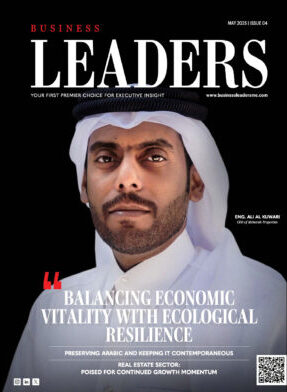

Balancing Economic Vitality With Ecological Resilience
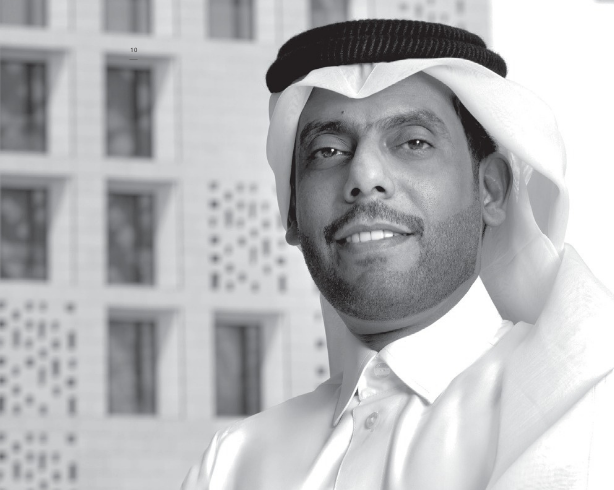
Eng. Ali Al Kuwari, CEO of Msheireb Properties, in conversation with Business Leaders ME, spells out how the urgency of climate action propelled the company’s strategy of sustainability under its credo of innovation by challenging convention and finding new ways for people to live and work in integrated, enriching and sustainable communities.“ demo.mapsily.com With a unique mix of commercial & residential property management, Msheireb has carved out a name for itself in sustainability. What acted as the motivating factor? Al Kuwari: Qatar National Vision 2030 laid the foundation of our approach, which emphasises environmental stewardship and economic diversification. We recognised early that sustainable design isn’t an option but a necessity for resilient urban ecosystems. We believe that cities must evolve to meet future challenges, and we saw an opportunity to redefine urban spaces by merging cultural identity with forward-thinking design. Traditional Qatari elements such as wind towers and courtyards were reimagined using modern technology, ensuring energy efficiency and reduced carbon footprints. This alignment of national goals and architectural innovation positioned us to lead in creating urban ecosystems that honour heritage while advancing sustainability. The urgency of climate action further propelled our strategy. Cities consume over 70 percent of global energy, and we aimed to counter this through projects like Msheireb Downtown Doha. By adopting circular economy principles such as reusing materials, minimising waste, and prioritising renewable energy, we demonstrated that development need not come at the planet’s expense. Our goal was not just to build structures but to inspire a shift in how urban spaces function, balancing economic vitality with ecological resilience. Talk us through the various sustainability initiatives that Msheireb has taken since inception. Al Kuwari: From the outset, our projects were designed to exceed global standards. Msheireb Downtown Doha became the world’s largest LEED-certified community, integrating solar energy, grey water recycling, and energy recovery systems. Buildings use 30 percent less energy through smart shading and IoT-enabled utilities. We also prioritised waste reduction, repurposing 95 percent of construction materials and utilising non-potable water for landscaping. These measures reflect our focus on resource efficiency, ensuring every element of the development contributes to long-term environmental health. Collaboration has been equally critical. Partnerships with organisations such as the Qatar Green Building Council led to programmes such as the Msheireb Green Program, which guides retail tenants in adopting eco-friendly operations. Public engagement initiatives, including workshops and markets, encourage dialogue around sustainability. For example, the recently concluded Earthna Summit 2025, held at Msheireb Downtown Doha, brought together global sustainability leaders to explore the fusion of innovation and traditional knowledge in addressing environmental challenges, while the Earthna Village engaged the public with interactive exhibits showcasing indigenous practices and cultural heritage. What are the growth drivers of the real estate sector in Qatar, given that NDS3 relies expressly on the sector? Al Kuwari: The real estate sector in Qatar is positioned for continued growth, driven by several factors outlined in the Third National Development Strategy. Economic diversification stands as a primary driver – as our country reduces its dependence on hydrocarbons, the real estate sector provides the essential infrastructure needed to support emerging industries and economic clusters. This transformation creates robust demand for commercial spaces, industrial facilities and mixed-use developments that accommodate diverse business activities. Population growth and urbanisation further fuel demand for residential and commercial properties. As more people gravitate toward urban centres, the need for quality housing, office spaces and community facilities increases substantially. At Msheireb Downtown Doha, our flagship project, we’re witnessing this demand first-hand, with commercial occupancy currently exceeding 94 percent, reflecting the district’s appeal to multinational businesses and institutions. Our residential spaces are similarly performing strongly, with occupancy rates surpassing 80 percent, establishing the downtown as a highly sought- after address for both business operations and residential living in Doha. Qatar’s vision to become a premier global tourist destination is also driving significant development in hospitality and leisure real estate, encompassing hotels, resorts and entertainment complexes. Additionally, the expansion of transportation networks, educational institutions and healthcare facilities enhances the appeal of real estate investments, creating opportunities for integrated developments that leverage these amenities to create vibrant, connected communities. What role do you foresee Msheireb Properties playing in the heightened role that the sector is poised to play as per NDS3? Al Kuwari: Msheireb Properties is uniquely positioned to contribute meaningfully to the real estate sector’s enhanced role under NDS3. Our vision to be the pioneering national developer of sustainable and innovative projects inspired by Qatar’s unique heritage aligns perfectly with Qatar’s environmental and cultural ambitions. We will continue to develop and manage projects that incorporate sustainable materials, energy-efficient designs and green spaces that reduce environmental impact whilst creating beautiful, liveable environments. We are actively supporting economic diversification by creating spaces that cater to emerging industries and economic clusters. Our mixed-use developments provide ideal environments for business growth while offering residents convenient access to services and amenities. Msheireb Downtown Doha has rapidly established itself as a preferred destination for major institutions, with companies such as Qatar Airways, IWG, International Media Office, TikTok Studio, Snap Inc., Government Communications Office, Media City, HSBC, Vodafone, Google Cloud, Schneider Electric, and Ernst and Young Qatar, among others, choosing to locate their operations there. Social cohesion represents another area where Msheireb Properties exerts significant influence. Our projects are thoughtfully designed to foster community engagement and cultural pride. By creating spaces that promote meaningful social interaction and provide facilities for cultural activities, we contribute to the cohesive social fabric of our communities. Barahat Msheireb and Msheireb Museums exemplify this approach, having become preferred venues for dialogues and conferences of both local and international significance. Moreover, innovation remains at the heart of our approach. We will continue to embrace cutting- edge technologies and sustainable building practices to deliver high- quality, efficient solutions that meet the demands of modern living and working. Our commitment to innovation means we’re constantly looking forward, seeking new ways to enhance our developments and contribute to Qatar’s vision for the future. With Aqarat coming
Business Leaders May– 2025