

Sidra Medicine Celebrates Seven Years of Advancing Medical Education in Qatar
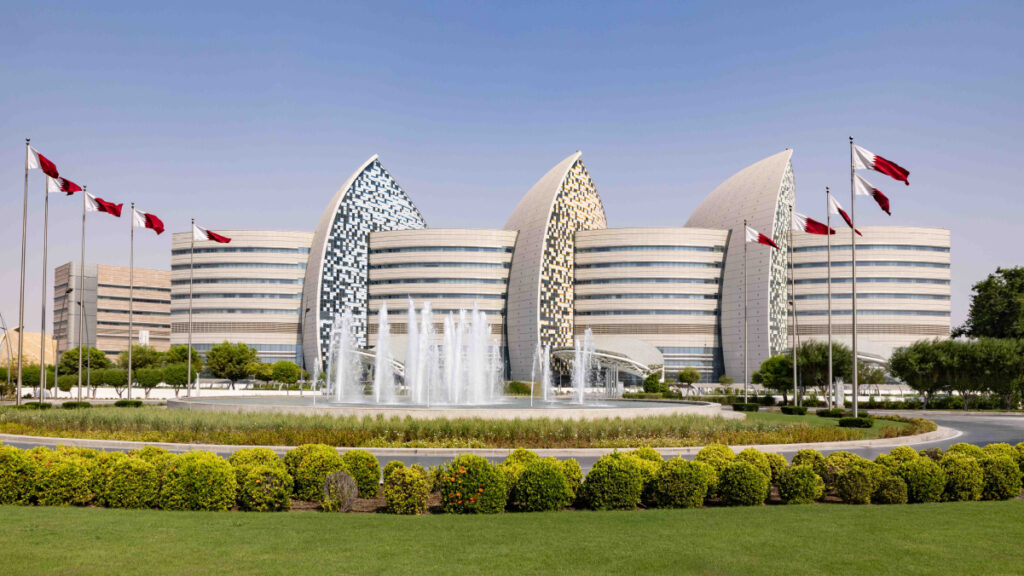
Over 400 trainees graduate from pediatric residency and fellowship programs 20 January 2025, Doha, Qatar – Sidra Medicine, a member of Qatar Foundation, has achieved remarkable milestones in medical education over the past seven years since its opening in 2018. From offering pioneering residency and fellowship programs that empower medical trainees to hosting globally recognized conferences, Sidra Medicine has transformed Qatar’s healthcare landscape and positioned itself as a reputable institution for medical expertise. Prof. Ibrahim Janahi, Acting Chief Medical Officer and Chair of Medical Education at Sidra Medicine said: “When Sidra Medicine’s Medical Education pillar was established, our mission was to be ranked among the top academic medical centers in the world. I am pleased to see how far we have come on this journey and the big strides we have taken to develop the next generation of healthcare and research professionals. Our world-class events have positioned Qatar as a premier hub in the region for advancing medicine and research, attracting experts and delegates from around the world. As a proud Qatari institution, we are dedicated to empowering local and regional talent while maintaining a global outlook.” The Medical Education Department at Sidra Medicine vision is to set the highest standards of medical education and continuous professional development opportunities for healthcare professionals and offer medical trainees an exceptional educational experience to create safe and competent future doctors specialized in children’s and women’s health. “Each year Sidra Medicine offers thousands of education sessions with well over 10,000 credit hours. Our wide variety of offerings include workshops, medical simulations, seminars, symposia, grand rounds, conferences, journal clubs, and blended online learning modules. By transferring knowledge and advancing healthcare education, we are not only shaping the future of medicine but also fulfilling our mission to serve the unique needs of the Arab population,” continued Prof. Janahi. Sidra Medicine supports medical students’ clerkships and placements in pediatric and women’s healthcare, serving as a specialist teaching hospital for students from Weill Cornell Medicine-Qatar and Qatar University Medical College as well as research students from Hamad Bin Khalifa University. Since 2018, over 1,000 medical students completed their clerkship programs at Sidra Medicine, additionally, over 400 residents and fellows have graduated from Sidra Medicine’s pediatric residency and fellowship programs, which are accredited by the Accreditation Council for Graduate Medical Education – International (ACGMEI). The hospital’s medical education achievements also include institutional accreditation from the Royal College of Physicians and Surgeons of Canada, enabling it to accredit residency training programs across multiple specialties. These efforts have elevated Sidra Medicine’s standing as a premier academic and healthcare institution. Its impact is further evidenced by its partnerships with leading institutions such as the Children’s Hospital of Philadelphia. Sidra Medicine also offers innovative programs like the Introduction to Genomics (InGen) workshops, which in 2024 provided over 400 high school students with hands-on research experience. Sidra Medicine has established itself as a hub for international medical and research conferences and workshops, bringing globally renowned events to Qatar. In the past ten years, Sidra Medicine has hosted many events and conferences that have collectively drawn over 20,000 healthcare professionals and researchers. Notably, these gatherings have welcomed over 1,000 international participants from more than 23 countries, highlighting Sidra Medicine’s role in fostering global collaboration and knowledge exchange All its conferences and workshops offer Continuous Medical Education (CME) and Continuing Professional Development (CPD) points which are accredited by the Department of Healthcare Professionals. In 2024, Sidra Medicine hosted the 31st Annual Scientific Meeting of the Middle East Fertility Society (MEFS), the largest organization in the region dedicated to advancing fertility care. In 2019, it proudly hosted the 6th World Congress of the World Federation of Associations of Pediatric Surgeons (WOFAPS), attracting over 800 surgeons from more than 80 countries. This landmark event, held for the first time in the Middle East, underscored Qatar’s emergence as a premier destination for advancing pediatric surgical care. Its annual conferences, such as the Precision Medicine and the Future of Genomics Summit (PMFG) and the Pediatric Neuroscience Conference (PNC) have become signature events, attracting participants from across the Middle East and beyond. Sidra Medicine’s upcoming Gulf Pediatric Critical Care Conference (GPCCC) from 23 to 26 January is a testament to its ongoing dedication to providing access to cutting-edge education and medical education, as it is the first of its kind to be held in the Gulf Cooperation Council (GCC) region. Online slots are still available. Register virtually here. For additional information about Medical Education at Sidra Medicine, please visit: https://www.sidra.org/education/medical-education
Sidra Medicine launches Qatar’s first cord blood bank
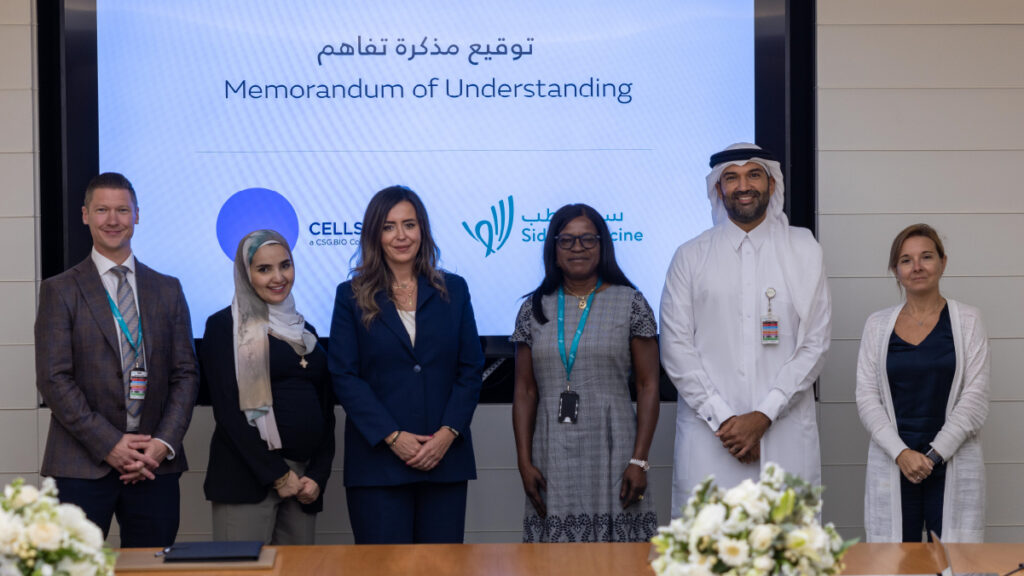
Sidra Medicine has recently launched the country’s first cord-blood banking service which will offer families a unique opportunity to preserve families’ newborns’ stem cells in Qatar, for potential future medical needs. This has been under a partnership with CellSave Arabia, a leading name in the field of biotechnology research. Cord blood banking is the process of collecting and storing the blood from a newborn’s umbilical cord and placenta after birth. The collection is painless, non-invasive, and risk-free for the mother and baby. Cord blood is rich in hematopoietic stem cells, which have the potential to treat various medical conditions, including certain cancers, blood disorders, and immune system diseases. Professor Johnny Awwad, chair of women’s services at Sidra Medicine said: “As the only facility in Qatar providing local cord blood storage, Sidra Medicine offers an unparalleled advantage by keeping the samples in the country. This ensures their optimal quality and immediate access when needed most, compared to having them shipped from abroad. Cord blood is increasingly being stored by parents everywhere, who are seeking to preserve their child’s stem cells as they can be crucial for their child or their sibling/s in the future. Our commitment to the latest technology and international standards further guarantees the utmost reliability and peace of mind for families in Qatar.” All the cord blood samples will be sent to Sidra Medicine’s Cord Blood Bank in its Good Manufacturing Practice (GMP) facility, where cryogenic freezing will allow them to be stored securely for over 30 years. To expand its reach to other families in Qatar, Sidra Medicine signed a Memorandum of Understanding (MoU) with CellSave Arabia, and the services are available to any family in the country choosing the joint Sidra Medicine and CellSave Arabia service as their stem cell storage provider regardless of whichever hospital their baby is born in. Alia Abdel-Razeq, COO of CellSave Arabia said at the MoU signing ceremony with Sidra Medicine: “Partnering with Sidra Medicine marks a pivotal step in our commitment to healthcare innovation in Qatar. By utilizing Sidra Medicine’s exceptional facilities and expertise, we can significantly elevate our service offerings, ensuring that families in Qatar have access to vital stem cell banking services that support their future health needs.”
From a board role to a CEO: Dr. Iyabo Tinubu-Karch’s seemingly effortless transition
Dr Iyabo Tinubu-Karch, CEO, Sidra Medicine is no stranger to the world of decision-making while being a medical professional. In a candid conversation, Dr Tinubu-Karch talks about the transition to a CEO and the values it demanded inculcated in her, apart from the role technology plays in diagnostics today. “Technology is the cornerstone of our ability to expand and enhance our clinical services, ensuring we provide exceptional care for women and children.“ “Stepping from the boardroom into the CEO role has been an incredible journey. While my board role focused on strategic oversight and high-level decisions, my current position has immersed me in the daily operations of Sidra Medicine. This deeper involvement has provided invaluable insights into the challenges and opportunities we face, which allows me to ensure our teams have the necessary resources to excel in patient care, research, and education,” says Dr Iyabo Tinubu-Karch, CEO, Sidra Medicine. One of the biggest shifts for Dr Tinubu-Karch has been getting to know the people on a deeper level. Witnessing their commitment firsthand is truly inspiring and reinforces her responsibility to foster a collaborative and inclusive work environment, according to Dr Tinubu-Karch, who actively seeks input from diverse perspectives within the organisation, believing as she does that this collective wisdom leads to more informed and effective decision-making. “Healthcare is a dynamic field. As CEO, I need to make sure that we as an institution are agile and adaptable. This means being committed to nurturing a culture of innovation and continuous improvement. By embracing change and fostering a growth mindset, we can ensure that Sidra Medicine remains at the forefront of women’s and children’s healthcare,” informs Dr Tinubu-Karch. On the role that technology plays in advancing clinical care at Sidra Medicine, Dr Tinubu-Karch is forceful about Sidra Medicine’s commitment to embracing the latest technological advancements based as it is on the belief that advanced technology is essential for the institution to remain a leader in patient care, adding, “Technology is the cornerstone of our ability to expand and enhance our clinical services, ensuring we provide exceptional care for women and children.” Dr Tinubu-Karch adds that Sidra Medicine has become a regional pioneer in gene therapy, harnessing the power of technology to revolutionise treatment options for genetic diseases. Our administration of Elevidys for Duchenne Muscular Dystrophy (DMD) and our unique position as the sole provider of gene therapy for Spinal Muscular Atrophy (SMA) in Qatar exemplify this commitment. How has Dr Tinubu-Karch’s background in geriatric medicine shaped your approach to healthcare leadership? Dr Tinubu-Karch informs that her background in geriatric medicine has profoundly influenced her approach to healthcare leadership. She details, “In geriatrics, you learn to consider not only the immediate medical issues but also the broader context of a patient’s life – how their environment, family support, mental well-being, and social circumstances all influence their health. This perspective is essential for providing compassionate, effective care, and it informs how I lead a multidisciplinary team, with a collaborative agenda at a healthcare institution like Sidra Medicine.” Geriatric medicine, Dr Tinubu-Karch adds, emphasises long-term health and quality of life, not just treating immediate symptoms. “This philosophy is central to Sidra Medicine’s approach. We’re not only focused on acute interventions but also on providing sustainable, comprehensive care that supports the overall well-being of our patients and their families. My background has instilled in me a deep respect for the continuity of care, which we strive to deliver at every stage of a patient’s journey here,” says Dr Tinubu-Karch. Innovations in healthcare At Sidra Medicine, innovation is at the heart of our mission to provide exceptional care for children and women. Dr Tinubu-Karch talks about several ways in which Sidra Medicine is constantly striving to achieve new milestones and push the boundaries of healthcare through several key initiatives. One key area is our Clinical Trials Program, which focuses on trials directly benefiting children in the Arab region, informs Dr Tinubu-Karch. The trials could offer children the chance to receive beneficial treatment whether it is a new drug, therapy, device or procedure before it becomes widely available, she says, adding, “Our programme addresses the historical lack of research for the Arab population, enabling us to develop personalised and effective treatments.” In tandem, Sidra Medicine has also established the first pediatric hematopoietic stem cell transplant (HSCT) programme in Qatar, in partnership with the Children’s Hospital of Philadelphia. “Additionally, our precision medicine initiatives leverage genomic data to personalise care plans, using advanced technologies such as Whole Genome Sequencing (WGS) to identify disease-linked genetic variations and Zebrafish Functional Genomics Facility for rapid gene mutation identification. We are strategically integrating Artificial Intelligence (AI) into our operations to empower our patients and optimise our workflow. Global healthcare trends in women’s and children’s health
Sidra Medicine Launches Masterclasses Ahead of Precision Medicine and Future of Genomics 2024 Summit
17 November 2024, Doha, Qatar – In anticipation of the upcoming Precision Medicine and the Future of Genomics 2024 Summit (PMFG 2024), Sidra Medicine, a Qatar Foundation entity, will host a series of specialized masterclasses from December 1-2, 2024 at its premises in Doha. These masterclasses are designed to provide healthcare professionals and researchers with practical skills and insights that align with core PMFG 2024 themes. Three masterclasses are open for registration: Participants will have the opportunity to learn directly from leading global experts, gaining hands-on knowledge in areas such as gene curation, genetic counseling, and the use of AI in Biomedical research. This prelude to the main PMFG 2024 Summit provides a unique platform for in-depth learning and networking among professionals invested in advancing precision medicine and genomics. Speakers and ParticipantsThe masterclasses will host several high-profile speakers and participants, including Dr. Marina DiStefano, (ClinGen Principal Investigator, Broad Institute/MIT, USA), Dr. Peter Owotoki, (Co-Founder and CEO of vitafluence.ai), and Dr. Ammira Al-Shabeeb Akil, (Principal Investigator and the lead of the Genetic and Metabolic Disorders Clinical Research Program at Sidra Medicine). Dr. Ammira Al-Shabeeb Akil, Principal Investigator, the organizer of the masterclasses and the lead of the Genetic and Metabolic Disorders Clinical Research Program at Sidra Medicine and Organizing Chair of PMFG 2024, said: “The masterclasses provide an immersive runup to PMFG 2024, focusing on actionable insights and hands-on sessions. Attendees will gain practical expertise that they can directly apply in their fields, as well as engage in collaborative discussions to advance precision medicine in the Middle East and beyond.” Connecting Practical Knowledge to Summit ThemesThese masterclasses deepen understanding of the themes spotlighted at PMFG 2024, running from December 3-5, 2024. Participants will explore genomics applications for personalized care, cutting-edge genetic therapies, and innovative diagnostic solutions which will create a cohesive learning experience in preparation for the Summit’s broader discussions on precision healthcare advancements. Register NowTo register for the PMFG 2024 masterclass, please visit: Precision Medicine and the Future of Genomics 2024 Summit – Master Classes – Online Single Registration. To register for the PMFG 2024 summit, please visit: Precision Medicine and the Future of Genomics 2024 Summit (PMFG 2024) – Online Single Registration.
Sidra Medicine Launches Qatar’s First Cord Blood Bank
Partnership with CellSave Arabia Expands Reach for Families Across the Country Sidra Medicine, a member of Qatar Foundation, has launched a state-of-the-art cord blood banking service. This is the country’s first local cord blood storage facility and will offer families a unique opportunity to preserve their newborns’ stem cells in Qatar, for potential future medical needs. Cord blood banking is the process of collecting and storing the blood from a newborn’s umbilical cord and placenta after birth. The collection is painless, non-invasive, and risk-free for the mother and baby. Cord blood is rich in hematopoietic stem cells, which have the potential to treat various medical conditions, including certain cancers, blood disorders, and immune system diseases. Prof. Johnny Awwad, Chair of Women’s Services at Sidra Medicine said: “As the only facility in Qatar providing local cord blood storage, Sidra Medicine offers an unparalleled advantage by keeping the samples in the country. This ensures their optimal quality and immediate access when needed most, compared to having them shipped from abroad. Cord blood is increasingly being stored by parents everywhere, who are seeking to preserve their child’s stem cells as they can be crucial for their child or their sibling/s in the future. Our commitment to the latest technology and international standards further guarantees the utmost reliability and peace of mind for families in Qatar.” All the cord blood samples will be sent to Sidra Medicine’s Cord Blood Bank in its Good Manufacturing Practice (GMP) facility, where cryogenic freezing will allow them to be stored securely for over 30 years. Prof. Khalid Fakhro, Chief Research Officer at Sidra Medicine said: “Our cord blood banking service is another successful milestone for our precision medicine strategy. There are over 80 diseases that can be treated using the banked samples including some types of cancers. With this private service now available for maternity patients at Sidra Medicine, we provide parents with the opportunity to safeguard their child’s future health by cryopreserving their stem cells. This is particularly relevant for families with a history of congenital medical issues. The stored stem cells could provide a source for regenerative therapies if their child or other family members experience blood or immune system disorders.” To expand its reach to other families in Qatar, Sidra Medicine signed a Memorandum of Understanding with CellSave Arabia, a leader in stem cell banking services. It is available to any family in the country choosing the joint Sidra Medicine and CellSave Arabia service as their stem cell storage provider regardless of whichever hospital their baby is born in. Dr. Iyabo Tinubu-Karch, Chief Executive Officer of Sidra Medicine said: “This partnership with CellSave Arabia aligns perfectly with Sidra Medicine’s mission to advance healthcare and foster healthier families across Qatar. Thanks to our facilities and CellSave Arabia’s reach, this is the first time that families across the country have an option to have their children’s stem cells stored in the country. Together, we aim to make advanced stem cell processing and storage more accessible, thereby contributing to a more robust healthcare infrastructure in the region.” Alia Abdel-Razeq, COO of CellSave Arabia said at the MoU signing ceremony with Sidra Medicine: “Partnering with Sidra Medicine marks a pivotal step in our commitment to healthcare innovation in Qatar. By utilizing Sidra Medicine’s exceptional facilities and expertise, we can significantly elevate our service offerings, ensuring that families in Qatar have access to vital stem cell banking services that support their future health needs.” Cord blood banking is already available at Sidra Medicine and plans are underway to extend the joint Sidra Medicine and CellSave Arabia service to those who deliver their babies in other hospitals in addition to launching other services including umbilical cord banking, placental tissue banking, amniotic tissue banking, and Mesenchymal Stem Cell (MSC) banking. For further inquiries or assistance about Cord Blood Banking, please download the brochure here or contact us at stemcells@sidra.org.