

HEC Paris Partners with Emirates Global Aluminum to Deliver Transformational Leadership Program
Reading Time: 2 minutesDoha, 4 March 2025 – HEC Paris, the world’s top-ranked business school for Executive Education, is delivering a custom leadership program for Emirates Global Aluminum (EGA). Ascend is a bespoke leadership program for high-potential leaders from non-supervisory to Directors. The program supports leaders to cultivate a forward-thinking mindset through immersive experiences and masterclasses to drive innovation. Abdulnasser Bin Kalban, Chief Executive Officer of Emirates Global Aluminium, said: “Developing our people has been a key foundation of our global competitiveness for decades, and is an important priority at EGA to achieve our bold aspiration to become a talent-driven organisation. Our goal with Ascend programme is to equip our top talent with the necessary knowledge and skills to thrive in their roles and accelerate their growth.” Led by Professor Shaheena Janjuha-Jivraj, Academic Director and Associate Professor of Entrepreneurial Leadership and Diversity at HEC Paris, Doha, the program provides participants with high-impact strategies that can immediately be applied within EGA. The recent module, delivered in Doha, focused on essential leadership competencies for managing large-scale organizational change. Participants explored proven frameworks to diagnose challenges, manage disruption, and implement transformation strategies with confidence and precision. Professor Shaheena emphasized the significance of the program, stating, “Leading transformation requires more than technical expertise; it demands vision, adaptability, and the ability to inspire action across an organization. This program equips participants with the strategic tools and leadership insights needed to drive innovation and transformation and create meaningful impact.” To complement in-class learning, participants engaged in a site visit to Microsoft’s Digital Center of Excellence and headquarters in Doha, where they explored cutting-edge advancements in artificial intelligence, digital transformation, and sustainable technology. The visit also showcased the launch of Qatar’s first data center, a pivotal milestone in digital transformation, local data residency, and cybersecurity. Participants gained insights into the Microsoft AI for Good initiative, which promotes responsible AI applications across industries, including transportation, sports, and tourism. The Ascend Level 3 program unfolds across three modules. The first module, ‘Innovation & Sustainability’, took place in Dubai in November, and focused on sustainable business strategies. The final module will take place in Dubai this April, where participants will engage in a business simulation – a high-pressure strategic exercise requiring real-time decision-making in investment, marketing, procurement, and finance. Building on its legacy of excellence in executive education, HEC Paris continues to partner with leading organizations across the GCC, including Qatar, the UAE, Kuwait, Bahrain, and Saudi Arabia. Through its custom-designed programs, HEC Paris empowers senior executives to drive innovation, create lasting impact, and lead with confidence in an increasingly complex business landscape.
Cristiano Ronaldo attends Premier Padel tournament in Riyadh

Reading Time: 2 minutesRiaydh, – 10 February 2025 – Padel continues to capture the attention of global sports icons, with Cristiano Ronaldo among the spectators at the Riyadh Season Premier Padel P1, enjoying the top-level action on court. The Portuguese football legend followed the matches closely and celebrated the victory of his compatriots Miguel and Nuno Deus, who secured their place in the main draw with an impressive performance in the final round of qualifying. Ronaldo is the latest in a growing list of global sports stars drawn to Premier Padel and its elite-level competition. Last year, Neymar Jr. attended the Riyadh Premier Padel P1, while other football greats including Zlatan Ibrahimović, Esteban Cambiasso, Leandro Paredes, and Paulo Dybala have also shown their passion for the sport by recently attending tournaments. Beyond football, combat sports icons Khabib Nurmagomedov and Ilia Topuria have also attended Premier Padel tournaments. During the Qatar Grand Prix in 2024, sporting legends including Novak Djokovic, F1 world champion Max Verstappen, drivers Lando Norris, George Russell and Oscar Piastri, footballers Luis Figo and Marco Materazzi, and basketball’s Tony Parker attended a sporting legends tournament during the event, further highlighting Premier Padel’s appeal. The Riyadh Season Premier Padel P1 is the first tournament of the 2025 season, following an exceptional 2024 campaign that featured 24 tournaments across 16 countries. As part of Premier Padel’s continued global expansion, the event brings world-class padel to Saudi Arabia, with top international players battling for valuable ranking points and the first title of the season.
The GCC Program: The first international carbon credit and sustainable development program
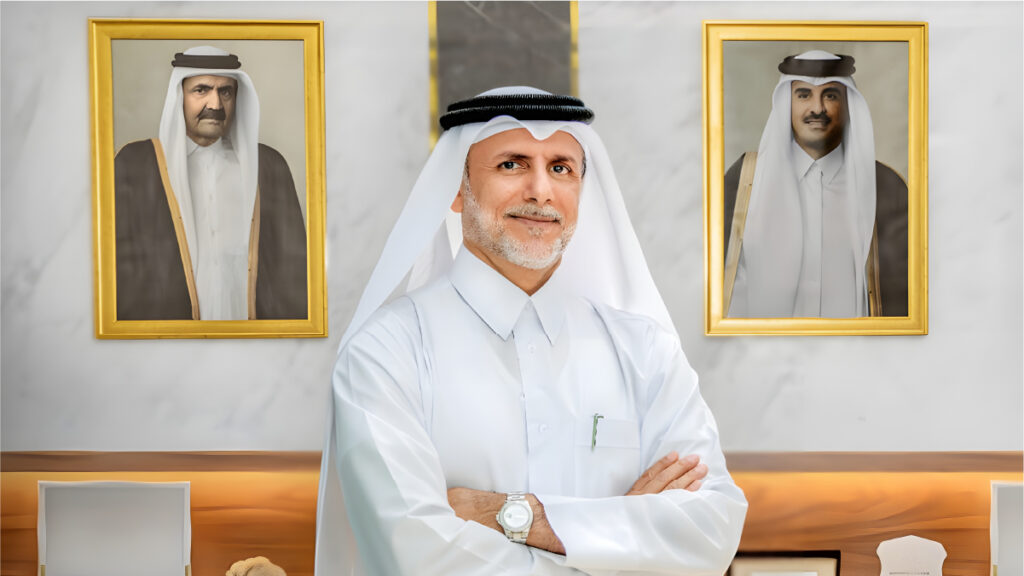
Reading Time: 4 minutesDr Yousef Alhorr, founding chairman of the Global Carbon Council (GCC) speaks to Aparajita Mukherjee on the Council’s role in promoting sustainability through issuance of carbon credits to high-quality projects that have demonstrated their additionality in the reduction and removal of GHG emissions contributing to the United Nations Sustainable Development Goals (SDGs). Dr Yousef Alhorr, founding chairman of the Global Carbon Council (GCC), says that the GCC Program has received multiple projects for the issuance of carbon credits from Gulf countries including Bahrain, Kuwait, Oman, Qatar, Saudi Arabia, and the United Arab Emirates BL: Talk us through the Global Carbon Council and Qatar’s role in this initiative. Dr Alhorr: The Global Carbon Council (GCC) is the first international carbon credit and sustainable development program based in the Global South. The GCC Program is contributing to a more sustainable and low-carbon future by issuing carbon credits to projects from around the world that add to sustainable development. The Program only accepts high-quality projects that have demonstrated their additionality in the reduction and removal of GHG emissions while ensuring that project construction and operations do not cause any net harm to the environment and society and contribute to the United Nations Sustainable Development Goals (SDGs). As a result, the Program is helping to drive much-needed climate finance into projects that reduce and remove emissions. GCC is accredited by the United Nations International Civil Aviation Organization (ICAO) for their CORSIA scheme and by the International Carbon Reduction and Offsetting Alliance (ICROA). GCC presently issues carbon credits aimed to serve voluntary carbon markets and CORSIA, but soon, it will issue emission reductions eligible under Article 6.2 of the Paris Agreement that host countries will transfer as internationally transferable mitigation outcomes (ITMOs) to the buyer countries to meet the targets of its Nationally Determined Contribution (NDC) and to the private/corporate sector organizations for meeting carbon neutrality and net zero commitments. Having received 1,500+ projects from 45 countries spanning South and East Asia, MENA, Africa, Eastern Europe, Latin America and Caribbean region, GCC aims to issue in excess of 2 billion carbon credits in next eight years’ time to help meet the aim of a net-zero world. The carbon market initiative was established by the Gulf Organisation for Research & Development (GORD), under Qatar’s leadership. Although originating from Qatar, GCC’s scope is global. It also plays a crucial role in bridging the gap between developed and developing nations in carbon market participation. BL: Being a top producer and exporter of hydrocarbons, how does this initiative tie in with global long-term sustainability from the Qatari perspective? Dr Alhorr: GCC Program is an independent carbon standard which acts primarily on project basis to issue carbon credits in any part of the world. The scope of GCC spans beyond the geography of Qatar. Over the years, the program has become one of the leading key players in the carbon markets serving voluntary as well as compliance markets. Gas exporting countries including Qatar and members of the Gas Exporting Countries Forum (GECF) can benefit from the methodologies that GCC is promoting regarding the early retirements of coal plants, carbon capture and storage (CCS) or fuel switch to cleaner low embodied carbon fuels which can drive short- to medium-term decarbonization goals for countries and corporates alike. Key areas of focus for gas producing nations such as Qatar include energy efficiency, methane management, blue hydrogen and the adoption of CCS technologies. GCC brings carbon marketplace to catalyze climate action in all these areas. BL: Which GHG projects are most critical to accelerate the Gulf region’s low-carbon growth? Dr Alhorr: The Gulf region has significant potential for emission reduction projects due to its vast natural resources, technological capabilities, and increasing commitment to sustainability. The critical GHG mitigation projects in the GCC include Renewable Energy expansion, CCS, Blue and Green Hydrogen/Ammonia Production, Energy Efficiency in Industry, Flare Gas Reduction in Oil/Gas Industry, Green Buildings, Energy Efficient Chillers, Refrigerant Switch to non-GWP Gases, Mass Transport and Electric Vehicles, Waste and Wastewater Management, Plugging the abandoned oil wells and Greenhouses for agriculture. As per the International Renewable Energy Agency (IRENA) report, Gulf countries could save up to 136 million tons of CO₂ annually by 2030 through renewable deployment, one of the major areas of the Gulf region’s mitigation sector. Further, with many geological storages of depleted oil reservoirs and saline aquifers, there is great potential for CCS. Accelerated growth of all these clean and green sector projects is very important for the region to achieve a low-carbon future and economic diversification. The GCC Program has received multiple projects for carbon finance support for the Gulf countries covering Bahrain, Kuwait, Oman, Qatar, Saudi Arabia, and the UAE. Many of these received projects are either registered or at different stages of active evaluation. Role of S&P and Climate Impact X in the new agreement “The strategic tri-party agreement between GCC, S&P Global Commodity Insights (SPGCI), and Climate Impact X (CIX) aims to enhance carbon market services and improve liquidity. SPGCI offers comprehensive registry services to the GCC program. The Environmental Registry platform by S&P plays a critical role in supporting the secure and transparent issuance of carbon credits (ACCs). CIX is a global carbon market solutions provider based in Singapore. CIX’s platform will provide project developers with streamlined access to global buyers and enhance the liquidity of carbon credits issued by GCC. GCC sees value in providing a secure transaction registry (provided by SPGCI) to issue credits and further integration with a robust exchange (CIX) would provide better liquidity opportunity to the sell side (or project developers). By partnering with the two reputable solutions providers, GCC aims to scale its global impact by bringing greater transparency, certainty, and liquidity to the carbon markets.” – Dr Yousef Alhorr, founding chairman of the Global Carbon Council.
GORD develops Gulf region’s first Sustainable Construction Code
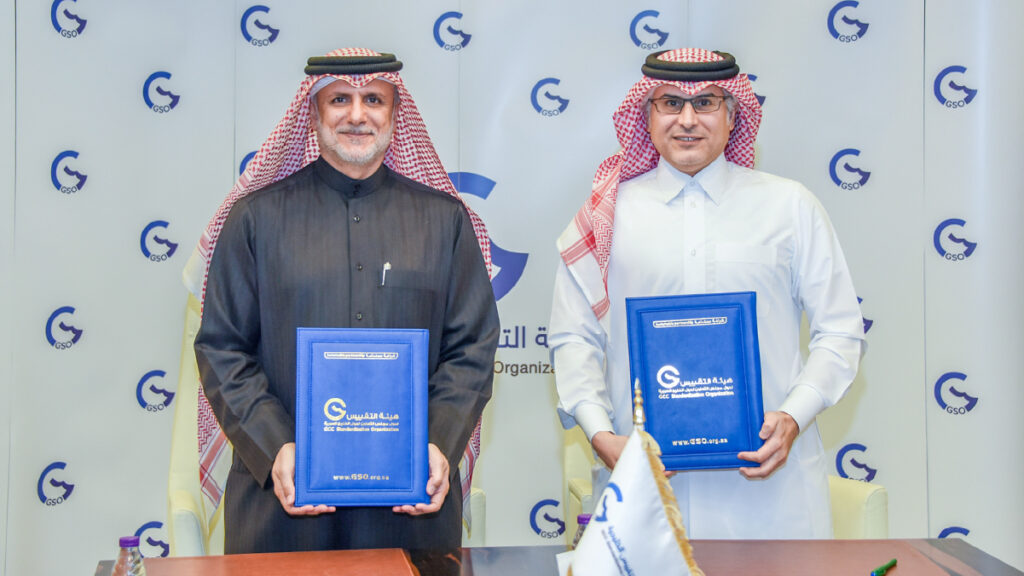
Reading Time: 3 minutesRiyadh, KSA – February 04, 2025: Having developed the GCC region’s first-ever Sustainable Construction Code, the Gulf Organisation for Research & Development (GORD) — a subsidiary of Qatari Diar Real estate Investment Company — has signed an agreement with the GCC Standardization Organization (GSO) for integrating the code into the wider Gulf Building Code. The agreement was formalized by Dr. Yousef Bin Mohammed Alhorr, Founding Chairman of GORD, and His Excellency Engineer Nawaf bin Ibrahim Al-Hamad Al-Mana, President of GSO, at GSO headquarters in Riyadh, Saudi Arabia. The Gulf Building Code, endorsed by the Ministries of Municipalities and Urban Planning in Gulf States, serves as a comprehensive framework guiding building and construction practices across the Gulf region. The newly developed Sustainable Construction Code, created by experts at GORD -headquartered at Qatar Science & Technology Park- draws on the success of GORD’s flagship Global Sustainability Assessment System (GSAS), developed as the first performance based green buildings rating system in MENA region, will significantly contribute to the Gulf’s transition to more sustainable urban landscapes. The Sustainable Construction Code serves as a vital intergovernmental tool, aiming to promote sustainable practices across a broad spectrum. It establishes a baseline set of green building criteria for a diverse range of construction projects, addressing various facets of sustainability. Initially conceived in 2010, the project was entrusted to GORD, leveraging its extensive expertise and leadership in the sustainability domain. Speaking about the document, Dr. Yousef Alhorr, Founding Chairman of GORD, said, “We take immense pride in GORD’s instrumental contribution to the Gulf Building Code by developing the first unified Sustainable Construction Code for the region. This achievement marks a significant milestone in our commitment to advancing sustainability and promoting a more environmentally conscious future for the Gulf nations. The Code is designed to ensure wider accessibility and adoption, ultimately promoting the creation of sustainable urban landscapes throughout the region. At the same time, it serves as a starting point toward a holistic green building framework in the future, where sustainability becomes deeply integrated into every facet of the regional building and construction industry.” His Excellency Engineer Nawaf bin Ibrahim Al-Hamad Al-Mana, President of GSO, said, “Green buildings play a crucial role in helping the GCC region achieve its climate goals by significantly reducing energy consumption, carbon emissions and resource use. To this end, the Sustainable Construction Code represents GCC countries’ vision for a greener, more sustainable future. We are certain that this unified framework will pave the way for a region-wide transformation of the construction industry, where sustainability is not just an option, but an integral part of every project.” Covering over 115 pages, the Sustainable Construction Code offers a multifaceted approach with the flexibility of both prescriptive and performance-based assessments. While its core principles are derived from the Global Sustainability Assessment System (GSAS) green building framework, Sustainable Construction Code represents a simplified version with reduced requirements. The 55 criteria are narrowed down to 22, each representing key performance indicators (KPI’s) for sustainable buildings. This deliberate simplification ensures ease of adoption and enforceability across all Gulf countries. The Code is designed to be accessible to a broad audience, reducing the need for specialized expertise and complex simulations. The Code is structured into six core chapters. These chapters cover various aspects of sustainable construction, including guidelines for efficient land utilization and infrastructure planning in Site Planning and Use, recommendations for sustainable and eco-friendly building materials in Material Selection, strategies to optimize energy usage within buildings and promote energy efficiency in Energy Conservation and Efficiency, guidelines for water resource conservation and efficient water use in Water Conservation and Efficiency, a focus on ensuring healthy and comfortable indoor environments in Indoor Environmental Quality, and an emphasis on preserving cultural and historical aspects in building design and construction in Heritage and Cultural Identity. As the Gulf Cooperation Council (GCC) endeavors to transition towards a more sustainable and environmentally conscious future, the Sustainable Construction Code represents a pivotal element in these efforts, shaping the future of construction in the region. At the same time, it underscores the commitment of the GORD and GSO to promote sustainability, advance regional development, and secure a more sustainable future for the Gulf region.
Visit Qatar’s CEO Attends E1 Jeddah GP Ahead of the Doha GP in February
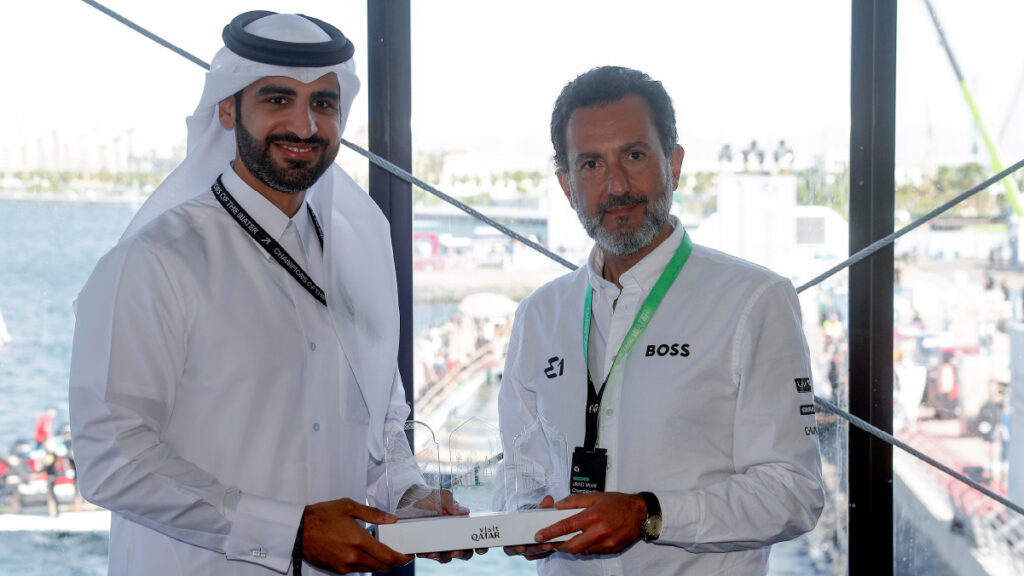
Reading Time: < 1 minuteAhead of Qatar’s hosting of the next E1 Series event this February, Visit Qatar’s Chief Executive Officer, Eng. Abdulaziz Ali Al-Mawlawi, attended the E1 Jeddah GP held in Jeddah, Kingdom of Saudi Arabia. During his visit, Al-Mawlawi met with prominent industry leaders, including HRH Prince Sultan bin Fahd bin Salman Al Saud, Chairman of the Saudi Water Sports & Diving Federation, Alejandro Agag, E1 Co-Founder and Chairman, and Rodi Basso, CEO and Co-Founder of the E1 Series. The E1 Series, the world’s first electric powerboat championship, combines thrilling speed with cutting-edge innovation and brings together racers from across the globe. By hosting the E1 Doha GP from 21–22 February 2025, Qatar continues to cement itself as a premier destination for world-class sporting events, offering unforgettable experiences for both residents and visitors. For more information and latest updates related to Visit Qatar, please visit: www.visitqatar.qa
All-new Nissan Patrol tackles the dunes in Saudi Arabia
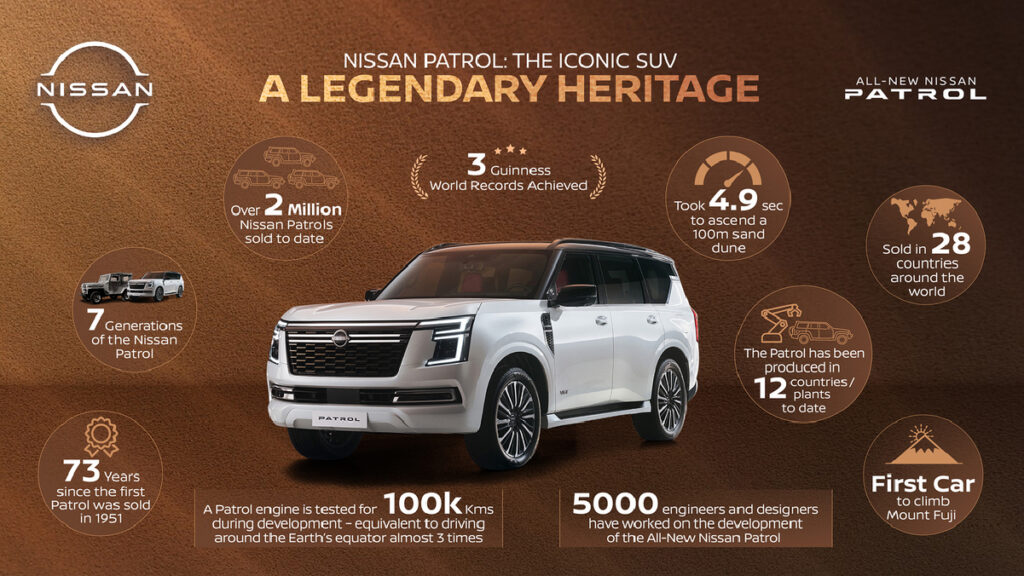
Reading Time: 9 minutesDoha, Qatar (16 December 2024) – The seventh generation of Nissan’s iconic Patrol SUV has taken to the roads – and dunes – of the Kingdom of Saudi Arabia with representatives of the international and regional media, including media members from Qatar, where they have enjoyed their first taste of the vehicle since its unveil in September . The media test-drive takes place as Nissan is celebrating recently winning two awards at the 12th National Automotive Sector Award held in Jeddah, Kingdom of Saudi Arabia. Nissan won the “Best Global Luxury Car Launch” award, while the “Nissan Patrol 2025” won the “Car of the Year” award. The latest iteration of the Patrol introduces several groundbreaking advancements – including a striking new design, new V6 and V6 twin-turbo engines, a 9-speed automatic transmission and customizable adaptive air suspension for enhanced all-terrain capability. Equipped with intuitive technologies including NissanConnect 2.0 powered by Google built-in, ProPILOT, and Klipsch Premium Audio System, it delivers a superior driving experience, complemented by exceptional comfort in a premium cabin. Thierry Sabbagh, Divisional Vice President, President Middle East, KSA & CIS – Nissan, INFINITI, said: “The Nissan Patrol is more than just a vehicle in the Middle East; it is a symbol of adventure, pride, and resilience. This latest model captures the true spirit of what makes this iconic nameplate legendary – an enduring legacy of deep connections built over decades of shared experiences and memorable journeys across diverse terrains. It reflects Nissan’s dedication to creating automotive experiences that resonate with our customers – and we are proud to present this next chapter in the Patrol’s remarkable journey.” Nassim Mourani, General Manager of the Automotive Group at Saleh Al Hamad Al Mana Co., said, “We are thrilled to see the all-new Nissan Patrol already making its mark in the Qatari market. This seventh-generation Patrol blends iconic design with innovative technology, offering a remarkable driving experience that combines power, luxury, and cutting-edge features. Equipped with a V6 twin-turbo engine, advanced NissanConnect 2.0, and ProPILOT, the Patrol is engineered to tackle both the rugged dunes and the streets of Qatar with ease and sophistication. Its exceptional performance and premium interiors are tailored to meet the high expectations of our customers. At Saleh Al Hamad Al Mana Co., we are proud to have the all-new Nissan Patrol, reinforcing its position as the ultimate SUV for those who seek both adventure and elegance.” Power. Performance. Precision. The seventh-generation Nissan Patrol is Nissan’s most powerful Patrol to date – setting new standards in performance with an exhilarating blend of response, refinement and efficiency. The next-generation model represents a significant leap forward from previous iterations, with two new engine options. At the heart of this powerhouse is a new 3.5-liter V6 twin turbo engine, delivering an impressive 425HP and 700Nm of torque. This marks a momentous shift from the Patrol’s outgoing V8 engine – achieving a 7% increase in power and a 25% boost in torque, all while enhancing fuel efficiency by 24%. There is also a 3.8-liter naturally aspirated V6 engine option, producing 316HP and 386Nm of torque, replacing the previous 4.0-liter V6 unit. The new V6 twin-turbo motor is engineered with several enhancements, including improved throttle response for quicker acceleration, high combustion efficiency to maximize power output, and mirror bore coating to enhance thermal efficiency. The high heat-resistant turbocharger maintains peak performance under demanding conditions, while the scavenger oil pump ensures consistent lubrication on slopes and inclines, delivering reliable performance across all terrains. This shift underscores Nissan’s commitment to advancing technology for one of the best fuel efficiencies in the segment, without compromising the superior performance synonymous with the Patrol nameplate. Indeed, despite the significant upgrades to the powertrain and on-board technology, the Patrol’s overall weight remains virtually unchanged thanks to a forensic approach to its construction. The integration of a new 9-speed automatic transmission for both engines further elevates the driving experience, whether navigating city streets or conquering rugged terrains. The advanced transmission, paired with steering wheel-mounted paddle shifters, ensures seamless acceleration and effortless gear changes for a consistently smooth and responsive journey. The new suspension also sees the adoption of e-damper technology that automatically adjusts the damper settings according to the driving conditions for a more controlled and comfortable on-board experience. Electronic power steering gives the optimal blend of precision, confidence and easy control – plus it enables the integration of Nissan’s Lane Keep Assist System. The All-New Patrol features a new adaptive air suspension system available as standard on the V6 twin-turbo. The system automatically adjusts the ride height according to the circumstances, to give effortless on-road cruising and peerless off-road capability. In addition to improved aerodynamic efficiency, it also lowers itself to facilitate easy passenger entry and exit, as well as convenient loading and unloading of gear. Drivers can continue to tailor their drive to perfection with a selection of six distinct drive modes to choose from – standard, sand, rock, mud, eco and sport. The All-New Patrol also introduces a 4WD transfer mode interlock system, a first for Nissan, which offers intuitive handling across various terrains, allowing drivers to seamlessly switch between modes while the system selects the optimal traction control and throttle sensitivity to tackle challenging landscapes with ease. Underlying all these features is a range of advanced chassis systems and electronic aids, including Vehicle Dynamic Control, Traction Control, Rear Differential Lock and Tire Pressure Monitoring System, to optimize a timely and safe response to any road condition. An Icon Built for Adventure Capturing the essence of Nissan’s global design philosophy, the All-New Patrol’s exterior styling enhances its distinctive silhouette to showcase an ‘unbreakable’ appearance reflective of its rugged capability, characterized by bold and sculpted lines, balanced proportions and impressive approach and departure angles. Meticulously crafted, every aspect of the all-new Patrol exudes a sense of strength and durability. Nissan’s signature V-motion grille takes center stage, now wider and more integrated into the body, and flanked by enhanced Double C-shaped headlights featuring Adaptive Driving Beam (ADB) technology