

Snap Inc. signs landmark MOU with Government Communications Office (GCO) at Web Summit Qatar 2025 to launch first Augmented Reality Academy in the MENA region
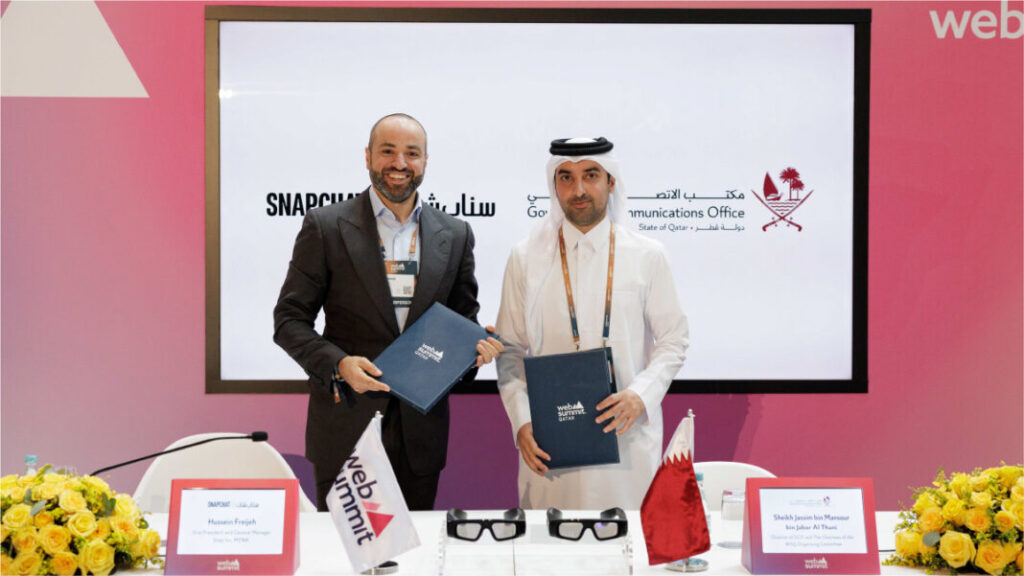
MOU unlocks the creative potential of the region’s impressive talent pool and fuels thriving digital ecosystem Doha, Qatar, 26 February 2025: Snap Inc. has signed a landmark Memorandum of Understanding (MoU) with Qatar’s Government Communications Office (GCO) to launch the first Augmented Reality (AR) Academy in the MENA region. Announced at Web Summit Qatar 2025, the agreement marks a significant step in unlocking creative potential across the region and driving digital innovation. The partnership with GCO for the first AR Academy will unlock new opportunities and empower the next generation of AR creators and developers. This move also underscores Snap’s long-term commitment to investing in MENA’s digital ecosystem, by building AR capabilities for partners both old and new, which is critical to digital transformation agendas. Sheikh Jassim bin Mansour bin Jabor Al Thani, Director of the GCO and Chairman of the Permanent Web Summit Organising Commitee, said: “Our partnership with Snap to launch the region’s first Augmented Reality Academy marks a strategic milestone in empowering digital talent and driving technological innovation. This initiative aligns with Qatar’s National Vision 2030 in building a knowledge-based economy and nurturing the next generation of creators by equipping them with the essential tools and skills to navigate global digital transformations. Through our investment in such pioneering programs, we continue to strengthen Qatar’s position as a regional centre for digital excellence and technological innovation.” Hussein Freijeh, General Manager of Snap Inc. in the Middle East said: “We continue to bet on AR technology as we believe its potential is limitless. AR brings joy and utility to everyday life, enables brands to drive real business results, and empowers developers to push creative boundaries. The long-term success of the technology requires a vibrant developer and creator ecosystem, which is critical to the digital transformation taking place in the region. Once again we are honored to work hand in hand with GCO to drive the growth and digital upskilling of the thriving talent pool and we cannot wait to see the groundbreaking work they produce”. AR has played a pivotal role in visual communication for more than a decade, pioneered by Snapchat and widely loved by online communities and brands all over the world for its ability to elevate creativity, connection and self-expression. From retail try-ons, and now Gen AI, Snapchat has evolved AR into a tool for human connection and spatial computing. Today, over 300 million people use AR on Snapchat and more than 85% of MENA daily users interact with Lenses every day. In Q4 2024 alone, more than 400 million Snapchatters engaged with Gen AI-powered Lenses over 4 billion times. Developers and creators are central to the potential of this technology and Snap is committed to supporting this community through a variety of programs, opportunities and tools to help them build experiences and grow their creative potential. Currently, more than 375,000 AR creators, developers, and teams from nearly every country in the world have built over 4 million Lenses. Many of these are created using fifth generation Snap Spectacles, which have capabilities to better build and experiment with AR, allowing users to interact with the world and each other in entirely new ways. The MOU punctuated an action-packed Web Summit, which saw Snap take a central role in showcasing the evolution of its AR technology and reinforcing the positive role the tech plays in fostering authentic connections across the GCC. Snap’s presence included live tech demonstrations, Snap Spectacles, expert-led discussions, and AR masterclasses, bringing the power of AR to life for attendees.
Sidra Medicine and Rasmal Ventures Partner to Drive Digital Health Innovation in Qatar
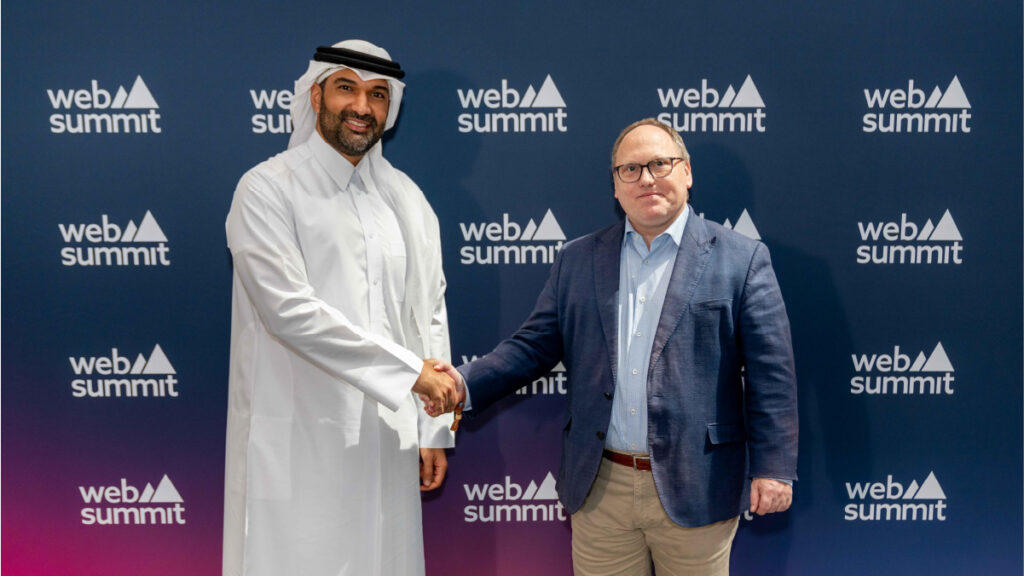
Advancing Healthcare Through E-health Innovation and Startup Integration 25 February 2025, Doha, Qatar – Sidra Medicine, a member of Qatar Foundation, has signed a Memorandum of Understanding (MOU) with Rasmal Ventures, Qatar’s first venture capital firm. The strategic partnership, announced at the Web Summit Qatar 2025, marks a significant step in the hospital’s role in supporting and advancing digital health innovation in Qatar and beyond. Rasmal Ventures, with its extensive portfolio of global technology companies, will introduce Sidra Medicine to high-potential e-health startups and provide strategic support to incorporate innovative solutions into Sidra Medicine’s operations. In return, Sidra Medicine will contribute its clinical and research expertise to evaluate and refine the startups’ healthcare technologies, ensuring they are effective, scalable, and patient-focused. Moreover, the two organizations will develop entrepreneurship programs that encourage the development and growth of a Health-Tech sector for Qatar. Prof. Khalid Fakhro, Chief Research Officer at Sidra Medicine said: “This partnership highlights our commitment to establishing Sidra Medicine as a leading healthcare innovation hub in Qatar, in alignment with the Qatar National Vision 2030. By collaborating with Rasmal Ventures, we are building upon our current strengths in clinical care, genomics and cell and gene therapy, and taking a proactive approach to adopting innovative technologies and transforming Sidra Medicine into a living lab for entrepreneurial ventures from across Qatar and the world.” The MOU establishes a collaborative framework between the two entities to facilitate the exchange of expertise and best practices in e-health innovations. Through this partnership, Sidra Medicine and Rasmal Ventures aim to drive advancements in innovation, focusing on digital healthcare solutions such as patient-centric artificial intelligence (AI) technologies, telemedicine platforms, and wearable devices. Alexander Wiedmer, Co-Managing Partner at Rasmal Ventures said: “At Rasmal Ventures, we believe that innovation is key to transforming healthcare. Our partnership with Sidra Medicine represents a unique opportunity to bring the latest digital health technologies to the forefront, empowering Qatar’s healthcare system to deliver smarter, more efficient, and patient-centered care.” As part of the agreement, the two entities will host joint workshops, pilot studies, and discussions to validate the efficacy of emerging technologies and foster an open environment for innovation. This partnership positions Sidra Medicine as a driving force in healthcare innovation, creating valuable opportunities for biotech and healthtech leaders. It also underscores Sidra Medicine’s role as a premier destination for medical education and research, attracting innovators and nurturing the development of next-generation healthcare solutions.
Kingdee expands its footprint into the Middle East, opening Qatar office
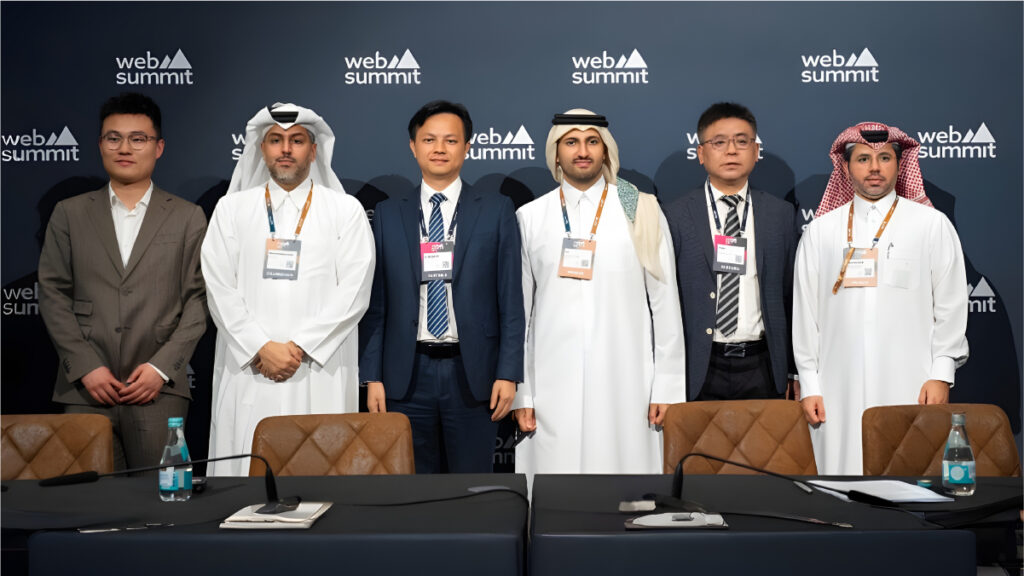
25 February 2025, Doha – Qatar: Kingdee International Software Group Company Limited(0268 .HK)announced today the opening of its regional headquarters in Qatar’s Free Zones, marking its official entry into the Middle East market. The establishment of this regional headquarters has been facilitated through the support of the Qatar Investment Authority (QIA), the sovereign wealth fund of Qatar, Invest Qatar, the investment promotion agency of Qatar and Qatar Free Zones Authority (QFZ). Founded in 1993, Kingdee is a globally renowned enterprise management cloud SaaS company listed on the Main Board of the Hong Kong Stock Exchange. Expanding its global presence has been one of Kingdee’s key strategic objectives. In December 2023, Kingdee and QIA announced an agreement in which QIA would invest around $200 million in the company. This investment recognised Kingdee as a category leader and key enabler of enterprise cloud transformation in China. The investment in Kingdee aligns with QIA’s strategic objective to invest in leading companies and technologies in global digitalisation trends. Robert Xu, Chairman and CEO of Kingdee Group stated: “Today marks a pivotal moment in the global expansion plans of Kingdee. Following the investment by QIA in December 2023, we are excited to further strengthen our collaboration with Qatar by opening our first office in the Middle East, in Qatar’s Free Zones. Kingdee plans to leverage Qatar as a bridgehead for expanding our footprint into the Middle East and North Africa markets, drive the digital transformation of local enterprises and supporting Qatar to achieve its “Qatar National Vision 2030. We are excited to collaborate with QIA, Invest Qatar and QFZ to bridge the gap between Kingdee and the Middle Eastern market, supporting Kingdee’s international growth strategy.” Mohammed Saif Al-Sowaidi, CEO of QIA stated: “QIA has been an investor in Kingdee since 2023 and recognises the company’s expertise in enterprise digitalization and cloud services in China. We are confident that Kingdee will succeed in their expansion and will bring a valuable offering to the Middle East market.” Sheikh Ali Alwaleed Al-Thani, CEO, Invest Qatar, commented: “We are delighted to welcome Kingdee to Qatar. The establishment of their regional headquarters in Qatar marks a significant milestone in our ongoing efforts to attract leading global technology companies to our region. This collaboration underscores Qatar’s commitment to fostering a business-friendly environment that supports innovation and digital transformation. We look forward to working closely with Kingdee, the Qatar Investment Authority, and the Qatar Free Zones Authority to drive forward our shared vision of economic growth and technological advancement, in line with Qatar National Vision 2030 and the Third National Development Strategy.” On this strategic move, H.E. Sheikh Mohammed bin Hamad bin Faisal Al-Thani, CEO of Qatar Free Zones Authority (QFZ), said: “Kingdee’s decision to establish its regional headquarters in our free zones reaffirms Qatar’s position as a leading hub for digital innovation. This partnership, developed through the joint efforts of Qatar Investment Authority, Invest Qatar, and Qatar Free Zones Authority, reflects our collective drive to achieve Qatar’s Third National Development Strategy — the final wave of the Qatar National Vision 2030. By integrating Kingdee’s expertise into our technology ecosystem, we accelerate digital transformation and strengthen Qatar’s role as a gateway for next-generation solutions to drive economic diversification and sustainable growth.” QFZ will provide Kingdee with a strategically positioned platform to strengthen its regional presence, cultivate high-impact collaborations, and contribute to the evolution of enterprise digitalisation. As a publicly listed company with over 31 years of history, Kingdee has reinforced its product R&D and implementation capabilities through serving more than 7.4 million customers worldwide. Kingdee SaaS solutions are used in 172 countries and regions worldwide, supporting 42 languages and serving over 1000 customers to achieve overseas digital operations. “We are confident in our ability to deliver professional enterprise digital solutions to Qatar and the regional market.” Kingdee, leveraging its industry expertise and the management models of China’s leading enterprises, can provide end-to-end digital solutions encompassing financial management, supply chain optimisation, and production operations to local businesses. This empowers regional enterprises to enhance management efficiency and strengthen competitive capabilities. The establishment of Kingdee Qatar represents a strategic milestone in Kingdee’s commitment to delivering localised services from Qatar’s Free Zones to global clients. Guided by the principle of “think globally, operate locally,” the company will synergize regional business acumen with technological strengths, integrating AI-driven digital technologies and management expertise to provide comprehensive one-stop solutions. This initiative will accelerate the development of the Middle East’s software and internet industries through technological empowerment.
Visit Qatar participates at Web Summit Qatar 2025
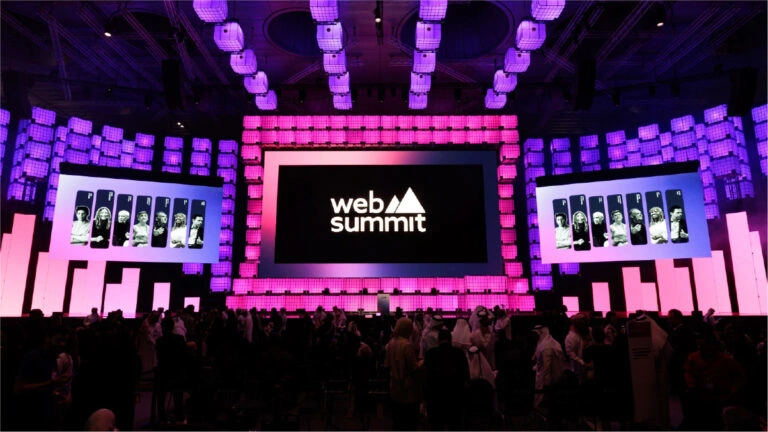
Visit Qatar participates in the second edition of Web Summit Qatar, taking place from February 23 – 26, 2025, at the Doha Exhibition and Convention Center (DECC). As part of its participation, Visit Qatar is sponsoring the VIP Lounge, providing an exclusive networking space where attendees can experience Qatar’s renowned hospitality. Visit Qatar’s participation highlights its ongoing commitment to technology and digital innovation as key enablers of the tourism sector. This dedication was recently recognized with three prestigious awards, including the Microsoft AI Excellence Award for the Visit Qatar GenAI Travel Concierge and two MENA Digital Awards: The Gold Award for Best Application (Mobile/Tablet) and the Silver Award for Best Web Platform. The Visit Qatar mobile app was recognised with the Gold Award for its seamless integration of the Visit Qatar Pass, which unlocks savings of up to 50% on a wide range of experiences. Building on this success, Visit Qatar continues to drive digital innovation with the latest upgrade of its AI Concierge, introducing a conversational chat interface and engaging visual elements for a more intuitive and immersive experience, from inspiration to planning. This upgrade is designed to cater to diverse visitor profiles, from meticulous planners to spontaneous explorers, and from budget-conscious visitors to luxury seekers. It ensures seamless itinerary planning by addressing the challenges of fragmented booking experiences, consolidating travel resources and offerings in Qatar. Available on both the Visit Qatar website and mobile app, the AI Concierge offers a comprehensive suite of services with advanced GenAI-powered capabilities, including personalized recommendations, dynamically tailored itineraries, and real-time updates about events and cultural experiences, making it a valuable tool for both visitors and the local community. HE Saad Bin Ali Al Kharji, Chairman of Qatar Tourism and Chair of the Board of Directors of Visit Qatar, said: “Web Summit Qatar 2025 presents a prime opportunity to showcase Qatar’s transformation into a leading global destination for both tourism and business. With significant advancements in digital integration and service excellence, we continue to enhance the visitor journey while strengthening our position as a key MICE hub in the region. Hosting large-scale global events has been instrumental in achieving our goal of becoming one of the fastest-growing tourism destinations in the Middle East, as recognised by UN Tourism’s World Barometer in December 2024.” Eng. Abdulaziz Ali Al-Mawlawi, Chief Executive Officer of Visit Qatar, said: “Qatar is a leading global destination with a proven track record of successfully hosting major events and providing its visitors with memorable experiences. MICE is the one of the most important pillars driving growth in Qatar’s tourism sector. This summit not only provides a powerful platform to showcase Qatar’s ability to host world-class events but also facilitates networking, business and investment opportunities, knowledge exchange, and collaboration in innovation and technology. It reinforces our strategic vision of positioning Qatar a premier international MICE destination.” Web Summit Qatar 2025 will bring together top global speakers and thought leaders to discuss key topics in technology and innovation. The event’s five-year tenure in Qatar is a clear reflection of the country’s broader efforts to diversify its economy as part of the Qatar National Vision 2030, positioning Qatar as a leading global hub for entrepreneurship, innovation, technology, and as a premier MICE destination. The summit is a vital catalyst for attracting foreign investment, boosting the tourism industry, and enhancing the country’s business environment.
HEC Paris, Doha Welcomes Diverse Executive MBA Class of 2026
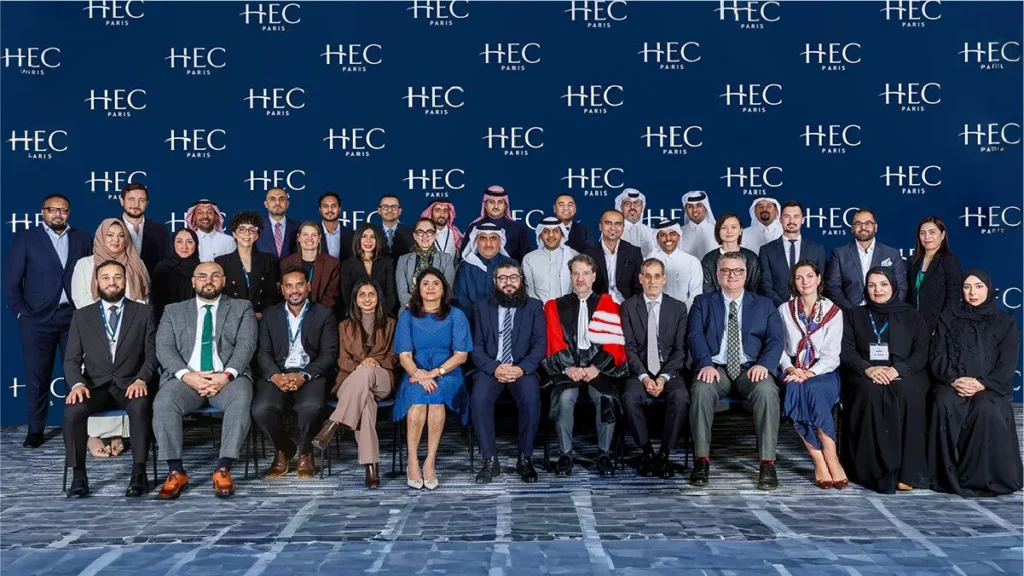
Doha, Qatar – 24 February 2025: HEC Paris, the world’s top-ranked business school for Executive Education, proudly welcomes its Executive MBA (EMBA) Class of 2026 to its Doha campus. This cohort represents one of the most diverse groups in the program’s local history, featuring professionals from 16 nationalities across Qatar, the Middle East, Europe, Asia, and North America. Together, they bring rich expertise from industries including banking, education, and healthcare. Notably, the program’s commitment to gender diversity is reflected in the large number of female participants, accounting for approximately 40% of the cohort. “The EMBA Class of 2026 reflects the strength that comes from bringing together very diverse people who all share a desire to become a better version of themselves,” said Dr. Pablo Martin de Holan, Dean of HEC Paris, Doha. “What unites them is the love of learning and the desire to grow personally and professionally, and to make a difference – in their organizations, communities, and beyond. The richness of their backgrounds helps them learn from one another and provides innovative solutions to real-world problems.” He added: “Our Executive MBA attracts professionals from across the Gulf and beyond. This group represents the spirit of curiosity, collaboration, and purpose that defines HEC Paris. By helping participants build strong leadership and strategic thinking skills, we prepare them to create a lasting impact, not just in their careers but in their families, in their communities, and in the societies they serve. Over the next 18 months, participants will embark on a transformative journey to refine their leadership and strategic decision-making skills. The program’s curriculum is closely aligned with Qatar’s Third National Development Strategy, the final phase of Qatar National Vision 2030. This roadmap focuses on sustainable economic growth, workforce diversification, financial resilience, and sustainability. The HEC Paris Executive MBA provides participants with a global edge, offering nine specializations taught by world-renowned faculty in Doha, Paris, and other international hubs. Delivered from the state-of-the-art Doha campus, the program provides the tools and insights required to lead organizations effectively in a rapidly evolving global economy. “Ultimately, the EMBA is not just an academic journey – it’s a personal one,” Dr. Martin de Holan concluded. “Through this experience, participants gain the skills, the tools, and the confidence to lead with purpose and ethics and to adapt to change. With each step, they carry the lessons forward, shaping a brighter future for us all. Learning should never stop.” Participants in the program are eager to apply their learnings to real-world challenges: “The program’s unique blend of core business fundamentals and leadership development is what drew me here. Moreover, the Capstone Project will allow me to directly apply what I learn to elevate my organization’s strategic initiatives,” said Abdulaziz Al-Thani, an EMBA participant.” Dr. Muna Altamimi, another participant, shared her perspective, “I chose this program because of its strong emphasis on immediate real-world application. I look forward to each module providing cutting-edge tools and strategic frameworks that I will be able to implement in my organization right away. The interactive learning environment, combined with insights from world-class faculty and diverse peers, will not only strengthen my leadership abilities but also broaden my perspective on global business challenges. This experience will equip me with the confidence and expertise to navigate complexity, drive innovation, and create a lasting impact in my field.” Graduates of the EMBA Class of 2026 will join the prestigious HEC Paris alumni network, which includes over 1,400 alumni who graduated from the Doha campus and more than 83,000 influential leaders worldwide. Locally, the alumni network boasts 61% Qatari membership, reflecting the institution’s strong ties to Qatar’s business community. Globally, it offers unparalleled opportunities for professional growth, collaboration, and innovation. In addition to the Doha Track, the HEC Paris EMBA program is also welcoming a new cohort in Riyadh, further expanding the program’s reach, and fostering the development of leaders across the region. A third cohort, offered in partnership with the Public Investment Fund, is set to launch in April this year. The HEC Paris EMBA, now with four tracks in the GCC, allows professionals from across the region to build their networks, and to gain the tools and insights needed to lead with impact. With its rigorous curriculum, commitment to diversity, and alignment with Qatar National Vision 2030, the HEC Paris EMBA Class of 2026 is poised to lead change, spur innovation, and contribute to building a thriving, sustainable economy.
Minister of Communications and Information Technology visits DECC for Final Checks Ahead of Web Summit Qatar 2025
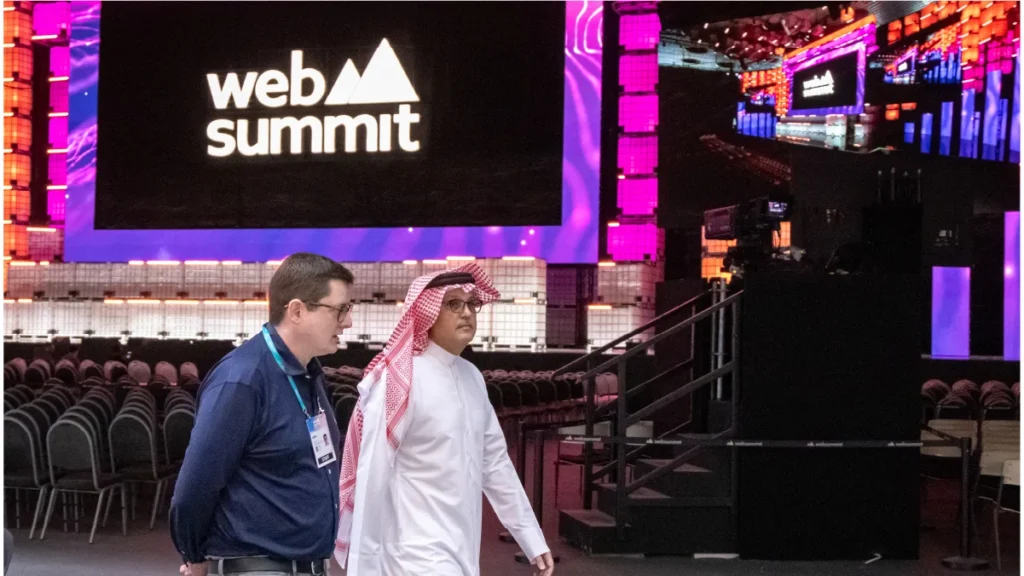
H.E. Mr. Mohammed bin Ali Al Mannai, Minister of Communications and Information Technology, conducted a visit today to oversee the final preparations for the second edition of Web Summit Qatar 2025, which is set to take place tomorrow, Sunday, February 23. The summit will feature over 1,540 startups, marking a 50% increase from last year’s edition, along with 651 investors from more than 80 countries. On this occasion, H.E. Mr. Mohammed bin Ali Al Mannai expressed his sincere appreciation to the organizing committee and the Web Summit team for their significant efforts in ensuring the success of this global event. During his tour, H.E. emphasized the importance of the summit in solidifying Qatar’s role as a regional hub for entrepreneurship and innovation. He also praised the meticulous preparations made to deliver an exceptional experience for participants through dedicated platforms and networking opportunities. Web Summit Qatar 2025 serves as a strategic platform to discuss the latest advancements in digital transformation, artificial intelligence, and tech entrepreneurship, while also highlighting promising investment opportunities in Qatar’s technology sector. The summit plays a crucial role in supporting startups and fostering a dynamic digital innovation ecosystem. This event aligns with national efforts to accelerate digital transformation and enable a knowledge-based economy, in line with Qatar National Vision 2030 and the Third National Development Strategy. The summit is expected to enhance international partnerships and attract technology investments, further strengthening Qatar’s position as a global leader in the digital economy.
Huawei to Showcase Cutting-Edge Cloud and AI Innovations at Web Summit Qatar 2025
AI Pioneer Accelerates Intelligence with Everything as a Service Doha, Qatar – February 18, 2025 – Huawei, a leading global provider of information and communications technology (ICT) infrastructure, is set to showcase its latest Cloud and AI solutions at Web Summit Qatar 2025, taking place from February 23 to 26 at the Doha Exhibition and Convention Center (DECC). Under the theme “Accelerate Intelligence with Everything as a Service,” Huawei will demonstrate how its advanced technologies enable businesses and industries to harness the power of cloud computing, artificial intelligence, and digital transformation to drive unprecedented innovation and efficiency. Following the success of its inaugural edition in 2024, Web Summit Qatar returns for its second year, solidifying Qatar’s position as a global technology and innovation hub. The event brings together world-leading technology companies, policymakers, entrepreneurs, and investors, fostering discussions on the future of AI, cloud computing, and digital transformation. As an AI pioneer in industry applications, Huawei Cloud is driving industry intelligence by providing full-stack AI capabilities, including infrastructure, computing power, algorithms, development frameworks, and its advanced Pangu Large Models. Leveraging its CloudMatrix AI-native infrastructure, Huawei Cloud Stack, and Ascend AI cloud services, Huawei delivers massive AI computing power with unparalleled efficiency, offering flexible deployment options tailored to diverse enterprise needs. Huawei Cloud Stack provides an on-premise deployment mode for enterprises or governments that prefer to save data locally and develop foundation models independently. Meanwhile, Ascend AI cloud services offer a public cloud alternative for organizations that want to avoid the complexities of building and maintaining their data centers. The newly launched Pangu Large Model 5.0 offers advancements in multimodal capabilities, reasoning, and real-world applications across sectors such as autonomous driving, intelligent cities, robotics, industrial design, and drug R&D, solidifying Huawei Cloud’s position as a leader in AI-driven digital transformation. Building on these technical strengths, Huawei is redefining innovation through its “Everything as a Service” strategy, which offers fully digital, cloud-based, and AI-powered solutions across three key pillars: Infrastructure as a Service, Technology as a Service, and Expertise as a Service. At Web Summit Qatar, the company will showcase how this approach enables scalable, secure, and high-performance solutions tailored to the needs of governments, enterprises, and industries, empowering them to accelerate their digital transformation journeys. Rico Lin, President of Huawei Gulf North Region, stated: “At Huawei, we are committed to accelerating intelligence and enabling businesses to thrive in the digital era. Our participation at Web Summit Qatar 2025 underscores our dedication to providing innovative Cloud and AI solutions that empower industries to operate smarter, scale faster, and drive greater efficiency. As Qatar moves toward a knowledge-based economy, we look forward to collaborating with industry leaders, government stakeholders, and technology pioneers to support the country’s digital ambitions and shape the future of AI-driven innovation.” Under Infrastructure as a Service, Huawei Cloud’s KooVerse, which consists of 96 availability zones (AZs) in 33 regions, provides a unified architecture serving customers in more than 170 countries and regions to meet their diverse application scenarios through different modes of public cloud, private cloud, and edge cloud. Technology as a Service solutions enable businesses to innovate easily and modernize applications through Huawei’s R&D advances, delivered to customers, partners, and developers through cloud services. Huawei Cloud has built development production lines designed to accelerate enterprise application modernization. These include ModelArts, a one-stop AI platform that empowers developers and data scientists to rapidly develop and deploy models, driving intelligent upgrades across industries. DataArts, on the other hand, is a comprehensive data lifecycle management platform that provides end-to-end governance of databases, warehouses, data lakes, and AI, unlocking the full value of data. CodeArts is an all-in-one DevSecOps platform offering out-of-the-box cloud services for requirement delivery, code commit, testing, building, verification, deployment, and release throughout the entire software development lifecycle. Meanwhile, MetaStudio delivers cutting-edge tools for virtual avatar video production, livestreaming, and intelligent interaction, revolutionizing content creation across industries. Beyond technology, Huawei Cloud’s Expertise as a Service will highlight shared excellence and cloud-enabled industries. Huawei Cloud MacroVerse aPaaS opens up Huawei’s years of innovation and digitalization experience so that industry developers no longer need to reinvent the wheel, enabling industry scenario-based innovation in more than 10 vertical industries, such as government, finance, manufacturing, transportation, and meteorology. A key focus of Huawei’s participation will be introducing industry-specific AI applications, demonstrating real-world scenarios where AI and cloud technologies drive innovation. From AI-powered diagnostics in healthcare that improve accuracy and speed to predictive maintenance in manufacturing that reduces downtime and enhances productivity, Huawei’s solutions are transforming industries. The financial sector also benefits from Huawei’s AI-driven risk assessment and fraud detection capabilities, while the transportation industry is leveraging AI-powered logistics and fleet management to optimize routes and enhance efficiency. Huawei’s AI for Industries initiative is set to redefine the future of business operations by embedding AI into core decision-making processes. By integrating AI-driven automation across sectors, enterprises can increase efficiency, reduce operational costs, and unlock new growth opportunities. Whether through smart urban planning, intelligent infrastructure, or AI-powered governance models, Huawei is pioneering the use of artificial intelligence to shape the future of digital economies. This aligns with Qatar’s digital transformation agenda, which aims to harness AI, big data, and cloud computing to enhance public services, drive economic competitiveness, and build a sustainable, knowledge-based economy. As Qatar strengthens its role as a digital powerhouse, Huawei remains committed to working alongside local enterprises, government entities, and global partners to build an ecosystem where cloud and AI technologies drive meaningful transformation. Huawei’s presence at Web Summit Qatar reinforces its commitment to supporting Qatar’s national digital agenda, aligning with Qatar National Vision 2030, which prioritizes economic diversification, digital innovation, and smart infrastructure as key pillars for sustainable growth. Huawei invites attendees to its booth number E503 to experience live demonstrations, engage with industry experts, and explore how Cloud and AI technologies can transform businesses and industries.
Qatar set to host the 51st UN Tourism Regional Commission for the Middle East
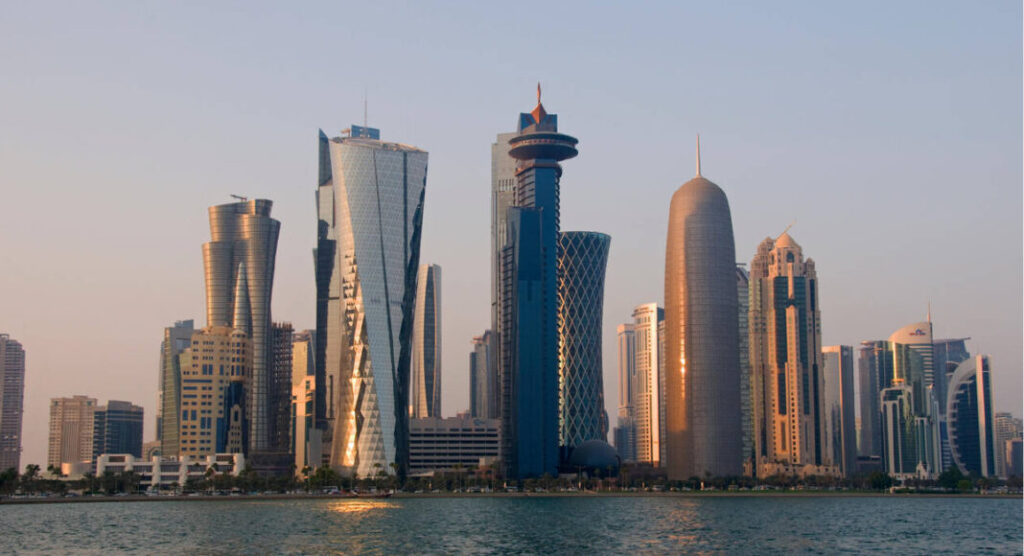
Qatar Tourism is preparing to host the 51st UN Tourism Regional Commission for the Middle East, set to take place in Doha on February 12th. The meeting will bring together tourism ministers, senior officials, and experts from various countries in the region, as well as leadership from the United Nations World Tourism Organization (UN Tourism). The selection of Doha as the host city underscores Qatar’s growing status as a regional and global hub in the tourism sector and its leadership role in promoting both regional and international cooperation. This is especially significant considering the country’s recent successes in hosting major global events, most notably the FIFA World Cup 2022™. During the meeting, the UN Tourism will present reports on the sector’s performance for the 2024-2025 period, and future policies and plans will be discussed. HE Mr. Saad Bin Ali Al Kharji, Chairman of Qatar Tourism and Chair of the Board of Directors of Visit Qatar, stated: “Hosting the 51st meeting of the UN Tourism Regional Commission for the Middle East reflects our steadfast commitment to enhancing regional cooperation and developing the tourism sector as a key driver of economic and social growth. Qatar has proven its capability to organise and host major international events, establishing itself as a global model for sustainable tourism. We are confident that this meeting will further advance regional cooperation in the tourism sector, and we look forward to exchanging ideas and expertise with partners from across the region to bolster the Middle East’s position as a unique global tourism destination.” In addition to the ministerial sessions and official meetings, the conference titled “Sports Tourism and the Tourism Industry Post-World Cup” will be held on February 13th at the Sheraton Grand Doha Resort & Convention Centre, featuring a distinguished group of experts and specialists. The conference will explore the impact of major sporting events on tourism in the Middle East, their role in fostering sustainable tourism, and the role of technology in enhancing the sports tourism experience. It will also focus on how Qatar and its neighbouring countries are collaborating to establish the Middle East as a global sports tourism destination, and the role sport plays in enhancing destination branding across the region, drawing on Qatar’s successes and the lessons learned from its experiences. Qatar Tourism remains committed to advancing its ambitious strategy to establish Qatar as a leading global tourism destination, focusing on diversifying tourism offerings, enhancing visitor experiences, and fostering sector investment, all in line with Qatar National Vision 2030. Additionally, efforts to strengthen regional collaboration through platforms such as UN Tourism are contributing to the development of a more integrated and sustainable tourism sector.
Ministry of Communications and Information Technology Launches the Digital Inclusion Index Report 2024
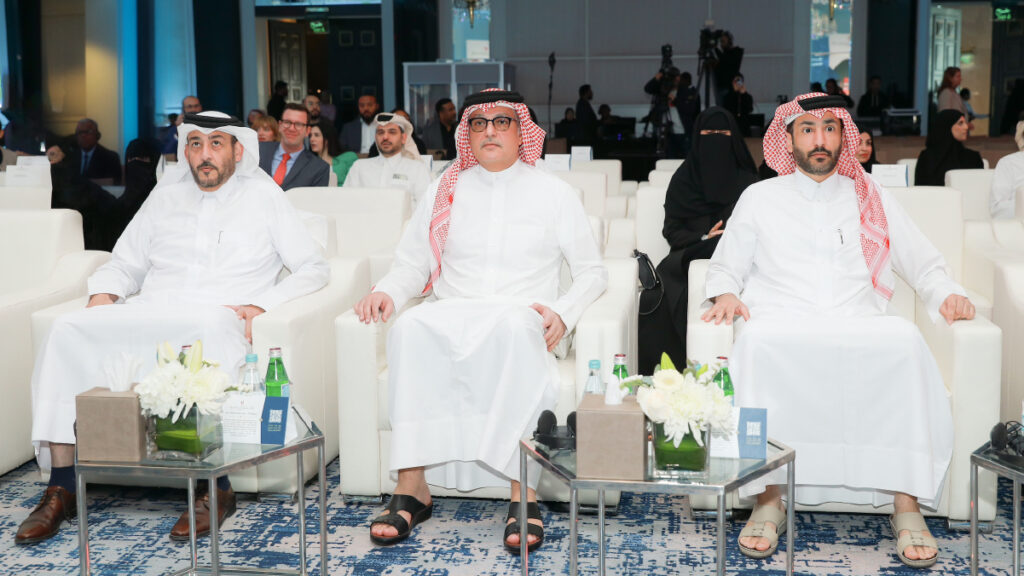
As part of its commitment to ensuring that all members of society can access digital services with ease and at affordable costs while fostering their effective and sustainable use, the Ministry of Communications and Information Technology (MCIT) launched today the 2024 Digital Inclusion Index for the State of Qatar. This report represents a significant step toward building an inclusive digital society that guarantees equal access to digital services for all. It highlights the evolution of digital inclusion as a cornerstone of the Digital Agenda 2030 and Qatar National Vision 2030. The launch event was attended by H.E. Mohammed bin Ali Al Mannai, Minister of Communications and Information Technology, along with their excellencies the other ministers and representatives from various government and private entities. The Digital Inclusion Index aims to enhance international collaboration in digital transformation by facilitating the exchange of expertise and knowledge and fostering strategic partnerships. It will be continuously updated to align with ongoing digital advancements. The report serves as a roadmap to promote digital inclusion in Qatar, focusing on ensuring that all members of society can benefit from the opportunities offered by digital technology regardless of their social or economic background. It provides comprehensive insights through seven key pillars, including digital access, ability, affordability of digital services, policies and regulations, attitudes toward digital technology, adoption and impact, and the importance of digital content. These pillars help shed light on the challenges and opportunities faced by different societal segments in achieving digital inclusion. Commenting on the launch, H.E. Reem Al Mansoori, Assistant Undersecretary for Digital Industry Development at MCIT, stated: “Digital inclusion is a cornerstone of Qatar’s Digital Agenda 2030, ensuring that every member of society is empowered to thrive amid the rapid pace of technological advancement, including AI. The Digital Inclusion Index, is both a benchmark and a roadmap, aligned with our vision to build a sustainable, knowledge-based economy. As emerging technologies reshape industries and societies, inclusion becomes critical—not just to unlock innovation, but to ensure no one is left behind. By expanding access and enhancing digital literacy, we are strengthening Qatar’s global leadership in technology and laying the foundation for a future-ready society equipped to navigate and harness the opportunities of the digital age.” Adding to this, Mrs. Duha Al Buhendi, Director of the Digital Society and Digital Competencies Department at MCIT, said: “The Digital Inclusion Index is part of our ongoing efforts to achieve the objectives of the Digital Agenda 2030. This report lays the foundation for designing innovative policies and programs that enhance digital equity and expand access to digital technology. We will continue to work toward ensuring that digital services reach every individual in the community while enhancing their digital skills in alignment with the aspirations of the Digital Agenda 2030.” The report highlights the notable achievements that have positioned Qatar as second regionally and 16th globally in digital inclusion. Comprehensive 5G and 4G network coverage played a significant role in attaining these rankings, reflecting substantial investments in digital infrastructure. Additionally, digital capacity-building programs, such as the “Better Connections” program and the “SafeSpace” platform, have enhanced the skills of more than 1.5 million migrant workers and raised awareness of digital safety and security. These initiatives align with the sixth pillar of the Digital Agenda 2030, which envisions building an advanced digital society that leads the future. The report further notes that 77% of Qatar’s population aged 15 years and older have completed secondary education, directly contributing to their digital skills and ability to interact with modern technologies. This progress is attributed to the country’s investments in the education and ICT sectors, paving the way for building a digitally empowered society. Moreover, affordable digital services, enabled by public-private partnerships, have increased the adoption of these services, further supporting digital equity. The report also emphasizes that advanced regulatory frameworks focusing on technologies such as artificial intelligence (AI) and the Internet of Things (IoT) are essential in fostering digital trust. It revealed that 83% of Qatar’s population rely on basic digital activities, reflecting the nation’s success in creating a trusted and attractive digital environment. However, the report outlines existing challenges in integrating advanced technologies, particularly for groups with lower digital proficiency. It underscores the importance of targeted programs tailored to the needs of these groups to bridge the digital gap. The Digital Inclusion Index serves as a strategic compass guiding Qatar’s effort to advance the digital economy. The report stresses the importance of collaboration among government entities, private sector organizations, and academic institutions to achieve the goals of digital inclusion. According to the report, Qatar aims to enhance its leading position in digital inclusion regionally and globally by continuously investing in digital infrastructure and education. Future goals include a 10% increase in digital access, a 30% improvement in digital competencies for citizens and residents, and a 20% boost in digital trust. These objectives are supported by planned initiatives, including tailored training programs to empower senior citizens in digital transformation and enhance inclusion for those with limited digital skills. The launch of the 2024 Digital Inclusion Index represents a milestone in Qatar’s digital transformation journey, reaffirming its unwavering commitment to building an inclusive and sustainable digital society that ensures equal opportunities for all. The Ministry of Communications and Information Technology remains dedicated to fostering collaboration across sectors to enhance digital inclusion, leveraging technology to improve quality of life and achieve sustainable development.
Reducing food wastage, addressing food insecurity

Wardha Mamukoya, founder and managing director of Wa’hab is up against a very basic human need: food and how it is distributed. Her solution is to redistribute excess food to those in need, while promoting a circular economy based on the three R’s – reduction, re-using and recycling which promotes the values espoused in Qatar National Vision 2030, writes Aparajita Mukherjee. BL: Talk us through the philosophy behind Wa’hab. Mamukoya: Wa’hab’s philosophy is centered on reducing food waste and addressing food insecurity by creating a system to redistribute surplus food to those in need. Simultaneously, we promote the principles of a circular economy by focusing on the reduction, reuse, and recycling of food waste, ensuring that resources are maximised and waste is minimised at every step. In essence, we aim to promote a circular economy where food waste is not discarded but repurposed. Surplus food is collected from restaurants, events, and businesses and redistributed to communities facing food insecurity. However, we do not stop there. Non-edible food waste is recycled into compost, which can be used in local gardens and farms, creating a sustainable resource cycle. This approach aims to reduce waste in landfills while simultaneously contributing to agricultural sustainability. In addition, the environmental benefits of food waste recycling extend far beyond composting. By diverting food waste from landfills, we prevent harmful greenhouse gases like methane from being released into the atmosphere. This is a significant step toward achieving Qatar National Vision 2030’s sustainability goals. Furthermore, by involving the local community and businesses in our work, Wa’hab fosters a culture of environmental responsibility. Our initiatives aim to inspire a broader movement toward sustainability, helping to change how people view food waste – from a nuisance to a resource. BL: What drove you to start Wa’hab? Mamukoya: There is a Hadith of our Prophet Muhammad (peace be upon him) who is reported to have said: “He is not a believer who eats to his fill while his neighbour is hungry.” Pondering over this, I questioned how I could qualify to be a believer if I could not guarantee if my neighbors have eaten or not. And here again, if one were to go hungry, it was not because of a shortage of food. Judging by the large amounts of good-quality food being thrown away at restaurants and events, there was enough food to feed everyone. The problem clearly wasn’t food shortage but the lack of an efficient system to connect surplus with those in need. The environmental impact of food waste, a fact that many people fail to grasp, was another drive that motivated me to take action. Food waste contributes significantly to greenhouse gas emissions, particularly methane, which is released as food decomposes in landfills. According to the US Environmental Protection Agency (EPA), landfilled food waste accounts for a significant portion of the methane produced worldwide. This environmental impact is often overlooked in conversations about food scarcity. Wa’hab was born from my desire to create a platform that not only redistributes food to reduce hunger but also contributes to sustainability by tackling the environmental challenges associated with waste. (Read the full interview on https://businessleadersme.com/category/magazines/#)