

Qatar’s MCIT and GSMA Advance Partner to Accelerate National Digital Skills Development
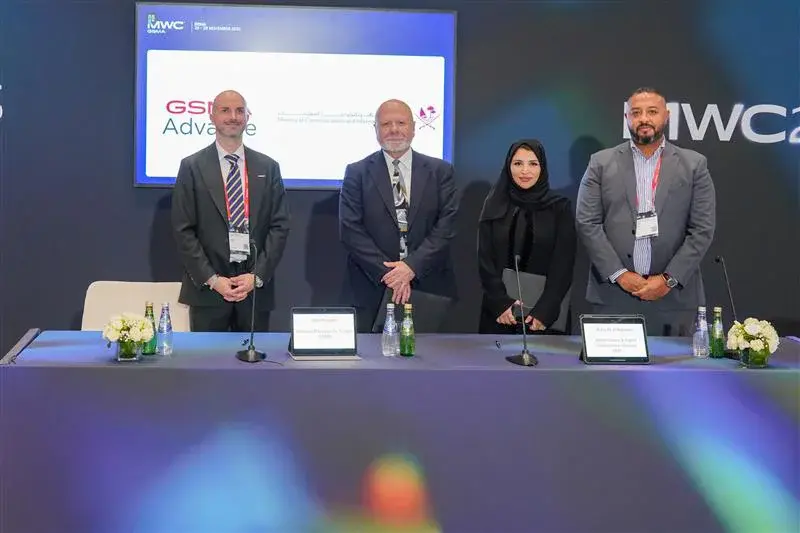
Reading Time: 2 minutesThe Ministry of Communications and Information Technology (MCIT) has announced a landmark five-year partnership initiative with GSMA Advance to strengthen Qatar’s digital workforce and accelerate the country’s digital transformation. The collaboration supports the Qatar Digital Academy (QDA) and aligns directly with the nation’s Digital Agenda 2030. As Qatar drives toward a knowledge-based economy, the Digital Agenda outlines an ambitious plan to create 26,000 new ICT jobs and generate an additional 40 billion QAR in economic value by 2030. Strengthening digital competency across the workforce is central to this mission. Empowering Qatar’s Workforce Through Advanced Digital Skills Under the new partnership, GSMA Advance — the global mobile industry’s training and skills division — will deliver enhanced, accredited education programs for QDA participants. These programs will feature flexible learning pathways spanning in-person, virtual, and blended formats, ensuring accessibility for professionals across sectors. As part of the collaboration, the QDA will join the GSMA Advance People Excellence Partner Programme, co-designing innovative training modules to cultivate next-generation expertise in technology, connectivity, and digital innovation. A Strategic Move Towards Qatar’s Digital Future Duha Al Buhendi, Director of Digital Society and Digital Competencies at MCIT, emphasized the initiative’s national importance: “The partnership with GSMA Advance strengthens Qatar Digital Academy’s efforts in developing competencies and promoting continuous learning. We aim to empower our workforce with the latest technological skills to drive innovation and achieve the objectives of the Digital Agenda 2030, reinforcing Qatar’s position as a regional hub for digital excellence.” Dr. Drew MacFarlane, Head of GSMA Advance, highlighted the transformative impact of the programme: “Alongside MWC Doha, GSMA Advance’s partnership with the QDA will help create a long-lasting legacy for the country, aligned with Qatar’s Digital Agenda 2030. By equipping the country’s ICT workforce with the latest digital skills and knowledge, we will further drive digital transformation and economic growth.” Driving Innovation, Competitiveness, and Inclusive Growth Through the partnership, GSMA Advance will bring world-class training methodologies informed by the GSMA’s global leadership in telecom policy, standards, and technological innovation. With a portfolio of expert-led, sector-specific accreditations, GSMA Advance aims to bridge skills gaps, nurture innovation, and foster workplace diversity. The initiative strengthens Qatar’s position as a digital leader in the region — empowering professionals, enabling industry excellence, and supporting the nation’s long-term transformation into a globally competitive digital hub.
HEC Paris, Doha Reveals New Insights into Qatar’s Startup Ecosystem at Web Summit 2025
Reading Time: 3 minutesHEC Paris, Doha Partners as Academic Collaborator on Pioneering Report Eight Country-Specific Reports on Qatar Set for Release Later This Year Doha, 2 March 2025 – The Qatar Entrepreneurial Ecosystem 2024: Structural and Configurational Analysis report was officially launched at Web Summit Qatar 2025, marking a significant milestone in the nation’s entrepreneurial development. This new study provides a data-driven roadmap for fostering innovation, inclusivity, and sustainable economic growth in the region. A collaboration between HEC Paris, Doha, and the Observatory for Support of Entrepreneurship (OSE) in Africa, the research introduces a proven analytical framework – already implemented in 33 countries – to the GCC region. The Ministry of Communications and Information Technology (MCIT) has been confirmed as a key partner in this initiative. Mr. Faraj Jassem Abdulla, Director of the Digital Economy Department at the Ministry of Communications and Information Technology, stated, “We are committed to driving Qatar’s digital transformation and fostering a thriving entrepreneurial ecosystem. This report offers insights that will contribute to our efforts in creating an environment where innovation can flourish. By leveraging cutting-edge research and collaborative partnerships, we aim to empower entrepreneurs, accelerate sustainable economic growth, and ensure alignment with the objectives of Qatar Digital Agenda 2030 and National Vision 2030.” Led by Dr. Allan Villegas-Mateos, Senior Research Fellow and Entrepreneur in Residence at HEC Paris, Doha, the comprehensive 120-page study analyzes Qatar’s entrepreneurial ecosystem from 2018 to 2023. It offers policymakers, investors, and industry leaders actionable insights to accelerate innovation and business growth. The findings highlight underdeveloped sectors such as FinTech, AgriTech, and DeepTech, which present high-growth investment opportunities. Lusail and Al-Khor are identified as emerging hubs requiring targeted support. Strengthening ties between universities and venture capitalists is essential for commercializing research and fostering innovation-driven entrepreneurship. Digital platforms must be leveraged to enhance knowledge exchange, connectivity, and access to funding. “This report represents a paradigm shift in how we understand and nurture entrepreneurship in Qatar,” said Dr. Allan Villegas-Mateos. “Using network analysis, natural language processing, and ecosystem mapping, we have developed a unique methodology that not only diagnoses challenges but also offers concrete pathways for growth. Our collaboration with MCIT and the Observatory enables us to deliver actionable insights that will shape Qatar’s economic future.” Dr. Pablo Martin de Holan, Dean of HEC Paris, Doha emphasized the importance of this initiative: “Qatar has shown exceptional leadership in fostering innovation within the framework of the National Vision 2030, and this report is an essential tool for policymakers, investors, and entrepreneurs interested in innovation and change. The report findings highlight the need for close collaboration between academia, entrepreneurs, mentors, and investors, as well as the need for enhanced support structures and a commitment to inclusivity – key elements for ensuring long-term growth and sustainability.” This initiative leverages the work of the Observatory for Support of Entrepreneurship, established in 2023, in Casablanca, Marocco, by a scientific council of leading scholars in the field from Adalia Institute, Utrecht University, IAE Paris Sorbonne Business School, and IAE Lyon School of Management. Furthermore, the International Council for Small Business (ICSB) will play an important role in ensuring global awareness of this report through its extensive network, amplifying its impact and facilitating knowledge exchange among international entrepreneurial ecosystems. “This approach is already attracting interest from regional stakeholders eager to contribute to the GCC’s entrepreneurship narrative,” added Dr. Villegas-Mateos. To sustain this momentum, eight additional reports are scheduled for release throughout 2025, covering investment trends, capital flow analysis, sector-specific innovation strategies, the impact of regulatory reforms on entrepreneurship, talent development and workforce readiness, and global competitiveness benchmarking. The full 2024 report is available for download at https://www.ose.africa/gcc/qatar/, and stakeholders are encouraged to engage with the findings to help shape Qatar’s entrepreneurial landscape.