

Qatar’s MCIT and GSMA Advance Partner to Accelerate National Digital Skills Development

The Ministry of Communications and Information Technology (MCIT) has announced a landmark five-year partnership initiative with GSMA Advance to strengthen Qatar’s digital workforce and accelerate the country’s digital transformation. The collaboration supports the Qatar Digital Academy (QDA) and aligns directly with the nation’s Digital Agenda 2030. As Qatar drives toward a knowledge-based economy, the Digital Agenda outlines an ambitious plan to create 26,000 new ICT jobs and generate an additional 40 billion QAR in economic value by 2030. Strengthening digital competency across the workforce is central to this mission. Empowering Qatar’s Workforce Through Advanced Digital Skills Under the new partnership, GSMA Advance — the global mobile industry’s training and skills division — will deliver enhanced, accredited education programs for QDA participants. These programs will feature flexible learning pathways spanning in-person, virtual, and blended formats, ensuring accessibility for professionals across sectors. As part of the collaboration, the QDA will join the GSMA Advance People Excellence Partner Programme, co-designing innovative training modules to cultivate next-generation expertise in technology, connectivity, and digital innovation. A Strategic Move Towards Qatar’s Digital Future Duha Al Buhendi, Director of Digital Society and Digital Competencies at MCIT, emphasized the initiative’s national importance: “The partnership with GSMA Advance strengthens Qatar Digital Academy’s efforts in developing competencies and promoting continuous learning. We aim to empower our workforce with the latest technological skills to drive innovation and achieve the objectives of the Digital Agenda 2030, reinforcing Qatar’s position as a regional hub for digital excellence.” Dr. Drew MacFarlane, Head of GSMA Advance, highlighted the transformative impact of the programme: “Alongside MWC Doha, GSMA Advance’s partnership with the QDA will help create a long-lasting legacy for the country, aligned with Qatar’s Digital Agenda 2030. By equipping the country’s ICT workforce with the latest digital skills and knowledge, we will further drive digital transformation and economic growth.” Driving Innovation, Competitiveness, and Inclusive Growth Through the partnership, GSMA Advance will bring world-class training methodologies informed by the GSMA’s global leadership in telecom policy, standards, and technological innovation. With a portfolio of expert-led, sector-specific accreditations, GSMA Advance aims to bridge skills gaps, nurture innovation, and foster workplace diversity. The initiative strengthens Qatar’s position as a digital leader in the region — empowering professionals, enabling industry excellence, and supporting the nation’s long-term transformation into a globally competitive digital hub.
Ministry of Communications and Information Technology Launches the Digital Inclusion Index Report 2024
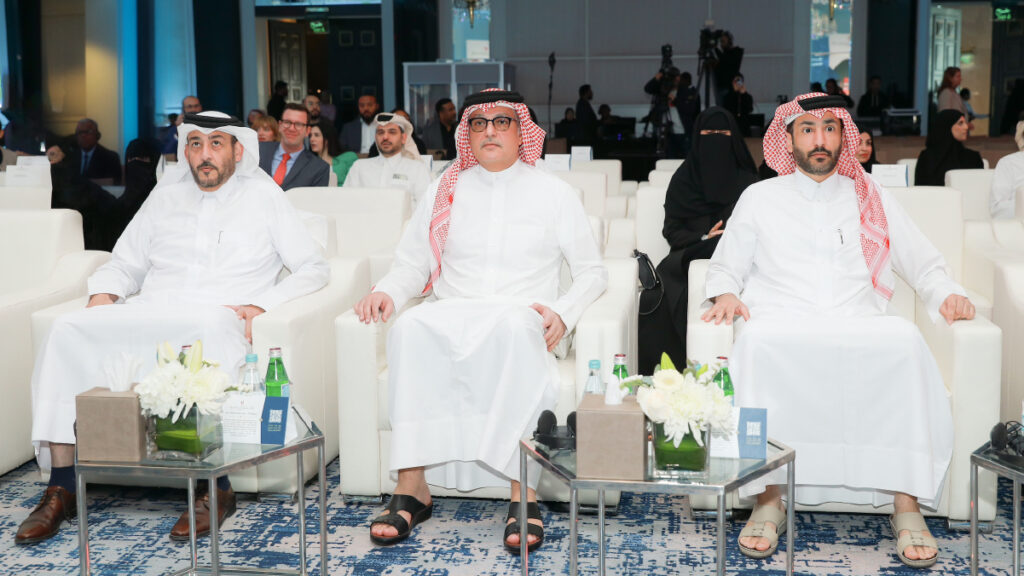
As part of its commitment to ensuring that all members of society can access digital services with ease and at affordable costs while fostering their effective and sustainable use, the Ministry of Communications and Information Technology (MCIT) launched today the 2024 Digital Inclusion Index for the State of Qatar. This report represents a significant step toward building an inclusive digital society that guarantees equal access to digital services for all. It highlights the evolution of digital inclusion as a cornerstone of the Digital Agenda 2030 and Qatar National Vision 2030. The launch event was attended by H.E. Mohammed bin Ali Al Mannai, Minister of Communications and Information Technology, along with their excellencies the other ministers and representatives from various government and private entities. The Digital Inclusion Index aims to enhance international collaboration in digital transformation by facilitating the exchange of expertise and knowledge and fostering strategic partnerships. It will be continuously updated to align with ongoing digital advancements. The report serves as a roadmap to promote digital inclusion in Qatar, focusing on ensuring that all members of society can benefit from the opportunities offered by digital technology regardless of their social or economic background. It provides comprehensive insights through seven key pillars, including digital access, ability, affordability of digital services, policies and regulations, attitudes toward digital technology, adoption and impact, and the importance of digital content. These pillars help shed light on the challenges and opportunities faced by different societal segments in achieving digital inclusion. Commenting on the launch, H.E. Reem Al Mansoori, Assistant Undersecretary for Digital Industry Development at MCIT, stated: “Digital inclusion is a cornerstone of Qatar’s Digital Agenda 2030, ensuring that every member of society is empowered to thrive amid the rapid pace of technological advancement, including AI. The Digital Inclusion Index, is both a benchmark and a roadmap, aligned with our vision to build a sustainable, knowledge-based economy. As emerging technologies reshape industries and societies, inclusion becomes critical—not just to unlock innovation, but to ensure no one is left behind. By expanding access and enhancing digital literacy, we are strengthening Qatar’s global leadership in technology and laying the foundation for a future-ready society equipped to navigate and harness the opportunities of the digital age.” Adding to this, Mrs. Duha Al Buhendi, Director of the Digital Society and Digital Competencies Department at MCIT, said: “The Digital Inclusion Index is part of our ongoing efforts to achieve the objectives of the Digital Agenda 2030. This report lays the foundation for designing innovative policies and programs that enhance digital equity and expand access to digital technology. We will continue to work toward ensuring that digital services reach every individual in the community while enhancing their digital skills in alignment with the aspirations of the Digital Agenda 2030.” The report highlights the notable achievements that have positioned Qatar as second regionally and 16th globally in digital inclusion. Comprehensive 5G and 4G network coverage played a significant role in attaining these rankings, reflecting substantial investments in digital infrastructure. Additionally, digital capacity-building programs, such as the “Better Connections” program and the “SafeSpace” platform, have enhanced the skills of more than 1.5 million migrant workers and raised awareness of digital safety and security. These initiatives align with the sixth pillar of the Digital Agenda 2030, which envisions building an advanced digital society that leads the future. The report further notes that 77% of Qatar’s population aged 15 years and older have completed secondary education, directly contributing to their digital skills and ability to interact with modern technologies. This progress is attributed to the country’s investments in the education and ICT sectors, paving the way for building a digitally empowered society. Moreover, affordable digital services, enabled by public-private partnerships, have increased the adoption of these services, further supporting digital equity. The report also emphasizes that advanced regulatory frameworks focusing on technologies such as artificial intelligence (AI) and the Internet of Things (IoT) are essential in fostering digital trust. It revealed that 83% of Qatar’s population rely on basic digital activities, reflecting the nation’s success in creating a trusted and attractive digital environment. However, the report outlines existing challenges in integrating advanced technologies, particularly for groups with lower digital proficiency. It underscores the importance of targeted programs tailored to the needs of these groups to bridge the digital gap. The Digital Inclusion Index serves as a strategic compass guiding Qatar’s effort to advance the digital economy. The report stresses the importance of collaboration among government entities, private sector organizations, and academic institutions to achieve the goals of digital inclusion. According to the report, Qatar aims to enhance its leading position in digital inclusion regionally and globally by continuously investing in digital infrastructure and education. Future goals include a 10% increase in digital access, a 30% improvement in digital competencies for citizens and residents, and a 20% boost in digital trust. These objectives are supported by planned initiatives, including tailored training programs to empower senior citizens in digital transformation and enhance inclusion for those with limited digital skills. The launch of the 2024 Digital Inclusion Index represents a milestone in Qatar’s digital transformation journey, reaffirming its unwavering commitment to building an inclusive and sustainable digital society that ensures equal opportunities for all. The Ministry of Communications and Information Technology remains dedicated to fostering collaboration across sectors to enhance digital inclusion, leveraging technology to improve quality of life and achieve sustainable development.
