

HEC Paris Partners with Emirates Global Aluminum to Deliver Transformational Leadership Program
Doha, 4 March 2025 – HEC Paris, the world’s top-ranked business school for Executive Education, is delivering a custom leadership program for Emirates Global Aluminum (EGA). Ascend is a bespoke leadership program for high-potential leaders from non-supervisory to Directors. The program supports leaders to cultivate a forward-thinking mindset through immersive experiences and masterclasses to drive innovation. Abdulnasser Bin Kalban, Chief Executive Officer of Emirates Global Aluminium, said: “Developing our people has been a key foundation of our global competitiveness for decades, and is an important priority at EGA to achieve our bold aspiration to become a talent-driven organisation. Our goal with Ascend programme is to equip our top talent with the necessary knowledge and skills to thrive in their roles and accelerate their growth.” Led by Professor Shaheena Janjuha-Jivraj, Academic Director and Associate Professor of Entrepreneurial Leadership and Diversity at HEC Paris, Doha, the program provides participants with high-impact strategies that can immediately be applied within EGA. The recent module, delivered in Doha, focused on essential leadership competencies for managing large-scale organizational change. Participants explored proven frameworks to diagnose challenges, manage disruption, and implement transformation strategies with confidence and precision. Professor Shaheena emphasized the significance of the program, stating, “Leading transformation requires more than technical expertise; it demands vision, adaptability, and the ability to inspire action across an organization. This program equips participants with the strategic tools and leadership insights needed to drive innovation and transformation and create meaningful impact.” To complement in-class learning, participants engaged in a site visit to Microsoft’s Digital Center of Excellence and headquarters in Doha, where they explored cutting-edge advancements in artificial intelligence, digital transformation, and sustainable technology. The visit also showcased the launch of Qatar’s first data center, a pivotal milestone in digital transformation, local data residency, and cybersecurity. Participants gained insights into the Microsoft AI for Good initiative, which promotes responsible AI applications across industries, including transportation, sports, and tourism. The Ascend Level 3 program unfolds across three modules. The first module, ‘Innovation & Sustainability’, took place in Dubai in November, and focused on sustainable business strategies. The final module will take place in Dubai this April, where participants will engage in a business simulation – a high-pressure strategic exercise requiring real-time decision-making in investment, marketing, procurement, and finance. Building on its legacy of excellence in executive education, HEC Paris continues to partner with leading organizations across the GCC, including Qatar, the UAE, Kuwait, Bahrain, and Saudi Arabia. Through its custom-designed programs, HEC Paris empowers senior executives to drive innovation, create lasting impact, and lead with confidence in an increasingly complex business landscape.
Qatar Participates in the 9th GCC Ministerial Meeting for Tourism Officials
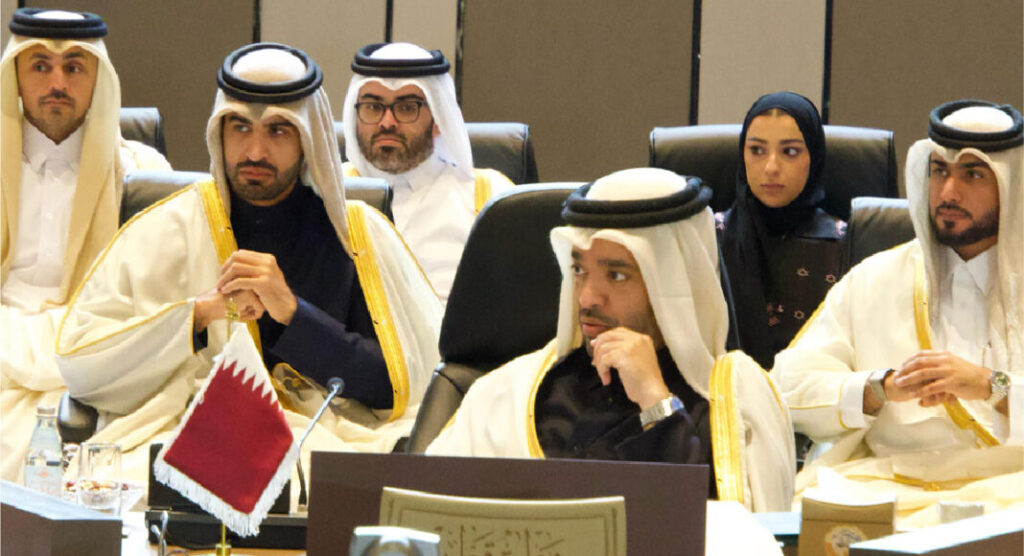
The State of Qatar participated in the 9th Meeting of Their Excellencies, the Ministers responsible for tourism in the Gulf Cooperation Council (GCC) countries which was held February 17th, 2025, in Kuwait. The meeting explored ways to enhance tourism cooperation among member states and support regional integration in this vital sector. The Qatari delegation was led by His Excellency Mr. Saad bin Ali Al Kharji, Chairman of Qatar Tourism. The ministers commended the key achievements of Gulf tourism in 2024, which strengthened the GCC’s position as an attractive global tourism destination. These accomplishments were driven by major events and high-quality projects that promote tourism diversity and offer exceptional visitor experiences. The meeting also discussed the potential for further tourism collaboration among Gulf states through specialised discussion sessions, which examined prospects for tourism integration, mechanisms for unifying regional promotional efforts, and enhanced cooperation in organising joint events and initiatives. During the meeting, Al Ain was announced as the Gulf Tourism Capital for 2025, in recognition of its rich tourism offerings, including natural, cultural, and heritage assets that reflect the region’s diversity. Additionally, the establishment of GCC Tourism Day on January 20th each year was approved, providing an annual occasion to highlight the achievements of the Gulf tourism sector and showcase leading projects and initiatives. At the conclusion of the meeting, it was agreed that the next ministerial meeting will take place in April 2026 in the United Arab Emirates, continuing efforts to strengthen cooperation and develop joint tourism policies that support the sustainable growth of the Gulf’s tourism sector.
Qatar Tourism Concludes the 51st Meeting of the UN Tourism Regional Commission for the Middle East and the “Sports Tourism and the Tourism Industry Post-World Cup” Conference
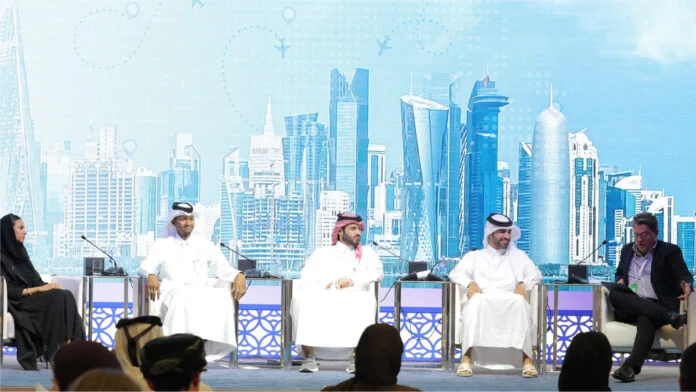
The State of Kuwait has been appointed as the Chair of the Regional Committee for the 2025-2027 term, and The State of Qatar has been appointed as the First Vice-Chair of the committee. Qatar Tourism hosted the 51st meeting of the UN Tourism Regional Commission for the Middle East on February 12, 2025, with high-level delegations from thirteen member states. The meeting focused on evaluating achievements, analysing sector trends, and identifying key priorities for boosting tourism in the region. The UN Tourism confirmed that the Middle East had the fastest global recovery from the impacts of the pandemic in 2024. The meeting emphasised the importance of regional cooperation. Kuwait was appointed to serve as Chair of the Regional Commission for the 2025-2027 period, with Qatar appointed as First Vice-Chair and Iraq as Second Vice-Chair. Qatar’s appointment as First Vice-Chair reflects its growing leadership in the tourism sector and its active role in driving regional and global tourism development. The meeting also confirmed that Kuwait will host the next session (the 52nd Regional Meeting) in 2026, underscoring the continued regional collaboration to promote sustainable tourism development in the Middle East. Additionally, Qatar Tourism hosted the “Sports Tourism and the Tourism Industry After the World Cup” conference on February 13, 2025. The event brought together experts and specialists to discuss the impact of major sporting events on tourism in the region, focusing on how to leverage the momentum from large-scale events such as the FIFA World Cup Qatar 2022™ to boost sports tourism. The conference highlighted Qatar’s successes in this area and the role of major investments in sports clubs and global athletes in reinforcing the Middle East’s position as a prominent sports and tourism hub globally. The conference also explored the role of technology in enhancing the sports tourism experience in the region, the collaboration between Qatar and neighbouring countries to establish the Middle East as a global sports tourism destination, and the role of sports in promoting the destination’s brand across the region, drawing from Qatar’s successful experiences and lessons learned. These events reinforce Qatar Tourism’s commitment to enhancing the country’s status as a global tourism hub, hosting major events, and developing innovative strategies to support sustainable tourism. This is in line with Qatar’s broader vision to drive economic growth and strengthen tourism as a vital sector for the future.
The GCC Program: The first international carbon credit and sustainable development program
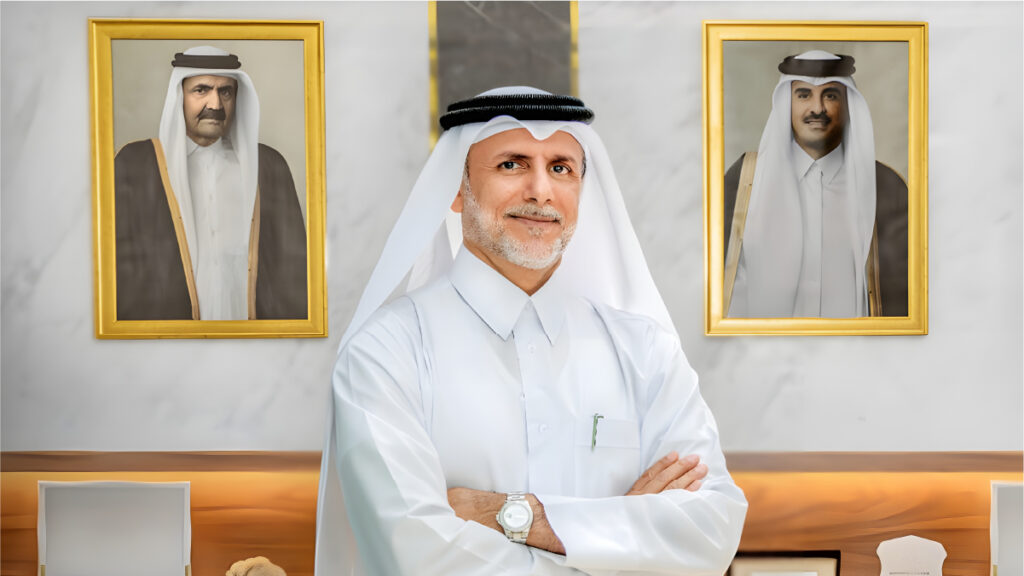
Dr Yousef Alhorr, founding chairman of the Global Carbon Council (GCC) speaks to Aparajita Mukherjee on the Council’s role in promoting sustainability through issuance of carbon credits to high-quality projects that have demonstrated their additionality in the reduction and removal of GHG emissions contributing to the United Nations Sustainable Development Goals (SDGs). Dr Yousef Alhorr, founding chairman of the Global Carbon Council (GCC), says that the GCC Program has received multiple projects for the issuance of carbon credits from Gulf countries including Bahrain, Kuwait, Oman, Qatar, Saudi Arabia, and the United Arab Emirates BL: Talk us through the Global Carbon Council and Qatar’s role in this initiative. Dr Alhorr: The Global Carbon Council (GCC) is the first international carbon credit and sustainable development program based in the Global South. The GCC Program is contributing to a more sustainable and low-carbon future by issuing carbon credits to projects from around the world that add to sustainable development. The Program only accepts high-quality projects that have demonstrated their additionality in the reduction and removal of GHG emissions while ensuring that project construction and operations do not cause any net harm to the environment and society and contribute to the United Nations Sustainable Development Goals (SDGs). As a result, the Program is helping to drive much-needed climate finance into projects that reduce and remove emissions. GCC is accredited by the United Nations International Civil Aviation Organization (ICAO) for their CORSIA scheme and by the International Carbon Reduction and Offsetting Alliance (ICROA). GCC presently issues carbon credits aimed to serve voluntary carbon markets and CORSIA, but soon, it will issue emission reductions eligible under Article 6.2 of the Paris Agreement that host countries will transfer as internationally transferable mitigation outcomes (ITMOs) to the buyer countries to meet the targets of its Nationally Determined Contribution (NDC) and to the private/corporate sector organizations for meeting carbon neutrality and net zero commitments. Having received 1,500+ projects from 45 countries spanning South and East Asia, MENA, Africa, Eastern Europe, Latin America and Caribbean region, GCC aims to issue in excess of 2 billion carbon credits in next eight years’ time to help meet the aim of a net-zero world. The carbon market initiative was established by the Gulf Organisation for Research & Development (GORD), under Qatar’s leadership. Although originating from Qatar, GCC’s scope is global. It also plays a crucial role in bridging the gap between developed and developing nations in carbon market participation. BL: Being a top producer and exporter of hydrocarbons, how does this initiative tie in with global long-term sustainability from the Qatari perspective? Dr Alhorr: GCC Program is an independent carbon standard which acts primarily on project basis to issue carbon credits in any part of the world. The scope of GCC spans beyond the geography of Qatar. Over the years, the program has become one of the leading key players in the carbon markets serving voluntary as well as compliance markets. Gas exporting countries including Qatar and members of the Gas Exporting Countries Forum (GECF) can benefit from the methodologies that GCC is promoting regarding the early retirements of coal plants, carbon capture and storage (CCS) or fuel switch to cleaner low embodied carbon fuels which can drive short- to medium-term decarbonization goals for countries and corporates alike. Key areas of focus for gas producing nations such as Qatar include energy efficiency, methane management, blue hydrogen and the adoption of CCS technologies. GCC brings carbon marketplace to catalyze climate action in all these areas. BL: Which GHG projects are most critical to accelerate the Gulf region’s low-carbon growth? Dr Alhorr: The Gulf region has significant potential for emission reduction projects due to its vast natural resources, technological capabilities, and increasing commitment to sustainability. The critical GHG mitigation projects in the GCC include Renewable Energy expansion, CCS, Blue and Green Hydrogen/Ammonia Production, Energy Efficiency in Industry, Flare Gas Reduction in Oil/Gas Industry, Green Buildings, Energy Efficient Chillers, Refrigerant Switch to non-GWP Gases, Mass Transport and Electric Vehicles, Waste and Wastewater Management, Plugging the abandoned oil wells and Greenhouses for agriculture. As per the International Renewable Energy Agency (IRENA) report, Gulf countries could save up to 136 million tons of CO₂ annually by 2030 through renewable deployment, one of the major areas of the Gulf region’s mitigation sector. Further, with many geological storages of depleted oil reservoirs and saline aquifers, there is great potential for CCS. Accelerated growth of all these clean and green sector projects is very important for the region to achieve a low-carbon future and economic diversification. The GCC Program has received multiple projects for carbon finance support for the Gulf countries covering Bahrain, Kuwait, Oman, Qatar, Saudi Arabia, and the UAE. Many of these received projects are either registered or at different stages of active evaluation. Role of S&P and Climate Impact X in the new agreement “The strategic tri-party agreement between GCC, S&P Global Commodity Insights (SPGCI), and Climate Impact X (CIX) aims to enhance carbon market services and improve liquidity. SPGCI offers comprehensive registry services to the GCC program. The Environmental Registry platform by S&P plays a critical role in supporting the secure and transparent issuance of carbon credits (ACCs). CIX is a global carbon market solutions provider based in Singapore. CIX’s platform will provide project developers with streamlined access to global buyers and enhance the liquidity of carbon credits issued by GCC. GCC sees value in providing a secure transaction registry (provided by SPGCI) to issue credits and further integration with a robust exchange (CIX) would provide better liquidity opportunity to the sell side (or project developers). By partnering with the two reputable solutions providers, GCC aims to scale its global impact by bringing greater transparency, certainty, and liquidity to the carbon markets.” – Dr Yousef Alhorr, founding chairman of the Global Carbon Council.