

Eight Doha Film Institute-Supported Films Selected for 2025 Cannes Film Festival
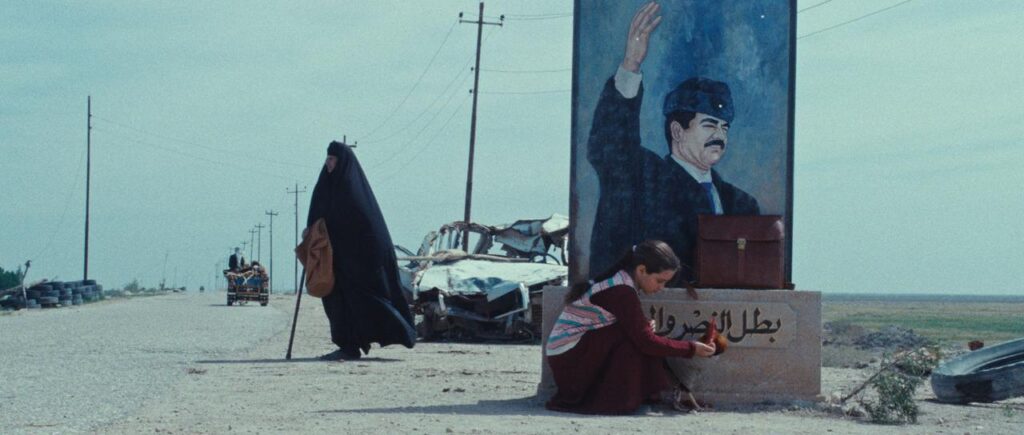
Doha, Qatar – A powerful testament to its ongoing mission of championing bold voices in global cinema, Doha Film Institute (DFI) proudly announces that eight films supported through its grants programme have been officially selected for the 78th Cannes Film Festival in 2025. The remarkable selection highlights the Institute’s steadfast commitment to nurturing original, underrepresented storytelling from the Arab world and beyond, showcasing a wide array of genres, cinematic styles, and diverse cultural narratives. This year’s line-up further cements Qatar’s position as a dynamic hub for international filmmaking. “We are incredibly proud to attend the 78th edition of Cannes with another selection of outstanding films supported by the Institute,” said Fatma Hassan Alremaihi, CEO of Doha Film Institute. “This recognition speaks to the power of authentic storytelling and the importance of amplifying diverse voices. Most importantly, they exemplify cinema’s profound power to connect us while revealing the beauty and complexity of our varied experiences.” Representing Global Cinema at the World’s Most Prestigious Film Festival The DFI-backed films will be showcased across several prestigious Cannes sections: 🎥 Official Selection Competition 🎥 Un Certain Regard
Qumra Master Darius Khondji underlines the power of storytelling through light – or the lack of it – to deliver authentic works of art
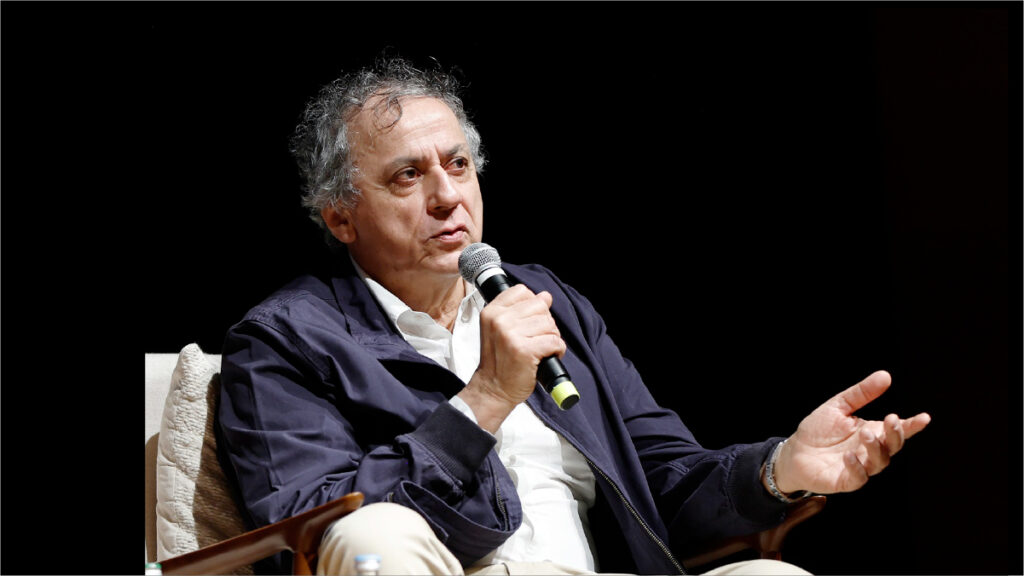
Doha, Qatar; April 6, 2024: Qumra Master Darius Khondji, the acclaimed Iranian-French cinematographer whose body of work (Se7en, Delicatessen, Uncut Gems, Mickey 17) has defined some of the most memorable visual experiences in contemporary cinema, highlighted the power of light and its its vital role in the composition of authentic art. Reflecting on his first collaboration with Qumra 2025, the annual industry incubator event by Doha Film Institute, he stated: “The institute is fantastic for filmmakers. I wish we had this in other countries.” During his two-hour master class, Khondji took audiences behind the scenes of his celebrated projects, including acclaimed filmmaker Shireen Nishat’s Tooba, a compelling work of art that “explores the movement of people from their homeland to an imagined utopia.” The powerful allegories about life that Khondji captured on screen for Tooba, he says, “come from the director. I remember her words when she was describing to me what she wanted to make with the film, and I just photographed. As cinematographers, we are like musicians, playing the sound and music given by the composer.” Khondji’s frames—dark and broody in Se7en (1995) hopeful and effervescent in Okja (2017)—all stem from his early passion for photography. “I remember going to the Louvre and taking pictures of the statues and looking at the light on them. I was very interested in minimalism and I was always reducing things to the most simple [forms] with light.” A two-time Oscar nominee, Khondji perfects his craft with a creative approach overtechnical, constantly innovating in a way that defies categorisation. His impressive versatility as a cinematographer is evident in The Lost City of Z (2016), capturing the darkness of the jungle in natural light, contrasted with the spellbinding climax in flames, and in the frenetic Uncut Gems (2019), shot in available light inside an apartment. Khondji—whose father owned several movie theatres—said his early memories of cinema revolved around “listening to soundtracks of Egyptian films, Italian neorealist films, mainstream European films, and Indian films. I remember having this background of sound and feelingTo this day, music is crucial to his work. “If I don’t like the music, we do some okay photography, but my mind won’t be in it.” By the time Khondji was 12, he was already making films. Fascinated by horror flicks such as Dracula and wanted to be a director, but eventually realized hi calling as a cinematographer. As a director of photography, his diverse journey also includes the music video for Madonna’s Frozen, for director Chris Cunningham. “Every frame was in his mind, and Madonna and I were just doing what he wanted. It was a great way to play with the medium, to experiment,” observed Khondji. Khondji says that “films have a painterly quality; it is all about how you translate your story onto the screen—whether using film or digital.” With regards to AI, he commented: “I love making film with people—I love having people around me, having a crew, having a director, men and women, and making films together. However, I don’t want to limit people’s minds; people should always continue discovering. “ Asked about his advice for emerging filmmakers who strive to stand out, he said that everyone has a distinct inner voice. “It’s important to understand and accept your difference. If I had to make a film myself today—and I’m not a young filmmaker—even for me, it would be difficult to have a unique voice. We have to find it within ourselves, then put it on screen.” On accepting his own differences, he added: “When I was a child, I wanted to be like everyone else. I wanted to look French or Parisian. It was only later that I realized I was different and accepted that my difference can be a good thing.” Whether working on his breakthrough black comedy Delicatessen (1991) with Jean-Pierre Jeunet and Marc Caro, or capturing the haunting visuals of David Fincher’s Se7en, Khondji believes that cinematography must serve a higher purpose: “It’s not just pretty photography, but storytelling.” This guides his approach across four decades of groundbreaking work, from arthouse classics to enduring contemporary masterpieces.
Qumra 2025 by Doha Film Institute to Nurture 18 Promising Projects from Qatar

Doha, Qatar; March 23, 2025: Doha Film Institute has announced a lineup of 18 projects by Qatari and Qatar-based filmmakers for the 11th edition of Qumra, underlining the remarkable continuing growth of the local film industry. The selection includes innovative narratives spanning features and shorts in various stages of development and production. The annual talent incubator for Arab and international cinema, Qumra 2025 will be held in-person in Doha from April 4 to 9 and online from April 12 to 14. Qatari projects are among 49 diverse projects by emerging filmmakers from 23 countries at this year’s edition. Qumra offers mentorship, skills development, and network-building opportunities to selected projects by first- and second-time filmmakers. Among the Qumra projects this year from Qatar, nine are by Qatari nationals who present compelling themes spanning multiple genres. Fatma Hassan Alremaihi, Chief Executive Officer of the Doha Film Institute, said: “The strong representation of local projects at Qumra 2025 is a testament to the passion, resilience, and creative strength of our storytellers. It signals the emergence of a truly vibrant film industry that is bold, authentic and ready to make its mark on the world. At DFI, we are honoured to have contributed to this creative movement, providing filmmakers with the support to bring their unique voices to the global stage.” Qatar-based projects at Qumra 2025 includes: Development – Feature Narrative: The Pearl (Working Title) (Qatar) by Noor Al-Nasr is about a tech-obsessed Qatari teen, feeling disconnected from his family, who travels back in time to an era before his beloved technology existed and pearl diving was the main source of income. In Production – Feature Narrative Work-in-progress– Feature Narrative Work-in-progress- Feature Documentary or Essay Development – TV or Web Series Development – Short Narratives Inside the White Canvas (Qatar) by Amna Al-Binali is about Nora, who struggles to earn her father’s approval as her growing curiosity about the forbidden outside world threatens to unravel their fragile bond. Development – Short Documentary or Essay Post-Production – Work-in-progress – Short Narratives Qadha’ w Qadar (Qatar) by Maryam Al-Mohammed is about a young woman who defies societal shame and her mother’s disapproval to seek a divorce and finally claim her freedom and independence. Post-Production – Work-in-progress – Short Documentary or Essay Post-Production – Picture Lock – Short Documentary or Essay The talents will attend masterclasses and mentorship sessions by this year’s Qumra Masters Lav Diaz, Darius Khondji, Walter Salles, Anna Terrazas and Johnnie To. Over 200 industry experts will also advise projects on storytelling, filmmaking, directing, editing, cinematography and sound, focusing on the specific needs of each project. The public can access the full Qumra experience of Qumra Master Classes and Qumra Screenings with the Qumra Pass. Audiences can also enjoy the remarkable selection of Doha Film Institute supported feature-length films from the region and around the world by purchasing individual tickets. For more information about Qumra 2025 and to purchase passes for screenings and master classes, please visit: www.dohafilminstitute.com
Doha Film Institute Announces Visionaries Lav Diaz, Darius Khondji, Walter Salles, Anna Terrazas and Johnnie To as 2025 Qumra Masters
Doha, Qatar; 25 February 2025: Doha Film Institute has announced the five renowned global film luminaries who will be the Qumra Masters of its eleventh annual industry event, set to run from April 4-9, 2025. A groundbreaking talent incubator in the Arab world that drives the success of first and second-time filmmakers from the region and beyond, Qumra connects emerging filmmakers with celebrated cinematic masters and provides invaluable industry networking and collaboration opportunities. With a wealth of diverse perspectives from across the global film community, Qumra Masters provide participants with one-on-one mentorship to equip filmmakers with essential tools to hone their craft and refine their projects to realise their artistic visions. Doha Film Institute will welcome this year’s Qumra Masters Lav Diaz, Darius Khondji, Walter Salles, Anna Terrazas and Johnnie To to share the visionary perspectives they have gained throughout their luminous careers and inspire the next wave of creators who will shape the trajectory of cinema. Slow cinema pioneer filmmaker Lav Diaz (The Woman Who Left, Evolution of a Filipino Family) is renowned for his profound explorations of the human condition and the struggles of his homeland in his signature black-and-white frames; Darius Khondji’s (Amour, The Immigrant) innate ability to blend light, shadow, and composition has firmly established him as one of contemporary cinema’s most revered visual storytellers.; Walter Salles (The Motorcycle Diaries; I’m Still Here) is one of filmmaking’s most compelling storytellers who often explores themes of displacement, memory, and identity with his signature sense of humanity; Anna Terrazas (Roma, Spectre) blends cultural authenticity and creative innovation by working with local artisans and top filmmakers, and stands out as one of the most dynamic costume designers of her generation; and celebrated genre-defying filmmaker Johnnie To (Exiled, Election) is a master of gripping narratives in his collaborative approach to deep explorations of loyalty, fate, and morality. Fatma Hassan Alremaihi, Chief Executive Officer of the Doha Film Institute, stated: “We are truly honoured to welcome some of the world’s most celebrated creatives Lav Diaz, Darius Khondji, Walter Salles, Anna Terrazas and Johnnie To as Qumra Masters, joining the legacy of iconic storytellers who have supported us on our mission to empower important voices in film. Their artistry, innovation, and commitment to storytelling have left an indelible mark on world cinema. By sharing their knowledge and experience with our Qumra participants, they will inspire a new generation to refine their craft, and tell bold enduring stories that will shape the future of cinema.” Elia Suleiman, Artistic Advisor at Doha Film Institute, said “Cinema is not just the stories we tell, but the silences in between—the spaces where meaning lingers. At Qumra, these silences resonate loudly, where emerging voices are amplified by the wisdom of the Qumra Masters. It is a place of transformation, where the future of film is not dictated, but discovered.” Over the past decade, Qumra has cemented its position as a cornerstone of the global filmmaking industry, supporting important independent voices in cinema and providing groundbreaking opportunities for participants to elevate their craft and creative process. In the 11th edition of Qumra, Masterclasses for up and coming filmmakers from the region and around the world will provide unparalleled creative development and mentorship opportunities. Participants also receive mentorship from and key business meetings with leading global film industry experts. Additional programme and guest details will be announced soon. 2025 Qumra Masters: Lavrente Indico Diaz aka Lav Diaz is widely celebrated for his profound portrayals of the human condition and historical struggles of his homeland. A pioneer of slow cinema, as writer, director, producer, editor, cinematographer, production designer, actor, and composer, his unflinching portrayal of sociopolitical issues challenge conventional cinematic norms. Diaz delves into grief, survival, resistance, and social injustice through meditative masterpieces—from the nearly 11-hour magnum opus ‘Evolution of a Filipino Family’ (2004) and ‘Norte, the End of History’ (2013) selected in Cannes Un Certain Regard to his Venice Golden Lion-winner ‘The Woman Who Left’ (2016), the “ideological father of the New Philippine Cinema” has inspired an entire generation of filmmakers to embrace bold, uncompromising approaches to storytelling. With a career spanning over four decades, Darius Khondji’s work is celebrated for its versatility, innovation, and profound emotional resonance. He earned his first César Award nomination for his breakthrough film ‘Delicatessen’ (1991) by Jean-Pierre Jeunet and Marc Caro. Khondji has worked on Michael Haneke’s Academy-Award-winning ‘Amour’ (2012), James Gray’s ‘The Immigrant’ (2013) and ‘The Lost City of Z’ (2016), David Fincher’s ‘Se7en’ (1995) and ‘Panic Room’ (2002) and Bong Joon Ho’s ‘Okja’ (2017). His work on Alejandro G. Iñárritu’s ‘Bardo: False Chronicle of a Handful of Truths’ (2022) earned him an Academy Award nomination, an ASC nomination, and a Silver Frog at Camerimage. Khondji’s accolades to date include two Academy Award nominations, a BAFTA nomination and multiple César Award nominations along with receiving the prestigious Pierre Angénieux Tribute at the Cannes Film Festival in 2022. Director and documentarian Walter Salles brings an instinctive eye for capturing human resilience on film. Salles gained global recognition with a Golden Bear at the Berlin International Film Festival, a Golden Globe and a BAFTA and two Oscar nominations for ‘Central Station’ (1998), and over 30 international awards including seven BAFTA nominations and two wins for his biopic feature, ‘The Motorcycle Diaries’ (2004). His recent ‘I’m Still Here’ (2024) earned three Oscar nominations, Best Screenplay award at the Venice Film Festival and the Golden Globe for Best Actress for Fernanda Torres. Salles has also been recognised with the Robert Bresson Prize at the Venice Film Festival (2009) and the Marcus Aurelius Award for Lifetime Achievement at the Rome Film Festival (2014). Anna Terrazas is an award-winning costume designer who skilfully blends cultural preservation and creative innovation. With an impressive career spanning across film, television and theatre, Terrazas’ aesthetic was inspired by her painter father and textile-loving mother. From her beginnings in fashion design and theatre to transitioning to film with Gael García Bernal’s ‘Déficit’ (2007), she continues to work with some of the most influential storytellers of our
Doha Film Institute’s ‘Geekend’ Returns From 6–8 February with Largest Creative Marketplace To Date
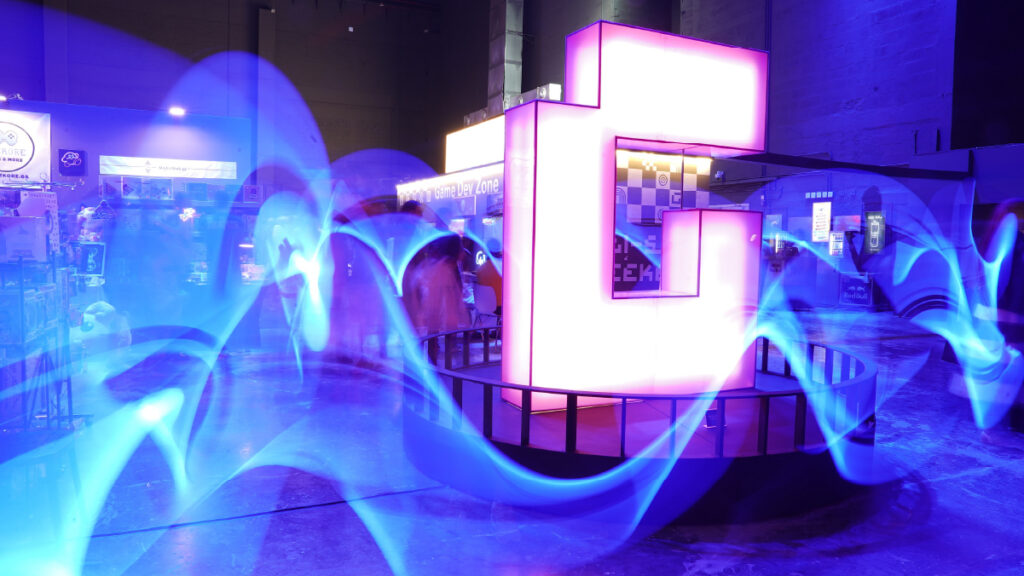
Doha, Qatar; February 3, 2025: Geekend, the region’s premier pop culture event by Doha Film Institute, returns this February with its largest creative marketplace yet—the Geekend Market. The event will bring together 37 Qatari and regional talents, including participants from the UAE, Bahrain, and Kuwait, for an exciting three-day celebration of creativity and community. Taking place from 6–8 February at the Geekdom Building on Lusail Boulevard, Geekend 2025 will unite Qatar’s diverse geek communities for a weekend of camaraderie and collaboration. Abdulla Al Mosallam, Chief Administrative Officer of Doha Film Institute, and Founder of Geekdom, said: “What makes this year’s Geekend truly special is the extensive participation of Qatari and regional creative talents, making it the largest of its kind Geekend Market to date. This underlines our support and commitment to nurturing talent and building a vibrant ecosystem for content creators in Qatar. Geekend has evolved considerably since its inception not only as a showcase of creativity that brings together like-minded creative individuals and geek enthusiasts but also in building the creative economy of Qatar.” At the Geekend Market, visitors can engage with numerous creative talents, including character designers, concept artists, storyboard artists, and fan artists, who will showcase their talents. Visitors can purchase original artwork, merchandise, and collectables directly from the creators, supporting the local and regional creative community. Geekend also features multiple zones catering to diverse interests. Visitors can relax at the Geekend Lounge or enjoy snacks and beverages at the Geekdom Café. Gaming enthusiasts can participate in competitive board game tournaments, including Quoridor and the first official Qatar Catan Championship, hosted by Majlis Shabab. The winner of the championship will be sponsored by SuperHeated Neurons to represent Qatar at the Catan World Championship 2025 in Germany. Side quests and a board game area with games for all skill levels will also be available. The Escape Room – The Black Forest invites players to solve riddles and challenges to secure their escape. Stage programmes include Karaoke Nights, a Cosplay 101 Workshop, the Yorozuya Anime Quiz, and other anime events hosted by Team Nakama. Visitors can also join a weekend gaming challenge and other fun-filled activities. As always, Geekend serves as a vital networking platform for creative professionals, fostering collaboration and strengthening Qatar’s creative sector. Artists, designers, and contemporary culture enthusiasts will find opportunities to connect, share ideas, and build relationships in a welcoming environment. Tickets for the three-day event are priced at just QAR 20 per day, providing access to a vibrant celebration of pop culture and creativity. For more details please visit: https://www.dohafilminstitute.com/nowplaying/geekend Geekend has become a highly anticipated event on Qatar’s cultural calendar since 2023, attracting a diverse group of artists and creatives from across the region, reflecting its growing popularity and appeal amongst the community. Over the past 2 years, Geekend has seen 347 participants, many of whom have turned their creative projects into independent businesses or licensed ventures, contributing to Qatar’s evolving creative economy.
Doha Film Institute Opens Submissions for 2025 Qatari Film Fund to Nurture Homegrown Film Ecosystem
Doha, Qatar; January 27, 2025: Doha Film Institute has announced that submissions for the 2025 Qatari Film Fund (QFF) will open on January 26, underlining its commitment to nurturing local voices and building a robust creative economy. Since its inception, the Qatari Film Fund has supported more than xx projects, with Above the Tamarind Tree by Buthyna Al-Mohammadi and I Lay For You To Sleep by Ali Al Hajri gaining acclaim at the 2024 Ajyal Film Festival. Two QFF projects, awarded in 2024, are currently in pre-production: Sad Boy: The Movie by Qatari artist N&LS, which is set in a surreal and melancholic world, and follows the story of a grief-stricken boy who learns to navigate pain and haunting memories by embarking on an emotional journey toward healing and self-discovery, and Maria and the Unicorn by filmmaker Kholoud Al-Ali, a touching tale about a lonely girl whose life transforms when she befriends a lost unicorn but tensions arise when the girl is faced with helping the unicorn find its way back. Fatma Hassan Alremaihi, Chief Executive Officer of Doha Film Institute, said: ” Qatar Film Fund has been a cornerstone in the development of our national film industry, providing vital support to emerging and established filmmakers. Over the years, QFF has helped create a strong national film ecosystem, with local talents benefiting not only from funding but from comprehensive script-to-screen support. It has empowered our storytellers to bring their unique visions to life, fostering a vibrant creative community and positioning Qatar as a hub for cinematic excellence. Through this fund, we are not only advancing our local talent but also sharing our culture and stories with the world.” Supporting the skills and accomplishments of Qatari filmmakers, the Fund is committed to the development of up to four feature films, and the development, production and post-production of up to eight short films annually. Feature films developed through the fund are eligible for financial support for production, and one film will be selected for production funding in the following year. Short films are eligible for funding valued at up to QAR182,500 that includes development, production and post-production funds, mentorship, equipment and production support from the Institute. They must adhere to specific duration limits: short narrative films should not exceed 12 minutes, 2D animation should be limited to 7 minutes, and documentaries can run up to 30 minutes. Feature film treatments and screenplays at any level of progress are eligible for development funding valued at up to QAR182,500 that includes development services, mentorship, equipment and other support from the Institute. The duration for feature-length films are defined as 80 minutes or longer, and the director applying for funding must have completed at least one short film. DFI’s team of experts will work closely with successful applicants throughout the development, production and post-production stages, working with each filmmaker to develop and finalise scripts, establish budgets and schedules, secure creative and technical teams and provide mentorship opportunities with industry specialists as required. For feature films, the support includes script notes and feedback, script editors, writers’ fees, legal services, location scouting, budgeting and scheduling and casting, among others. Recipients of the Qatari Film Fund will also receive creative and technical training and mentoring through Doha Film Institute’s Learning Initiatives. Qatari directors and writers can submit their applications from January 26 until February 13, 2025, covering various genres, including narrative, documentary, and 2D animation projects. Applicants can add production feasibility in their scripts, particularly regarding location numbers and cast size. The selection process involves three comprehensive stages, beginning with initial project submission to be sent by email to qff@dohafilminstitute.com, followed by interviews for shortlisted candidates, and final selection. Those who are not selected will also receive valuable feedback and development suggestions through the Institute’s Learning Initiatives, with the opportunity to reapply in future funding cycles. For detailed information visit: https://www.dohafilminstitute.com/financing/grants/qff
Eight Films Supported by Doha Film Institute Selected for 75th Berlin International Film Festival
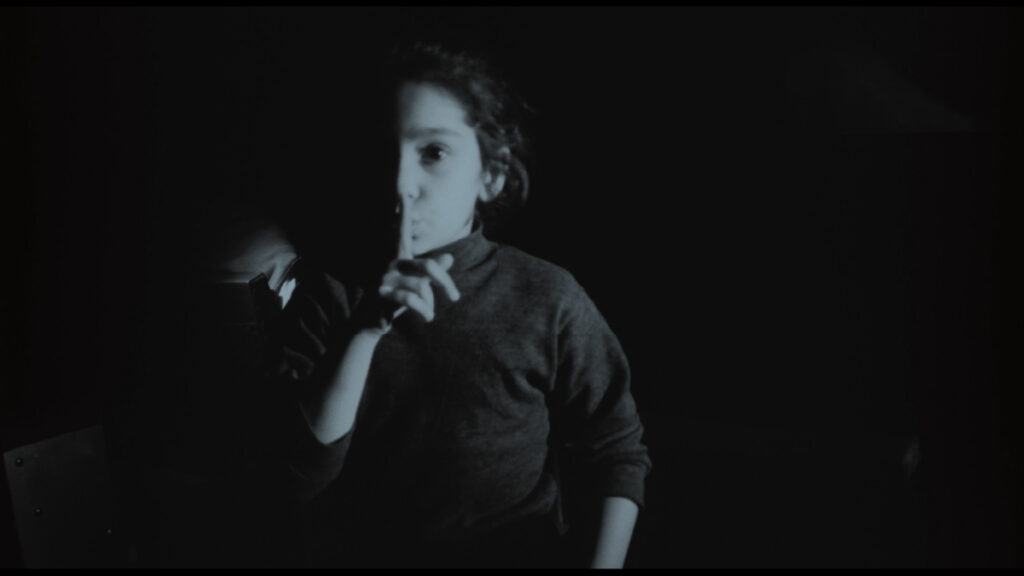
Doha, Qatar; January 22, 2025: Doha Film Institute continues to makes impact globally with eight films supported through its Grants programme selected to the 75th edition of the prestigious Berlin International Film Festival (Berlinale) to be held from February 13 to 23. The films have been chosen to the Competition section as well as Critics’ Week, Forum Expanded and Generation Kplus, as well as in Panorama. Fatma Hassan Alremaihi, Chief Executive Officer of Doha Film Institute, said: “The selection of these films at the Berlin Film Festival is a testament to the incredible talent and creativity of young filmmakers from across the world, that stand out for their diversity of themes and their innovative approach to storytelling. It reflects our commitment to supporting filmmakers who are pushing boundaries and telling compelling stories that resonate globally. At Doha Film Institute, we believe in the power of cinema to bridge cultures and inspire change, and this achievement reaffirms our mission to elevate voices that deserve to be heard.” The DFI-supported films at Berlinale 2025 include Yunan (Palestine, Germany, Canada, Italy, Jordan, Saudi Arabia, Qatar) by Ameer Fakher Eldin screens in the Competition section, the centrepiece of the festival that presents about 20 selections annually. The film is about Munir, a renowned Arab author exiled in Germany, who is burdened by psychological torment and plagued by hauntingly vivid dreams. Desperate and despondent, he embarks on a journey to a remote island, where he encounters Valeska, a wise elderly woman, and her steadfast son, Karl. Their presence unexpectedly radiates hope and redemption. Ancestral Visions of the Future (Lesotho, France, Germany, Saudi Arabia, Qatar) by Lemohang Jeremiah Mosese screens in the Berlinale Special segment, is a poetic allegory of the filmmaker’s childhood, an ode to cinema and an inner nod to his mother. Through fragmented narratives and mythic imagery, Mosese crafts a haunting reflection on dislocation and belonging. Screening in the Perspectives programme is Mohamed Rashad’s The Settlement (Egypt, France, Germany, Saudi Arabia, Qatar) follows Hossam who gives up his thuggish lifestyle to be able to provide for his sick mother and brother Maro after the death of his father. Hossam goes to work at the same factory as his father and begins to doubt whether his death was accidental. Featuring in the Forum Expanded is My Armenian Phantoms (Armenia, France, Qatar) by Tamara Stepanyan, is a tribute to the director’s father, Vigen Stepanyan, who was a beloved theatre and film actor in Armenia. Screening in Generation Kplus, a competition programme that screens state-of-the-art international cinema, is The Botanist (China, Qatar) by Jing Yi, about a lonely Kazakh boy named Arsin, in the valley villages of the northern border of Xinjiang, who is obsessed with plants. Through his fascination with the plant world, he recounts memories of his nomadic family in contemporary times. The two films in the Panorama section include: Yalla Parkour! (Palestine, Sweden, Saudi Arabia, Qatar) by Areeb Zuaiter is about Ahmed, who aspires to become an international Parkour champion despite the blockade that troubles Gaza and Khartoum (Sudan, UK, Germany, Qatar) by Anas Saeed, Rawia Alhag, Ibrahim Snoopy, Timeea Mohamed Ahmed and Phil Cox, in which four Sudanese filmmakers mix observational documentary and innovative graphics, archives and animation to capture the lives of four real characters, all living and surviving in the war-torn metropolis of Khartoum. Selected to the Critics’ Week is East of Noon (Egypt, Netherlands, Qatar) by Hala Elkoussi is a satire on the inner workings of an ailing autocracy and its inherent vulnerability to youth’s unchained vision of a better world.
‘Voices from Palestine’ at Ajyal 2024 is a Compelling Tribute to Palestinian Resilience, Resistance and Hope
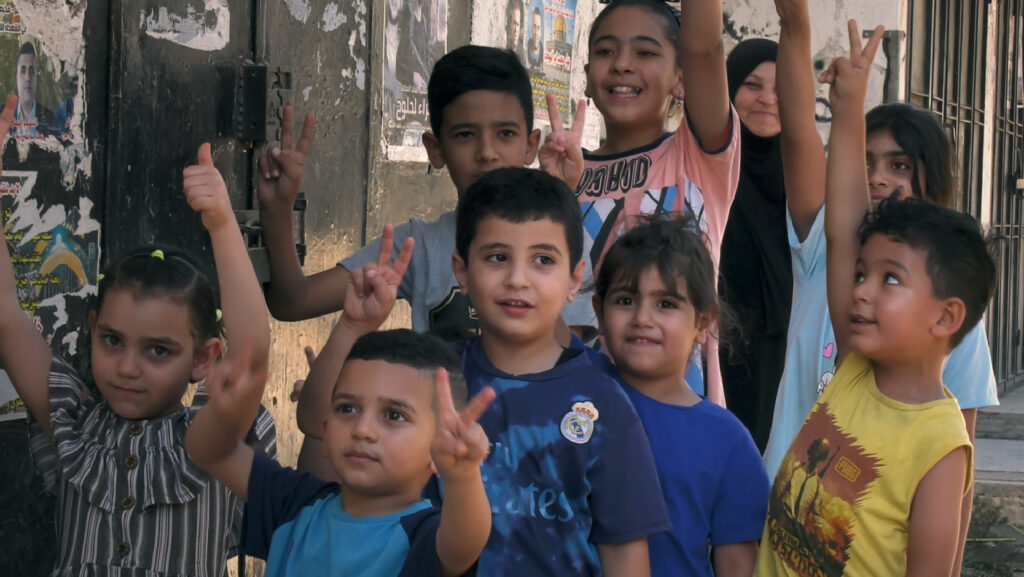
In a poignant tribute to the resilience, resistance and hope of the Palestinian people, Ajyal 2024, presented by Doha Film Institute (DFI), will present the next installment of its ‘Voices from Palestine’ programme featuring films by Palestinian filmmakers who courageously present the lived realities of their people. Standing in solidarity with Palestinians, the program is a depiction of Palestine in times of profound collective mourning and reflection. These important stories and perspectives that might otherwise remain unheard are a testament to the unbreakable spirit of the people. Fatma Hassan Alremaihi, Chief Executive Officer of DFI and Festival Director, said: “At a critical moment in history when the voice of the powerless is distorted through propaganda and false narratives, it is more important than ever to amplify genuine voices from Palestine. These films are a call across the world for recognition, justice and empathy. We are creating a space to promote the values of empathy and compassion and believe these stories will resonate far and wide to inspire and ignite bonds of solidarity with our Palestinian brothers and sisters. Their unimaginable suffering comes alive through films that convey powerful messages that no other medium can deliver with equal intensity and honesty.” One of the highlights of the programme is From Ground Zero (Palestine, France, Qatar, Jordan, UAE/2024), an anthology of 22 short films created by filmmakers from Gaza, curated by renowned Palestinian filmmaker Rashid Masharawi. Set against the backdrop of the 2023 attacks, each film, ranging from 3 to 6 minutes, offers a unique and personal lens into life in Gaza under siege. Providing an intimate and poignant portrayal of the human experience in a war-torn enclave, where survival, loss, and hope coexist in fragile balance, the film presents the perspectives of both seasoned and emerging filmmakers. Capturing raw emotions and everyday struggles of life under occupation, it gives voice to those whose stories are being silenced. The project stands as both a testament to the filmmakers’ perseverance and a reflection of the collective resilience of a people enduring unimaginable hardship, capturing moments of beauty, pain, and defiance. Janin Jenin (Palestine/2024) by Mohammad Bakri documents the director’s revisit of Jenin refugee camp, reflecting on the devastation caused by Israel’s 2023 military invasion. Building on the framework of his 2002 documentary ‘Jenin, Jenin’, this new film captures the ongoing struggle of the camp’s residents as they recount their experiences of destruction, loss, and resistance. While the film confronts difficult truths, it serves as an essential perspective on a conflict too often seen through a single lens. An Orange from Jaffa (Palestine, Poland, France/2024) by Mohammed Almughanni, documents the journey of a young Palestinian to cross an Israeli checkpoint with a temporary Polish identity card. After being turned down by other drivers, Farouk, a well-meaning taxi driver, offers him a ride. However, they soon encounter severe trouble when the checkpoint authorities discover Mohammed’s previous failed attempt to cross. The Deer’s Tooth (Palestine/2024) by Saif Hammash is set in Dheisheh refugee camp, where young Wisam struggles with grief and isolation following his younger brother’s death. When he finds his brother’s last milk tooth, memories resurface, reminding him of his promise to throw it into the sea—an unreachable place due to restrictions. Determined to keep his word, Wisam sets out on a dangerous journey that explores themes of love, loss, and resilience. The Poem We Sang (Canada, Palestine, Jordan/2024) by Annie Sakkab is an experimental documentary which meditates on love, longing, and the trauma of forced migration. Drawing on personal family history, the film explores the impact of displacement on generations through the lens of a poem sung by the director’s father and uncle about their childhood home in Palestine. With richly layered visuals and a deeply personal narrative, the film serves as a tribute to memory, heritage, and the resilience of the Palestinian spirit Undr (Palestine, Germany/2024) by Kamal Aljafari presents a striking visual narrative of the Palestinian landscape under occupation. Combining archival footage with aerial views, the film juxtaposes scenes of pastoral calm—farmers working, children playing—with violent intrusions of dynamite and destruction. With its haunting images, the film reflects on the enduring impact of surveillance, militarism, and colonialism in Palestine. The 2024 Ajyal features 66 thought-provoking films from 42 countries, including 18 features and 48 shorts, with 26 films by Arab filmmakers and 24 by women directors. The festival will be held across key locations in Doha, including Katara, Sikkat Wadi Msheireb, Lusail and VOX Cinemas Doha Festival City.