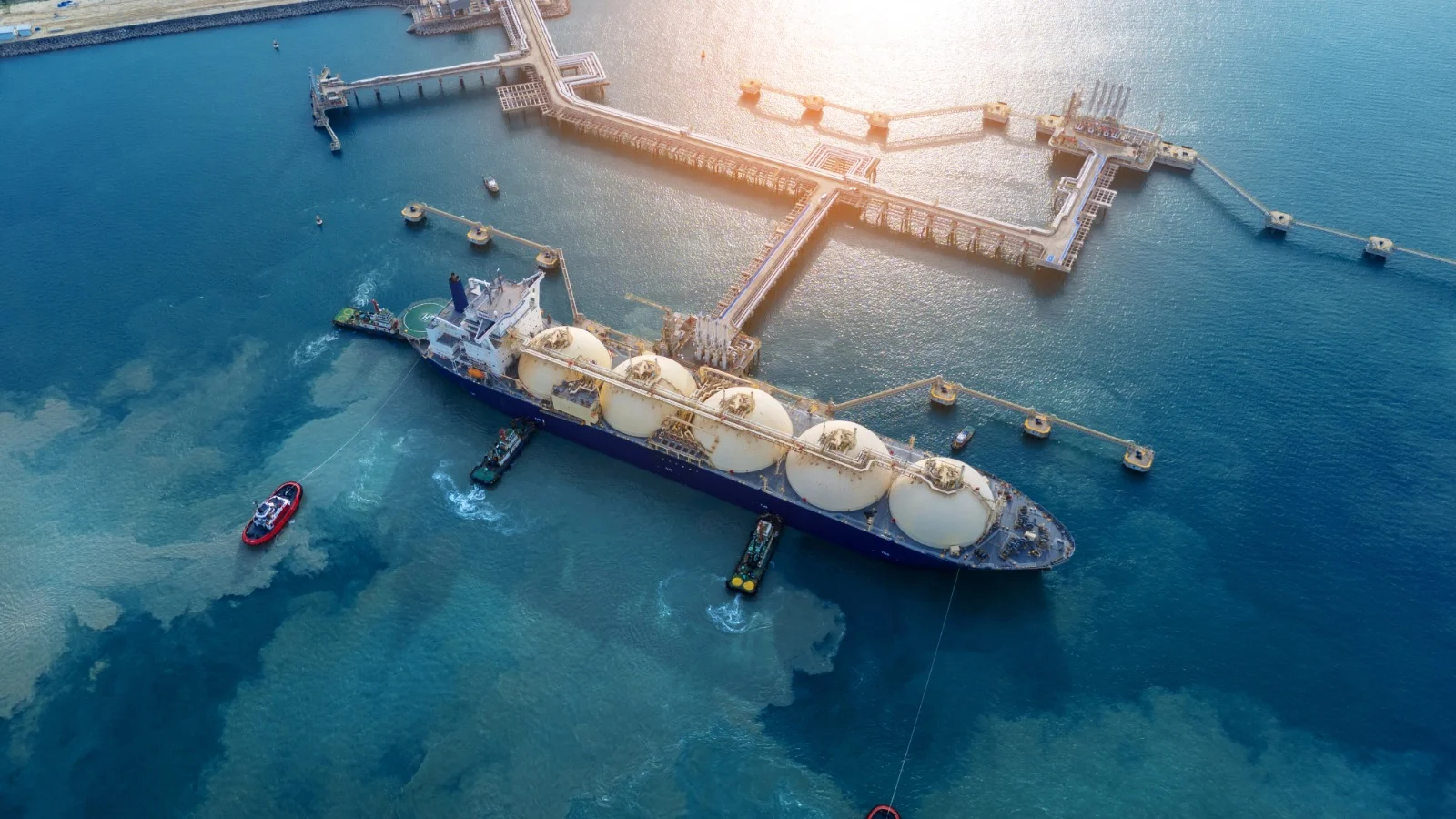

Crude oil markets had been jolted at the start of the week as escalating security risks in the Middle East triggered a sharp supply-shock response. Brent crude briefly surged to around $119.50 a barrel before easing back near $113, while U.S. benchmark WTI also spiked close to $119 and later traded near $110, reflecting rapid repricing as traders assessed disruption risk to production and shipping routes.
A major pressure point had been the Strait of Hormuz, a critical chokepoint through which roughly 15 million barrels per day—about one-fifth of global oil flows—typically moved. With tanker movements reportedly slowing amid heightened threat perceptions, the market had quickly priced in tighter near-term availability.
Regional producers, including Iraq, Kuwait, and the UAE, had reportedly reduced output as storage filled and export capacity tightened—an operational reality that often follows when crude cannot move efficiently to market.
For businesses in Doha, the message had been clear: volatility was not noise—it was a signal to stress-test costs, logistics, and cash flow before the next swing.