

HH Sheikha Moza bint Nasser Attends Opening of Precision Medicine and the Future of Genomics Summit 2025

Qatar Foundation and Sidra Medicine highlight 11 years of groundbreaking progress in Precision Health and Genomics. Her Highness Sheikha Moza bint Nasser, Chairperson of Qatar Foundation (QF), attended the opening of the Precision Medicine and the Future of Genomics (PMFG) Summit 2025, held at the Qatar National Convention Centre (QNCC). The prestigious event marks more than a decade of Qatar’s leadership and investment in precision medicine, genomics, and health innovation. The ceremony was also attended by HE Mansoor bin Ebrahim bin Saad Al Mahmoud, Minister of Public Health, alongside senior government officials, diplomats, and global healthcare and academic leaders — underscoring Qatar’s commitment to advancing the future of healthcare. A Decade of Milestones in Precision Medicine The PMFG Summit 2025 opened with keynote addresses from Julia Vitarello, Founder & CEO of Mila’s Miracle Foundation, and Prof. Ed Liu from The Jackson Laboratory. The ceremony concluded with the flagship panel discussion:“From Personalised to Population-Scale: Building a Thriving Precision Medicine Sector in Qatar.” In his remarks, Prof. Khalid Fakhro, Chief Research Officer at Sidra Medicine, stated: “As we celebrate 11 years of PMFG, we reaffirm our commitment to advancing genomic science, translational research, and precision health implementation. We extend our appreciation to all speakers, partners, sponsors, and the growing scientific community in Qatar who make this summit truly exceptional.” Driving the Future of Genomics and Healthcare Innovation Co-organised by Sidra Medicine and the Qatar Precision Health Institute, and held under the patronage of Qatar Foundation, the PMFG Summit focuses on three major transformative pillars shaping the next era of global healthcare: The summit brings together global experts to explore how genomics, technology, and clinical strategy can be integrated into population-wide healthcare transformation — positioning Qatar as a frontrunner in precision medicine. What’s Ahead on Day 2 – December 3 The second day of PMFG 2025 will feature: As Qatar continues shaping a world-class ecosystem for precision health, the PMFG Summit stands as a cornerstone of its national vision to lead scientific discovery, improve patient outcomes, and build a sustainable healthcare future.
Money Expo Qatar 2025 Opens with a Power-Packed Day 1 — Global Leaders, Breakthrough Conversations & a Thriving Crowd Set the Stage
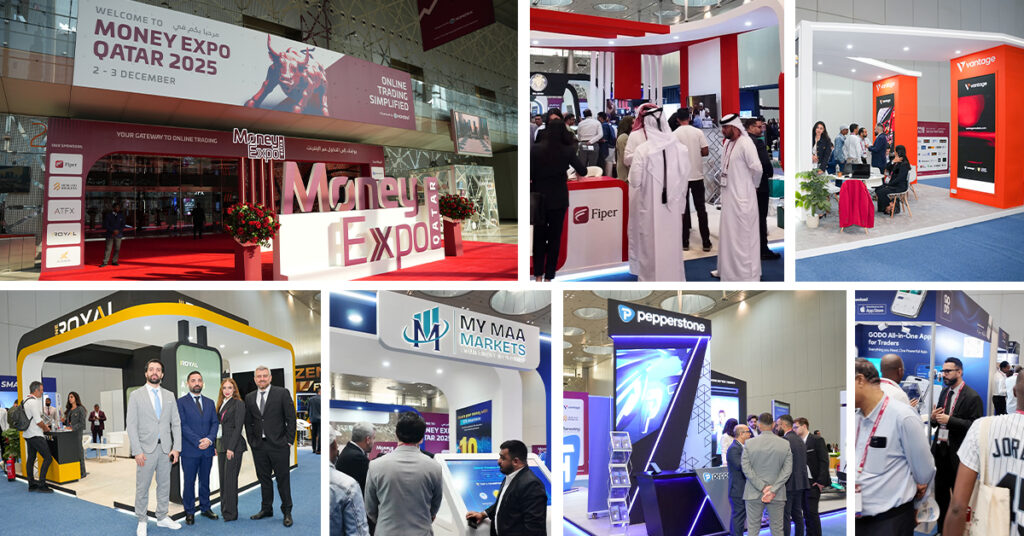
Money Expo Qatar 2025, the region’s most influential finance, fintech and trading event, kicked off at Hall 2, Doha Exhibition & Convention Center (DECC) with an electric start. Day 1 delivered record-breaking footfall, powerful keynote insights, packed conference rooms, and dynamic interaction across the exhibition floor — firmly reinforcing Qatar’s position as a rising global financial hub. A High-Energy Start to the Middle East’s Largest Finance & Trading Event From the moment doors opened, thousands of traders, investors, fintech leaders, brokers, analysts, wealth managers, and financial institutions filled the venue, eager to engage with innovators shaping the future of trading and digital finance. The conference launched with a robust lineup of global speakers, covering the newest market trends in: Each session attracted standing-room-only crowds, showcasing the hunger for knowledge and the rapid evolution of Qatar’s financial landscape. Exhibition Floor: Innovation, Tech Demos & High-Value Connections Across the exhibition hall, leading international brands demonstrated the most advanced financial technologies: Exhibitors reported exceptional engagement, strong lead generation, and meaningful collaborations, as Qatar’s vibrant trading community continues to expand. Diamond Sponsor Testimonial: A Brilliant Partnership FFA Kings shared their powerful experience as Diamond Sponsor, stating: “Our experience as the Diamond Sponsor at Money Expo Qatar 2025 was phenomenal. The organisers supported us every step of the way, allowing our team to focus on what we do best — connecting with amazing people and generating outstanding leads. It was an advantageous partnership, and we can’t wait to be back next year.” A Milestone Event for Qatar’s Financial Future With retail traders, institutional investors, fintech founders, analysts, and decision-makers from across the Middle East, Europe, and Asia, Day 1 highlighted the growing global attention on Qatar’s financial transformation. As the country accelerates its digital economy vision, Money Expo Qatar 2025 stands as a catalyst for:
MWC25 Doha Concludes with 9,500 Attendees, Cementing MENA’s Influence in Global Connectivity
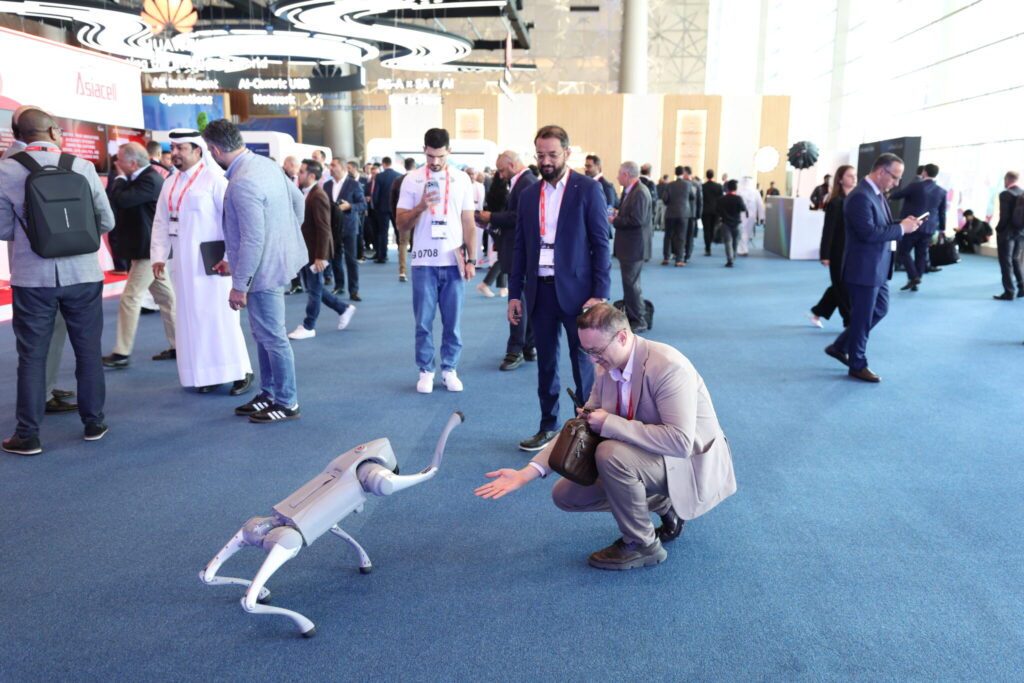
GSMA MWC25 Doha—held in partnership with the Ministry of Communications and Information Technology (MCIT)—closed its inaugural edition today after two power-packed days of business engagements, groundbreaking showcases, and high-level discussions. The event marked a historic milestone, positioning the Middle East and North Africa (MENA) region as one of the most influential forces shaping the future of global connectivity. Hosted for the first time in the MENA region, MWC Doha demonstrated Qatar’s digital leadership and its rising role as a driver of innovation, investment, and next-generation technologies. A Landmark Debut for MWC Doha MWC25 Doha delivered impressive numbers, reinforcing its success: These figures reflect a powerful debut and underscore MWC Doha’s emergence as a global stage for digital transformation across the region. Revolutionary Tech Demonstrations on the Show Floor MWC25 Doha brought future technology to life with extraordinary demos: • 4,300 km Remotely Driven Car The GSMA Fusion Elmo showcase allowed attendees in Doha to remotely control a vehicle navigating the streets of Tallinn, Estonia—over 4,300 km away—using 5G Standalone (SA) technology. This unprecedented demonstration highlighted the future of autonomous mobility and ultra-reliable low-latency communications (URLLC). • 5G-SA Powered E-Sports Racing Esports enthusiasts experienced lightning-fast, ultra-low-latency racing powered by Ooredoo Qatar’s 5G-SA network. Curated with GSMA Fusion and Veloce, the experience showcased how 5G is reshaping gaming, entertainment, and immersive fan engagement. Global Leaders Share Vision for the Region’s Digital Future John Hoffman, CEO of GSMA Ltd., expressed his appreciation:“MWC Doha has proven what’s possible when a region steps forward with clarity, ambition, and investment. Doha and the wider MENA region are now catalysts for innovation, bringing together people, ideas, and partnerships that move our industry forward.” Vivek Badrinath, Director General of the GSMA, reinforced the significance of the event:“Launching MWC in Doha at this pivotal moment gives the region a platform to show the scale of its digital ambition. The momentum here is real. However, ensuring digital progress reaches every community across MENA requires sustained collaboration. This inaugural edition is a major step in that direction.” Driving Inclusive Digital Growth Across MENA A key theme throughout MWC25 Doha was addressing the regional usage gap, with over 340 million people still offline despite mobile broadband coverage. The GSMA highlighted initiatives—especially through GSMA Mobile for Development—that aim to: MWC Doha became a crucial platform for advancing these shared goals and unlocking the full potential of MENA’s digital economy. Looking Ahead MWC25 Doha marks a defining moment for the region. With Qatar serving as a strategic host, the event successfully connected global decision-makers, innovators, and thought leaders—laying the foundation for new partnerships, investments, and transformative technologies. As the GSMA concludes its 2025 global event series, attention now shifts to MWC26 Barcelona, taking place from 2–5 March 2026, before the region gathers once again for the next edition of MWC Doha.
Msheireb Museums Shares a Decade of Heritage Innovation at ICOM Dubai 2025
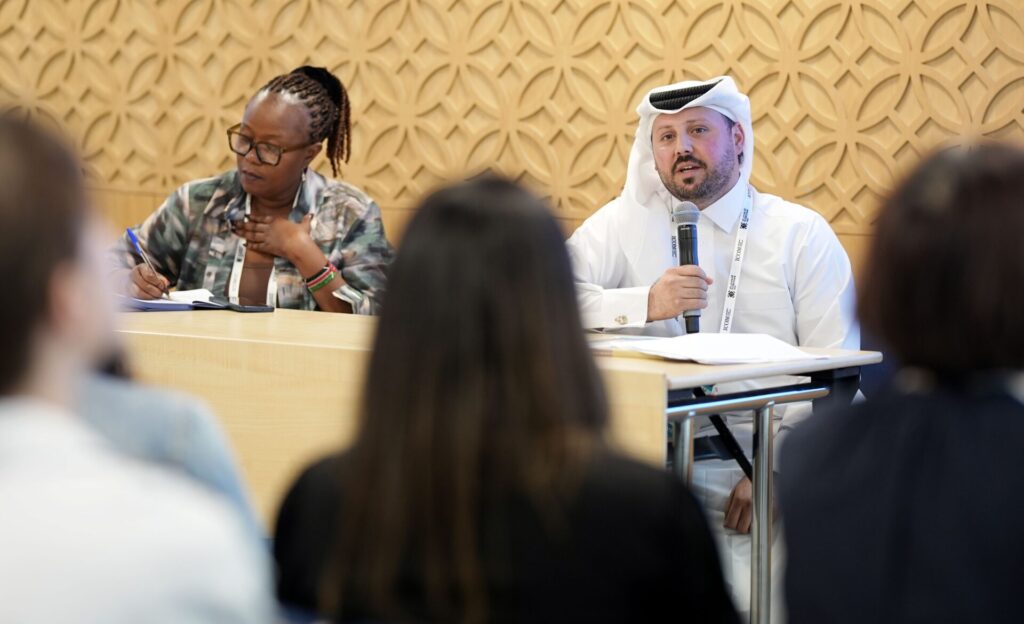
Msheireb Museums marked a significant milestone on the global cultural stage by participating in the ICOM (International Council of Museums) Dubai 2025 Conference, held from November 12 to 17 at the Dubai World Trade Centre. Fresh off its 10th anniversary celebrations, the institution shared insights from a decade of pioneering work in heritage-led innovation, museum practice, and community-driven cultural preservation. The participation offered an opportunity to present the methodologies and learnings documented in the recently launched publications:‘Msheireb Museums: Transforming Doha’s Heritage Houses’ and‘Building on Tradition – The New Architectural Language of Qatar.’These works highlight how the museums have translated heritage into a living resource for contemporary identity, urban placemaking, and regional museum development. Heritage and Progress as Partners Mr Abdulla Al Naama, General Manager of Msheireb Museums, reflected on the institution’s contribution to global dialogue: “The conversations at ICOM Dubai reinforced what we celebrated at our 10th anniversary: that heritage and progress work together when rooted in community wisdom. Sharing our approach with peers validated our mission of transforming these houses into living platforms where heritage shapes identity and inspires belonging.” This exchange strengthened Msheireb Museums’ commitment to expanding its role as a cultural anchor within Msheireb Downtown Doha — a model for integrating tradition with sustainable urban development. Spotlight on Global Expertise: Msheireb Museums at ICOM Msheireb Museums led two key presentations during the conference: Session A-22: Intangible Heritage – Storytelling, Identity & Relevance Presentation: Voices Remembered: Curating Intangible Heritage and Historical Trauma at Bin Jelmood HouseSpeaker: Abdullah Al NaamaThis session explored how Bin Jelmood House navigates sensitive historical narratives while honouring the lived experiences of those impacted, creating meaningful spaces for dialogue and empathy. Session C-22: Regional Museum Branding & The Future of Museums Presentation: Branding Heritage: How Msheireb Museums Connect Local Identity with Global ConversationsSpeaker: Mohammed Al Yousuf, Operations & Visitor Relations ManagerThe presentation demonstrated how the museums position themselves as a bridge between Qatar’s cultural heritage and evolving global museum standards amid rapid urban transformation. Following both sessions, discussions centred on how Msheireb Museums balances authenticity with innovation, transforming historic buildings into contemporary spaces for education, storytelling, and community belonging. A Global Platform for Cultural Leadership The ICOM Dubai 2025 Conference brought together museum leaders, curators, academics, researchers, and cultural heritage experts from around the world to examine the evolving role of museums in today’s rapidly changing societies. Msheireb Museums’ participation highlights its growing influence as a regional and international thought leader, contributing to the cultural, educational, and social development of Qatar and beyond. A Decade of Impact in Msheireb Downtown Doha Born from the vision of Her Highness Sheikha Moza bint Nasser, Msheireb Museums tell the story of four iconic heritage houses at the heart of Msheireb Downtown Doha. Carefully restored and adapted in line with global conservation standards, these museums embody Qatar’s commitment to preserving its past while building for its future. Over the past decade, Msheireb Museums have welcomed more than 200,000 students, strengthened partnerships with educational and cultural institutions, and established themselves as a leading platform where heritage, innovation, and urban development meet. As heritage continues to shape identity and inspire new generations, Msheireb Museums reaffirm their role in preserving Qatar’s cultural narrative — and redefining the role of museums in a rapidly evolving world.
Almana Group and XPENG Drive Qatar’s Smart Mobility Revolution
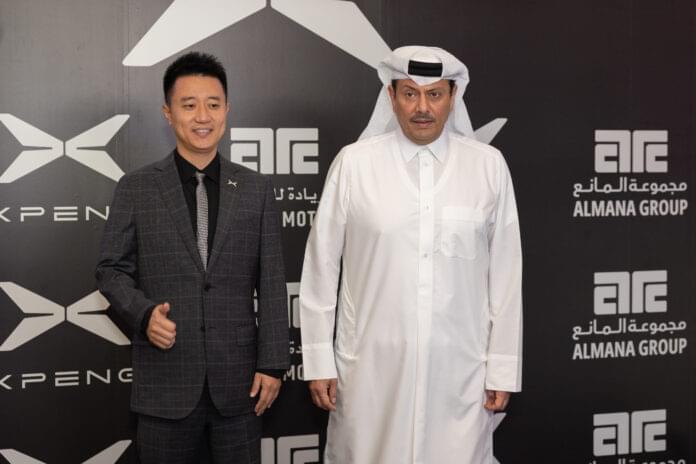
Almana Group, one of Qatar’s most established and diversified business conglomerates, has officially announced the entry of XPENG — the pioneering Chinese intelligent electric vehicle brand — into the Qatari market. Through its subsidiary Pioneer Motors Company, Almana Group unveiled XPENG at a grand ceremony held at The St. Regis Doha, marking a significant leap toward advancing Qatar’s smart and sustainable mobility ecosystem in alignment with Qatar National Vision 2030. The event drew an audience of senior government officials, diplomats, and industry leaders, highlighting the strategic importance of XPENG’s arrival under the stewardship of Almana Group. As the official distributor of XPENG in Qatar, Pioneer Motors underscores Almana’s long-standing commitment to innovation, sustainability, and customer-centric mobility solutions. “Our partnership with XPENG reflects our confidence in the future of electric and intelligent mobility, as well as our commitment to contributing to Qatar’s journey of innovation and sustainability,” said Tariq Omar Al-Mana, Vice President – Automotive Division, Almana Group.“As we embrace this new era, we continue to build bridges between Qatar and the world through technology, trust, and forward-thinking enterprise.” A New Era of Intelligent Mobility Founded in 2014 and listed on both the New York Stock Exchange and the Hong Kong Stock Exchange, XPENG has rapidly emerged as a global leader in AI-driven mobility, autonomous driving, and software-defined vehicles. XPENG’s intelligent systems seamlessly combine cutting-edge software, advanced EV performance, and a refined in-cabin experience designed to meet the expectations of modern, tech-savvy drivers. “This collaboration represents a bold step forward for Almana Group as we diversify our automotive portfolio and invest in technologies shaping the future of transportation,” stated Almoatasim Billah Sharqawi, Group CEO, Almana Group.“By introducing XPENG to Qatar, we contribute to the evolution of a smarter and more sustainable mobility ecosystem.” Amer Omar Hassan, COO – Group Automotive at Almana Group, added: “The addition of XPENG to our portfolio marks a major leap for Almana Group and Qatar’s mobility landscape. XPENG’s AI-powered technology will redefine driving experiences and set new standards in intelligent performance and sustainability.” From XPENG’s perspective, the partnership is equally strategic. “We are honoured to partner with Almana Group — a name synonymous with trust and innovation in Qatar,” said Ken, General Manager of XPENG Middle East & Africa.“Together, we are not just launching a brand; we are introducing a new vision of intelligent mobility for Qatari consumers.” XPENG Models Debut in Qatar XPENG G6 — Intelligent Coupe SUV A dynamic EV that blends performance, range, and everyday practicality. XPENG G9 — Flagship Luxury SUV The executive benchmark for comfort, technology, and speed. XPENG P7+ — Intelligent Sports Sedan (Coming Soon) Currently in pre-production, the P7+ combines dynamic design and intelligent control. Driving the Future of Mobility in Qatar With XPENG’s official debut, Almana Group reinforces its position as a catalyst for innovation in Qatar’s automotive landscape — integrating AI, electrification, and user-centric design to elevate mobility experiences for consumers and communities alike. As Qatar accelerates toward its sustainable transport vision, the partnership between Almana Group and XPENG represents a defining moment — one that fuses heritage, innovation, and global collaboration to shape the future of smart mobility.
WISH summit calls for protecting healthcare
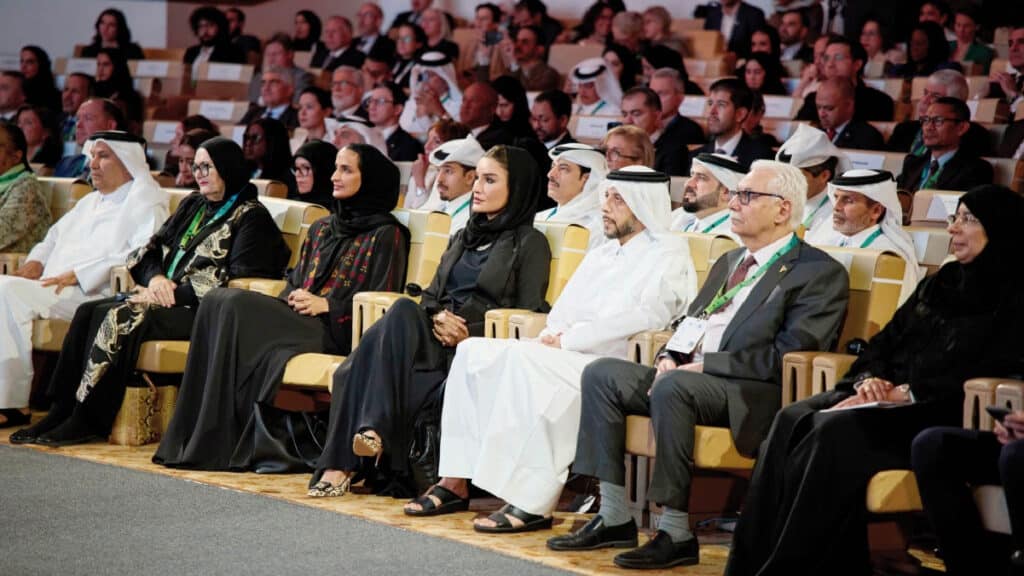
Doha, Qatar – Qatar Foundation’s 7th World Innovation Summit for Health (WISH 7) opened yesterday at the Qatar National Convention Centre (QNCC), under the theme “Humanizing Health: Conflict, Equity, and Resilience.” The event, graced by H H Sheikha Moza bint Nasser, brought together global health policymakers, innovators, researchers, and practitioners to address some of the world’s most pressing health challenges. The opening ceremony was attended by prominent figures including Minister of Public Health H E Mansoor bin Ebrahim bin Saad Al Mahmoud, former Minister of Public Health H E Dr. Hanan Mohamed Al Kuwari, Vice-Chairperson and CEO of Qatar Foundation H E Sheikha Hind bint Hamad Al Thani, WISH CEO Slim Slama, Executive Chair of WISH Lord Darzi of Denham, and President of Médecins Sans Frontières Dr. Christos Christou. In her opening address, H E Al Kuwari emphasized Qatar’s commitment to fostering global cooperation and tackling urgent health challenges. She highlighted the theme of this year’s summit, stating, “This year’s theme, ‘Humanizing Health: Conflict, Equity, and Resilience,’ reflects our dedication to addressing profound health issues, especially for those enduring unimaginable hardships.” Al Kuwari also called attention to the critical need for healthcare protection in conflict zones, advocating for rebuilding lives with compassion and resilience. Dr. Christos Christou echoed this sentiment, stressing that attacks on healthcare facilities have become a troubling “new norm,” especially in regions like Gaza. He called for accountability and tangible action to protect healthcare workers and facilities, noting, “There are many doctors in Gaza amputating on children without anaesthetic, scrambling without basic medicines.” A powerful film shown during the opening ceremony shared the story of 11-year-old Dareen Al Bayaa, a Palestinian girl who lost 47 family members in a devastating attack in Gaza on October 22, 2023. Dareen and her five-year-old brother are now in Doha for medical care. Day one of WISH 7 included discussions on several reports developed in partnership with the World Health Organization (WHO), covering topics such as protecting healthcare in conflict zones, combating antimicrobial resistance (AMR), and the ethics of AI in Gulf-region healthcare. Additional sessions examined women’s cancer, palliative care, and the impact of the war in Sudan. Today, the summit will continue with discussions on mental health, obesity, diabetes, and other key topics. WISH 7 will conclude with the announcement of winners in the WISH innovation competitions and the launch of the new CARDIO4Cities initiative, aimed at tackling urban cardiovascular health challenges.
Ministry of Education and Higher Education completes development of “Educational Institutions Licensing” platform
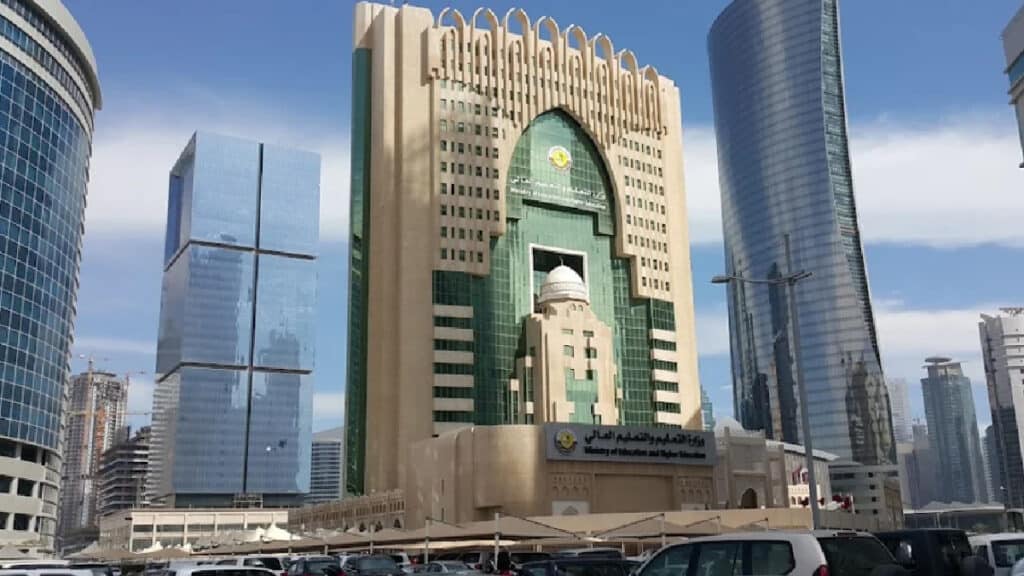
Doha, Qatar – The Ministry of Education and Higher Education has launched the “Educational Institutions Licensing” platform, now accessible to educational entities throughout Qatar. This initiative forms part of the Ministry’s commitment to bolstering the digital infrastructure for private education, streamlining licensing procedures, and providing a user-friendly, secure online experience for stakeholders. Designed to improve administrative efficiency, the platform allows educational institutions to apply for and monitor licensing processes more effectively, a step anticipated to elevate the quality of educational services across Qatar. Omar Abdulaziz Al-Naama, Assistant Undersecretary for Private Education Affairs, commented on the initiative: “The launch of the Private Educational Institutions Licensing Platform represents a significant advancement in the automation of educational services. It aligns with the directives of HH the Amir Sheikh Tamim bin Hamad Al-Thani, in line with Qatar’s National Vision 2030, to foster a supportive environment for education sector investment and meet the country’s developmental needs.” Dr. Mona Salem Al-Fadhli, Director of the Information Systems Department, also emphasized the platform’s role in the Ministry’s digital transformation: “This platform offers a streamlined, integrated experience for licensing applications, covering all services for nurseries, educational centers, schools, and private kindergartens. Investors can complete, manage, and follow up on transactions online through a fully automated portal, reducing the need for in-person visits.” The platform offers various services, including issuing, renewing, and managing licenses for educational institutions, modifying entity details, granting permissions for advertising and events, and providing options for license cancellations. With a focus on Qatar’s National Vision 2030, the platform also establishes a modern framework to enhance private education standards, benefiting both investors and educational service providers. This launch marks a transformative shift towards efficiency, accessibility, and higher quality service in Qatar’s private education sector.