

WISH summit calls for protecting healthcare
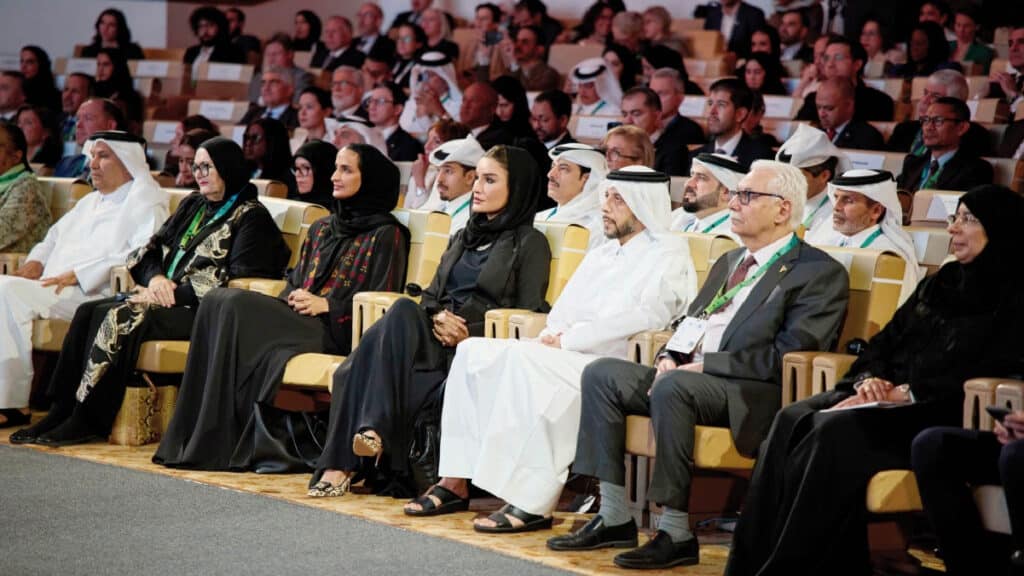
Doha, Qatar – Qatar Foundation’s 7th World Innovation Summit for Health (WISH 7) opened yesterday at the Qatar National Convention Centre (QNCC), under the theme “Humanizing Health: Conflict, Equity, and Resilience.” The event, graced by H H Sheikha Moza bint Nasser, brought together global health policymakers, innovators, researchers, and practitioners to address some of the world’s most pressing health challenges. The opening ceremony was attended by prominent figures including Minister of Public Health H E Mansoor bin Ebrahim bin Saad Al Mahmoud, former Minister of Public Health H E Dr. Hanan Mohamed Al Kuwari, Vice-Chairperson and CEO of Qatar Foundation H E Sheikha Hind bint Hamad Al Thani, WISH CEO Slim Slama, Executive Chair of WISH Lord Darzi of Denham, and President of Médecins Sans Frontières Dr. Christos Christou. In her opening address, H E Al Kuwari emphasized Qatar’s commitment to fostering global cooperation and tackling urgent health challenges. She highlighted the theme of this year’s summit, stating, “This year’s theme, ‘Humanizing Health: Conflict, Equity, and Resilience,’ reflects our dedication to addressing profound health issues, especially for those enduring unimaginable hardships.” Al Kuwari also called attention to the critical need for healthcare protection in conflict zones, advocating for rebuilding lives with compassion and resilience. Dr. Christos Christou echoed this sentiment, stressing that attacks on healthcare facilities have become a troubling “new norm,” especially in regions like Gaza. He called for accountability and tangible action to protect healthcare workers and facilities, noting, “There are many doctors in Gaza amputating on children without anaesthetic, scrambling without basic medicines.” A powerful film shown during the opening ceremony shared the story of 11-year-old Dareen Al Bayaa, a Palestinian girl who lost 47 family members in a devastating attack in Gaza on October 22, 2023. Dareen and her five-year-old brother are now in Doha for medical care. Day one of WISH 7 included discussions on several reports developed in partnership with the World Health Organization (WHO), covering topics such as protecting healthcare in conflict zones, combating antimicrobial resistance (AMR), and the ethics of AI in Gulf-region healthcare. Additional sessions examined women’s cancer, palliative care, and the impact of the war in Sudan. Today, the summit will continue with discussions on mental health, obesity, diabetes, and other key topics. WISH 7 will conclude with the announcement of winners in the WISH innovation competitions and the launch of the new CARDIO4Cities initiative, aimed at tackling urban cardiovascular health challenges.
Sidra Medicine Launches Qatar’s First Cord Blood Bank
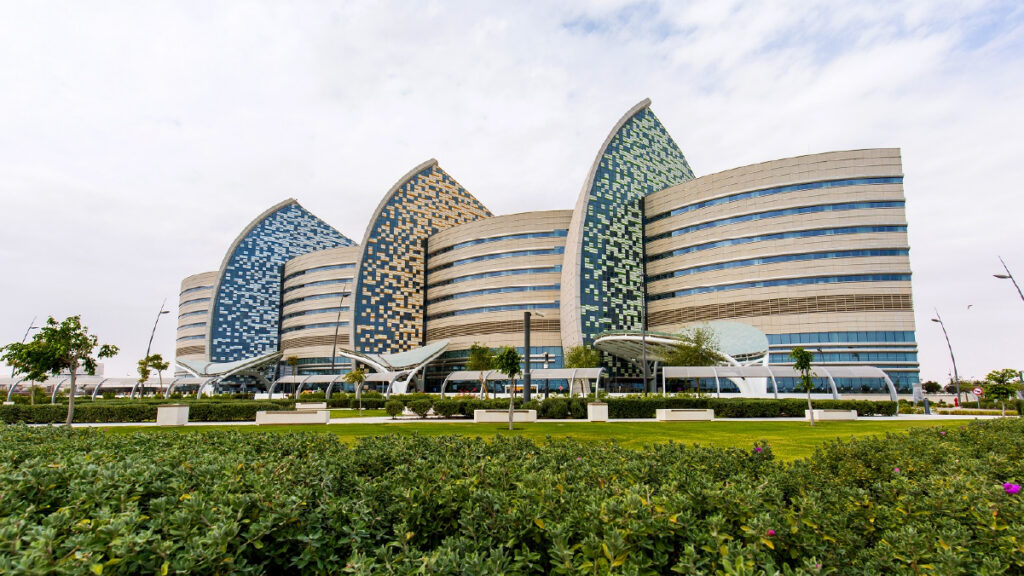
Partnership with CellSave Arabia Expands Reach for Families Across the Country Sidra Medicine, a member of Qatar Foundation, has launched a state-of-the-art cord blood banking service. This is the country’s first local cord blood storage facility and will offer families a unique opportunity to preserve their newborns’ stem cells in Qatar, for potential future medical needs. Cord blood banking is the process of collecting and storing the blood from a newborn’s umbilical cord and placenta after birth. The collection is painless, non-invasive, and risk-free for the mother and baby. Cord blood is rich in hematopoietic stem cells, which have the potential to treat various medical conditions, including certain cancers, blood disorders, and immune system diseases. Prof. Johnny Awwad, Chair of Women’s Services at Sidra Medicine said: “As the only facility in Qatar providing local cord blood storage, Sidra Medicine offers an unparalleled advantage by keeping the samples in the country. This ensures their optimal quality and immediate access when needed most, compared to having them shipped from abroad. Cord blood is increasingly being stored by parents everywhere, who are seeking to preserve their child’s stem cells as they can be crucial for their child or their sibling/s in the future. Our commitment to the latest technology and international standards further guarantees the utmost reliability and peace of mind for families in Qatar.” All the cord blood samples will be sent to Sidra Medicine’s Cord Blood Bank in its Good Manufacturing Practice (GMP) facility, where cryogenic freezing will allow them to be stored securely for over 30 years. Prof. Khalid Fakhro, Chief Research Officer at Sidra Medicine said: “Our cord blood banking service is another successful milestone for our precision medicine strategy. There are over 80 diseases that can be treated using the banked samples including some types of cancers. With this private service now available for maternity patients at Sidra Medicine, we provide parents with the opportunity to safeguard their child’s future health by cryopreserving their stem cells. This is particularly relevant for families with a history of congenital medical issues. The stored stem cells could provide a source for regenerative therapies if their child or other family members experience blood or immune system disorders.” To expand its reach to other families in Qatar, Sidra Medicine signed a Memorandum of Understanding with CellSave Arabia, a leader in stem cell banking services. It is available to any family in the country choosing the joint Sidra Medicine and CellSave Arabia service as their stem cell storage provider regardless of whichever hospital their baby is born in. Dr. Iyabo Tinubu-Karch, Chief Executive Officer of Sidra Medicine said: “This partnership with CellSave Arabia aligns perfectly with Sidra Medicine’s mission to advance healthcare and foster healthier families across Qatar. Thanks to our facilities and CellSave Arabia’s reach, this is the first time that families across the country have an option to have their children’s stem cells stored in the country. Together, we aim to make advanced stem cell processing and storage more accessible, thereby contributing to a more robust healthcare infrastructure in the region.” Alia Abdel-Razeq, COO of CellSave Arabia said at the MoU signing ceremony with Sidra Medicine: “Partnering with Sidra Medicine marks a pivotal step in our commitment to healthcare innovation in Qatar. By utilizing Sidra Medicine’s exceptional facilities and expertise, we can significantly elevate our service offerings, ensuring that families in Qatar have access to vital stem cell banking services that support their future health needs.” Cord blood banking is already available at Sidra Medicine and plans are underway to extend the joint Sidra Medicine and CellSave Arabia service to those who deliver their babies in other hospitals in addition to launching other services including umbilical cord banking, placental tissue banking, amniotic tissue banking, and Mesenchymal Stem Cell (MSC) banking. For further inquiries or assistance about Cord Blood Banking, please download the brochure here or contact us at stemcells@sidra.org.
Startup Qatar Investment program announces successful applicants, with $12 million in funding
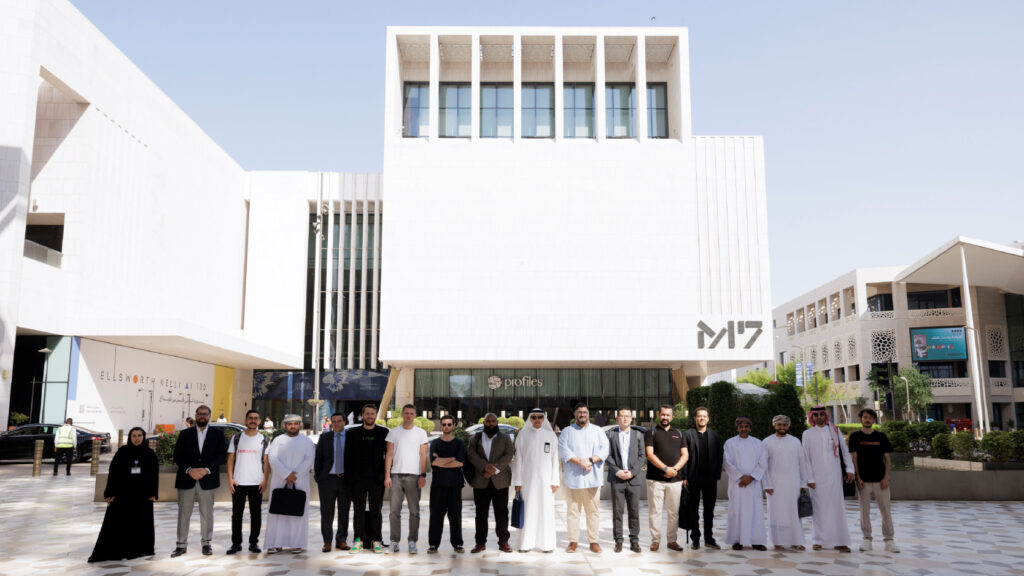
Startup Qatar has announced the first cohort of successful applicants of its Investment Program during a press conference at Web Summit Lisbon. Successful applicants will receive a total of QAR 43.8 million (USD 12 million) in funding and benefits such as access to a shared office space in one of Qatar’s leading local incubators, accommodation and free entrepreneur visas to support them in establishing and expanding operations in Qatar. In its first edition, the Startup Qatar Investment Program attracted nearly 2,000 applications from around the world, including the United States, Canada, the United Kingdom, Turkey and India, among others. Following a competitive selection process, a total of 11 applicants were selected based on their innovative ideas and potential for impact. These include Ynmo, Stemly, Sekgames, Huupe, Nafasaria, PaintIt.ai, Realyze Intelligence, Polymerize, Wahed, Nybl and Byanat. These startups represent a diverse range of industries, including e-gaming, edtech, sportstech, cleantech, proptech, healthtech, fintech and B2B SaaS, showcasing the diverse talent and creativity within the global entrepreneurial landscape. Speaking at the press conference announcement, Hamad Rashid Al-Naimi, Strategy Manager at Invest Qatar, commented: “We are pleased to see such high levels of engagement from promising international startups eager to establish their presence in Qatar. The Startup Qatar Investment Program highlights the country’s commitment to advancing the innovation and entrepreneurship ecosystem and supporting Qatar’s transition to a knowledge-based economy.” Launched earlier this year, the Startup Qatar Investment Program falls under Invest Qatar’s Startup Qatar Initiative, introduced ahead of the inaugural Web Summit Qatar, the region’s largest technology event. The initiative is a one-stop online comprehensive national resource for information, support and opportunities offered to startups and entrepreneurs. Successful applicants of the Startup Qatar Investment Program will benefit from seed or growth funding, with up to USD 500,000 to establish themselves in Qatar and up to USD 5 million to expand operations within the Qatari market. The selected companies are poised to make significant contributions to their fields in Qatar by establishing R&D offices, supporting local startups, and enhancing the country’s AI and machine learning ecosystem. They aim to collaborate with local universities, support graduates and play a key role in advancing Qatar’s material innovation strategy, all while striving to position the country as a global tech hub. “These selected startups represent a diverse array of industries and bring innovative solutions that align with Qatar’s vision for a vibrant entrepreneurial landscape. We look forward to fostering their growth and contributing to the development of a thriving startup ecosystem in the country,” added Al-Naimi. Qatar continues to strengthen its position as a leading technology hub, making a significant impact at Web Summit Lisbon 2024. The Qatar Pavilion showcased the country’s rapid advancements in the technology sector, emphasising the government’s strong support for startups and innovation, alongside substantial investments in IT infrastructure and a strategic focus on emerging technologies, particularly artificial intelligence. Attendees were also introduced to Qatar’s favourable business environment. As Qatar prepares to host the second edition of Web Summit Qatar in February 2025, it aims to build on the record success of its inaugural event in 2024, which welcomed over 15,000 attendees from 118 countries and showcased 1,043 startups. Web Summit Qatar 2025 will take place from 23 to 26 February 2025. Book your tickets now: www.startupqatar.qa/web-summit Startups and entrepreneurs interested in applying for the next round of the Startup Qatar Investment Program can visit www.startupqatar.qa.
WCM-Q conference discusses impact of new technologies on medical education
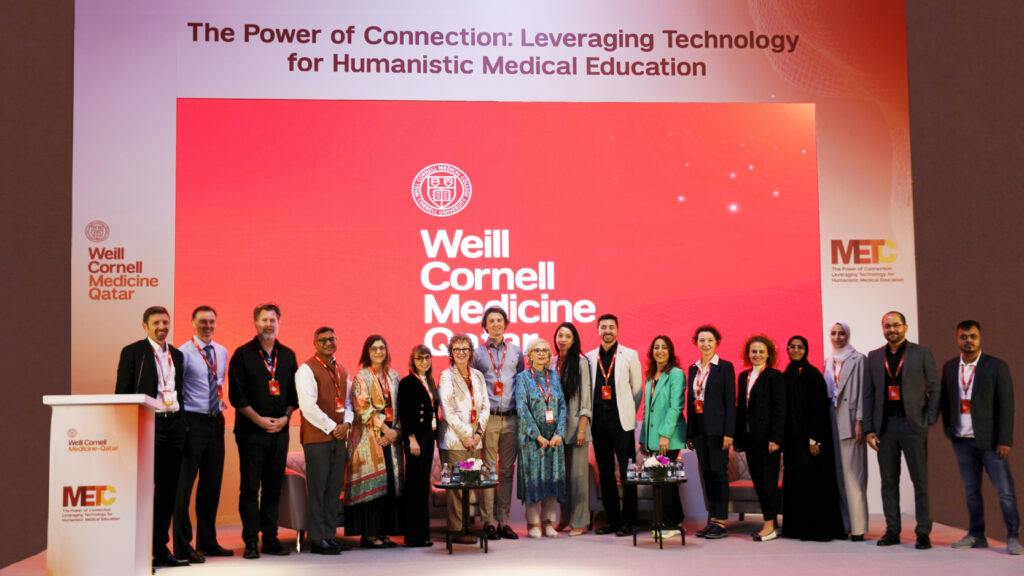
Doha – November 13, 2024: A conference hosted by Weill Cornell Medicine-Qatar (WCM-Q) convened experts in medical education from across the globe to examine the potential for new technologies to enhance the way medicine is taught. The two-day Medical Education Technology Conference (METC) presented thought leaders in medical education from institutions in Qatar, Switzerland, the US and the UK to explore the potential for technologies like artificial intelligence (AI), virtual reality (VR), and augmented reality (AR) to provide personalized learning and immersive training tools for healthcare practitioners. The conference also examined the intersection between technology and humanistic science, and explored ways to ensure that medical education programs cultivate empathy, compassion and creativity in future physicians in the era of AI and rapid technological change. The conference further discussed the impact of emerging technologies on medical ethics and the challenges of ensuring patient privacy, informed consent, and inclusivity in the metaverse. Other features of the conference were two panel discussions, a poster presentation of research projects, Q&A sessions, a series of expert-led presentations, and opportunities for attendees to gain hands-on interactive experiences with technologies such as immersive content creation and VR simulations. Subjects covered by speakers on the first day of the event included precision education and lifelong learning in medicine, AI and medical ethics in education, designing the next generation of learning delivery systems, medical ethics in the metaverse, and the integration of AI into medical education programs to optimize learning outcomes and clinical training. The second day featured presentations on diversity and inclusion in the metaverse, the intersection between art and medicine, and the role of social determinants of health in the age of AI. The second day also offered five workshops, which covered strategies for designing inclusive and accessible virtual environments for patients and healthcare professionals, telling stories in 3D virtual environments using cutting-edge digital tools, utilizing technology to enhance empathy among caregivers, how to create immersive 360-degree videos, and developments in AI-based simulation technologies. One of the many highlights of the event was an artistic performance given by renowned artist and director Abdulaziz Yousef which blended art, AI and virtual reality technology. The event drew participants from all over the world, with healthcare professionals, educators and students in attendance from Qatar, the wider MENA region, the US, Europe, India and elsewhere. Speaking at the conclusion of the event, Dr. Thurayya Arayssi, vice dean for academic and curricular affairs said: “This is a truly exciting time in medicine and medical education as cutting-edge technologies like AI, VR and AR are already revolutionizing the way medicine is practiced, taught and experienced. This conference was a fantastic way to explore how these new technologies can best be implemented to enhance medical education and patient care while simultaneously protecting the rights and safety of patients.” Dr. Javaid Sheikh, dean of WCM-Q, said: “This conference has done a marvelous job of placing new technologies within the context of the humanistic art and science of medicine. Our guiding principle at WCM-Q is to promote the use of emergent technologies to advance world-class healthcare, while also ensuring that the foundational caregiving attributes of compassion, empathy, humility and responsibility to one’s patients are preserved and enhanced by these new developments.” The conference was accredited locally by the Ministry of Public Health’s Department of Healthcare Professions – Accreditation Section and internationally by the Accreditation Council for Continuing Medical Education (ACCME).
International Padel Federation launches Ryder Cup and Laver Cup of padel with new Inter-Continental Cup competition set for 2025 season

11 November 2024 – The International Padel Federation (FIP) today announced the launch of an inaugural new inter-continental cup competition – the equivalent of tennis’ Laver Cup and golf’s Ryder Cup – which will take place biennially, seeing top and emerging players from the Amercias compete against Europe in some of the most compelling venues of sport, starting with the first competition in 2025. Following the record-breaking success of the 2024 FIP World Championship earlier this month, the new inter-continental cup – yet to be formally named – will showcase the best global talent and provide new opportunities for players from emerging padel nations to join the elite level of the world’s fastest growing sport. The new competition also signals padel’s readiness for inclusion in the Olympics, as the sport’s rapid democratization and professionalization under FIP aligns with the International Olympic Committee’s values and support for globally diverse and modern sports that help develop the pyramid. The new format will also be organized with the support of FIP’s continental federations Padel Europe and Padel America. A men’s and women’s competition will be run simultaneously – with a record-breaking prize purse of €700,000 and equal prize money distributed across the winning men’s and women’s teams. These unprecedented winnings reflect a continued commitment by the FIP to grow and develop the sport internationally, continually raising the profile of professional padel. Hosting will rotate between venues across the Americas and Europe, bringing padel to both established and emerging fan bases in incredible locations across the globe. Tenders for locations, branding, promoters and partnerships starting shortly. Commenting on new competition, the President of the International Padel Federation, Luigi Carraro, who was unanimously re-elected for a new Presidential mandate in October 2024, stated: “The new inter-continental cup competition responds to the incredible worldwide popularity of padel and an unprecedented demand for new competition formats from both established and emerging padel fanbases, players and partners. The overwhelming success of the FIP Padel World Championships 2024 and the Premier Padel professional tour demonstrate how padel has rapidly become a major international sport and innovations such as the new inter-continental competition are key to continually driving the development of padel – especially in new regions of the world. We cannot wait to realize this competition next year, and already know of enormous demand to host and partner in padel’s equivalent of the Laver and Ryder Cup, which will continue the globalization of padel as we aspire to form part of the Olympic Movement as soon as possible.”
WCM-Q Equips Health Professionals With Mixed-Methods Research Skill
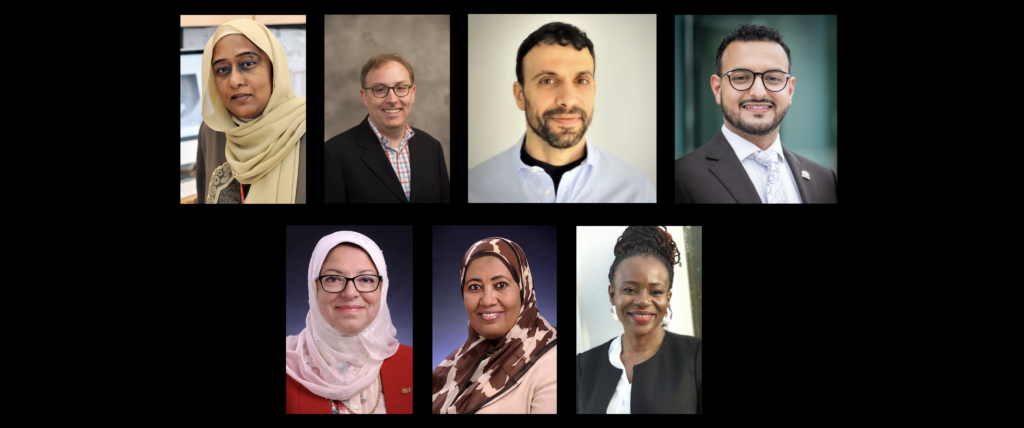
The Division of Continuing Professional Development (CPD) at Weill Cornell Medicine-Qatar (WCM-Q) recently hosted a three-day virtual workshop on mixed methods research (MMR). The workshop, titled “Learning and Applying Essentials of Mixed Methods Research (MMR),” employed an interactive and participatory educational approach. Participants were guided through the key features of well-integrated MMR studies, learning how to identify and apply them to their own research, and respond effectively to peer-review feedback. MMR integrates qualitative and quantitative data to provide a comprehensive understanding of complex phenomena, making it invaluable for healthcare research. The workshop attracted a diverse group of attendees, including physicians, allied health professionals, dentists, nurses, pharmacists, researchers, educators, students, and trainees. Dr. Timothy C. Guetterman, assistant professor and associate director of the Mixed Methods Program at the University of Michigan, and Dr. Amal Khidir, associate professor of pediatrics and vice-chair of the Institutional Review Board (IRB) at WCM-Q, directed and presented the workshop. They were joined by esteemed experts Dr. Sergi Fàbregues, associate professor of psychology and education at the Universitat Oberta de Catalunya, Spain, and core faculty of the Mixed Methods Program at the University of Michigan, and Dr. Meshari F. Alwashmi, associate member of the Mixed Methods Program at the University of Michigan. The workshop was facilitated by Dr. Maha Elnashar, director of the Center for Cultural Competence in Healthcare (CCCHC) at WCM-Q’s Institute for Population Health (IPH); Huda Abdelrahim, senior specialist in cultural competence in healthcare at CCCHC; and Dr. Phyllis Muffuh Navti, assistant director of CPD at WCM-Q. Highlighting the workshop’s impact, Dr. Khidir said: “Participants had a unique opportunity to learn about MMR concepts and designs and apply some of the concepts through Mixed Methods Treasure Hunt exercises, which led to gaining foundational understanding and practical experience. The positive feedback from attendees underscores the value of such important training, and we look forward to offering similar sessions in the future.” She emphasized the importance of MMR in contemporary healthcare research, noting that integrating qualitative and quantitative methods allows for a more nuanced and complete understanding of research findings, ultimately leading to more effective healthcare solutions. The workshop was accredited locally by the Ministry of Public Health’s Department of Healthcare Professions – Accreditation Section and internationally by the Accreditation Council for Continuing Medical Education (ACCME). About Weill Cornell Medicine-Qatar Weill Cornell Medicine-Qatar is a partnership between Cornell University and Qatar Foundation. It offers a comprehensive six-year medical program leading to the Cornell University M.D. degree with teaching by Cornell and Weill Cornell faculty and by physicians at Hamad Medical Corporation (HMC), Aspetar Orthopedic and Sports Medicine Hospital, the Primary Health Care Corporation, the Feto Maternal Center, and Sidra Medicine, who hold Weill Cornell appointments. Through its biomedical research program, WCM-Q is building a sustainable research community in Qatar while advancing basic science and clinical research. Through its medical college, WCM-Q seeks to provide the finest education possible for medical students, to improve health care both now and for future generations, and to provide high quality health care to the Qatari population.
Qatar Partners With Microsoft To Expand Cloud Data Centres

Data analytics and AI services have onboarded the partnership between 43 government and semi-government entities to Azure Cloud, a cloud computing platform developed by Microsoft. Azure Cloud is witnessing sharp growth due to the company’s heavy investment in AI and its access to the coveted technologies of ChatGPT maker OpenAI through their strategic partnership. Sami Al Shammari, the Assistant Undersecretary for Infrastructure and Operations Affairs at MCIT, has lauded the collaboration and said: “The expansion of Microsoft’s cloud data centre region in the country is a testament to the ministry’s steadfast commitment to empowering all government entities with the latest technologies, especially new AI-based technologies.” “Through these partnerships, we aim to keep pace with the latest developments in artificial intelligence and localise them across various sectors, thereby achieving the Digital Agenda 2030 and Qatar National Vision 2030 goals, which aim to enhance Qatar’s position as a hub for innovation and technology,” Al Shammari added highlighting that 1,393 individuals have trained in Artificial Intelligence techniques over the past three years, while 143 government and semi-government entities have shifted to Azure cloud. “The expansion of Microsoft’s cloud data centre region in the country is a testament to the ministry’s steadfast commitment to empowering all government entities with the latest technologies, especially new AI-based technologies.” – Sami Al Shammari, assistant undersecretary for Infrastructure and Operations Affairs, MCIT, Ahead of 2022, Microsoft and MCIT launched the National Skilling Programme, with the to train 50,000 people in Qatar through digital skills acquisition programmes over the next four years.