

WISE Policy Dialogue Explores AI and Teacher Readiness in K–12 Education
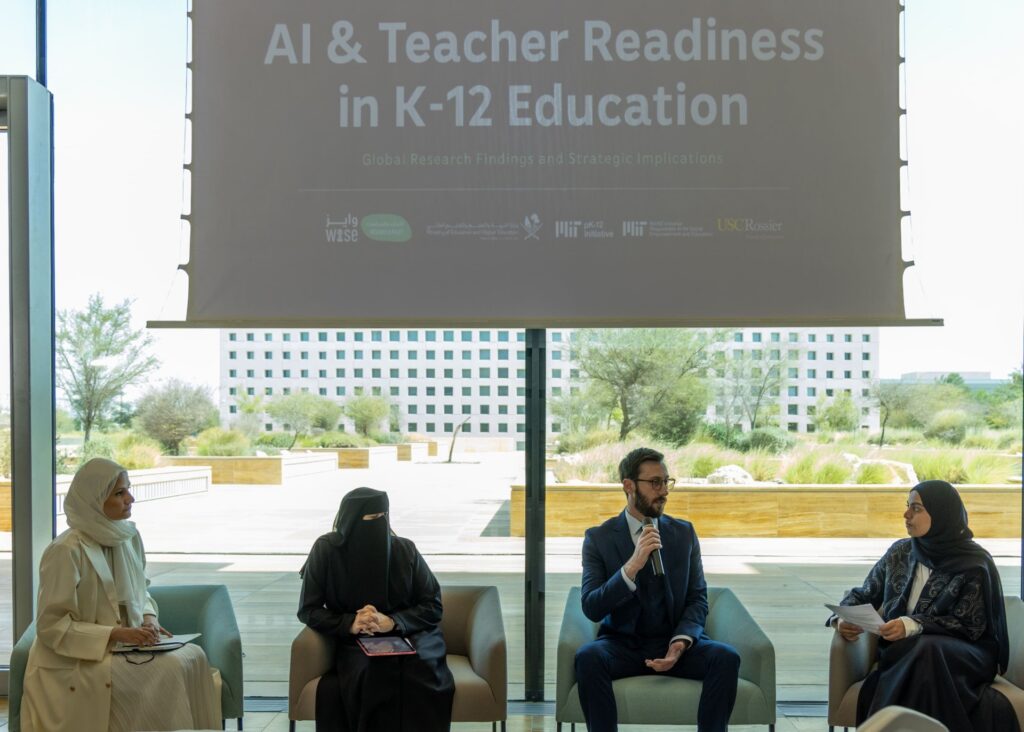
The World Innovation Summit for Education, WISE, an initiative of Qatar Foundation, hosted a policy dialogue event titled “AI & Teacher Readiness in K–12 Education: Global Research Findings and Strategic Implications”, bringing together education experts, policy voices and school practitioners to examine how artificial intelligence standards can be practically implemented in school environments. The discussion focused on one of the most urgent questions facing education systems today: how prepared are teachers to use AI meaningfully, responsibly and effectively in the classroom? As artificial intelligence continues to move rapidly into schools, the event highlighted the need for stronger teacher support, professional development, national evaluation frameworks and AI tools that reflect local language, culture and curriculum needs. AI Is Moving Faster Than Education Policy Opening the dialogue, Selma Talha-Jebril, WISE Research and Policy Director, said artificial intelligence is entering classrooms faster than schools and policy systems have had time to prepare for it. Her remarks set the tone for a discussion that moved beyond the excitement around AI and focused instead on implementation, readiness and long-term educational value. The event examined how teachers are currently engaging with AI, with many using it for administrative or preparatory tasks. However, panelists noted that the real opportunity lies in moving towards deeper, transformational classroom applications that directly support teaching, learning and student innovation. Teacher Agency and Professional Development Take Centre Stage Moderated by Maimoona Junjunia, Research and Policy Associate at WISE, the discussion emphasized the importance of teacher agency in the adoption of AI. Panelists stressed that AI in education cannot succeed through technology deployment alone. Teachers need sustained professional development, clear guidance, trusted tools and the confidence to integrate AI into pedagogy in ways that enhance learning outcomes. The dialogue also addressed the importance of evaluating AI tools rigorously before integrating them into schools at scale. In this context, national initiatives such as the WISE EdTech Testbed were highlighted as essential mechanisms for testing whether education technologies deliver real value in classroom environments. Shahd Dauleh, Innovation Manager at WISE, said the WISE testbed helps move the conversation beyond hype by ensuring that AI tools are genuinely effective for teaching and learning. AI Tools Must Reflect Language, Culture and Values A key theme emerging from the discussion was the need for AI systems in education to be contextually relevant. Lolwa Al-Nuaimi, Assistant Director of the E-Learning & Digital Solutions Department at the Ministry of Education and Higher Education, emphasized that for AI to succeed in education, it must reflect local language, culture and values while equipping teachers with the right tools. This point is particularly important for Qatar’s education sector, where strong digital infrastructure and national innovation ambitions have created a foundation for technology-led transformation. However, the discussion made clear that infrastructure alone is not enough. AI tools must be aligned with curricula, classroom realities, student needs and the cultural context in which learning takes place. Research Must Inform Policy and Practice The event also reinforced the broader purpose of the WISE Research & Policy Dialogue Series: ensuring that research findings do not remain confined to academic publications, but actively inform policy, practice and system-level decision-making. Selma Talha-Jebril noted that research only creates impact when it reaches the people with the power and responsibility to act on it. The dialogue series was positioned as a bridge between evidence, policy and education practice. This approach reflects a wider shift in education reform: moving from research as information to research as a tool for system transformation. From Classrooms to Innovation Labs Practical examples from schools offered a closer look at how AI can support student learning and innovation. Iyad Salameh, Teacher of Robotics and Automation at the Qatar Science and Technology Secondary School for Boys, shared how his students have used AI in hands-on projects. He noted that such projects show how students can use AI to build real-world solutions, turning classrooms into innovation labs. These examples highlighted the potential of AI to move beyond efficiency and automation. When implemented thoughtfully, AI can support creativity, problem-solving, applied learning and student-led innovation. For Qatar’s education ecosystem, this aligns closely with the country’s broader ambitions around digital transformation, innovation and future-ready skills. Qatar’s Teacher Readiness Gap One of the most important insights shared during the dialogue was the gap between teachers’ interest in AI and their understanding of how it works in education. According to Selma Talha-Jebril, WISE research found that 60% of teachers reported that AI helped them tailor instruction to meet diverse student needs. However, in Qatar, only 30% of surveyed teachers reported a strong understanding of how AI works in education. The finding points to a critical challenge for education systems: teachers are not necessarily resistant to AI, but many need tools, training and frameworks that are relevant to their classrooms. For Qatar, a country with advanced digital infrastructure and a strong national commitment to innovation, the opportunity is clear. The next phase of AI in education will depend not only on access to technology, but on building teacher confidence, capability and trust. Why It Matters The WISE policy dialogue placed teacher readiness at the centre of the AI education conversation. As AI becomes increasingly embedded in K–12 education, the success of these tools will depend on how well they serve teachers and students in real classroom settings. For Qatar, the discussion was especially significant. The country has invested heavily in education, digital infrastructure and innovation. The challenge now is to ensure that AI adoption in schools is guided by evidence, cultural relevance, teacher empowerment and measurable learning impact. The message from the dialogue was clear: AI can support the future of education, but only when teachers are prepared, supported and placed at the centre of the transformation.
Qatar Tourism Launches Service Excellence Training for MOI Immigration Officers in Collaboration with HIA
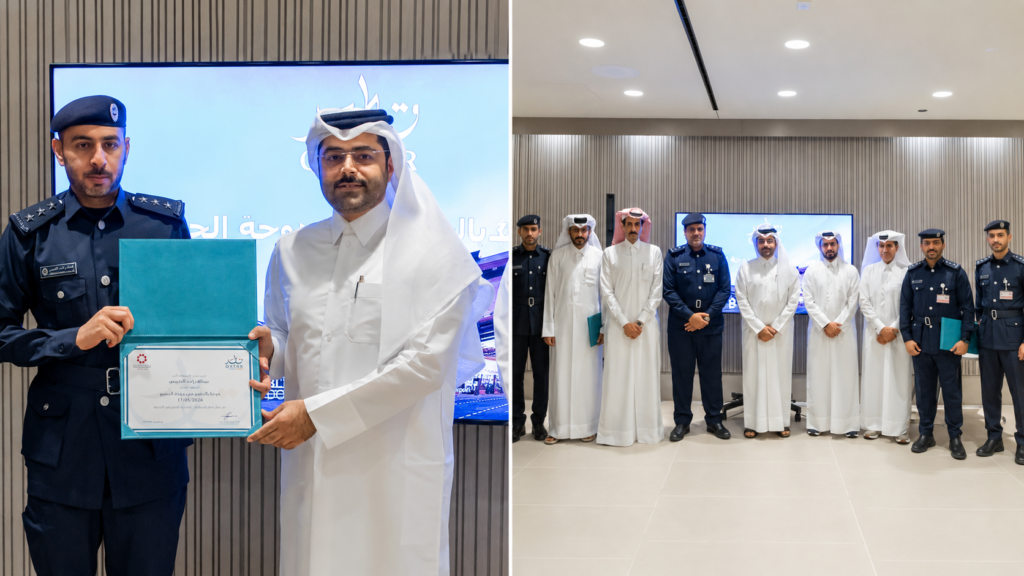
Qatar Tourism has launched a new Service Excellence Training programme for Ministry of Interior immigration officers, in collaboration with the Ministry of Interior and Hamad International Airport, as part of ongoing efforts to strengthen the visitor experience at Qatar’s key entry points. The initiative is designed to enhance customer service, communication skills and frontline engagement among immigration officers, ensuring that visitors receive a seamless, professional and welcoming arrival experience from the moment they enter the country. The first training session began on 17 May, with sessions scheduled to continue through the end of October 2026. The programme targets immigration officers working across Qatar’s main arrival touchpoints, reinforcing the importance of first impressions in the wider destination experience. Strengthening Qatar’s Visitor Journey As Qatar continues to position itself as a leading global tourism destination, service excellence has become a key pillar of the country’s tourism strategy. For many visitors, their first interaction with Qatar takes place at immigration counters, making frontline communication and hospitality a critical part of the national tourism experience. The training programme aims to ensure that these interactions reflect Qatar’s hospitality values, while supporting the country’s broader ambitions to deliver world-class service across the tourism and hospitality ecosystem. Mr. Omar Al Jaber, Chief of the Tourism Development Sector at Qatar Tourism, said the visitor journey begins at the country’s entry points, making those interactions an important part of the overall destination experience. He noted that the collaboration with the Ministry of Interior and Hamad International Airport continues Qatar’s efforts to strengthen service excellence standards and enhance the capabilities of frontline personnel. Building on Previous Training Initiatives The programme builds on Qatar Tourism’s existing collaboration with the Ministry of Interior Training Institute, which was established in 2023. It also expands previous service excellence training delivered to immigration and police personnel, including sessions held in early 2025 for 66 police officers across male and female institutes. By extending structured training to more frontline personnel, Qatar Tourism is reinforcing its commitment to raising service standards across the visitor journey and supporting a more consistent hospitality experience for international travellers. Part of a Wider Service Excellence Strategy The Service Excellence Training programme forms part of Qatar Tourism’s broader portfolio of capability-building initiatives. These include the Qatar Host Training Programme, the Spirit of Hospitality in-person training programme, the Qatar Specialist e-learning platform and the Service Excellence Academy. Through the Service Excellence Academy, Qatar Tourism continues to develop specialised programmes aimed at improving service standards across the tourism and hospitality sector. These initiatives include the Tour Guide Training Programme, the Desert Safari Tour Guide Programme, the Summer Camp for children and The Art of Front Office Hospitality programme. Together, these efforts support Qatar’s wider tourism development agenda by equipping frontline professionals with the skills needed to deliver high-quality visitor experiences. Why It Matters for Qatar’s Tourism Economy Qatar’s tourism sector is playing an increasingly important role in the country’s economic diversification strategy. As visitor numbers grow and the country continues to host major events, international conferences, cultural programmes and leisure experiences, the quality of service at every stage of the visitor journey becomes increasingly important. By focusing on immigration officers and airport entry points, Qatar Tourism is addressing one of the most important moments in the travel experience: the first impression. A smooth and welcoming arrival process not only improves visitor satisfaction, but also strengthens Qatar’s destination brand and supports repeat tourism. For Qatar’s tourism and hospitality sector, the initiative reflects a wider shift towards service quality, professional development and visitor-centric growth.
Al Abdulghani Motors Celebrates Young Talent at the 18th Toyota Dream Car Art Contest in Qatar
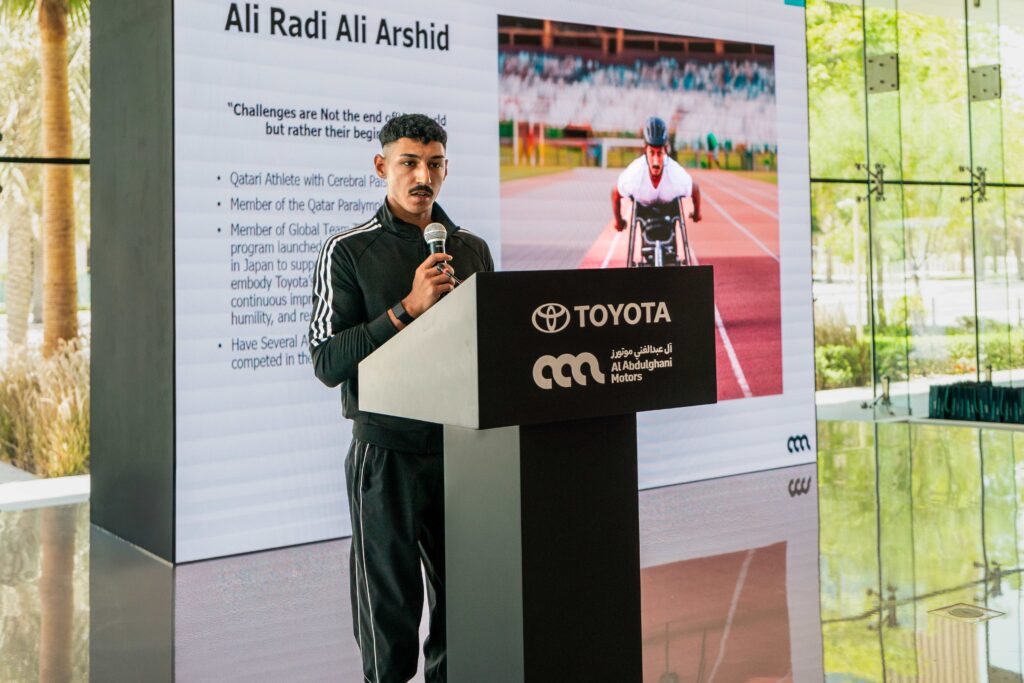
Empowering Youth, Inspiring Creativity, and Supporting Future Champions Al Abdulghani Motors, the authorised distributor of Toyota in Qatar, proudly hosted the Toyota Dream Car Art Contest Award Ceremony at its state-of-the-art showroom in Lusail. The event marked the culmination of the 18th edition of the global art competition, celebrating the imagination, creativity, and dreams of Qatar’s young artists. The ceremony brought together over 500 participants from more than 200 schools across Qatar, along with their families, educators, and special guests, including celebrated Qatari athletes Ali Arshid and Cherif Younousse. The event underscored Al Abdulghani Motors’ ongoing commitment to nurturing local talent, promoting artistic expression, and inspiring the next generation of dreamers. A Canvas of Innovation and Hope The theme of the contest invited children to envision their “Dream Car”—a vehicle capable of making the world a better place. Submissions ranged from eco-friendly innovations and futuristic vehicles to designs that symbolised unity, compassion, and environmental consciousness. The contest was divided into three age categories: Three winners were chosen from each category and were recognised with certificates and exciting prizes during the event. Their artworks will now represent Qatar in the World Contest in Japan, where winners may receive prestigious accolades from Toyota Motor Corporation. Additionally, 25 finalists were acknowledged for their creativity, and three students were recognised in a special online voting competition hosted by Al Abdulghani Motors, giving the community a chance to support their favourite young artists. Inspiring the Next Generation with Qatari Champions Adding to the excitement, the event welcomed two of Qatar’s inspiring sports figures: The athletes engaged with students, shared stories of perseverance and discipline, and emphasised the importance of dreaming big—values that align with the spirit of the Dream Car Art Contest and Toyota’s global mission. A Legacy of Creativity and Social Responsibility Since its launch in 2004, the Toyota Dream Car Art Contest has inspired more than 9.4 million children from 144 countries. In Qatar, Al Abdulghani Motors continues to champion this initiative as part of its Corporate Social Responsibility (CSR) strategy. The contest not only celebrates creativity but also aligns with the company’s broader goals of empowering youth, promoting innovation, and achieving excellence in art, academics, and athletics. Driving the Future with Imagination The 18th edition of the Toyota Dream Car Art Contest reaffirmed Al Abdulghani Motors’ belief in the power of youth and the importance of creative thinking in shaping a brighter tomorrow. By providing young talents with a global stage, the company remains dedicated to driving dreams forward and fueling a culture of imagination, passion, and positive change.
VCUarts Qatar and Ministry of Education and Higher Education Celebrate Winners of the 2024–2025 High School Fine Art Awards
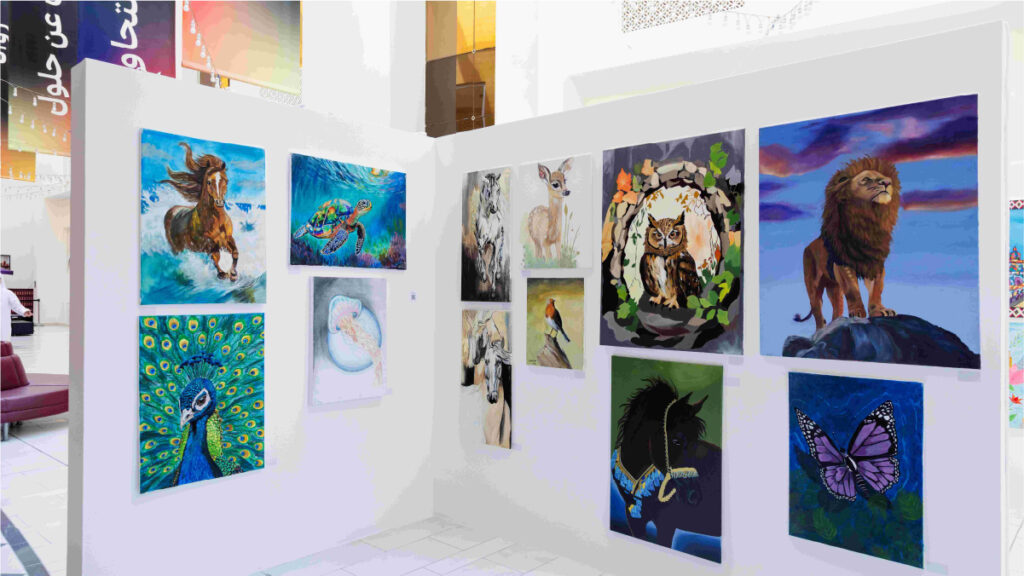
(Doha, Qatar) VCUarts Qatar, in partnership with the Division of Art and Theater at the Ministry of Education and Higher Education, proudly announces the winners of the 2024–2025 High School Fine Art Awards. This year’s competition was titled, “God is Beautiful and Loves Beauty”: A Dialogue on the Concept of Beauty in Arab and Islamic Culture. The Fine Art Awards recognize high school students seeking to explore beauty as it is expressed in nature, Islamic art, ethics, and the pursuit of knowledge. Dean Amir Berbić from VCUarts Qatar welcomed everyone saying, “This project is so important because it supports the development of new talent, young people with unlimited potential who are brave enough to show the world what they are capable of. This partnership represents an exciting step forward in nurturing the artistic talents of the next generation of art and design students here in Qatar.” The students, teachers, families, and friends were also welcomed and congratulated by Hemayan Al-Kaabi, Head of the Visual, Literary, and Drama Section, Department of Educational Supervision, Ministry of Higher Education, and Dr. Cherif Amor, Associate Dean for Academic Affairs and professor at VCUarts Qatar. The awards were announced by Dr. Aissa Deebi, Director of the Painting + Printmaking department at VCUarts Qatar; and Dr. Amro Abouelhoda, Visual Education Standards Specialist, Office of The Assistant Undersecretary For Educational Affairs. Winning artworks are currently on display at the Saffron Hall at VCUarts Qatar, and will remain open to the public until April 3. The exhibition is open Saturday through Thursday, from 9:00 AM to 5:00 PM, and closed on Fridays and public holidays.
HEC Paris, Doha Celebrates Unity and Connection During Annual Ramadan Ghabga
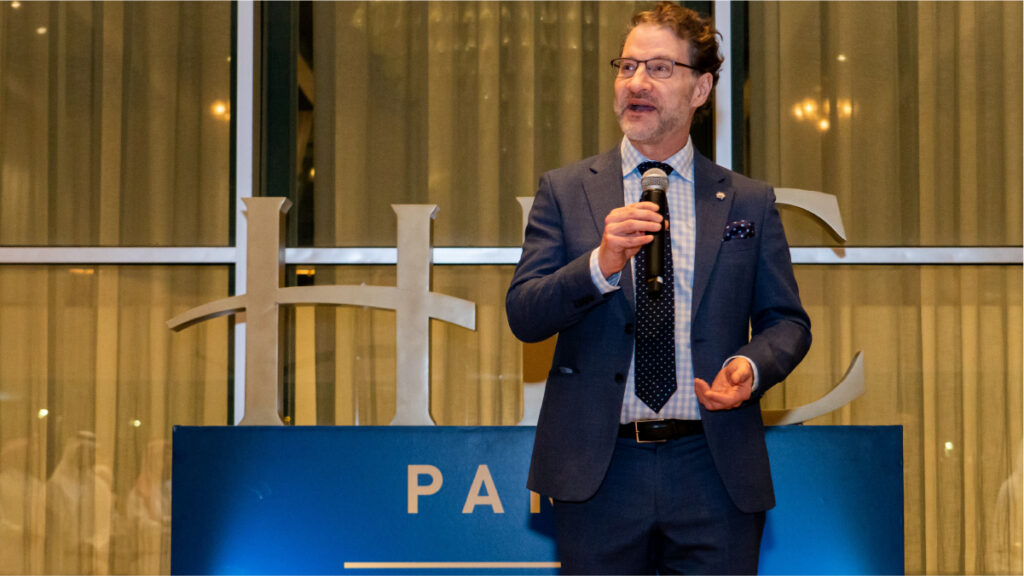
Doha, Qatar – 15 March 2025: In a world where strong connections define success, HEC Paris, Doha continues to cultivate a powerful network of leaders. This commitment was on full display at its Annual Ramadan Ghabga in Doha, where esteemed alumni, current participants, and faculty gathered to celebrate unity, connection, and the spirit of Ramadan. This year’s event was especially significant, marking HEC Paris, Doha’s 15th anniversary, a milestone that reflects its dedication to academic excellence and community engagement in Qatar. Dr. Pablo Martin de Holan, Dean of HEC Paris, Doha, shared his heartfelt remarks, highlighting the importance of community bonds and the shared values that drive HEC Paris’ mission. Sheikh Dr. Mohammed Hamad J. Al Thani, Chairman of the HEC Paris Alumni Qatar Chapter and Director of the Department of Non-communicable Disease Prevention Programs at the Ministry of Public Health, echoed this sentiment, emphasizing the strength of the alumni network and the lifelong connections it nurtures. Beyond celebration, the event provided a meaningful platform for networking, reinforcing HEC Paris, Doha’s role in shaping a thriving community of leaders who continue to make a lasting impact in Qatar and beyond.
HEC Paris Partners with Emirates Global Aluminum to Deliver Transformational Leadership Program
Doha, 4 March 2025 – HEC Paris, the world’s top-ranked business school for Executive Education, is delivering a custom leadership program for Emirates Global Aluminum (EGA). Ascend is a bespoke leadership program for high-potential leaders from non-supervisory to Directors. The program supports leaders to cultivate a forward-thinking mindset through immersive experiences and masterclasses to drive innovation. Abdulnasser Bin Kalban, Chief Executive Officer of Emirates Global Aluminium, said: “Developing our people has been a key foundation of our global competitiveness for decades, and is an important priority at EGA to achieve our bold aspiration to become a talent-driven organisation. Our goal with Ascend programme is to equip our top talent with the necessary knowledge and skills to thrive in their roles and accelerate their growth.” Led by Professor Shaheena Janjuha-Jivraj, Academic Director and Associate Professor of Entrepreneurial Leadership and Diversity at HEC Paris, Doha, the program provides participants with high-impact strategies that can immediately be applied within EGA. The recent module, delivered in Doha, focused on essential leadership competencies for managing large-scale organizational change. Participants explored proven frameworks to diagnose challenges, manage disruption, and implement transformation strategies with confidence and precision. Professor Shaheena emphasized the significance of the program, stating, “Leading transformation requires more than technical expertise; it demands vision, adaptability, and the ability to inspire action across an organization. This program equips participants with the strategic tools and leadership insights needed to drive innovation and transformation and create meaningful impact.” To complement in-class learning, participants engaged in a site visit to Microsoft’s Digital Center of Excellence and headquarters in Doha, where they explored cutting-edge advancements in artificial intelligence, digital transformation, and sustainable technology. The visit also showcased the launch of Qatar’s first data center, a pivotal milestone in digital transformation, local data residency, and cybersecurity. Participants gained insights into the Microsoft AI for Good initiative, which promotes responsible AI applications across industries, including transportation, sports, and tourism. The Ascend Level 3 program unfolds across three modules. The first module, ‘Innovation & Sustainability’, took place in Dubai in November, and focused on sustainable business strategies. The final module will take place in Dubai this April, where participants will engage in a business simulation – a high-pressure strategic exercise requiring real-time decision-making in investment, marketing, procurement, and finance. Building on its legacy of excellence in executive education, HEC Paris continues to partner with leading organizations across the GCC, including Qatar, the UAE, Kuwait, Bahrain, and Saudi Arabia. Through its custom-designed programs, HEC Paris empowers senior executives to drive innovation, create lasting impact, and lead with confidence in an increasingly complex business landscape.
HEC Paris, Doha Welcomes Diverse Executive MBA Class of 2026
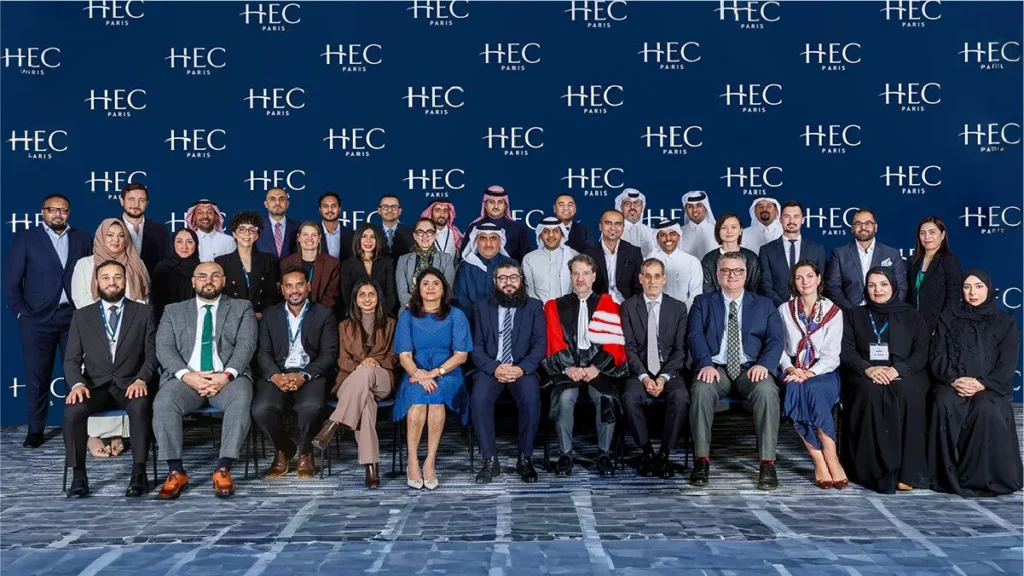
Doha, Qatar – 24 February 2025: HEC Paris, the world’s top-ranked business school for Executive Education, proudly welcomes its Executive MBA (EMBA) Class of 2026 to its Doha campus. This cohort represents one of the most diverse groups in the program’s local history, featuring professionals from 16 nationalities across Qatar, the Middle East, Europe, Asia, and North America. Together, they bring rich expertise from industries including banking, education, and healthcare. Notably, the program’s commitment to gender diversity is reflected in the large number of female participants, accounting for approximately 40% of the cohort. “The EMBA Class of 2026 reflects the strength that comes from bringing together very diverse people who all share a desire to become a better version of themselves,” said Dr. Pablo Martin de Holan, Dean of HEC Paris, Doha. “What unites them is the love of learning and the desire to grow personally and professionally, and to make a difference – in their organizations, communities, and beyond. The richness of their backgrounds helps them learn from one another and provides innovative solutions to real-world problems.” He added: “Our Executive MBA attracts professionals from across the Gulf and beyond. This group represents the spirit of curiosity, collaboration, and purpose that defines HEC Paris. By helping participants build strong leadership and strategic thinking skills, we prepare them to create a lasting impact, not just in their careers but in their families, in their communities, and in the societies they serve. Over the next 18 months, participants will embark on a transformative journey to refine their leadership and strategic decision-making skills. The program’s curriculum is closely aligned with Qatar’s Third National Development Strategy, the final phase of Qatar National Vision 2030. This roadmap focuses on sustainable economic growth, workforce diversification, financial resilience, and sustainability. The HEC Paris Executive MBA provides participants with a global edge, offering nine specializations taught by world-renowned faculty in Doha, Paris, and other international hubs. Delivered from the state-of-the-art Doha campus, the program provides the tools and insights required to lead organizations effectively in a rapidly evolving global economy. “Ultimately, the EMBA is not just an academic journey – it’s a personal one,” Dr. Martin de Holan concluded. “Through this experience, participants gain the skills, the tools, and the confidence to lead with purpose and ethics and to adapt to change. With each step, they carry the lessons forward, shaping a brighter future for us all. Learning should never stop.” Participants in the program are eager to apply their learnings to real-world challenges: “The program’s unique blend of core business fundamentals and leadership development is what drew me here. Moreover, the Capstone Project will allow me to directly apply what I learn to elevate my organization’s strategic initiatives,” said Abdulaziz Al-Thani, an EMBA participant.” Dr. Muna Altamimi, another participant, shared her perspective, “I chose this program because of its strong emphasis on immediate real-world application. I look forward to each module providing cutting-edge tools and strategic frameworks that I will be able to implement in my organization right away. The interactive learning environment, combined with insights from world-class faculty and diverse peers, will not only strengthen my leadership abilities but also broaden my perspective on global business challenges. This experience will equip me with the confidence and expertise to navigate complexity, drive innovation, and create a lasting impact in my field.” Graduates of the EMBA Class of 2026 will join the prestigious HEC Paris alumni network, which includes over 1,400 alumni who graduated from the Doha campus and more than 83,000 influential leaders worldwide. Locally, the alumni network boasts 61% Qatari membership, reflecting the institution’s strong ties to Qatar’s business community. Globally, it offers unparalleled opportunities for professional growth, collaboration, and innovation. In addition to the Doha Track, the HEC Paris EMBA program is also welcoming a new cohort in Riyadh, further expanding the program’s reach, and fostering the development of leaders across the region. A third cohort, offered in partnership with the Public Investment Fund, is set to launch in April this year. The HEC Paris EMBA, now with four tracks in the GCC, allows professionals from across the region to build their networks, and to gain the tools and insights needed to lead with impact. With its rigorous curriculum, commitment to diversity, and alignment with Qatar National Vision 2030, the HEC Paris EMBA Class of 2026 is poised to lead change, spur innovation, and contribute to building a thriving, sustainable economy.
VCUarts Qatar Holds Comics Retreat

From ideation and storyboarding to scriptwriting and visualization, QF partner university’s three-day workshop was a huge success. Doha, Qatar: A football coach, a psychologist, a musician and an aspiring journalist – in addition to the expected attendee profile of graphic designers and artists, these were just some of the other professionals who participated in the first Comics Retreat to be hosted by Virginia Commonwealth University School of the Arts in Qatar (VCUarts Qatar), a Qatar Foundation (QF) partner university, recently. The diversity of backgrounds and professions of the participants reminded one of the evergreen and universal appeal of comic books – even in a digital landscape dominated by complex animation, special effects, and computer-generated imagery. The three-day retreat was organized by the Comics Lab, a research lab under the Institute for Creative Research at VCUarts Qatar, led by Michael Wirtz, Head of Research and Library Technology, and Leland Hill, Assistant Professor of Graphic Design, at VCUarts Qatar. The retreat was led by Dr. S J Sindu (Sinduja Sathiyaseelan), Assistant Professor of Creative Writing, and Dr. Geoff Bouvier, Instructor, both from the Department of English at VCU, Richmond. Explaining the inspiration behind the lab, and the retreat, Wirtz said, “Part of the Comics Lab’s mission is to facilitate the production of comic and sequential art featuring voices and narratives of Qatar and the people who live here. Generally, when narratives of this region are depicted in comics, they are either stereotypical of how Western cultures view the people who live here, or they feature orientalist tropes that do not reflect the voices of the people who live here. Not only do we want to collect the authentic graphic narratives being produced in the region, or by people from the region, we want to encourage the creative community to create their own narratives.” He continued, “For this retreat, we chose the theme of “Third Culture Kids” due to the ubiquity of that experience in Qatar. Most people who live in Qatar have some experience with living or working in a culture that is different from that of their “home” or family’s culture. How people negotiate that experience can generate authentic narratives that can be shared through comic and sequential art.” Wirtz observed that the success of the first iteration of the retreat demonstrates that many people believe that comics may be a viable way of communicating those stories. He said, “Comics aren’t just stories about superheroes in tights and masks. They can be a powerful medium to depict complex characters and stories.” He also noted how as a format, comics may forge a stronger connection between the story, the characters and the readers. He said, “Unlike certain types of media where the narrative is fed to the reader, in reading a comic, the reader still has to participate in generating the narrative. For instance, the panel structure – the frames that contain the images – of a comic is similar to that of a film. However, unlike a film, the reader controls how quickly that narrative is consumed. One of the participants, Gilson de Souza, a football coach at Aspire Academy, said he always enjoyed reading comics and fiction both as a child and an adult. He said, “At a certain point in my life, I started playing Dungeons and Dunes and other role-playing games which involved creating worlds, characters and stories. This sparked my love for creative writing, and I began to write. “Since childhood, I’ve had two sides: a ‘geek’ side that loved stories, and an athletic side, influenced by my dad steering me more towards sports. This led me to my current career as a football coach. However, I never considered my creative side as something that could develop into a profession or even a hobby. Hence this journey of rediscovering this part of myself through this comic retreat has been deeply important to me as a person.” During the workshop, participants had ample opportunities to work both individually and in groups and share feedback on work produced during the retreat. Anna Luisa Almeida, a Brazilian psychologist who attended the workshop, said she found the topics and sessions to be highly interactive and engaging. She said, “The workshop kicked off with a discussion of the main theme, which was ‘Third Culture Kids’. I feel the topic was excellent, because it was something most of us could relate to, given the large number of expats in Qatar. Our final comics focused on this theme, and it was essential for everyone to share ideas.” She added, “In our introduction to script writing for comic books, I realized it was quite different from other forms of scripts. Our instructors shared tips and examples that we could refer to. For instance, Sindu, one of the retreat instructors, advised me to refer to Neil Gaiman’s scripts for ‘Sandman’. We also learned about the technical terms used in the design of comic spreads, the importance of the kind of media in which your comic will be read – paper or digital – and explored graphic poems.” In 2021, the VCUarts Qatar Art and Design Library, the library of the Qatar campus of Virginia Commonwealth University, in Richmond, decided to establish a dedicated Comics Lab to foster further exploration within the medium – particularly in the creation, consumption and themes of comic books in the region. Although the Lab is currently building its resources to meet the research and educational needs of the school, it has also embarked on a second phase of its conception – one of coordinating the dissemination of comic and sequential art from the region.
VCUarts Qatar offers an array of Community Learning opportunities for Spring 2025
QF partner university opens registration for workshops and courses ranging from Journaling to Interior Design Doha, Qatar: Virginia Commonwealth University School of the Arts in Qatar (VCUarts Qatar), a Qatar Foundation (QF) partner university, has announced its lineup for the Community and Continuing Education (CCE) short courses and taster sessions for spring 2025. The courses cater to various age groups and members of the public who would like to learn more about art and design or take their existing creative skills to the next level. The courses and taster sessions are led by professional artists and designers, many of whom are VCUarts Qatar graduates themselves. According to Rasha Alkasab, Program Manager for VCUarts Qatar’s Community & Continuing Education, “The 2025 line-up reflects our pledge to providing innovative courses that are relevant and responsive to the interests of our community. Our ongoing commitment remains steadfast – to curate engaging and educational opportunities that cater to diverse community interests and age groups, while ensuring a comprehensive understanding of the fundamentals of art and design.” For example, an introduction to journaling two-hour workshop is a tasting session that will take place on January 20th. This workshop is focused on the intentionality of journaling and its contribution to creativity and productivity and is timed to coincide with the new calendar year when people are focusing on a more productive and mindful approach to life. This session will be offered free of charge and take place online. Those with an interest in illustration can join an upcoming online workshop that will be taking place on April 7th, focusing on the art of children’s book cover design and illustration for young readers. This course will be led by the well-known Pakistani artist and designer Hazem Asif. A six-week advanced interior design course is also on offer for those eager to deepen their spatial design skills and explore architectural elements, multifunctional spaces and the impact of cultural influence on design. The course will provide hands on practice in creating space plans, and guide participants in creating their own designs. Later in the Spring, VCUarts Qatar will offer an Introduction to Virtual Reality, an evening course taking place over eight weeks, two nights a week, where participants will be immersed in virtual reality design and become familiar with innovative VR design tools like Tilt Brush and Gravity Sketch. For children, VCUarts Qatar is offering a course in acrylic design painting for kids, planned for Tuesday evenings from January 21st to February 25th. Children from 10-14 years old can explore and develop their artistic talents through color theory, brush skills and painting styles and will be guided through projects like landscapes, animals and imaginative scenes. These are just a few examples of the taster workshops and courses coming up soon at VCUarts Qatar. To register, or for further information including course descriptions, times and costs, please visit https://qatar.vcu.edu/campus-community/community-education/ or contact vcuqcommunity@vcu.edu
Ministry of Education and Higher Education completes development of “Educational Institutions Licensing” platform
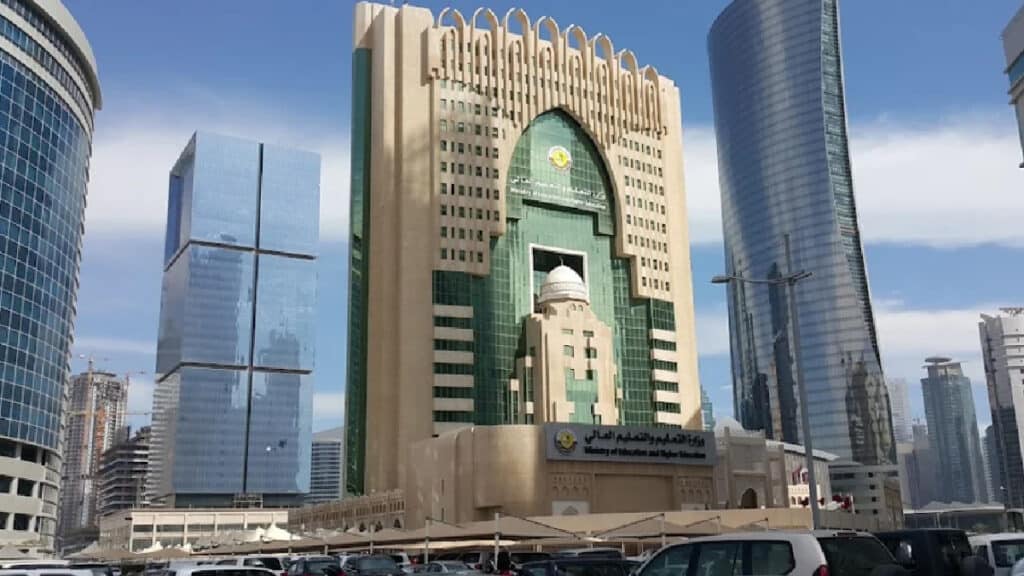
Doha, Qatar – The Ministry of Education and Higher Education has launched the “Educational Institutions Licensing” platform, now accessible to educational entities throughout Qatar. This initiative forms part of the Ministry’s commitment to bolstering the digital infrastructure for private education, streamlining licensing procedures, and providing a user-friendly, secure online experience for stakeholders. Designed to improve administrative efficiency, the platform allows educational institutions to apply for and monitor licensing processes more effectively, a step anticipated to elevate the quality of educational services across Qatar. Omar Abdulaziz Al-Naama, Assistant Undersecretary for Private Education Affairs, commented on the initiative: “The launch of the Private Educational Institutions Licensing Platform represents a significant advancement in the automation of educational services. It aligns with the directives of HH the Amir Sheikh Tamim bin Hamad Al-Thani, in line with Qatar’s National Vision 2030, to foster a supportive environment for education sector investment and meet the country’s developmental needs.” Dr. Mona Salem Al-Fadhli, Director of the Information Systems Department, also emphasized the platform’s role in the Ministry’s digital transformation: “This platform offers a streamlined, integrated experience for licensing applications, covering all services for nurseries, educational centers, schools, and private kindergartens. Investors can complete, manage, and follow up on transactions online through a fully automated portal, reducing the need for in-person visits.” The platform offers various services, including issuing, renewing, and managing licenses for educational institutions, modifying entity details, granting permissions for advertising and events, and providing options for license cancellations. With a focus on Qatar’s National Vision 2030, the platform also establishes a modern framework to enhance private education standards, benefiting both investors and educational service providers. This launch marks a transformative shift towards efficiency, accessibility, and higher quality service in Qatar’s private education sector.